Contents
Koh Samui had an economy before tourism, and part of it still works: Hua Thanon’s Muslim fishing fleet unloads on the sand every morning, north-coast boats fish squid at night, and Thong Krut’s pier still mixes nets with day-trippers. This page reports how that work happens, who does it, and how to see it without getting in the way.
Key takeaways
- Hua Thanon, on the southeast coast, is Samui’s largest working fishing village — a Muslim community with its own mosque, market and fleet, distinct from the rest of the island.
- Bang Po and other north-coast crews fish squid at night using bright lights to draw the catch to the surface, a technique used across the Gulf of Thailand.
- Bophut’s “Fisherman’s Village” is now a restaurant-and-market walking street; the fishing that remains sits at its edges, not its center.
- Thong Krut’s pier still serves working boats alongside the island-hopping trade to Koh Tan and Koh Madsum.
- These are homes and workplaces, not attractions — see How To Visit before you go.
- For the food this fleet produces, see Street Food & Seafood in Koh Samui.
What This Actually Is
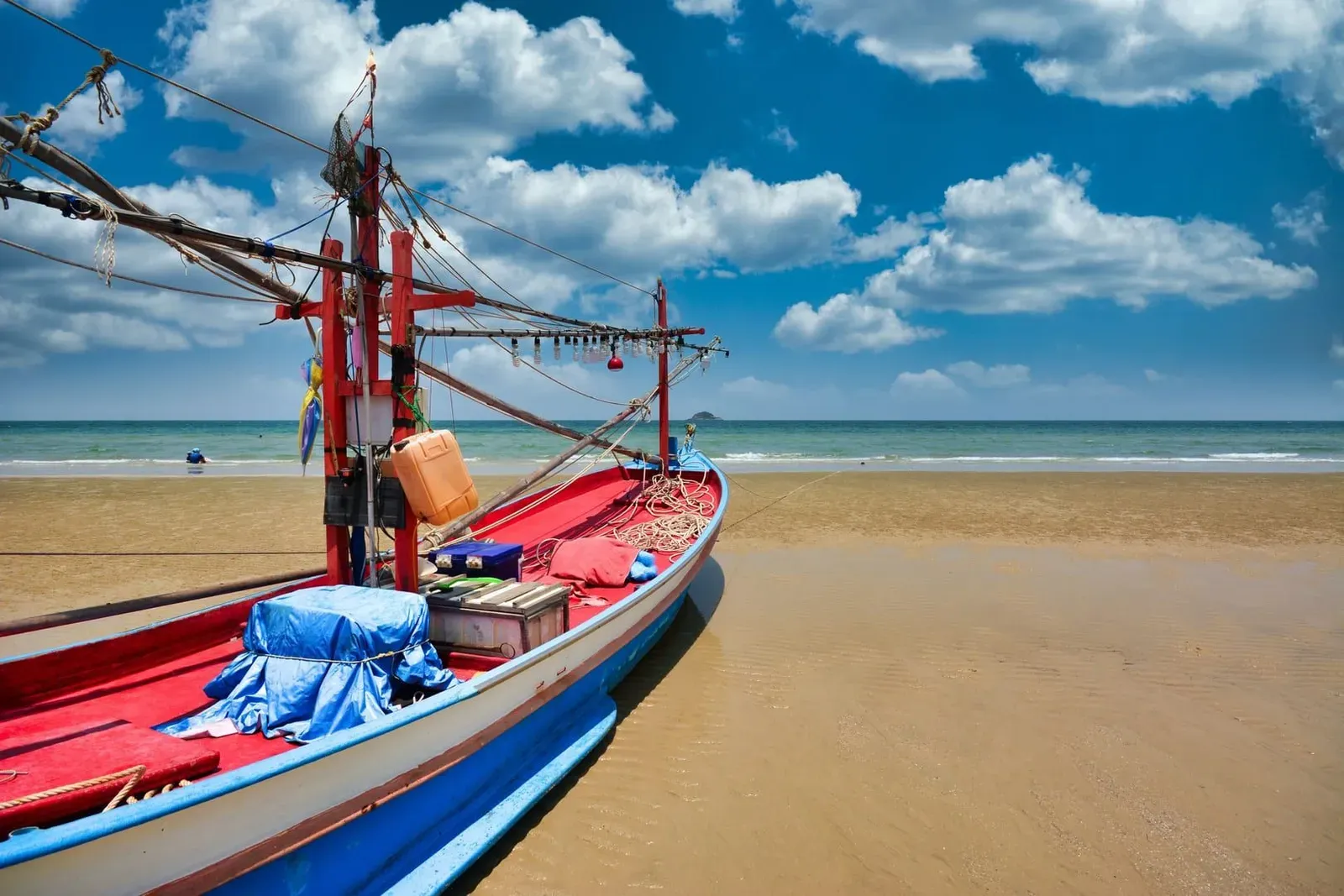
Before Koh Samui had an airport or a ring road, it had fishing families, and a handful of villages never fully swapped one economy for the other. Hua Thanon on the southeast coast is the clearest example — a Muslim fishing community that has sold its catch from the same sand for generations. Bang Po and Thong Krut still run working boats alongside their tourist trade, and Bophut’s famous “Fisherman’s Village” carries the name of a fishing economy that has mostly moved elsewhere. None of this is staged: the boats tied up in the morning went out the night before for a reason, and the fish on the ice at a roadside stall was in the water a few hours earlier.
Who Is In It
Three groups keep Samui’s boats working, and they don’t overlap much. In the southeast, Hua Thanon’s fishing families are Thai Muslim, roots traced to Malay and southern Thai seafaring communities — a minority on a majority-Buddhist island, built around their own mosque and market rather than temple life. On the north and west coasts, the older trading families of Bophut and Nathon are largely Chinese-Thai, descended from Hainanese merchants who settled those harbors in the 19th century to trade dried fish, coconut oil and spices — documented on both towns’ own beach pages. Alongside both, Thailand’s coastal fishing fleet has long relied on hired crew, and Myanmar, Cambodian and Lao migrant workers are a documented part of the wider Gulf of Thailand fishing labor force; how many work Samui’s small family boats specifically, versus larger mainland-based trawlers, isn’t something this page can confirm.
How It Works
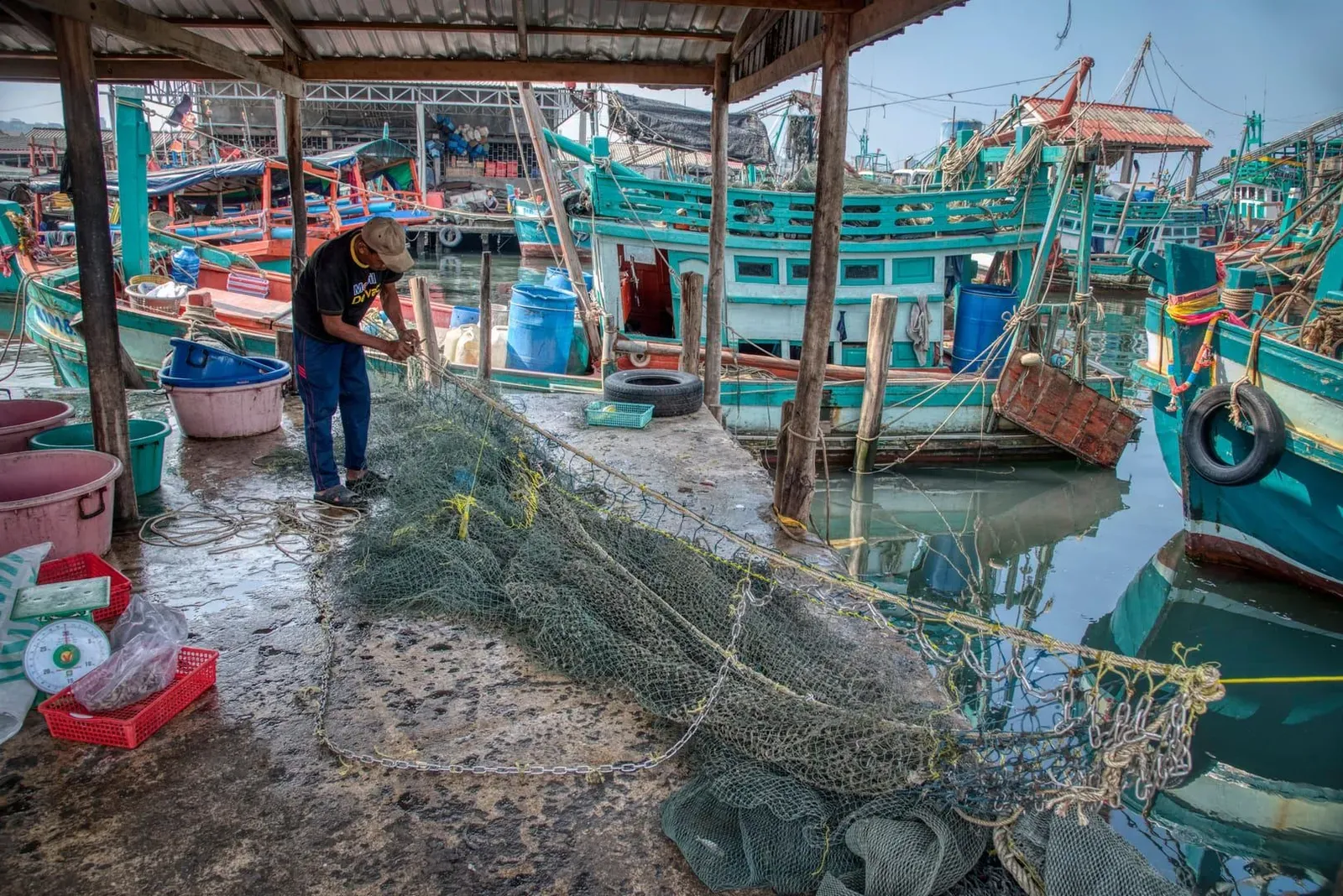
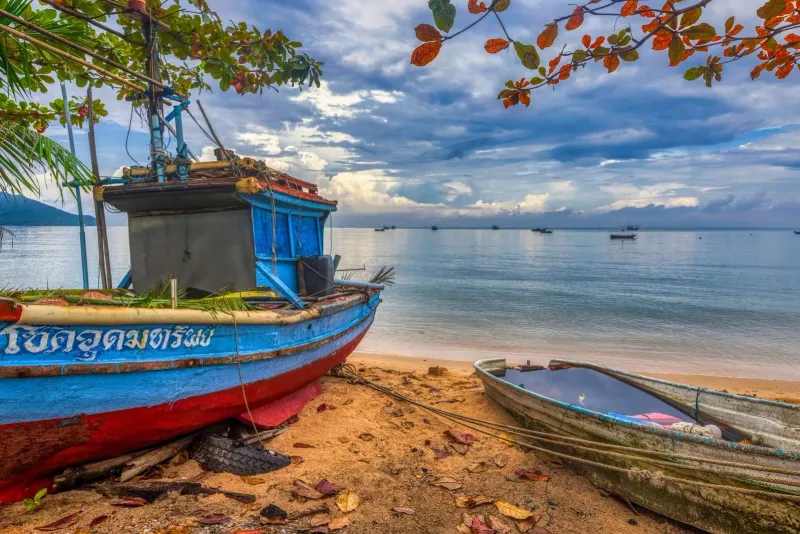
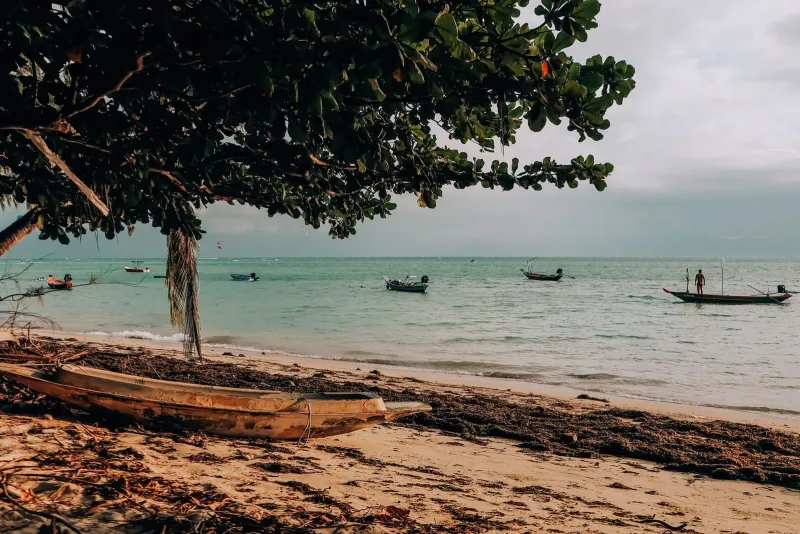
Two boat types cover almost everything Samui’s coastal fleet does. The longtail boat (hang yao) — a narrow wooden hull with an exposed truck or car engine driving a long propeller shaft off the stern — works close to shore: hand lines, small nets, and crab traps set and lifted within a few hours. Larger trawlers, based mostly around Nathon and the mainland-facing ports, work further out overnight, dragging nets for a bigger, mixed catch. Squid crews use a third method: fishing at night, hanging strings of bright lights — traditionally kerosene or fluorescent, now increasingly LED — over the side to draw squid to the surface for jigs or a dip net, a technique used across the Gulf of Thailand. Crab traps — wire or bamboo cages baited and left on the seabed overnight — are the other steady income for small operators, checked each morning.
None of this runs year-round at full pace. The northeast monsoon (roughly October to December) brings the roughest seas to Samui’s east and southeast coasts — the stretch when smaller longtails are most likely to stay docked for days, a pattern the island’s own beach guides note independently for Hua Thanon and Bang Po. Larger trawlers, built for rougher water, keep working later into the season, widening the gap between what a small family boat and a bigger operator earn in the wet months.
What It Costs
Watching this costs nothing. There’s no entry fee to walk Hua Thanon’s market, stand on Thong Krut’s pier, or watch boats come in at Bang Po — public shorelines and working piers, not ticketed sites. The only “cost” is timing: fish markets run early (Hua Thanon’s is busiest roughly 6–9 AM, per its own beach guide), and the boats themselves reward specific hours, not an all-day stakeout. What isn’t free is the fleet’s own overhead — fuel, ice, gear, boat upkeep — covered in What a Boat Earns below.
How To Visit
These villages are homes and workplaces first, photo opportunities a distant second, and the etiquette is simple. Ask before photographing a person up close or a boat that clearly belongs to someone working nearby — a smile and a gesture usually gets a yes or a clear no. Don’t climb on boats, nets or traps stacked on the sand; they’re tools, not props, and gear damaged by a tourist is a real cost to a family that can’t easily replace. Near Hua Thanon’s mosque, dress modestly — shoulders and knees covered — and keep distance during prayer times unless invited closer. And if you spend an hour in one of these villages, buy something: a grilled fish, a bag of prawns, a coffee from the stall by the pier. A few hundred baht is the one direct way a visit gives something back.
Hua Thanon — The Village That Still Works
Hua Thanon is Samui’s most intact working fishing village, and its own beach guide already covers the practical details — market hours, the mosque, getting there — so this page won’t repeat them. What’s worth adding is the shape of the place as a community: a roughly 1.5 km stretch of the southeast coast where a Muslim fishing economy, one of the island’s oldest settlements, has run largely unbroken while the rest of Samui turned toward resorts (background via Wikipedia). The Koh Samui Central Mosque, built in 1984, sits a short walk from the market and is the community’s actual center of gravity, not a backdrop. The hand-painted longtail fleet on the sand each morning is maintained because it’s how the village earns a living — the market a few minutes inland exists to move that catch on before the rest of the island is properly awake.
Bang Po and the Squid Boats
Bang Po’s beach guide covers its calm, family-friendly stretch of the northwest coast in detail; what it doesn’t dwell on is the working fleet sharing the same water after dark. The north coast, facing the strait toward Koh Phangan, is exposed to the open water squid crews favor for night fishing, and strings of boat lights are a feature of the wider Gulf of Thailand fishing grounds after sunset. What this page cannot confirm from Samui-specific sources is how many boats currently work squid runs directly off Bang Po, or how visible the lights are from shore on any given night — treat it as a general feature of the coast, not a nightly guarantee at one beach.
Thong Krut and the Southern Islands
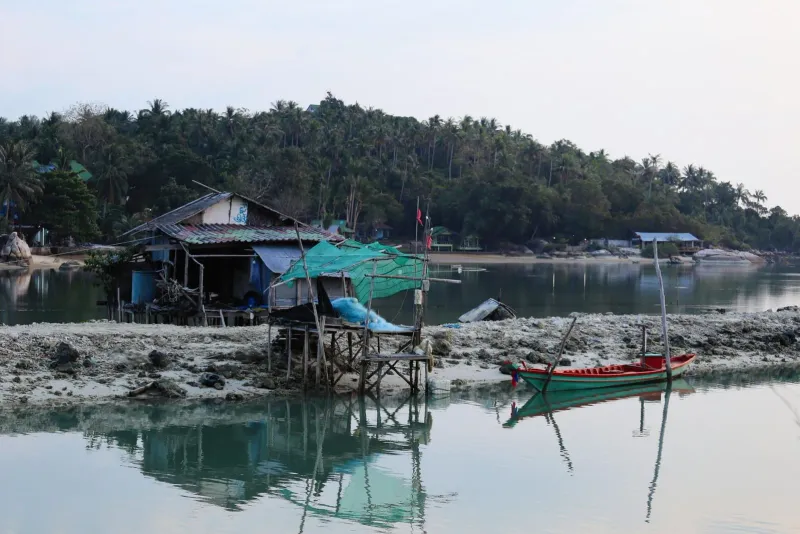
Thong Krut, on Samui’s southern tip, runs the same dual economy as Bophut but with less separation between the two halves. Its pier is best known today as the departure point for island-hopping trips to Koh Tan and Koh Madsum (“Pig Island”), a business its own beach guide describes as having grown directly out of the village’s older fishing trade. Working boats and tour longtails still moor at the same pier, nets get mended a few meters from where day-trippers board, and the small islands and reefs that draw the tour boats are the same grounds local crews have long worked for reef fish and crab. It’s a smaller, less-visited version of the pattern that shaped Bophut a generation ago — tourism growing alongside fishing rather than replacing it, at least so far.
Bophut — What’s Actually Left
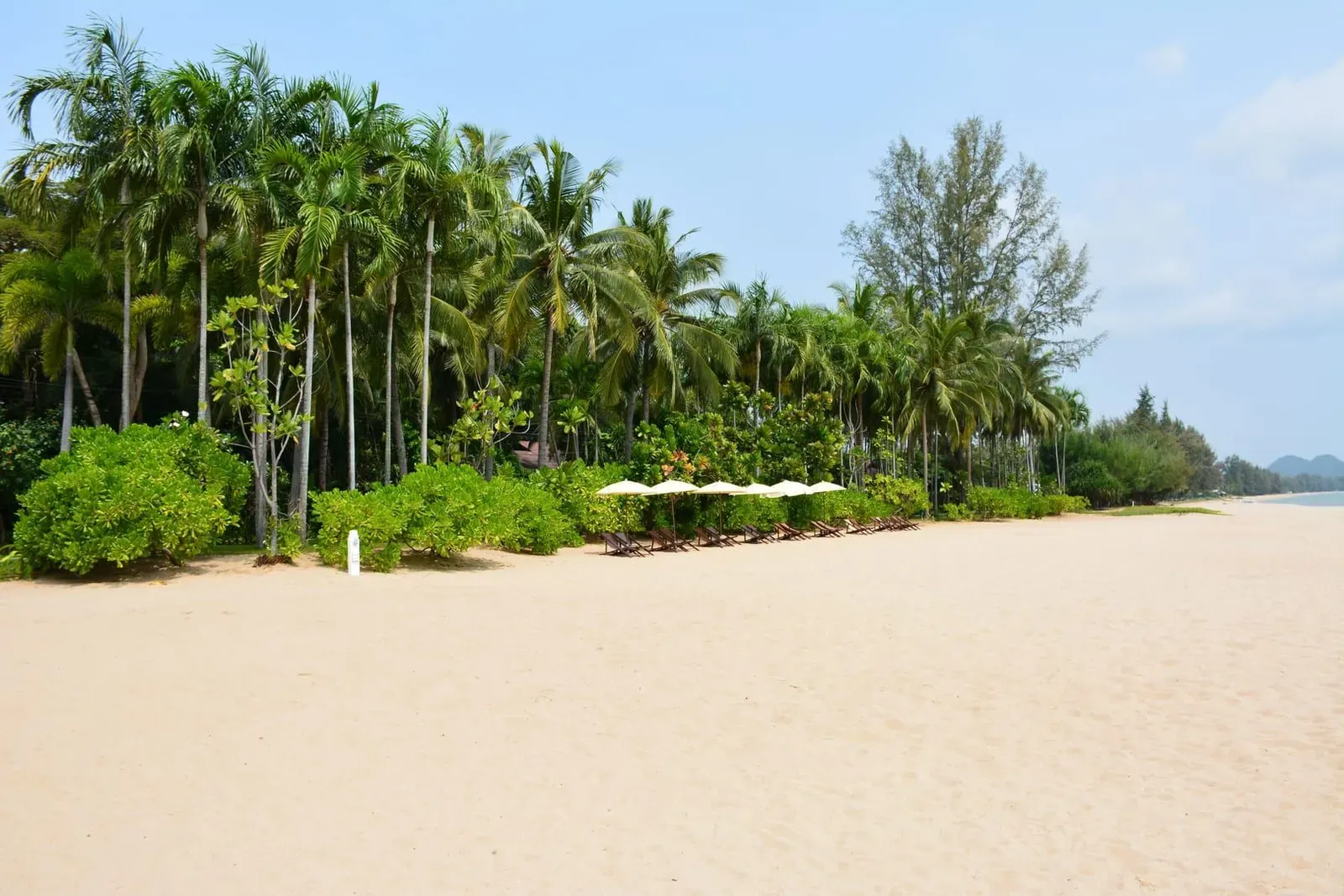
Here’s the plain version, without the marketing language: Bophut’s “Fisherman’s Village” is now a restaurant, boutique and bar strip built inside restored Sino-Portuguese shophouses, and its main event is a Friday night walking street, not a fishing economy. That’s not a criticism — the shophouses are genuinely old, the Hainanese Chinese trading families who built them are genuinely part of the island’s history, and Bophut’s own guide covers that heritage well. But the fishing itself has been pushed to the edges of the picture it’s named after: the harbor’s eastern end and the beach’s quieter western stretch toward Bang Rak, where longtail boats still moor and a smaller number of trawlers still operate daily — a detail the beach guide itself notes almost as an aside. Walk the shophouse row expecting to see the village’s economy in action and you’ll see restaurants instead; the actual boats are a five-minute walk from the crowds, doing a job the street behind them no longer depends on.
What a Boat Earns
Reliable, Samui-specific numbers on what a small fishing boat brings in aren’t published anywhere this page could find, so nothing below is a confirmed local figure. What is documented more broadly about small-scale coastal fishing in Thailand is the shape of the economics: fuel is typically the largest single running cost for a longtail or squid boat, income swings hard with season and catch, and a bad monsoon stretch with boats docked for days can wipe out a good week’s margin. Thailand has run subsidized diesel programs for registered fishing vessels specifically because fuel is such a large share of a small boat’s overhead — a national policy, not a Samui-specific one, but relevant to why families here watch fuel prices closely.
The harder-to-document but frequently observed pattern is succession: fewer children of fishing families choose to take over the boat. Tourism-adjacent work — driving, guiding, hospitality, running a shop — is steadier, less physically punishing, and weather-independent. This is a trend reported across coastal Thailand generally rather than a Samui-specific statistic, but it’s consistent with what a walk through Hua Thanon or Thong Krut suggests: an aging fleet, with younger residents more likely behind a market stall or a boat-tour desk than at the helm of a fishing boat.
Rules of the Water
Two things shape where and how Samui’s boats can fish, though local enforcement detail is beyond what this page can confirm. In April 2015 the European Commission formally warned Thailand it faced a trade ban over illegal, unreported and unregulated (IUU) fishing, giving the country until October 2015 to act (Wikipedia) — the pressure that pushed Thailand toward tighter national fisheries enforcement in the years since, generally aimed more at large offshore trawlers than at small coastal boats like most of Samui’s fleet. Separately, Ang Thong Marine Park, the national park archipelago northwest of Samui, restricts activity inside its boundaries the way Thai national parks generally do, limiting commercial fishing in at least part of the waters local boats might otherwise use. How strictly either applies specifically around Samui, or whether local crews hold exceptions mainland trawlers don’t, isn’t documented anywhere this page could verify.
Where the Catch Goes
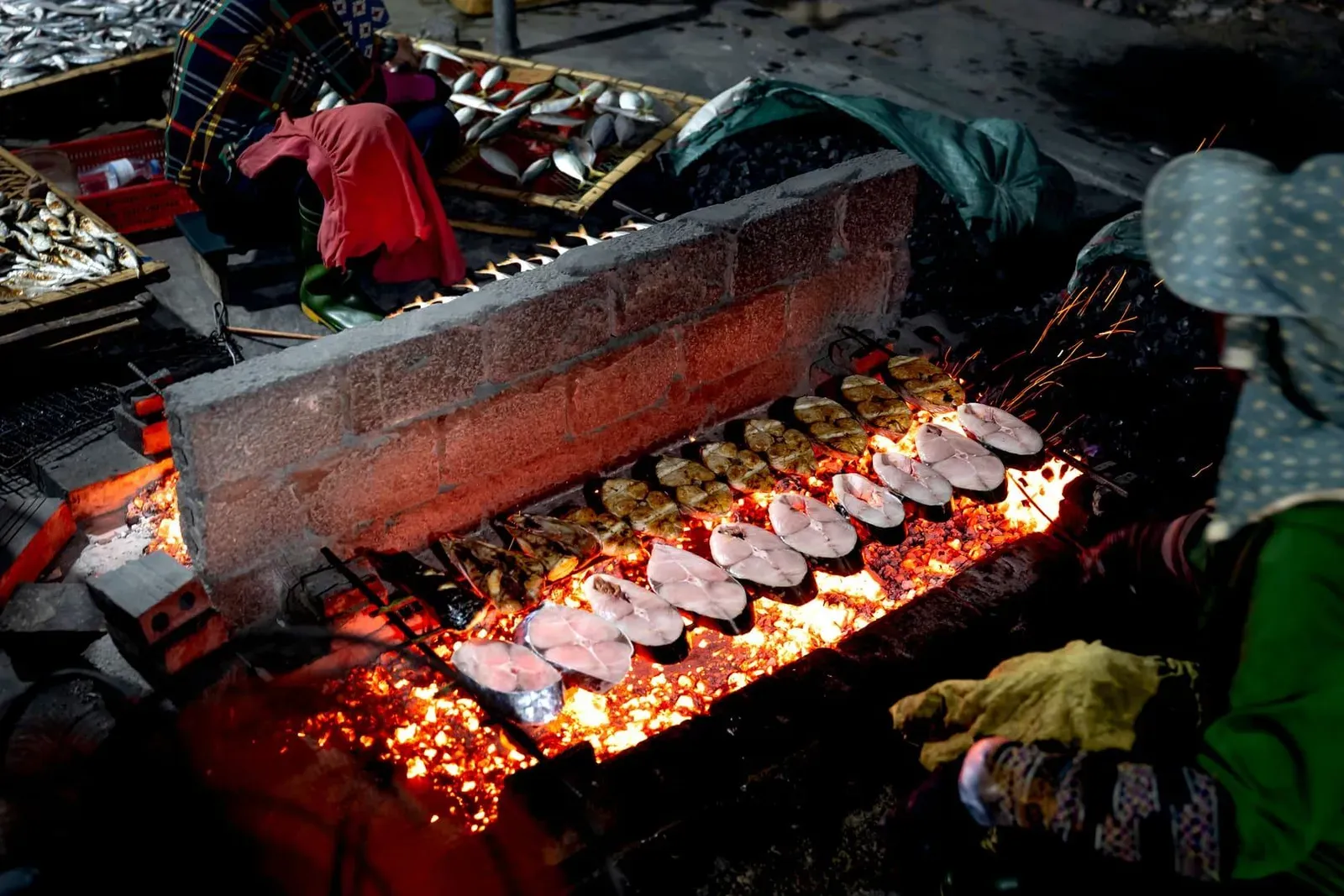
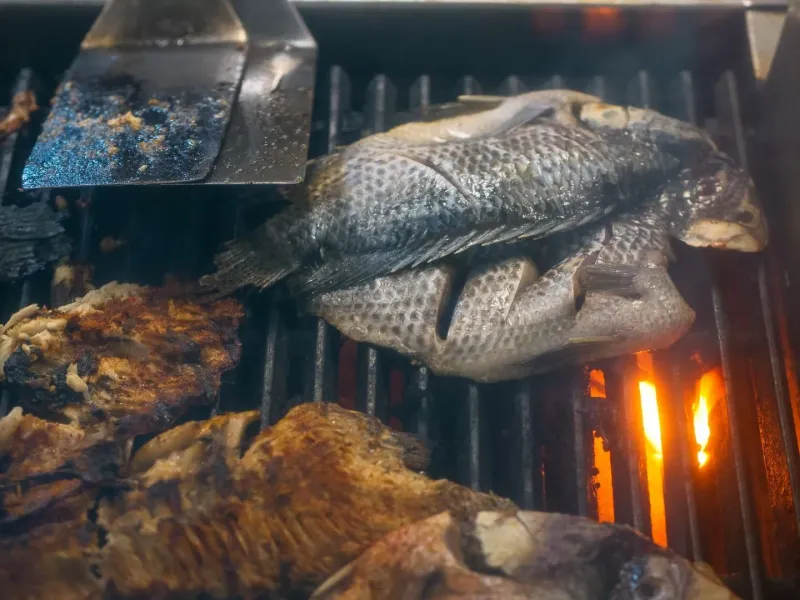
Not every fish landed on Samui ends up on a Samui plate, and not every restaurant serving “fresh catch” bought it off a beach. At the honest end, restaurants near Hua Thanon, Bang Po and Thong Krut buy directly from the morning market or the boats — the street food and seafood guide covers exactly which spots work this way and what a plate costs. Further up the price tiers, in Chaweng and Lamai’s resort restaurants especially, a meaningful share of “fresh” seafood is trucked or ferried in frozen from mainland suppliers, since one village’s daily catch can’t reliably supply a busy resort strip every night. Neither model is dishonest on its own — but it’s worth knowing the difference if buying directly off the boat, rather than off a menu, is the point.
FAQ
Is Hua Thanon a real, working fishing village or a tourist attraction?
Hua Thanon is a genuine working village — its market, mosque and longtail fleet exist because the community fishes for a living, not to be photographed. Visitors are welcome to look, but the seafood being unloaded each morning is headed for buyers across the island, not staged for a crowd.
Is Bophut’s Fisherman’s Village still a fishing village?
Mostly no. The shophouse strip is now a restaurant, shop and Friday-market district; the fishing that remains has moved to the harbor’s eastern end and the beach’s quieter western stretch, a few minutes’ walk from the tourist crowds.
Can visitors watch the boats come in at Hua Thanon or Bang Po?
Yes, and it costs nothing — these are public shorelines. Hua Thanon’s fish market is busiest roughly 6–9 AM; squid boats working the north coast return after night fishing, though exact timing and location vary and aren’t fixed for any single beach.
Is it okay to photograph the fishing boats and the people working them?
Photographing boats and the village generally is fine from a respectful distance. Ask first before photographing a person up close, and don’t climb on boats or gear — it’s someone’s livelihood, not a prop.
Do restaurants on Koh Samui actually serve local-caught seafood?
Some do — spots near Hua Thanon, Bang Po and Thong Krut buy straight from the morning market or the boats. Many resort-area restaurants, especially in Chaweng and Lamai, supplement with seafood trucked in frozen from the mainland, since one village’s daily catch can’t supply a busy strip every night.
Why are fewer young people from fishing families becoming fishermen?
Steadier, less physically demanding tourism-adjacent work — driving, guiding, hospitality — has drawn younger residents away from an occupation that depends on the weather and the season. This pattern is documented across coastal Thailand generally; Samui-specific figures aren’t published.
Turning Up
There’s no schedule to book because none of this is run for visitors. Go to Hua Thanon in the early morning, roughly 6–9 AM, for the fish market and the fleet at its most active, and combine it with a short stop at the Koh Samui Central Mosque. Later in the day, a walk along Bang Po’s shore or Thong Krut’s pier shows the quieter, daytime side of the same economy — boats resting, nets drying, traps stacked for the next run. If you’re staying near Bophut, skip the walking street for ten minutes and walk east along the harbor instead; that’s where what’s left of the fishing actually is. Bring cash, buy something, and remember you’re a guest in someone’s workplace, not a visitor to an exhibit.
Published on
About the author

Mike Brochlowski
Travel photographer & writer
Travel photographer and island explorer. Mike has spent years documenting Southeast Asia's hidden gems, from secluded beaches to jungle waterfalls.
Articles by Mike →More in Island Life
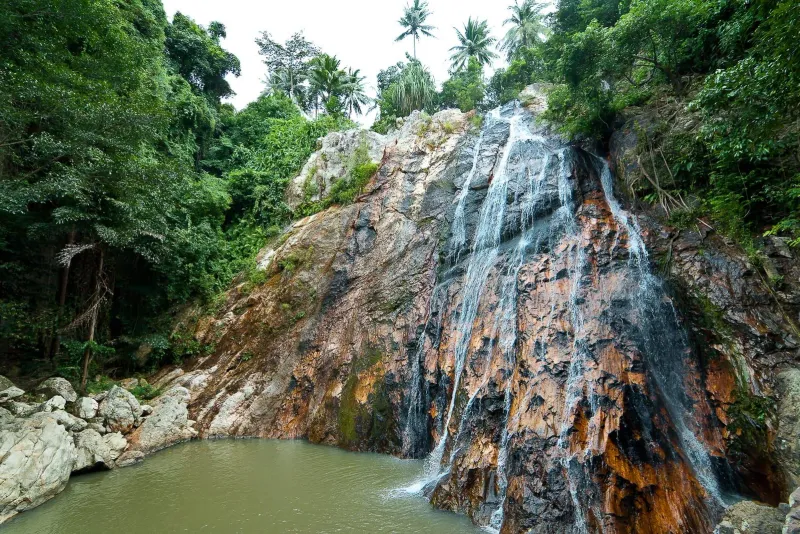
Na Muang Waterfalls — Samui's Purple Cascades and Jungle Pools
Explore Na Muang Waterfalls on Koh Samui — the accessible 18m Purple Waterfall with its swimming pool and the 80m jungle trek to the isla…
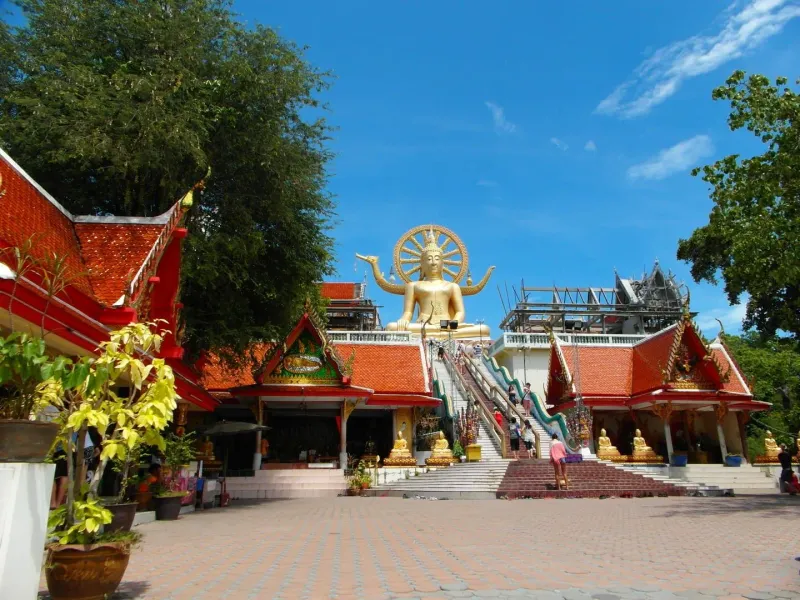
Wat Phra Yai — Big Buddha Temple on Koh Samui
Visit Wat Phra Yai (Big Buddha) on Koh Samui: a 12-meter golden Buddha, naga staircase, panoramic views, and market stalls.
Apirom Viewpoint — Koh Samui's Closed Hillside Lookout Above Ban Tai
Apirom Viewpoint: a ~304m hilltop lookout inland of Ban Tai, Koh Samui, its restaurant closed since the pandemic but the hillside track s…