Contents
Overview
Most Western passport holders do not need a visa to visit Koh Samui for a short trip. As of September 2026, citizens of 60 countries and territories — including the US, UK, Canada, Australia, most of the EU, and most of Southeast Asia — can enter Thailand visa-free for up to 30 days, down from the 60 days allowed before 15 September 2026. Every visitor must also submit a free Thailand Digital Arrival Card (TDAC) online before landing. This page is a starting point, not legal advice — visa rules changed sharply in September 2026 and can change again, so confirm your specific situation with the Royal Thai Embassy or consulate in your home country before you fly.
Key facts (as of September 2026): 60 countries/territories visa-exempt · 30 days on entry (reduced from 60) · TDAC required for every foreign arrival · extension on Koh Samui costs 1,900 THB (~54 USD) · overstay fine 500 THB (~14 USD) per day, capped at 20,000 THB
Which Passports Are Visa-Exempt for Koh Samui?
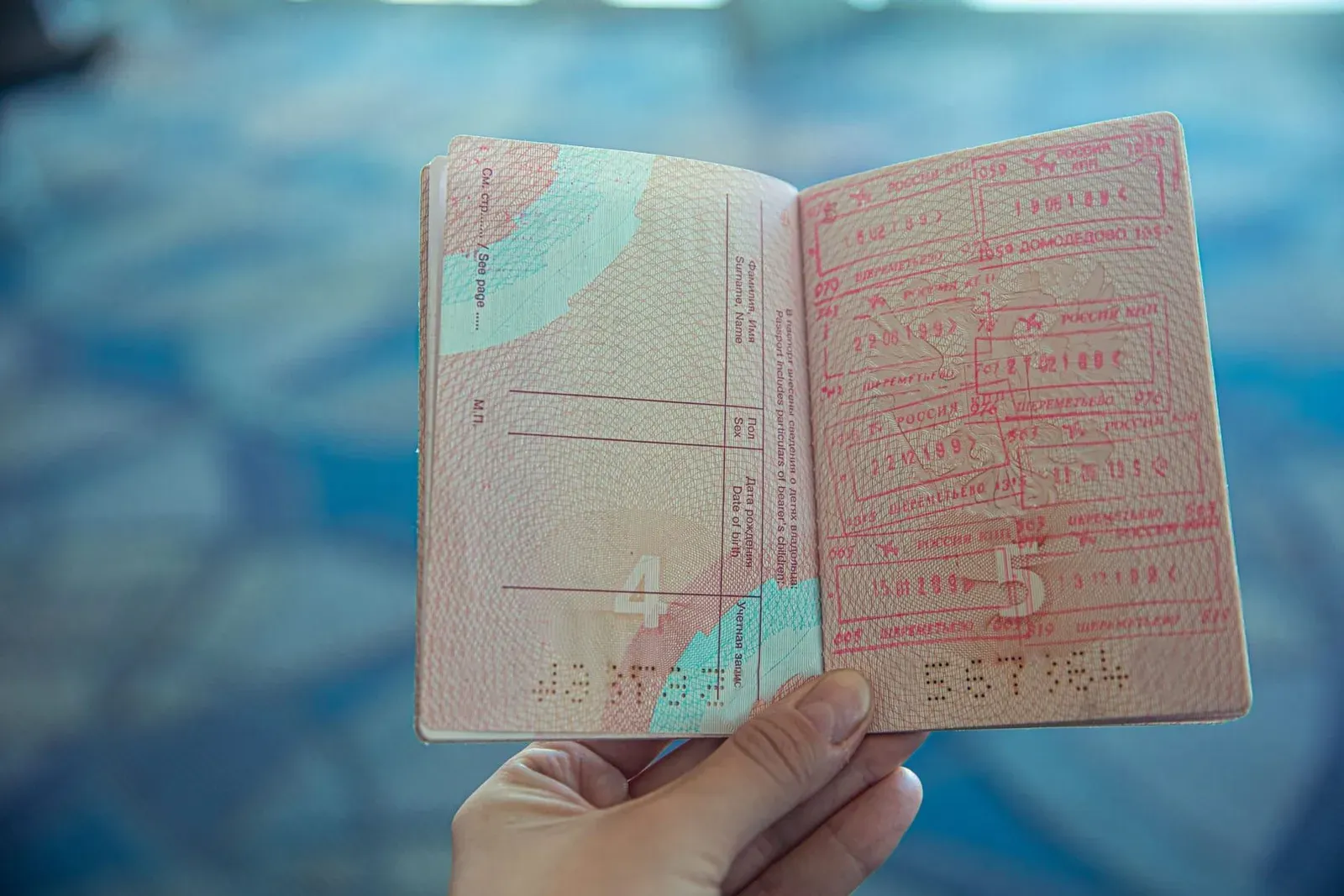
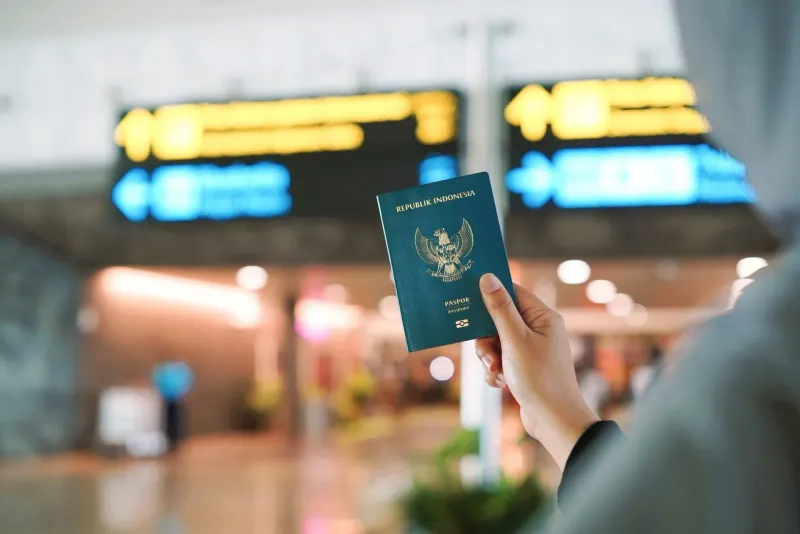
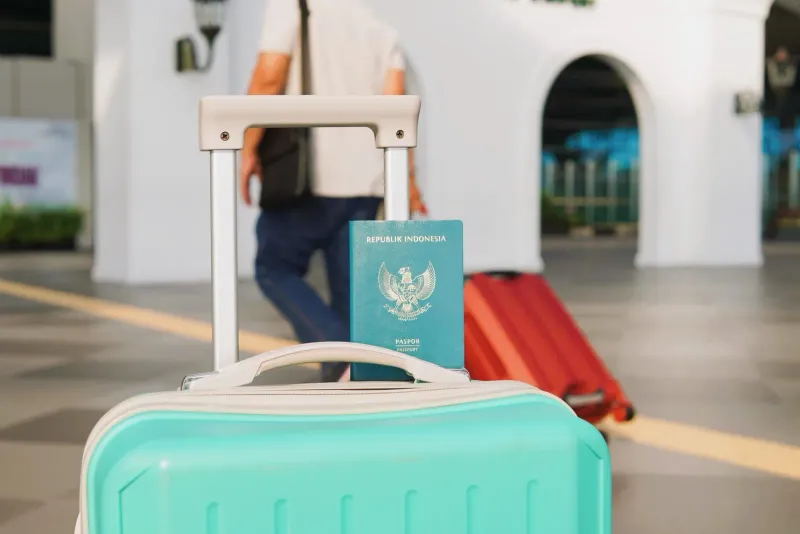
Citizens of 60 countries and territories can enter Thailand without a visa for tourism as of September 2026, following Ministry of Interior notifications published in the Royal Gazette on 31 August 2026 and effective 15 September 2026. This list replaces the previous 60-day exemption that covered a similar but not identical roster of nationalities, and it includes most Western passports: the United States, United Kingdom, Canada, Australia, New Zealand, Ireland, and the large majority of EU member states, alongside neighboring ASEAN nations such as Malaysia, Singapore, and Indonesia.
Two nationalities — Seychelles and Mauritius — get a shorter 15-day exemption instead of 30. Travelers entering by land border are limited to two visa-exempt entries per calendar year under the revised rules, though this cap does not apply to nationals of Malaysia, Brunei, Indonesia, and Singapore. If your passport was covered by the old 60-day exemption and you entered Thailand before 15 September 2026, immigration has confirmed you keep the full 60 days originally stamped in your passport — the new 30-day limit only applies to entries from that date onward.
Passport rules by nationality shift often and the September 2026 change was itself announced with only weeks of notice, so treat any list — including this one — as a starting point. Check your eligibility directly on the Ministry of Foreign Affairs of Thailand site or with your nearest Royal Thai Embassy before booking flights.
How Long Can You Stay in Thailand Without a Visa?
Most visa-exempt visitors can now stay in Thailand for 30 consecutive days per entry, a reduction from the 60 days permitted before 15 September 2026. That 30-day stamp is what immigration issues at Samui Airport (USM) or any other Thai port of entry when you arrive on a visa-exempt passport. If you need longer than 30 days on Koh Samui, you have three realistic options: apply for a 60-day tourist e-visa before you travel, extend once in person at the Samui Immigration Office for 1,900 THB (adding roughly 30 more days), or leave the country and re-enter — though the twice-a-year cap on land-border exemptions makes repeated “visa runs” less useful than they once were.
Families arriving together should note that each passport holder, including children, receives their own 30-day stamp — there is no separate family allowance. Overstaying even by a single day carries a fine, covered further down this page, so mark your exit date the moment you land.
What Is the TDAC and How Do You Fill It Out?
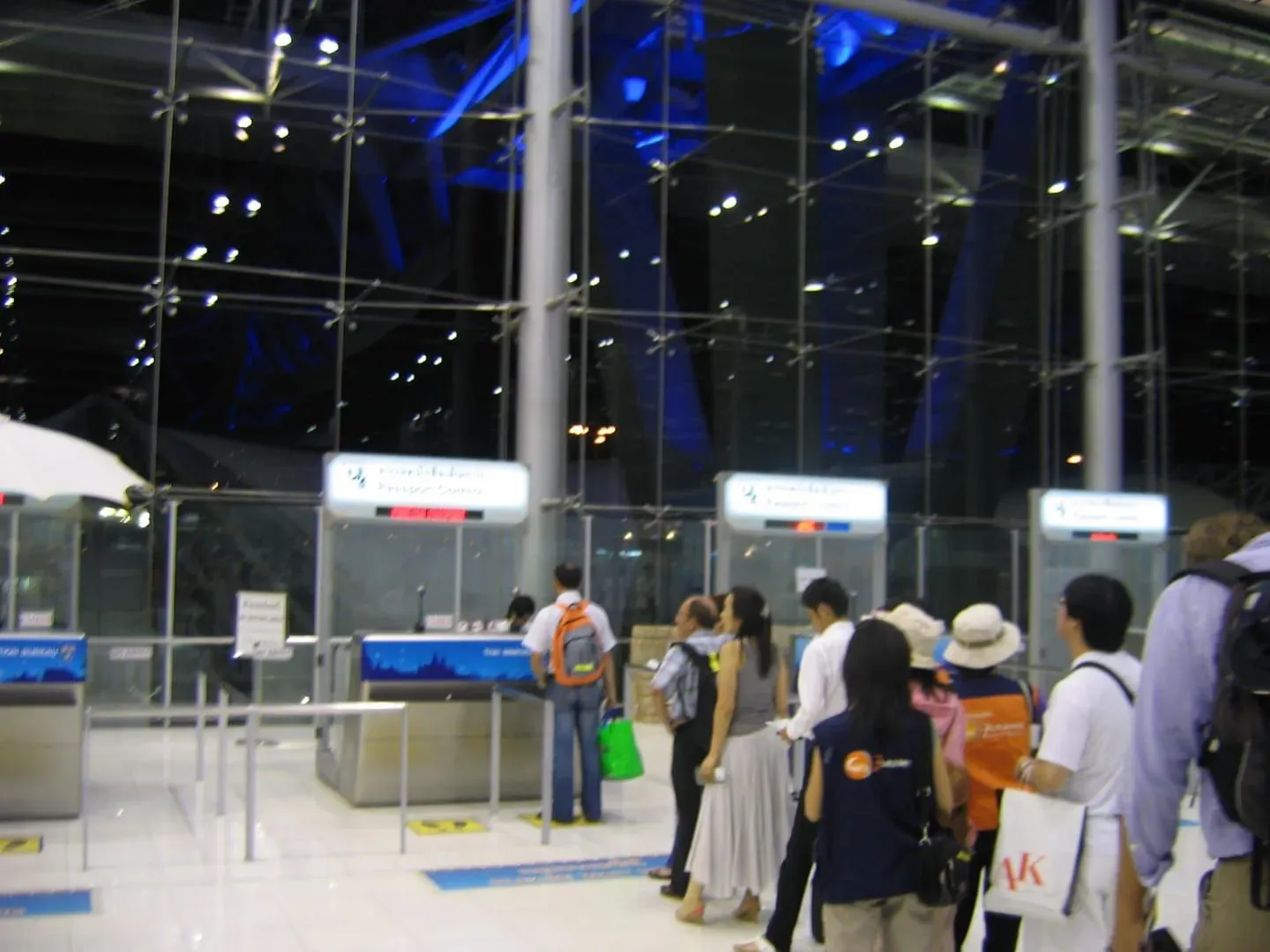
The Thailand Digital Arrival Card (TDAC) is a mandatory free online form that every foreign visitor — tourists, business travelers, and long-term residents alike — must submit before entering Thailand, in place of the old paper TM.6 arrival card. It has been mandatory since 1 May 2025, and immigration officers at Samui Airport check for it on arrival. Skipping it can mean delays or being turned back at the immigration counter.
- Go to the only official site, tdac.immigration.go.th, within 72 hours of your flight’s departure — the system rejects earlier submissions.
- Enter your passport details, personal information, and flight number, then your planned arrival date into Thailand.
- Provide the address of your first night’s accommodation on Koh Samui (a hotel booking confirmation is enough).
- Answer the short health and recent-travel-history questions.
- Submit the form and enter a working email address — your QR code arrives there within minutes.
- Save the QR code offline (a screenshot works) before you fly, since airport WiFi can be unreliable, and present it at the immigration counter alongside your passport.
The TDAC itself is free and takes about ten minutes. Be wary of third-party websites charging a fee to “process” it — the only legitimate portal is tdac.immigration.go.th.
Can You Extend a Visa on Koh Samui?
Yes. Both the 30-day visa exemption and most tourist visas can be extended once, in person, at the Samui Immigration Office for 1,900 THB (~54 USD), typically adding around 30 more days to your permitted stay. There is no online extension system for tourist stays as of September 2026 — you must apply in person, and this is generally a one-time extension per entry rather than something you can repeat indefinitely from inside the country.
The Samui Immigration Office is located at 333 Maenam Road, Soi 1, Moo 1, Tambon Maenam — a few minutes inland from Maenam Beach on the island’s north coast, roughly 15 minutes by car from Nathon and about 20 minutes from the airport. It is open Monday to Friday, 8:30 AM to 12:00 PM and 1:00 PM to 4:30 PM, closed on weekends and public holidays; confirm current hours and the phone line before you go, since immigration offices in Thailand occasionally adjust hours around public holidays.
- Arrive early in the morning if possible — queues build up by mid-morning and the office closes for lunch from 12:00 PM to 1:00 PM.
- Bring your passport, a completed TM.7 extension form (available at the office or downloadable in advance), one 4x6 cm photo, a photocopy of your passport bio page and current entry stamp, and 1,900 THB in cash.
- Submit your application and documents at the extensions counter and pay the fee.
- An officer reviews your paperwork and stamps the extension into your passport, usually the same day without an interview for straightforward tourist extensions.
- Check the new departure date stamped in your passport before you leave the counter — this is the date you must exit or extend again by.
Bring a printed copy of your TDAC confirmation and onward travel details as backup; officers occasionally ask for them even though they are not always mandatory for extensions.
Visa on Arrival or E-Visa — Which Do You Need?
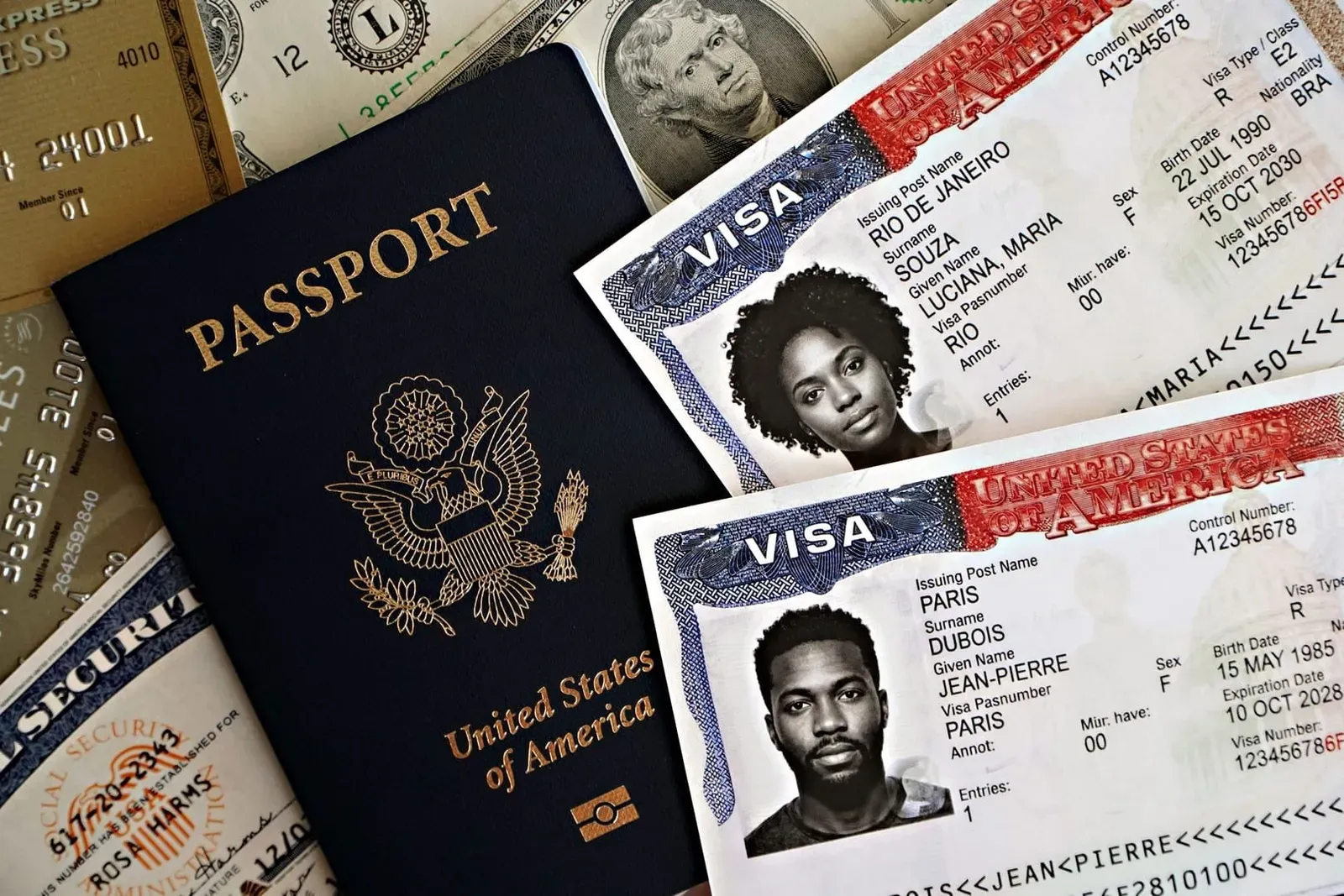
Visa on Arrival (VOA) and the e-visa serve different travelers: VOA is a 15-day, 2,000 THB stamp issued at the airport for a small list of nationalities not covered by the visa exemption, while the e-visa is an online application processed before you fly that covers tourist stays up to 60 days for a wider group of countries. Following the September 2026 changes, the pool of nationalities eligible for Visa on Arrival was cut sharply — some sources report as few as three countries now qualify, while immigration continues updating the list. If your passport is not on the 60-country visa-exemption list, check the current VOA and e-visa eligibility before travel rather than assuming you can arrange a visa at the airport.
The e-visa is applied for online through the single official government portal, thaievisa.go.th, which now handles tourist (TR), non-immigrant, and transit visa applications for most nationalities that need a visa before arrival. Processing typically takes several business days, so apply at least two to three weeks ahead of your flight to Koh Samui. Avoid third-party “visa agency” sites that charge inflated service fees for something the government portal does for free or at the official fee only.
| Route | Who it’s for | Cost | Stay length | Apply |
|---|---|---|---|---|
| Visa exemption | 60 exempt nationalities | Free | 30 days (15 for Seychelles/Mauritius) | On arrival, automatic |
| Visa on Arrival | Small list of non-exempt countries | ~2,000 THB | 15 days | On arrival at the airport |
| Tourist e-visa (TR) | Most other nationalities | Government fee, varies by country | Up to 60 days | Online, before travel |
What Is the DTV Visa for Remote Workers and Digital Nomads?
The Destination Thailand Visa (DTV) is a five-year, multiple-entry visa aimed at remote workers, freelancers, and people pursuing “soft power” activities such as Muay Thai training or culinary courses, letting holders stay up to 180 days per entry. It is not a tourist visa and does not authorize working for a Thai employer — that still requires a Non-Immigrant B visa and a work permit — but it is the standard route for digital nomads who want to base themselves on Koh Samui for months at a time — often alongside a long-term rental — rather than doing repeated 30-day exemption entries.
Applicants need at least 500,000 THB (~14,286 USD) in savings, seasoned for at least three months at most embassies, plus proof of remote income such as an employment contract, client invoices, or business registration. The application fee is 10,000 THB (~286 USD), and it must be submitted from outside Thailand at a Royal Thai Embassy or consulate — there is no in-country application route. Once granted, a single stay can be extended once by another 180 days at an immigration office, for up to 360 continuous days per entry, before you need to exit and re-enter.
For most short-term visitors and holidaymakers, the DTV is unnecessary complexity — it exists specifically for people planning to work remotely from Thailand for extended stretches, not for a two-week beach trip.
Do You Need Proof of Onward Travel or Funds?
Yes, at least in theory: Thai immigration rules require visitors to be able to show proof of funds if asked, and officers retain discretion to request it at the border. As of a July 2026 Tourism Authority of Thailand reminder, the standard is 20,000 THB (~571 USD) per person or 40,000 THB (~1,143 USD) per family for tourist-visa and visa-exempt entries, and 10,000/20,000 THB for transit visas; children under 12 are exempt. Funds can typically be shown as cash, a bank statement, or an equivalent amount in another currency.
In practice, most visitors are never asked, but enforcement has tightened alongside the broader September 2026 visa changes, and immigration can refuse entry if you cannot demonstrate funds when questioned. A return or onward flight ticket may also be requested, particularly if your visa-exempt stamp shows you are close to Thailand’s land-border re-entry limits or if an officer has any reason to question your travel plans. Carry a screenshot or printout of a return ticket and recent bank balance when you fly, even if you expect never to need them.
What Are the Overstay Penalties in Thailand?
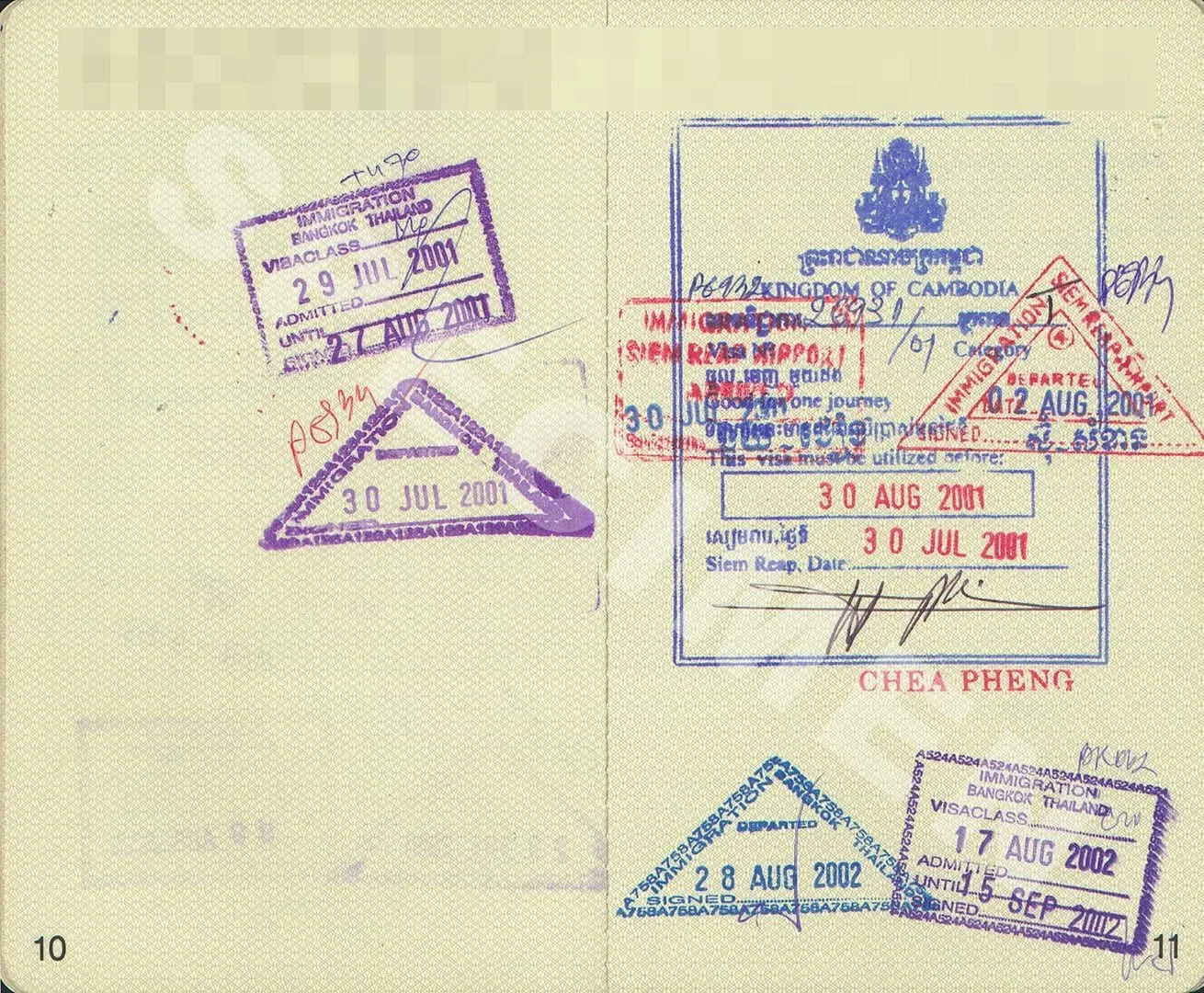
Overstaying a visa or visa-exempt stamp in Thailand costs 500 THB (~14 USD) per day, capped at 20,000 THB once you reach 40 days over — the daily fine stops accumulating there, though the consequences for staying illegally get more serious, not less, the longer you wait. Overstaying is a criminal offense in Thailand: officers can detain and deport travelers who overstay significantly, and a resulting entry ban can range from one year to a permanent ban depending on the length of the overstay and whether you turned yourself in voluntarily or were caught by police.
If you realize you have overstayed, the safest move is to report to an immigration office yourself and pay the fine before trying to leave the country — voluntary reporting carries far shorter bans than being caught during a police check or at departure. Overstay rules were the subject of a temporary, dated waiver earlier in 2026 for a narrow group of travelers; treat any “amnesty” reports as time-limited and unofficial for planning purposes, and confirm your exact situation at a Thai immigration office rather than assuming a waiver still applies.
Given the size of the fine relative to a short island holiday, the simplest practical rule for Koh Samui visitors is this: note your exit date the day you land, set a phone reminder a week before it, and either book your flight home or start your extension application before that date arrives. Overstaying is one of the easiest mistakes to avoid on a Koh Samui trip.
Official Sources for Thailand Visa Rules
Thailand’s visa rules changed substantially around 15 September 2026, and this page reflects the most reliable information available as of that date — but immigration policy is enforced by individual officers and can be updated with little notice, so cross-check with primary sources before you travel.
- Ministry of Foreign Affairs of Thailand — visa categories, exemption lists, and consular contacts
- Immigration Bureau of Thailand — extensions, overstay rules, and office locations
- Thailand Digital Arrival Card portal — the only official TDAC submission site
- Thailand e-Visa portal — the single official government e-visa application system
Once your visa is confirmed, plan the trip itself: see how to get to Koh Samui for flights and ferries, our Koh Samui itinerary guide for day-by-day plans, and best time to visit to pick your dates. For the full pre-trip checklist, see our Koh Samui travel tips guide.
Disclaimer: This page is informational and not legal advice. Visa and entry rules can change without notice — always confirm current requirements with the Royal Thai Embassy or consulate in your home country, or directly with Thai Immigration, before booking travel to Koh Samui.
FAQ
Do I need a visa to visit Koh Samui?
Most travelers from the US, UK, EU, Canada, Australia, and around 55 other countries do not need a visa for a short trip as of September 2026 — they receive a 30-day visa exemption stamp on arrival. Citizens of countries not on the exemption list generally need a Visa on Arrival or an e-visa arranged before travel. Always verify your specific nationality’s status before booking.
How many days can I stay in Thailand without a visa in 2026?
As of 15 September 2026, most visa-exempt nationalities can stay 30 days per entry, down from the previous 60-day allowance. Seychelles and Mauritius passport holders get 15 days. Travelers who entered before 15 September 2026 under the old rules keep their full 60 days. You can extend once in person at an immigration office for 1,900 THB.
What is the TDAC and do I need it for Koh Samui?
The Thailand Digital Arrival Card (TDAC) is a mandatory free online form every foreign visitor must submit within 72 hours before arrival, replacing the old paper arrival card. It applies at Samui Airport (USM) exactly as it does everywhere else in Thailand. Complete it at tdac.immigration.go.th and save the QR code before you fly.
Where do I extend my visa on Koh Samui?
The Samui Immigration Office is at 333 Maenam Road, Soi 1, Moo 1, Tambon Maenam, near Maenam Beach on the island’s north coast. It is open Monday to Friday, 8:30 AM to 12:00 PM and 1 PM to 4:30 PM. Bring your passport, a TM.7 form, a photo, and 1,900 THB in cash for a one-time 30-day extension.
What happens if I overstay my visa in Thailand?
Overstaying costs 500 THB per day, capped at 20,000 THB after 40 days, plus the risk of detention, deportation, and an entry ban ranging from one year to permanent depending on how long you overstayed and whether you reported voluntarily. Report to an immigration office as soon as you realize you have overstayed rather than trying to fly out unnoticed.
Is the DTV visa worth it for a short Koh Samui holiday?
No — the Destination Thailand Visa (DTV) is built for remote workers and digital nomads planning stays of months, not a typical one- or two-week beach holiday. It requires 500,000 THB in savings, a 10,000 THB fee, and an embassy application from outside Thailand. Most vacationers are better served by the standard 30-day visa exemption or a tourist e-visa.
Published on
About the author

Mike Brochlowski
Travel photographer & writer
Travel photographer and island explorer. Mike has spent years documenting Southeast Asia's hidden gems, from secluded beaches to jungle waterfalls.
Articles by Mike →More in Travel Guides

Also in Travel Tips
Koh Samui Digital Nomad Guide 2026 — Areas, Coworking, Internet, Visa
Koh Samui digital nomad guide 2026: best areas, coworking spaces from ~600 THB/day, fibre and SIM speeds, DTV visa rules, and monthly cos…

Also in Travel Tips
Hospitals & Clinics in Koh Samui — Costs & Insurance (2026)
Koh Samui hospital guide: Bangkok Hospital Samui vs government care, ER and scooter-injury costs, insurance direct billing, pharmacies an…
Also in Travel Tips
Is Koh Samui Safe? Scooters, Scams, Sea & Health (2026)
Is Koh Samui safe?