Contents
Overview
A long term rental in Koh Samui costs 12,000-25,000 THB (~343-714 USD) a month for a studio or condo, 20,000-40,000 THB (~571-1,143 USD) for a 1-2 bedroom house, and 40,000-100,000+ THB (~1,143-2,857+ USD) for a private pool villa, as of September 2026. Most renters find a place through Facebook groups or a local agency — not through international booking sites. This guide pairs with our broader digital nomad guide for visa, budgeting, and remote-work planning beyond just housing.
Key facts: studio/condo 12,000-25,000 THB/month · 1-2 BR house 20,000-40,000 THB/month · pool villa 40,000-100,000+ THB/month · deposit usually 1-2 months · electricity billed by landlord at ~5-8 THB/unit
Key takeaways
- Skip Airbnb once you pass 3-4 weeks — ask hosts for a direct monthly rate instead, often 20-40% cheaper.
- Facebook groups (Samui Property For Rent, Koh Samui Buy Sell, Samui Long Term Rentals) list more real inventory than any portal.
- Never wire a deposit before viewing the unit in person or on a live video call.
- Landlord electricity rates run above the government tariff — budget 5-8 THB per unit, not the ~4.2 THB PEA rate.
- A written lease and a documented handover checklist are your best protection for getting the deposit back.
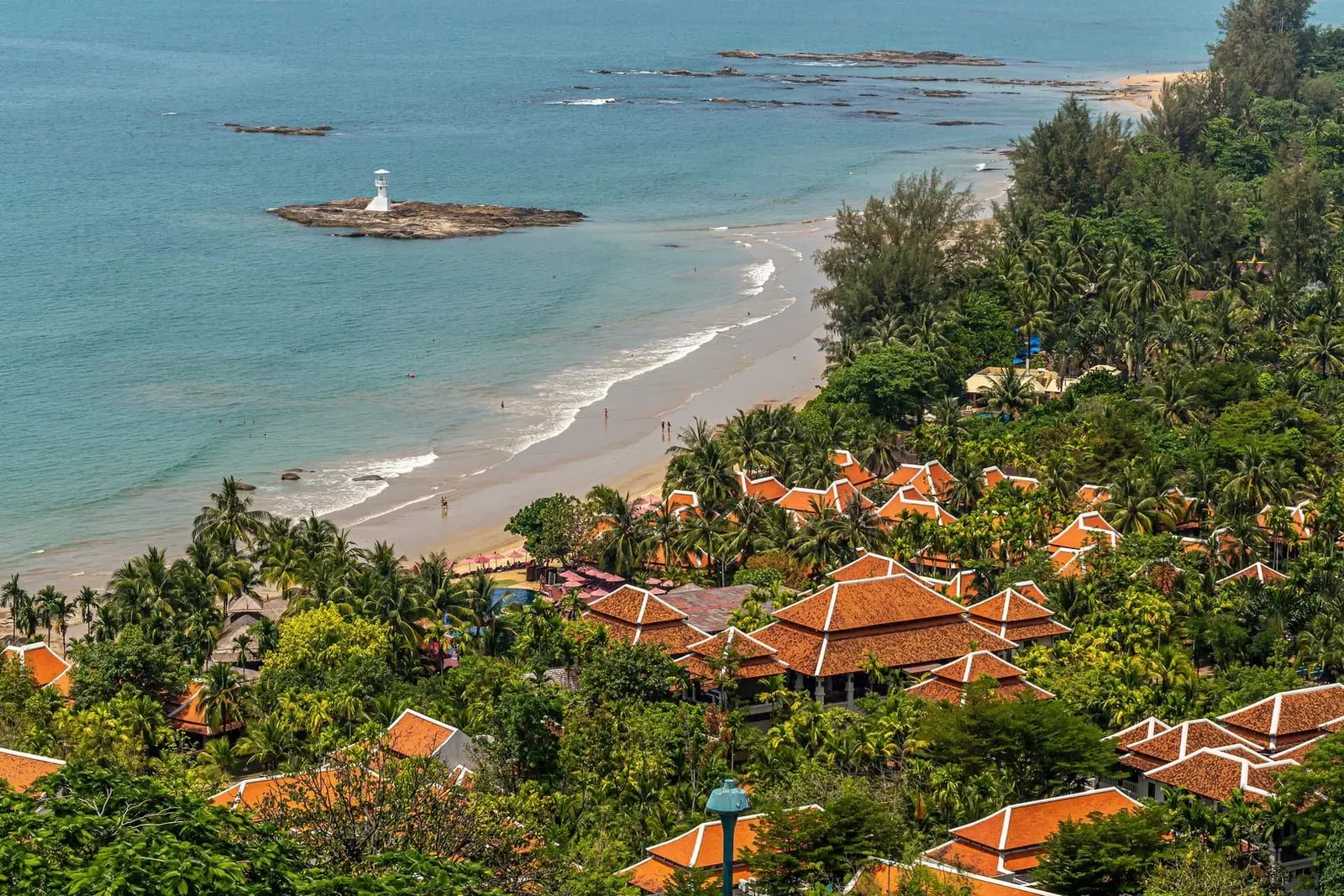
2026 Rent Prices by Area and Property Type
Monthly rent varies more by area than by property age, with beachfront zones near Chaweng and Bophut running 25-40% above the interior and west coast. These are asking prices from active listings in September 2026; signed rent is often 5-10% lower after a short negotiation on stays over six months.
| Area | Studio / condo | 1-2 BR house | Pool villa |
|---|---|---|---|
| Bophut | 15,000-28,000 THB | 25,000-45,000 THB | 50,000-120,000 THB |
| Chaweng | 15,000-30,000 THB | 25,000-50,000 THB | 55,000-130,000 THB |
| Maenam | 12,000-22,000 THB | 20,000-35,000 THB | 45,000-90,000 THB |
| Bang Rak | 12,000-20,000 THB | 18,000-30,000 THB | 40,000-75,000 THB |
| Lamai | 12,000-20,000 THB | 18,000-32,000 THB | 40,000-80,000 THB |
| Nathon | 8,000-15,000 THB | 15,000-25,000 THB | 30,000-60,000 THB |
As a cross-check, Numbeo put the average 1-bedroom outside the centre at roughly 13,975 THB/month (range 8,500-30,000 THB) and a 3-bedroom outside the centre at roughly 45,900 THB/month, as of July 2026 — consistent with the bands above once resort-adjacent listings are excluded.
Where to Look for a Long-Term Rental
Most long-term renters find their unit through a Facebook group, not a booking platform. Groups such as Samui Property For Rent, Koh Samui Buy Sell, and Samui Long Term Rentals post dozens of new listings a week directly from landlords, often cheaper than an agency-listed unit since there’s no commission built in.
- Facebook groups: fastest-moving source for real inventory; post your budget, area, and move-in date and landlords message you directly.
- Local agencies: agencies in Bophut, Chaweng, and Maenam manage condos and villas; tenants usually pay no fee (the landlord covers commission) — confirm this before viewing.
- Walk-in: scootering through Maenam, Lamai, or Bang Rak and calling numbers on “For Rent” signs turns up units that never get listed online.
- DDproperty and Hipflat: Thailand-wide portals with a Koh Samui filter; more useful for buying or higher-end villas than budget monthly rentals.
- Airbnb monthly discount: Airbnb’s 28+ night pricing can undercut the nightly rate by 20-40%, useful for a first month while scouting in person before signing a 6-12 month lease.
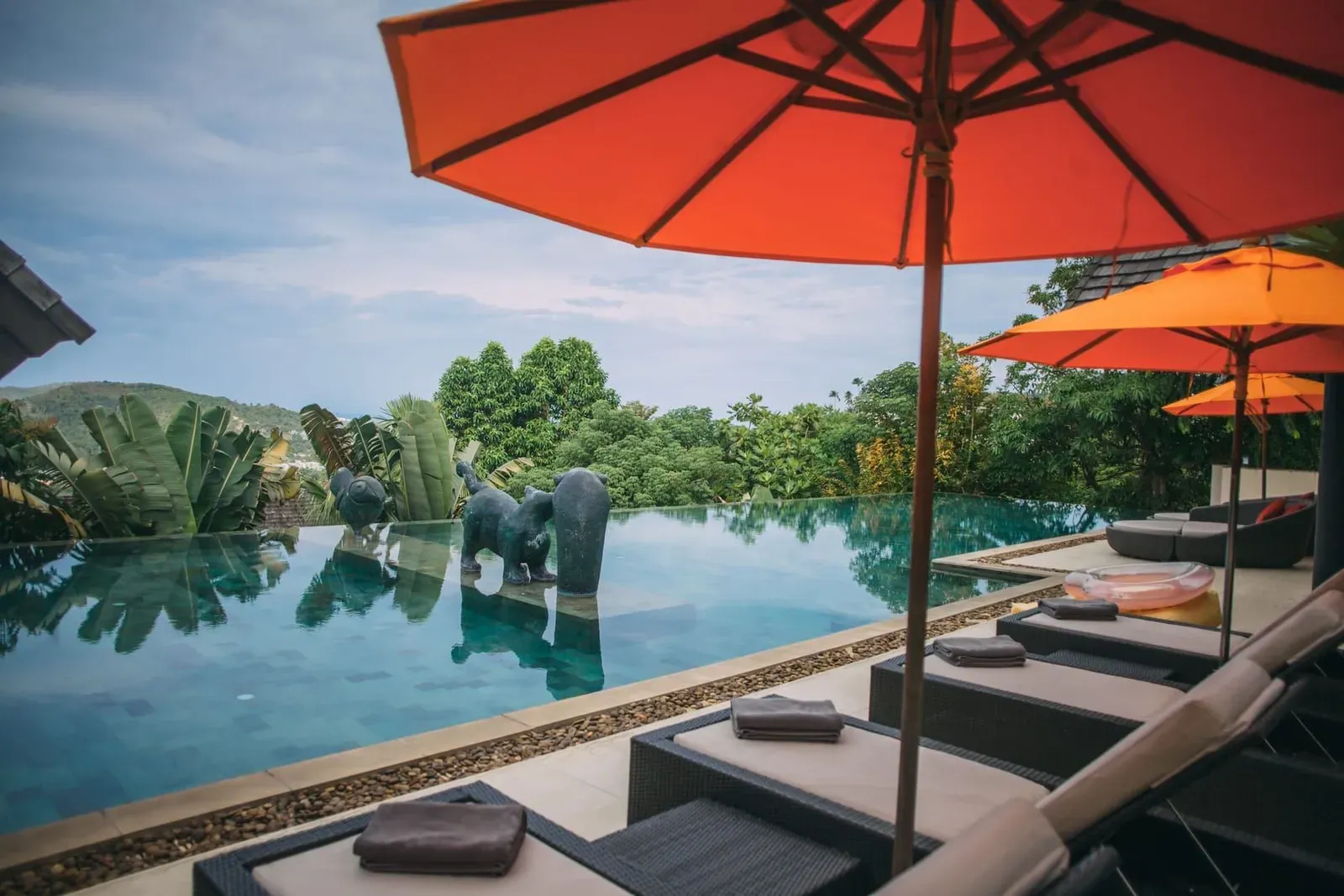
What a Thai Lease Looks Like
A standard Koh Samui rental agreement is a private lease between tenant and landlord, typically for 6 or 12 months, with a security deposit of 1-2 months’ rent plus the first month paid up front. Under Thai law, a lease longer than 3 years must be registered with the Land Department to be enforceable beyond that term — almost no residential rentals reach that length, so most are simple private contracts.
- Deposit: 1 month standard under 25,000 THB/month; 2 months common for pool villas.
- Minimum term: 6 or 12 months typical; some accept 3 months at a higher rate.
- What’s included: rent covers the unit only — electricity, water, and internet are billed separately.
- Subletting: Civil and Commercial Code Section 544 blocks it unless the lease explicitly allows it — don’t assume you can list your rental on Airbnb.
- Early exit: leaving early usually forfeits the deposit unless the contract has a break clause; negotiate one before signing.
Get the lease in writing even for a short stay — a signed one-page agreement with both parties’ ID/passport copies attached protects the deposit and clarifies who pays for what.
Red Flags and Rental Scams
The most common problem long-term renters report isn’t a scam at signing — it’s the deposit not coming back at the end. Landlords sometimes invent damage or cleaning charges never mentioned in the lease, which is why a documented handover (photos, a written condition checklist) matters more here than almost anywhere else in the process.
- Never pay before viewing: a deposit request before you’ve seen the unit in person, or at least on a live video call, is the single biggest red flag.
- No written lease: a landlord who refuses any written agreement is harder to hold accountable for the deposit.
- Utility overbilling: compare the meter reading at move-in against your first bill; a mismatch of more than a few units is worth questioning.
- Photos that don’t match: if listing photos look newer or larger than the unit, ask whether it’s the exact same property.
- Cash-only, no receipt: always ask for a signed receipt for the deposit and every rent payment.
Best Areas for Long-Term Stays
Bophut suits people who want walkable cafes, coworking spots, and Fisherman’s Village nightlife within a 5-10 minute scooter ride — the trade-off is the highest rent here. See the Bophut beach guide.
Maenam offers a quieter, residential north-coast base with a large long-stay community, a Thursday night market, and rents roughly 15-20% below Bophut. Full detail in the Maenam beach guide.
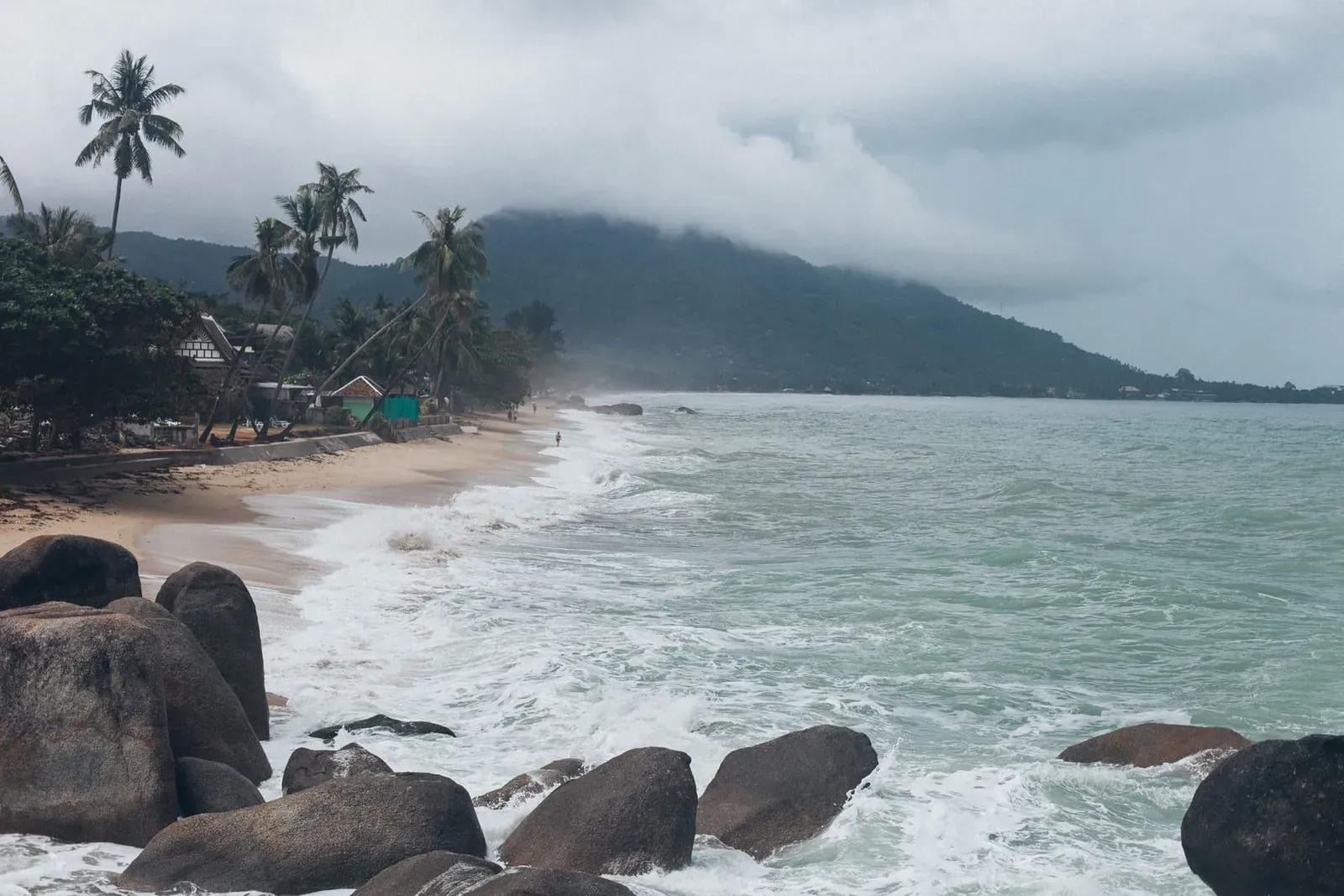
Lamai is the budget option on the east-southeast coast, with a real Thai town behind the beach road, cheaper street food, and a smaller expat scene than Chaweng. See Lamai.
Bang Rak sits between the airport and Bophut, convenient for frequent flyers and close to the Big Buddha temple, with rents similar to Lamai. Details at Bang Rak.
Nathon is the island’s administrative town near the ferry pier — cheapest on this list and useful for daily ferry access, but with the least beach appeal.
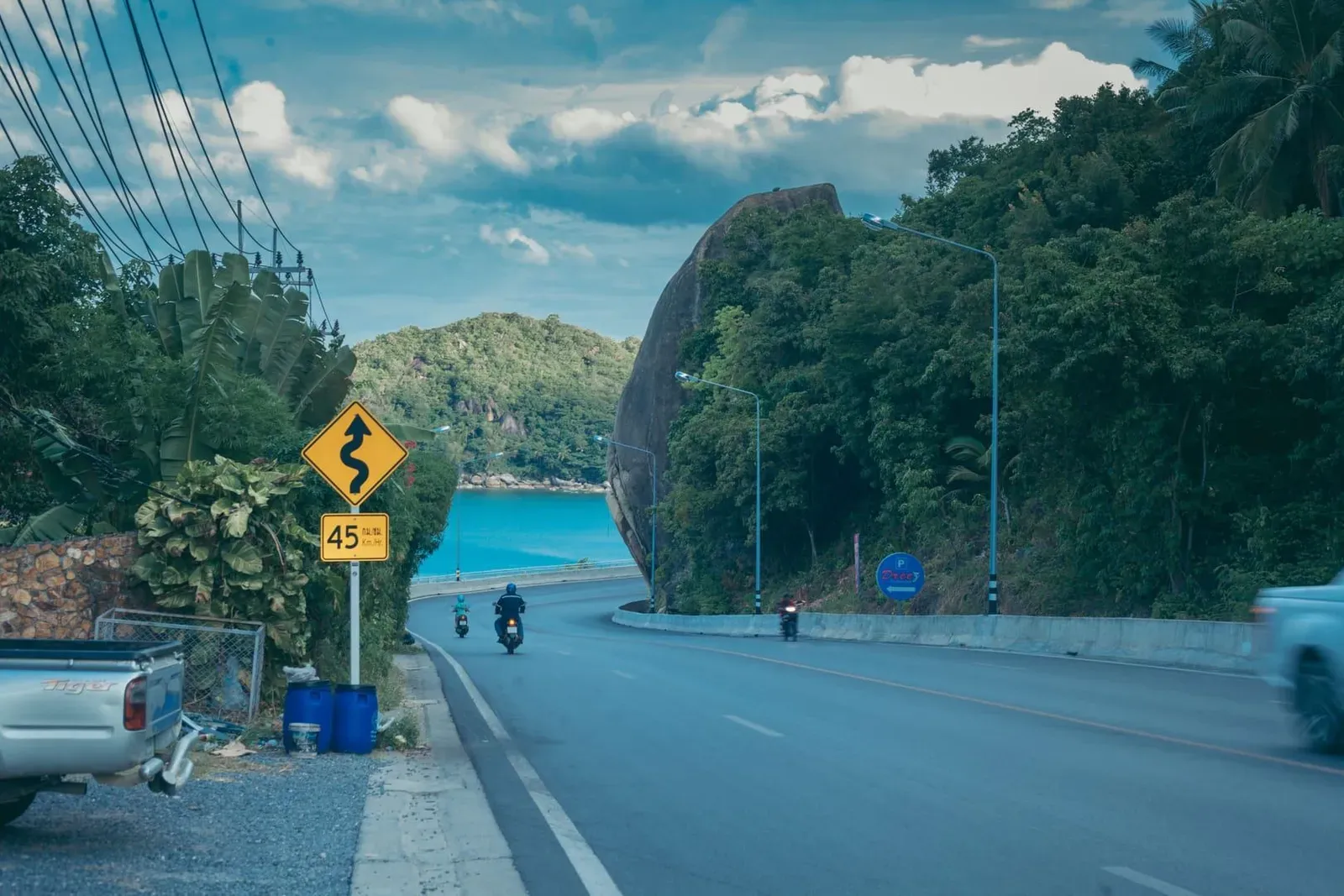
Renting anywhere on the island, a scooter rental is close to essential for viewings, grocery runs, and daily errands — see that guide for typical monthly rates. For a broader comparison of hotel-style stays versus renting, see where to stay.
Utilities and Electricity Cost Reality
Electricity is the biggest wildcard in a Koh Samui rental budget because landlords, not the utility, usually set the rate tenants pay. The government Provincial Electricity Authority (PEA) residential tariff runs roughly 4-4.4 THB per unit (kWh), but most landlords bill at a private submeter rate of 5-8 THB per unit, and unregulated setups occasionally run higher — ask the per-unit rate before signing, not after the first bill.
- Electricity: 5-8 THB/unit billed by the landlord; a 1-bedroom condo with AC typically runs 1,500-3,500 THB/month.
- Water: a flat monthly fee (150-400 THB) or metered at roughly 18-25 THB/unit; pool villas cost more to top up.
- Internet: fiber broadband averages around 577 THB/month per Numbeo (July 2026), with most plans in the 500-700 THB range for 100+ Mbps.
- Gas: bottled LPG for cooking, refilled locally, typically 400-500 THB per bottle lasting one to two months.
Ask whether the meter is in the landlord’s name (private rate) or a separate PEA account in your name (government rate) — the latter is rarer but noticeably cheaper if offered.
Visa and TM30 Registration Notes
Any foreigner staying in private Thai accommodation is technically required to be reported to Thai Immigration via the TM30 form, normally the landlord’s responsibility within 24 hours of arrival at the property. Enforcement is inconsistent for long-stay tenants outside guesthouses and hotels, but an unfiled TM30 can complicate a visa extension or a 90-day report later, so ask your landlord whether they file it and get written confirmation if possible.
A long-term rental doesn’t require a special visa — renters typically stay on a visa exemption, tourist visa, or the longer-stay DTV (Destination Thailand Visa) covered in our visa guide. Confirm current TM30 practice with your landlord and, if in doubt, with the Immigration Bureau of Thailand directly.
FAQ
How much does a long-term rental cost in Koh Samui?
Expect 12,000-25,000 THB (~343-714 USD) a month for a studio or condo, 20,000-40,000 THB (~571-1,143 USD) for a 1-2 bedroom house, and 40,000-100,000+ THB (~1,143-2,857+ USD) for a pool villa, as of September 2026. Beachfront areas like Bophut and Chaweng run 15-25% above Maenam, Lamai, or Nathon for a comparable unit.
Where do people find long-term rentals on Koh Samui?
Most renters use Facebook groups such as Samui Property For Rent, Koh Samui Buy Sell, and Samui Long Term Rentals, which list more real inventory than international portals. Local agencies, walk-in inquiries at “For Rent” signs, and Airbnb’s monthly-stay discount round out the options, especially useful while scouting in person first.
How much deposit do I need for a Koh Samui rental?
Most landlords ask for 1-2 months’ rent as a security deposit plus the first month paid upfront. One month is typical for condos and houses under 25,000 THB/month; two months is more common for pool villas. Never send a deposit before viewing the property in person or on a live video call.
Do I need to worry about TM30 as a long-term renter?
TM30 is technically the landlord’s responsibility, filed with Thai Immigration within 24 hours of a foreign tenant’s arrival. Enforcement is inconsistent for private long-term rentals, but an unfiled TM30 can cause problems at a later visa extension or 90-day report, so confirm directly with your landlord that it’s been filed.
Which area of Koh Samui is best for a long-term stay?
Bophut suits people who want walkable cafes and nightlife; Maenam offers a quieter, more residential base with a large long-stay community; Lamai and Bang Rak are budget-friendlier with real Thai town life; Nathon is cheapest but furthest from the beach scene. Pick based on daily routine, not just rent.
Published on
About the author

Mike Brochlowski
Travel photographer & writer
Travel photographer and island explorer. Mike has spent years documenting Southeast Asia's hidden gems, from secluded beaches to jungle waterfalls.
Articles by Mike →More in Travel Guides
Next in Travel Guides
Diving from Koh Samui — Sail Rock, Dive Shops, Prices (2026)
Diving from Koh Samui means day boats to Sail Rock and Koh Tao, not the island's own modest reefs.
Chaweng Beach — Samui's 7km White Sand Strip and Nightlife Capital
Chaweng Beach on Koh Samui — 7 km of white sand, beach clubs, Soi Green Mango nightlife, Central Festival shopping, and year-round swimming.
Na Muang Waterfalls — Samui's Purple Cascades and Jungle Pools
Explore Na Muang Waterfalls on Koh Samui — the accessible 18m Purple Waterfall with its swimming pool and the 80m jungle trek to the isla…