Contents
How Much Does It Cost to Live in Koh Samui?
A single person can live on Koh Samui for roughly 45,000–90,000 THB (~1,286–2,571 USD) a month, depending on whether you rent a local-style studio and eat street food or take a pool-villa condo and eat out daily. A couple typically needs 65,000–130,000 THB (~1,857–3,714 USD), and a family of four with an international-school child usually budgets 110,000–180,000 THB (~3,143–5,143 USD). Nomads.com puts the average digital nomad spend on Samui at about 51,000 THB (~$1,457) a month as of September 2026, close to Numbeo’s independently sourced 1-bedroom city-centre rent of 27,576 THB (~788 USD).
Key takeaways: single budget ~45,000–90,000 THB/month · couple ~65,000–130,000 THB · family ~110,000–180,000 THB · 1BR rent 8,500–30,000 THB outside centre, 13,000–78,300 THB centre (Numbeo, Jul 2026) · AC-heavy electricity bill 3,000–6,000 THB/month · Samui rent runs higher than Bangkok’s, contrary to expectation.
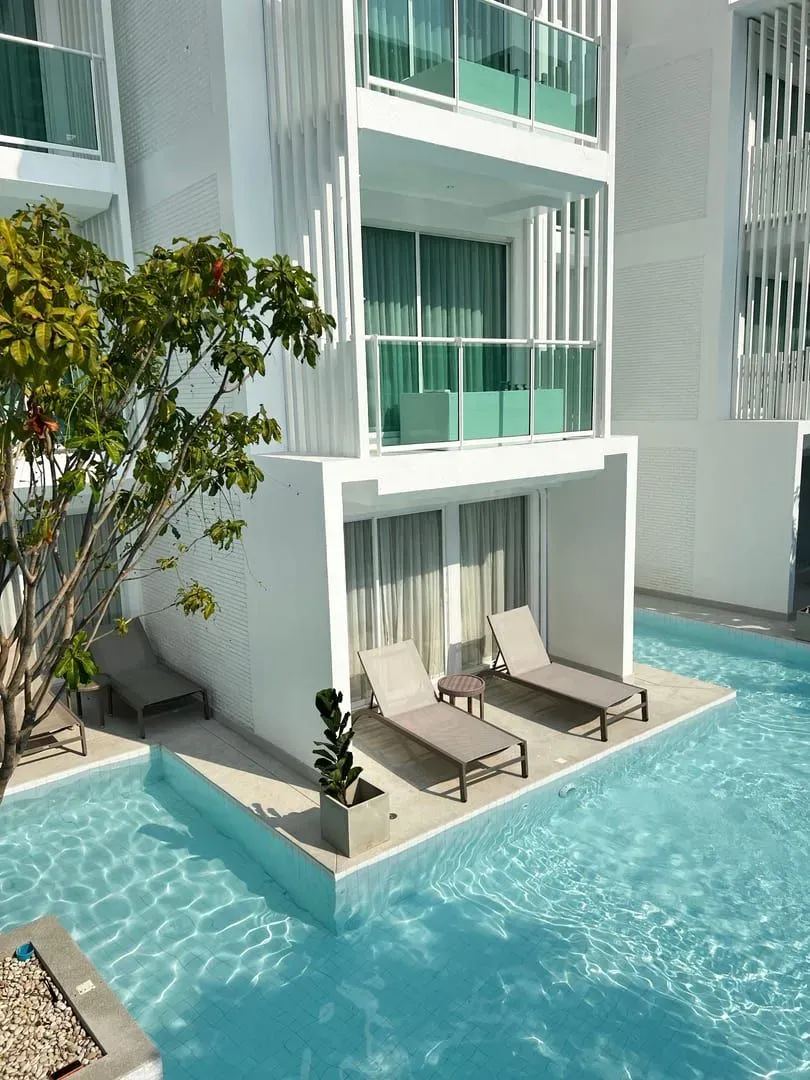
Monthly Budget by Lifestyle
These three bands assume a single adult renting long-term (11+ months), riding a scooter, and cooking some meals at home. Add roughly 20,000–40,000 THB for a partner and more for children in international school.
Bare-bones (local pace)
| Category | Monthly cost |
|---|---|
| Rent (studio/1BR, outside centre) | 8,500–13,000 THB (~243–371 USD) |
| Electricity (fan-first, light AC) | 1,500–2,500 THB (~43–71 USD) |
| Internet | 500–600 THB (~14–17 USD) |
| Food (markets + local restaurants) | 6,000–9,000 THB (~171–257 USD) |
| Scooter rental | 3,000–4,500 THB (~86–129 USD) |
| Phone (10GB+ SIM) | 250–400 THB (~7–11 USD) |
| Health insurance | 1,200–2,500 THB (~34–71 USD) |
| Leisure | 2,000–4,000 THB (~57–114 USD) |
| Total | ~23,000–36,000 THB (~657–1,029 USD) |
Comfortable (mid-range)
| Category | Monthly cost |
|---|---|
| Rent (1BR condo, good area) | 15,000–28,000 THB (~429–800 USD) |
| Electricity (AC most of the day) | 3,000–5,000 THB (~86–143 USD) |
| Internet | 577–700 THB (~16–20 USD) |
| Food (mix of local + Western + Tesco) | 12,000–18,000 THB (~343–514 USD) |
| Scooter or car rental | 4,500–12,000 THB (~129–343 USD) |
| Phone | 369–500 THB (~11–14 USD) |
| Health insurance | 3,000–6,000 THB (~86–171 USD) |
| Coworking membership | 4,000–6,500 THB (~114–186 USD) |
| Leisure | 5,000–10,000 THB (~143–286 USD) |
| Total | ~47,000–86,000 THB (~1,343–2,457 USD) |
Family / premium
| Category | Monthly cost |
|---|---|
| Rent (2–3BR villa, own pool) | 40,000–100,000 THB (~1,143–2,857 USD) |
| Electricity (full-day AC, multiple rooms) | 6,000–12,000 THB (~171–343 USD) |
| Internet + streaming | 700–1,000 THB (~20–29 USD) |
| Food (Western supermarkets, dining out) | 25,000–40,000 THB (~714–1,143 USD) |
| Car rental or ownership | 12,000–25,000 THB (~343–714 USD) |
| Phones (family plan) | 1,000–1,500 THB (~29–43 USD) |
| Health insurance (family) | 8,000–15,000 THB (~229–429 USD) |
| International school (1 child, per month) | 15,000–60,000 THB (~429–1,714 USD) |
| Leisure | 10,000–20,000 THB (~286–571 USD) |
| Total (excl. school) | ~103,000–195,000 THB (~2,943–5,571 USD) |
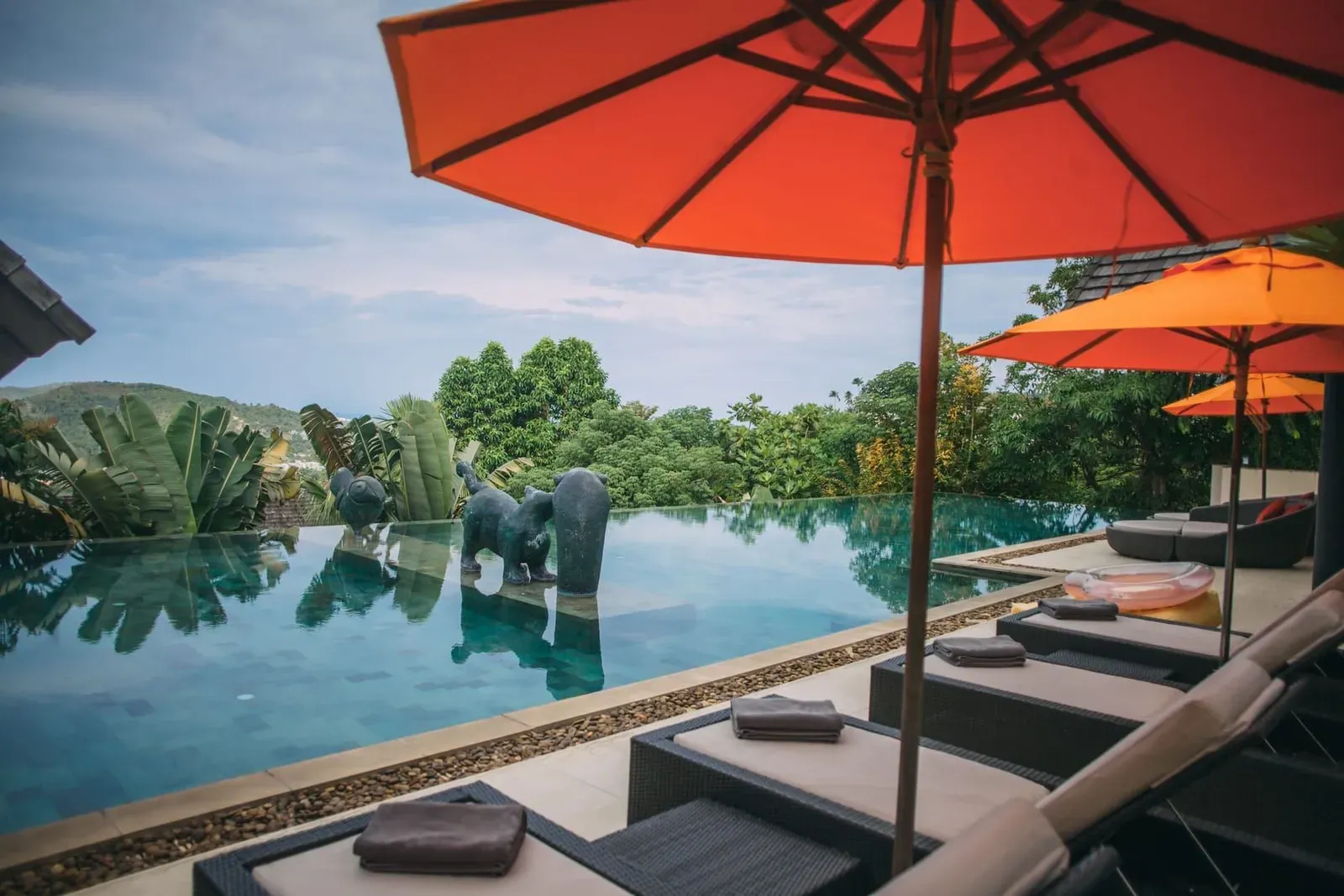
Rent by Area
Rent on Koh Samui varies more by beach than by property type — the same 1-bedroom condo costs roughly double in Chaweng versus Nathon. According to Numbeo (Jul 2026), a 1BR apartment in the city centre averages 27,576 THB (~788 USD), while the same unit outside the centre averages 13,975 THB (~399 USD); a 3-bedroom house runs 45,900–60,000 THB (~1,311–1,714 USD).
- Bophut: Popular with long-stay expats and remote workers near Fisherman’s Village. 1BR condos: 15,000–28,000 THB (~429–800 USD); houses with pool: 35,000–60,000 THB (~1,000–1,714 USD).
- Maenam: The island’s budget-to-mid range north-coast pocket. Basic bungalows from 8,000 THB (~229 USD); modern studios with pool access 12,000–20,000 THB (~343–571 USD).
- Lamai: Cheaper than Chaweng with a similar beach-town feel. 1BR condos: 12,000–22,000 THB (~343–629 USD).
- Chaweng: The most expensive rental market on the island thanks to tourist demand and short-term-rental competition. 1BR condos: 20,000–40,000+ THB (~571–1,143+ USD).
- Bang Rak: Convenient for the airport and Fisherman’s Village, mid-priced. 1BR condos: 13,000–22,000 THB (~371–629 USD).
- Nathon: The least touristy option, near the ferry pier and government offices, favored by long-term Thai-oriented expats. 1BR units: 6,000–12,000 THB (~171–343 USD) — the island’s cheapest long-term rents.
Twelve-month leases with a 1–2 month deposit are standard and typically undercut the monthly rate quoted for short stays by 15–30%. See where to stay for area comparisons if you have not chosen a base yet.
Utilities & Electricity — the AC Reality
Air conditioning is the single biggest swing factor in a Koh Samui utility bill: running one unit nearly around the clock in a studio typically adds 3,000–6,000 THB (~86–171 USD) a month, on top of Numbeo’s reported average of 2,717 THB (~78 USD) for combined basic utilities (electricity, water, garbage) in an 85 m² apartment. Larger villas running two or three AC units full-time regularly see 8,000–15,000 THB (~229–429 USD) electricity bills alone during the hot season (March–May).
Ways renters keep bills down: set AC to 25–26°C instead of 20°C, use ceiling fans alongside AC rather than instead of it in shared living areas, and choose a unit with good cross-ventilation and shade from trees or a north-facing balcony. Internet broadband (60 Mbps+) averages 577 THB (~16 USD) a month, and a 10GB+ mobile SIM plan averages 369 THB (~11 USD), both per Numbeo (Jul 2026).
Food Costs
Groceries in Koh Samui cost roughly what mainland Thailand costs for staples but more for imported goods, since almost everything Western arrives by ferry or truck. Fresh markets and local Thai restaurants are the cheapest way to eat: a plate of pad thai or fried rice runs 50–80 THB (~1.50–2.50 USD), and Numbeo lists an inexpensive restaurant meal at 150 THB (~4.50 USD).
- Wet markets: Fresh produce, meat, and fish at the lowest prices on the island — a household’s weekly produce shop often costs under 500 THB (~14 USD).
- 7-Eleven / Family Mart: Convenient but marks up basics; fine for snacks, not for a weekly shop.
- Tesco Lotus / Big C: Mid-range Thai supermarkets with both local and some imported goods; a normal weekly grocery run for one person costs roughly 1,000–1,800 THB (~29–51 USD).
- Makro: Bulk/wholesale store best for families or anyone cooking regularly; buying in bulk here cuts per-unit costs noticeably versus Tesco.
- Western-style supermarkets and delis (Bophut, Chaweng): Imported cheese, wine, and specialty items cost 2–4x mainland Thai prices; a family doing most of its shopping here should budget 25,000–40,000 THB (~714–1,143 USD) a month.
- Restaurants: A mid-range two-person dinner averages 1,000 THB (~29 USD) per Numbeo; Western/international restaurants in Bophut and Chaweng often run 400–800 THB (~11–23 USD) per person for a main course alone. See where to eat for area-specific picks.

Transport
A scooter is the default vehicle for anyone living on Koh Samui long-term: monthly rentals run 3,000–4,500 THB (~86–129 USD), well below the 150–200 THB (~4.50–5.50 USD) daily rate multiplied out, and buying a used scooter outright (30,000–50,000 THB / ~857–1,429 USD) pays for itself within a year for a multi-year stay. See the scooter rental guide for deposit and licensing details.
Cars cost more to rent long-term — 12,000–25,000 THB (~343–714 USD) a month depending on model and season — but suit families or anyone unwilling to ride in monsoon rain. Fuel averages 48 THB (~1.50 USD) a liter per Numbeo. Grab and Bolt ride-hailing work across the island for one-off trips (a 3 km ride averages roughly 130 THB / ~3.50 USD) but cost more than owning transport if used daily. A taxi’s minimum start charge is 100 THB (~3 USD), notably higher than Bangkok’s 35 THB, since Samui taxis are largely unmetered.
Healthcare & Insurance
Koh Samui has two hospitals commonly used by expats: Bangkok Hospital Samui, part of the Bangkok Hospital Group’s international network, and Samui International Hospital, both located near Chaweng/Bophut with English-speaking staff and direct insurance billing for major providers. A routine GP consultation typically costs 800–1,500 THB (~23–43 USD) out of pocket; a private hospital ER visit or minor procedure can run into the tens of thousands of baht without insurance, which is why nearly every long-term resident carries a policy.
International health insurance for expats in Thailand commonly runs from roughly 15,000–60,000 THB (~429–1,714 USD) a year for a healthy adult under 40, rising sharply with age and with the level of inpatient/outpatient coverage chosen — treat this as a general planning range and get a personalized quote from a licensed broker, since premiums vary widely by provider, deductible, and pre-existing conditions. Anyone applying for Thailand’s long-stay DTV visa or a retirement visa should confirm their policy meets the government’s minimum coverage requirements before applying.
Schools for Expat Families
Families relocating with children have several established international schools to choose from on Koh Samui, following UK, IB, or bilingual Thai-English curricula: Windfield International School Koh Samui (WIS), The International School of Samui, Lamai International School, Oonrak Koh Samui Bilingual School, Greenacre International School, and PanyaDee — The British International School of Samui (PBISS). Annual tuition varies widely by curriculum and grade level, and prospective families should contact each school directly for current fee schedules and enrollment availability rather than relying on third-party estimates.
Koh Samui vs Bangkok vs Chiang Mai vs Koh Phangan
Koh Samui is not the cheapest option in Thailand for long-term living — Chiang Mai is markedly less expensive, and even Bangkok’s rent runs lower than Samui’s despite the capital’s reputation for high prices.
| Metric | Koh Samui | Bangkok | Chiang Mai | Koh Phangan |
|---|---|---|---|---|
| 1BR rent, city centre | 27,576 THB (~788 USD) | 22,942 THB (~655 USD) | 15,982 THB (~457 USD) | ~27,700 THB (~791 USD) |
| Digital nomad monthly spend | Lower — no direct nomad-index figure; COL 25% below Samui incl. rent | |||
| Coworking hot desk | Generally cheaper than Samui | |||
| Inexpensive restaurant meal | 150 THB (~4.50 USD) | Comparable, ~3% higher | 70 THB (~2 USD) | Rising fast with demand |
| Overall cost of living incl. rent | Baseline | ~7% lower than Samui | ~25% lower than Samui | Higher — reports of steep recent increases |
Sources: Numbeo cost-of-living data and Nomads.com destination pages, both accessed September 2026. Bangkok undercuts Samui on rent because its far larger housing stock absorbs demand; Chiang Mai is Thailand’s most nomad-affordable hub; Koh Phangan has gotten notably pricier as European remote workers concentrate there.




FAQ
How much does it cost to live in Koh Samui per month?
A single person typically spends 45,000–90,000 THB (~1,286–2,571 USD) a month, covering rent, food, transport, phone, and basic insurance. Couples usually need 65,000–130,000 THB (~1,857–3,714 USD), and families with a child in international school should budget 110,000–180,000 THB (~3,143–5,143 USD) or more, per Numbeo and Nomads.com data (Sep 2026).
Is Koh Samui cheaper than Bangkok?
Not for rent — Numbeo (Sep 2026) shows Koh Samui’s 1-bedroom city-centre rent at 27,576 THB versus Bangkok’s 22,942 THB, roughly 17% higher on the island. Including rent, overall cost of living in Bangkok runs about 7% lower than Koh Samui, though excluding rent Bangkok is closer to 17% pricier due to service costs.
What is a realistic long-term rental price on Koh Samui?
Expect 8,500–30,000 THB (~243–857 USD) for a 1-bedroom condo depending on area, per Numbeo (Jul 2026). Nathon and Maenam sit at the low end; Chaweng and Bophut’s premium condos sit at the high end. Twelve-month leases typically cost 15–30% less per month than short-term or month-to-month rates.
How much is a typical electricity bill in Koh Samui with air conditioning?
Running one AC unit heavily in a studio adds roughly 3,000–6,000 THB (~86–171 USD) on top of base utilities, which Numbeo reports averaging 2,717 THB total for an 85 m² apartment. Larger villas with multiple AC units during the March–May hot season can see electricity bills of 8,000–15,000 THB (~229–429 USD) alone.
Do I need health insurance to live in Koh Samui long term?
Yes, in practice — private hospital care without insurance can be very expensive, and long-stay visa categories like the DTV increasingly require proof of coverage. International expat health insurance in Thailand commonly costs 15,000–60,000 THB (~429–1,714 USD) a year for a healthy adult under 40, rising with age; get a personalized quote from a licensed broker before relying on this range.
Is Koh Samui or Koh Phangan more affordable for digital nomads?
Koh Samui is currently cheaper. Nomads.com (Sep 2026) puts average digital-nomad spending at roughly 51,000 THB ($1,457) on Samui versus about 76,600 THB ($2,189) on Koh Phangan, where rising demand from European remote workers has pushed prices up sharply in recent years.
Published on
About the author

Mike Brochlowski
Travel photographer & writer
Travel photographer and island explorer. Mike has spent years documenting Southeast Asia's hidden gems, from secluded beaches to jungle waterfalls.
Articles by Mike →More in Travel Guides

Next in Travel Guides
3 Days in Koh Samui — The Perfect Short Itinerary
The perfect 3-day Koh Samui itinerary: Chaweng, Big Buddha, Bophut, Na Muang Waterfalls and Lamai, with taxi times, 2026 THB prices and a…
Chaweng Beach — Samui's 7km White Sand Strip and Nightlife Capital
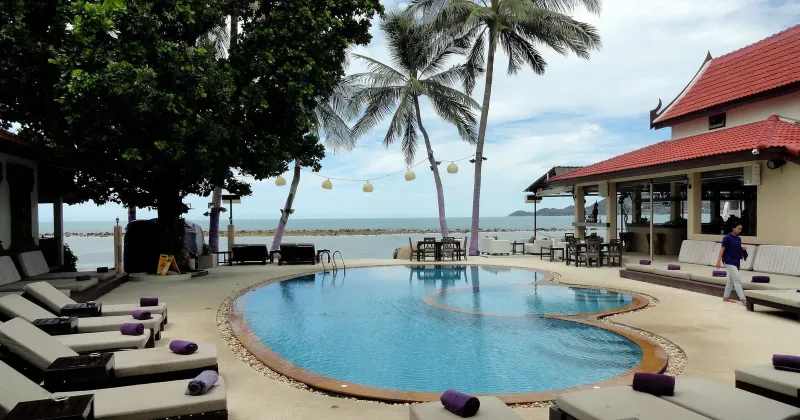
Chaweng Beach on Koh Samui — 7 km of white sand, beach clubs, Soi Green Mango nightlife, Central Festival shopping, and year-round swimming.
Na Muang Waterfalls — Samui's Purple Cascades and Jungle Pools
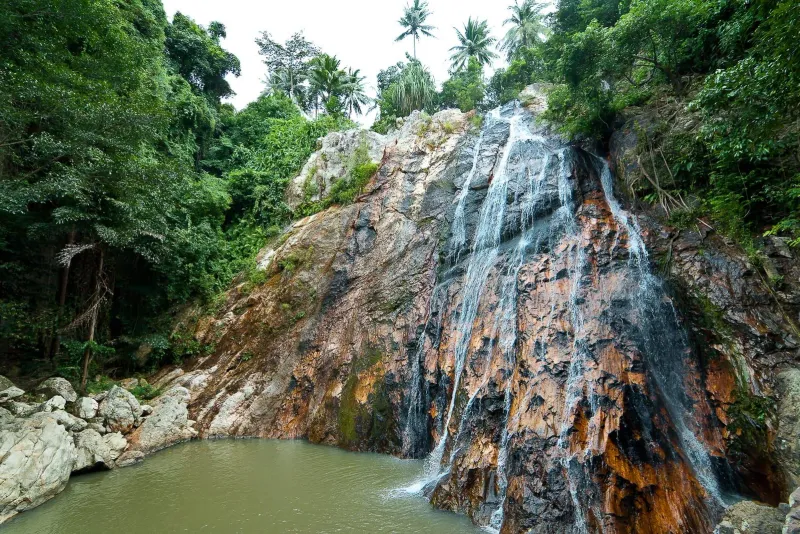
Explore Na Muang Waterfalls on Koh Samui — the accessible 18m Purple Waterfall with its swimming pool and the 80m jungle trek to the isla…