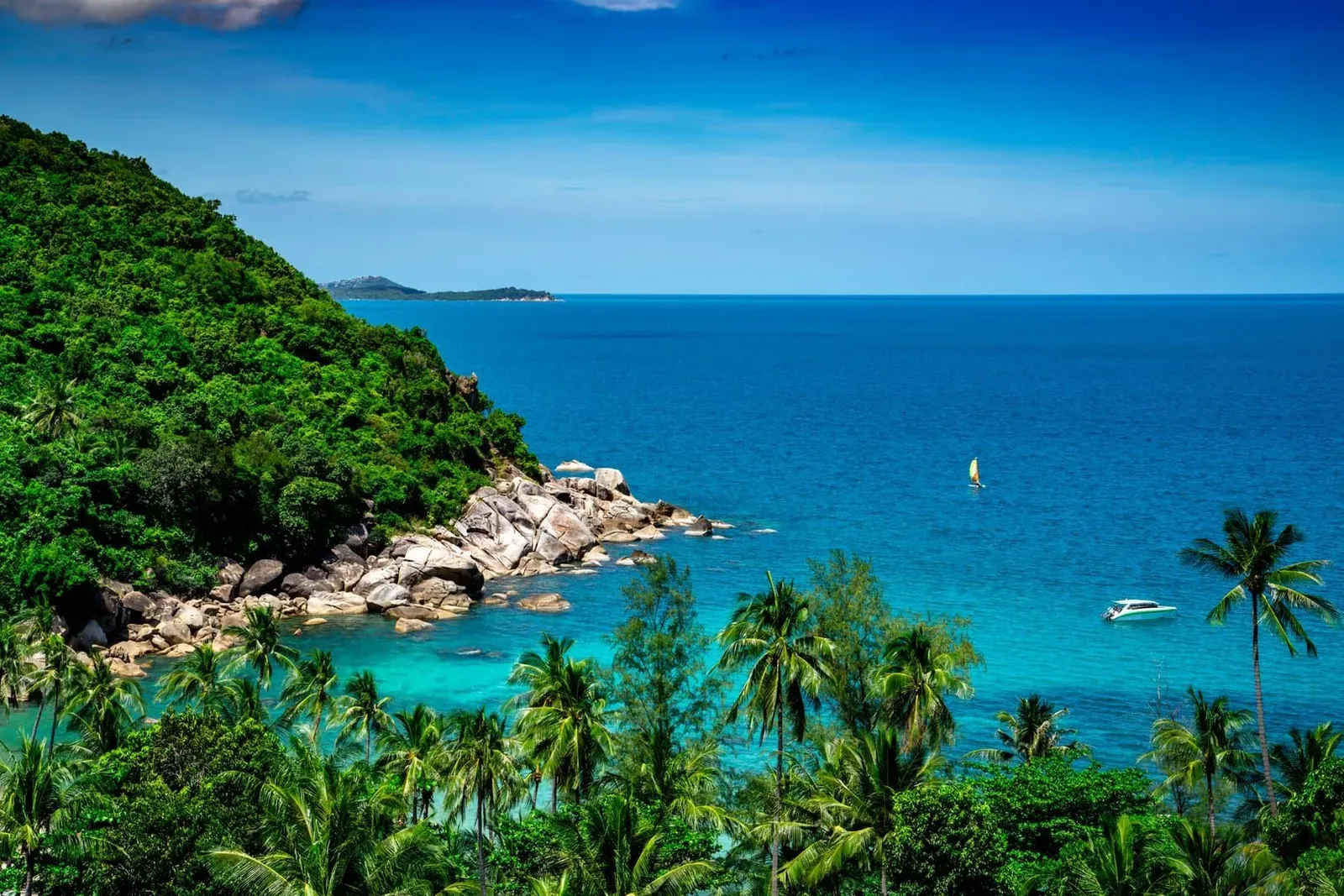
Contents
Koh Samui Travel Tips at a Glance
Koh Samui is worth visiting for most travelers: it has direct flights, calm swimming beaches, temples, waterfalls and a real choice of budgets, without the ferry transfer that Koh Phangan or Koh Tao require. The trade-offs are real too — scooter accidents are common, the monsoon season (September to mid-November) brings heavy rain, and a handful of well-known scams target first-time visitors. These 25 Koh Samui travel tips cover what to arrange before departure, what to budget, how to stay safe, and how to avoid the mistakes that catch newcomers out.
This guide suits first-time visitors, families, couples and anyone who has already booked a flight and wants the practical checklist rather than a highlight reel. If you still need to decide what to actually do on the island, start with things to do in Koh Samui or a day-by-day Koh Samui itinerary instead — come back here for the logistics. For the specific slip-ups that catch first-timers, see our Koh Samui mistakes to avoid guide.
Key takeaways: Visa-exempt stays are 30 days from 15 Sep 2026, and the TDAC is mandatory · ATMs charge a flat 220 THB fee per withdrawal · Grab and Bolt cannot collect passengers inside the airport · Scooter accidents are the top injury risk for tourists · Box jellyfish season runs June–October on exposed beaches.
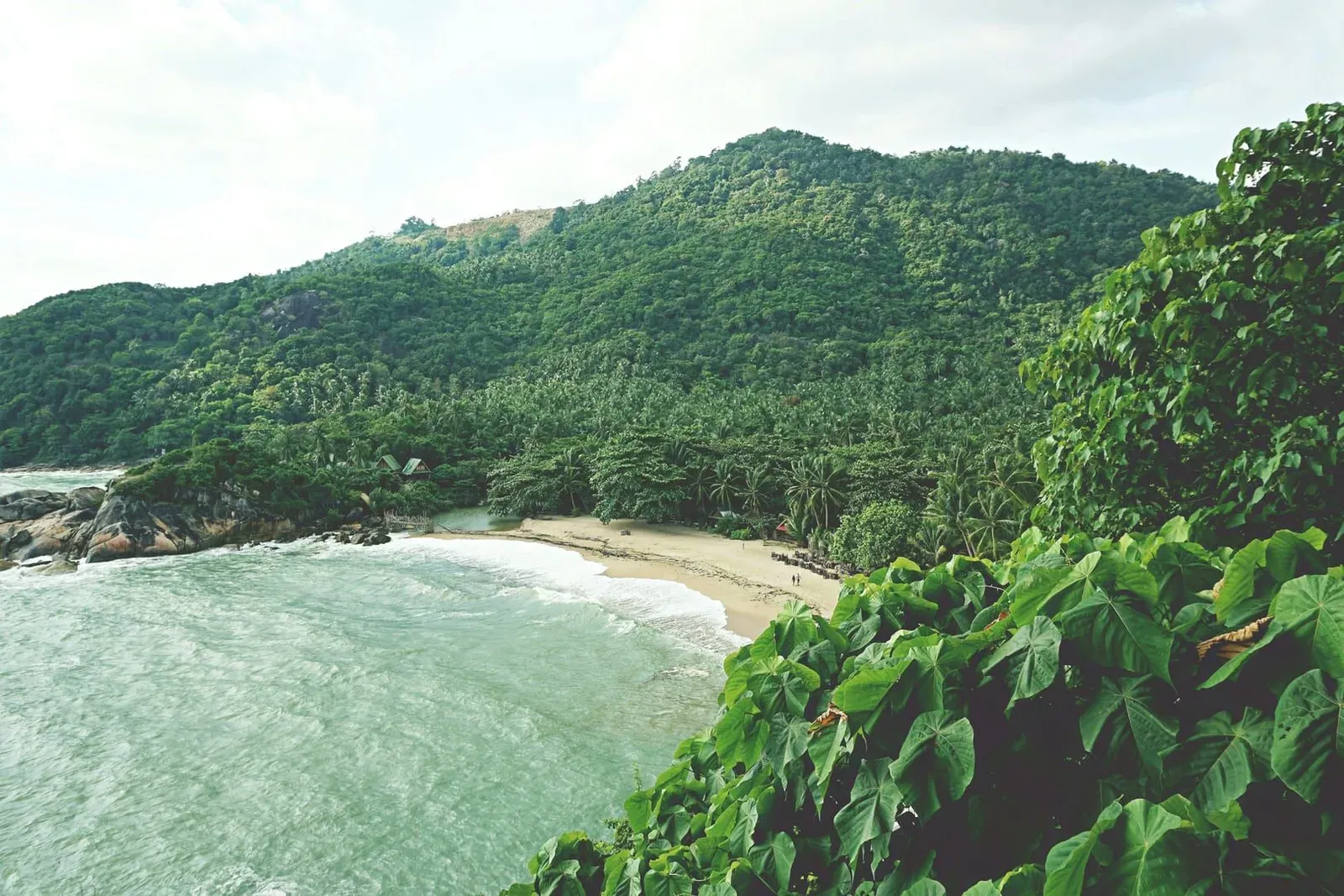
1. Check Your Visa and File the TDAC Before You Fly
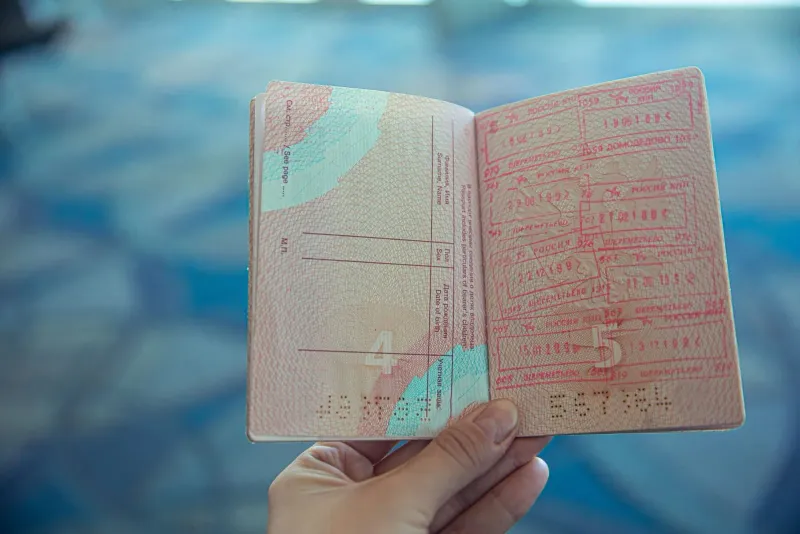
Most Western passport holders can enter Thailand visa-free, but the allowance changes on 15 September 2026: travelers arriving before that date still get 60 days, while those arriving on or after it get 30 days with one optional 30-day extension (about 1,900 THB at a Thai immigration office) for a maximum stay near 60 days. Every visitor, regardless of nationality, must also submit the free Thailand Digital Arrival Card (TDAC) within 72 hours of arrival at the official government portal — not a paid lookalike site. Full rules, extension steps and passport eligibility are on our Koh Samui visa guide. See the TDAC official portal directly rather than a third-party form.
2. Time Your Trip Around the Monsoon Season
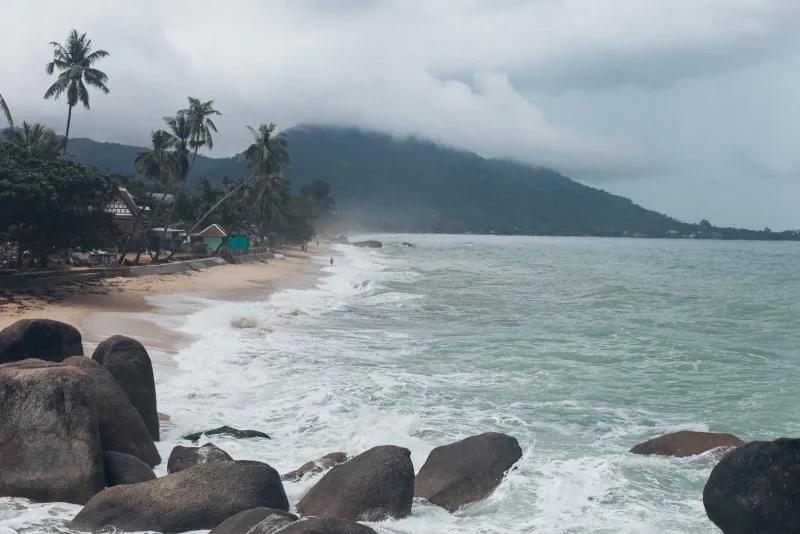
December to February is Koh Samui’s driest, sunniest, and busiest stretch, while September through mid-November brings the heaviest rain and the biggest risk of a washed-out beach day. Koh Samui sits on the Gulf of Thailand, so its rainy season runs opposite the Andaman coast (Phuket, Krabi) — a useful fact if you’re combining islands. Waterfalls like Na Muang Waterfall run fullest in the wet months and can dry to a trickle by April. Check month-by-month rain days, sea temperature and crowd levels in our best time to visit Koh Samui guide, which also cites current Thai Meteorological Department data.
3. Buy Travel Insurance That Actually Covers a Scooter
Standard travel insurance policies often exclude motorbike and scooter accidents unless you hold a valid motorcycle licence or International Driving Permit (IDP) with a motorcycle endorsement — read the policy wording before you buy, not after a crash. A basic annual or single-trip policy runs roughly 500–1,500 THB (~14–43 USD) per week depending on provider and age, but the cheapest plans are usually the ones that exclude two-wheelers. If you plan to ride at all, confirm scooter cover in writing and carry a photo of the policy number on your phone.
4. Book Flights Early or Compare the Fly and Ferry Route
Bangkok Airways runs the only direct flights into Samui’s small international airport (USM), and fares roughly double in the December–February peak versus the June–August low season, so book 6–8 weeks ahead for the best price. A cheaper alternative is flying to Surat Thani and taking a ferry across (roughly 1.5–2 hours total, often half the direct-flight price). Every route — direct flight, fly-and-ferry, overnight train and bus-and-ferry — is compared with current prices and times in how to get to Koh Samui. If you’re island-hopping onward, the Koh Samui to Koh Phangan ferry takes 20–50 minutes depending on operator and pier.
5. Budget for the 220 THB ATM Fee on Every Withdrawal
Nearly every Thai bank ATM charges a flat foreign-card withdrawal fee, commonly 220 THB (~6.50 USD) though several banks have pushed this to 250–350 THB in 2026 — on top of whatever your home bank charges. Withdraw larger amounts less often to minimize the hit, and check whether your card refunds ATM fees (several travel-focused debit cards do). AEON Bank ATMs, where available, tend to charge less than the major Thai banks. Avoid the dynamic currency conversion prompt (“convert to your home currency?”) at the machine — always choose to be charged in Thai baht. See our money and ATMs guide for card acceptance, exchange rates and fee-avoidance tips.
6. Carry Cash for Small Vendors and Local Restaurants
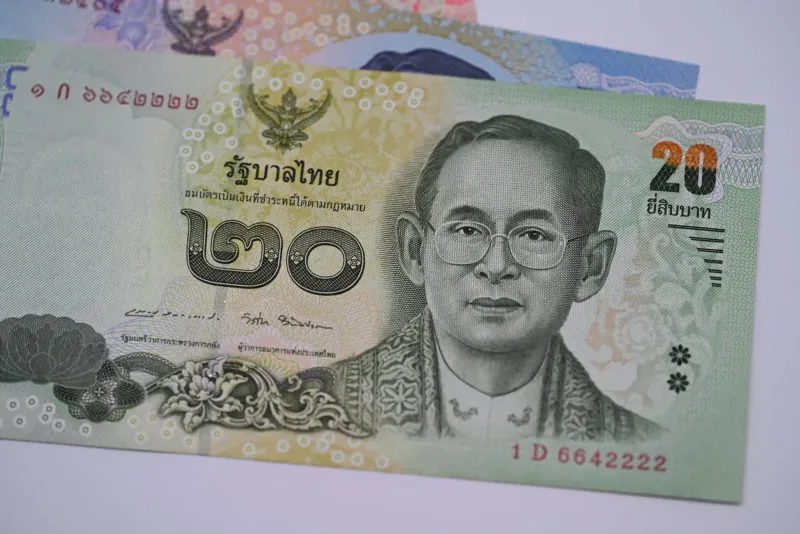
Hotels, malls and chain convenience stores in Koh Samui take cards, but street food stalls, songthaews, market vendors and many small family-run restaurants are cash-only. Keep a mix of small notes (20, 50, 100 THB) for songthaew fares and market snacks — vendors frequently can’t break a 1,000 THB note early in the day. A rough daily cash budget of 1,000–2,000 THB (~29–57 USD) covers food, local transport and incidentals for a mid-range traveler outside of hotel bills.
7. Tip Only Where It Isn’t Already Included
Tipping is not obligatory in Thailand and isn’t part of local custom, but it’s become common in tourist-facing Koh Samui. Check the bill first — many restaurants already add a 10% service charge. Where there’s no service charge, rounding up or leaving 5–10% for a good sit-down meal is generous and appreciated; for taxis, songthaews and street food, tipping isn’t expected at all. Hotel porters and spa staff typically receive 50–100 THB per service.
8. Work Out Your Transport Options Before You Land
Koh Samui has no public bus network — getting around means songthaews (shared open-back trucks, 50–100 THB per ride), metered or negotiated taxis, ride-hailing apps, or your own scooter or car rental. Which option makes sense depends on your route, group size and how many stops you’re making in a day. The full comparison — fares, routes, the Route 4169 ring road, and where each option falls short — is in our getting around Koh Samui guide.
9. Only Rent a Scooter If You Hold the Right Licence
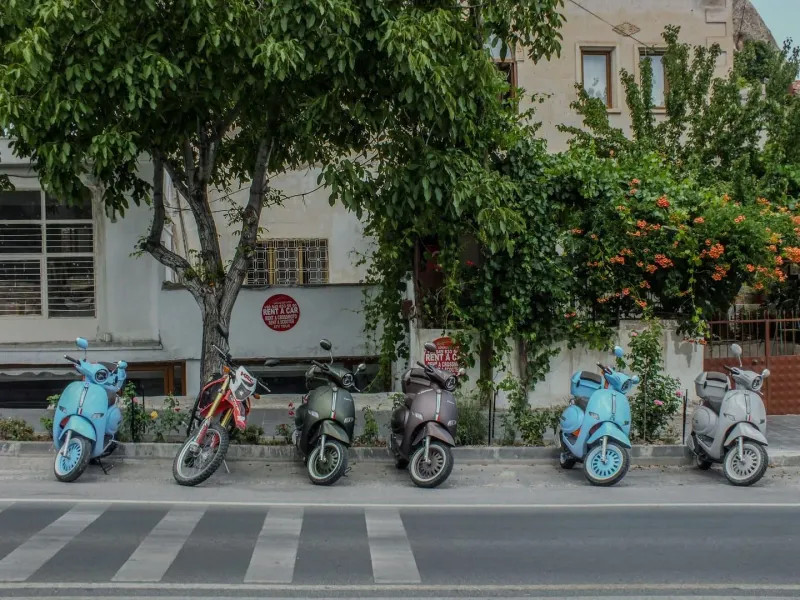
Thai law requires a valid motorcycle licence from your home country or an International Driving Permit (IDP) with a motorcycle (category A) endorsement to ride legally in Koh Samui — a car licence or IDP without that endorsement does not cover a scooter. Police checkpoints are common on the ring road and fines for an invalid licence run roughly 500–1,000 THB, but the bigger risk is that riding without the right licence can void your travel insurance after an accident. Rental prices, deposit practices and what to inspect before you ride are covered in our scooter rental guide.

10. Grab and Bolt Cannot Pick You Up at the Airport
Ride-hailing apps work well once you’re on the island, but Samui International Airport does not allow Grab or Bolt to collect passengers from inside the terminal — a long-standing arrangement that protects the airport’s own taxi counter. Book a prepaid airport taxi (roughly 300–500 THB / ~8.50–14 USD depending on destination) or a shared minivan (from about 150 THB) at the arrivals desk instead, and save the apps for trips once you’ve reached your hotel.
11. Scooter Accidents Are Koh Samui’s Biggest Safety Risk
More tourists are injured on rented scooters in Koh Samui than in any other single category of accident, usually from unfamiliar left-hand traffic, wet roads, sudden potholes or riding without a licence or experience. Always wear the helmet provided (it’s also the law), avoid riding after dark on unlit rural roads, and don’t ride if you’ve been drinking. If you’ve never ridden a manual or semi-automatic scooter before, practice in an empty car park before taking it onto the ring road. The same roads carry the school run, the som tam cart and the Sunday group ride-out — see our motorbike culture on Koh Samui piece for the community behind the risk.
12. Box Jellyfish Show Up Between June and October
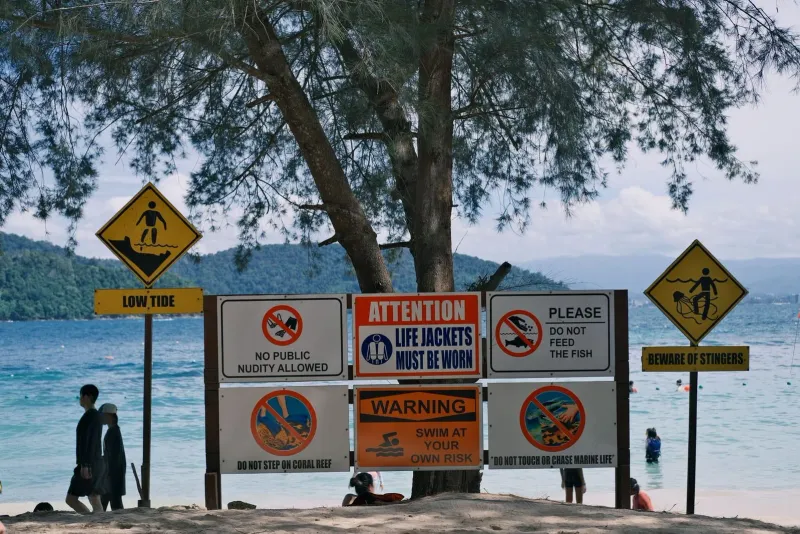
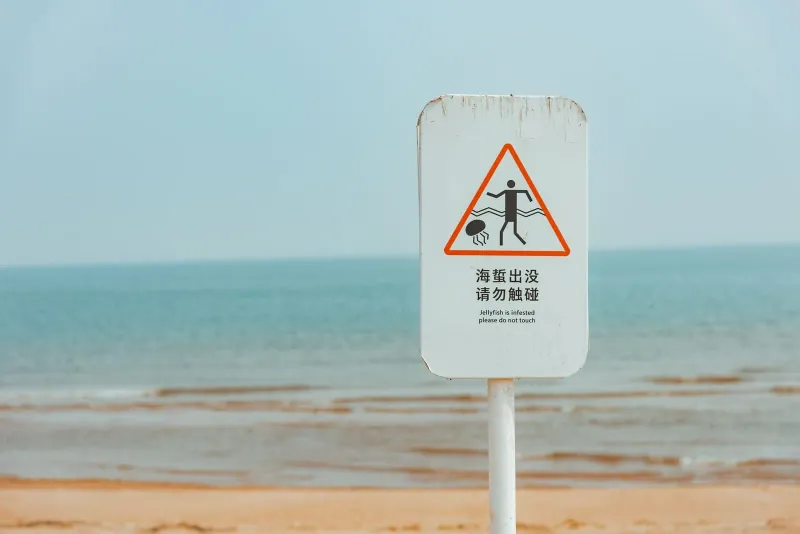
Box jellyfish stings are rare on Koh Samui but occasionally serious, and sightings cluster in the roughly June–October window, peaking August–September, when currents push them toward shore. Look for warning flags or signage at popular beaches, avoid swimming alone at dusk during these months, and if stung, rinse the area with vinegar (not fresh water) and seek medical help immediately — vinegar deactivates unfired stinging cells. Beaches on both the east coast and the south stay generally low-risk outside this window. See our jellyfish season guide for netted beaches and full first-aid steps.
13. Rip Currents Are Strongest on the East Coast Beaches
Rip currents are more likely on Koh Samui’s open east-facing beaches, including Chaweng and Lamai, especially during the September–November monsoon swell, than on the more sheltered north coast. If caught in one, swim parallel to shore rather than against the current until it releases you, then angle back to the beach. Red flags mean don’t swim — they’re not a suggestion. The calmer, gulf-facing beaches on the north coast are a safer default for weak or inexperienced swimmers.
14. The Tropical Sun Burns Faster Than You Think
Koh Samui sits about 9 degrees north of the equator, and UV exposure at midday is intense enough to burn fair skin in as little as 15–20 minutes, even under light cloud. Reapply SPF 30+ sunscreen every two hours in water or heavy sweat, wear a rash guard for long snorkeling sessions, and use reef-safe (oxybenzone-free) sunscreen — several marine parks, including Ang Thong, discourage or restrict non-reef-safe formulas. Heat exhaustion is also common; drink more water than feels necessary and take a midday break from direct sun.

15. Know Where the Nearest Hospital Is Before You Need It
Koh Samui has two main private hospitals equipped for tourists: Bangkok Hospital Samui in Bophut, which runs the island’s only MRI scanner and a boat ambulance service for nearby islands, and Samui International Hospital, generally cheaper and popular for minor injuries and dental work. Both have English-speaking staff and accept most international travel insurance directly, though you should always keep your policy details and emergency number saved offline. See Bangkok Hospital Samui for services and location before you need them, not after, or our hospitals and clinics guide for a full cost and insurance comparison.
16. Cover Shoulders and Knees at Every Temple
Thai temples expect modest dress from every visitor regardless of religion, covered in full in our temple etiquette guide: shoulders and knees covered, no swimwear, and shoes off before entering the main hall. Major sites like Wat Phra Yai (Big Buddha) have sarongs to borrow at the entrance if you turn up underdressed, but it’s simpler to carry a light scarf or sarong in your bag on any day that includes a temple stop. Entry to most Samui temples is free, though a small donation (20–100 THB) is customary and welcomed.
17. Never Point Your Feet at People or Buddha Images
In Thai culture the feet are considered the lowest, least respectful part of the body and the head the most sacred — so never point your feet at a person, a monk, or a Buddha image, and never step over someone sitting or lying on the floor. Sit with your legs tucked to the side rather than stretched out toward others, especially in temples, on ferries, or on a mat at a market. Buddha images and statues are objects of worship, not photo props — avoid climbing on them or posing in ways that could be seen as disrespectful.
18. Avoid Criticizing the Royal Family, Even as a Joke
Thailand’s lèse-majesté law makes insulting the monarchy a criminal offense, and it is enforced against foreigners as well as Thai nationals — this extends to comments made online, not just in person. Stand respectfully during the royal anthem, which plays in cinemas before films and sometimes in public spaces at set times, and steer conversations away from the topic altogether rather than testing where the line is.
19. Alcohol Sales Pause on Five Buddhist Holidays a Year
Thailand bans retail alcohol sales nationwide, including in Koh Samui’s convenience stores and most bars, for 24 hours on five major Buddhist holy days each year — Makha Bucha, Visakha Bucha, Asalha Bucha, Khao Phansa and Ok Phansa — plus a longer window around national elections. In 2026, Asalha Bucha and Khao Phansa fall back-to-back (29–30 July), creating a 48-hour dry spell. Hotel minibars and rooms are generally unaffected, and drinking alcohol you already bought isn’t restricted — only new retail sales stop. Check the current-year dates before planning a big night out; see our nightlife guide for what stays open regardless.
20. Get a SIM or eSIM the Day You Land
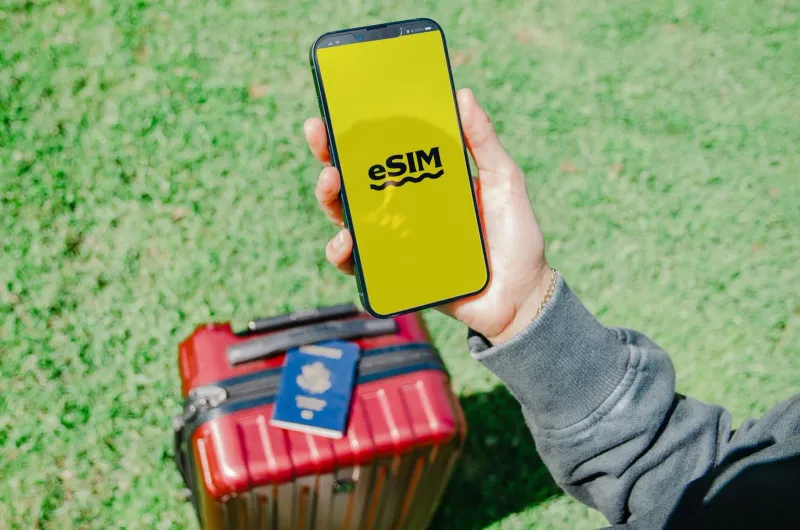
Samui International Airport has AIS, dtac and True Move counters right in the arrivals hall selling tourist SIM cards with data, typically 300–600 THB (~8.50–17 USD) for 8–15 days of data plus some call credit. If your phone supports eSIM, activating a Thailand data plan online before you fly (through the carrier’s app or a service like Airalo) skips the airport queue entirely and works the moment you land. Hotel and cafe wifi is generally reliable across the island’s main beach towns, but a local SIM matters for Grab, Google Maps and mobile payments away from wifi. Compare providers and current data plans in our SIM and eSIM guide.
21. Pick Your Base by Vibe, Not the Beach Photo
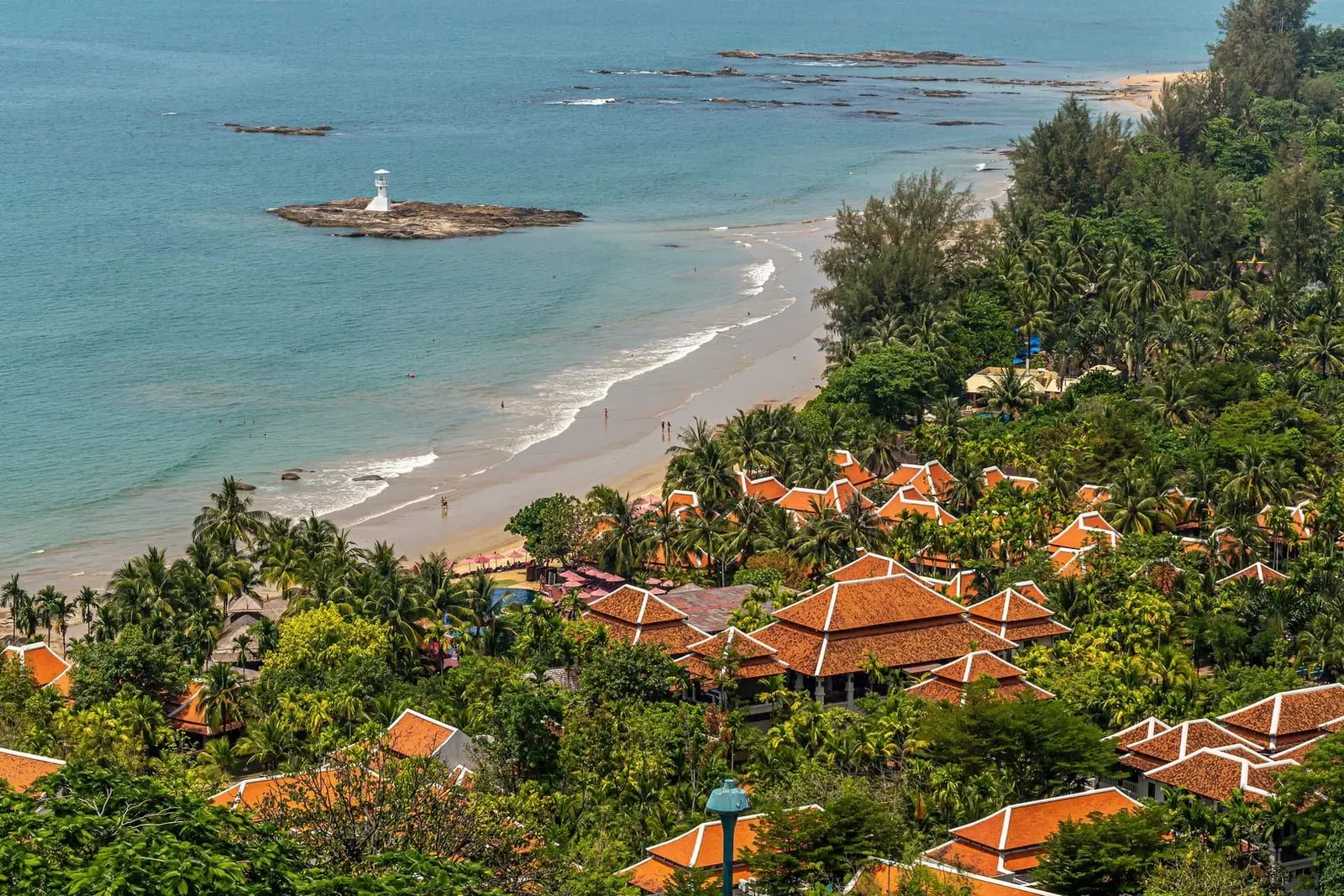
Most Koh Samui beaches look similar in photos — pale sand, palm trees, turquoise water — so the real decision is about atmosphere, not sand color: Chaweng for nightlife and the widest choice of hotels, Lamai for a quieter, better-value version of the same, Bophut’s Fisherman’s Village for boutique charm, or Maenam and the north coast for calm family swimming. A full breakdown of all nine areas by price, beach quality, and traveler fit is in where to stay in Koh Samui, which also flags which zones to avoid if quiet is your priority.
22. Skip the Tap Water, but the Street Food Is Safe
Tap water in Koh Samui isn’t safe to drink directly — bottled or filtered water (widely available for 10–20 THB a bottle at 7-Elevens) is the standard, and most hotels provide a couple of free bottles daily. Street food, by contrast, has a good safety reputation on the island: stick to stalls with a steady crowd of locals and food cooked fresh in front of you. The Koh Samui night markets guide lists which market runs on which night, with typical dish prices from 50–150 THB.
23. Photograph Existing Damage Before Any Jet-Ski or Scooter Rental
Two of Koh Samui’s most reported scams work the same way: a rental operator points out “damage” on return that wasn’t caused by you, then demands cash or holds your passport hostage until you pay. Before riding off on a jet-ski or scooter, film a slow walk-around video of every scratch, dent and tire condition, with a timestamp visible, and photograph the odometer. Reputable scooter shops accept a cash deposit or a photocopy of your passport — never the original document; our scooter rental guide covers what a fair deposit looks like.
24. Agree the Taxi Fare or Ask for the Meter First
Most Koh Samui taxis don’t run meters and instead negotiate a fixed fare before the trip — get the number confirmed out loud before you get in, since disputing it on arrival rarely goes well. As a rough benchmark, airport-to-Chaweng runs about 300–400 THB and Chaweng-to-Lamai about 250–350 THB; ask your hotel what a fair local price looks like if you’re unsure. Ride-hailing apps show the price upfront and remove the negotiation entirely once you’re off airport grounds.
25. Pack Light, Breathable Clothes and Reef-Safe Sunscreen
Koh Samui’s climate stays hot and humid year-round (typically 27–35°C), so lightweight, quick-dry clothing works better than anything heavy — pack a light scarf or sarong for temple visits, sandals plus one sturdy pair of shoes for waterfall trails, a dry bag for boat trips, and reef-safe sunscreen rather than standard formulas. A basic first-aid kit with rehydration salts, insect repellent and any personal medication is worth the extra space, since pharmacies stock the basics but not always familiar brands. See our full Koh Samui packing list for a category-by-category checklist.
FAQ
What are the most important Koh Samui travel tips for first-time visitors?
The essentials: confirm your visa-exempt allowance and file the TDAC before flying, budget for the 220 THB ATM fee, only ride a scooter with the right licence, and avoid swimming during red-flag conditions. Cover shoulders and knees at temples, carry small cash for local vendors, and photograph any rental vehicle before you ride off. These Koh Samui travel tips cover the mistakes that trip up most newcomers.
Is Koh Samui worth visiting?
Yes, for most travelers. Koh Samui offers direct flights, calm swimming beaches, temples, waterfalls and accommodation from budget bungalows to five-star resorts, all without the ferry transfer Koh Phangan or Koh Tao require. It suits families, couples and first-timers best; travelers chasing a party island or a totally undeveloped one may prefer Koh Phangan instead.
Do I need a visa for Koh Samui?
Most Western passport holders don’t need a visa in advance — entry before 15 September 2026 grants 60 visa-free days, and entry after that date grants 30 days with one optional extension (about 1,900 THB). Every traveler must also file the free Thailand Digital Arrival Card (TDAC) within 72 hours of arrival. See our full visa guide for passport-specific rules.
Is Koh Samui safe for tourists?
Koh Samui is generally safe — violent crime against tourists is rare. The real risks are scooter accidents, rip currents on east-coast beaches during monsoon swell, sunburn and heat exhaustion, and a handful of well-known rental and jet-ski scams. Standard precautions (helmet, sunscreen, checking flags, filming a rental before you ride) address almost all of them.
How much money should I budget per day in Koh Samui?
A backpacker can manage on roughly 1,200–1,800 THB (~34–51 USD) a day covering guesthouse, street food and songthaews. Mid-range travelers should plan for 3,000–5,000 THB (~86–143 USD) a day with a nicer hotel, restaurant meals and a scooter rental, while resort-based travelers easily spend 8,000+ THB (~229+ USD) daily. Add the 220 THB ATM fee to every cash withdrawal, and see our full Koh Samui trip cost breakdown by travel style. Staying longer than a couple of weeks? Our cost of living guide covers monthly rent, food and bills.
What should I pack for Koh Samui?
Lightweight, breathable clothing for constant heat and humidity, a scarf or sarong for temple visits, reef-safe sunscreen, insect repellent, a dry bag for boat trips, and sturdy sandals or shoes for waterfall and jungle trails. Bring your driving licence or International Driving Permit if you plan to rent a scooter, and pack any prescription medication — pharmacies stock basics but not always familiar foreign brands.



In this guide







Published on
About the author

Mike Brochlowski
Travel photographer & writer
Travel photographer and island explorer. Mike has spent years documenting Southeast Asia's hidden gems, from secluded beaches to jungle waterfalls.
Articles by Mike →More in Travel Guides
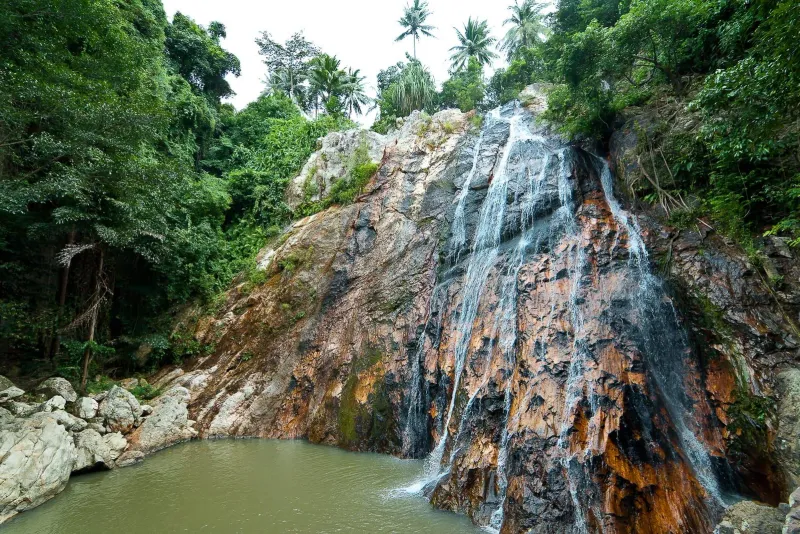
Na Muang Waterfalls — Samui's Purple Cascades and Jungle Pools
Explore Na Muang Waterfalls on Koh Samui — the accessible 18m Purple Waterfall with its swimming pool and the 80m jungle trek to the isla…
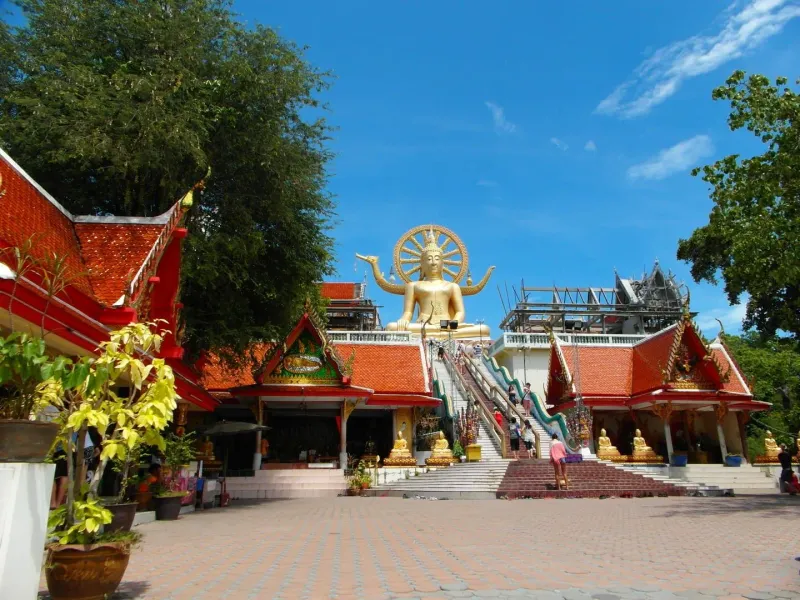
Wat Phra Yai — Big Buddha Temple on Koh Samui
Visit Wat Phra Yai (Big Buddha) on Koh Samui: a 12-meter golden Buddha, naga staircase, panoramic views, and market stalls.
Apirom Viewpoint — Koh Samui's Closed Hillside Lookout Above Ban Tai
Apirom Viewpoint: a ~304m hilltop lookout inland of Ban Tai, Koh Samui, its restaurant closed since the pandemic but the hillside track s…