Contents
Overview
Koh Samui has a low rate of violent crime, but its most common visitor complaint is commercial: staged jet-ski and scooter “damage” claims, taxi drivers who skip the meter, commission-based jewellery and tailor touts, timeshare “scratch card” pitches, and drink spiking at parties. Both the UK Foreign Office and the US State Department publish standing warnings about these patterns across Thailand, not just Samui, and none of them need you to be careless — they rely on pressure, a language gap, and a passport or deposit already sitting in the wrong hands. Know the six patterns below and call Thailand’s tourist police on 1155 the moment one happens.
Key takeaways
- Jet-ski and scooter “damage” claims are the most-reported scam on Koh Samui — photograph every panel before you ride.
- Never leave your passport as a rental deposit; a cash deposit plus a photocopy is standard and legal.
- Street taxis rarely run the meter; agree the fare, or use Grab/Bolt, before you get in.
- Thailand’s tourist police hotline, 1155, is free, 24-hour, and multilingual — call before paying a disputed claim.
- Gem, jewellery, and timeshare pitches promising resale profit or a “free gift” are commission scams; walk away.
Key facts: Tourist police hotline 1155 (free, 24 hr, English) · jet-ski/scooter deposit disputes are Samui’s most-reported tourist complaint · cash deposit 1,000-3,000 THB (~29-86 USD) normal, a passport is not · UK/US governments flag drink spiking and methanol-tainted spirits in Thailand (2026) · report within 24-48 hrs for best results
The Jet-Ski Damage Scam — How It Works and How to Avoid It
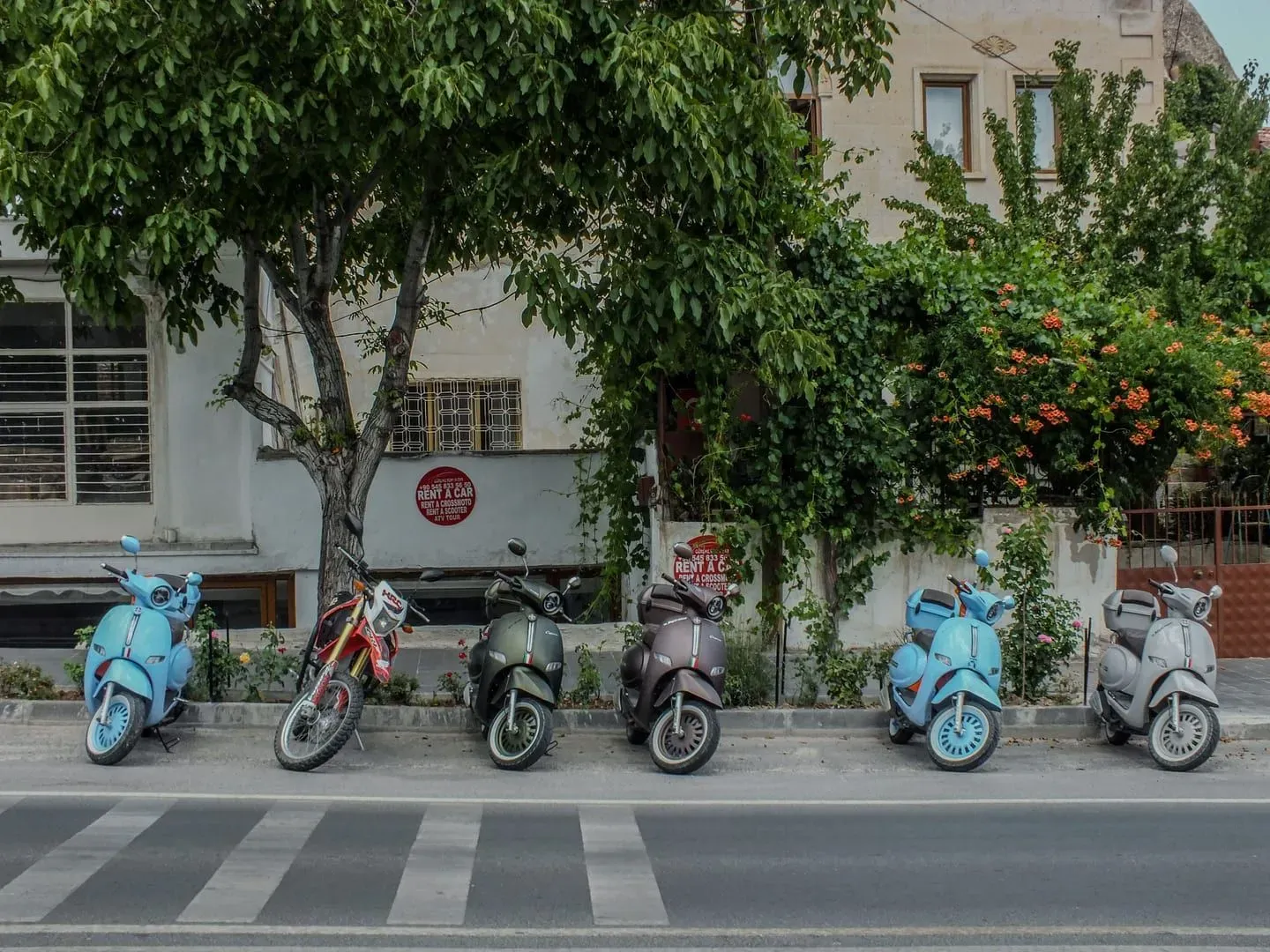
An operator rents out a jet-ski that already has hull or hood damage, then presents a repair bill of 10,000 to 80,000+ THB (~286-2,286+ USD) at return, sometimes holding your passport until you pay. The UK Foreign, Commonwealth & Development Office warns Thai jet-ski companies “may hold on to passports against claimed damage,” and Samui’s operators around Chaweng and Lamai come up repeatedly in complaints.
- Photograph and video every panel and the hull underside before you take the keys.
- Never hand over your passport — offer a cash deposit and a photocopy instead; if refused, rent elsewhere.
- Book through a hotel desk or reviewed operator; if a bill appears, ask for an itemized quote and call 1155 before paying.
The Scooter Deposit and Damage Scam
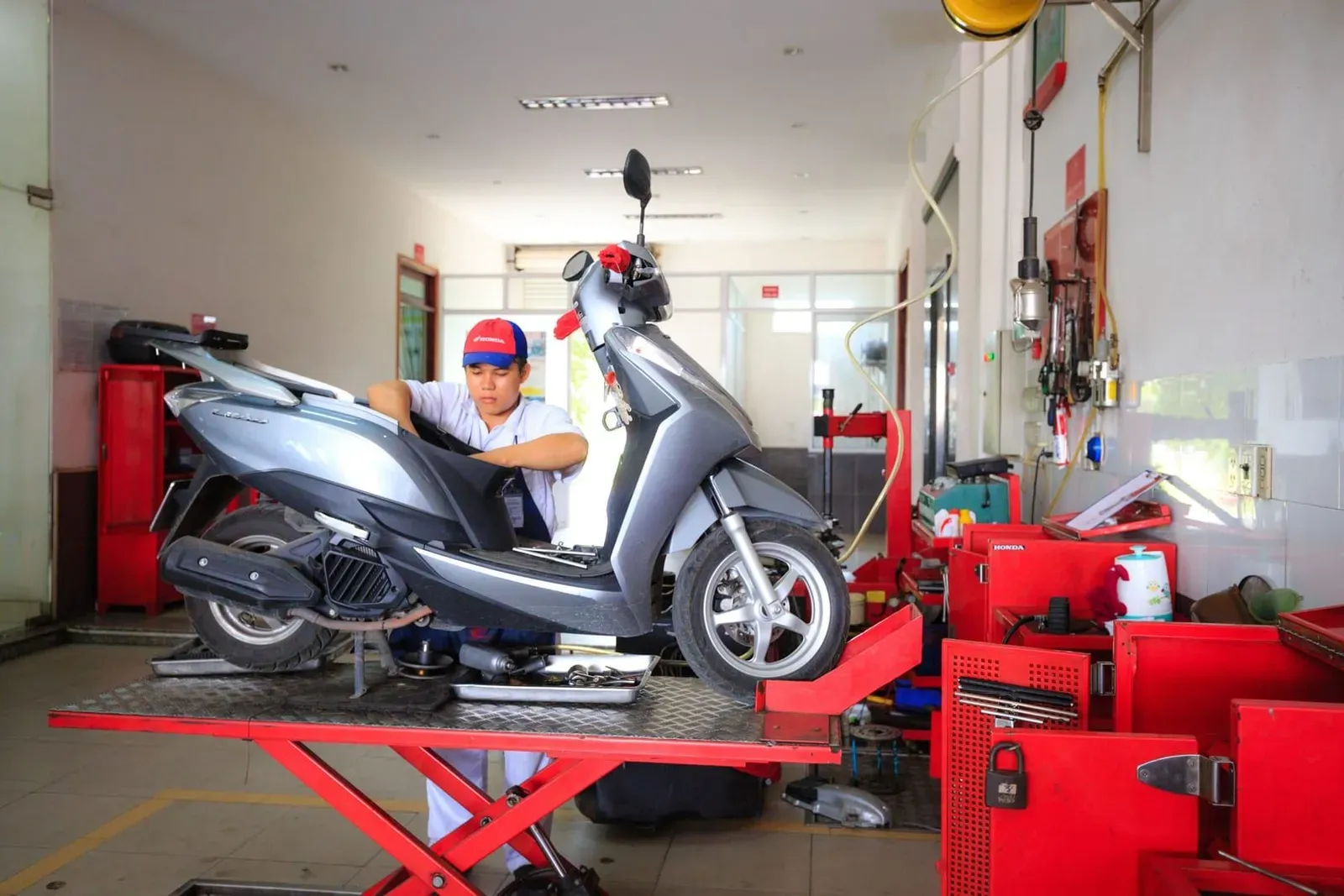
Some scooter shops rent out bikes with a pre-existing scratch or cracked mirror, then charge for the “damage” at drop-off, and a minority ask for your passport as the only deposit — which Thai law does not require. Full detail on rental terms and deposits is in our scooter rental guide.
- Photograph the scooter from all sides, including the odometer, before you ride off.
- Pay a cash deposit (1,000-3,000 THB, ~30-90 USD) plus a passport photocopy — never the passport itself.
- Check tyres and brakes on the spot; a shop that won’t let you test-ride is a red flag.
Unmetered Taxis and Inflated Fares
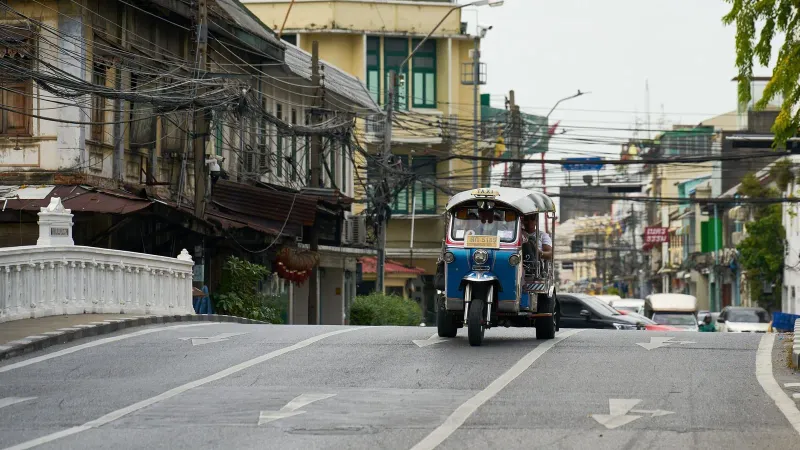
Most Koh Samui taxis have a meter but rarely switch it on, quoting a flat fare that can run two to three times the going rate, especially outside the airport terminal. Our taxi, Grab and Bolt fare guide lists real airport-to-beach prices before you negotiate.
- Agree the fare before getting in, or ask directly for the meter.
- Use Grab or Bolt for a fixed price away from the airport gate, where neither app can collect passengers.
- Check the fare matrix in our getting around Koh Samui guide before you leave your hotel.

Jewellery and Tailor Shop Touts
A friendly local or self-described “government tourism officer” who steers you toward a gem, jewellery, or tailor shop is working on commission, and prices there typically run well above resale value — a scam most associated with Bangkok that also shows up on Samui’s tourist strips. No genuine Thai tourism office operates from a street corner.
- Ignore anyone offering a “special deal today only” at a gem or tailor shop.
- Buy only from a shop you found independently and get an appraisal for larger purchases; walk away from any “officer” who offers to escort you.
Timeshare and Scratch-Card Pitches
Timeshare touts hand out a free “scratch card” near beach roads and malls, and every card “wins” a prize that requires a 90-minute-plus sales presentation to collect, with pressure to stay if you try to leave without buying. These pitches are widely reported across Thailand’s resort islands — a nuisance, not a safety risk.
- Decline scratch cards and “free gift” offers from street promoters entirely.
- If already in a presentation, state plainly you’re not buying and leave; never sign anything to claim a “prize.”
Drink Spiking at Bars and Parties
Drink spiking, sometimes paired with theft or assault, has been reported at bars and parties in Thailand’s tourist areas, and both the UK and US governments flag it as an active 2026 risk, alongside methanol-contaminated spirits at unlicensed venues. Chaweng, Samui’s nightlife strip, sees the heaviest concentration of reports.
- Watch your drink being poured and never leave it unattended.
- Stick to sealed bottles or drinks poured by staff you can see, and skip unusually cheap spirits.
What to Do If You Get Scammed on Koh Samui
Act immediately instead of paying to make the problem go away: call Thailand’s tourist police on 1155 (free, 24-hour, multilingual, run by the Royal Thai Police Tourist Police Bureau) before handing over disputed cash or your passport — officers can mediate directly with rental shops and vendors on the spot, often resolving a dispute within the hour.
- Call 1155 or visit a tourist police box near Chaweng or Nathon; bring photos or receipts as evidence.
- Photograph the item, any paperwork, and the person or shop involved.
- Contact your insurer — most require a police report within 24-48 hours — and, if your passport was taken, your embassy in Bangkok too.
- Pay a disputed “damage” bill only after the tourist police have reviewed the claim.
Official Sources on Thailand Scams and Safety
This page reflects publicized patterns as of September 2026; scam tactics shift, so cross-check current warnings before you travel.
- UK Foreign, Commonwealth & Development Office — Thailand travel advice — jet-ski passport scams, drink spiking, methanol warnings
- US Department of State — Thailand travel advisory — country-specific safety guidance
- Thailand Tourist Police Bureau — nationwide hotline 1155, free and staffed 24 hours
For broader safety and planning context, see our Koh Samui travel tips hub and common first-timer mistakes guide. Anyone renting a jet-ski or scooter, or heading to Chaweng or Lamai for the night, should read this first — first-time and solo travelers are targeted most, simply for lacking a local price reference.
Disclaimer: This page is informational, not legal or safety advice. Confirm current warnings with your embassy or the sources above before you travel.



FAQ
Is Koh Samui safe from scams?
Yes — violent crime against tourists is rare; Koh Samui’s scam problem is commercial, and official UK and US travel advisories confirm the same pattern for Thailand generally. The main issues are jet-ski and scooter “damage” claims, unmetered taxis, and pushy jewellery or timeshare touts. Photographing rentals and agreeing fares upfront prevents most reported incidents.
What is the jet ski scam in Koh Samui?
Operators rent out a jet-ski that already has damage, then present a repair bill of 10,000-80,000+ THB when you return it, occasionally holding your passport until you pay. Photographing the jet-ski before riding and refusing to leave your passport as a deposit are the best defenses.
How do I avoid the scooter rental scam in Thailand?
Photograph the scooter from all sides before riding off, pay a cash deposit of roughly 1,000-3,000 THB instead of your passport, and check the brakes and tyres first. See our scooter rental guide for full licence and deposit rules.
Do Koh Samui taxis use the meter?
Rarely — most drivers quote a flat fare instead, which can run well above the metered rate, especially near the airport. Agree the price before getting in, or use Grab or Bolt away from the airport zone. Our taxi and Grab fare guide lists typical route prices.
What number do I call if I get scammed in Thailand?
Call 1155, Thailand’s free, 24-hour tourist police hotline, staffed in English and other languages. Officers can mediate disputes on the spot and will file a police report if you need one for a travel insurance claim.
Are Chaweng and Lamai more prone to scams than the rest of Koh Samui?
Yes — as the busiest strips, Chaweng and Lamai see the highest concentration of jet-ski touts, timeshare promoters, and nightlife incidents, simply due to visitor volume. Quieter north and west coast beaches report far fewer complaints.
Published on
About the author

Mike Brochlowski
Travel photographer & writer
Travel photographer and island explorer. Mike has spent years documenting Southeast Asia's hidden gems, from secluded beaches to jungle waterfalls.
Articles by Mike →More in Travel Guides

Also in Travel Tips
Koh Samui Digital Nomad Guide 2026 — Areas, Coworking, Internet, Visa
Koh Samui digital nomad guide 2026: best areas, coworking spaces from ~600 THB/day, fibre and SIM speeds, DTV visa rules, and monthly cos…

Also in Travel Tips
Hospitals & Clinics in Koh Samui — Costs & Insurance (2026)
Koh Samui hospital guide: Bangkok Hospital Samui vs government care, ER and scooter-injury costs, insurance direct billing, pharmacies an…
Also in Travel Tips
Is Koh Samui Safe? Scooters, Scams, Sea & Health (2026)
Is Koh Samui safe?