Contents
Responsible Travel in Koh Samui at a Glance
Responsible travel in Koh Samui means choosing no-riding elephant sanctuaries over riding camps, skipping animal shows, using reef-safe sunscreen, refusing single-use plastic where possible, and paying local businesses fairly. The Samui Aquarium and Tiger Zoo remains open in 2026 but has suspended its tiger, bird and sea lion shows. None of this requires a special budget — most of it is a choice you make at booking time.
Key takeaways: No-ride elephant sanctuaries exist on Koh Samui, but riding still happens elsewhere · the Tiger Zoo is open with animal shows currently suspended · reef-safe sunscreen (no oxybenzone) is legally required in Thai marine parks · plastic bags and bottles overwhelm the island’s landfill in high season · fair tipping and paying without haggling to zero support local incomes.
Is Riding an Elephant in Koh Samui Ethical?
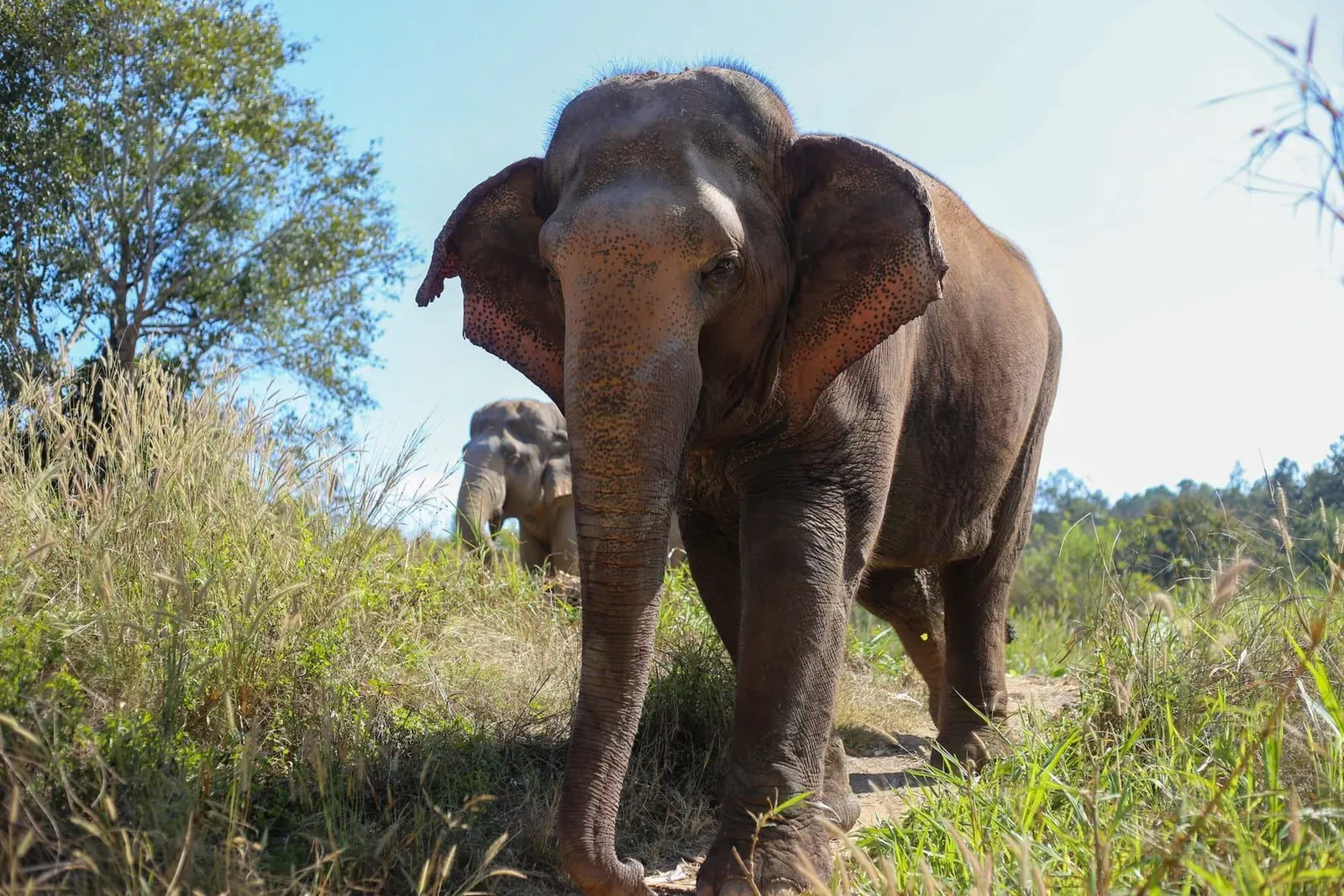
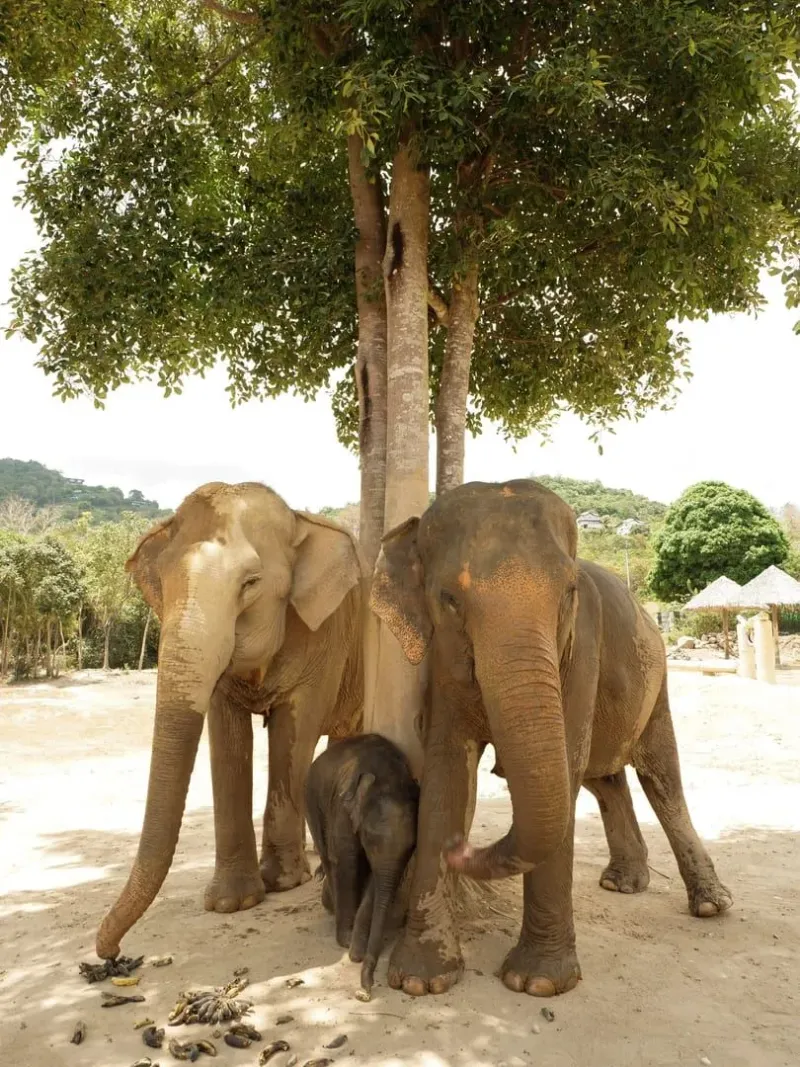
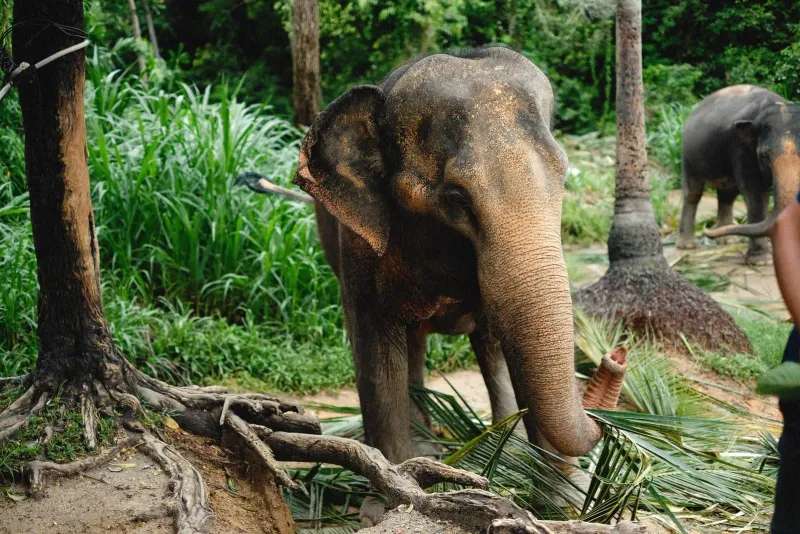
Elephant riding on Koh Samui is widely considered unethical because the training method used to make an elephant safe to sit on causes lasting physical and psychological harm, and riding puts sustained weight on a spine not built for it. According to Wikipedia’s entry on Koh Samui, the island has no official standard for what counts as a “sanctuary,” so unethical and unsafe practices including riding still occur at some operators despite sanctuary branding — a British tourist died after being thrown from an elephant on the island. The safer test: a genuine sanctuary lets you feed, walk beside, and bathe elephants from the ground, and never offers a saddle or riding platform (a howdah).
Several Koh Samui operators verified as no-ride — with prices from ~1,000 THB (~29 USD) — are compared in our ethical elephant sanctuaries guide, including how to spot a riding camp before you book.
Is the Samui Aquarium and Tiger Zoo Still Open?
Yes — the Samui Aquarium and Tiger Zoo in Maret is open as of September 2026, but its own website currently states that “tiger, bird, and sea lion shows are currently unavailable,” directing visitors instead to other paid tiger encounter packages. The venue keeps captive tigers, marine animals from the Gulf of Thailand, and other species in an aquarium-and-zoo format rather than a sanctuary format — animals are on permanent display and used for paid photo encounters, which welfare groups classify as exploitative regardless of enclosure quality. If avoiding captive-animal encounters matters to you, treat any tiger photo-op or full-contact wildlife encounter on the island the same way, whether or not shows are currently running.
Are the Snake and Monkey Shows on Koh Samui Ethical?
Snake and monkey shows staged for tourists on Koh Samui are not considered ethical, because the animals are typically kept in small enclosures between performances and trained using methods that rely on fear or physical correction rather than positive reinforcement. A separate, well-documented practice on the island is training macaques to harvest coconuts: Wikipedia’s Koh Samui entry notes that “macaques are forced by some farmers on the island to harvest coconuts, often under threat of violence,” which has led some retailers abroad to pull Thai coconut products carrying a monkey-harvested label. Coconut water or oil labeled hand-picked or monkey-free avoids supporting this specific practice.
Is a Pig Island Tour Ethical?
A Pig Island (Koh Madsum) tour can be done reasonably ethically if you don’t touch, chase, or feed the pigs processed food, and choose an operator that limits crowd size and boat noise near the animals, since the pigs live on the small island full-time and are not there by choice. The welfare concerns, operator options, and current 2026 prices from ~1,150 THB are covered in full in our Pig Island day trip guide.
How Do Tourists Damage Koh Samui’s Coral Reefs?
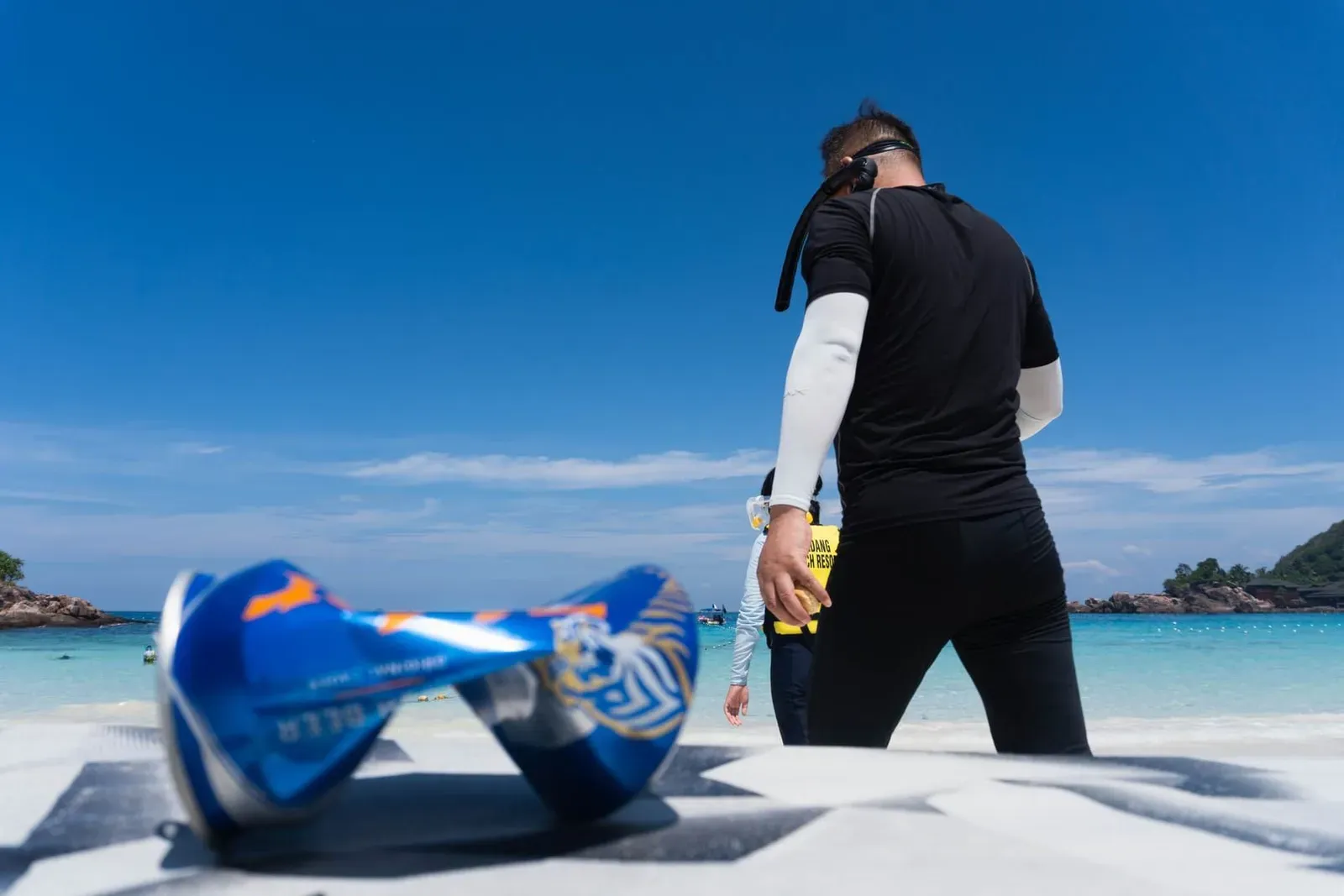
Tourists damage Koh Samui’s coral reefs mainly through three channels: chemical sunscreen washing off in the water, fins and hands touching or standing on coral, and boats anchoring directly on reef instead of using a mooring buoy. Thailand’s government has prohibited sunscreens containing chemicals harmful to corals, including oxybenzone, in all its marine national parks since August 2021, with fines up to 100,000 THB (~2,857 USD) for violators, and Ang Thong Marine National Park enforces the 300 THB park fee alongside these rules. Choose a mineral sunscreen (zinc oxide or titanium dioxide, no oxybenzone or octinoxate), wear a rash guard instead of reapplying in the water, and keep at least a fin’s length from any coral.
Our snorkeling guide lists which Koh Samui reef spots are healthiest and which operators use mooring buoys rather than anchors.
Why Is Plastic Waste Such a Problem on Koh Samui?
Plastic waste is a serious problem on Koh Samui because the island has no recycling plant of its own — waste is trucked to a single landfill near Maret that has been reported overflowing in high season for years, and anything not landfilled or shipped to the mainland for processing risks ending up burned or in the sea. Thailand’s coastal provinces are estimated to dump around one million tonnes of waste into the ocean every year, and a Gulf-of-Thailand island with tens of thousands of daily visitors during peak months contributes disproportionately per capita. Refilling a reusable bottle (most hotels and cafes now offer filtered water stations), refusing a straw and plastic bag, and packing out your own beach rubbish are the highest-impact habits available to a short-term visitor.

Does My Villa Pool Take Water Locals Need?
A private villa pool draws from the same groundwater and municipal supply that local households and farms rely on, and topping up daily evaporation loss in Koh Samui’s heat is a real, non-trivial draw on that shared resource, especially in the dry season (December–April) when the island’s reservoirs run lowest. This isn’t a reason to avoid a pool villa, but it is a reason to ask a property whether it uses a saltwater system (less frequent refilling), a pool cover (cuts evaporation significantly), and greywater recycling for the garden — questions more resorts are now able to answer.
How Should I Tip and Pay Local Businesses Fairly?
Tipping in Koh Samui is not obligatory but is appreciated and increasingly expected in tourist-facing businesses, and paying the asked price for genuinely small-scale, local operators (a family noodle stall, a longtail boat owner, a market stallholder) supports incomes far more than the same money spent at a foreign-owned chain. Full tipping norms, service-charge rules, and typical amounts by service type are covered in our travel tips guide. As a general rule, haggle gently at markets but don’t push a seller below a fair local price just because you can.
What Temple and Village Etiquette Should I Follow?
Temple and village etiquette in Koh Samui centers on covering shoulders and knees, removing shoes before entering any building with a Buddha image, and never pointing your feet at a person, a monk, or a Buddha statue, since feet are considered the lowest and most disrespectful part of the body in Thai culture. Photographing monks or villagers without asking, entering someone’s home or shopfront in beachwear, and treating a temple as a photo backdrop rather than an active place of worship are the most common visitor mistakes. Our temple etiquette guide covers dress code, sarong rental (from ~20 THB), and donation norms in detail.

Which Souvenirs Should I Avoid Buying?
Avoid buying coral, seashells taken live from reefs, and anything made from ivory, turtle shell, or an endangered species — these are frequently sold at markets and beach stalls on Koh Samui despite being illegal to export under Thailand’s wildlife protection laws and, for coral and ivory, illegal to import into most Western countries under CITES. A carved wooden Buddha figure, a factory-made piece of jewelry, or dried processed food is a safer, equally authentic-feeling alternative that doesn’t strip a reef or fund poaching. If a souvenir was once a living animal or a piece of a reef, leave it at the stall.
What to Do Instead — Ethical Alternatives on Koh Samui
- Choose a verified no-ride elephant sanctuary — see our elephant sanctuaries comparison for prices and which ones actually ban riding.
- Book reef-friendly snorkeling with an operator that moors rather than anchors — start with our snorkeling guide.
- Visit Pig Island respectfully — no touching, no chasing, no processed food for the pigs — details in our Pig Island guide.
- Dress and behave properly at temples — our temple etiquette guide covers the dress code and donation norms.
- Pick low-impact activities generally — our things to do hub flags which attractions are animal-free.
- Tip and pay fairly — see the tipping section of our travel tips guide for norms by service type.
FAQ
Is Tiger Zoo in Koh Samui ethical?
The Samui Aquarium and Tiger Zoo keeps tigers and other animals in captivity for display and paid encounters, a model welfare organizations generally classify as exploitative regardless of enclosure standards. As of September 2026 the venue itself lists tiger, bird and sea lion shows as unavailable, but the facility remains open for other paid animal encounters. Travelers prioritizing animal welfare typically skip it in favor of no-ride elephant sanctuaries or wildlife-watching without physical contact.
Can you ride elephants ethically on Koh Samui?
No — riding an elephant is not considered ethical anywhere, including Koh Samui, because the training and physical strain involved cause lasting harm regardless of how the operator markets itself. Genuine no-ride sanctuaries let you feed, walk beside, and bathe elephants without a saddle. Koh Samui has several verified no-ride operators with prices from around 1,000 THB (~29 USD) per person.
Is Pig Island (Koh Madsum) cruel to the pigs?
Pig Island tours are controversial because the pigs live permanently on a small island for tourism rather than by choice, though most operators no longer allow tourists to feed processed food or ride the animals. Choosing a smaller-group tour, not touching the pigs, and never feeding them anything but what the operator provides reduces the harm involved.
What sunscreen should I use on Koh Samui?
Use a mineral (physical) sunscreen containing zinc oxide or titanium dioxide, and avoid chemical filters like oxybenzone and octinoxate, which Thailand has banned in all marine national parks since August 2021 due to coral damage. A rash guard or swim shirt reduces how much sunscreen you need to reapply while snorkeling.
Is Koh Samui’s tap water safe to drink?
No — Koh Samui’s tap water is not considered safe to drink; use bottled or filtered water instead, and refill a reusable bottle at hotel and cafe filtered-water stations rather than buying new plastic bottles each day. This single habit is one of the most effective ways a short-term visitor can reduce plastic waste on the island.
How much should I tip in Koh Samui?
Tipping in Koh Samui is not obligatory but is appreciated: rounding up a taxi fare, leaving 50–100 THB for a massage, and 10% at restaurants without an added service charge are common local norms. Full tipping guidance by service type is covered in our travel tips guide.
Published on
About the author

Mike Brochlowski
Travel photographer & writer
Travel photographer and island explorer. Mike has spent years documenting Southeast Asia's hidden gems, from secluded beaches to jungle waterfalls.
Articles by Mike →More in Travel Guides

Also in Travel Tips
Hospitals & Clinics in Koh Samui — Costs & Insurance (2026)
Koh Samui hospital guide: Bangkok Hospital Samui vs government care, ER and scooter-injury costs, insurance direct billing, pharmacies an…
Also in Travel Tips
Is Koh Samui Safe? Scooters, Scams, Sea & Health (2026)
Is Koh Samui safe?
Also in Travel Tips
Box Jellyfish in Koh Samui — Season, Beaches with Nets & First Aid
Box jellyfish appear in Koh Samui's waters mainly June to October; stings are rare but can be serious.