Contents
Yes, Koh Samui is safe for most visitors — violent crime against tourists is rare, and the US State Department rates Thailand Level 1, “exercise normal precautions.” The real risks are road accidents (Thailand records roughly 17,000-20,000 traffic deaths a year, mostly motorcyclists), rough sea conditions on exposed beaches, and a handful of well-known scams that cost money, not safety.
Key takeaways
- Thailand’s Level 1 travel advisory covers Koh Samui; violent crime against tourists is rare, but scooter accidents are the leading cause of tourist injury and death on the island.
- The east coast — Chaweng and Lamai — sees seasonal rip currents, worst November-January; always check the flag colour before swimming.
- Box jellyfish appear most often June-December; carry vinegar, never touch one, and call 1669 if stung.
- The most likely “danger” is a scam, not a crime — jet-ski damage claims, scooter deposit disputes and taxi overcharging top the list.
- Tap water isn’t safe to drink; bottled or filtered water plus normal street-food hygiene keeps most travellers healthy.
Key facts: Police 191 · Ambulance 1669 · Tourist Police 1155 (English-speaking) · Bangkok Hospital Samui +66 77 429 500 (Bo Phut) · Samui International Hospital +66 77 230 782 (North Chaweng) · Thailand travel advisory: Level 1 “exercise normal precautions” (US State Dept, 2026)
Is It Safe to Ride a Scooter in Koh Samui?
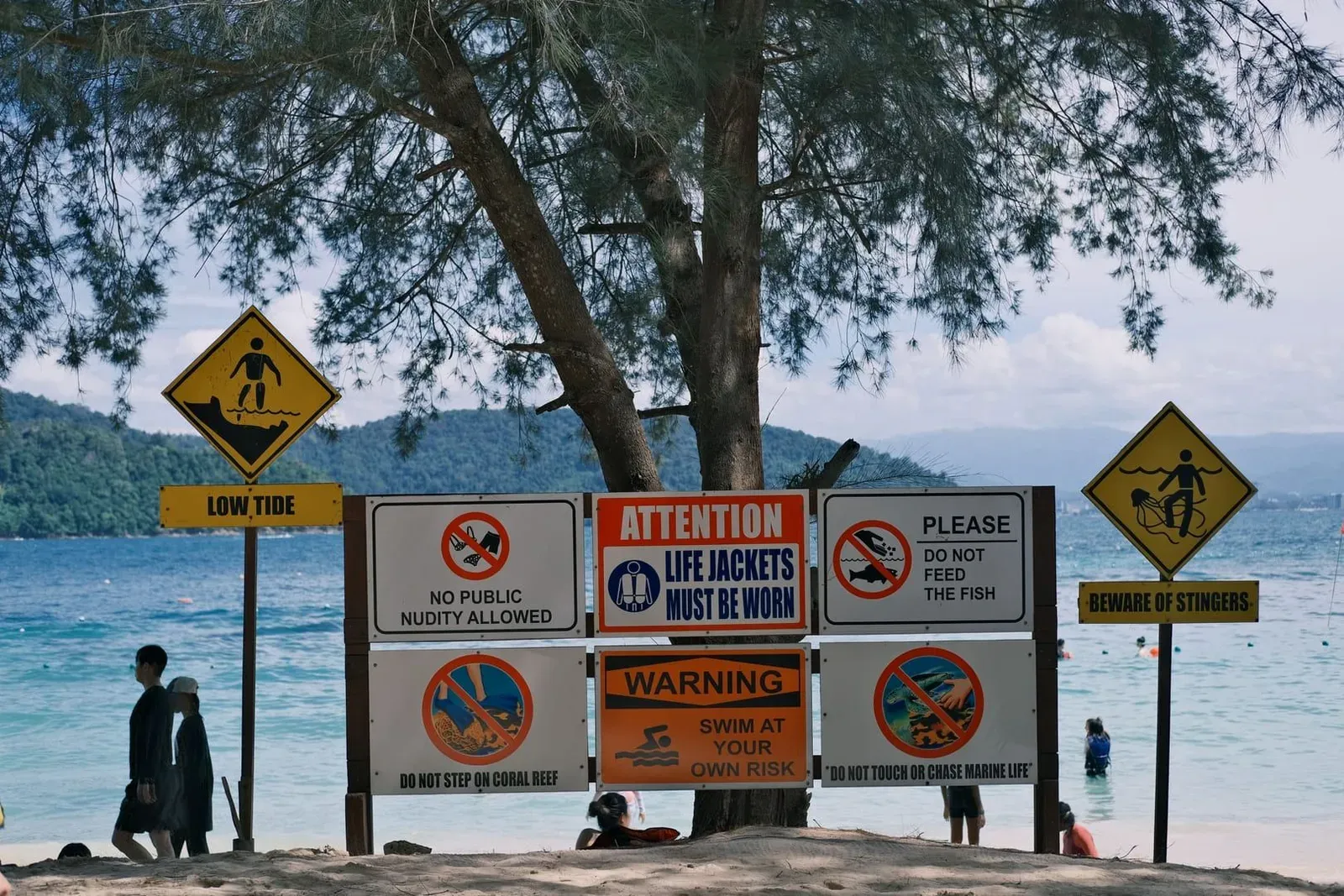
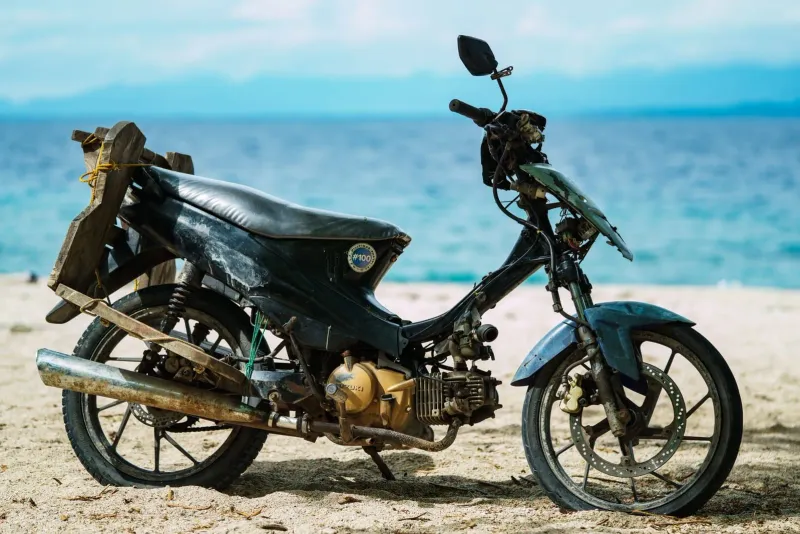
Riding a scooter is the single biggest safety risk on Koh Samui, not crime or the sea — island officials estimate roughly 3,000 road accidents and 50 deaths a year on the island, with tourists accounting for around 30% of fatalities and motorcycles involved in the large majority of crashes. Nationwide, Thailand recorded 17,447 road deaths in 2024, 14,144 of them involving motorcycles — one of the highest per-capita tolls in the world, according to WHO road safety data.
Most incidents involve visitors unfamiliar with left-hand traffic, steep sections of Route 4169, and mixed traffic that includes trucks, songthaews and stray dogs. A helmet, a valid motorcycle licence plus International Driving Permit, and low speed cut the risk substantially — see the full scooter rental guide for licence rules, prices, and how to avoid the deposit scam described below.
Is the Sea Safe to Swim In?
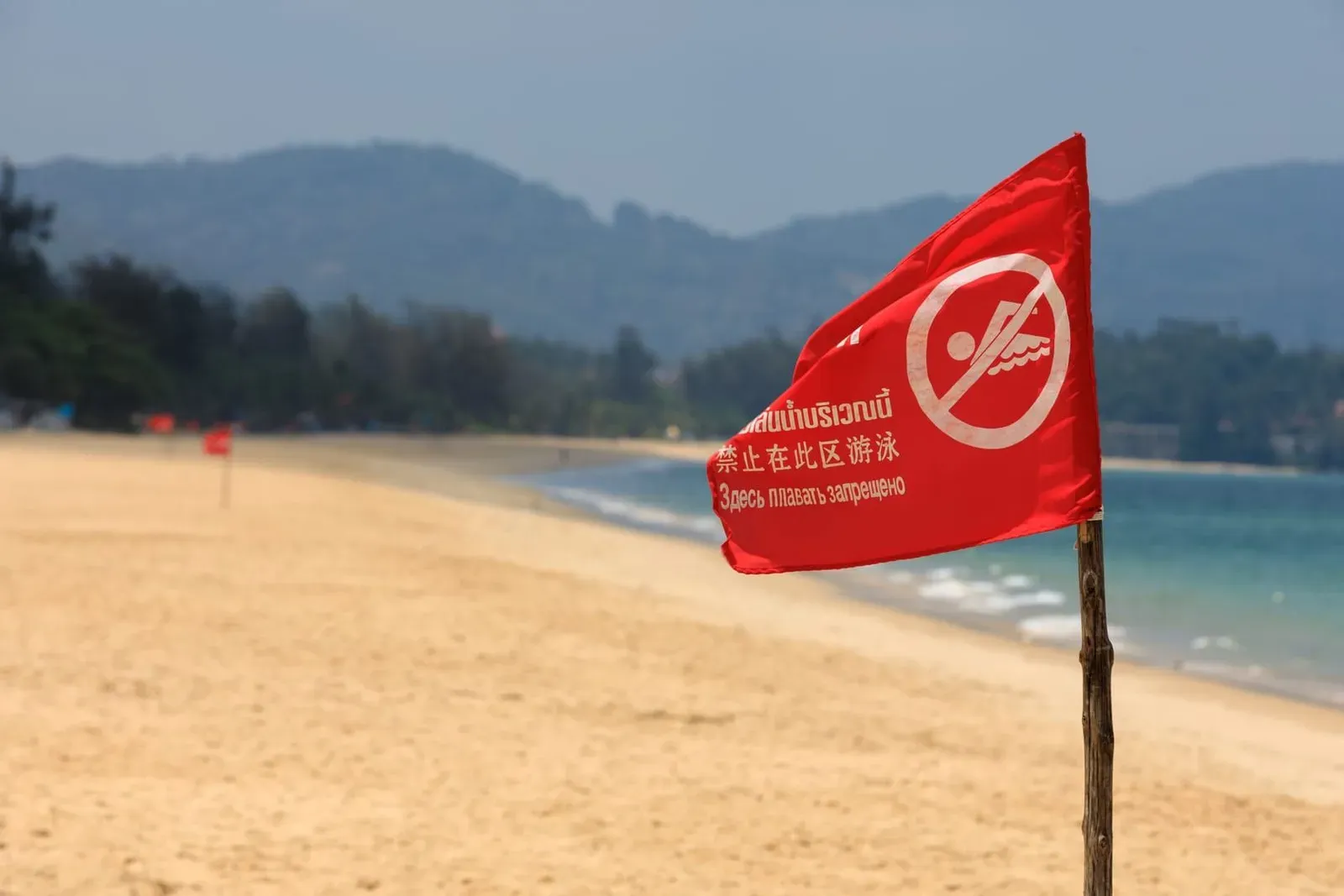
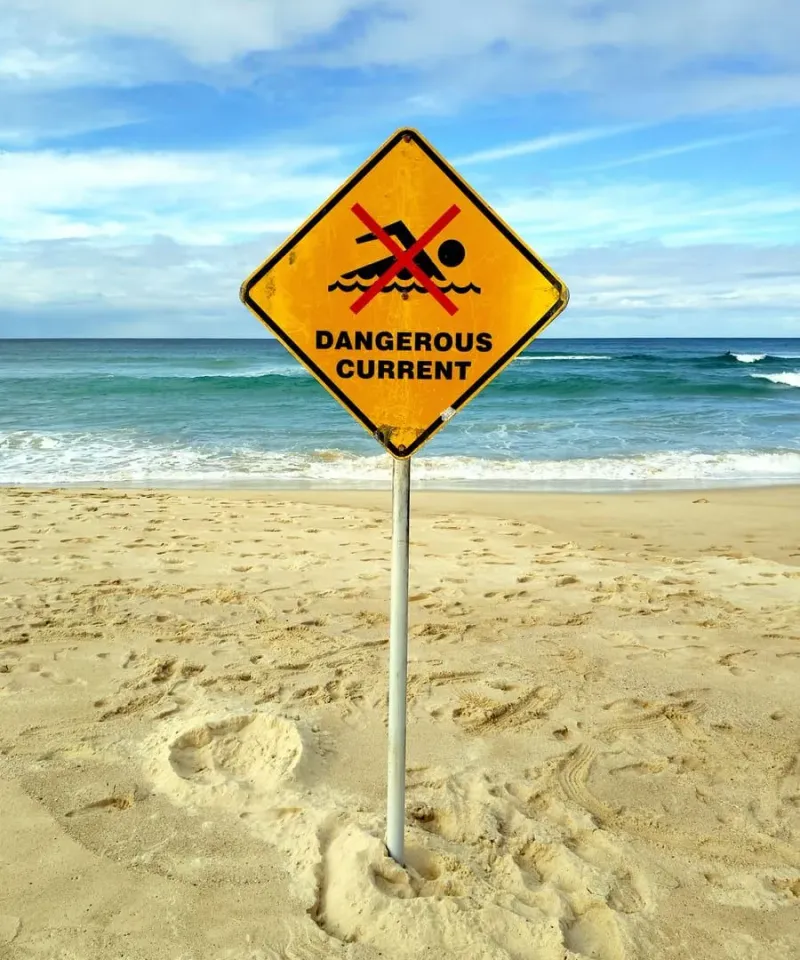
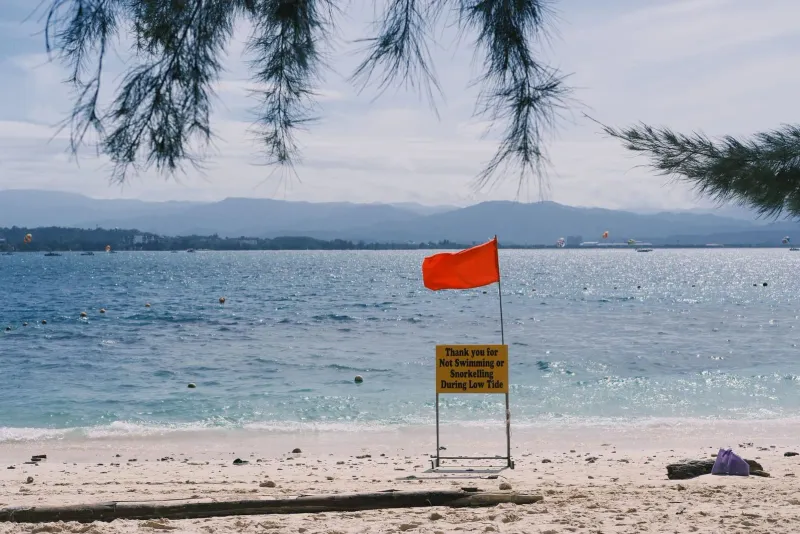
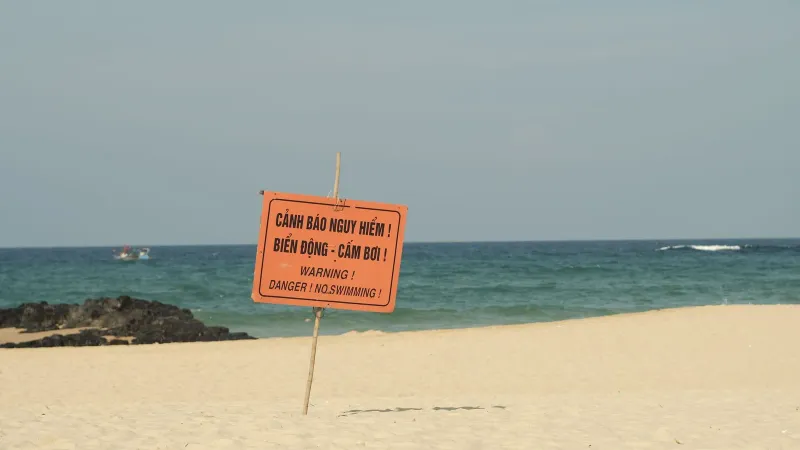
Swimming is generally safe, but the east coast — Chaweng and Lamai — sees dangerous rip currents, worst from November to January when the northeast monsoon strengthens onshore wind and swell; tourists have drowned in past seasons after ignoring red-flag warnings, and lifeguard coverage on Samui is limited outside the busiest resort stretches. Always check the flag colour before entering the water: red means stay out, and if you feel a current pulling you out, swim parallel to the shore rather than against it.
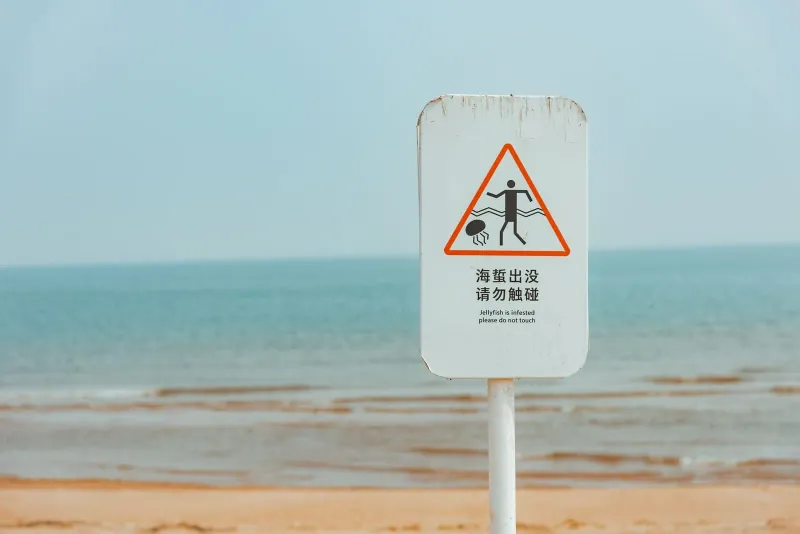
Box jellyfish are the other serious hazard, most often reported during the rainy season (roughly June-December) at beaches including Chaweng, Bophut and Lamai; a sting from the Chironex species can be life-threatening. If stung, get out of the water, call the ambulance hotline 1669, pour vinegar over the site for at least 30 seconds, and do not rub the area or rinse it with fresh water, per Tourism Authority of Thailand jellyfish safety guidance. Stonefish and weever fish hide in sand near rocks and reef edges — wear water shoes over rocky patches, since their sting is extremely painful, though rarely fatal with prompt treatment. See our beach critters guide for sea urchins, sandflies and other wildlife to watch for on Samui’s beaches.
Is Koh Samui Safe at Night, for Solo Women, and for LGBTQ+ Travellers?
Generally yes — Koh Samui’s main strips (Chaweng, Lamai, Fisherman’s Village) are well-lit and busy well past midnight, and violent crime against tourists is rare. The UK Foreign Office’s Thailand safety advice notes that petty theft, bag-snatching and, less often, sexual assault do happen in Thailand’s tourist areas, with risk rising late at night near bars — the same common-sense precautions that apply anywhere (stick to lit streets, avoid walking home alone very late, never leave a drink unattended) apply here too.
Solo women travel Koh Samui routinely and generally report it as one of the more relaxed islands in Thailand, though the standard advice holds: book a metered taxi or Grab rather than walking back from nightlife alone, and agree the fare or insist on the meter before a taxi trip (see scams below). Thailand is broadly one of Asia’s most LGBTQ+-friendly destinations, with an open scene around Chaweng and no legal restrictions on same-sex relationships; public affection of any orientation is still uncommon by local custom, but travellers report few problems.
What Are the Most Common Scams in Koh Samui?
Financial loss to a scam is far more likely than a violent crime on Koh Samui, and the US Embassy in Thailand’s common scams page lists jet-ski and scooter “damage” claims, gem and tailor touts, and taxi overcharging among the most frequent. Photograph every panel of a rented scooter or jet-ski before you ride, with your phone’s timestamp visible, so you have proof against a fabricated “scratch” fee on return — never leave your passport as a deposit; a photocopy plus cash is the standard, reasonable request.
- Jet-ski/scooter damage scam: An operator claims pre-existing damage on return and demands 5,000-15,000 THB (~143-429 USD); document the vehicle before and after, and call Tourist Police 1155 if pressured.
- Taxi overcharging: Airport and beach-road taxis often quote a flat, inflated fare; agree the price before getting in or ask for the meter — Grab gives a fixed, upfront price instead.
- Gem and tailor touts: “Special today only” gem deals and made-to-measure suits sold as investments are almost always overpriced; walk away from anyone steering you to a specific shop.
- Bar and drink scams: Some venues overcharge on the bill or, rarely, spike drinks; never accept a drink from a stranger and check the bill line by line before paying.
See our common mistakes to avoid guide for more ways to sidestep costly missteps on Koh Samui.
Is the Food and Water Safe to Consume?
Tap water on Koh Samui isn’t safe to drink — stick to bottled or filtered water, including for brushing teeth if you have a sensitive stomach, and check the cap seal before buying from a street vendor. Street food, by contrast, is generally safe and a highlight of any trip: choose stalls with a high turnover and a queue of local customers, watch food cooked fresh in front of you, and be more cautious with pre-cut fruit, salads and ice from unclear sources in your first few days as your gut adjusts.
Basic hygiene habits — hand sanitiser before eating, avoiding raw shellfish from unrefrigerated stalls, peeling fruit yourself — prevent most cases of traveller’s diarrhoea. If symptoms are severe or persistent, both Bangkok Hospital Samui and Samui International Hospital — see our hospitals guide — run walk-in clinics used to treating tourists.
What Health Risks Should Travellers Know About?
Dengue fever is the main mosquito-borne risk — Thailand recorded more than 2,000 new dengue cases a week at points in 2025, and no part of the country, Koh Samui included, is dengue-free, with case numbers typically rising in the wetter months. Use a DEET or picaridin repellent, especially at dawn and dusk when Aedes mosquitoes are most active, and see a doctor promptly for a high fever with joint pain or a rash.
Sunstroke and dehydration are the most common heat-related issues, given daytime temperatures that regularly exceed 32-34°C (90-93°F); drink water well beyond thirst, wear a hat, and avoid the midday sun on long hikes such as Khao Pom or Na Muang — see our waterfalls and hikes guide for more trails. Rabies is present in Thailand’s stray dog and cat population, and the WHO notes dog bites account for the large majority of exposures reported by travellers — wash any bite or scratch immediately with soap and running water for 15 minutes and get same-day medical care for a post-exposure vaccine; delaying treatment has caused fatal cases in Thailand as recently as 2025.
What Natural Hazards Should You Watch For?
Monsoon flooding is Koh Samui’s main weather hazard, concentrated from late October through December, when the island can see flash flooding, landslip risk on hill roads, and rough sea crossings; Thailand’s meteorological authorities issued flash-flood warnings covering the Koh Samui region in November 2025, and the island’s ferries and low-lying roads around Nathon and Bang Kao are the first affected. Check forecasts before booking inter-island ferries or driving mountain roads during this window, and build a buffer day into any November-December itinerary in case a sailing is delayed. See the best time to visit Koh Samui guide for a month-by-month breakdown.
Tropical storms occasionally track close enough to disrupt flights and ferries for a day or two, most often during the same October-December window; airlines and ferry operators typically rebook affected passengers without a fee, so travel insurance with trip-delay cover (see below) is more useful here than cover against storm damage itself.
Do I Need Travel Insurance for Koh Samui?
Yes — travel insurance is essential given the real cost of a hospital stay or medical evacuation in Thailand and the number of activities (scooters, watersports, hiking) most trips involve. Read the policy specifically for “motorcycle,” “scooter” or “moped” exclusions: an estimated 90% of standard policies exclude two-wheeler accidents entirely, and even the ones that do offer cover usually require the correct home licence and IDP, plus a helmet at the time of the crash.
Confirm the policy also covers watersports (jet-ski, diving), medical evacuation to Bangkok for serious injuries, and trip delay for storm-related ferry or flight disruption. Buy before you fly, not after landing — a policy bought once you’re already on the island typically won’t cover a pre-existing trip. For getting around without a scooter’s insurance headaches, see the getting around Koh Samui guide. See our Koh Samui travel tips guide for the full pre-departure checklist.
FAQ
Is Koh Samui safe for tourists in 2026?
Yes. Violent crime against tourists is rare, and Thailand carries a Level 1 “exercise normal precautions” US advisory. The real risks are scooter accidents, seasonal rip currents and jellyfish on exposed beaches, and petty scams — not crime. Sensible precautions (helmet, checking flags, agreeing fares upfront) cover most of the genuine danger.
Is Koh Samui safe for solo female travellers?
Generally yes — solo women travel Koh Samui regularly without incident, and the main tourist strips stay busy and well-lit at night. Standard precautions apply: use Grab or a metered taxi after dark rather than walking alone, never leave a drink unattended, and keep valuables out of sight on the beach.
What is the biggest safety risk on Koh Samui?
Scooter accidents. Island officials estimate roughly 3,000 road accidents and 50 deaths a year on Samui, and motorcycles are involved in most fatal crashes, with tourists among the victims. Riding cautiously, wearing a helmet, and carrying the correct licence plus IDP substantially reduce this risk — see the scooter rental guide.
Can you drink tap water on Koh Samui?
No. Tap water on Koh Samui isn’t safe to drink; use bottled or filtered water for drinking and brushing teeth. Street food is generally safe if you choose busy stalls with high turnover, but be more cautious with pre-cut fruit, salads and ice from unclear sources in your first days on the island.
When is jellyfish season on Koh Samui?
Box jellyfish are most often reported during the rainy season, roughly June through December, at beaches including Chaweng, Bophut and Lamai. Check for warning signs and ask locally before swimming during this window, carry vinegar for first aid, and never touch a jellyfish, dead or alive, since stings can still occur.
Is it safe to swim at Maenam Beach?
Yes — Maenam Beach on the sheltered north coast is one of Koh Samui’s calmest, safest swimming spots year-round, without the rip currents that affect the east coast. It’s a reasonable choice for families or nervous swimmers who want lower-risk water without giving up beach time.
Published on
About the author

Mike Brochlowski
Travel photographer & writer
Travel photographer and island explorer. Mike has spent years documenting Southeast Asia's hidden gems, from secluded beaches to jungle waterfalls.
Articles by Mike →More in Travel Guides

Also in Travel Tips
Koh Samui Digital Nomad Guide 2026 — Areas, Coworking, Internet, Visa
Koh Samui digital nomad guide 2026: best areas, coworking spaces from ~600 THB/day, fibre and SIM speeds, DTV visa rules, and monthly cos…

Also in Travel Tips
Hospitals & Clinics in Koh Samui — Costs & Insurance (2026)
Koh Samui hospital guide: Bangkok Hospital Samui vs government care, ER and scooter-injury costs, insurance direct billing, pharmacies an…
Also in Travel Tips
Box Jellyfish in Koh Samui — Season, Beaches with Nets & First Aid
Box jellyfish appear in Koh Samui's waters mainly June to October; stings are rare but can be serious.