Contents
Overview
Khao Pom Koh Samui is a 635-meter peak and the highest point on Koh Samui, buried deep in the island’s central jungle. There is no marked trail, no signage, no infrastructure of any kind. The only way to reach the summit is with a local guide who knows the route through dense primary rainforest that has remained largely undisturbed for centuries.
This isn’t a casual hike. It’s an 8 km round-trip jungle expedition lasting 4-6 hours, involving steep unmarked terrain, leech-prone forest, and genuine physical demand. The reward is passage through one of the last intact rainforest ecosystems in the Gulf of Thailand, and the quiet satisfaction of standing on the island’s rooftop.
Khao Pom is for experienced hikers who want something beyond waterfall trails and viewpoint walks. If that’s you, this is the most challenging and rewarding trek on Koh Samui.
Key facts: 635m summit · ~8 km round trip · 4-6 hours · Hard difficulty · Guide required (2,000-3,000 THB) · No marked trail · Primary rainforest · Central mountains
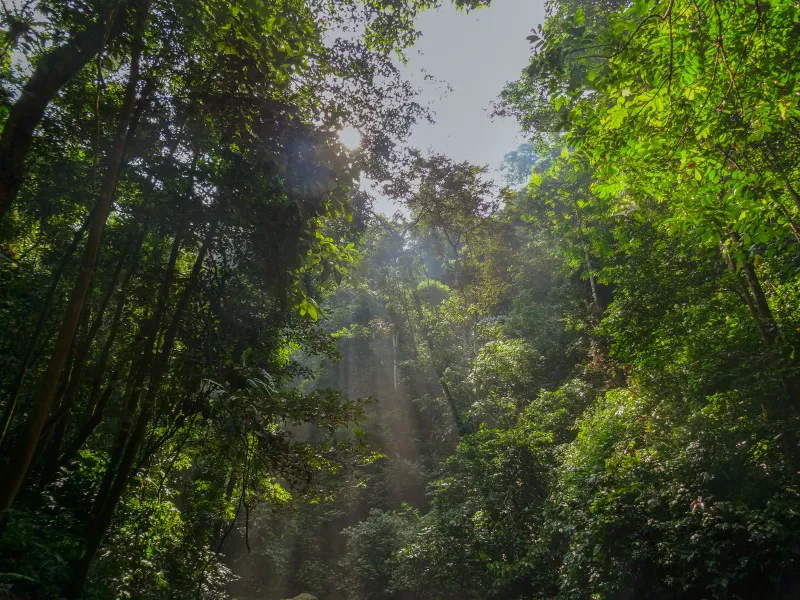
Khao Pom Hike: Trail Details
| Stat | Detail |
|---|---|
| Summit elevation | 635 meters (2,083 feet) |
| Distance | ~8 km round trip |
| Elevation gain | ~500+ meters from trailhead |
| Time | 4-6 hours round trip |
| Difficulty | Hard |
| Trail type | Out-and-back, unmarked |
| Markings | None: guide required |
| Guide cost | 2,000-3,000 THB per group |
| Best months | December through March |
This is the hardest hike on Koh Samui by a significant margin. Nothing else on the island approaches this level of physical demand, navigation challenge, or wilderness immersion.
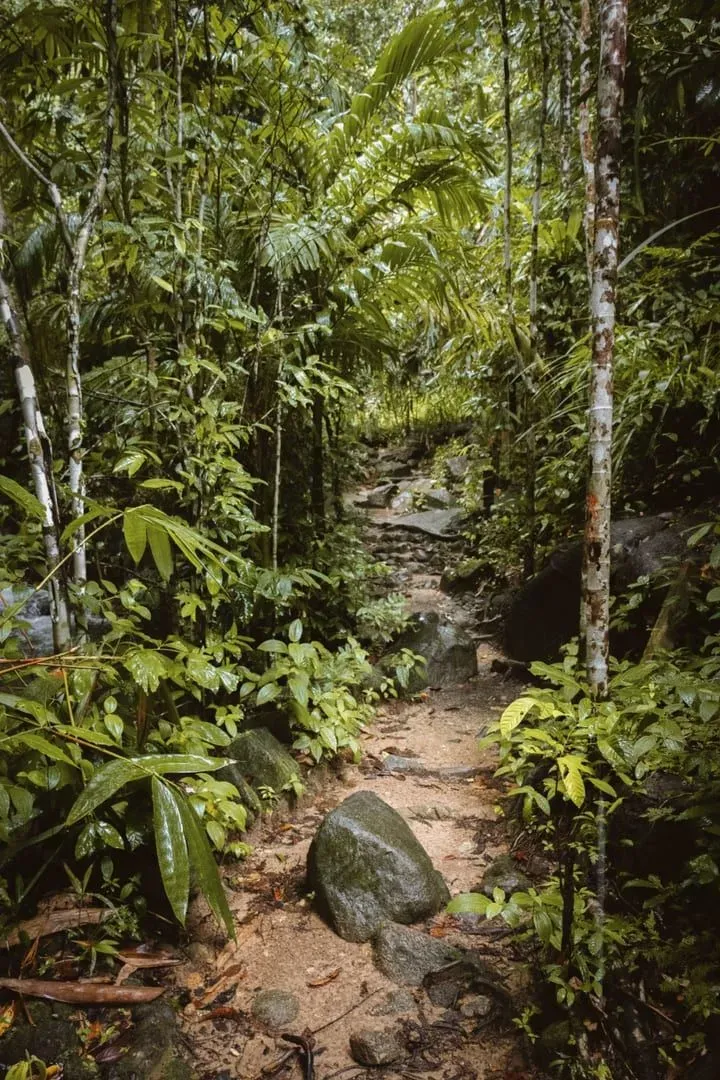
Why You Need a Guide
This is not optional. Khao Pom has no marked trail, no signage, and no cell signal in the dense canopy. Hikers who have attempted it without guides have become lost: the jungle is disorienting, with identical-looking vegetation in every direction.
What guides provide
- Route knowledge: The path changes with the seasons as vegetation grows over previously cleared areas. Only locals who trek regularly know the current route.
- Machete: Guides clear vegetation as they go, especially during and after monsoon when growth is most aggressive.
- Leech management: Guides know which sections are worst for leeches and carry salt and repellent.
- Wildlife identification: Guides spot and identify primates, birds, and insects that visitors would miss.
- Safety: In case of injury, a guide can navigate back to civilization and arrange help.
How to arrange
- HikingOnSamui.com: The primary resource for guided Khao Pom treks
- Local tour operators: Ask at your hotel or any tour shop, request specifically a mountain/jungle guide, not a generic island tour
- Cost: 2,000-3,000 THB per group (not per person), typically for 1-4 hikers
- Book 1-2 days in advance: guides don’t maintain a daily schedule
The Route
The trek begins from the Maenam area on the north coast, ascending south into the island’s mountainous interior. Without a marked trail, the route varies, but the general progression follows this pattern:
Lower slopes (0-2 km)
The trek starts through coconut and durian plantations on the lower hillsides: relatively open terrain with some shade. The gradient builds steadily.
Mid-mountain jungle (2-3 km)
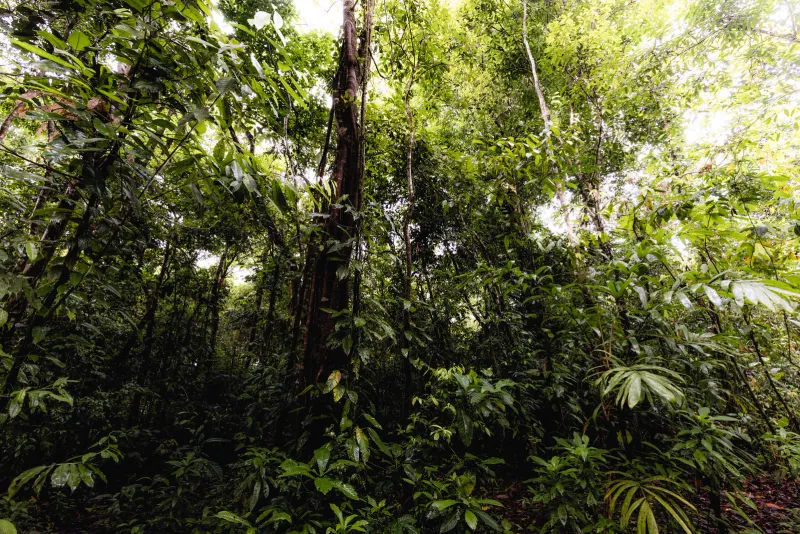
The plantations give way to secondary jungle, then rapidly to primary rainforest: the kind of forest that has never been logged or cleared. The canopy closes overhead, blocking most direct sunlight. The undergrowth is dense. Your guide clears the way with a machete.
Upper mountain (3-4 km)
The steepest section. The forest is ancient: massive buttress-root trees, towering dipterocarp hardwoods, dense epiphyte growth on every branch. The air is cooler and more humid. Leech activity is highest in this zone. The gradient can exceed 30% in places.
Summit area (4 km)
The peak itself is forested: there is no clear summit viewpoint like a mountain in the Alps. Views through gaps in the canopy reveal the island and ocean below. The experience is more about the journey through pristine jungle than a dramatic summit panorama.
The Rainforest
The primary reason to trek Khao Pom is the primary rainforest, one of the last undisturbed tropical forest ecosystems in the Gulf of Thailand region.
What makes it special
- Unlogged: Unlike most of Samui’s lower-elevation forest (cleared for coconut plantations decades ago), the Khao Pom forest has never been commercially logged
- Canopy height: The tallest trees reach 30-40 meters, creating a multi-layered canopy that blocks most sunlight
- Biodiversity: The undisturbed forest supports significantly more species than the secondary growth found on waterfall trails
- Epiphytes: Every branch is laden with ferns, orchids, mosses, and lichens. The trees host entire ecosystems on their surfaces
- Age: Some trees are estimated to be several hundred years old
Wildlife
The dense, undisturbed forest of Khao Pom supports wildlife that is rarely or never seen on Samui’s more accessible trails.
What guides commonly spot
- Dusky langur monkeys: small groups in the mid-canopy, especially in early morning
- Long-tailed macaques: more common on the lower slopes near plantations
- Oriental pied hornbills: the most dramatic bird sighting; their wing-beat is audible from a distance
- Various raptors: eagles and hawk-eagles seen above the canopy
- Tropical birds: sunbirds, barbets, drongos, leaf warblers throughout
- Giant forest squirrels: large squirrels leaping between canopy trees
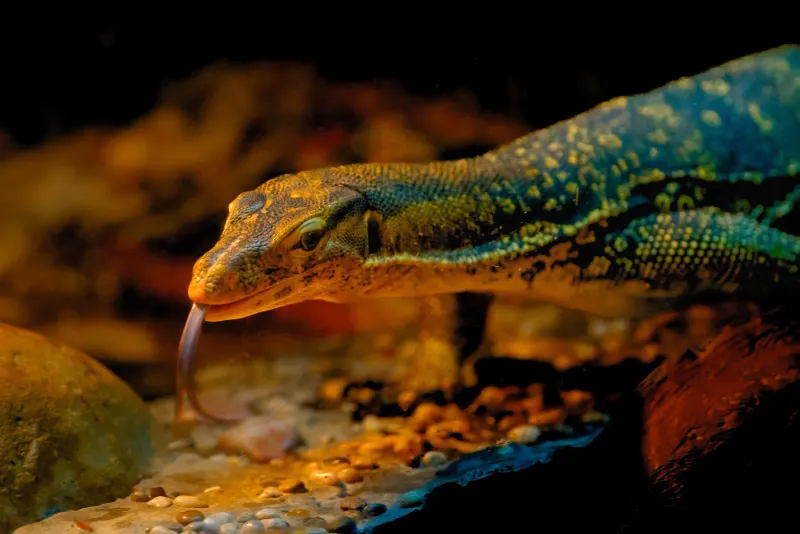
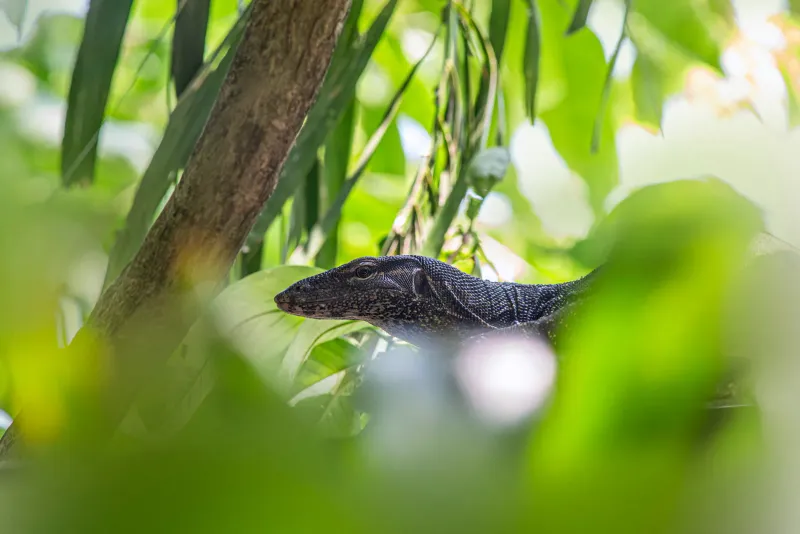
- Monitor lizards: on the lower slopes
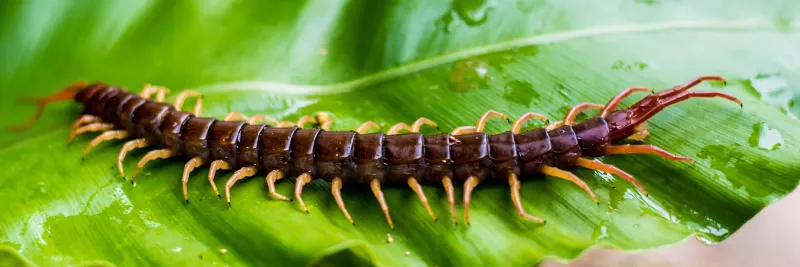
- Invertebrates: spectacular butterflies, giant millipedes, stick insects
Leeches
Yes, there are leeches. Particularly on the upper slopes during and after rain. They’re harmless but unpleasant. Your guide will carry salt (to remove them) and know the worst sections. Long pants tucked into socks, DEET repellent on ankles and calves, and regular checks reduce encounters significantly.
Snakes
Koh Samui has ~200 snake species, including King Cobra and Malayan Pit Viper: the latter is particularly dangerous because it lies motionless under leaf litter and doesn’t move when approached. Wear boots (not sandals), stay on the trail your guide clears, and watch where you step. Your guide will be aware of snake-prone areas.
The Summit
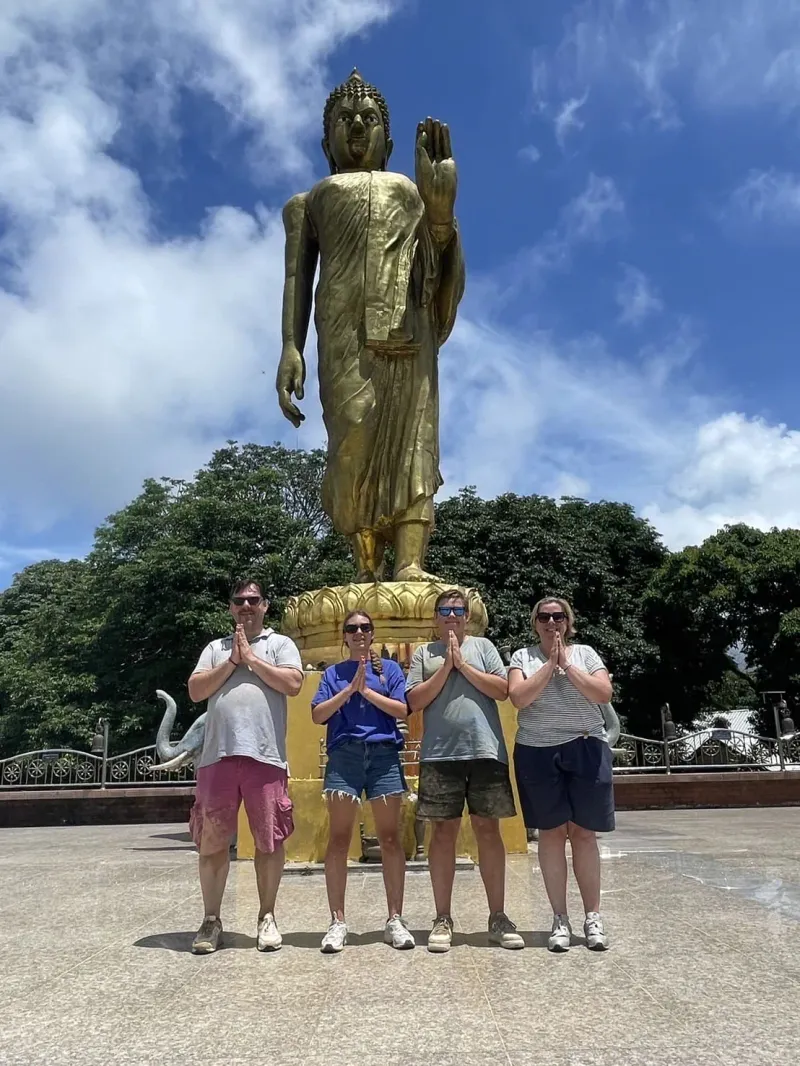
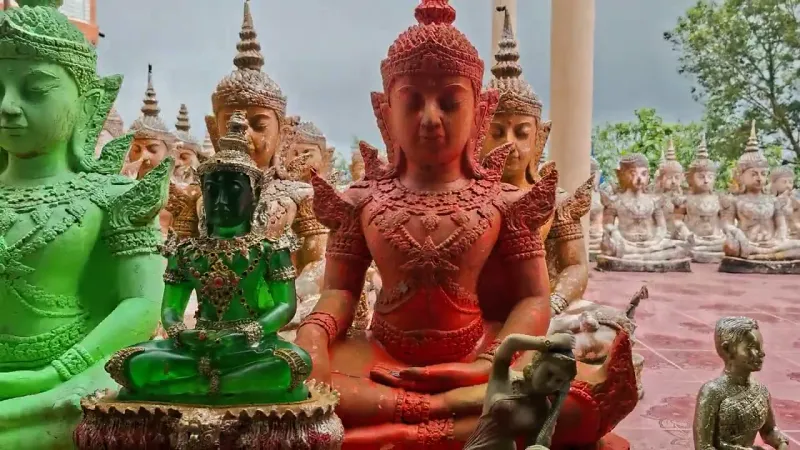
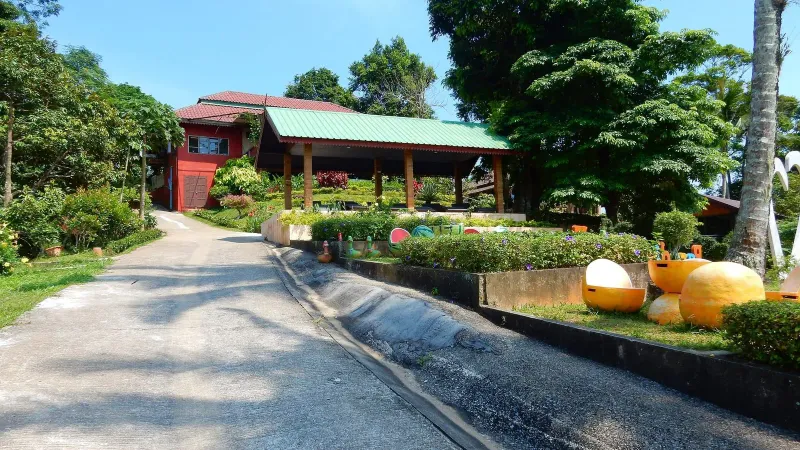
The summit area of Khao Pom at 635 meters hosts Wat Teepangkorn, a little-visited Buddhist temple with a golden Buddha statue (Phra Buddha Teepangkorn) on a terrace and a three-story museum with a rooftop observation deck offering the best views.
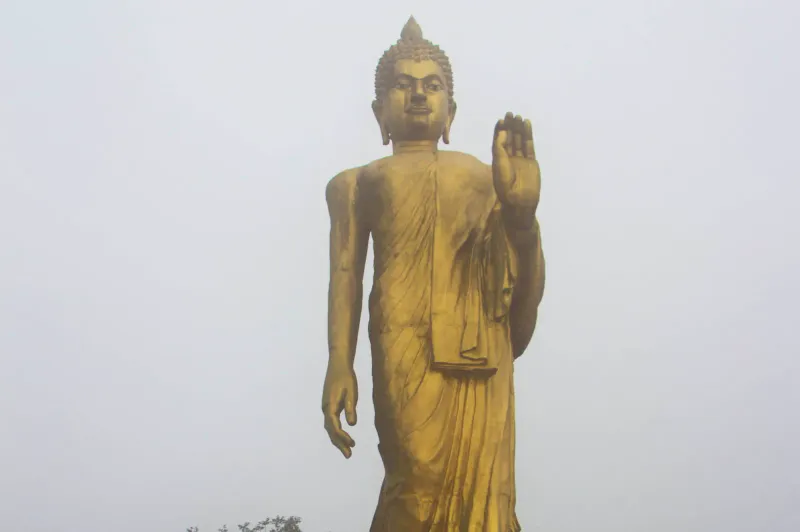
What you see
- 360-degree panoramic views from the temple’s rooftop deck: Chaweng Beach, Lamai Beach, coconut plantations, and the Gulf of Thailand
- Koh Phangan clearly visible on clear days, sometimes even Koh Tao in the distance
- Planes at eye level: the airport runway is visible below, and aircraft fly surprisingly close to summit height
- The interior jungle stretching in every direction, a reminder of how much of Samui is still wild
Wat Teepangkorn
The temple at the summit is still being expanded and is “relatively little visited.” No admission fee, a small donation is appreciated. The three-floor museum contains Buddhist artifacts. Some visitors reach the temple via 4x4 safari tours rather than hiking, but the hiking route through the jungle is the real experience.
The summit is usually a stop of 30-60 minutes for the temple, views, photos, water, and rest before the descent.
Getting There
Meeting point
Guides typically meet trekkers at a designated point in the Maenam area on the north coast, from where vehicles transport the group to the trailhead on the lower mountain slopes.
Arranging transport
- Most guides include pickup and drop-off from your hotel in the guide fee
- If arranging independently, the trailhead is accessed via unpaved roads in the interior, a scooter or 4WD is needed
- The exact trailhead location varies depending on the guide’s preferred route
From different areas
| Starting Point | Drive to Meeting Point |
|---|---|
| Maenam | 5-10 min |
| Bophut | 10-15 min |
| Chaweng | 20-25 min |
| Lamai | 30-35 min |
Best Time to Trek
| Season | Months | Conditions | Rating |
|---|---|---|---|
| Cool/dry | Dec-Feb | Best conditions: cooler temps, less mud, fewer leeches | ★★★★★ |
| Hot | Mar-May | Very hot and humid; physically draining | ★★★ |
| Monsoon | Jun-Nov | Muddy, leech-heavy, slippery; dramatic but difficult | ★★ |
Timing
- Start at dawn (6-7 AM): the forest is coolest, wildlife most active, and you avoid the worst midday heat on the steepest sections
- Weekdays are quieter (not that weekends are crowded, you’ll likely be the only group regardless)
- Moon phases don’t matter: the canopy blocks almost all sky
What to Bring
| Item | Why |
|---|---|
| Hiking boots | Ankle support essential on steep terrain; no sandals or trainers |
| Water (3L minimum) | No water sources on the trail; 4-6 hours of strenuous tropical hiking |
| Long pants | Protection against leeches, thorns, and brush |
| Long-sleeve shirt | Same, plus sun protection on exposed lower slopes |
| DEET repellent | For leeches and mosquitoes: apply to ankles, calves, and wrists |
| Leech socks or gaiters | Optional but effective: tuck pants into socks at minimum |
| Energy snacks | Bars, trail mix, fruit: you’ll need calories for the ascent |
| Rain jacket | Showers are possible year-round at altitude |
| Dry bag | For phone and camera: humidity is extreme |
| Small first aid kit | Plasters for leech bites, antiseptic, blister pads |
Fitness Requirements
Be honest with yourself. Khao Pom is not a trail you can wing.
Minimum requirements
- Ability to hike uphill for 2+ hours continuously in 30°C+ heat and 80%+ humidity
- Comfort on steep, uneven, slippery terrain without handrails or steps
- Basic mobility to scramble over roots and rocks
- No serious heart or respiratory conditions (the combination of altitude gain and tropical humidity is demanding)
Ideal preparation
- Regular cardio fitness (jogging, cycling, swimming)
- Experience with hilly terrain, even city stairs help
- Previous tropical hiking experience is valuable but not required
What to expect physically
- Sustained sweating from the first 10 minutes
- Heart rate elevated for most of the ascent
- Quadriceps and calves will burn on the steep sections
- Hands will be needed for balance and scrambling
- The descent is easier but harder on knees
Who Is Khao Pom Best For?
| Hiker Type | Fit | Why |
|---|---|---|
| Experienced hikers | ★★★★★ | The only genuinely challenging wilderness trek on Samui |
| Wildlife enthusiasts | ★★★★★ | Primary rainforest with hornbills, langurs, giant squirrels |
| Adventure seekers | ★★★★★ | Machete-cleared trail, no markers, leeches, real expedition feel |
| Photographers | ★★★★ | Ancient trees, canopy light, wildlife: bring a good camera in a dry bag |
| Fitness enthusiasts | ★★★★ | 500m+ elevation gain in tropical heat, serious workout |
| Families | ★ | Not suitable for children under 14-16 |
| Casual tourists | ★ | This is not casual: try Na Muang 1 or Hin Lad instead |
| Budget travelers | ★★★ | Guide fee (2,000-3,000 THB) is unavoidable but reasonable split among a group |
FAQ
How high is Khao Pom?
635 meters (2,083 feet) above sea level, the highest point on Koh Samui. It sits in the island’s central mountain range, surrounded by dense primary rainforest.
Do I need a guide for Khao Pom?
Yes: this is not optional. There is no marked trail, no signage, and no cell signal in the dense canopy. Guides cost 2,000-3,000 THB per group. Arrange through HikingOnSamui.com, local tour operators, or your hotel.
How hard is the Khao Pom trek?
Hard. Expect 4-6 hours of hiking over ~8 km with 500+ meters of elevation gain on unmarked, steep, slippery terrain in tropical heat and humidity. You need solid hiking fitness and proper gear. Not suitable for casual walkers.
Are there leeches on Khao Pom?
Yes, particularly on the upper slopes during and after rain. Wear long pants tucked into socks, apply DEET repellent to ankles and calves, and check regularly. Your guide will carry salt for removal. Leeches are harmless, unpleasant but not dangerous.
What can you see from the summit?
The summit is forested, so views come through gaps in the canopy rather than a clear panoramic viewpoint. On clear days you can see the coastline, Gulf of Thailand, Koh Phangan, and sometimes Koh Tao. The trek is about the rainforest journey, not a summit panorama.
What is the highest mountain on Koh Samui?
Khao Pom, at 635 meters (2,083 feet), in the island’s central mountain range. It is the highest point on Koh Samui and the peak most people mean by “Koh Samui mountain”.
Where is the Khao Pom viewpoint, and what is Wat Khao Pom?
The Khao Pom viewpoint is the rooftop deck of Wat Teepangkorn, the summit temple, sometimes searched as Wat Khao Pom. Hikers reach it on foot with a guide; many visitors instead go up the steep mountain road by 4x4 on a jungle safari tour.
When is the best time to trek Khao Pom?
December to February: cooler temperatures, less mud, fewer leeches, and the forest is still lush from recent monsoon rains. Start at dawn (6-7 AM) to avoid the worst midday heat. Avoid the peak monsoon (September-November) when the trail is muddiest and leech activity peaks.
Published Updated
About the author
Samui69 Editorial Team
Editorial team
Guides researched and fact-checked by the Samui69 editorial team: residents and frequent visitors who verify opening hours, prices and directions on the ground.
About the author →More in Hiking
1.3 km away
Tarnim Magic Garden: Fee, Road and What to See on Pom Mountain
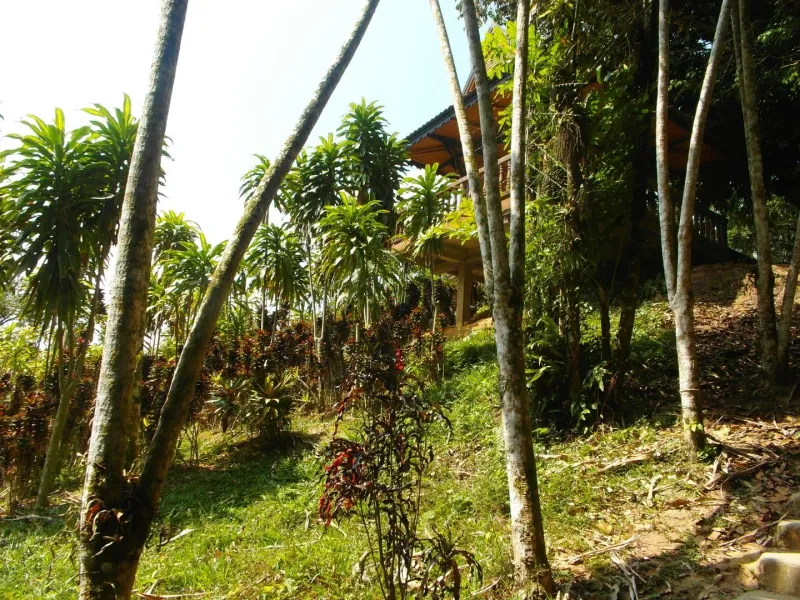
Tarnim Magic Garden is the Secret Buddha Garden: a jungle sculpture park on Pom Mountain, Koh Samui.
2.3 km away
Wat Teepangkorn, Koh Samui: 635 m Summit and Standing Buddha
Wat Teepangkorn is the temple on Koh Samui's highest point (635 m): a golden standing Buddha, museum and 360-degree views.
From Island Life
Walking With a Trail Guide on Koh Samui: When You Need One
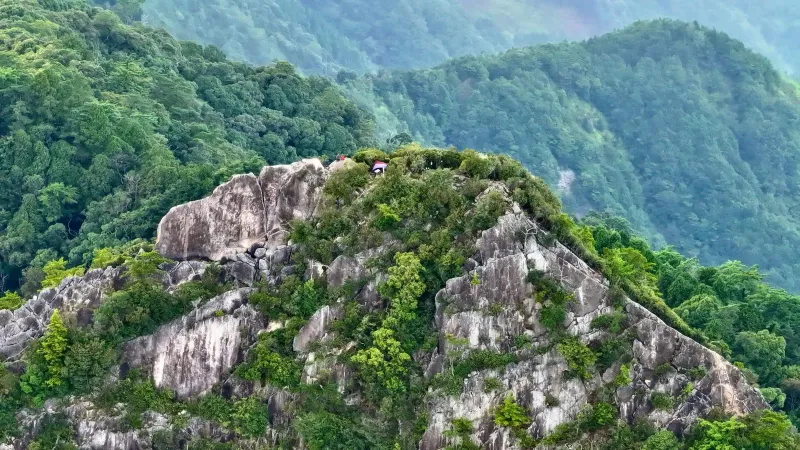
Which Koh Samui trails you can hike alone, which ones people get lost on, guided trek costs, and the heat, flash-flood and snake risks th…