Contents
Dog rescue on Koh Samui runs almost entirely on foreign-funded sterilisation campaigns, not shelters or culling. Buddhist doctrine and basic population arithmetic point the same direction: killing strays is not accepted here, so a small cluster of registered charities catches, neuters, vaccinates and releases dogs and cats faster than they can breed, while temples, markets and beachfront kitchens absorb the rest.
Key takeaways
- No government agency publishes a count of Koh Samui’s street dog and cat population. The closest public figure is one charity’s own claim of feeding up to 1,250 dogs a day island-wide — a feeding number, not a census.
- Culling isn’t used or culturally accepted here: Buddhism’s first precept against killing shapes policy, so every serious programme on the island is catch-neuter-vaccinate-return, not extermination.
- Three registered charities do the real work: Rob’s Dogs Foundation (Thai- and Australian-registered, sterilisation only, no shelter), Happy Doggo (UK- and US-registered, feeding plus sterilisation plus rehoming), and Phuket-based Soi Dog Foundation, which has jointly funded Happy Doggo’s “southern mobile programme” since 2024.
- A dog or cat bite anywhere in Thailand gets the same response: wash with soap and running water for 15 minutes, then get to a hospital the same day. Post-exposure treatment is not optional, per WHO guidance.
What This Actually Is
Koh Samui’s street dog and cat situation is a population-management problem, not a lack of compassion — the island has neither the harsh strays-as-vermin policy some countries run nor an organised municipal shelter network, so the gap is filled by charities and temples. Most of what looks like a stray dog is actually a “soi dog” in the Thai sense: unowned in the Western sense of a leash and a vet card, but fed daily by a shop, a noodle stall or a household that tolerates it without confining it. No census — government or NGO — has ever counted Samui’s free-roaming dog and cat population; the nearest thing to a public number is Koh Samui-based charity Happy Doggo’s own claim of cooking and serving food to as many as 1,250 dogs a day across the island, a feeding total rather than a headcount, and one this article could not independently verify beyond the charity’s own site.
Why Koh Samui Doesn’t Cull Its Street Dogs
Thailand does not run culling programmes for street dogs, and Koh Samui is no exception, because the first of Buddhism’s five precepts is to abstain from taking life — a rule that applies to animals as much as people. Feeding an animal, including a temple’s resident dogs and cats, is itself a form of tham bun, merit-making through giving; see our guide to Buddhism on Koh Samui for how central that practice is to daily Thai life. The practical result is that extermination is politically and culturally unworkable here, so every organisation on this page works within catch-neuter-vaccinate-return (CNVR) instead — treat the population, don’t remove it.
Where the Dogs and Cats Actually Concentrate
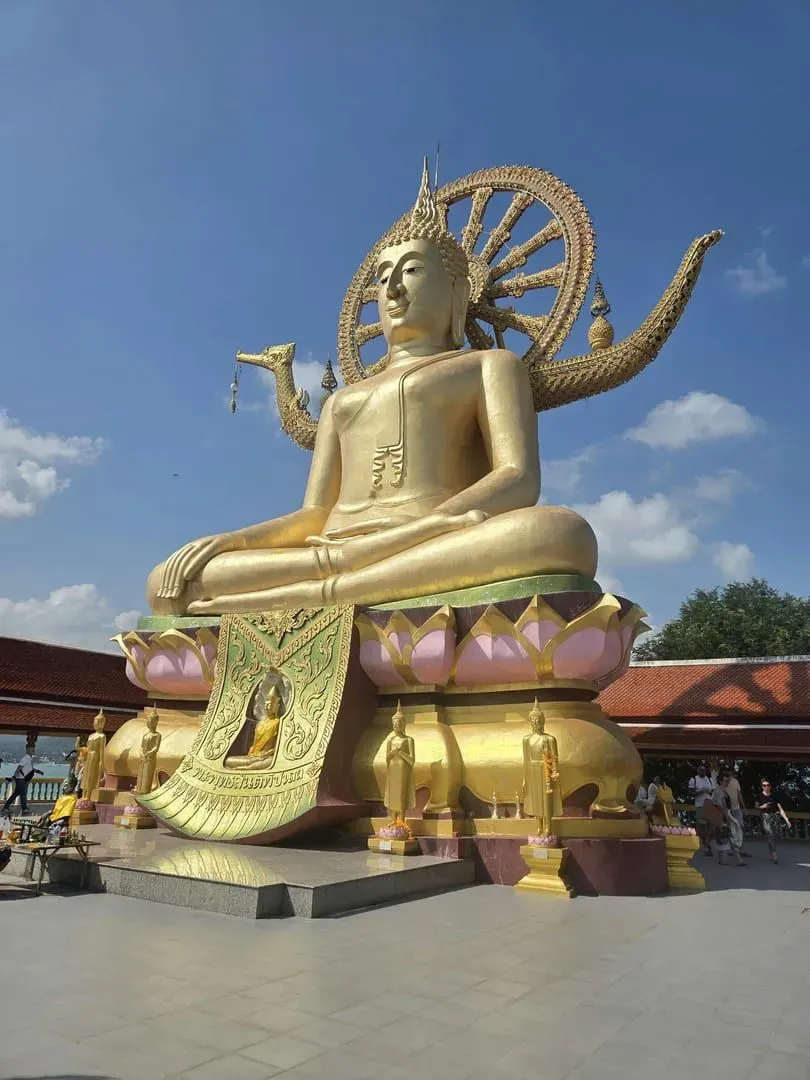
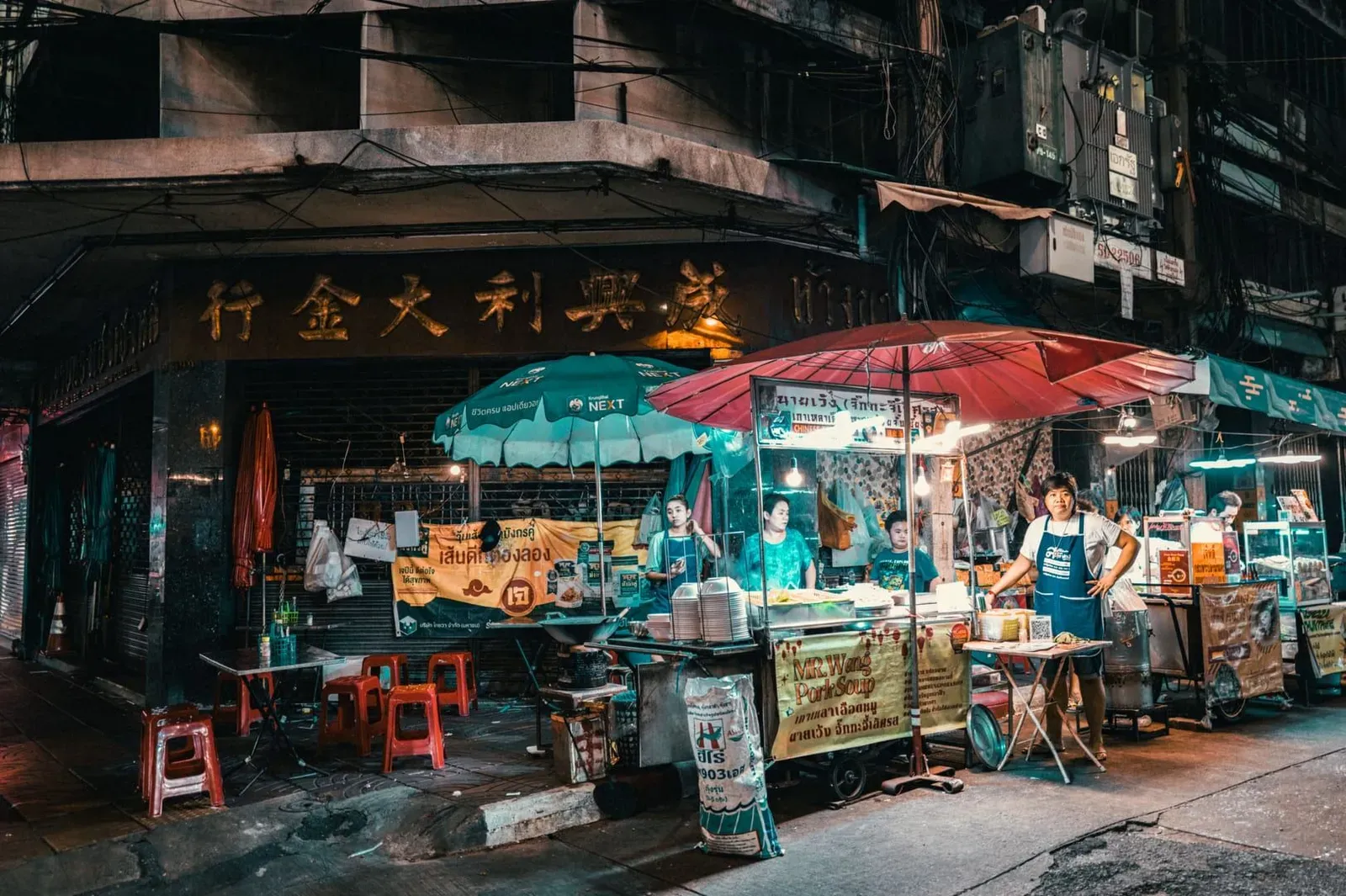
Street dogs and cats on Samui cluster wherever a reliable food source exists, not evenly across the island. Temples are the biggest concentration point: monks and temple committees rarely turn an animal away, so a working wat can carry a resident population of a dozen or more dogs and cats fed by monks and merit-making visitors alike — it’s a pattern visible at busy temples like Wat Phra Yai and Wat Plai Laem as much as at small village shrines. Markets are the second concentration point, where food-stall scraps draw a rotating population, and the port town of Nathon — Samui’s main market and ferry hub — is a typical example. Beachfront restaurants are the third: tourist hand-outs at beach bars and seafood shacks keep dogs returning to specific stretches of sand rather than ranging freely. Less visibly, a steady food source near waste-disposal sites sustains a rotating population too, a pattern documented across Thai islands generally even where Samui-specific numbers aren’t published.
How the Population Is Actually Controlled
Sterilisation, not sheltering or culling, is the only approach that actually reduces suffering at scale, because the underlying arithmetic is unforgiving: a single unsterilised female dog or cat, left alone, can produce two litters a year, and enough of those puppies or kittens survive to breeding age within about a year that an unmanaged population can multiply many times over in just a few years. Sheltering can’t outpace that math — a shelter has finite kennels and a finite budget, while a breeding population has neither. That’s the entire rationale behind Rob’s Dogs Foundation’s model, which explicitly runs “with no shelter” and low overheads, funding “large-scale, high-impact sterilisation programmes” instead, and behind Soi Dog Foundation’s catch-neuter-vaccinate-return model, which puts the animal straight back where it was found rather than into long-term captivity. Vaccination against rabies rides along with sterilisation in these campaigns, because a caught, sedated animal is also the easiest moment to vaccinate it.
The Organisations Doing Koh Samui’s Dog Rescue Work
Three registered charities carry almost all of Koh Samui’s dog rescue work, and each is verifiable on its own website rather than through a Facebook page or a word-of-mouth name.
Rob’s Dogs Foundation (robsdogs.org) is based on Koh Samui and describes its own programme as “Compassionate Spay and Neuter for Dogs and Cats in Koh Samui.” It holds a registered Thai charity number (1/2566, dated 5 October 2022) and a registered Australian charity status with deductible-gift-recipient standing (ABN 48 630 436 378). It runs no shelter by design, putting funds into volume sterilisation across southern Thailand instead — its own site does not publish a running total of procedures completed, which this article could not otherwise verify.
Happy Doggo (happydoggo.com) is also Koh Samui-based and holds a registered UK charity number (1203875) and US 501(c)(3) status (EIN 99-1254720); no separate Thai registration is stated on its own charity-information page, which is worth noting since Rob’s Dogs Foundation does publish one. Happy Doggo’s published figures, current as of this article’s publication, are 1,250 dogs fed daily, 168,401 sterilisations funded across its programmes (a cumulative, organisation-wide total rather than a Samui-only figure), and 129 dogs rehomed in Thailand or abroad. It is also building Tina’s Hospital, a dedicated street-dog veterinary hospital designed with Danny Forster & Architecture and veterinary-facility specialist Animal Arts, targeted to open in 2026 — planned rather than confirmed complete as of this article’s last check.
Soi Dog Foundation (soidog.org) is a long-established, Phuket-based foundation running the country’s largest CNVR operation: over 22,000 procedures a month and more than 1.7 million animals reached since it started, active in over a third of Thailand’s 76 provinces. Since 2024, Soi Dog’s own site states it has received the financial support of “the Koh Samui-based charity, Happy Doggo,” which now jointly funds Soi Dog’s southern mobile programme — the clearest documented link between a Phuket-headquartered national operation and Samui specifically.
This article could not confirm any additional Samui-registered rescue beyond these three, nor an independent, dated population count for the island’s street dogs and cats.
What It Costs to Help
Most of the useful things a visitor or resident can do here cost nothing but time: reporting an injured animal, fostering, flight-buddying an adopted dog home, and simply not feeding beach dogs indiscriminately are all free. Donating to any of the three charities above is optional and any amount helps, since sterilisation is inexpensive per animal relative to sheltering it for life. Volunteering hands-on at a clinic day is unpaid and, realistically, only useful if you already hold a veterinary or veterinary-nursing qualification — untrained help at a surgical clinic is a liability, not a favour.
How to Help, Ranked by Usefulness
- Give money to a registered foundation. Rob’s Dogs Foundation, Happy Doggo or Soi Dog Foundation (all above) turn a donation directly into sterilisations, which is the single highest-leverage thing anyone outside Thailand can fund.
- Foster. Happy Doggo’s own site asks for local fosters in Thailand able to house a dog for one to three months while it’s matched with an adopter — genuinely useful and genuinely free of any transaction beyond your time.
- Volunteer at a clinic day, but only with real skills. Vets and registered veterinary nurses are the volunteers these sterilisation drives actually need; a willing but untrained pair of hands is not.
- Flight-buddy an adopted dog home. Happy Doggo runs a flight-volunteer scheme for travellers already flying from Bangkok, escorting an adopted dog to its new home in Europe or North America as checked cargo the airline otherwise charges a stranger to accompany.
- Report an injured animal correctly. Don’t try to catch or move an injured or aggressive dog yourself — contact one of the three foundations above through their own website the same day, with a clear location description.
- Stop feeding beach dogs casually. Ad hoc feeding without any sterilisation support just concentrates more animals at that exact spot; support an organised feeding or sterilisation programme instead of an unplanned one.
What Not to Do
Don’t take a puppy or kitten home on impulse from a beach or street — an animal with no veterinary history, no vaccination record and no clear ownership is a serious commitment, not a souvenir, and impulse “rescues” are a documented source of animals later abandoned again once the trip ends. Don’t pet, approach or provoke an unfamiliar dog, especially one guarding food, puppies or a specific patch of beach — most bites happen exactly this way. And never hand-feed monkeys or macaques under any circumstances: it’s a separate species and a separate risk (bites, scratches and disease exposure), and it’s tied to the island’s documented coconut-harvesting macaque-welfare problem covered in our responsible travel guide.
Rabies and Bites: The Protocol, Stated Plainly
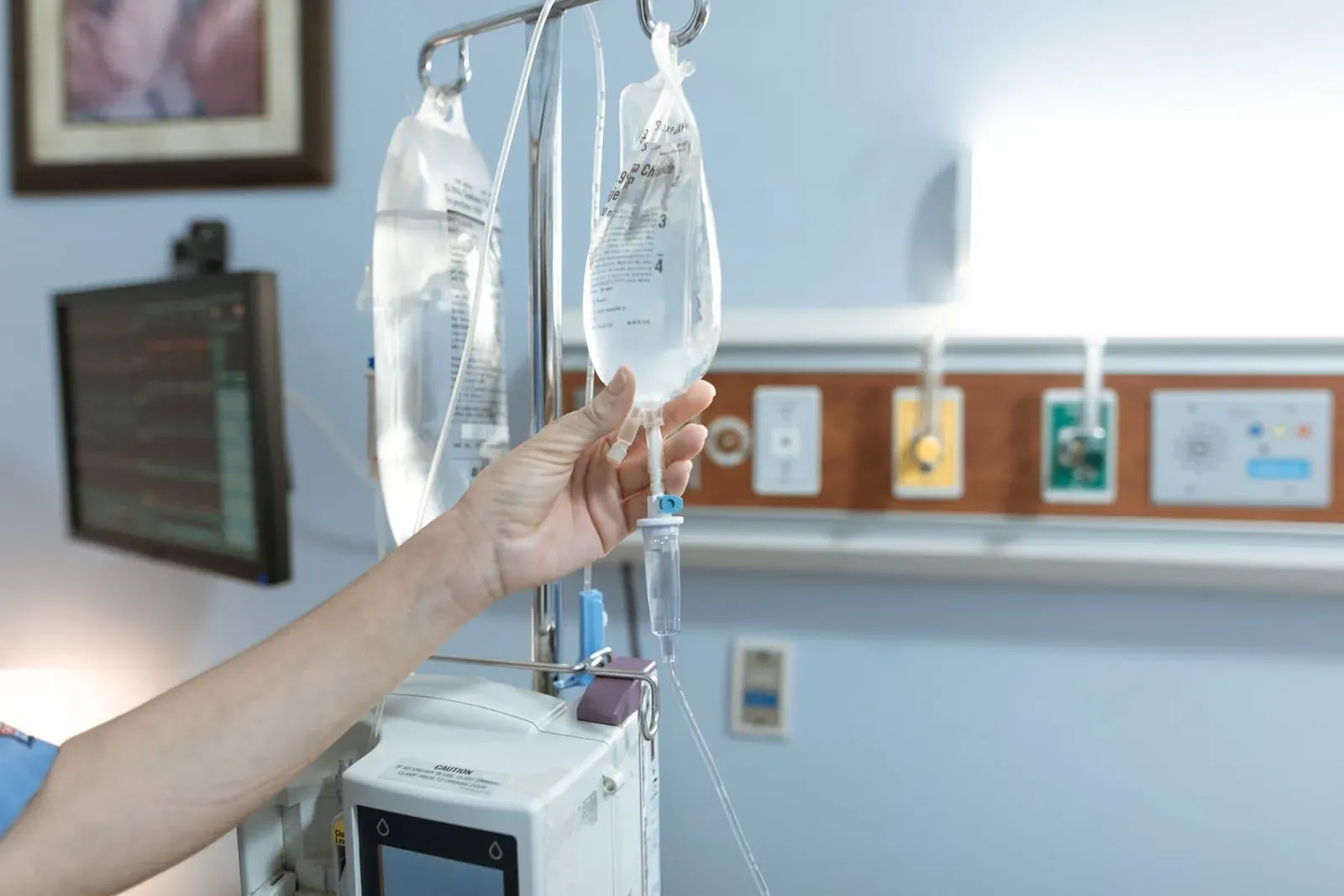
Thailand still records human rabies deaths most years, almost always in people who didn’t seek treatment after a bite or scratch, so the protocol below is not optional caution — it’s what the World Health Organization and Thailand’s own public-health guidance both specify. Wash any bite or scratch immediately with soap and running water for at least 15 minutes; the WHO’s rabies fact sheet, last updated June 2024, calls this step essential regardless of what happens next. Get to a hospital the same day — Samui has same-day post-exposure prophylaxis (PEP) available, covered in our hospitals and clinics guide — because PEP combines wound care with a rabies vaccine course and, for higher-risk wounds, immunoglobulin injected around the bite itself. Having had pre-exposure rabies vaccination before your trip changes the follow-up schedule (typically fewer additional doses and no immunoglobulin needed) but does not remove the need for it: WHO is explicit that “PrEP does not replace the need for PEP.” See our Koh Samui safety guide for the same protocol applied to Samui specifically, including a note on delayed treatment causing fatal cases in Thailand as recently as 2025.
FAQ
How many street dogs does Koh Samui actually have?
No official or NGO census exists. The nearest public figure is one Samui-based charity’s own claim of feeding up to 1,250 dogs a day island-wide, which measures feeding reach rather than a true population count, and this article could not verify an independent number for dog rescue on Koh Samui.
Why doesn’t Koh Samui just remove the street dogs?
Buddhism’s first precept against killing makes culling culturally and politically unacceptable in Thailand, so every serious programme instead uses catch-neuter-vaccinate-return: treating the population through sterilisation rather than removing animals by force.
Is it safe to pet street dogs on Samui?
Treat any unfamiliar dog as unpredictable, especially around food, puppies or its usual patch of beach. Most bites happen when someone approaches, corners or provokes a dog rather than leaving it alone — admire from a distance instead.
Can I adopt a Koh Samui street dog and take it home?
Yes, through a registered charity’s own rehoming process rather than an impulse pickup — Happy Doggo, for instance, rehomes dogs in Thailand and abroad and separately runs a flight-volunteer scheme for travellers willing to escort an already-matched dog on a flight they’re already taking.
What do I do if I’m bitten or scratched by a dog, cat or monkey on Samui?
Wash the wound with soap and running water for at least 15 minutes, then get to a hospital the same day for post-exposure treatment — this applies even if you had pre-exposure rabies vaccination before your trip, which shortens the follow-up course but doesn’t remove the need for it.
Turning Up
There’s no weekly meetup for this one — it’s by arrangement, any day you’re on the island. If you meet a sick, injured or clearly distressed street dog or cat, don’t try to handle it yourself: go to Rob’s Dogs Foundation’s, Happy Doggo’s or Soi Dog Foundation’s own website the same day and use their contact details, with a clear description of where you saw the animal. If you’d rather put money straight into the sterilisation arithmetic that actually moves the needle on Koh Samui’s dog rescue problem, both Rob’s Dogs Foundation and Happy Doggo take direct donations through their own sites, and Happy Doggo’s foster and flight-volunteer programmes are listed there too — no booking, no middleman, just the charity itself.
Street dogs and cats
Where your help actually goes
See who we checked for this cause, where the money actually lands, and that samui69 takes none of it.
- Rob's Dogs Foundation Koh Samui
- Happy Doggo Koh Samui
- Soi Dog Foundation Phuket, and a southern mobile programme
Published on
About the author

Mike Brochlowski
Travel photographer & writer
Travel photographer and island explorer. Mike has spent years documenting Southeast Asia's hidden gems, from secluded beaches to jungle waterfalls.
Articles by Mike →More in Island Life
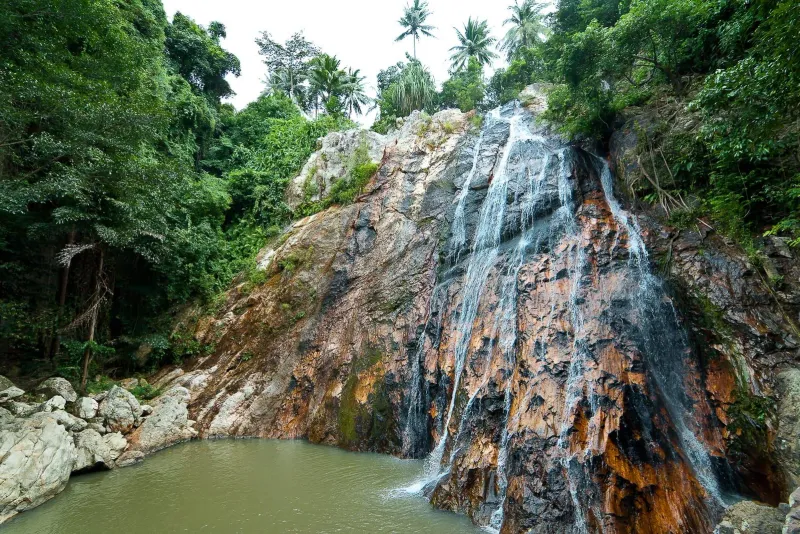
Na Muang Waterfalls — Samui's Purple Cascades and Jungle Pools
Explore Na Muang Waterfalls on Koh Samui — the accessible 18m Purple Waterfall with its swimming pool and the 80m jungle trek to the isla…
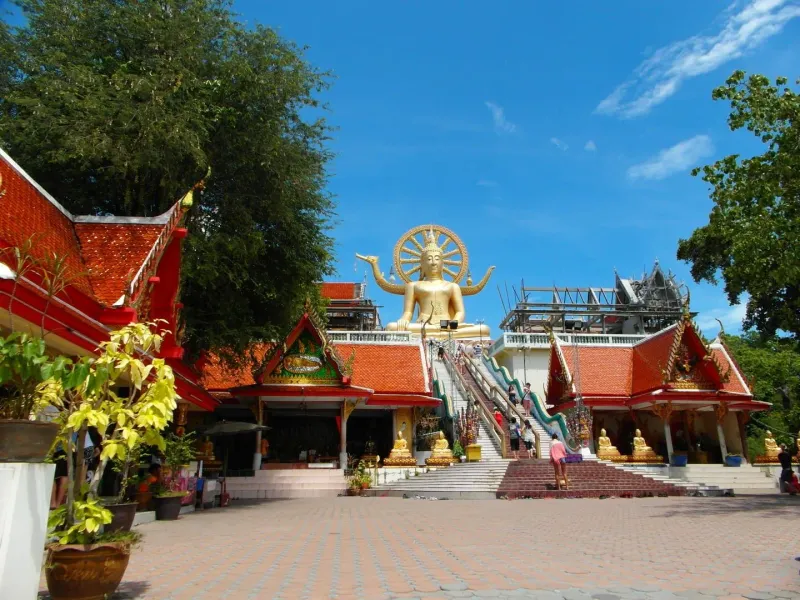
Wat Phra Yai — Big Buddha Temple on Koh Samui
Visit Wat Phra Yai (Big Buddha) on Koh Samui: a 12-meter golden Buddha, naga staircase, panoramic views, and market stalls.
Apirom Viewpoint — Koh Samui's Closed Hillside Lookout Above Ban Tai
Apirom Viewpoint: a ~304m hilltop lookout inland of Ban Tai, Koh Samui, its restaurant closed since the pandemic but the hillside track s…