Contents
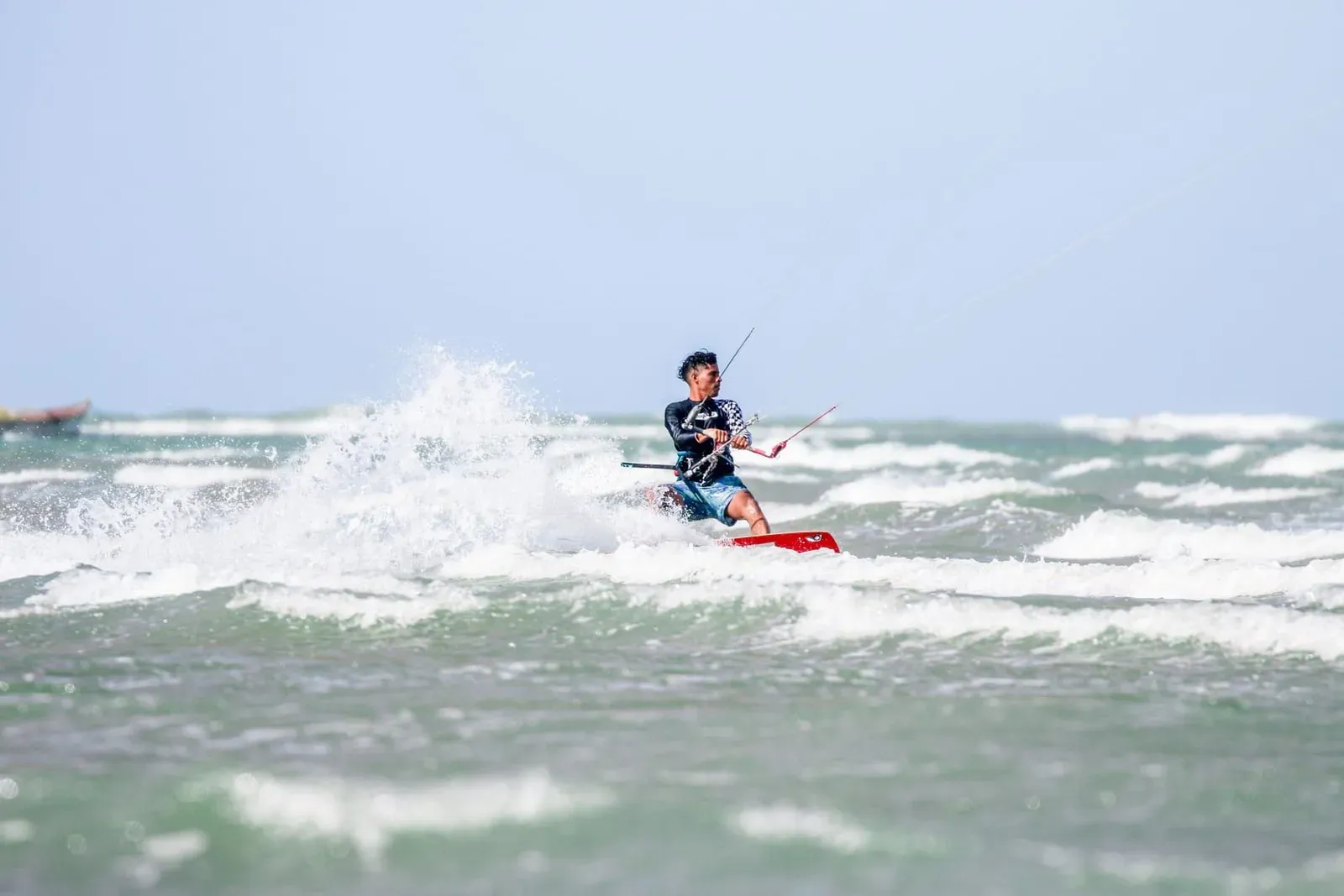
Koh Samui has no cable wakeboard park, and no independently confirmed boat-tow wakeboard operator runs here as of September 2026. What it does have, riding on the back of its small kitesurfing operation, is a real and growing wing foil and e-foil scene — flat, glassy mornings, the same seasonal beaches, and the same handful of instructors who already teach kites.
Key takeaways
- No cable wake park and no confirmed boat-tow wakeboard operator on Samui — the nearest cable parks are mainland Thailand, a flight or long drive away.
- Wing foiling and e-foiling are genuinely here: Kiteboarding Asia (KBA) runs both alongside kitesurfing at its seasonal Hua Thanon (Dec–Apr) and Nathon (May–Nov) locations, plus a Koh Phangan base.
- E-foils are motorised and need no wind at all; wing foils need only a light breeze — both suit the flat, glassy mornings common before the day’s thermal wind builds.
- The classic progression — boat wakeboard, then cable-park repetition, then foiling — barely exists locally; most people here arrive already foiling from a kite background or start straight on an e-foil.
- A foil’s mast and wing are rigid and sharp: impact vest, helmet and real distance from other people in the water are non-negotiable, and whoever drives a tow boat needs to actually know the sport.
What This Actually Is
“Flat-water board sports” covers three related but distinct things: boat wakeboarding (towed behind a powerboat, riding its wake), cable wakeboarding (towed around a lake by an overhead cable system, no boat needed), and foiling — wing foil, e-foil, kitefoil — where a hydrofoil under the board lifts it clear of the water once it’s moving. Samui’s version of this scene is thin at the first two and real at the third. There is no cable installation on the island or on Koh Phangan, and no dedicated, currently reviewed boat-wakeboard charter operator — a gap the island’s own watersports guide has flagged consistently. What exists instead is foiling, because the equipment and the calm-water beaches that already host Samui’s kitesurfing crew turned out to suit it well.
Who Is In It
There’s no separate “foil crowd” here — it’s the kitesurfing crew with an extra board in the van. The people doing this seriously are a small mix of long-term expats, the seasonal instructors who already run the kite operation, and a handful of boat owners who bought an e-foil as a toy for their own guests. There is no cable-park social scene to speak of, for the simple reason that there’s no cable park to gather around. Beginners meet the group the same way kitesurfers do: through a lesson, which doubles as the introduction to whoever else is riding that week.
How It Works
An e-foil session doesn’t depend on wind, so it runs whenever the water is calm enough and a boat or jet-ski support isn’t otherwise busy — often a flat early morning before the day’s boat traffic picks up. Wing foiling still checks a forecast, but a far gentler one than kitesurfing needs, since a foil generates lift at low speed and low wind. Gear is heavier and pricier than kite kit, so almost everyone starts on rental equipment through the operator rather than owning a wing, board and foil outright.
What It Costs
Expect roughly 2,500–4,000 THB (~71–114 USD) for an hour-long introductory e-foil lesson and a similar 2,500–3,500 THB (~71–100 USD) for an intro wing-foil session, in line with typical Thailand foil-school pricing generally — confirm the exact rate with whichever operator is running that season, since Samui’s own base moves with the coast. Buying a full wing-foil set (wing, board and foil) new runs well above a comparable kite setup, commonly 80,000–150,000 THB (~2,286–4,286 USD); e-foils, being battery-powered craft rather than simple boards, cost several times that again to own outright. Budget this as a mid-cost activity while you’re on lessons and rental gear — it’s the ownership step, not the first try, that turns it expensive.
How To Join
There’s no cable park gate to walk up to, so a booked lesson is the actual on-ramp. Kiteboarding Asia (KBA) teaches kitesurfing, kitefoil, wing foil and e-foil at its seasonal Koh Samui bases — Hua Thanon on the southeast coast from December to April, Nathon on the west coast from May to November — alongside sister locations on Koh Phangan, Phuket, Hua Hin and Pattaya: kiteboardingasia.com — checked September 2026. Beyond a first lesson, the way into the small group riding regularly is simply asking your instructor, the same as with kiting.
The Cable Park and Boat Wake Reality
Be honest about what’s missing: Samui has neither a cable wakeboard park nor a currently reviewed boat-tow wakeboard charter, and neither does Koh Phangan next door. Thailand’s cable parks cluster on the mainland, mostly within a couple of hours of Bangkok — a flight plus a road transfer from Samui, not a day trip. Any boat wakeboarding that does happen on the island is informal: a private boat owner towing friends behind their own hull, not a bookable commercial activity, and there’s no standing school or rental fleet built around it. If a proper cable session or a real boat-wake day is the actual goal of the trip, the honest answer is to plan it for the mainland or for wherever a cable park already exists, not to expect Samui to deliver it.
Wing Foil and E-Foil — The New Wave
Wing foiling only became a mainstream sport worldwide from around 2019–2021, and e-foils followed a similar curve as battery and motor costs dropped. That wave reached Thailand not as a standalone new business but through existing kite schools bolting foil disciplines onto their current locations — KBA’s own site lists kitesurfing, kitefoil, e-foil, wing foil and wing SUP at every one of its Thai bases, Samui included, as of its 2026 listings. That matters for what a visitor should expect: this isn’t a dedicated foil operation with its own shop and culture, it’s the kite crew’s newest gear, taught by the same instructors on the same beaches.
Why the Gulf’s Flat Mornings Suit Foiling
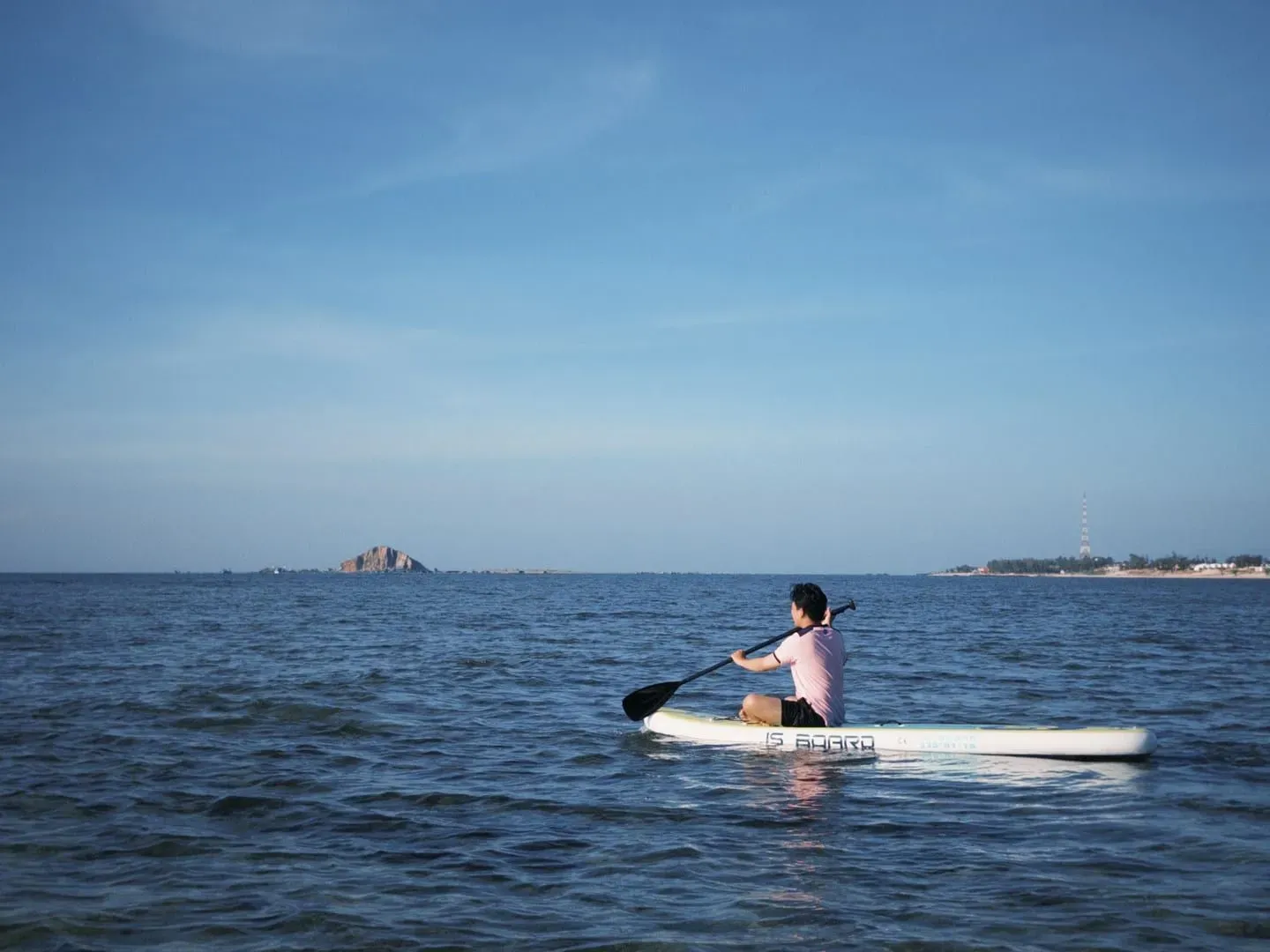
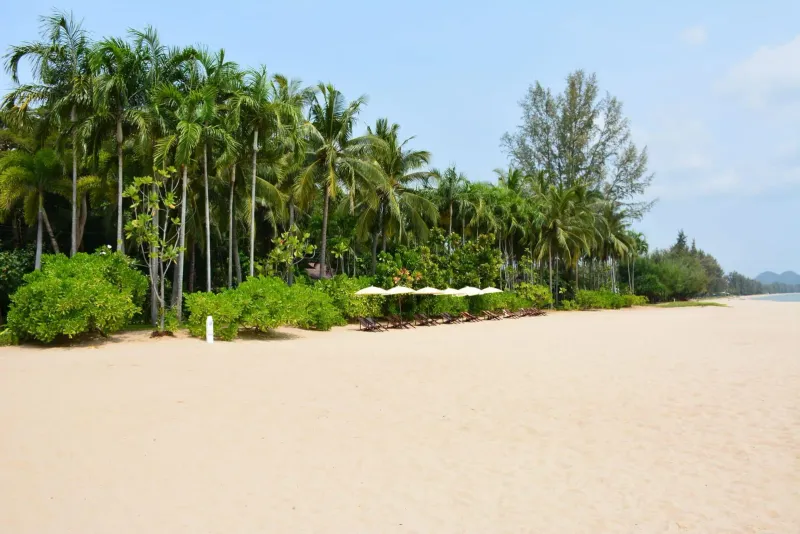
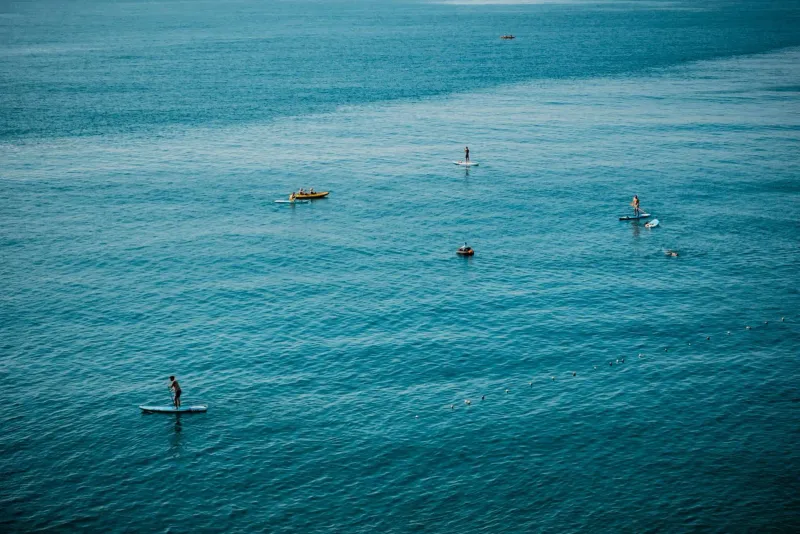
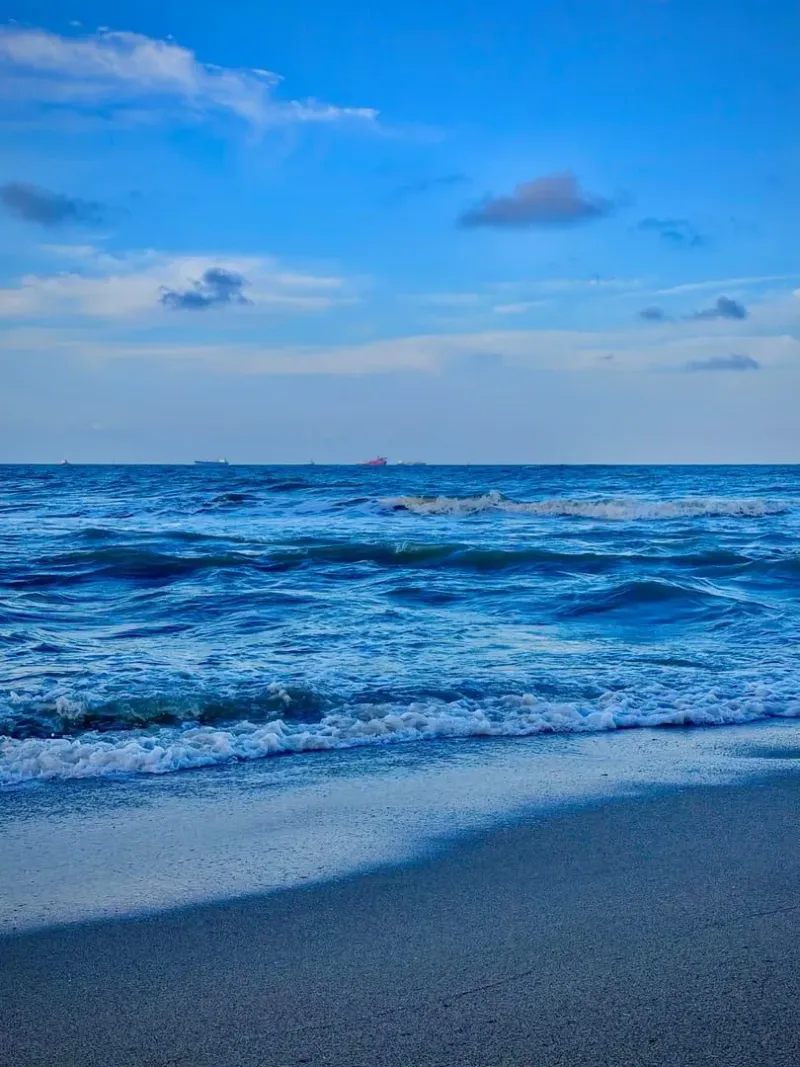
Samui sits on the Gulf of Thailand side of the country — a split this site’s east vs west coast guide covers in full — which generally sees calmer water and less swell than the Andaman coast, and like most tropical coasts it tends toward its flattest, glassiest conditions early in the morning before the day’s thermal wind and boat traffic build. That’s a liability for kitesurfing, which needs wind to work at all — the kitesurfing scene page is blunt that a windless morning is the norm here, not the exception. It’s an asset for foiling: a hydrofoil lifts the board clear of the water’s surface once it’s moving, cutting drag enough to plane in conditions too calm for a normal board, and an e-foil’s motor removes the wind requirement entirely. The same flat mornings that frustrate Samui’s kiters are exactly what a foiler wants.
The Progression — Boat Wakeboard, Cable, Foil
Internationally, the standard route into flat-water board sports runs boat wakeboarding first (learning wake-riding basics behind a driver), then a cable park for repetition without needing a boat and driver every session, then foiling once a rider wants a new challenge or prefers solo, flat-water sessions. On Samui, the middle two rungs of that ladder are effectively missing — no cable, no standing boat-wake operator — so almost nobody here climbs it in order. Riders either arrive already through that progression from elsewhere (a home lake with a cable park, a boat-wake background from another country) and land straight on a foil, or they skip the ladder altogether and start on an e-foil, which is comparatively forgiving because the motor supplies the speed a rider would otherwise need a boat or cable to provide. Wing foiling and kitefoiling ask more of a beginner — reading wind and pumping the foil for lift — while prone foiling, catching a wave or a boat wake with no motor and no tow, is the hardest version and rarely attempted here.
Season
E-foil sessions run close to year-round, limited mainly by sea state rather than wind — the roughest monsoon swell weeks aside, a calm morning is a calm morning in most months. Wing foiling follows a broader version of the kite crew’s two-monsoon calendar — the northeast window roughly November–March and the southwest window roughly May–September — but needs meaningfully less wind to work than kitesurfing does, which is why a wing-foil session is often possible on a day too light for a kite. The same shoulder months that trouble kitesurfing, April and October–November, bring squall risk and are best avoided for any of this.
Safety — Masts, Wings and Boat Traffic
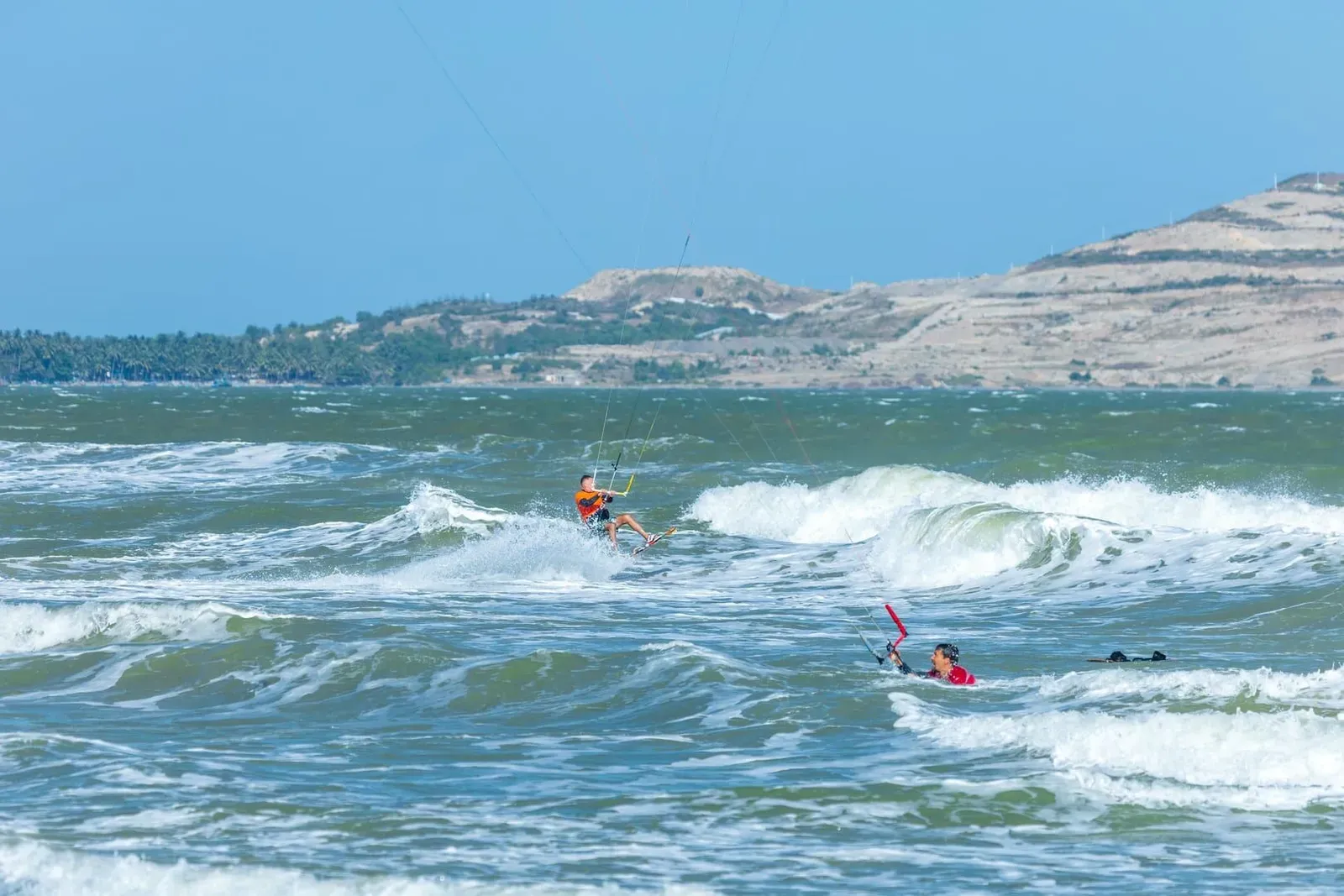
A foil’s mast and the hard leading edge of a wing are rigid, sharp-edged pieces of equipment, and a fall onto your own gear or into someone else’s has caused serious lacerations to the head and face in this sport — reputable schools now treat an impact vest and helmet as standard kit, not optional extras, and that standard applies here too. Because a foil rides underwater well below and ahead of the visible board, riders need to keep more real distance from swimmers, other boards and moored boats than the surface picture suggests — a foil’s underwater reach is easy to misjudge until you’ve seen someone clipped by one. For boat-towed wakeboarding specifically, the driver matters as much as the rider: a competent operator holds a steady speed, watches the tow line rather than the horizon, and knows how to circle back safely when someone falls — an inexperienced or distracted driver is a more common cause of injury than the board itself. As with kitesurfing, most standard travel insurance policies exclude towed and foil watersports unless an adventure-sports rider has been added, so check the policy wording rather than assuming a fall is covered.
FAQ
Is there a cable wakeboard park on Koh Samui?
No. As of September 2026 there is no cable wakeboard park on Koh Samui or on Koh Phangan. Thailand’s cable parks are on the mainland, mostly within a couple of hours of Bangkok, which means a flight plus a road transfer from Samui rather than a day trip.
Can you wakeboard behind a boat on Koh Samui?
There’s no independently confirmed, currently reviewed boat-tow wakeboard operator on the island. Any boat wakeboarding that happens is informal — private boat owners towing friends behind their own boat — rather than a bookable commercial activity with a standing fleet.
Where can you learn wing foiling or e-foiling on Koh Samui?
Kiteboarding Asia (KBA) teaches both alongside kitesurfing at its seasonal Samui bases: Hua Thanon (southeast coast, December–April) and Nathon (west coast, May–November), plus sister locations on Koh Phangan, Phuket, Hua Hin and Pattaya.
Do you need wind to e-foil?
No. An e-foil is a motorised, battery-powered hydrofoil board, so it needs calm-enough water rather than wind. That’s what makes it work on Samui’s frequently flat, windless mornings, when a kite or a traditional wakeboard boat would have nothing to push against.
Is foiling dangerous?
It can be — the mast and wing are rigid and sharp, and falls have caused serious head and face injuries. An impact vest and helmet are standard safety kit for this reason, and riders need to keep real distance from swimmers and other boards, since a foil’s underwater reach extends well beyond what the surface view suggests.
Turning Up
There’s no walk-up cable park gate and no drop-in boat-wake dock to show up to. The honest way in is a booked lesson with KBA at whichever coast they’re running that season — Hua Thanon from December to April, Nathon from May to November — which is also how you get pointed toward the small group riding informally afterward. If a proper cable-park day or real boat wakeboarding is actually the point of the trip, plan that leg for the mainland instead and treat Samui as the kitesurfing and foil stop on the itinerary, not the wakeboarding one.
Published on
About the author

Mike Brochlowski
Travel photographer & writer
Travel photographer and island explorer. Mike has spent years documenting Southeast Asia's hidden gems, from secluded beaches to jungle waterfalls.
Articles by Mike →More in Island Life
Na Muang Waterfalls — Samui's Purple Cascades and Jungle Pools
Explore Na Muang Waterfalls on Koh Samui — the accessible 18m Purple Waterfall with its swimming pool and the 80m jungle trek to the isla…
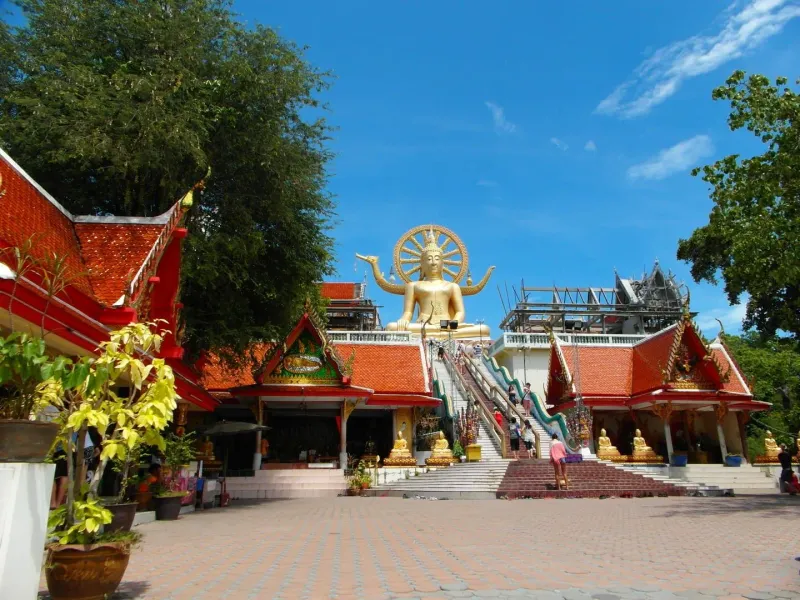
Wat Phra Yai — Big Buddha Temple on Koh Samui
Visit Wat Phra Yai (Big Buddha) on Koh Samui: a 12-meter golden Buddha, naga staircase, panoramic views, and market stalls.
Apirom Viewpoint — Koh Samui's Closed Hillside Lookout Above Ban Tai
Apirom Viewpoint: a ~304m hilltop lookout inland of Ban Tai, Koh Samui, its restaurant closed since the pandemic but the hillside track s…