Contents
Overview
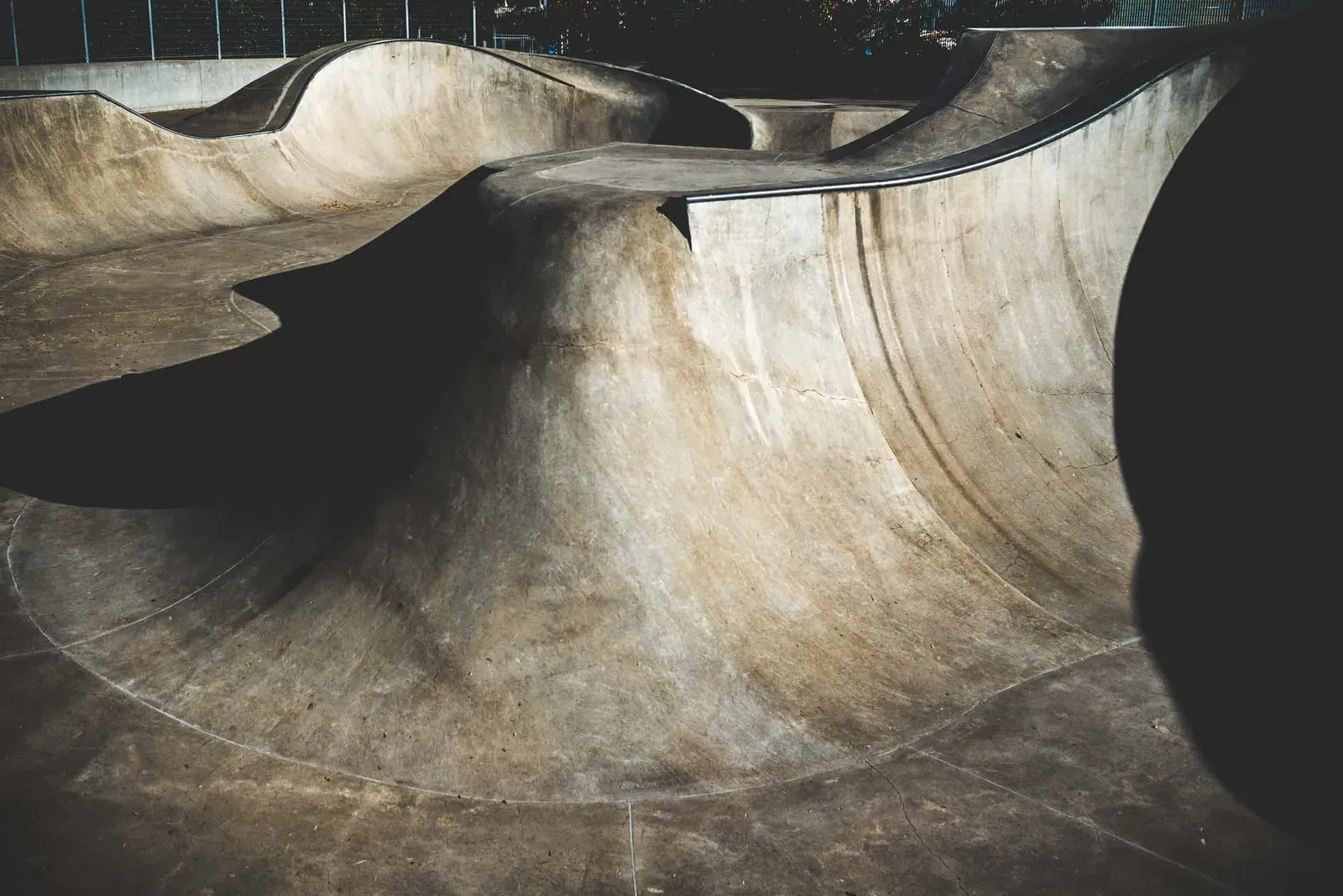
Koh Samui has no purpose-built skatepark that could be confirmed operating as of September 2026 — no ramps, no bowl, no council-funded plaza. What the island has instead is a small, real scene stitched together from improvisation: a handful of surfskates bought during Thailand’s 2020–21 lockdown boom and still living in villa storerooms, a few smooth hotel driveways that tolerate an early session, and a thin, mixed crew of Thai and expat kids riding whatever flat concrete tourism development happened to leave behind.
Key takeaways
- No public skatepark with ramps or a bowl could be confirmed on Koh Samui as of September 2026 — but one paid, purpose-built option exists: 360 Sports Park’s 500-metre asphalt pump track in Bophut, open to skateboards, BMX and scooters.
- The 2020–21 Thai surfskate boom reached Samui like it reached the rest of the country; the boards it left behind, not a park, are the clearest thing that remains of it.
- No dedicated skate shop is confirmed on the island — boards, bearings and grip tape come from Lazada or Shopee, or from Bangkok and Phuket, and most repairs are DIY.
- Temple forecourts, the ring road and bare midday tarmac are all off the table in practice — respect, traffic and 34°C concrete rule them out.
- A broken wrist at a private hospital here runs into the tens of thousands of baht — see Koh Samui hospital costs before you drop in without insurance.
What This Actually Is
This is a street scene without a street park — the honest gap sits at the center of it. Mainland Thailand and some other tourist islands have invested in public ramps and bowls over the last decade; nothing equivalent has surfaced on Samui, where infrastructure spending has gone almost entirely into roads, resorts and the airport. No Facebook page, Google listing or news mention of a dedicated Samui skatepark could be verified this year, and that absence is worth stating plainly rather than papering over with an invented “hidden gem.” What exists instead is opportunistic: flat concrete, low curbs, the odd loading ramp, and a small, self-organizing group of riders who know which surfaces work.
That thinness isn’t universal, though. The same Bophut venue behind this page’s one confirmed exception below, 360 Sports Park, also runs a confirmed indoor climbing wall, and two CrossFit-affiliated boxes are confirmed running elsewhere on the island (see climbing and gyms on Koh Samui) — wheeled street sports are simply the thinnest slice of Samui’s leisure infrastructure, not the only one.
Who Skates Here
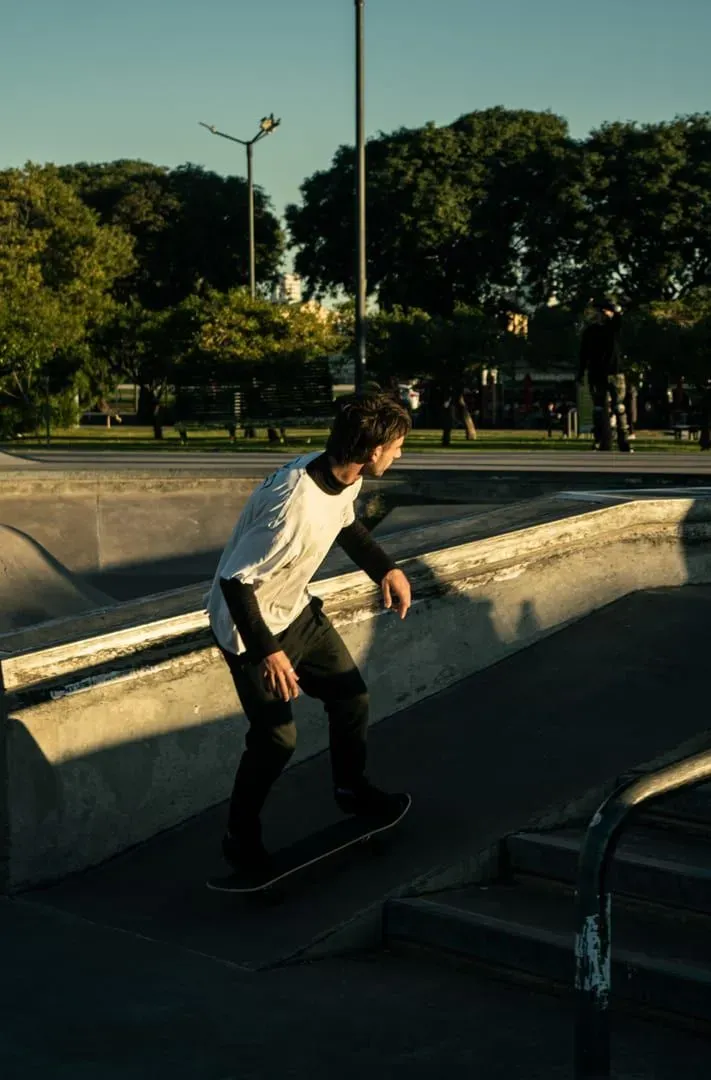
The people riding are mostly teenagers, split fairly evenly between Thai kids from Samui families and the children of long-term expat and digital-nomad residents. A local child near a resort or condo development often has a board because a parent bought one, not because a scene recruited them; the same goes for the handful of foreign residents who kept skating after arriving from a country with an actual park. There is no verified club, scheduled practice or named crew to point to — this page will not invent one. What can be said honestly: the group is small enough that regulars recognize each other on sight, and young enough that most of it turns over every few years as families move on or kids age into scooters, motorbikes or nothing at all. Word of a decent spot still travels the old-fashioned way here — someone tells a friend, a friend brings a cousin, and a car park earns a reputation long before it earns a name.
The Surfskate Boom — What’s Left
Thailand went through a genuine surfskate craze in 2020–21, driven by pandemic border closures that kept would-be surfers and travelers on home turf with time and money to spend. Surfskates — boards with a pivoting front truck that mimics a surfboard’s carve — spread fast through Thai cities and beach towns, pushed by brands with a strong domestic following alongside international names like Carver and Thai-founded YOW Surfskates. Samui, already full of surf-adjacent tourists and long-stay residents riding out the pandemic on the island, absorbed its share of that wave. Four to five years on, the clearest trace here isn’t a park — it’s the boards themselves: surfskates bought at the height of 2020–21 enthusiasm, ridden hard for a season, and now parked in villa garages and condo storerooms, occasionally resurrected for a driveway session or sold on secondhand to a new arrival. A handful of boom-era carve parks built elsewhere in Thailand are still running; nothing on that scale ever landed on Samui.
Street Spots — Where to Actually Ride
One confirmed, paid option exists before you go hunting for car parks. 360 Sports Park (31/15 Moo 6 Bophut, a few minutes from Central Festival and Fisherman’s Village) runs Koh Samui’s only pump track — over 500 metres of asphalt rollers and banked turns built for BMX, mountain bikes, skateboards, rollerblades and scooters, confirmed on the park’s own site and matched by an independent Facebook business page. Entry buys a general hourly admission (set at the desk, not published as a fixed THB rate online) that includes one board, bike or scooter rental, with helmets and pads available to rent at the front desk; check 360sportspark.com for current hours and pricing before turning up, since this is a supervised, fee-paying track and not a free skate spot. For the free alternative, street skating on Samui means hunting for the smoothest, flattest concrete the island’s tourism boom happened to pour, then riding it before anyone minds. The most reliable surfaces tend to be modern retail car parks and hotel or condominium forecourts — flat, freshly laid concrete that beats anything on the public road network — usable early morning or late evening before staff, guests or delivery trucks fill them. A courteous rider treats these spots as borrowed, not owned: quiet wheels, no marks on paintwork or curbs, and moving on the moment a security guard or manager objects, since none of this ground was built for skating.
One category is off the table entirely: temple forecourts. The wide, immaculately paved courtyards at temples like Wat Phra Yai look tempting, but they are active places of worship, not plazas — see temple etiquette on Koh Samui for the wider dress-and-behaviour code, which applies just as firmly to what you do with your wheels as to what you wear on your shoulders. The beach roads through tourist strips like Chaweng and Lamai are not an alternative either — narrow, trafficked, and covered in loose sand tracked in from the beach, which turns a smooth-looking stretch into a slide hazard without warning.
What It Costs
Skating the street spots above costs nothing; the one entry fee on the island is at 360 Sports Park’s pump track in Bophut, where a general hourly admission set at the desk includes a board, bike or scooter rental (see Street Spots above). Beyond that paid track, a decent complete board or entry-level surfskate ordered through Lazada or Shopee Thailand typically runs 1,500–4,000 THB (~43–114 USD), delivered to the island in a few days; riders wanting a specific brand or a proper surfskate often buy in Bangkok or Phuket, where dedicated skate shops exist, and bring it back. No skate shop on Koh Samui itself could be confirmed as of September 2026 — no walk-in bearing swap, no professional deck mount, no grip-tape service. In practice, repairs are DIY: a hardware store sells the Allen keys and lubricant, online orders cover replacement bearings and grip tape, and anything more serious (a cracked deck, a stripped truck) usually means ordering a replacement rather than fixing the original.
BMX and Scooters
The same absence of dedicated facilities means BMX riders and kick-scooter kids share almost exactly the same map as skateboarders — the same car parks, forecourts and handful of curbs, at the same early-morning and late-evening hours. Scooters are the more common sight among younger children, cheap and easy for a parent to hand over for an hour; BMX is rarer and tends to belong to slightly older riders who also road or mountain bike Samui’s interior climbs (see cycling on Koh Samui for that side of the wheeled scene). None of these groups has a dedicated track, jump line or pump park on the island, so the crossover is less an organized culture and more a shared shortage — everyone rolling on wheels that aren’t a motorbike ends up at the same handful of spots.
Staying Safe on Hot Concrete
Heat and traffic are the two real hazards, and both are manageable if you plan around them. Concrete surface temperatures on Samui climb well past the 34°C air temperature by late morning, turning grip tape into a griddle for bare skin on a fall — riders who go out do it before 9am or after 5pm, in whatever shade a building or tree line offers, and treat the middle of the day as a wash. Afternoon rain arrives fast and often without warning in the wet season, and wet concrete plus a skateboard is a guaranteed slide, so the same early-or-late window that avoids the heat also mostly avoids the rain. The ring road is never an option — Route 4169 has no shoulder or pavement in most stretches, and a steady stream of scooters and trucks gives a skateboard no room at all (see motorbike culture and the road reality for why the same road already worries cyclists and riders on two motorised wheels).
A helmet is non-negotiable, not a suggestion — a fall onto Samui’s rougher concrete at any speed can mean a head injury with the nearest serious trauma care 20–30 minutes away by taxi. Wrist guards are worth the mild dorkiness: a wrist takes the fall reflex almost every time, and a fractured wrist at a private hospital here — an X-ray, a cast, no surgery — commonly runs into the tens of thousands of THB, climbing past 100,000 THB (~2,857 USD) if surgery or an overnight stay is needed; see hospital costs on Koh Samui for the fuller breakdown. Travel insurance that covers “extreme sports” exclusions should be checked before, not after, a fall — plenty of standard policies quietly exclude skateboarding injuries the same way they exclude scooter accidents.
FAQ
Is there a skatepark on Koh Samui?
No skatepark with ramps or a bowl could be confirmed operating on Koh Samui as of September 2026. The closest confirmed facility is 360 Sports Park’s pump track in Bophut — a paid, 500-metre asphalt track open to skateboards, BMX and scooters, not a free skatepark. Outside that, riders use car parks, hotel forecourts and other flat concrete — treat any other online claim of a “Samui skatepark” with caution and verify before planning a trip around it.
Where can I buy a skateboard on Koh Samui?
No dedicated skate shop on the island could be confirmed. Most riders order online through Lazada or Shopee Thailand, or buy in Bangkok or Phuket, where skate-specific shops exist, and bring the board over. Basic complete boards run roughly 1,500–4,000 THB (~43–114 USD).
Can I skate the ring road?
No. Route 4169 has no shoulder or pavement for most of its length and carries constant scooter and truck traffic — it is dangerous for cyclists and unrideable for a skateboard. Keep to car parks, forecourts and other traffic-free concrete instead.
Is it okay to skate at a temple?
No. Temple forecourts are active places of worship, not public plazas, and skating on them is disrespectful regardless of how empty or smooth they look. See temple etiquette on Koh Samui for the full behaviour code.
What does a broken wrist cost to treat on Koh Samui?
A private-hospital visit for a fractured wrist — X-ray and cast, no surgery — commonly runs into the tens of thousands of baht, and can exceed 100,000 THB (~2,857 USD) if surgery or an overnight stay is required. See Koh Samui hospital costs for the full pricing picture and insurance advice.
Do BMX riders and scooter kids skate the same spots?
Yes, largely. With no dedicated park or track for any of the three, BMX riders, scooter kids and skateboarders end up sharing the same small set of car parks and forecourts, usually at the same early-morning or evening hours when the concrete has cooled.
Turning Up
There is no scheduled meetup, club night or fixed crew to show up to — that would be inventing a scene this page has tried hard not to invent. What a visiting or new-resident skater can actually do is scout quietly: check a hotel, condo or retail car park near where you’re staying in the cool hours before 9am or after 5pm, bring a helmet and wrist guards, and expect to skate alone or with whoever else happens to be out rather than a group waiting for you. If a real skatepark or a regular meetup does take root on the island, it will most likely start exactly this way — a few riders finding the same spot often enough that it becomes one by habit, not by plan.
Published on
About the author

Mike Brochlowski
Travel photographer & writer
Travel photographer and island explorer. Mike has spent years documenting Southeast Asia's hidden gems, from secluded beaches to jungle waterfalls.
Articles by Mike →More in Island Life
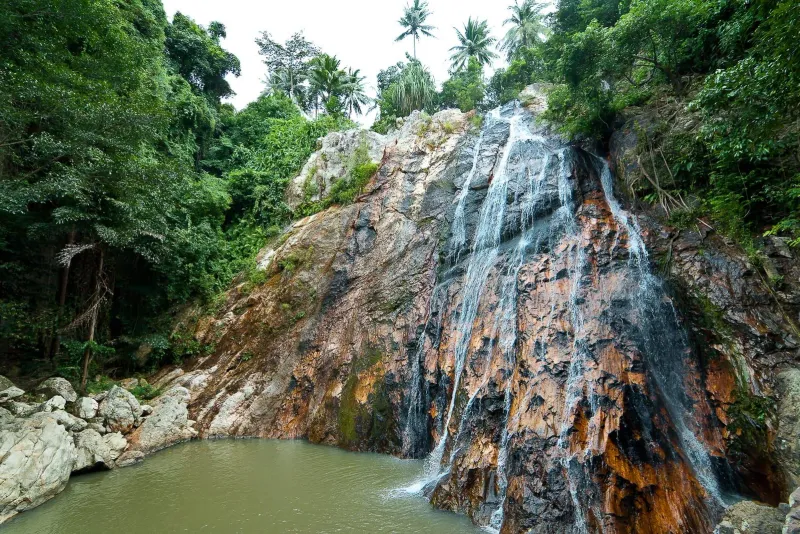
Na Muang Waterfalls — Samui's Purple Cascades and Jungle Pools
Explore Na Muang Waterfalls on Koh Samui — the accessible 18m Purple Waterfall with its swimming pool and the 80m jungle trek to the isla…
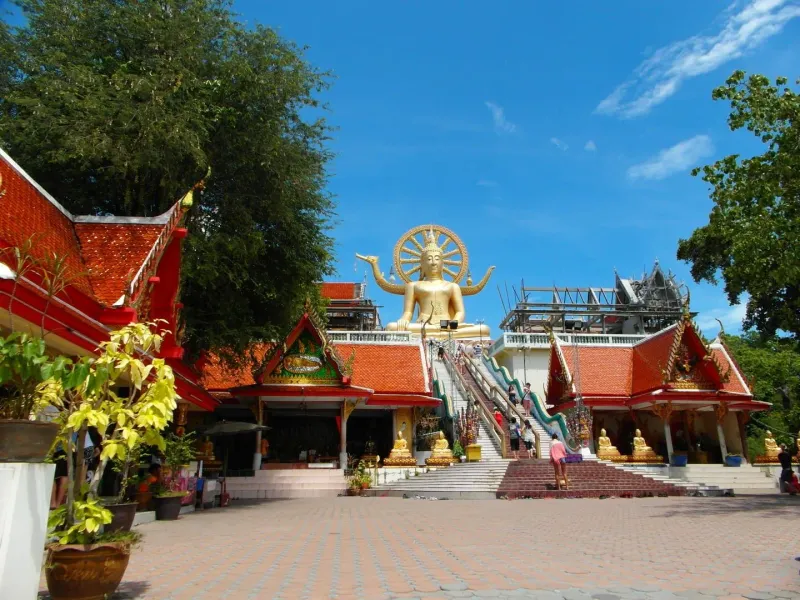
Wat Phra Yai — Big Buddha Temple on Koh Samui
Visit Wat Phra Yai (Big Buddha) on Koh Samui: a 12-meter golden Buddha, naga staircase, panoramic views, and market stalls.
Apirom Viewpoint — Koh Samui's Closed Hillside Lookout Above Ban Tai
Apirom Viewpoint: a ~304m hilltop lookout inland of Ban Tai, Koh Samui, its restaurant closed since the pandemic but the hillside track s…