Contents
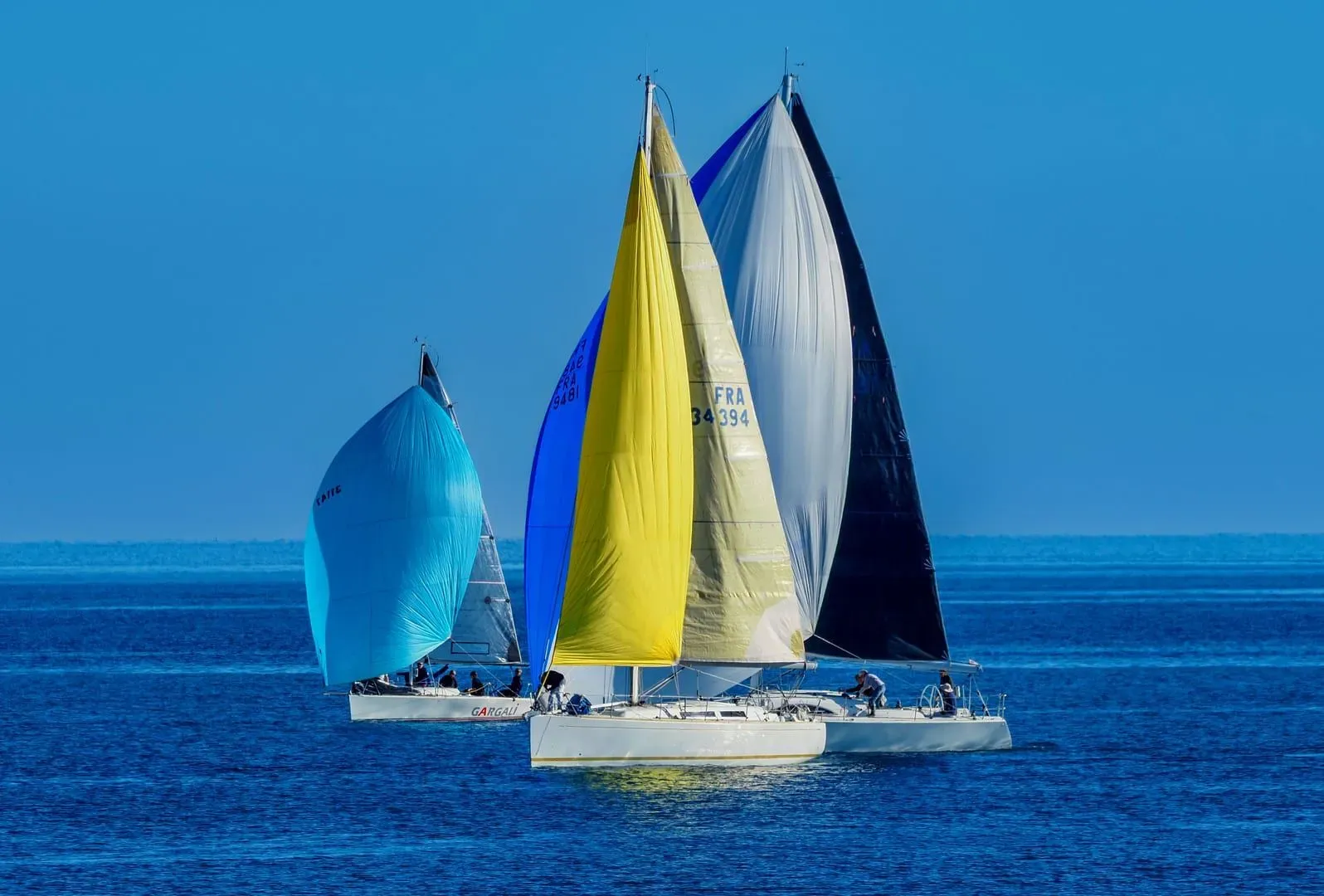
You do not need to own a boat, or know anyone who does, to spend a week on the Gulf of Thailand under sail. Skippers moving yachts between Samui, Koh Phangan, Koh Tao and Ang Thong, or short-handed for regatta week, regularly take on crew who bring nothing but two working hands, a steady stomach and a willingness to do what they’re told at 3 a.m.
Key takeaways
- Crewing means labour for passage, not a paying charter — a good crew member costs a skipper nothing but a bunk and a share of food.
- The Samui Regatta in late May is the single week every boat on the island is short-handed and actively looking for extra crew.
- The Gulf sails best roughly December through April; the northeast monsoon (Oct-Jan, worst Oct-Nov) and southwest monsoon chop (May-Sep) both narrow the comfortable window.
- A lifejacket on deck, a briefed man-overboard drill and a skipper who can show real experience are non-negotiable before you step aboard a stranger’s boat.
- There’s no dedicated marina on Samui itself — crew, deliveries and liveaboards work out of Gulf-side clubs and informal anchorages, not a single storefront.
What This Actually Is
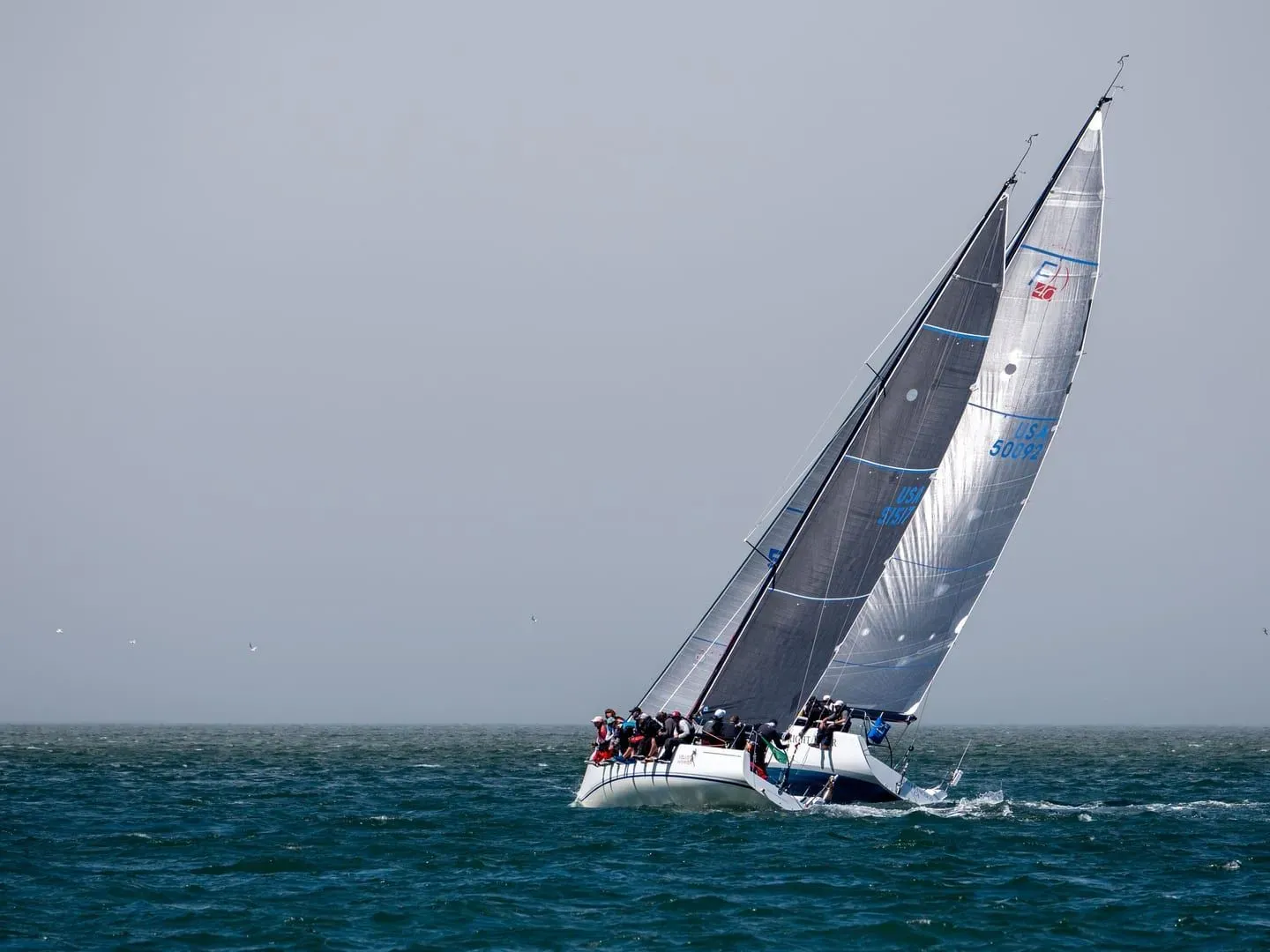
Getting on a boat here means joining someone else’s yacht as working crew, not booking the sunset cruises and day charters most visitors take. Those are paid tours with a professional crew already aboard; this is the informal, word-of-mouth-and-crew-board world where private owners and delivery skippers take on unpaid hands for a passage, a regatta week or a season. Samui sits on the Gulf of Thailand, not the Andaman coast, so it has none of Phuket’s full-service marina infrastructure — no Ao Po Grand Marina or Boat Lagoon equivalent — which makes the island’s sailing community smaller, more improvised, and built around whoever happens to be here and needs a hand.
Who Is In It — Marinas, Clubs and Crew Boards
The people crewing out of Samui split into three loose groups: regatta-week racers who fly in for one event, delivery skippers moving a yacht between Thai and Malaysian waters, and long-stay cruisers based aboard their own boat for a season or more. Samui has no marina of its own; boats anchor off Bo Phut, Big Buddha or Na Thon, or berth at established Gulf-side clubs further afield, such as Ocean Marina Yacht Club and Royal Varuna Yacht Club, both near Pattaya. Online crew boards — findacrew.com and crewseekers.net are the two best known — list Southeast Asia passages alongside everywhere else, and a Facebook search for “Samui sailing” or “Gulf of Thailand crew” during regatta season turns up more short-notice requests than either site does.
How Crewing Works
Crewing is a trade of labour for passage, not a transaction with money changing hands for a seat. A skipper needs hands to stand watches, trim sails, fend off at a pier and cook underway; you need a way onto the water and into a genuinely different community. Listings on a crew board typically state the route, dates, boat size and what experience (if any) is wanted — plenty of coastal hops and regatta slots are explicitly open to complete beginners willing to learn, while ocean passages and deliveries usually want at least one experienced hand aboard. Reply with honesty about your actual sailing hours, not enthusiasm alone; a skipper short-handed in the Gulf still has to trust you at 3 a.m. in a squall.
What It Costs
Crew do not pay a fare, but they are rarely entirely free passengers either. The normal split on an informal crew trip is the boat’s owner or skipper covering fuel, mooring and the boat’s own costs, while crew chip in for the shared food and drink kitty and their own travel to and from the departure port — confirm exactly what’s expected before you commit, since conventions vary boat to boat and nothing is standardised. A dedicated delivery crew position sometimes pays a day rate for experienced hands on a professional delivery, but that is the exception, not what a first-timer should expect to find.
The Samui Regatta — the One Week Every Boat Needs Bodies
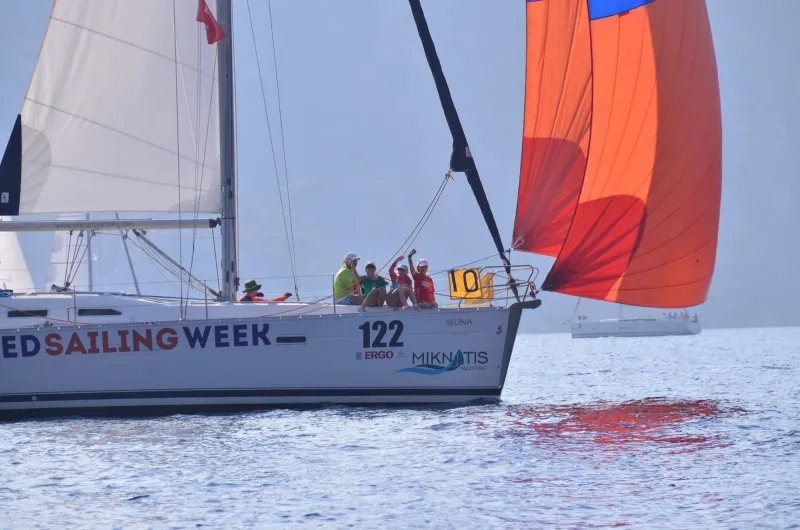
The Samui Regatta is the one fixed week a year when demand for crew on Samui spikes hard. Run at Chaweng Beach in late May by organizer Regattas Asia, the keelboat fleet needs enough hands to race competitively for a week straight, and campaign boats regularly bring in extra crew beyond their core team. Berths are filled mostly through existing sailing club and owner networks rather than open sign-up, so the realistic route in is contacting a Thailand-based sailing club or the regatta organizers ahead of time, sailing experience in hand — some boats will also take a non-racing guest for a day sail alongside the fleet. It is also, by a wide margin, the easiest week of the year to simply be at the right bar and overhear a boat that’s one crew short.
Delivery Trips and the Gulf Passage
A delivery is a yacht being moved from one place to another with no paying guests aboard — an owner relocating a boat, a charter yacht repositioning, or a boat heading to or from a haul-out — and it is where a lot of first-time crew get their start, because delivery skippers value a steady extra hand more than racing polish. From Samui the natural Gulf hops are short: north to Koh Phangan, on to Koh Tao, or south-west to the limestone islands of Ang Thong Marine Park, a crossing of roughly 32km that a cruising yacht covers in a half-day under sail rather than the hour a speedboat tour takes. None of these are ocean crossings — they’re coastal hops in sight of land most of the way — which is exactly why they’re the passages most open to a first-time crew member.
Learning to Sail — RYA, ASA and Dinghy Routes
If you’d rather learn the ropes before crewing someone else’s boat, RYA (Royal Yachting Association) and ASA (American Sailing Association) courses are the two internationally recognised ladders, running from a short dinghy or Competent Crew introduction up through Day Skipper and beyond. Thailand’s dedicated sailing schools and RYA-affiliated centres cluster on the Andaman coast around Phuket, not on Samui itself, so most people based here who want formal certification travel for the course and bring the qualification home. A beginner dinghy course is the cheapest, fastest way to find out whether you actually enjoy being on the water before committing to a multi-day crewing trip.
Liveaboards — the Cruising Community That Overwinters Here
A small, shifting population of long-stay cruisers lives aboard their own yachts in Thai waters through the cooler months, following a familiar seasonal pattern across Southeast Asia’s cruising grounds: settle in for the calmer window, then move on or haul out before the roughest weather returns. Samui’s own anchorages see some of this traffic, mostly boats pausing between Malaysia, the upper Gulf and Thailand’s east coast rather than a fixed home fleet, and the community is loose enough that meeting them usually means being at the right anchorage bar rather than following any club calendar. Liveaboards are frequently the best source of an actual crew berth, since a boat sitting for weeks or months is far more likely to need help with a specific passage than a boat that never leaves its mooring.
What a Watch Actually Asks of You
Crewing is genuinely different from a day charter, and the difference is what surprises first-timers. Overnight passages run on watches — commonly three or four hours on, the same off, around the clock — so you will be woken to steer or trim sail in the dark on someone else’s schedule, tired, more than once. Seasickness catches experienced sailors as well as beginners on a first rough passage; eat something plain before you feel bad, stay on deck watching the horizon rather than below, and tell the skipper early rather than trying to push through it alone. A 30-40 foot yacht sleeping four to six people has no private space and one small heads (toilet) shared by everyone, so basic etiquette — stow your gear small, do your watch’s washing-up, don’t monopolise the shower water, ask before touching another person’s kit — is what actually determines whether a skipper invites you back.
Checking a Skipper Before You Step Aboard
A boat is not a taxi, and stepping onto a stranger’s yacht deserves the same scrutiny as getting in a stranger’s car, if not more. Ask directly about the skipper’s certification and sea-miles logged, whether the boat carries a lifejacket for every person aboard and a working VHF radio, and whether they run a man-overboard drill before departure — a skipper who bristles at these questions is the answer in itself. On deck, always clip on a lifejacket in rough weather or at night, keep clear of the boom’s swing path when the boat tacks or gybes (an unannounced boom sweeping across the deck is a leading cause of injury on sailboats), and confirm your travel insurance actually covers crewing on a private yacht before you fly, since many policies treat it as an excluded activity rather than ordinary travel. Where a skipper’s experience or the boat’s safety gear can’t be confirmed, the honest answer is to find a different boat, not to hope for the best.
FAQ
Do I need sailing experience to crew a boat from Samui?
No — many coastal hops and regatta slots explicitly welcome complete beginners willing to learn, though ocean passages and deliveries usually want at least one experienced hand aboard. Be honest about your actual hours on the water when you apply; a skipper needs to trust your word at 3 a.m. in a squall.
Who pays for fuel and food on a crew trip?
Convention, not law: the boat’s owner or skipper usually covers fuel, mooring and running costs, while crew chip in for the shared food and drink kitty and their own travel to the departure port. Always confirm the exact split before you commit, since it varies boat to boat.
When is the best time to sail the Gulf of Thailand near Samui?
Roughly December through April sails calmest, sitting between the northeast monsoon (October-January, worst in October-November) and the southwest monsoon’s afternoon chop (May-September). Expect at least one weather-affected day on any Gulf passage outside that window.
Is the Samui Regatta the easiest way to find a crew spot?
It’s the single week with the highest concentration of short-handed boats, run at Chaweng Beach in late May. Berths mostly go through existing sailing club and owner networks, so contacting a Thailand-based sailing club ahead of the event, sailing experience in hand, is the realistic route in.
What should I pack for a multi-day crewing trip?
Non-marking soft-soled shoes, quick-dry clothing, a warm layer for night watches even in the tropics, motion-sickness medication taken before you feel unwell, a headtorch, and as little luggage as possible — a soft duffel bag stows far better on a small yacht than a hard suitcase.
Is crewing on a private yacht covered by travel insurance?
Not automatically. Many standard travel policies exclude crewing or working passage on a private yacht as a listed activity, separate from cover for a paid charter, so read the policy wording or call the insurer before you fly rather than after something goes wrong.


Turning Up
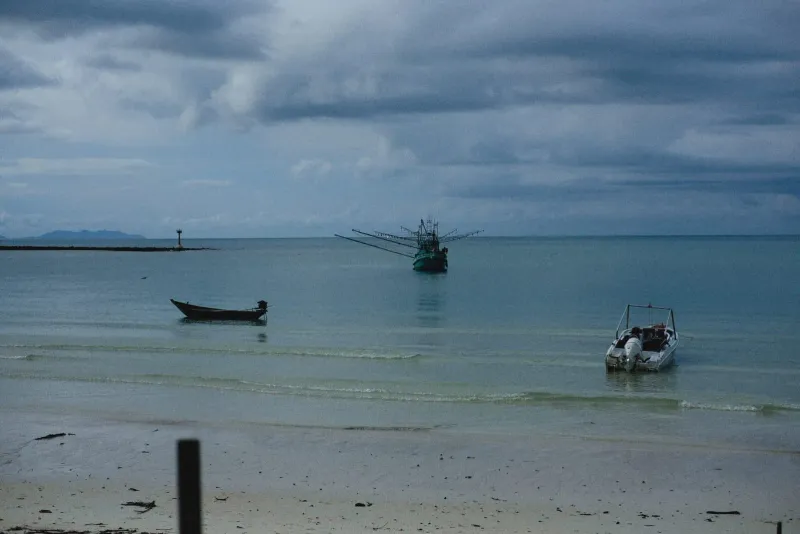
There’s no clubhouse door to walk through on Samui itself — turning up here means checking findacrew.com and crewseekers.net for Gulf of Thailand listings, watching for Samui-tagged sailing groups on social media as May approaches, and asking directly at any anchorage where a cruising boat is sitting for more than a few days. The Samui Regatta in late May remains the single most reliable date on the calendar for finding a boat that genuinely needs you. Whatever the route in, the same rule holds every time: check the skipper and the safety gear before you check the itinerary. For everything else happening on the island’s sporting calendar, see the Koh Samui sport year.
Published on
About the author

Mike Brochlowski
Travel photographer & writer
Travel photographer and island explorer. Mike has spent years documenting Southeast Asia's hidden gems, from secluded beaches to jungle waterfalls.
Articles by Mike →More in Island Life

Na Muang Waterfalls — Samui's Purple Cascades and Jungle Pools
Explore Na Muang Waterfalls on Koh Samui — the accessible 18m Purple Waterfall with its swimming pool and the 80m jungle trek to the isla…

Wat Phra Yai — Big Buddha Temple on Koh Samui
Visit Wat Phra Yai (Big Buddha) on Koh Samui: a 12-meter golden Buddha, naga staircase, panoramic views, and market stalls.
Apirom Viewpoint — Koh Samui's Closed Hillside Lookout Above Ban Tai
Apirom Viewpoint: a ~304m hilltop lookout inland of Ban Tai, Koh Samui, its restaurant closed since the pandemic but the hillside track s…