Overview
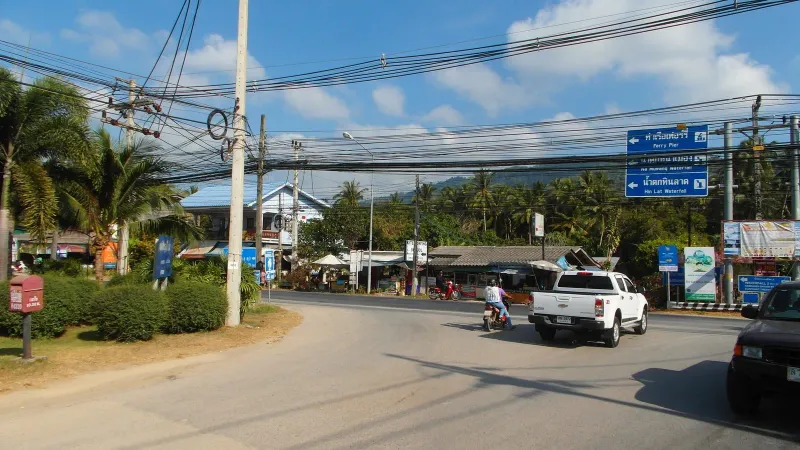
Hua Thanon Beach (หาดหัวถนน) sits on the southeast coast of Koh Samui, about 5 minutes south of Lamai. It is not a resort beach. It is a working Muslim fishing village where locals have hauled in the day’s catch for generations. Visitors come for a different reason than sunbathing: colorful longtail boats lined up on the sand, a genuine seafood market, a Neo-Mughal mosque, and a slice of island life that predates tourism by centuries.
The village stretches roughly 1.5 km along the Ring Road (Route 4169), between the temple known locally as the Red Temple at its northern end and a working boat-parking area to the south. Hua Thanon is one of the oldest settlements on Koh Samui and remains predominantly Muslim, a minority community on a majority-Buddhist island that has quietly supplied much of Samui’s seafood for generations.
Samui International Airport is about 20-25 minutes north by road. Chaweng is roughly 20 minutes away, and Lamai’s main strip is a 5-minute drive or a 20-minute walk. This makes Hua Thanon an easy half-hour detour for anyone staying on the east or southeast coast who wants to see a side of Koh Samui the brochures rarely show.
History: A Muslim Fishing Village
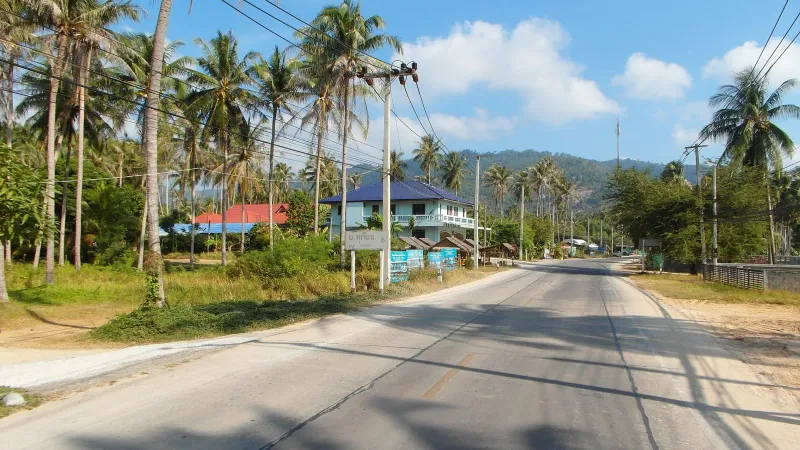
Long before Koh Samui had an airport, resorts, or a ring road, Hua Thanon was already a fishing settlement. Local accounts and the island’s own oral history place it among the oldest communities on Samui, founded by Muslim fishing families (many with roots tracing back to Malay and southern Thai seafaring traditions) who chose this stretch of the southeast coast for its access to good fishing grounds.
While the rest of the island shifted its economy toward tourism from the 1980s onward, Hua Thanon largely stayed the course. Its residents kept fishing, kept trading catch at the local market, and kept their mosque, their dress, and their halal food culture intact. The result today is a village that looks and feels distinct from anywhere else on Koh Samui: a genuine cultural enclave rather than a recreated one for visitors.
This is also why guidebooks are careful to frame Hua Thanon correctly: it is a living, working village, not an attraction built for tourists. The seafood you see being unloaded is headed for restaurants and markets across the island, not staged for photographs. That authenticity is exactly what draws culturally curious travelers to make the short trip south from Lamai. See the Wikipedia entry for Hua Thanon for a concise background on the village and its mosque.
The Beach: Sand, Boats and Swimming Conditions
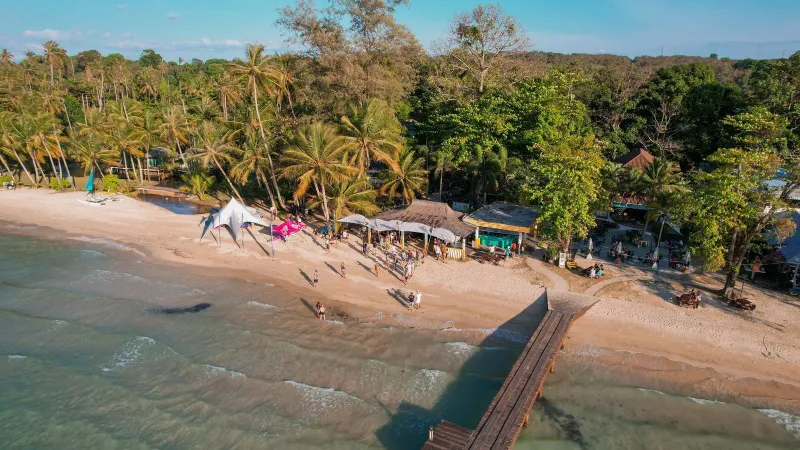
Hua Thanon Beach itself runs about 1.5 km along the coast, with only 40-50 metres of space between the Ring Road and the sea in most sections. The sand is a mix of fine grey grains and coarser brown pebbles, quite different from the powder-white sand of Chaweng or Choeng Mon further north.
This is important to set expectations correctly: Hua Thanon is not a swimming beach. The shoreline near the boat-parking areas can carry the debris of a working fishing port: rope, fish scraps, and litter are more common here than on Samui’s resort beaches. The safest and cleanest place to wade in is near the boulders at the beach’s northern section, closer to the Red Temple.
Water conditions
- Water entry is complicated by scattered stones, seaweed, and an exposed coral seabed at low tide: water shoes are strongly recommended if you plan to wade in.
- Swimming is only moderate at best, and paddleboarding or snorkeling are not realistic activities here.
- High season (December-March) brings calmer seas; the seabed is more forgiving away from the working boat zones.
- There are no lifeguards anywhere along this stretch.
If you are looking for a swim, treat Hua Thanon as a cultural stop on the way to or from Lamai, then head back to Lamai Beach or further north for actual beach time.
The Fish Market and Fishing Fleet
The heart of a visit to Hua Thanon is the Hua Thanon Fish Market, a short walk from the Ring Road toward the water. This wet market plays a genuinely important role in Koh Samui’s food supply chain: much of the seafood served in restaurants across the island passes through here first.
Arrive in the early morning, roughly 6:00-9:00 AM, to see the market at its most active: fishermen returning with the night’s catch, traders haggling over prices, and stalls stacked with fresh fish, squid, crab, and prawns still glistening from the sea. By mid-morning the crowds thin and much of the catch has already moved on to buyers.
The fishing fleet
Lined up along the sand are Hua Thanon’s longtail boats: hand-painted in bright reds, blues, and yellows, each one slightly different. This is one of the last places on Koh Samui where a traditional fishing fleet of this size still operates daily, rather than existing mainly for tourist photo-ops or sunset charters. Photographers and culturally curious travelers often rate this as the single best reason to visit.
- Best time to see the boats out and colorful: early morning, when boats return from overnight trips
- Best time for market activity: 6:00-9:00 AM
- What not to expect: a polished, tourist-oriented market. Bring cash, expect some noise and strong smells, and treat vendors’ workspace with respect
Koh Samui Central Mosque
A short distance from the market stands the Koh Samui Central Mosque (also known as Masjid Nurul Ihsan), built in 1984 in a Neo-Mughal architectural style with domes and minarets that are unmistakable against Samui’s usual mix of Buddhist temple roofs. It serves as the religious and community center for Hua Thanon’s Muslim population and is one of relatively few mosques on an island where Buddhist temples dominate the skyline.
Visitors are welcome to view the mosque from outside and photograph its exterior. As with any active place of worship, dress modestly (shoulders and knees covered) and avoid entering during prayer times unless invited. The mosque is a useful landmark for orienting yourself in the village: the market and boat-parking area sit close by, within a few minutes’ walk. General guidance on visiting mosques respectfully is available from Tourism Authority of Thailand.
Things to Do in Hua Thanon
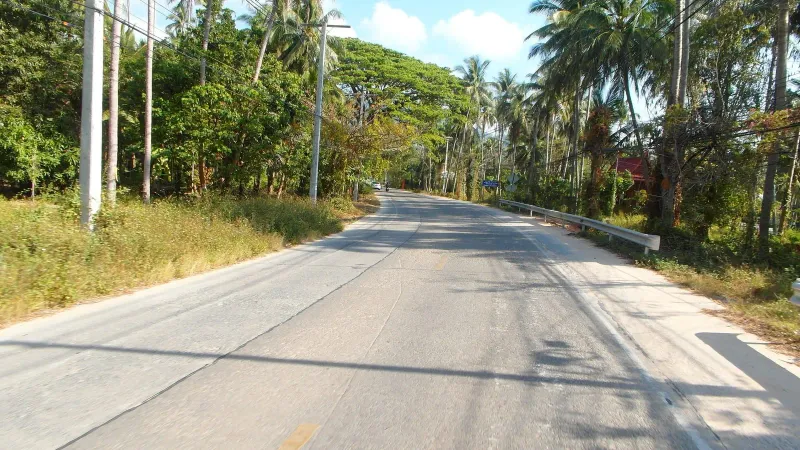
Hua Thanon rewards slow, curious visitors more than checklist tourists. There is no single “must-do” activity beyond walking the village and taking it in, but a few specific things are worth building a stop around.
- Photograph the longtail boats: The single most photographed subject in Hua Thanon, hand-painted hulls in a row against the grey sand, best in soft early-morning light.
- Browse the fish market: Even if you are not buying, watching the trade unfold is a genuine slice of island life. Go early for the most activity.
- View the Koh Samui Central Mosque: A five-minute stop to see the Neo-Mughal architecture up close.
- Eat fresh, cheap seafood: Roadside stalls near the market grill fish, squid, and prawns straight off the boats, some of the freshest and most affordable seafood anywhere on the island.
- Combine with a Lamai day: Since Hua Thanon is only 5 minutes from Lamai, most visitors treat it as a 30-60 minute add-on to a Lamai beach day rather than a standalone destination.
Hua Thanon is best approached as a cultural half-hour, not a beach afternoon: pair it with swimming time at Lamai Beach just up the coast.
Where to Eat
Hua Thanon’s own food scene is built around the market: grilled seafood stalls, simple noodle carts, and halal food reflecting the village’s Muslim community. This is street food territory: cheap, fresh, and unpretentious.
| Type | What to Expect | Price Range |
|---|---|---|
| Market seafood stalls | Grilled fish, squid, and prawns straight from the morning catch | 100-300 THB (~3-8.50 USD) |
| Halal food carts | Curries, roti, and noodle dishes reflecting the local Muslim community | 40-80 THB (~1-2.50 USD) |
| Simple noodle shops | Pad thai, noodle soups, fried rice | 50-80 THB (~1.50-2.50 USD) |
For a wider choice of restaurants (including Thai seafood houses and international bistros), the short drive north into Lamai opens up considerably more options, from beachfront seafood shacks to fine-dining Thai kitchens. Treat a Hua Thanon meal as a quick, authentic snack stop, and save a full sit-down dinner for Lamai or Chaweng.
Nearby Attractions
Hua Thanon’s location on the southeast coast puts several notable Samui sights within a short drive.
Under 10 minutes
- Lamai Beach: 5 minutes north. Samui’s second-largest beach, with the famous Hin Ta Hin Yai rocks, a Sunday night market, and considerably better swimming conditions than Hua Thanon.
- Wat Ratchathammaram (the “Red Temple”): Sits opposite the northern end of Hua Thanon Beach, marking the start of the village stretch.
- Samui Aquarium and Tiger Zoo: A short drive inland, combining a marine animal show with a butterfly garden, a popular family stop near Hua Thanon.
Under 25 minutes
- Wat Khunaram: Home to Samui’s famous mummified monk, displayed in a glass case inside the temple grounds. Roughly 15-20 minutes inland from Hua Thanon.
- Wang Sao Thong Waterfall: A quieter, multi-tiered jungle cascade inland from the southeast coast, reached via the road past Wat Khunaram. Read the full Wang Sao Thong Waterfall guide before heading up: the trail requires sturdy shoes and is best avoided right after heavy rain.
- Chaweng Beach: About 20 minutes north, Samui’s busiest beach and main nightlife and shopping hub, a sharp contrast to Hua Thanon’s quiet, working atmosphere.
Getting There
From Samui Airport (USM)
Hua Thanon is roughly 20-25 minutes south of the airport by road via the Ring Road (Route 4169) through Chaweng and Lamai.
- Airport taxi: 400-600 THB (~11-17 USD), prepaid at the airport counter.
- Grab: Works from most points on the island, though not for airport pickup.
- Rental scooter or car: The most flexible option, since Hua Thanon has no dedicated tour infrastructure of its own.
From other beaches
- From Lamai: 5 minutes by car (~100-150 THB by taxi), or a 15-20 minute walk south along the Ring Road.
- From Chaweng: About 20 minutes by taxi (~300-400 THB) or songthaew.
- From Bophut / Maenam (north coast): 35-45 minutes by car, crossing the island’s east side.
Getting around once there
Hua Thanon village is small and easily walkable: the market, mosque, and boat-parking area are all within a few minutes of each other on foot. There is no formal parking lot; visitors typically pull off along the Ring Road shoulder near the market entrance.
Best Time to Visit
Season breakdown
| Season | Months | Conditions | Rating |
|---|---|---|---|
| Peak / Dry | Dec-Feb | Calm seas, best sea access near the boulders | ★★★★★ |
| Hot | Mar-May | Hot and dry, market still active daily | ★★★★ |
| Inter-monsoon | Jun-Aug | Generally pleasant, occasional showers | ★★★★ |
| Monsoon | Sep - mid-Nov | Rougher seas, boats may stay docked more, muddier village roads | ★★★ |
Hua Thanon-specific notes
- Visit the fish market early morning (6:00-9:00 AM) for peak activity: by noon much of the catch has already sold.
- The boats and the market operate daily, year-round, unaffected by tourist season.
- Southwest monsoon winds (September-November) hit the southeast coast harder than the sheltered north, so avoid planning a beach walk during a storm.
- Because this is not a swimming destination, weather affects the visit far less than it would at a resort beach: a rainy morning still allows for a market and mosque visit under cover.
Practical Tips
Essentials
- Bring cash: Market stalls and food carts do not take cards.
- Wear water shoes if you plan to wade in anywhere: the seabed has exposed coral and stones at low tide.
- Dress modestly near the mosque, especially if visiting during prayer times.
- Respect the working village: this is people’s livelihood, not a photo set. Ask before photographing individuals up close.
- No lifeguards: swim only near the boulders at the northern section, and only in calm conditions.
For families
Hua Thanon is not recommended as a beach destination for young children: the working shoreline, occasional debris, and lack of lifeguards make it a poor swimming choice. It works better as a short, supervised cultural stop combined with a beach day at nearby Lamai.
For culture seekers and photographers
This is Hua Thanon’s strongest audience. The combination of a working fishing fleet, an active wet market, and a Neo-Mughal mosque is a rare cluster of authentic sights within a five-minute walk of each other, and one of the few places on Koh Samui where Muslim culture, rather than Buddhist temple culture, takes center stage.
Who Is Hua Thanon Best For?
| Traveler Type | Fit | Why |
|---|---|---|
| Culture seekers | ★★★★★ | Genuine Muslim fishing village, active market, historic mosque |
| Photographers | ★★★★★ | Colorful longtail boats, early-morning market scenes |
| Foodies | ★★★★ | Fresh, cheap seafood straight from the boats |
| Families with young kids | ★★ | Not a safe or clean swimming beach; better as a brief stop |
| Sunbathers / swimmers | ★ | Go to Lamai or Chaweng instead: this is not a resort beach |
| Day-trippers from Lamai | ★★★★★ | Just 5 minutes away, ideal 30-60 minute add-on |
FAQ
Is Hua Thanon Beach good for swimming?
No. Hua Thanon is a working fishing village beach, not a swimming destination. The sand mixes grey grains with pebbles, the seabed has exposed coral and stones at low tide, and there is debris near the boat-parking areas. The cleanest, safest entry point is near the boulders at the beach’s northern section, and only in calm, high-season conditions.
What makes Hua Thanon different from other Koh Samui beaches?
Hua Thanon is one of Koh Samui’s oldest settlements and remains a predominantly Muslim fishing village, unlike the resort-driven beaches of Chaweng or Lamai. Its draw is cultural: colorful longtail boats, a working seafood market, and the Neo-Mughal Koh Samui Central Mosque, built in 1984.
When is the best time to visit the Hua Thanon fish market?
Early morning, roughly 6:00-9:00 AM, when fishermen return with the night’s catch and trading is at its busiest. By late morning, much of the fresh seafood has already been sold and moved to restaurants and markets elsewhere on the island.
How far is Hua Thanon from Lamai and the airport?
Hua Thanon is about 5 minutes by car south of Lamai Beach, or a 15-20 minute walk along the Ring Road. Samui International Airport is roughly 20-25 minutes north by road via Chaweng and Lamai, costing 400-600 THB (~11-17 USD) by prepaid taxi.
Can non-Muslim visitors see the Koh Samui Central Mosque?
Yes. Visitors are welcome to view and photograph the mosque’s Neo-Mughal exterior. Dress modestly with shoulders and knees covered, and avoid entering the prayer hall during active prayer times unless specifically invited by the community.
Is Hua Thanon worth visiting if I’m staying in Chaweng or Lamai?
For anyone interested in local culture, yes: it is an easy 20-60 minute detour from either beach. Combine it with a Lamai beach day: see the boats and market at Hua Thanon in the morning, then swim and relax at Lamai afterward.
About the author

Mike Brochlowski
Travel photographer & writer
Travel photographer and island explorer. Mike has spent years documenting Southeast Asia's hidden gems, from secluded beaches to jungle waterfalls.
Articles by Mike →Mentioned in Island Life
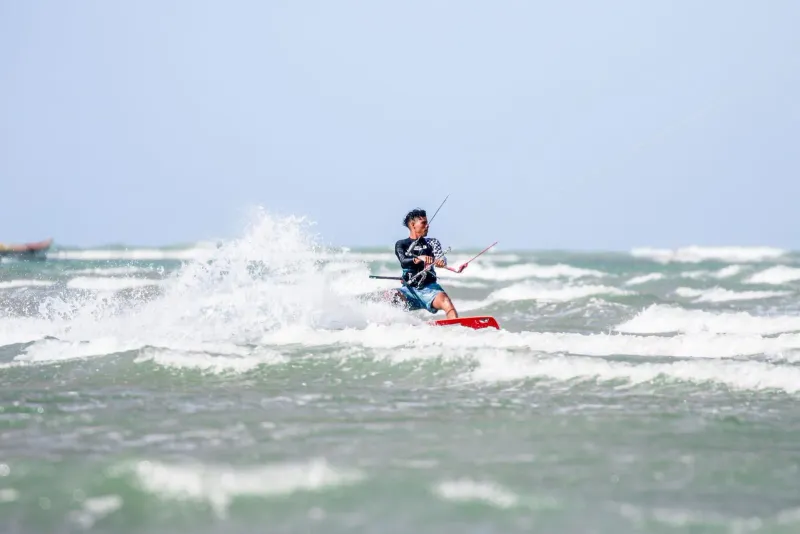
Wake, Cable and Foil: Samui's Flat-Water Board Scene
Cable wakeboarding barely exists on Koh Samui, but wing foiling and e-foiling do: riding the kite crew's calm mornings and seasonal beaches.
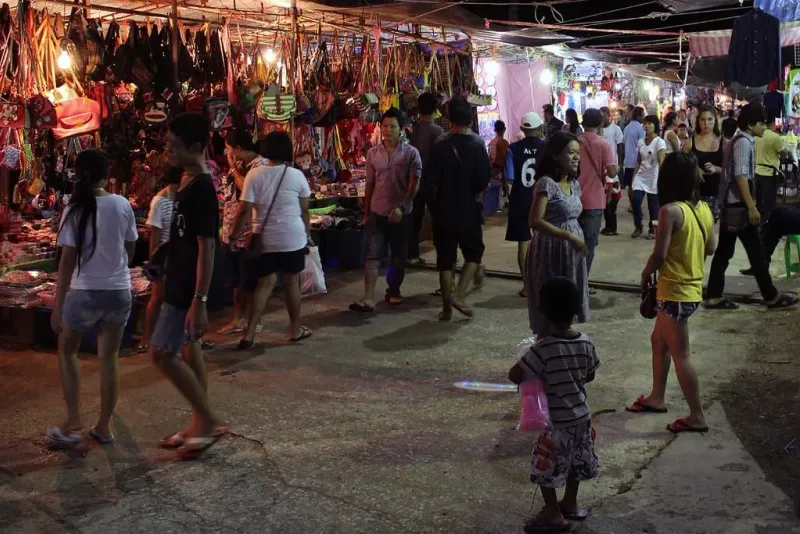
Who Builds and Runs Samui: the Island's Migrant Workforce
Koh Samui's resorts and boats run on Isaan, southern Thai and Myanmar migrant labour: documented legal status, wages and daily life, Sep…
LGBTQ+ Koh Samui: Venues, Cabaret Beyond the Show and Safety
Gay Koh Samui in 2026: Thailand's marriage equality law, the small Chaweng scene, kathoey life beyond the cabaret shows, and honest safet…