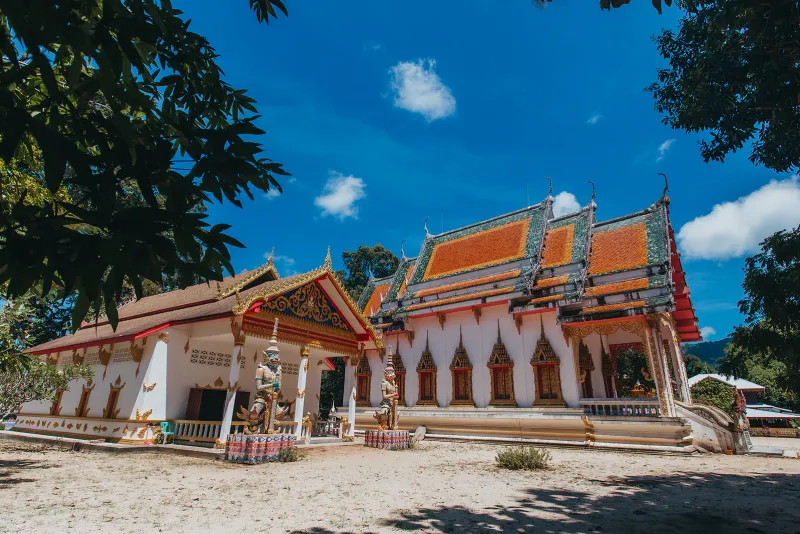
Overview
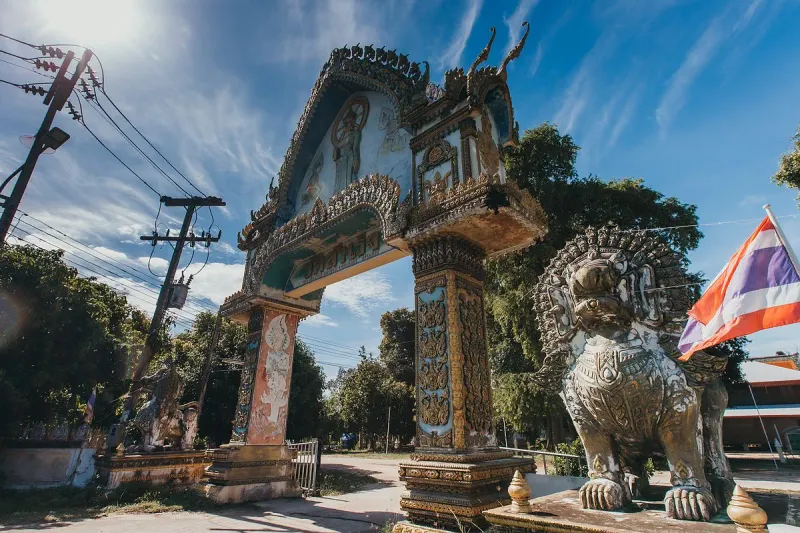
Wat Samret (วัดสำเร็จ) is widely considered to be one of the most authentic and uncommercialized temples on Koh Samui. Located in the island’s southern interior, away from the bustling tourist hubs of Chaweng and Lamai, it offers a glimpse into the traditional spiritual life of the Samui people. Its name, “Samret,” means “success” or “completion,” and it has long been a place where locals come to pray for the fulfillment of their goals.
While it lacks the massive scale of the Big Buddha, Wat Samret is home to some of the island’s most significant religious artifacts, including a solid marble Buddha transported from Burma over a century ago. With its shaded grounds, ancient wooden structures, and a “secret” hall filled with dozens of Buddha statues, Wat Samret is a sanctuary of peace and a must-visit for anyone seeking a deeper connection to Thai culture.
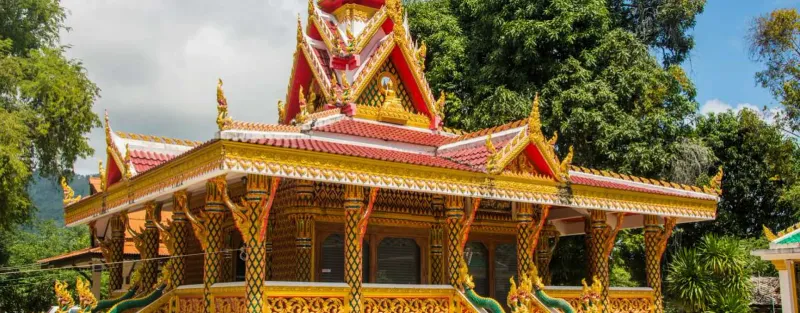
History: A Century of Tradition
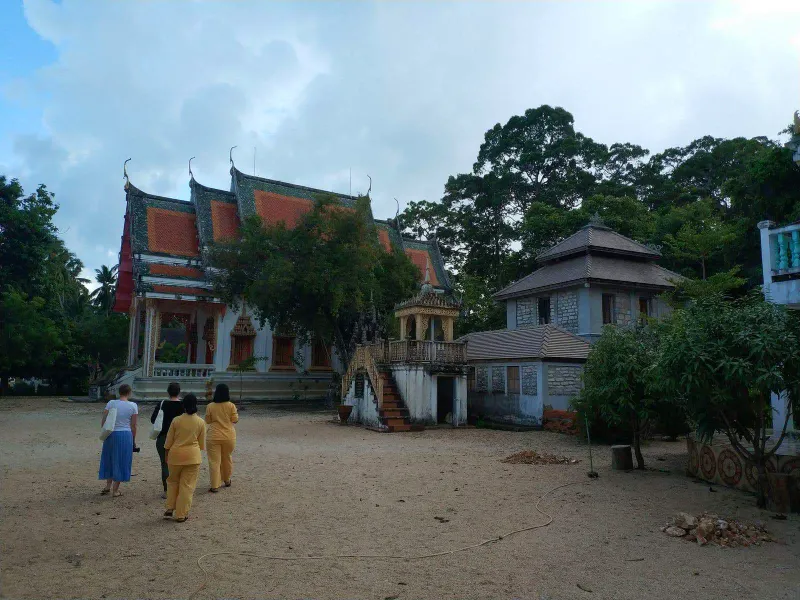
Wat Samret dates back over a hundred years, serving the farming and fishing communities of southern Koh Samui. Unlike many temples that have been extensively renovated with modern materials and bright paints, much of Wat Samret retains its aged, weathered charm.
The temple has always been more of a local monastery than a tourist site. The monks here focus on traditional Buddhist practices and community service. Visiting today feels like stepping back in time, offering a perspective on the island that is increasingly hard to find in the more developed districts.
The Marble Buddha: A Burmese Legacy
The crown jewel of Wat Samret is the Solid Marble Buddha. This exquisite statue is carved from a single block of pure white marble.
- Origin: The statue was crafted in the Mandalay style and was brought to Koh Samui from Burma (Myanmar) more than 100 years ago.
- Significance: It is one of the few solid marble statues of this size in Thailand. The craftsmanship is extraordinarily fine, with the Buddha’s features showing a serene, almost ethereal expression.
- Location: The statue is housed in a small, unassuming pavilion separate from the main ordination hall. You may need to ask a resident monk to open the building if the doors are closed.
The “Secret” Hall of Buddhas
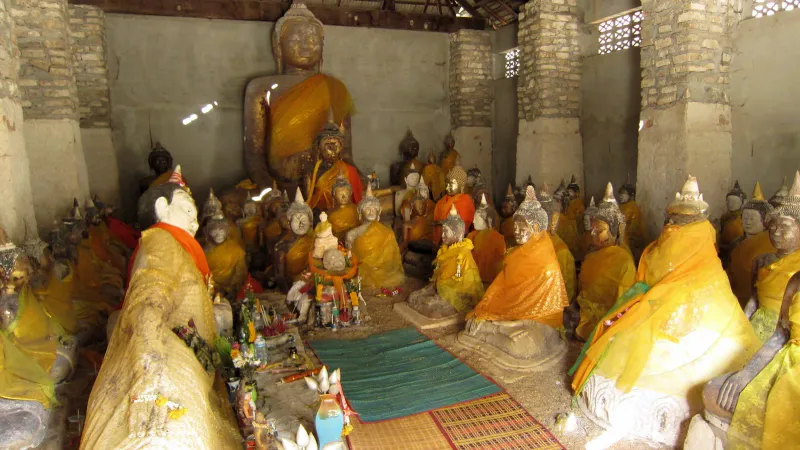
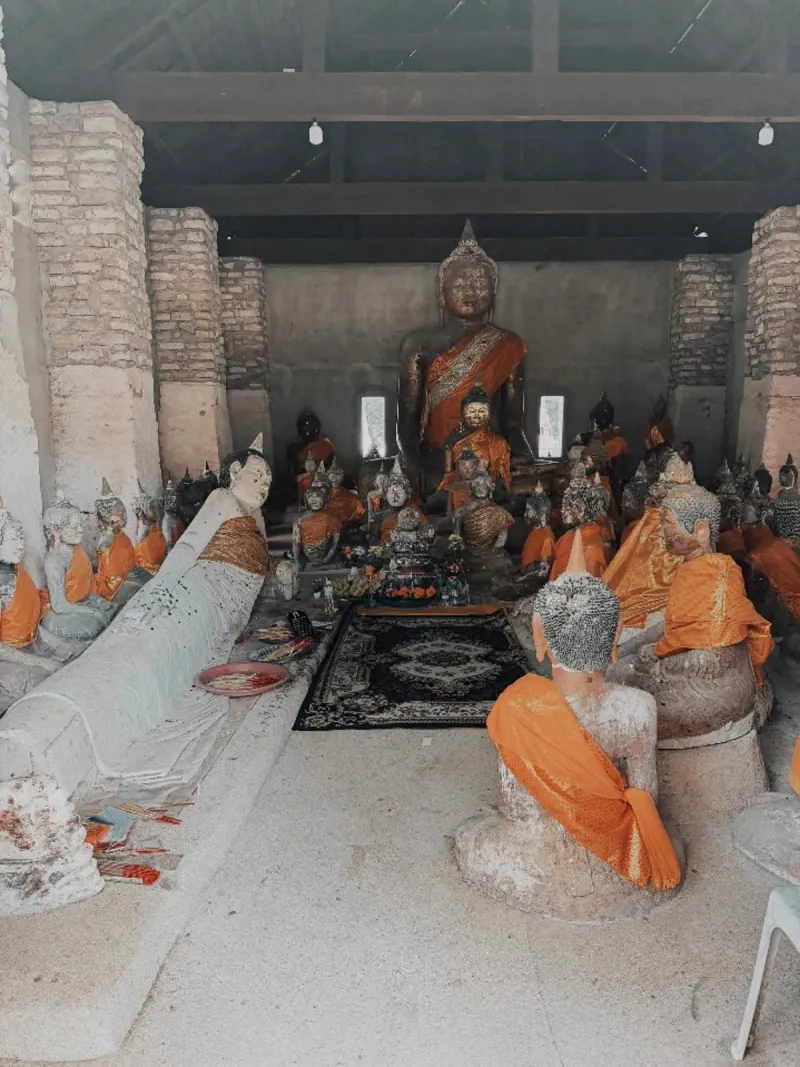
Adjacent to the marble Buddha is a room that many visitors describe as “the most peaceful place on Samui.” This long hall is packed with dozens of Buddha statues of various sizes, styles, and ages.
The collection includes Thai, Burmese, and Chinese-style Buddhas, some covered in gold leaf and others showing the beautiful patina of age. The sheer density of these figures, combined with the scent of old wood and incense, creates an incredibly powerful and meditative environment. It is a rare opportunity to see such a diverse range of Buddhist iconography in one place.
The Golden Reclining Buddha
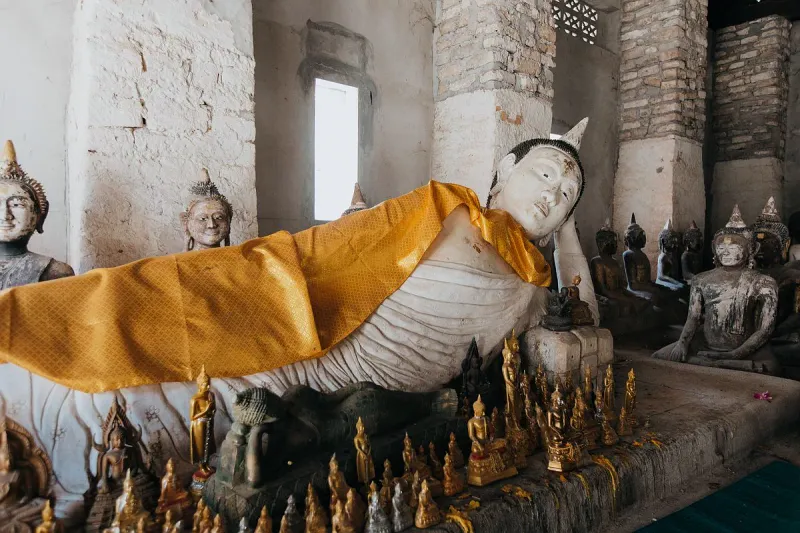
Scattered throughout the temple grounds are various other sacred images. One of the most prominent is a large, golden Reclining Buddha. This posture represents the Buddha during his final illness, just before entering Parinirvana (the final release from the cycle of rebirth). The statue is beautifully maintained and is often draped in fresh orange robes by the local community.
Architecture: Ancient Wood and White Chedis
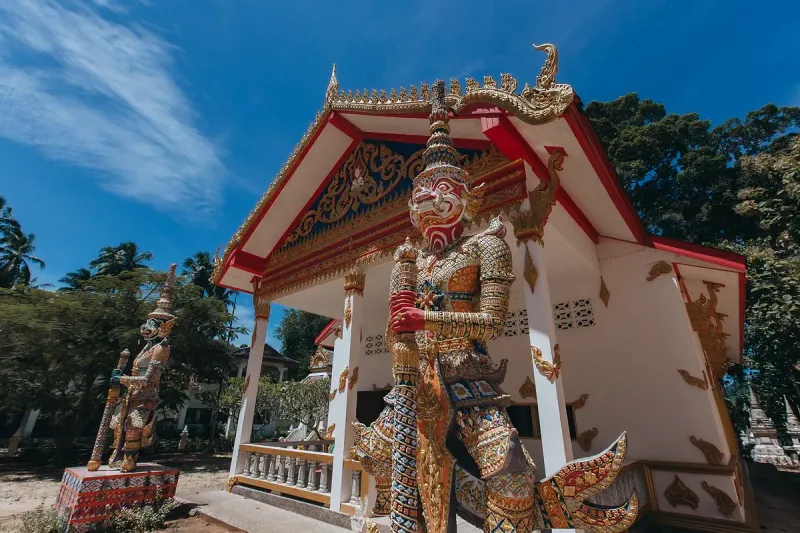
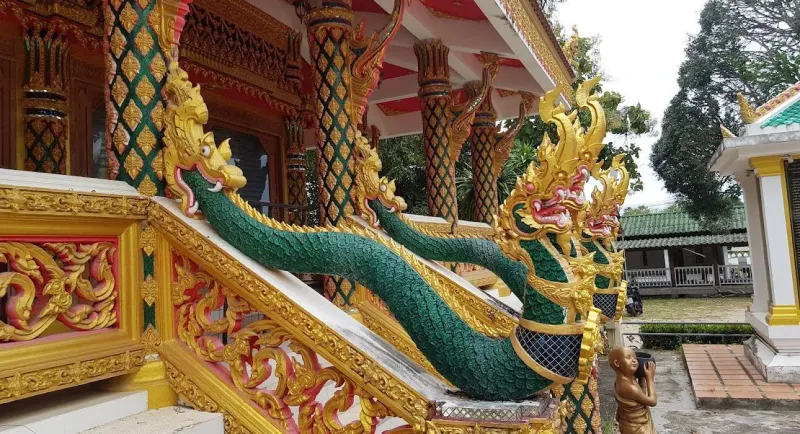
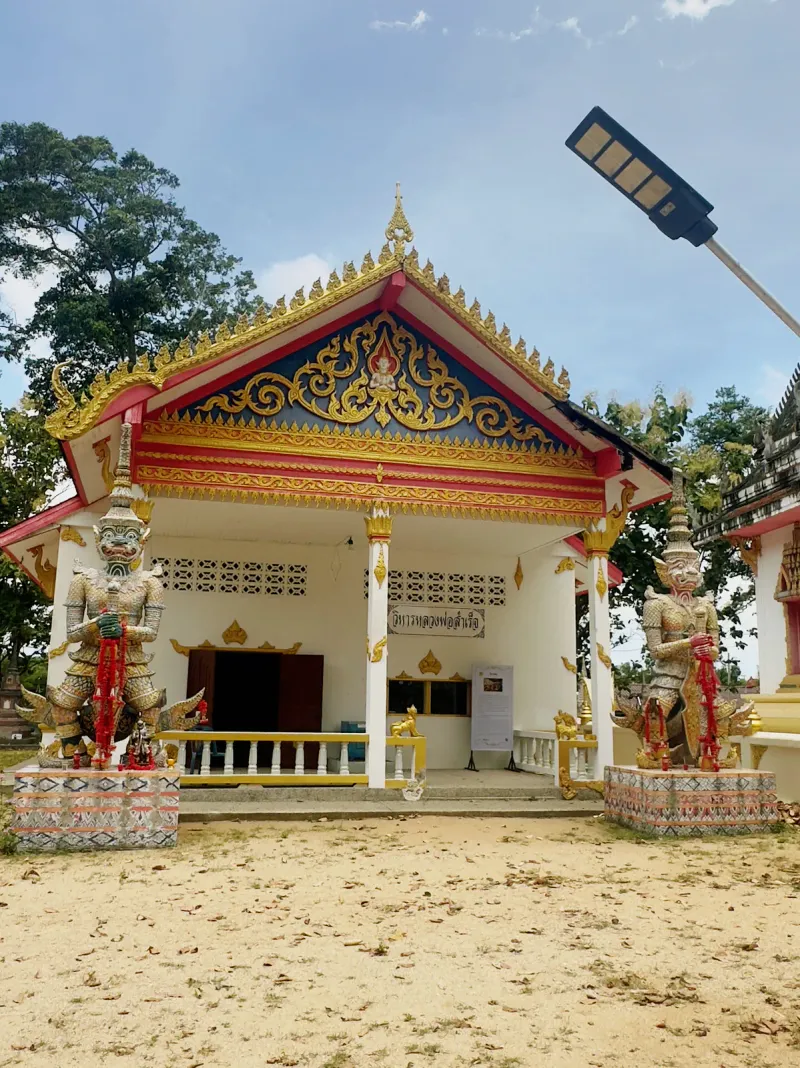
The architecture of Wat Samret is a masterclass in traditional Thai design.
Weathered Woodwork
Look closely at the older buildings, particularly the gables and door frames. You will see intricate, hand-carved woodwork that has been naturally weathered by the Samui sun and rain. This “wabi-sabi” aesthetic is what makes the temple feel so authentic and grounded.
The Main Chedi
A classic white chedi (stupa) stands at the center of the complex. It is a simple, elegant structure that serves as a focal point for ceremonies. Around the base of the chedi, you will find smaller memorials dedicated to former abbots and respected members of the local community.
Activities: Meditation and Merit-Making
A visit to Wat Samret is best enjoyed at a slow pace.
- Silent Contemplation: The Hall of Buddhas is one of the island’s best spots for a few minutes of silent meditation.
- Merit-Making: You can participate in the local tradition of “making merit” by offering incense, candles, and lotus flowers at the various shrines.
- Photography: The temple’s weathered textures and traditional statues provide a wealth of subjects for photographers, especially those interested in cultural and historical themes.
Where to Eat: Southern Samui Eats
Wat Samret is located near the southern Ring Road, giving you access to some of the island’s most authentic Thai food.
| Restaurant | Style | Recommendation | Distance |
|---|---|---|---|
| Khao Hom | Traditional Thai | Yellow Curry | 5 min drive |
| Mum-Aroi | Local Samui | Stir-fry Seafood | 8 min drive |
| Hua Thanon Market | Street Food | Grilled Chicken | 10 min walk |
| Sweet Sisters Cafe | Organic / Healthy | Fusion Salad | 10 min drive |
Nearby Attractions
Wat Samret is ideally situated for exploring the quiet south:
- Wat Khunaram (5 min drive): Home to the famous mummified monk.
- Guan Yu Shrine (5 min drive): A massive Chinese warrior statue.
- Na Muang Waterfalls (10 min drive): Samui’s most spectacular natural falls.
- Hua Thanon Fishing Village: A traditional teak-house village with a vibrant market.
Getting There: The Interior Access
Wat Samret is located about 1.5 kilometers inland from the main Ring Road (Route 4169) in the south.
- By Motorbike/Car: Look for the small sign for “Wat Samret” near the Hua Thanon junction. Follow the road inland; the temple is surrounded by coconut groves and local houses.
- By Taxi: A taxi from Lamai will cost approximately 300 THB (~8.50 USD). Most local drivers know the temple well.
- Parking: There is ample free parking for motorbikes and cars directly inside the temple gates.
Best Time to Visit
The temple is open daily from sunrise to sunset.
| Time | Experience | Rating |
|---|---|---|
| 8:00 AM - 10:00 AM | Coolest air; best for outdoor photography. | ★★★★★ |
| 11:00 AM - 3:00 PM | Ideal for exploring the (shaded) Hall of Buddhas. | ★★★★ |
| 4:00 PM - 6:00 PM | Very peaceful; golden light on the white chedi. | ★★★★★ |
Practical Tips for Visitors
- Dress Respectfully: This is a traditional community temple. Ensure your shoulders and knees are covered.
- Remove Shoes: Before entering the ordination hall or the building housing the marble Buddha, you must remove your shoes.
- Ask for Access: If the building with the marble Buddha is locked, politely ask one of the resident monks if they can open it for you. They are usually very happy to do so.
- Stay Quiet: Many people come here specifically for the silence. Keep your voice low and your phone on silent.
- Donations: Even though entry is free, small donations are vital for the maintenance of these ancient statues and structures.
Who Is Wat Samret Best For?
| Traveler Type | Rating | Why? |
|---|---|---|
| Slow Travelers | ★★★★★ | A perfect place to escape the tourist crowds and just “be.” |
| Culture Seekers | ★★★★★ | The most authentic and diverse collection of Buddhas on the island. |
| Photographers | ★★★★ | Beautiful textures, soft light, and traditional architecture. |
| History Buffs | ★★★★ | One of the best places to see “Old Samui” heritage. |
FAQ
Where is the marble Buddha located? The marble Buddha is housed in a separate, Mandalay-style pavilion near the center of the temple grounds. It is not in the main ordination hall.
Is Wat Samret free to visit? Yes, there is no entry fee. Donations are welcome and help support the resident monks and the maintenance of the temple.
How old is the temple? While exact records are hard to find, the temple is known to be over 100 years old, making it one of the longest-established religious sites on Koh Samui.
Can I take photos inside the Hall of Buddhas? Yes, photography is generally allowed, but please be respectful. Avoid using flash and do not block the path of those who may be there to pray.
Is it difficult to find? It is tucked slightly off the main road, but any GPS or local map will guide you there. Look for the signs near the Hua Thanon junction.
About the author

Migues Ferfumoz
Writer, Koh Samui resident since 2019
Freelance writer and Koh Samui resident since 2019. Migues covers local culture, food, and the best off-the-beaten-path destinations on the island.
Articles by Migues →