Contents
Coral restoration around Koh Samui is real but modest: a handful of nurseries and monitoring programs, concentrated on Koh Tao rather than Samui itself, doing small-scale repair work while the bigger threat — warming seawater — stays outside anyone’s control. A genuine dive-for-good day means certified diving, real monitoring data, and no illusions about scale.
Key takeaways
- Thailand’s reefs have taken repeated mass-bleaching hits since 2010; local nurseries can’t fix the warming that causes them.
- Koh Tao, not Koh Samui, is the Gulf’s coral-restoration hub — Samui’s own reef patches are minor.
- A real program publishes survival data and involves a scientist; a “plant a coral” photo op usually doesn’t.
- Open Water certification is the floor for any hands-on reef work at depth — there’s no safe shortcut.
- Reef-safe sunscreen and staying off the coral matter, but sediment and wastewater from coastal construction do more damage than any single tourist choice.
What This Actually Is
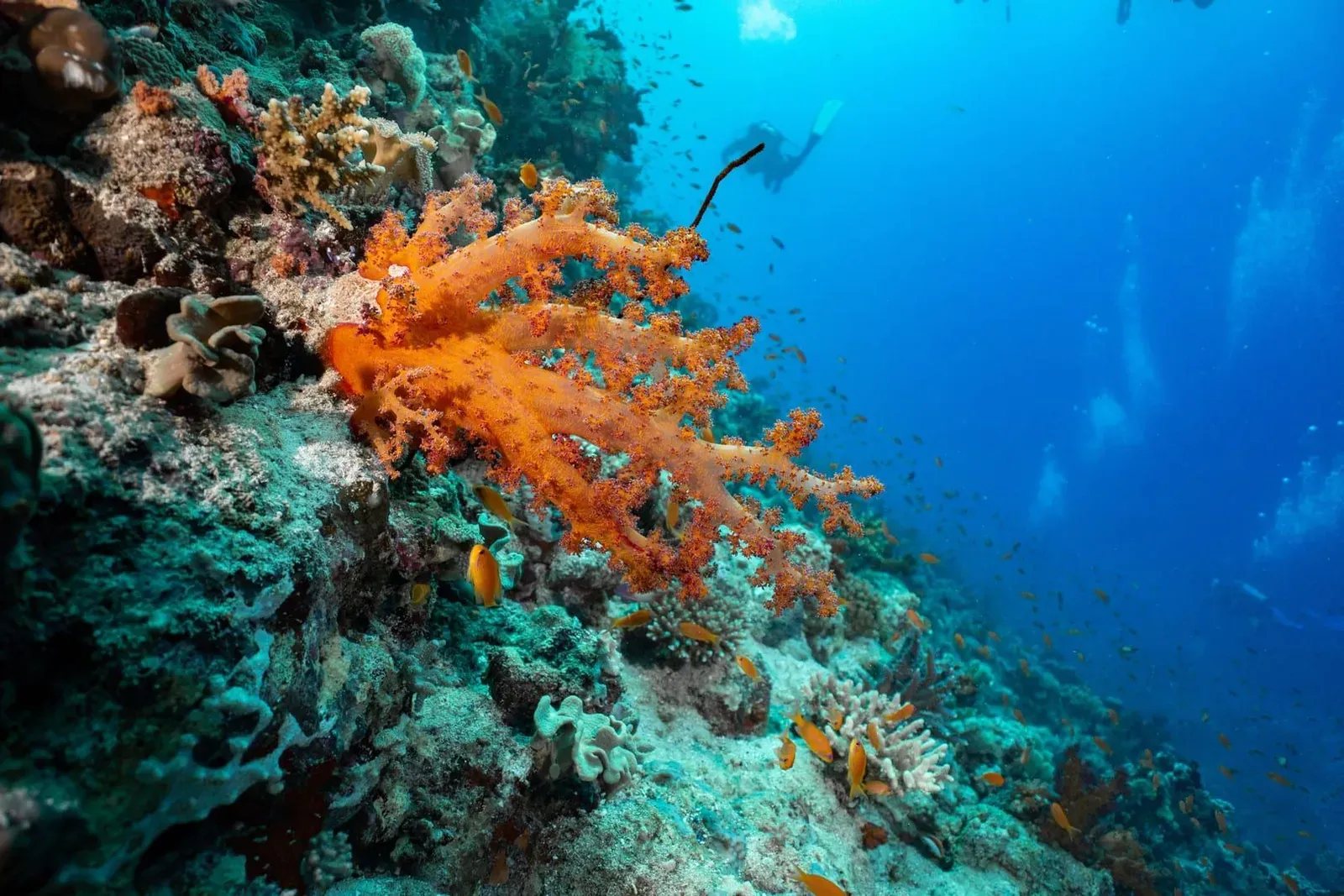
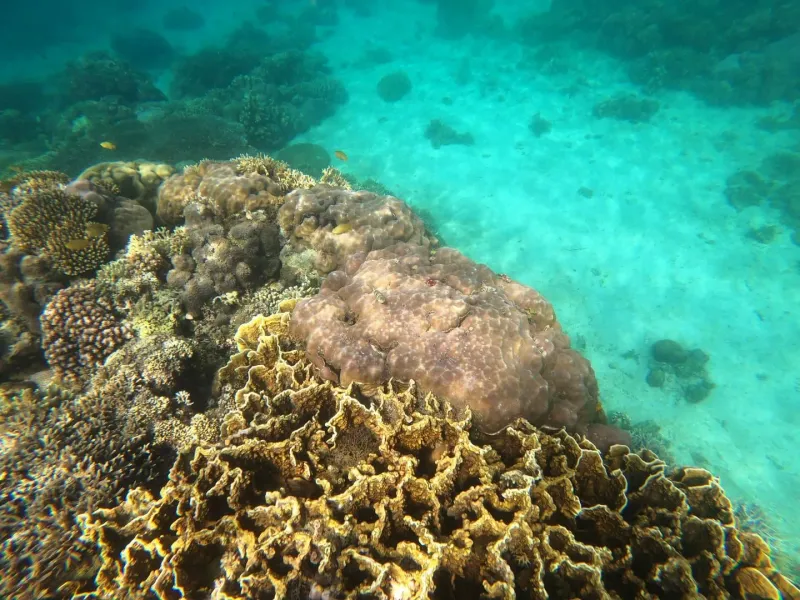
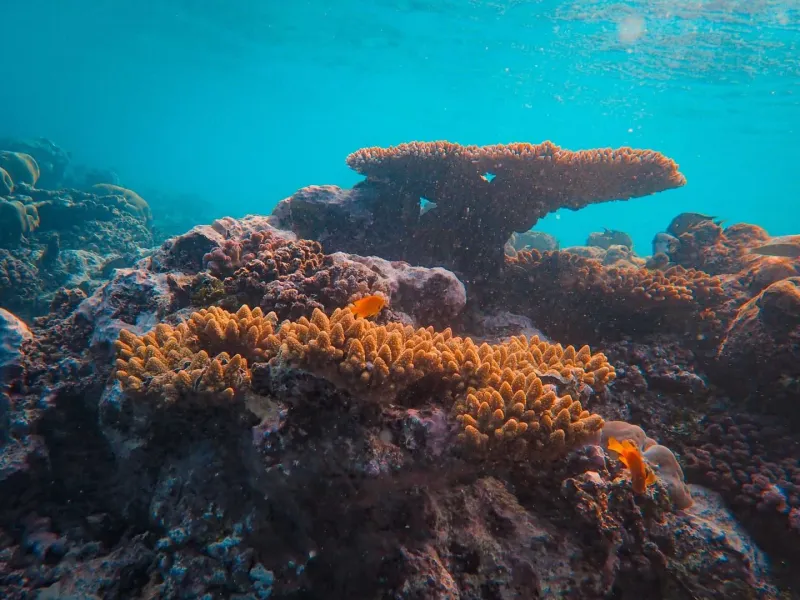
Koh Samui and Koh Tao sit in the Gulf of Thailand, where coral has been hit by repeated mass-bleaching events since 2010 — restoration exists to patch some of that damage, not to reverse the underlying warming. Bleaching happens when sustained high sea temperatures stress corals into expelling the microscopic algae (zooxanthellae) living in their tissue; those algae supply most of a coral’s energy, so a bleached coral is not dead but is starving, and it dies if the heat doesn’t ease in time. Thailand’s 2010 event, tied to a strong El Niño-driven spike in sea-surface temperature, was severe nationwide — on the Andaman side, documented losses reached roughly 70% of coral cover with mortality between 30% and 95% of affected colonies, and Thailand closed a number of dive sites nationally in response. On the Gulf side, the shallow reef flats around Koh Tao lost a large share of coral too, though recovery there was reported as swift. Global bleaching has recurred since — NOAA Coral Reef Watch names 2014–2017 as the longest, most damaging bleaching event on record, and a fourth global mass-bleaching event ran from 2023 into 2025, driven by record sea-surface temperatures, prompting NOAA to add new, more severe alert levels in December 2023.
Heat isn’t the only local problem. Sedimentation from coastal construction smothers coral by blocking light; wastewater and nutrient runoff feed algae that outcompete coral for space; boat anchors and careless fins snap decades of growth in seconds; and outbreaks of coral-eating crown-of-thorns starfish and Drupella snails — both documented around Koh Tao — can strip a reef faster than it can regrow.
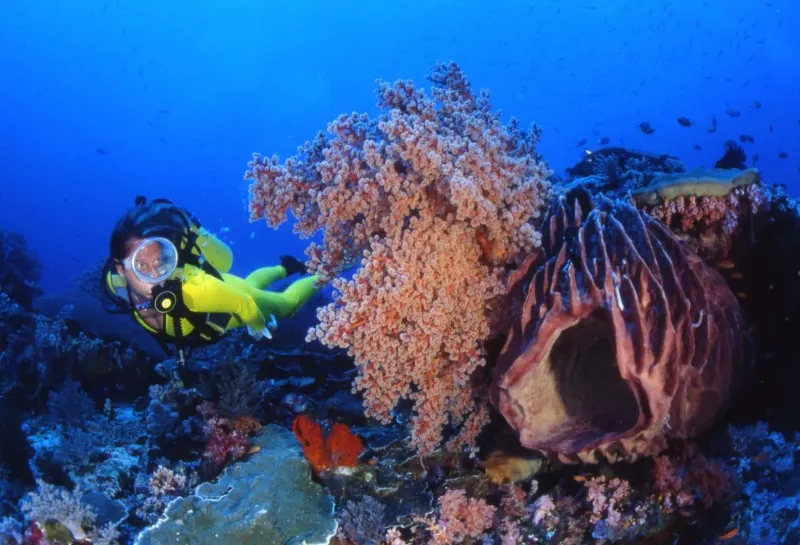
Restoration work responds to the local damage, not the heat. The standard toolkit: fragment-of-opportunity collection (rescuing coral pieces broken off by storms or anchors before they die on the sand), rope or frame nurseries where fragments grow in a controlled, current-fed spot for months before they’re strong enough to move, transplanting the grown fragments onto cleared natural reef or onto artificial structures (concrete blocks, steel frames), and monitoring — repeat surveys that track which transplants actually survive. The honest limits matter more than the hopeful pitch: a nursery is a local, small-scale intervention that does nothing about the sea temperatures that cause mass bleaching in the first place, and a badly run “plant a coral and take a photo” activity — one fragment, one dive, no follow-up survey — can do net harm if it damages a healthy donor colony for a transplant that’s never checked again. Programs with published survival-rate data and a scientist attached have evidence behind them; anything sold purely as a bucket-list photo moment is closer to symbolic.
Who Is In It
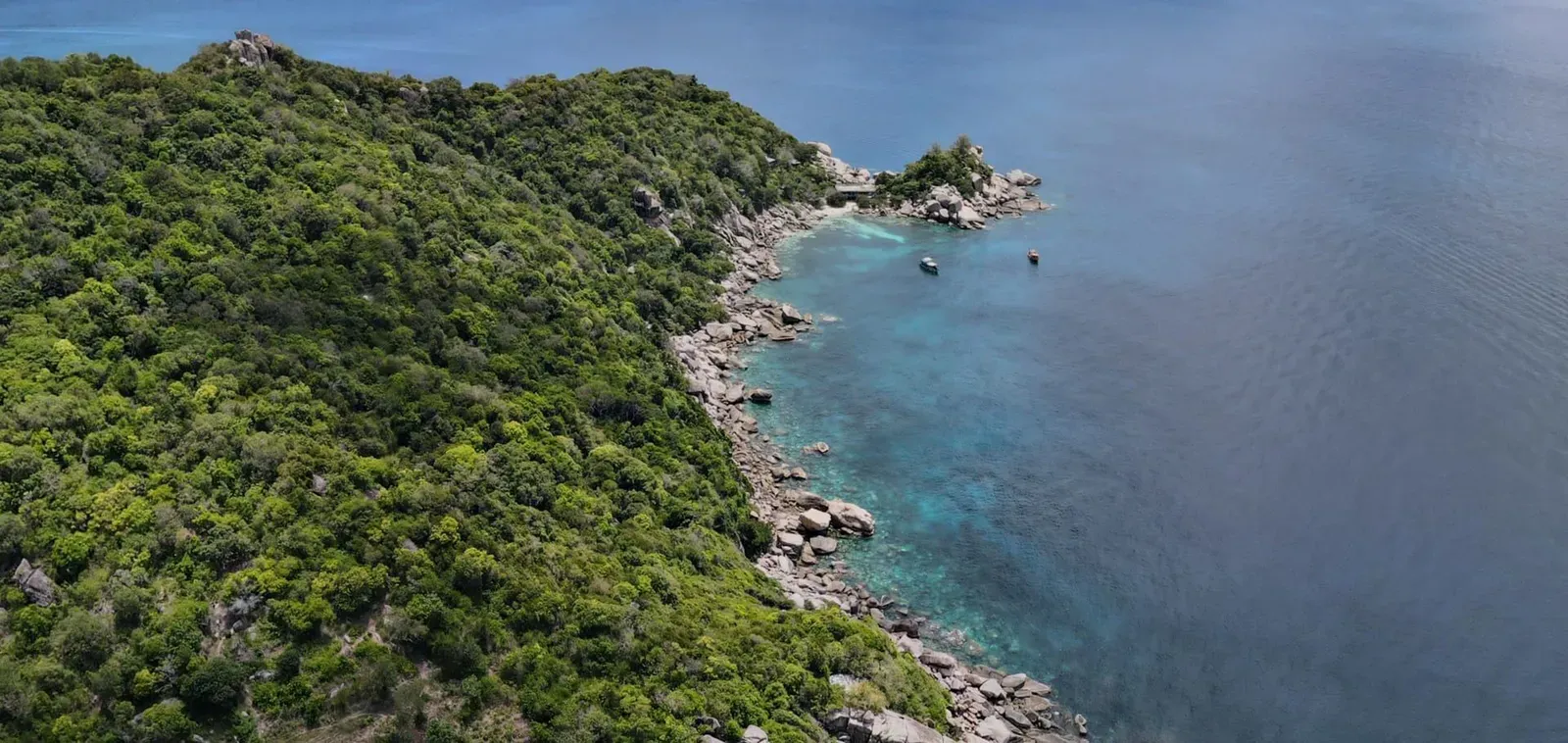
Koh Tao, roughly 60–90 km north of Samui, is the actual centre of Gulf of Thailand coral-restoration work — Samui’s own coastline has only modest, tide-dependent reef patches — Coral Cove on the east coast is the best-known of them — and serious reef science happens on day boats and long-stay courses out of Koh Tao, not from Samui itself. The New Heaven Reef Conservation Program, based at Chalok Baan Kao on Koh Tao and built on the Conservation Diver training framework, runs coral and giant-clam nurseries, reef monitoring, and multi-day Conservation Diver courses; its public schedule (Monday–Friday, lectures plus dive work plus data entry) and active contact channels indicate it is currently operating.
The Reef-World Foundation, which runs the international Green Fins certification for dive and snorkel operators, is a separate, currently active charity; Green Fins sets environmental operating standards (no anchoring on reef, no touching, controlled waste) that a handful of Thailand-based operators are certified against — check an operator’s own site for current Green Fins status rather than assuming it. On Samui itself, several PADI shops listed in our diving guide add a Reef Check-style survey or a reef clean-up dive to their schedule when demand and conditions allow, but we could not confirm a Samui-based operator running its own dedicated coral nursery — that infrastructure is a Koh Tao specialty for now. Thailand’s Department of Marine and Coastal Resources (DMCR) is the national authority: it monitors reef health, issues bleaching advisories, and has closed dive sites during past severe events, alongside its own coral-propagation and monitoring work at parks around the country. At Ang Thong Marine National Park, we could not confirm an active, dedicated coral-restoration program; its marine protection is mostly regulatory — no-anchor rules and ranger patrols that also keep hikers on the marked route up to the Emerald Lake viewpoint — rather than hands-on reef rebuilding, and our Ang Thong guide covers what the park does enforce.
How It Works
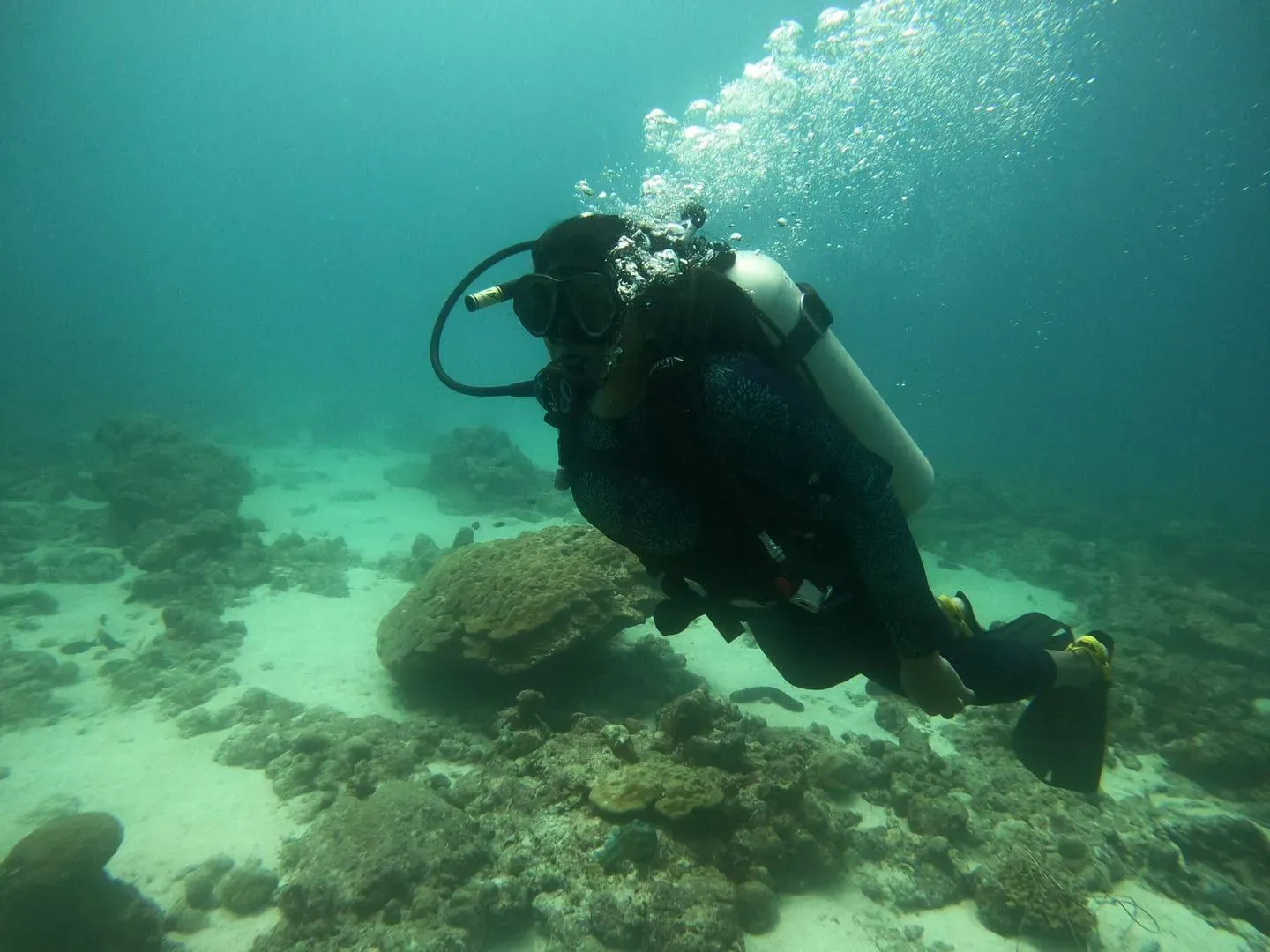
A genuine restoration day is monitoring work with a dive attached, not a dive with a coral prop. Expect a morning briefing on the site and species involved, then dives spent on real tasks: cleaning algae and sediment off nursery frames, checking fragment growth and mortality, tying in new fragments of opportunity, or running a Reef Check-style transect survey and logging fish and invertebrate counts on a slate. Data entry — updating the same spreadsheet the program uses for its published results — is normally part of the day, not an afterthought. None of this is fast or dramatic; a fragment can take a year or more to reach transplant size, and most of the “restoration” a visitor sees is maintenance, not planting.
What It Costs
Costs scale with how long you stay, not with how much coral you touch. A single conservation-focused fun dive or a one-day taster with a nursery program sits roughly in line with a normal two-tank dive trip from the island plus a course-material fee; a multi-day Conservation Diver certification or a Reef Check EcoDiver course costs more, closer to a multi-day PADI specialty, because it includes classroom time, exam material and a certification card. We could not verify exact current (2026) prices for any specific program from its own site during this review — treat published figures on an operator’s own page, not a booking aggregator, as the number to trust, and confirm before travelling.
| Format | Typical commitment | What’s included |
|---|---|---|
| One conservation dive | Half a day | Briefing, one nursery-maintenance dive, no certificate |
| Reef Check EcoDiver course | 2–4 days | Species ID training, exam, survey dives, global database entry |
| Conservation Diver certification | 1–4 weeks | Lectures, nursery and monitoring dives, data entry, certificate |
How To Join
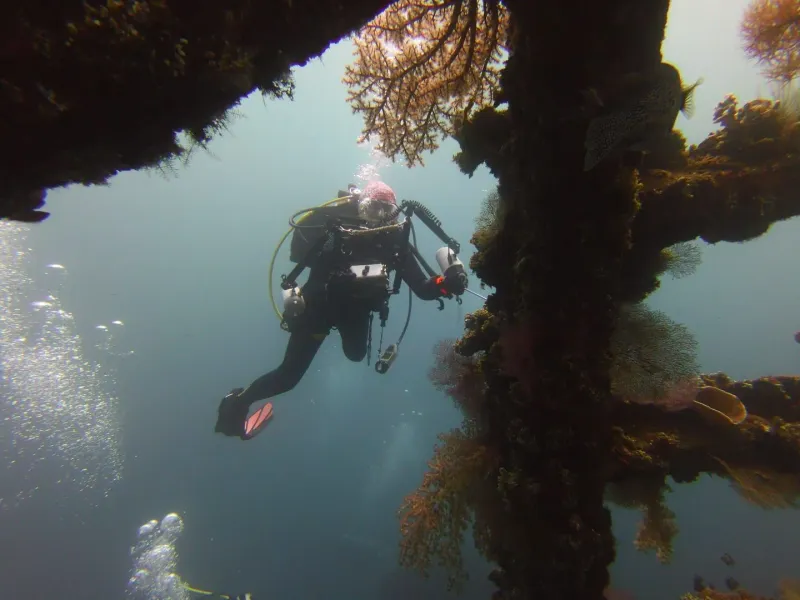
Certification comes first — there is no safe or honest shortcut here. Anything below Open Water diver level should stay in the shallows or on snorkel; reef-monitoring and nursery-maintenance dives run at working depths with task loading (slates, tools, buoyancy control near fragile structure), and diving beyond your training or without a qualified instructor is exactly the kind of “saving” that turns into an accident or a damaged reef. On top of an Open Water card (or higher), the entry point for citizen-science work is a Reef Check EcoDiver course or an equivalent species-ID and survey-methodology add-on — both teach a standardised protocol so your survey data is actually usable by scientists rather than just souvenir logging.
Before booking a “coral planting” or “reef restoration” dive with any operator, ask directly: Is there published monitoring or survival-rate data from past transplants? Is a marine biologist or trained conservation staff member running the program, not just a dive guide with a bag of fragments? Will you be doing maintenance and survey work, or only handling one fragment for a photo? A program that answers all three plainly is doing real work; one that dodges the questions or emphasises the photo is selling an experience, not conservation.
What You Can Do Without Diving
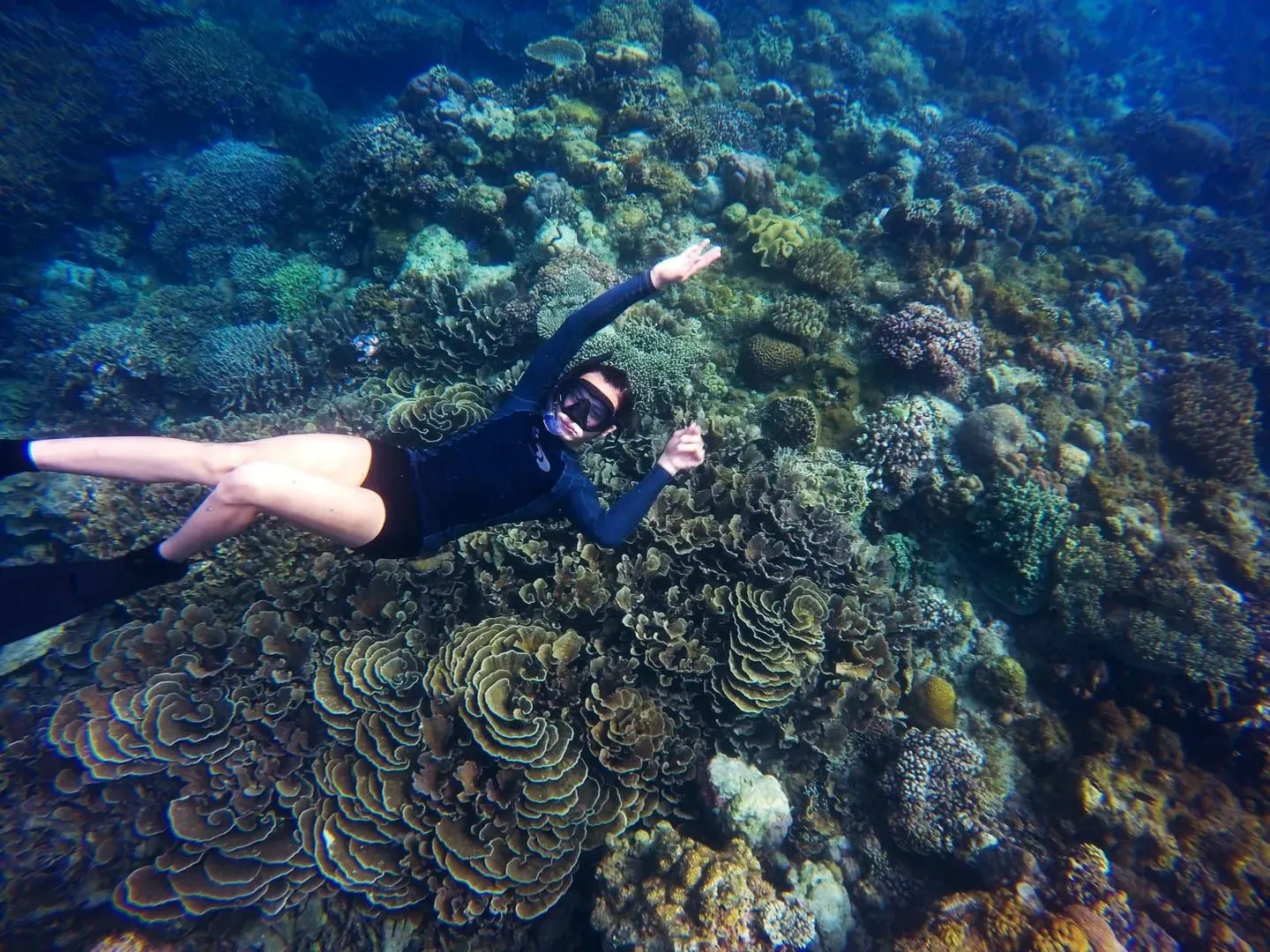
The single biggest lever for a non-diver is not touching anything: never stand on coral even briefly, don’t touch or feed reef fish, and keep fins and hands a body-length from any coral when snorkeling. Choose snorkel and dive operators that use fixed mooring buoys rather than dropping anchor on the reef — our snorkeling guide notes which Samui spots and operators do this. Use a mineral sunscreen (zinc oxide or titanium dioxide) instead of one containing oxybenzone or octinoxate — Thailand has banned those chemical filters in all marine national parks since August 2021, with fines up to 100,000 THB (~2,857 USD) — though it’s worth being honest that the scientific evidence for how much sunscreen chemicals harm wild reefs (versus lab conditions) is still debated; it’s a reasonable precaution, not a guaranteed fix. None of this touches the biggest local pressure, though: sediment and wastewater from coastal construction and inadequate treatment plants does more cumulative damage to Samui and Koh Tao’s nearshore reefs than tourist sunscreen or fin kicks ever will, and it’s a policy and infrastructure problem, not one an individual choice solves — our responsible travel guide covers the wider picture, including where villa and resort wastewater actually goes.
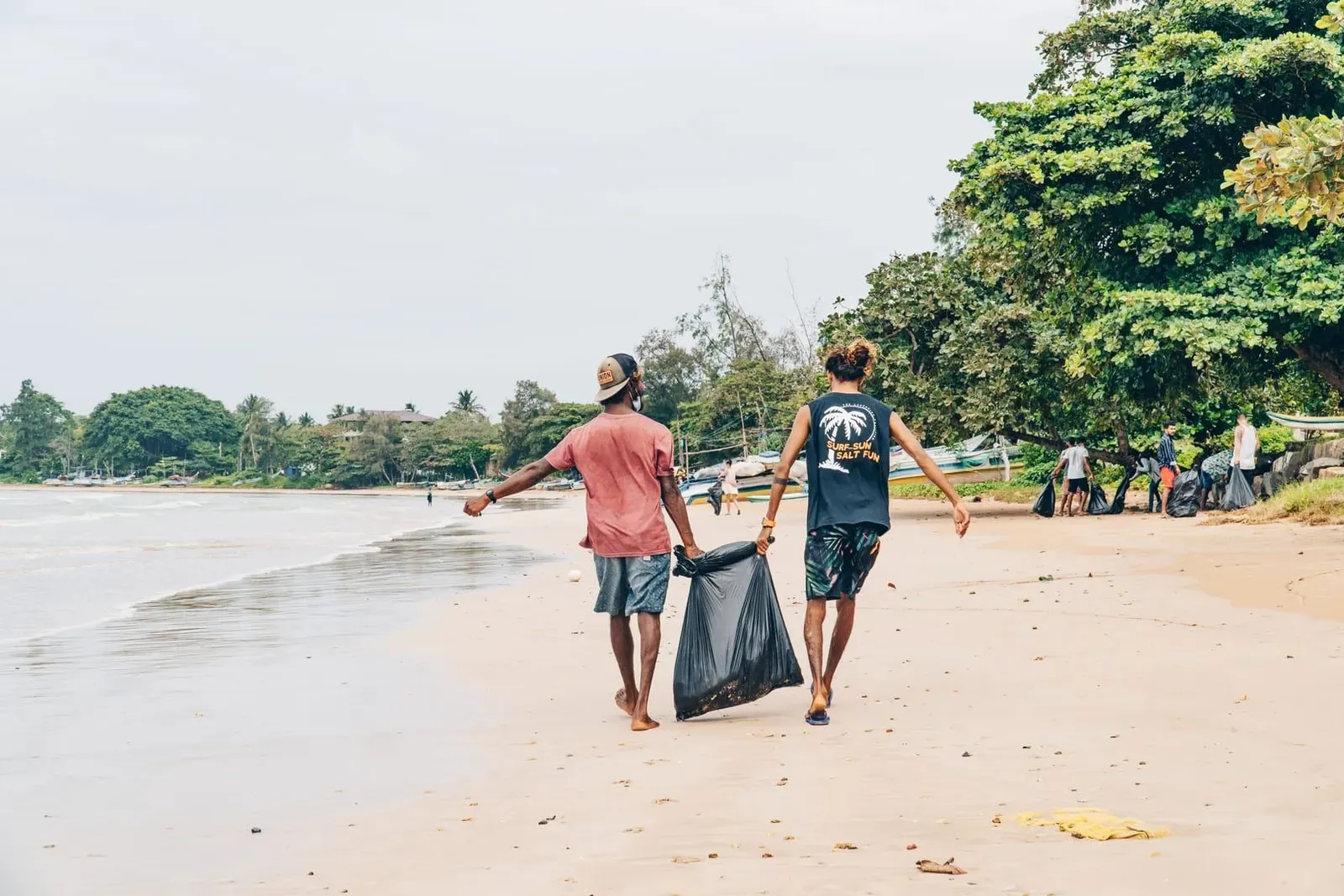
Reef Check-style citizen science isn’t the only structured way to help without owning a restoration résumé — Samui’s beach-cleans scene pulls plastic and debris off the sand and shallows before it reaches the reef, and needs no certification at all.
FAQ
Is coral restoration actually working around Koh Samui?
It’s working at a small, local scale — nurseries on Koh Tao grow and transplant fragments with measurable survival rates — but it cannot outpace mass bleaching driven by warming seawater. Treat it as reef first-aid and habitat repair, not a fix for the underlying climate problem.
Do I need to be scuba certified to help restore coral?
For hands-on nursery or transplant work, yes — Open Water certification or above is the minimum most legitimate programs require, since the work happens at depth with task loading. Snorkelers and non-divers can still help through citizen-science shore surveys, beach cleans, and choosing reef-safe operators.
Is Koh Samui or Koh Tao better for coral restoration diving?
Koh Tao, clearly — it hosts the Gulf’s established nurseries, monitoring programs and multi-day conservation courses, while Samui’s own reef patches are minor. Most Samui-based operators running conservation add-ons are doing survey or clean-up dives rather than operating their own nursery.
Does reef-safe sunscreen really make a difference?
It removes one contributor to local reef stress and is legally required in Thai marine parks, but the scientific evidence that sunscreen chemicals harm wild reefs at real-world concentrations is weaker and more contested than the marketing suggests. It’s worth doing; it isn’t the main problem.
What’s the difference between a real restoration dive and a tourist gimmick?
A real program publishes monitoring or survival data, involves a scientist or trained conservation staff, and has you doing maintenance or survey work across the dive. A gimmick hands you one fragment to place for a photo with no mention of what happens to it afterward.
Turning Up
There’s no fixed weekly meeting point on Samui itself — the honest starting point is Koh Tao, where the New Heaven Reef Conservation Program runs its course schedule Monday to Friday from around 9:30 a.m., open to anyone who turns up certified and books ahead through the program’s own site. From Samui, that means a day trip or overnight via the Koh Tao ferry routes; on-island, checking with the PADI shops in our diving guide for their current Reef Check or clean-up dive dates is the more realistic weekly option, since those slots depend on demand and season and aren’t fixed to a single day.
Coral and reef recovery
Where your help actually goes
See who we checked for this cause, where the money actually lands, and that samui69 takes none of it.
- New Heaven Reef Conservation Program Chalok Baan Kao, Koh Tao
Published on
About the author

Mike Brochlowski
Travel photographer & writer
Travel photographer and island explorer. Mike has spent years documenting Southeast Asia's hidden gems, from secluded beaches to jungle waterfalls.
Articles by Mike →More in Island Life
Na Muang Waterfalls — Samui's Purple Cascades and Jungle Pools
Explore Na Muang Waterfalls on Koh Samui — the accessible 18m Purple Waterfall with its swimming pool and the 80m jungle trek to the isla…
Wat Phra Yai — Big Buddha Temple on Koh Samui
Visit Wat Phra Yai (Big Buddha) on Koh Samui: a 12-meter golden Buddha, naga staircase, panoramic views, and market stalls.
Apirom Viewpoint — Koh Samui's Closed Hillside Lookout Above Ban Tai
Apirom Viewpoint: a ~304m hilltop lookout inland of Ban Tai, Koh Samui, its restaurant closed since the pandemic but the hillside track s…