Contents
Real volunteering on Koh Samui means turning up more than once for animal rescue, beach and reef cleans, temple or community upkeep, or English conversation practice — without paying an agency for the privilege. It does not mean two weeks in an orphanage. A tourist visa does not legally cover any of it, and the honest test before committing to anything is simple: does this need you, or does it need money and a Thai person’s salary?
Key takeaways
- Real work here: street-dog and cat welfare, beach and reef cleans, English conversation practice, elderly and disability support, temple and flood-response help — not childcare.
- UNICEF and the Better Care Network have documented that short-term orphanage and childcare volunteering can fund trafficking and harms child development; no short-stay childcare placement on Samui meets a defensible ethical bar.
- Volunteering is legally “work” in Thailand. A tourist visa does not permit it, some NGOs can sponsor a volunteer visa, and enforcement is inconsistent but real as of September 2026.
- A 40,000 THB (~1,143 USD), two-week pay-to-volunteer placement usually funds the agency’s marketing, not the cause — ask what the fee buys before what the trip promises.
- If you can’t commit weeks, funding a local salary or flying a rescue animal home outperforms a single unskilled shift.
What This Actually Is
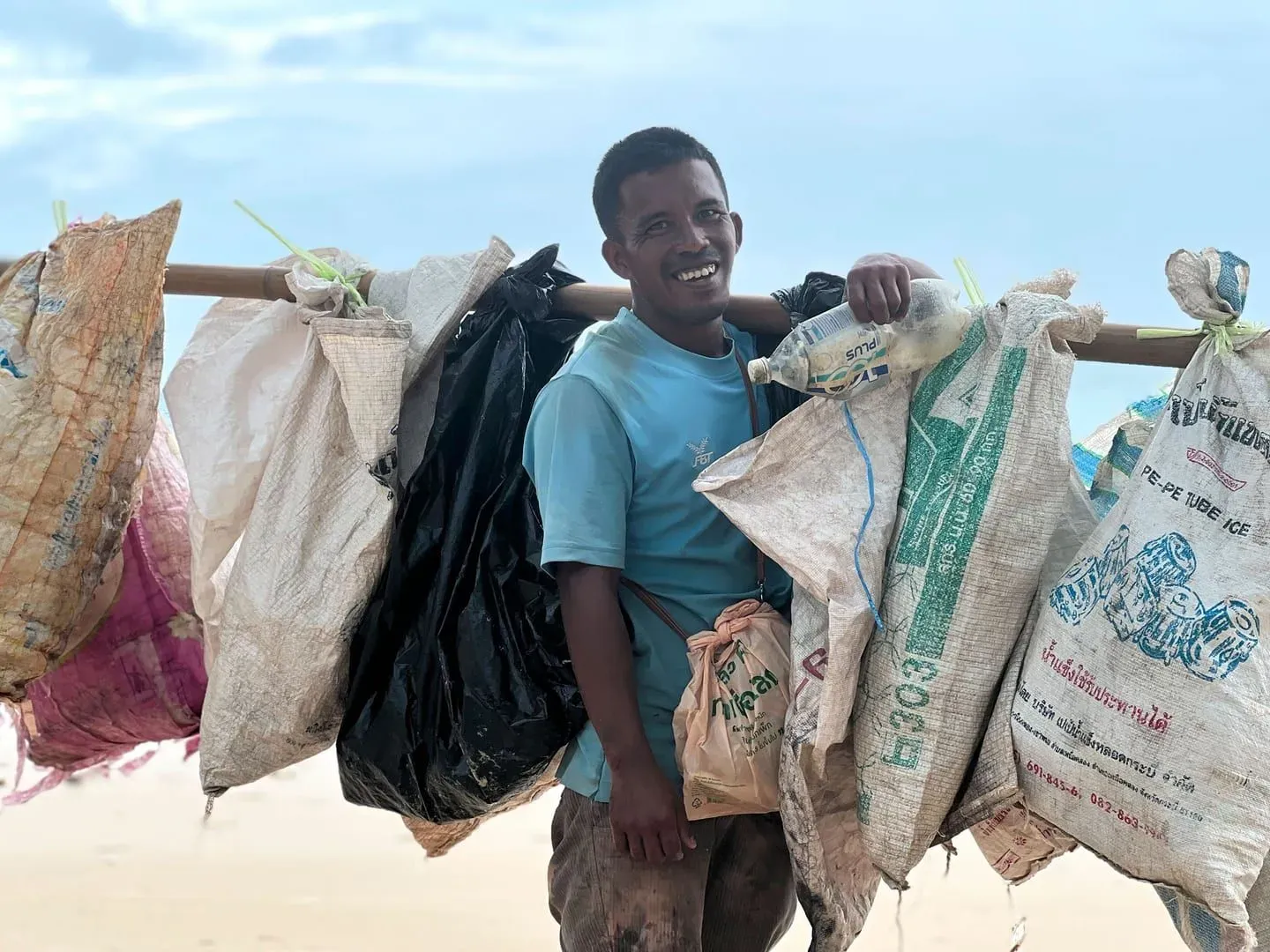
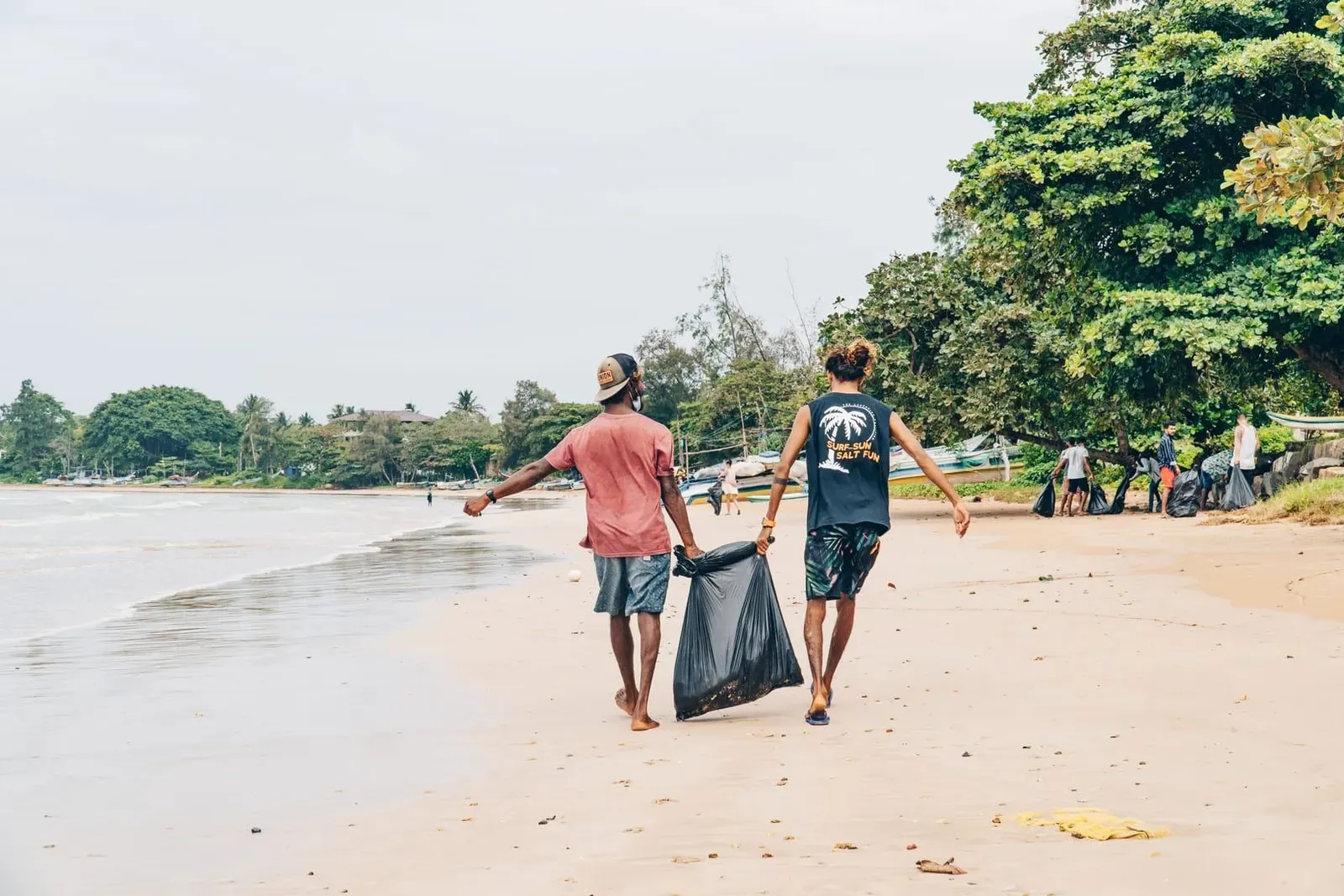
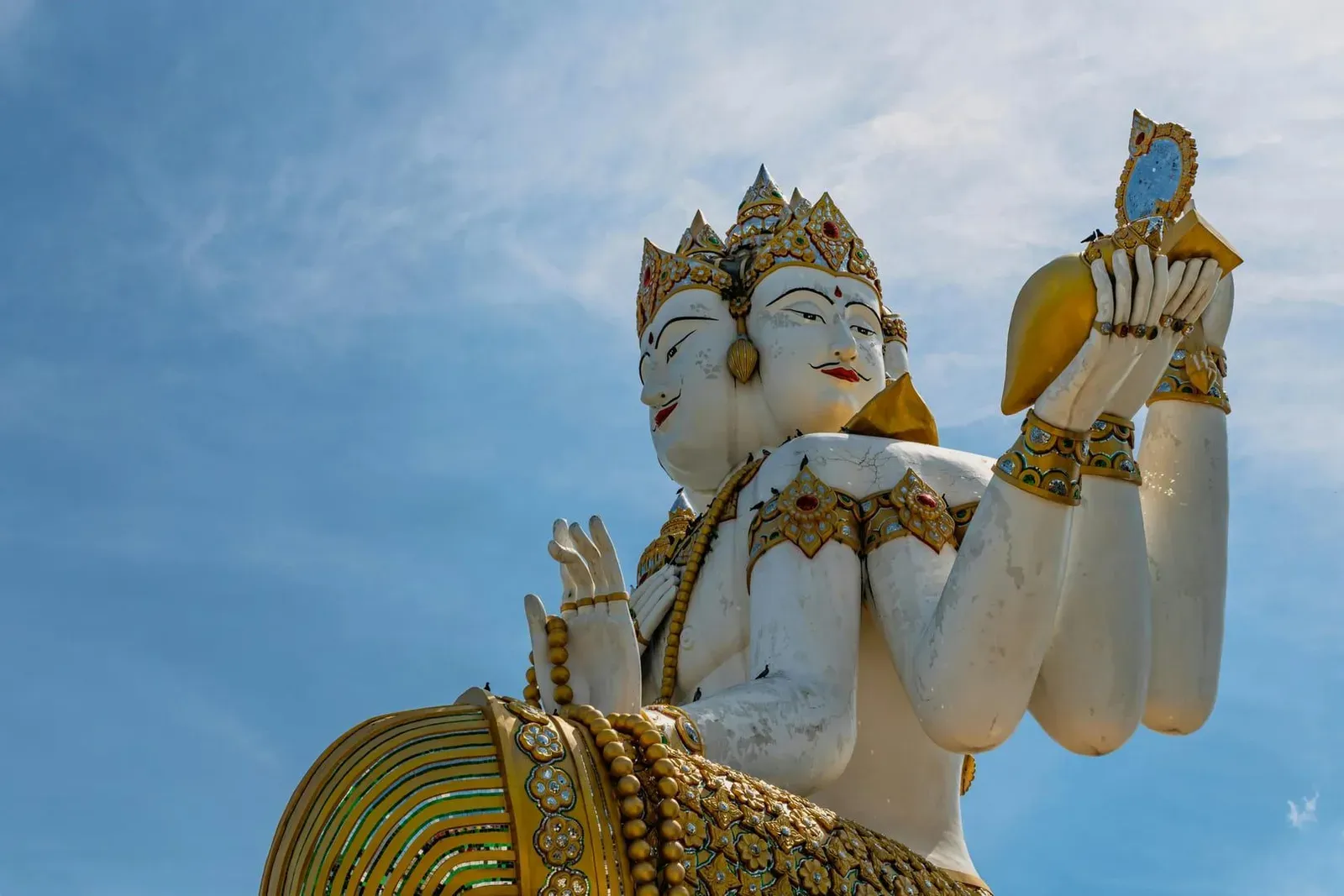
The genuine volunteer work on Koh Samui is physical, recurring and unglamorous: it is street-dog and cat welfare, plastic and reef cleans, English conversation help through a school or temple, elderly and disability support, temple and community-hall maintenance at sites such as Wat Plai Laem, and disaster response when the island floods, which it does most years between October and January. None of it involves children living without their families, because no legitimate short-stay childcare placement is documented on this island — see the voluntourism problem below for why that line is drawn deliberately, not squeamishly.
This page sets the ground rules that apply across all of it. Dedicated pages covering street-dog and cat rescue, monkey welfare and the coconut-labour question, beach cleans, and reef restoration in depth are coming to this site separately — this one is the honest overview and the test you should run before any of them.
Who Is In It
The people doing this work are mostly Thai: small foundation staff, temple committees, school teachers, and district (อบต. / tambon) officers who coordinate flood response with the Thai Red Cross Society. Foreigners who show up regularly — often long-term Samui residents rather than short-trip tourists — fill labour gaps: dog-walking and cattery shifts, hauling nets of plastic off a tideline, an hour of English conversation a week, a construction weekend rebuilding a flooded classroom. The useful foreign role on Samui is support labour or funding, not leadership — a legitimate organisation is Thai-led, not run from a foreign founder’s social media account.
How It Works
Most real volunteering here is informal: you find an organisation’s own public page, message them directly, and turn up on a day they need hands. There is no citywide booking platform for this, deliberately — a platform implies a transaction, and this is not one. A smaller number of placements are formal enough that the organisation registers you with immigration paperwork, which only a proper Thai foundation can do. If nobody asks for your passport details or explains a visa position at all, that is not automatically a red flag for a single afternoon’s help, but it is one for anything resembling a job.
What It Costs
Genuine local volunteering costs nothing beyond your own transport, food and time — that’s the point of the free cost band on this page. Compare that with international pay-to-volunteer programs charging roughly 30,000–45,000 THB (~857–1,286 USD) for two weeks of unskilled placement work, airfare not included. A Thai worker doing the same manual job locally typically earns far less than that fee over the same fortnight — see our cost of living guide for current wage context. When the fee you pay dwarfs the wage the work would otherwise earn, the fee is buying you an experience, not funding the cause.
The Voluntourism Problem
The clearest documented harm in global volunteering is short-term orphanage and childcare work, and it is worth stating plainly rather than gesturing at it. UNICEF has found that in Nepal, 85% of children living in orphanages have at least one living parent — families are persuaded to give children up because an orphanage can attract foreign donors and volunteers, not because the children have nowhere else to go (see this pattern summarised on Wikipedia’s overview of voluntourism). The Better Care Network’s ReThink Orphanages initiative documents the same pattern across Southeast Asia: orphanage numbers rise where volunteer tourism demand rises, children are rotated in front of visitors to sustain donations, and the constant arrival and departure of strangers every few weeks harms attachment and development in exactly the children the programs claim to help. Thailand is not exempt from this dynamic, and no organisation on Koh Samui has published the child-protection and transparency record that would justify recommending a short-stay childcare placement — so this page recommends against that category outright, regardless of what any individual operator promises.
The same economics show up, in a milder form, in an agency charging 40,000 THB for two weeks of unskilled labour anywhere: painting a school wall, sorting recycling, cataloguing animals. The fee mostly covers the agency’s marketing and margin, a wage that could have gone to a Thai worker doing the same job goes instead to flying in someone with no relevant skill, and the placement often exists because it sells well in a brochure, not because the site needed extra hands that month. Before committing to anything, ask: does this specific task need me — a person with no local language, no local knowledge, and two weeks — or does it need a modest amount of money and the Thai person who already knows how to do it?
What Genuinely Helps
Four things consistently help more than a short unskilled placement: bringing a skill that genuinely cannot be bought locally (veterinary or dental care, a construction trade, accounting, web or grant-writing support for a small foundation); turning up repeatedly over months rather than once; funding a local salary instead of flying yourself in to do the job it would pay for; and, for animal rescue specifically, fostering an animal short-term or flying one home in the cabin or hold on an already-booked flight — a real and constant need, since international flights are usually the bottleneck for getting a vetted, healthy rescue animal to an adopter abroad. Ask any registered foundation directly whether they have a transport waiting before you book.
The Legal Reality
Volunteering in Thailand is, legally, work — the Foreign Employment Act B.E. 2551 (2008) defines “work” broadly enough to cover exerting effort or applying skill whether or not you are paid for it, which is the framework Thai immigration lawyers and the Ministry of Labour consistently apply to unpaid placements. A standard tourist visa or visa exemption does not authorise any of it. Some registered NGOs can sponsor a volunteer on a Non-Immigrant “B” category visa with the right paperwork, which is how a genuine long-term placement is meant to work. In practice, enforcement against a single afternoon helping at a temple or a beach clean is rare; enforcement against anything that looks like a regular job — weekly teaching hours, a live-in placement, manual labour on a fixed schedule — is inconsistent but real, and immigration checks on undocumented teachers and NGO workers have happened in Thailand before. This page will not tell you how to work around that. If an organisation cannot explain its own visa position when asked directly, that is information, not an obstacle to solve.
What a Legitimate Organisation Looks Like
A legitimate organisation can show you a registered Thai foundation number (a มูลนิธิ registration), publishes annual accounts you can actually read, names its Thai leadership rather than only a foreign founder, has a written child-protection policy if children are present at all, refuses to photograph the people in its care for marketing, and gives you a clear, unhedged answer to “what happens here after I leave” — a functioning program that doesn’t depend on your visit, not a revolving door of guilt that needs a new volunteer’s fee every fortnight to keep running.
How to Give Money Well
If you can’t give time, give money directly and demand the same transparency listed above — a 100% pass-through to the cause is the standard to hold any organisation to, and it’s the same standard this non-commercial site plans to apply to its own future charity links. Check published accounts before donating anything. For a nationally registered, verifiable example of disaster response, the Thai Red Cross Society runs flood relief across the country including Surat Thani province; for a globally transparent model of what a registered volunteer network publishes about itself, Trash Hero World lists its non-profit registration number on its own site and is worth using as the yardstick when you judge a Samui group’s own disclosure, even where a local chapter isn’t currently listed. Never give through a street donation box or an unregistered individual’s crowdfunding page — a registered foundation’s own bank details are the only route that guarantees your money reaches the cause rather than the collector.
How to Join
Pick a category — animal welfare, beach or reef cleans, English conversation, elderly or disability support, temple or community maintenance, or flood response — then find that organisation’s own public website or verified social account directly, never a paid booking platform. Message them, ask the legitimacy questions above, and expect to fund your own transport, food and accommodation; a genuine placement doesn’t charge you a program fee for basic manual labour. Commit to more than one visit if you can — a returning face is worth more to any of these groups than a single busy afternoon. If anyone asks for a large upfront fee to do unskilled work, that is the pay-to-volunteer model this page argues against — walk away and give the same money directly instead.
FAQ
Is it legal to volunteer on a tourist visa in Koh Samui?
Not technically. Thailand’s Foreign Employment Act defines “work” broadly enough to include unpaid activity, so a tourist visa does not cover it. Some registered NGOs can sponsor a proper volunteer visa for a longer placement. Enforcement on a single afternoon’s help is rare but real for anything resembling a regular job, so ask the organisation directly about its own visa position.
Can I volunteer with elephants or monkeys on Koh Samui?
Visiting a no-riding elephant sanctuary as a paying guest is the ethical way to interact with elephants here; treat any “volunteer with elephants” pitch with the same scrutiny as an orphanage placement. Coconut-labour monkeys are a separate, documented welfare issue that a dedicated page on this site covers in full — this page won’t compress it into a paragraph.
How much does it cost to volunteer in Thailand?
Genuine local volunteering costs only your own transport, food and time. International pay-to-volunteer programs typically charge 30,000–45,000 THB (~857–1,286 USD) for two weeks, not including flights — that fee usually funds the agency’s overhead rather than the cause or the local wage the work displaces.
Is orphanage volunteering ever OK on Koh Samui?
No. UNICEF and the Better Care Network have documented that short-term childcare volunteering drives family separation and harms child development globally, and no organisation on Samui has published the transparency record that would justify an exception. This page recommends against the category outright, everywhere.
What’s the single most useful thing I can do with only a few days?
Fund a registered local organisation directly, or join one beach or reef clean-up day, rather than starting a placement too short to build any real trust or skill transfer. A one-off donation to a transparent foundation outperforms a rushed, unskilled shift.
Do I need Thai language to volunteer?
Not for physical work — cleanups, construction, animal care all run on demonstration, not conversation. English conversation roles need only English. Anything involving vulnerable people should already have a Thai-speaking coordinator on-site; if it doesn’t, that’s a legitimacy flag on its own.

Turning Up
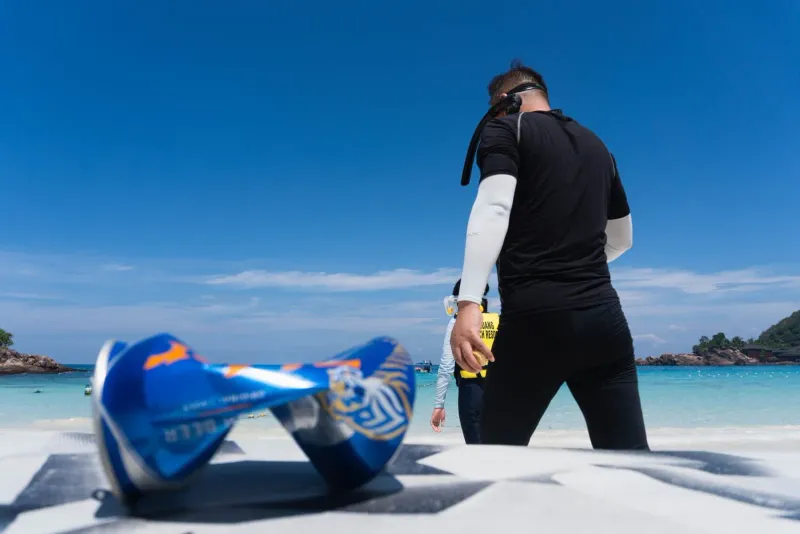
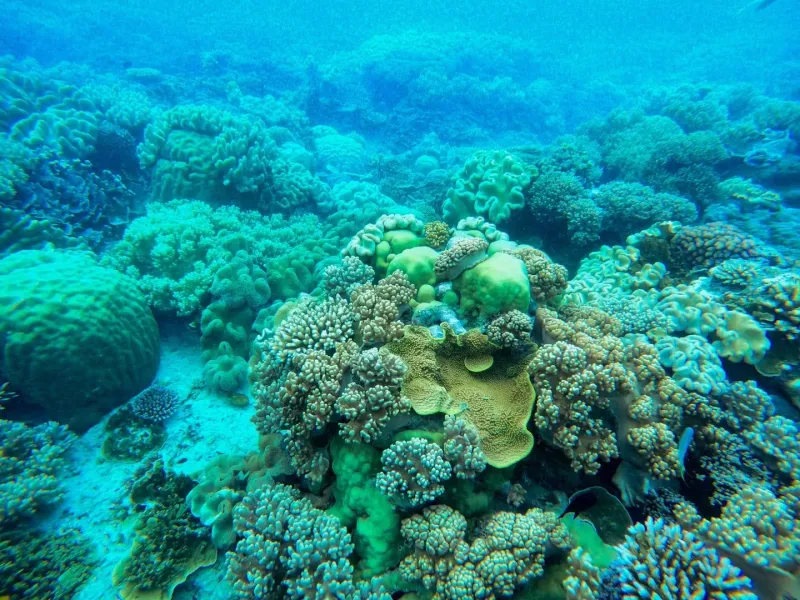
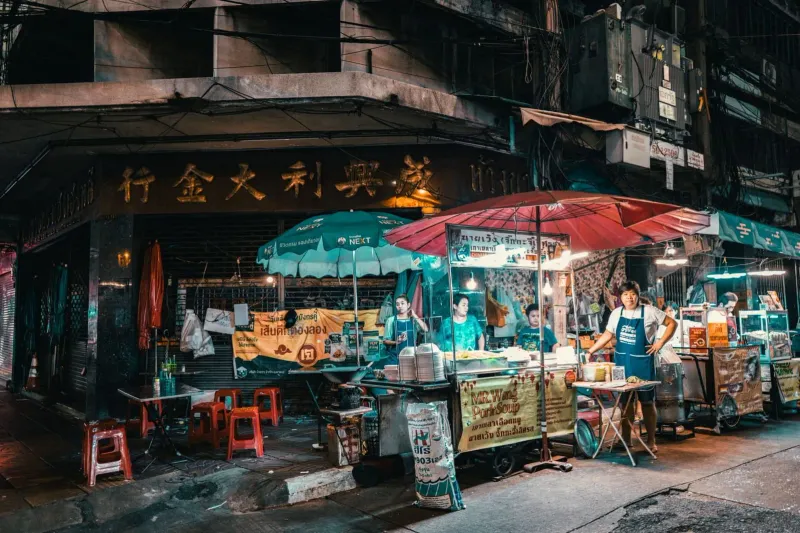
There is no single citywide calendar for this, and pretending otherwise would be dishonest: most of what’s on this page is arranged directly with an organisation, on its own schedule, not a public timetable. The one genuinely recurring entry point is a beach or reef clean-up at stretches like Coral Cove after a big monsoon swell, which happens roughly monthly from October through January — ask any operator listed in our diving guide or check community Facebook groups for the next date. For everything else — animal rescue, temple help, English conversation, elderly support, flood response — the first real step is an email or message to a specific, named organisation asking what they need this month, not a booking. See responsible travel on Koh Samui for the wider ethics context this page sits inside, and travel tips for the visa and paperwork basics before you commit to anything longer than a day.
Published on
About the author

Mike Brochlowski
Travel photographer & writer
Travel photographer and island explorer. Mike has spent years documenting Southeast Asia's hidden gems, from secluded beaches to jungle waterfalls.
Articles by Mike →More in Island Life
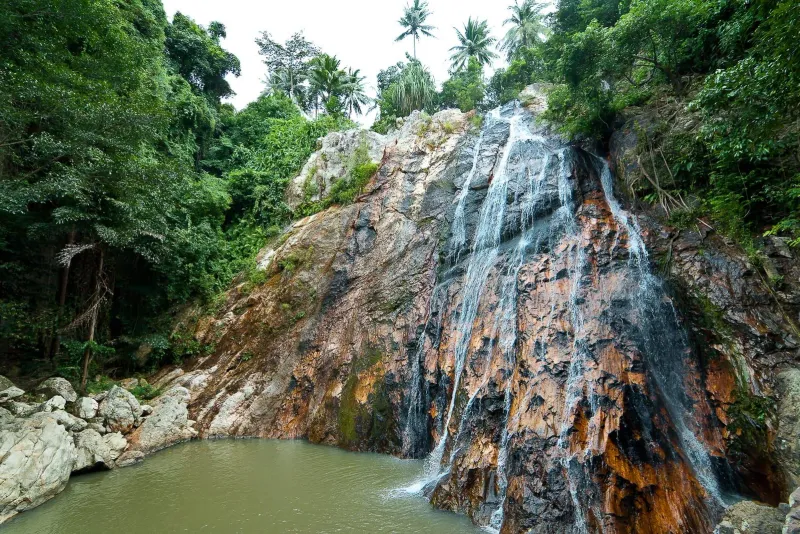
Na Muang Waterfalls — Samui's Purple Cascades and Jungle Pools
Explore Na Muang Waterfalls on Koh Samui — the accessible 18m Purple Waterfall with its swimming pool and the 80m jungle trek to the isla…
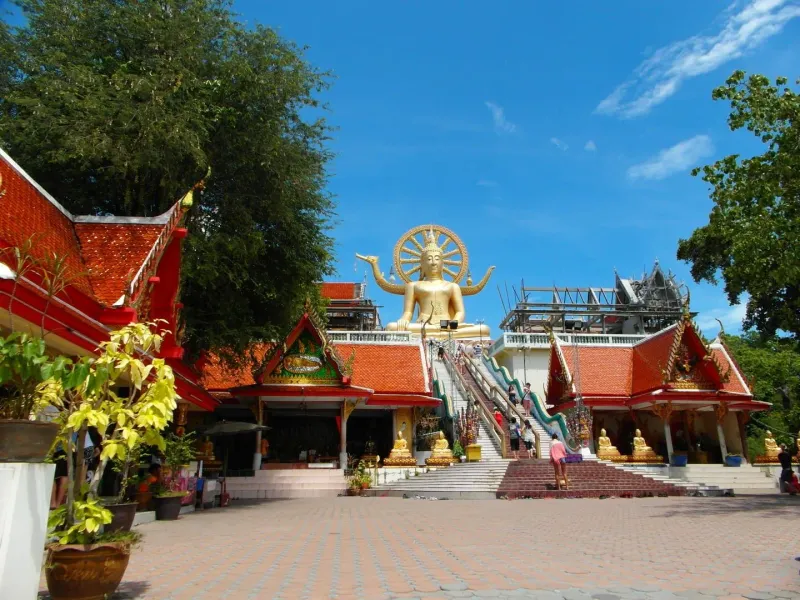
Wat Phra Yai — Big Buddha Temple on Koh Samui
Visit Wat Phra Yai (Big Buddha) on Koh Samui: a 12-meter golden Buddha, naga staircase, panoramic views, and market stalls.
Apirom Viewpoint — Koh Samui's Closed Hillside Lookout Above Ban Tai
Apirom Viewpoint: a ~304m hilltop lookout inland of Ban Tai, Koh Samui, its restaurant closed since the pandemic but the hillside track s…