Contents
Overview
Box jellyfish, including the potentially fatal species Chironex fleckeri, are present in the Gulf of Thailand around Koh Samui, and serious stings do happen — though they remain rare relative to the number of people who swim here daily. Reports cluster roughly June–October, spike after storms, and are more common at Chaweng and Lamai than elsewhere. Nets and vinegar stations exist at some beaches, but coverage is inconsistent — treat every warning sign as real and know first aid before you swim.
Key takeaways: Chironex fleckeri confirmed present in Samui waters · peak reports ~June–October, worse after storms · nets documented at Chaweng and Lamai only · vinegar ≥30 sec is standard first aid for box jellyfish, never for bluebottle stings · call 1669 for any serious sting
Key facts: Species: Chironex fleckeri · Season: ~June–October, peak Aug–Sep · Highest-risk beaches: Chaweng, Lamai · Emergency: 1669 · First aid: vinegar ≥30 sec, no fresh water, no rubbing · At least one confirmed death (Lamai, 2015)
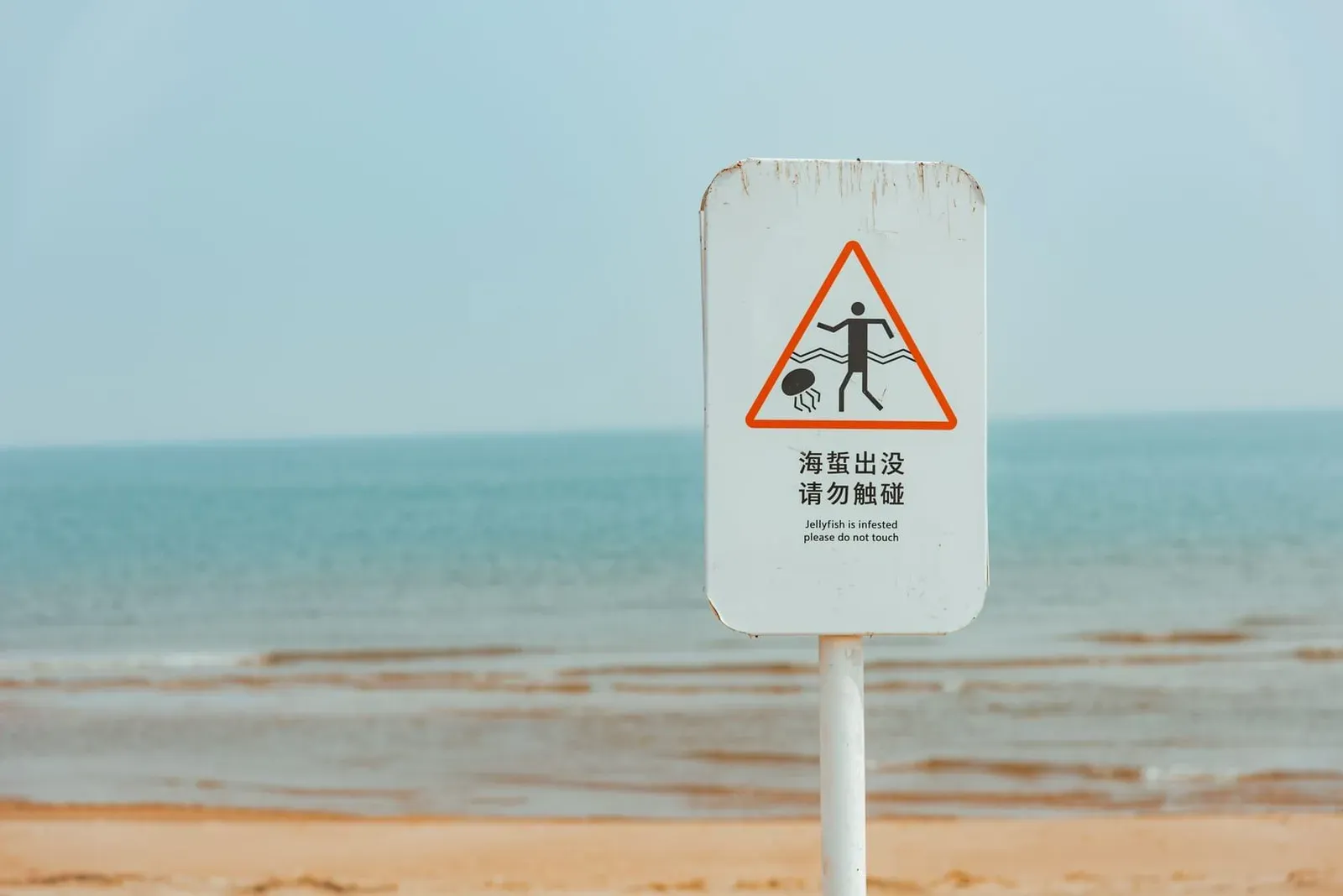
When Is Box Jellyfish Season in Koh Samui?
Box jellyfish sightings cluster most heavily from around June through October, with the highest concentration of documented stings in August and September. A 2016 academic study of severe Gulf of Thailand cases found August accounted for roughly a third of documented incidents, with July, September and October making up most of the rest. Some tourism-safety sources instead cite an October–December peak, so treat any single-month claim as an estimate (verify locally before you swim). Onshore winds and choppy water after storms are the strongest short-term warning sign, pushing jellyfish toward the shallows; outside June–October, incidents drop sharply but aren’t unheard of. See our sea conditions by month guide for how wave state shifts across the year.
Which Beaches Have Nets or Vinegar Stations?
Chaweng and Lamai are the two beaches with documented jellyfish safety infrastructure: Thailand’s Department of Marine and Coastal Resources backed netting and signage at both from around 2017. Net condition varies by season — Lamai’s net (roughly 100 m long, 7 m deep) has been reinstalled after storm damage more than once, and Chaweng’s coverage has been inconsistent. Vinegar poles are reported at several points island-wide, typically near lifeguard posts.
No permanent nets are confirmed at Bang Rak or Maenam — both calmer north coast beaches with fewer incidents but not zero. Ask your hotel or a lifeguard post which stretch has an intact net and stocked vinegar bottle that day. See our Koh Samui beaches guide for a full rundown of each beach’s conditions.
How Can You Reduce the Risk of a Sting?
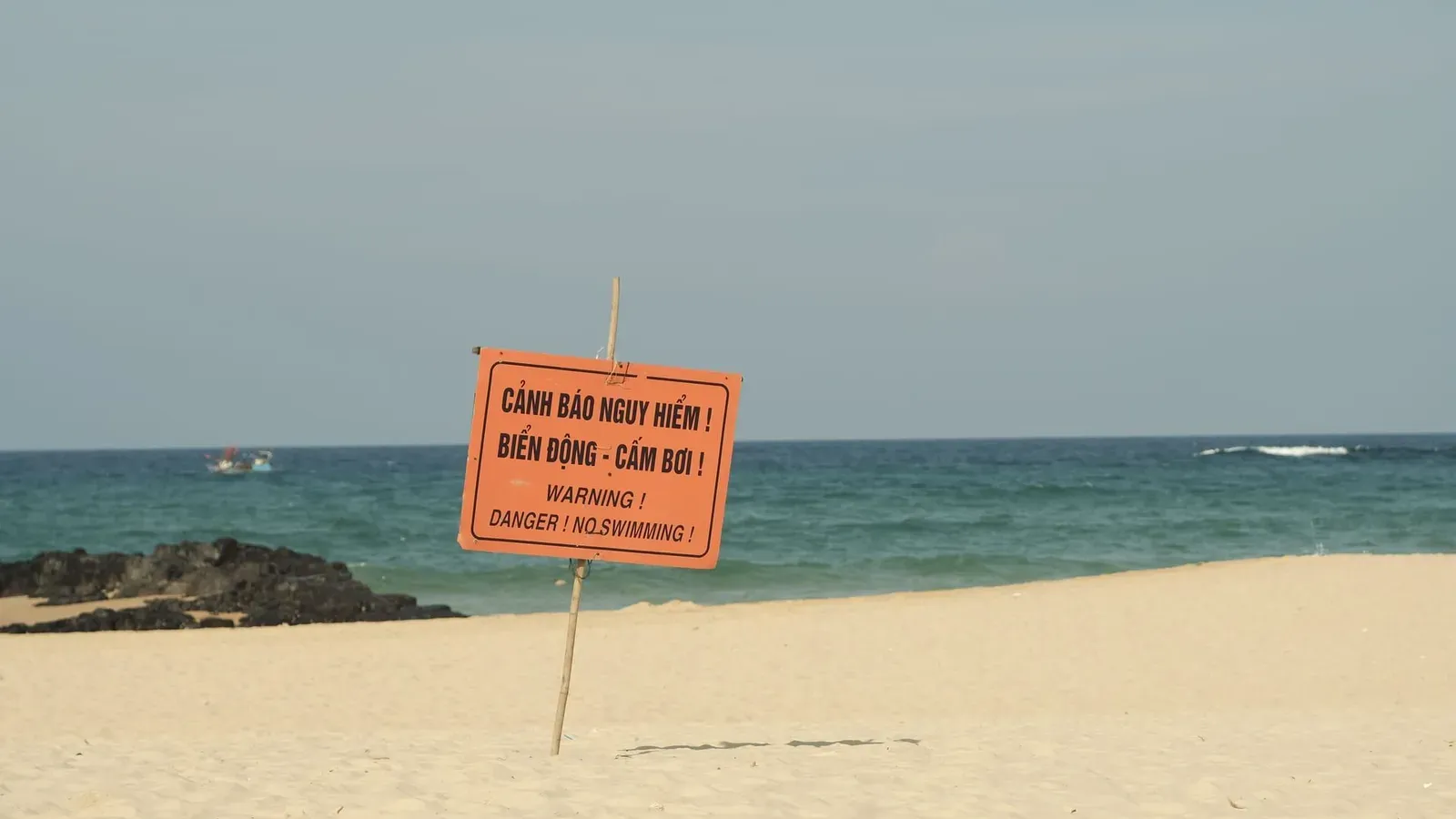
No single precaution guarantees safety, but combining a few habits addresses how most documented Samui stings happen — bare skin in the water during peak months, often at dusk or after rough weather.
- Swim inside netted areas at Chaweng or Lamai where a net is confirmed intact that day.
- Wear a rash guard or thin wetsuit — full-length lycra covers the skin most likely to be stung, the single most effective barrier measure; see our packing list for what else to bring.
- Avoid swimming at dusk, when jellyfish are harder to spot, and skip a day or two after heavy rain or a storm.
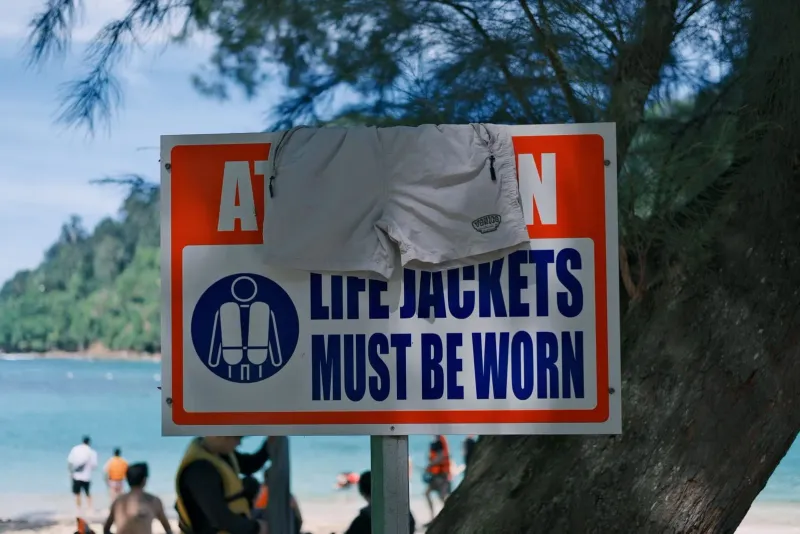
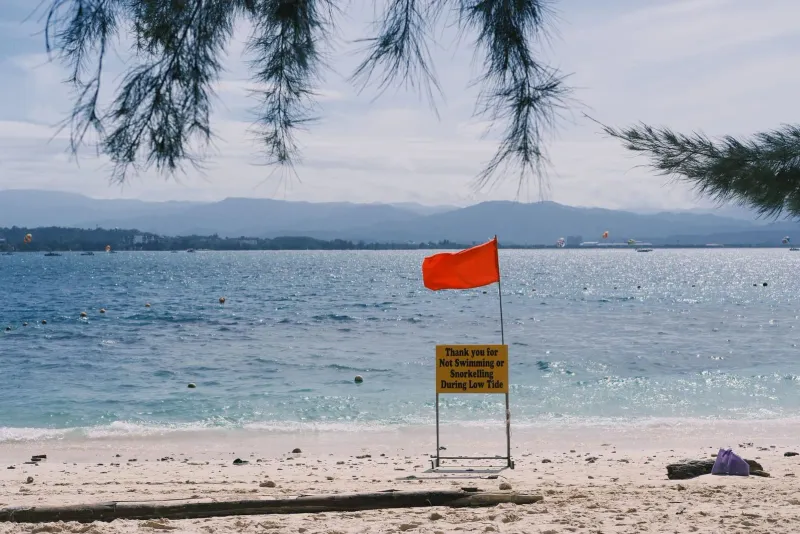
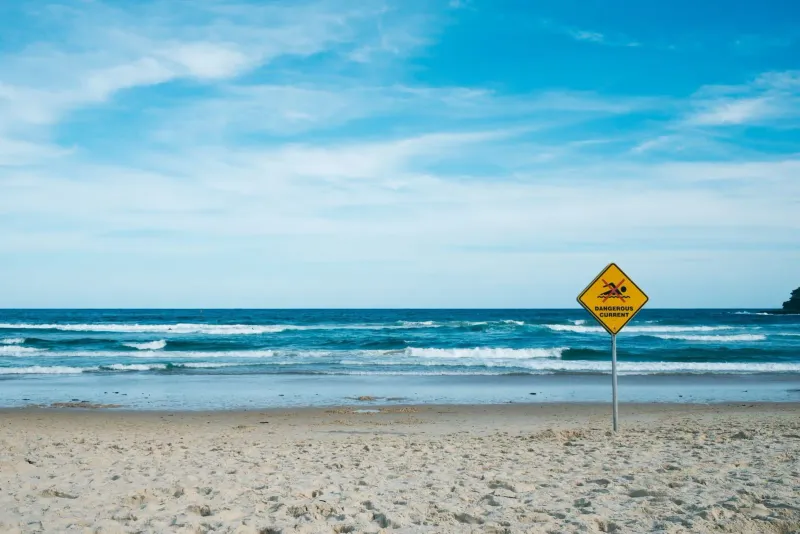
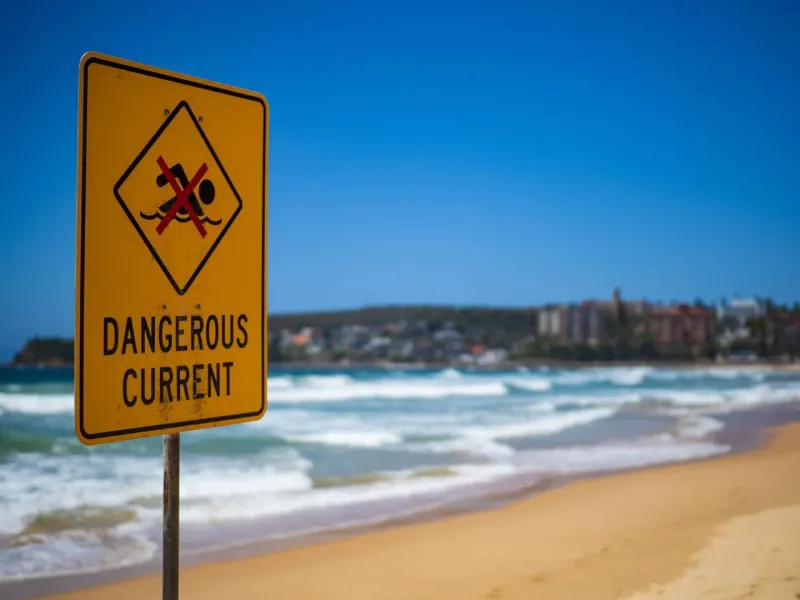
- Check for posted flags or signage, and ask beachfront staff about recent sightings.
- Never touch a jellyfish on the sand, even a dead-looking one — stinging cells can still fire.
What Is the First Aid for a Box Jellyfish Sting?
The first few minutes matter most. This sequence reflects Australian Resuscitation Council guidance for tropical box jellyfish stings, which Thai hospitals and safety programs also follow.
- Call for help immediately. Dial 1669 (Thailand’s free ambulance hotline) for any large-area sting, breathing difficulty, chest pain or fainting.
- Get the person out of the water and keep them still; movement spreads venom faster.
- Douse the sting with vinegar for at least 30 seconds. It stops unfired stinging cells firing. Skip this if you suspect a bluebottle sting instead (see below).
- Never rinse with fresh water or rub the area — both trigger unfired cells to release more venom.
- Remove visible tentacle fragments with tweezers or a gloved hand — never bare fingers.
- Start CPR immediately if breathing or pulse stops. Box jellyfish venom can cause cardiac arrest within minutes.
- Seek hospital assessment even if symptoms ease — Samui has hospitals near Chaweng and in Nathon equipped for marine stings.
Some Australian research found vinegar can increase venom release from already-fired cells in lab conditions, which is why current guidance sometimes pairs it with ice. It stays the standard first response because it reliably stops further cells firing while help arrives.
What About Bluebottles, Stonefish and Sea Urchins?
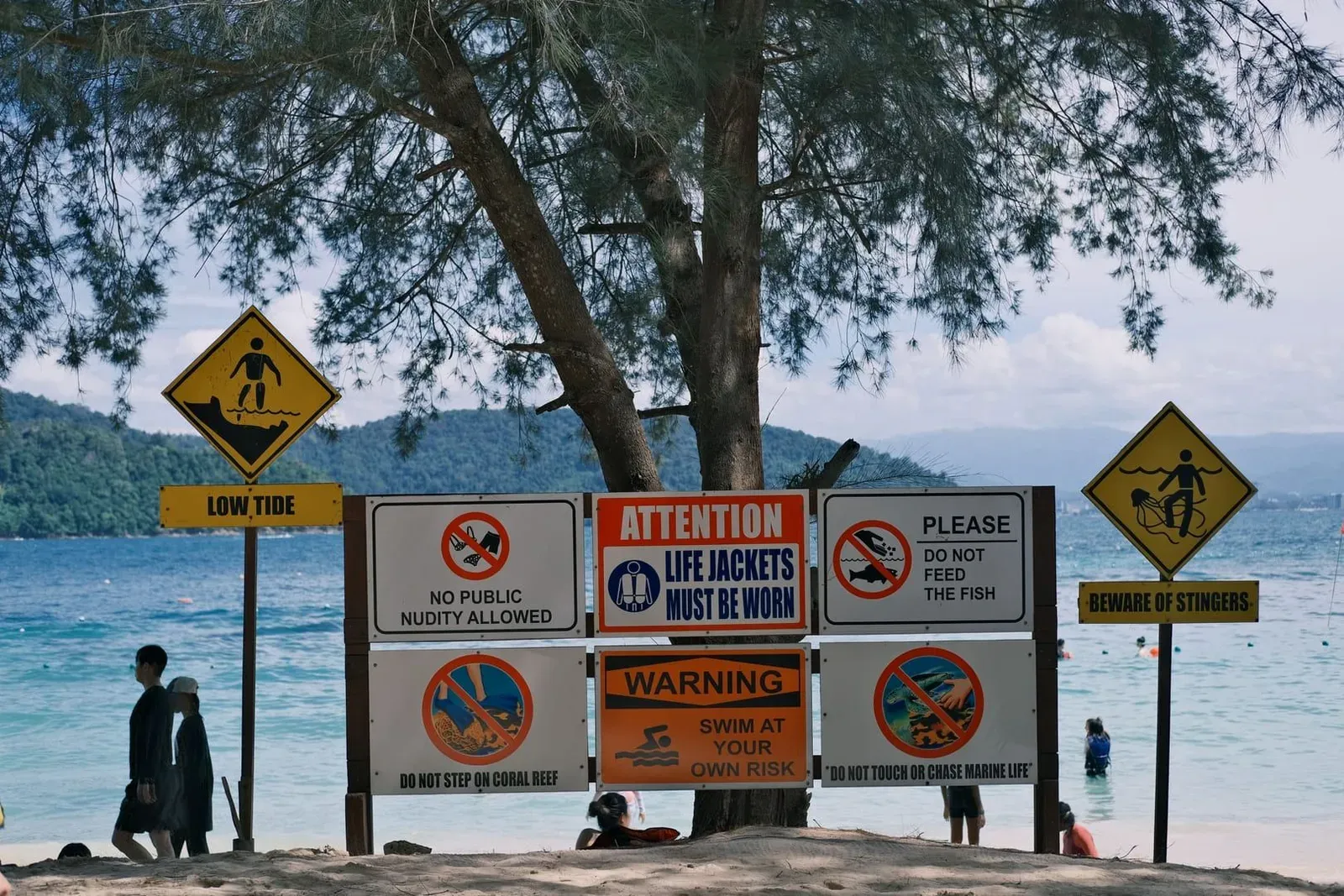
Not every painful sting comes from a box jellyfish, and the wrong first aid can make some worse. Bluebottles (Portuguese man o’ war) cause a sharp sting from trailing tentacles; do not use vinegar — it can trigger more venom release from this species. Rinse with seawater, remove tentacles with tweezers, and immerse in water as hot as tolerable (~45°C) for 20 minutes.
Stonefish camouflage on the seabed and inject venom through spines when stepped on, needing urgent hot-water immersion and hospital assessment — antivenom exists for severe cases. Sea urchins leave brittle spines in the skin; soak in hot water and see a doctor if redness spreads.
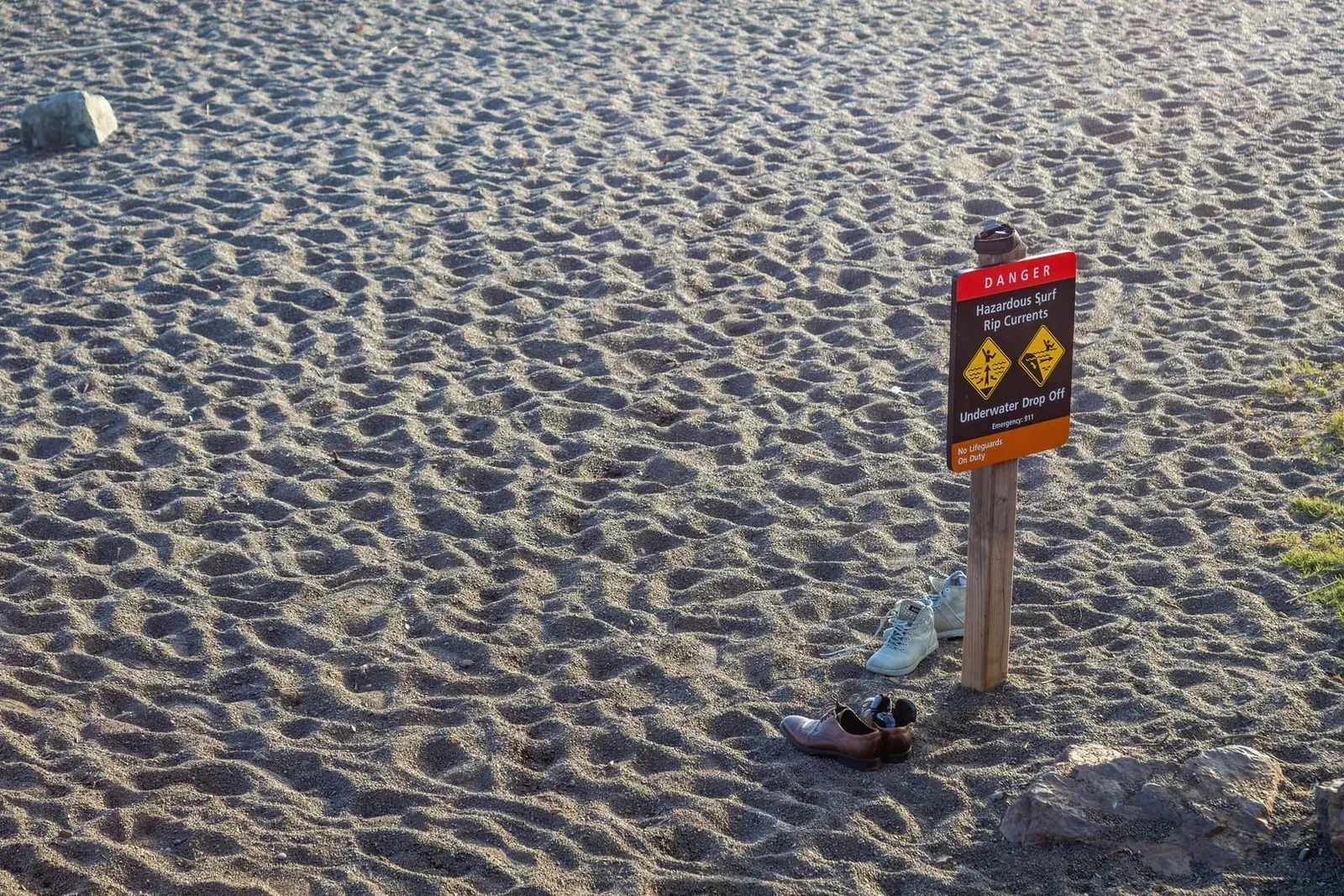
The common thread: heat helps most non-box-jellyfish marine stings, while vinegar is specific to true box jellyfish (Chironidae).
How Many Jellyfish Incidents Have There Been on Koh Samui?
Koh Samui and neighboring Koh Phangan account for the majority of Thailand’s documented severe box jellyfish cases. A widely cited 2016 study by Thai researchers Lakkana Thaikruea and Potjaman Siriariyaporn found that, among cases with a known location, over half occurred on Koh Samui, with Chaweng the single most common site (roughly 27% of documented cases), followed by Bo Phut and Lamai. At least one confirmed fatality is documented on the island: a 20-year-old German tourist died after a sting at Lamai in 2015; a 31-year-old man was hospitalized in intensive care after a Chaweng sting the same year.
Recent reporting suggests a similar seasonal pattern: local sources reported roughly ten sting cases treated at Samui hospitals within a single week in August 2026, and a fatal sting was reported on the nearby Surat Thani mainland coast that same month. Treat any specific case count as a snapshot, not a fixed statistic — reporting and jellyfish blooms both shift year on year.
Official Sources and Related Reading
This page draws on a peer-reviewed 2016 Thai study, Australian Resuscitation Council first-aid guidance (the closest evidence-based protocol for Chironex-type stings), and local incident reporting current as of September 2026. Blooms and infrastructure shift season to season — confirm current conditions with your hotel or a lifeguard post before you swim.
- The magnitude of severe box jellyfish cases on Koh Samui and Koh Pha-ngan (2016 study)
- Are we using the correct first aid for jellyfish? — Medical Journal of Australia
- Vinegar and box jellyfish stings — ABC News science reporting
For wider trip planning, see our Koh Samui travel tips hub, the Thailand visa guide, and when to visit Koh Samui for how jellyfish season overlaps with the monsoon. See our beach critters guide for other Koh Samui beach wildlife to know about.
FAQ
Is it safe to swim in Koh Samui because of jellyfish?
Yes, for most swimmers, most days — serious box jellyfish stings are rare relative to visitor numbers. Risk rises during the roughly June–October season, especially after storms, and is documented as highest at Chaweng and Lamai. Check posted warnings, swim in netted areas where available, and wear a rash guard during peak months. See our broader Koh Samui safety guide for other risks to plan around.
When is box jellyfish season in Koh Samui?
Reports cluster from around June through October, with August and September typically the highest-risk months based on hospital and study data. Some sources instead cite an October–December peak, so treat this window as an estimate — confirm current conditions locally, since blooms shift year to year and can follow storms outside the usual season.
What should I do if I get stung by a jellyfish in Koh Samui?
Get out of the water, call 1669 for anything beyond a minor sting, and douse the area with vinegar for at least 30 seconds if you suspect a box jellyfish. Do not rinse with fresh water or rub the skin. Remove tentacle fragments with tweezers, not bare fingers, and start CPR if the person stops breathing.
Which Koh Samui beaches have jellyfish nets?
Chaweng and Lamai are the two beaches with documented net installations, backed by Thailand’s Department of Marine and Coastal Resources since around 2017, though coverage and condition vary by season. No permanent nets are confirmed at Bang Rak or Maenam. Ask a lifeguard post or your hotel which section has an intact net on the day you swim.
Have there been jellyfish deaths in Koh Samui?
Yes — a 20-year-old German tourist died after a box jellyfish sting at Lamai Beach in 2015, and Koh Samui and Koh Phangan together account for most of Thailand’s documented severe cases in a 2016 study. A fatal sting was also reported on the nearby Surat Thani mainland in August 2026. Fatalities remain rare but real.
Should I use vinegar on every jellyfish sting?
No. Vinegar is the standard response for suspected box jellyfish stings but should never be used on a bluebottle (Portuguese man o’ war) sting, where it can worsen venom release — use hot water instead. If unsure which species stung you, vinegar plus urgent medical assessment is the safer default beyond mild pain.
Published on
About the author

Mike Brochlowski
Travel photographer & writer
Travel photographer and island explorer. Mike has spent years documenting Southeast Asia's hidden gems, from secluded beaches to jungle waterfalls.
Articles by Mike →More in Travel Guides

Also in Travel Tips
Koh Samui Digital Nomad Guide 2026 — Areas, Coworking, Internet, Visa
Koh Samui digital nomad guide 2026: best areas, coworking spaces from ~600 THB/day, fibre and SIM speeds, DTV visa rules, and monthly cos…

Also in Travel Tips
Hospitals & Clinics in Koh Samui — Costs & Insurance (2026)
Koh Samui hospital guide: Bangkok Hospital Samui vs government care, ER and scooter-injury costs, insurance direct billing, pharmacies an…
Also in Travel Tips
Is Koh Samui Safe? Scooters, Scams, Sea & Health (2026)
Is Koh Samui safe?