Contents
Koh Samui Mistakes First-Timers Make
The most common Koh Samui mistakes first-timers make are booking a hotel in the wrong area, riding a scooter without the correct licence, and visiting during the November monsoon peak expecting beach weather. Most cost real money — a wasted transfer, a voided insurance claim, a cancelled boat trip — and every one is avoidable with 15 minutes of planning. This guide covers all 15, why each hurts, and the exact fix — pair it with our broader Koh Samui travel tips guide for everything else worth planning ahead.
Key takeaways: Base yourself by vibe, not by beach photo — see where to stay · A scooter needs a motorcycle-endorsed licence or IDP, never just a passport as deposit · November averages 445 mm of rain across 16 rain days, the wettest month of the year · ATMs charge a flat ~220 THB fee per withdrawal · Red flags and monsoon swell (Sept–Nov) hit the east coast hardest.
1. Staying in the Wrong Area for Your Trip
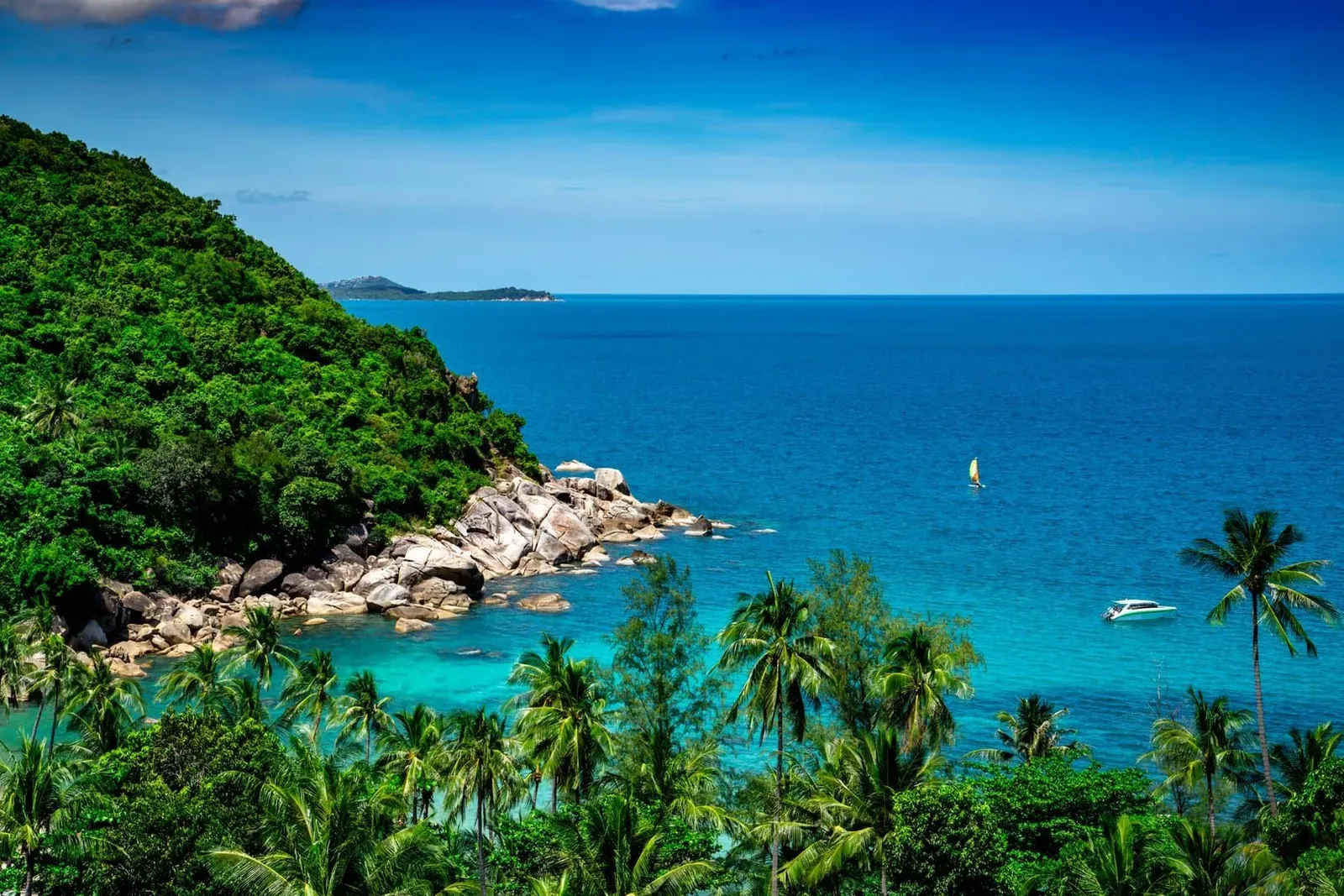
The biggest Koh Samui mistake first-timers make is booking a hotel by beach photo alone: a couple wanting nightlife stuck in quiet Maenam, or a family booked into party-focused Chaweng. The fix costs a 20–35 minute taxi ride (roughly 250–450 THB) each way for the rest of the week to reach the restaurants and beaches you actually wanted. Read where to stay in Koh Samui before booking — it breaks all nine areas down by vibe and traveler fit, not just sand color.
2. Visiting in November and Expecting Sunshine
Koh Samui’s monsoon season runs September through November, and November is the wettest month of the year at roughly 445 mm of rain across 16 rain days — a first-timer chasing beach photos in November can lose several days to storms. The Gulf-facing north coast (Maenam, Bophut) stays more sheltered than the east coast, but no area is guaranteed dry. Check month-by-month rain and crowd levels in best time to visit Koh Samui before locking in dates.
3. Renting a Scooter Without the Right Licence
Thai law requires a valid motorcycle licence plus an International Driving Permit (IDP) with the motorcycle “A” endorsement — a car-only licence doesn’t cover a scooter, even though many shops hand over the keys anyway. Riding without the correct documents can void your travel insurance after a crash, and island officials estimate roughly 3,000 road accidents and 50 deaths a year on Samui, most involving motorcycles (US Embassy driving guidance). Full pricing and deposit norms are in the scooter rental guide.
4. Leaving Your Passport as a Rental Deposit
Some scooter and jet-ski shops ask to hold your passport instead of a cash deposit — hand it over and a dishonest operator gains leverage to invent a “damage fee” later. A replacement passport from your embassy typically takes 5–10 working days, which can wreck a short trip. Offer a photocopy plus a cash deposit of 1,000–3,000 THB (~29–86 USD) instead — reputable shops accept this without argument, as covered in the scooter rental guide.
5. Taking an Airport Taxi Without Confirming the Fare
Most Koh Samui taxis negotiate a flat fare rather than running the meter, and arriving jet-lagged at the airport rank is exactly when travelers overpay — agreeing a number 100–200 THB above the going rate is common if you don’t ask first. A prepaid airport taxi to Chaweng runs about 500 THB (~14 USD); to Lamai roughly 400–600 THB (~11–17 USD). Confirm the fare before getting in, or check the benchmarks in getting around Koh Samui.
6. Skipping the West Coast Sunsets
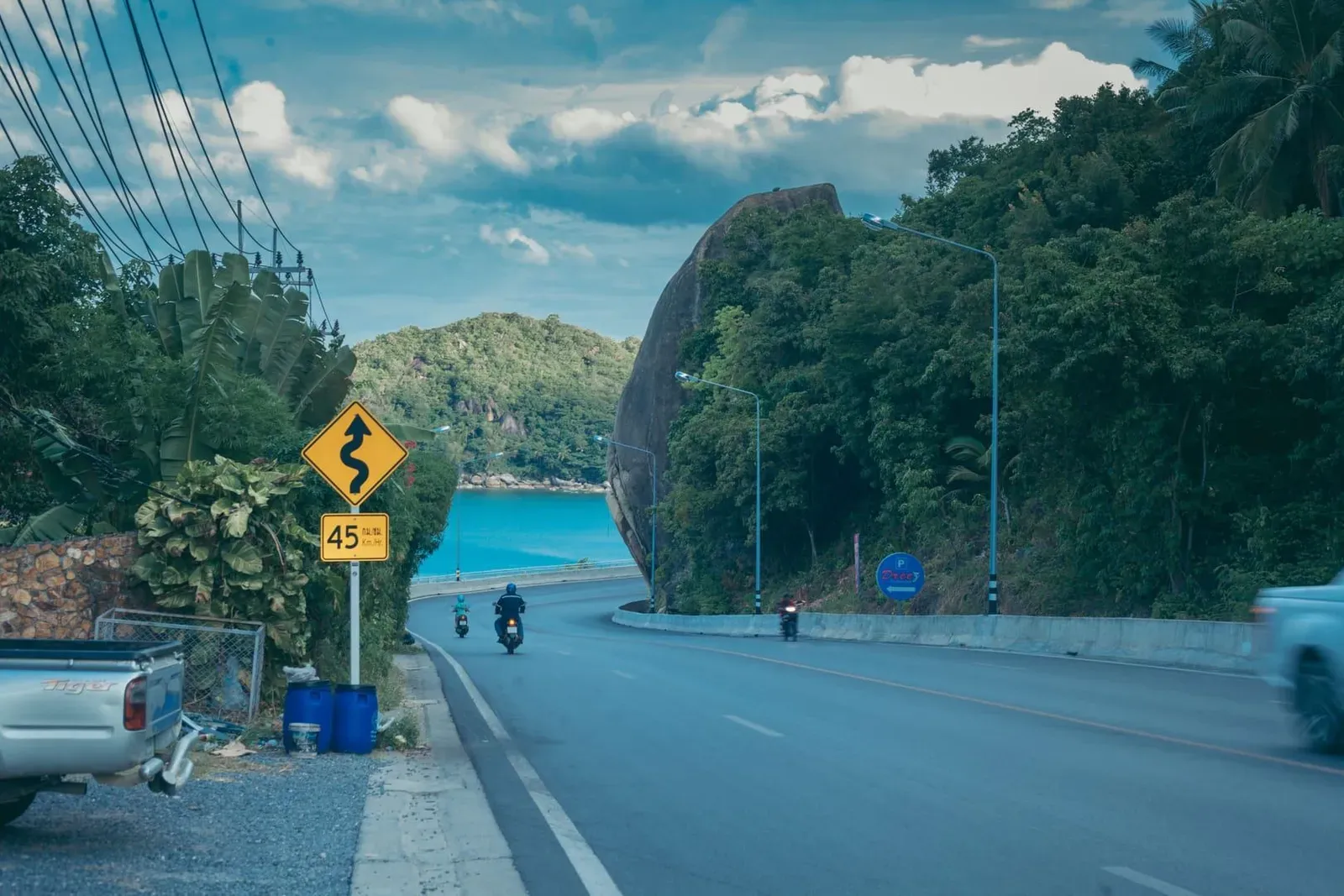
Most first-timers never leave the east coast, missing the fact that Koh Samui’s west-facing beaches deliver the island’s best sunsets over a 3.5 km stretch framed by the Five Islands and the peaks of Ang Thong. Chaweng and Lamai face east, so sunrise is decent but sunset is nothing special there. Build one evening around Lipa Noi Beach — arrive about 30 minutes before sunset.
7. Only Seeing Chaweng
Koh Samui has more than 20 named beaches plus temples, waterfalls and hiking trails, but a first-timer who bases in Chaweng and never rents transport can end up seeing one 2.5 km strip of the island and calling it a trip. Chaweng is a fine base for nightlife, but the north coast, west coast and interior each offer a different experience. A 4–5 day Koh Samui itinerary with named stops and driving times fixes this.
8. Booking Ang Thong During Monsoon Season
Ang Thong National Marine Park boat trips (typically 1,500–2,500 THB / ~43–71 USD) run most reliably from December to April, and operators frequently cancel or reroute in October–November once swell exceeds safe limits — booking blind risks losing the day and scrambling to rebook. Confirm the marine forecast the day before departure rather than trusting a fixed pre-paid itinerary during monsoon months.

9. Ignoring Temple Dress Code
Thai temples expect shoulders and knees covered from every visitor, no exceptions for heat — arrive in a tank top and shorts and you’ll be turned away at the door or scrambling for a rental sarong while your schedule slips. Wat Phra Yai (Big Buddha) and most major temples keep sarongs at the entrance, but carrying a light scarf on any day that includes a temple stop is simpler and free.
10. Swimming Past a Red Flag
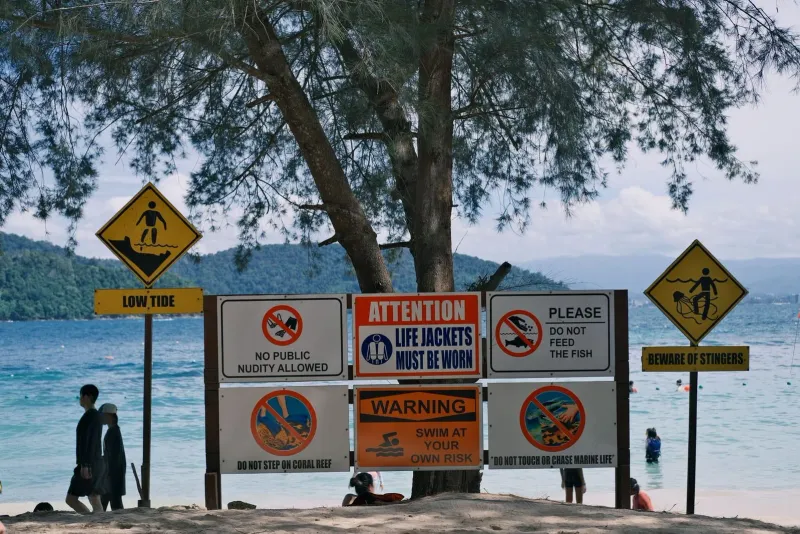
Rip currents are strongest on Koh Samui’s open east-facing beaches, including Chaweng and Lamai, especially during the September–November monsoon swell — a red flag means the current is actively dangerous that day, not a formality. Ignoring it is the single most preventable cause of a serious swimming incident on the island. If caught in a rip, swim parallel to shore until it releases you, then angle back in; the calmer, gulf-facing north coast is the safer default for weak swimmers — see our is Koh Samui safe guide for the wider picture.
11. Falling for the Jet-Ski Damage Scam
The jet-ski scam works the same way almost every time: an operator points out “damage” on return that wasn’t there at pickup, then demands a cash payment — often several thousand baht — or holds a passport hostage until you pay. Film a slow walk-around video before you ride off, and never leave your passport as the only deposit (see mistake 4). If a dispute happens anyway, call the Tourist Police on 1155 before paying a disputed fee.
12. Not Carrying Enough Cash
Street food stalls, songthaews, market vendors and many small restaurants on Koh Samui are cash-only, and every Thai ATM charges a flat foreign-card fee — commonly around 220 THB (~6.50 USD) per withdrawal, on top of whatever your home bank adds. A first-timer relying on cards alone gets caught out fast once they leave the hotel or a mall. Withdraw larger amounts less often, keep small notes for songthaew fares, and budget roughly 1,000–2,000 THB (~29–57 USD) a day in cash.
13. Missing the Night-Market Schedule
Koh Samui’s biggest night markets run on fixed weekly nights — Fisherman’s Village in Bophut on Friday, Maenam Walking Street on Thursday, Lamai’s Sunday Night Market — and a first-timer who shows up on the wrong evening finds a quiet street instead of grilled seafood. Daily options like Nathon Night Food Market cover the gap nights. Check the full weekday table in the Koh Samui night markets guide before picking an evening plan.
14. Overpacking Your Itinerary
Cramming a temple, a waterfall, two beaches and a night market into one day sounds efficient but leaves zero buffer for real-world driving times, sudden rain, or wanting to linger somewhere unexpectedly good. Most first-timers overpack their first 2–3 days and burn out by day 4. A well-paced Koh Samui itinerary mixes one cultural stop and one nature stop per 2–3 days rather than one of each daily, which holds up better against delays.
15. Forgetting the Alcohol-Ban Days
Thailand halts retail alcohol sales nationwide, including convenience stores and most bars, for 24 hours on five major Buddhist holy days a year — Makha Bucha, Visakha Bucha, Asalha Bucha, Khao Phansa and Ok Phansa — and a first-timer planning a big night on one of these dates finds the shelves empty. In 2026, Asalha Bucha and Khao Phansa fall back-to-back (29–30 July), a 48-hour dry spell. Hotel minibars are unaffected — only new retail sales stop. Check current-year dates; see the nightlife guide for what stays open regardless.
FAQ
What is the biggest mistake first-timers make in Koh Samui?
Booking accommodation in the wrong area is the most common Koh Samui mistake — a couple wanting nightlife in quiet Maenam, or a family stuck in party-focused Chaweng. It costs 20–35 minutes and 250–450 THB in taxi fares each way for the rest of the stay. Read where to stay in Koh Samui before booking.
Can I ride a scooter in Koh Samui without a licence?
No, not legally. Thailand requires a valid motorcycle licence plus an International Driving Permit with the motorcycle endorsement. Riding without both can void your travel insurance, and roughly 3,000 road accidents happen on the island each year, most involving motorcycles. See the scooter rental guide for what’s required.
What time of year should I avoid visiting Koh Samui?
November is the riskiest month, averaging 445 mm of rain across 16 rain days — the wettest stretch of the year, with the highest chance of rough seas and cancelled boat trips. September and October carry similar but smaller risk. December through February is the driest, sunniest and busiest window; check best time to visit for a full month-by-month breakdown.
Is it safe to swim everywhere on Koh Samui?
Not always. Rip currents are strongest on open east-facing beaches like Chaweng and Lamai during the September–November monsoon swell, and a red flag means don’t swim, full stop. The calmer, gulf-facing north coast beaches are a safer default for weak or inexperienced swimmers year-round.
How much cash should I carry in Koh Samui?
Budget roughly 1,000–2,000 THB (~29–57 USD) a day in cash for street food, songthaews and small vendors who don’t take cards. Every Thai ATM charges a flat foreign-card fee around 220 THB (~6.50 USD) per withdrawal, so fewer, larger withdrawals save money over the trip.
Do all Koh Samui temples require covered shoulders and knees?
Yes, every temple on the island expects modest dress from every visitor — shoulders and knees covered, shoes off before entering the main hall. Major sites like Wat Phra Yai keep rental sarongs at the entrance for anyone underdressed, but carrying a scarf saves the fee and the wait.
Published on
About the author

Mike Brochlowski
Travel photographer & writer
Travel photographer and island explorer. Mike has spent years documenting Southeast Asia's hidden gems, from secluded beaches to jungle waterfalls.
Articles by Mike →More in Travel Guides

Also in Travel Tips
Koh Samui Digital Nomad Guide 2026 — Areas, Coworking, Internet, Visa
Koh Samui digital nomad guide 2026: best areas, coworking spaces from ~600 THB/day, fibre and SIM speeds, DTV visa rules, and monthly cos…

Also in Travel Tips
Hospitals & Clinics in Koh Samui — Costs & Insurance (2026)
Koh Samui hospital guide: Bangkok Hospital Samui vs government care, ER and scooter-injury costs, insurance direct billing, pharmacies an…
Also in Travel Tips
Is Koh Samui Safe? Scooters, Scams, Sea & Health (2026)
Is Koh Samui safe?