Contents
Yes, you legally need a valid motorcycle licence from your home country plus an International Driving Permit (IDP) with a motorcycle endorsement to ride a rented scooter in Koh Samui — a Thai traffic police checkpoint can fine or detain riders without one. Daily rental runs roughly 150-450 THB (~4.50-13 USD) depending on engine size, and Koh Samui’s roads see a meaningful number of motorbike-related accidents and deaths each year, so treat the licence and insurance rules as more than a formality.
Key takeaways
- Home-country motorcycle licence + IDP (motorcycle class) is legally required; a car-only licence or IDP does not cover a scooter.
- Typical rental: 150-450 THB/day (~4.50-13 USD) depending on cc; weekly and monthly rates cut the daily cost by 30-70%.
- Never leave your passport as the only deposit — offer a photocopy plus a cash deposit instead.
- Most standard travel insurance excludes scooter accidents unless you were correctly licensed and helmeted.
- Route 4169, the island’s ring road, has known danger spots: the Nathon-Maenam hill and the Chaweng-Lamai stretch.
Key facts: IDP + motorcycle licence required · ~150-450 THB/day rental (~4-13 USD) · helmet fine up to 2,000 THB · deposit 1,000-3,000 THB cash + passport copy · fuel ~48 THB/litre (Sep 2026) · Route 4169 ring road ~51 km
Do I Need a Licence to Rent a Scooter in Koh Samui?
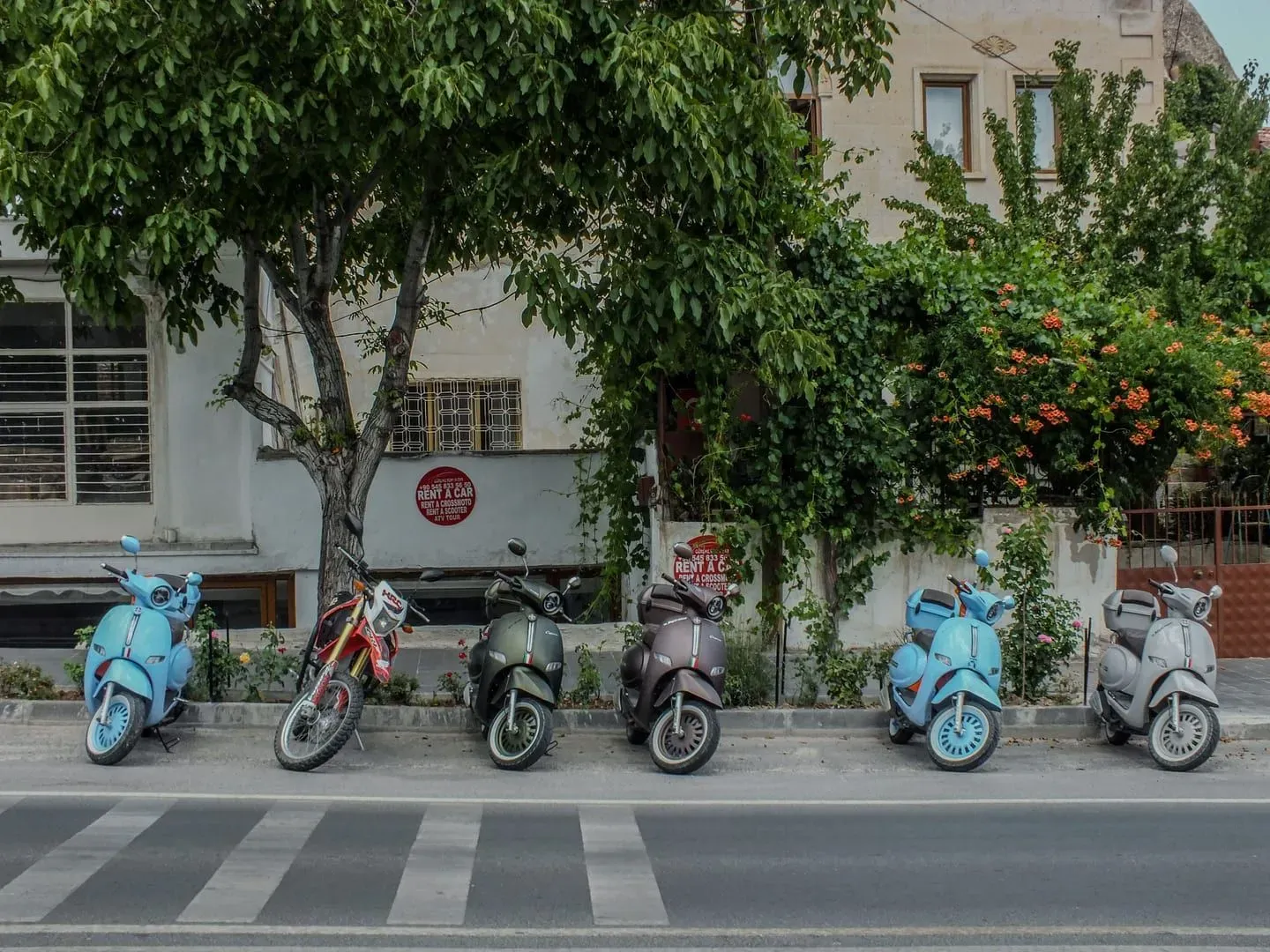
Yes — Thai law requires a valid motorcycle licence from your home country plus an International Driving Permit (IDP) carrying the motorcycle “A” category endorsement before you can legally ride a rented scooter on Koh Samui. A car-only licence, or an IDP without the motorcycle stamp, does not authorize you to ride, even though many rental shops will still hand over the keys for a passport copy and cash.
The IDP has to be obtained in your home country before you travel — Thailand’s Department of Land Transport (DLT) only issues IDPs to holders of a Thai driving licence, so you cannot get one locally as a tourist. Foreign visitors can ride on their home licence plus IDP for up to 90 days; long-term residents on a non-immigrant visa are required to convert to a Thai driving licence after that. The US Embassy in Thailand’s driving guidance confirms an IDP is required alongside a valid home licence. Police checkpoints on the island routinely check for both the licence and the IDP alongside the helmet, and riding without the correct documents voids most travel insurance policies (see below).
What Does a Scooter Rental Cost in Koh Samui?
A scooter rental in Koh Samui costs between 150 THB and 450 THB per day (~13 USD), with the price driven mainly by engine size and how many days you book. Weekly and monthly rentals bring the effective daily rate down significantly, which matters if you’re staying more than a few days.
| Engine size / model | Daily | Weekly | Monthly |
|---|---|---|---|
| Automatic 110-125cc (Honda Scoopy, Wave) | 150-200 THB (~4.50-5.50 USD) | 900-1,200 THB (~26-34 USD) | 2,000-2,500 THB (~57-71 USD) |
| Honda Click 125i | 200-250 THB (~5.50-7 USD) | 1,200-1,500 THB (~34-43 USD) | 2,500-3,000 THB (~71-86 USD) |
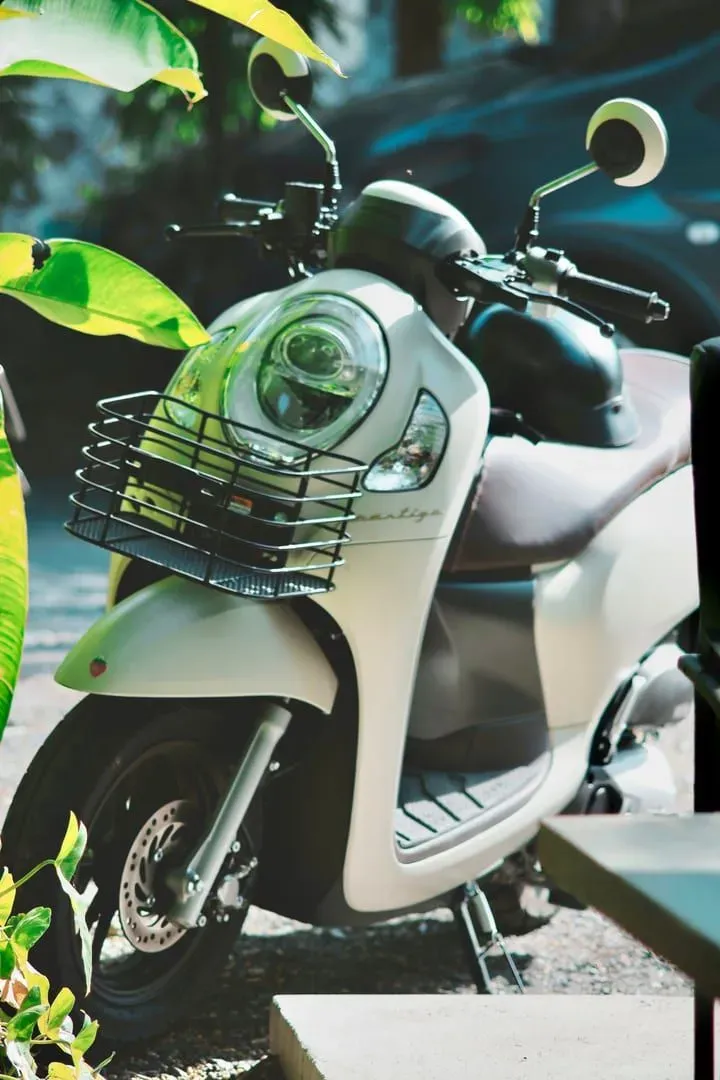
| Honda PCX 150/160 | 300-450 THB (~8.50-13 USD) | 1,600-1,800 THB (~46-51 USD) | 3,500-4,000 THB (~100-114 USD) |
Chaweng and Lamai sit at the top of these ranges due to demand; Maenam, Bophut, and Nathon tend to be cheaper. On top of the rental fee, most shops ask for a cash deposit of 1,000-3,000 THB (~29-86 USD) plus a photocopy of your passport — never the passport itself (see the next section). Fuel is extra: expect to spend roughly 100-150 THB (~3-4.50 USD) a day riding around the island at current pump prices of about 48 THB per litre (as of September 2026).
Should I Leave My Passport as a Deposit?
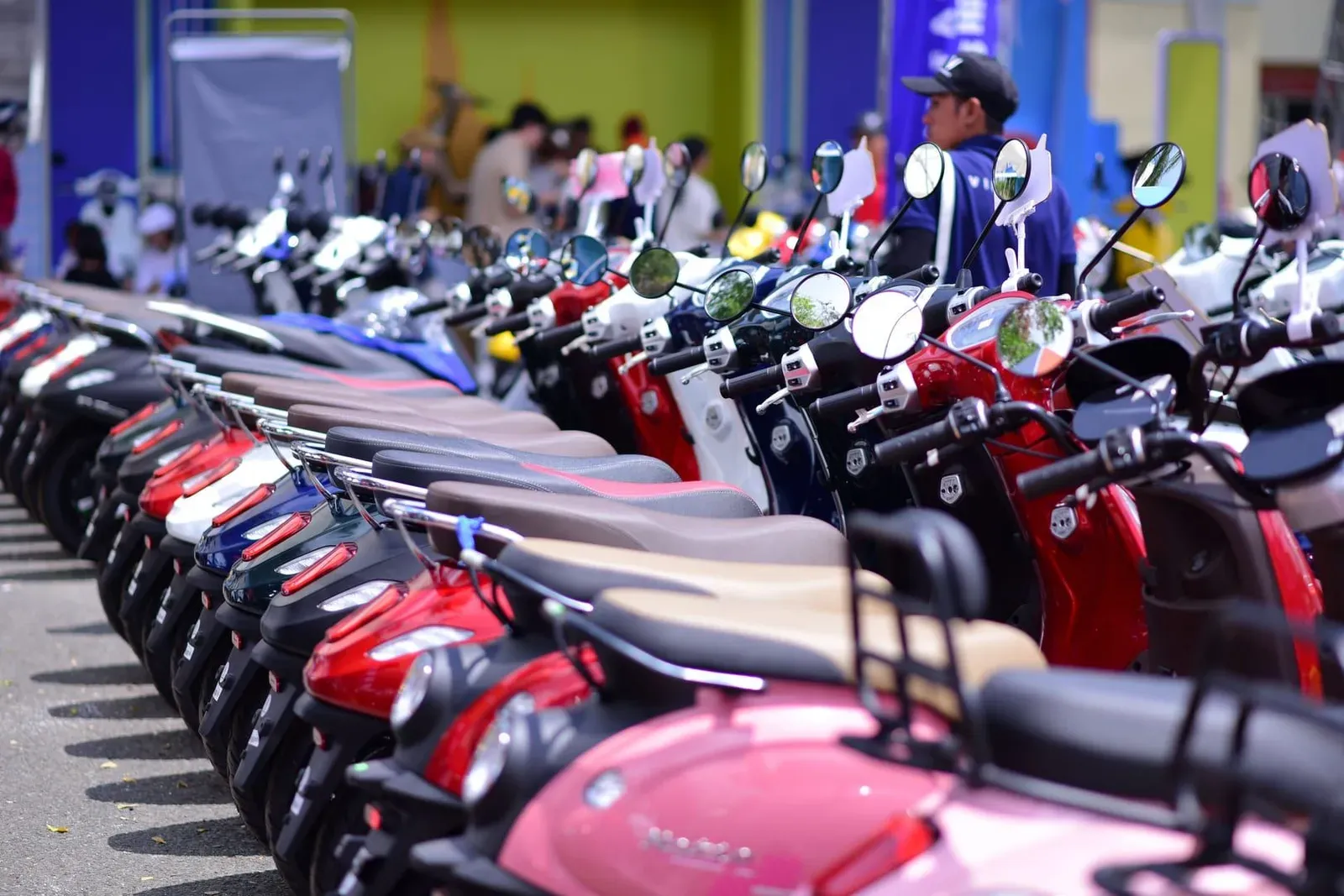
No — never hand over your original passport as a rental deposit; offer a photocopy of the passport data page plus a cash deposit instead, and walk away from any shop that refuses. This is the single most common scooter-rental scam in Thailand: once the shop is holding your passport, they have all the leverage. On return, some operators invent a “scratch” or “damage” fee and refuse to hand the passport back until you pay, and getting a replacement passport from your embassy typically takes 5-10 working days — a serious problem if you have a flight to catch.
The US Embassy, UK Foreign Office, and Australian Smartraveller all explicitly advise against leaving a passport as rental collateral in Thailand. A reasonable rental shop will accept a passport photocopy, a cash deposit, or a credit card hold instead. If a shop already holds your passport and won’t return it, contact the Tourist Police on 1155 rather than negotiating alone.
Does Travel Insurance Cover Scooter Accidents?
Usually not — an estimated 90% of standard travel insurance policies exclude scooter and motorbike accidents entirely, and the policies that do offer cover typically void the claim if you weren’t correctly licensed (home licence plus motorcycle-class IDP) or weren’t wearing a helmet at the time of the crash. Given that Koh Samui’s roads carry a real accident risk (see below), checking your policy’s fine print before you rent matters as much as checking the bike itself.
Read your policy specifically for the words “motorcycle,” “scooter,” or “moped” in the exclusions section — a generic “accidental injury” clause is not the same as motorbike cover. A handful of specialist providers cover riding scooters up to 125cc without requiring a full motorcycle licence, but they are the exception, not the rule. If your policy is silent or ambiguous, call the insurer and get the answer in writing before you ride, not after an accident.
Where to Rent a Scooter in Koh Samui?
Every beach area on Koh Samui has scooter rental shops, and the right one depends on how long you’re staying and how much competition keeps prices honest. Chaweng and Lamai have the highest concentration of shops — heavy tourist footfall keeps daily rates competitive but also attracts a few operators running the passport-deposit scam described above. Maenam and Bophut have fewer shops but tend to offer better weekly and monthly rates, popular with longer-stay visitors and digital nomads.

- Independent local shops: The most common option island-wide — small family-run outfits with a handful of scooters parked outside. Prices are negotiable, especially for a week or more; check reviews and insist on a written rental agreement.
- Hotel/resort desks: Slightly more expensive but convenient and generally more accountable, since the hotel’s reputation is on the line.
- Larger rental chains: A few island-wide operators offer newer bikes, clearer contracts, and sometimes basic third-party insurance bundled in — worth the modest premium if it’s your first time riding in Thailand.
- Airport counters: Available but pricier; useful only if you need a bike the moment you land.
Whichever shop you pick, compare at least two before committing — rates for the same 125cc automatic can vary by 50-100 THB (~1.50-3 USD) a day between shops on the same street.
How Dangerous Is Riding a Scooter in Koh Samui?
Riding a scooter in Koh Samui carries a genuine, well-documented risk — island officials have estimated over 3,000 road accidents a year on Samui, resulting in roughly 50 deaths annually, with tourists accounting for around 30 percent of fatalities and motorcycles involved in the large majority of crashes. Thailand as a whole has one of the world’s highest road death tolls: the World Health Organization estimates 17,000-20,000 road deaths a year nationwide, with motorcyclists and passengers making up about 80 percent of that total.
Most serious incidents on the island involve visitors who are unfamiliar with left-hand driving, mountainous terrain, and mixed traffic that includes trucks, songthaews, and stray dogs. Risk rises sharply during Thailand’s official “Seven Dangerous Days” road-safety campaigns around Songkran (mid-April) and New Year, when nationwide daily death tolls spike 3-4 times above normal — the World Health Organization’s Thailand road safety data puts the country among the world’s highest for road deaths per capita. None of this means you shouldn’t ride — thousands of visitors rent scooters on Samui without incident every month — but it does mean riding cautiously, at low speed, and only if you’re genuinely comfortable on two wheels.

What Are the Rules — Helmets, Checkpoints and Fines?
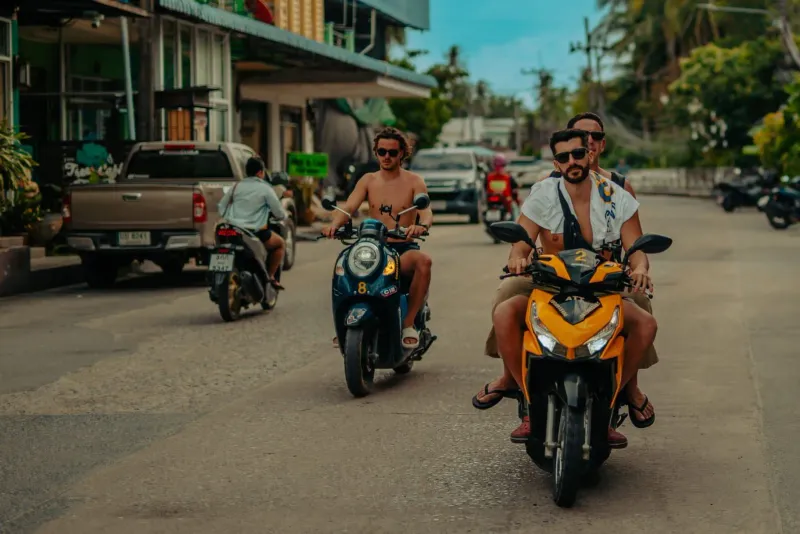
Helmets are legally required for both rider and passenger on every road in Thailand, and since June 2025 the fine for riding without one has quadrupled from 500 THB to up to 2,000 THB (~57 USD) — doubling to around 4,000 THB (~114 USD) if a passenger is also unhelmeted. Police checkpoints on Koh Samui have stepped up enforcement, and two-wheelers are now the most common target: expect officers to check helmet use, licence, and IDP in the same stop.
- Fuel: Gasohol 95/91 runs around 48 THB per litre as of September 2026; most shops sell it by the litre from roadside pumps or petrol stations, both widely available around the ring road.
- Route 4169 hazards: The island’s ~51 km ring road connects every beach town, but two stretches deserve extra caution — the hill climbing out of Nathon toward Maenam (steep, has seen trucks flip and multi-vehicle crashes), and the Chaweng-Lamai section, which has sharp bends and gets slick within minutes of rain.
- Rain: Thailand’s roads become noticeably more dangerous in wet weather — reduce speed and increase following distance the moment rain starts, especially on the sand-dusted southwest stretches.
- Checkpoints: Carry your original home licence, IDP, and rental agreement at all times; a photocopy alone is not always accepted by police.
How Do I Avoid a Damage Scam?
Photograph and video the entire scooter — every panel, both mirrors, the seat, the horn, indicators, and the odometer reading — before you ride off, with your phone’s timestamp visible, and repeat the same walk-around on return before handing back the keys. This single habit is the best defence against the “damage scam,” where a shop claims a pre-existing scratch or dent happened on your rental and demands cash or refuses to return your deposit (or passport, if you made the mistake of leaving it).
- Get a written rental agreement listing the bike’s condition, deposit amount, and daily rate — a shop that won’t provide one is a red flag.
- Check the tyres, brakes, lights, and horn actually work before leaving the lot, not after.
- Pay the deposit in cash against a receipt, not by leaving your passport.
- If a dispute happens anyway, call the Tourist Police (1155) before paying a disputed “damage fee” — they can mediate on the spot in many cases.
What Are the Alternatives to Renting a Scooter?
If riding a scooter doesn’t appeal after weighing the licence rules and accident risk, Koh Samui has workable alternatives for getting around without one. Grab (the regional ride-hailing app) covers most of the island and gives you a fixed, upfront fare, though it cannot pick up directly inside the airport terminal. Songthaews — shared pickup trucks that run along Route 4169 — cost 50-100 THB (~1.50-3 USD) per hop between beach towns and are the cheapest option for short trips. Car rental costs more (roughly 1,200-1,800 THB/day, ~36-54 USD) but is a meaningfully safer choice for anyone unsure about mixed Thai traffic, and it comes with far better insurance availability than a scooter.
For a single point-to-point trip — Chaweng to the airport, say, or up to the Lamai Viewpoint trailhead — a metered taxi or Grab often works out close to scooter-rental cost once fuel and deposit risk are factored in, without any of the licence or accident exposure. Planning to take your scooter over to Koh Phangan? Check ferry rules first in our Koh Samui to Koh Phangan ferry guide.

FAQ
Do you need a license to rent a scooter in Thailand?
Yes. Thai law requires a valid motorcycle licence from your home country plus an International Driving Permit (IDP) with the motorcycle class endorsement. Many shops will rent to you without checking, but riding without the correct documents is illegal, risks a police fine, and typically voids travel insurance if you’re involved in an accident.
How much does scooter rental cost in Koh Samui?
Expect 150-250 THB/day (~4.50-7 USD) for a basic 110-125cc automatic, and 300-450 THB/day (~8.50-13 USD) for a larger 150-160cc model like the Honda PCX. Weekly and monthly rates cut the effective daily cost by 30-70%. Add a 1,000-3,000 THB (~29-86 USD) cash deposit and roughly 100-150 THB/day in fuel.
Is it safe to ride a scooter in Koh Samui?
It carries real risk. Island officials estimate roughly 3,000 road accidents and 50 deaths a year on Samui, with motorcycles involved in most fatal crashes and tourists among the victims. Riding is common and generally fine at low speed with a helmet and the correct licence, but unfamiliar left-hand traffic and steep sections of Route 4169 catch out inexperienced riders.
Should I leave my passport as a deposit for a scooter?
No. Offer a passport photocopy plus a cash deposit (1,000-3,000 THB) instead. Holding your passport gives a dishonest shop leverage to invent a damage fee later, and getting a replacement passport from your embassy can take 5-10 working days. Reputable shops accept a copy without objection.
What happens if I get caught riding without a helmet?
Fines were quadrupled in June 2025 to up to 2,000 THB (~57 USD) per unhelmeted rider, rising to around 4,000 THB (~114 USD) if a passenger is also without a helmet. Police checkpoints on Koh Samui actively enforce this alongside licence and IDP checks, especially since mid-2026.
What’s the alternative if I don’t want to ride a scooter?
Grab ride-hailing, songthaew shared trucks (50-100 THB per hop along Route 4169), and car rental (1,200-1,800 THB/day) all cover the island without the licence requirements or accident exposure of a scooter, at a modest cost premium for door-to-door trips. Whichever you choose, our Koh Samui itinerary guide has ready-made day plans to pair with it.
Published on
About the author

Mike Brochlowski
Travel photographer & writer
Travel photographer and island explorer. Mike has spent years documenting Southeast Asia's hidden gems, from secluded beaches to jungle waterfalls.
Articles by Mike →More in Travel Guides
Next in Travel Guides
How to Get to Koh Samui from Bangkok — 4 Ways Compared (2026)
Bangkok to Koh Samui compared: Bangkok Airways direct flight (1h, from ~2,500 THB), fly-and-ferry, overnight train, and bus and ferry.

Next in Travel Guides
Responsible Travel in Koh Samui — Animal Shows, Reefs, Plastic
A practical guide to ethical tourism in Koh Samui: is Tiger Zoo ethical, elephant riding, reef-safe sunscreen, plastic waste, tipping and…
Chaweng Beach — Samui's 7km White Sand Strip and Nightlife Capital
Chaweng Beach on Koh Samui — 7 km of white sand, beach clubs, Soi Green Mango nightlife, Central Festival shopping, and year-round swimming.