Contents
Overview
Cash is still king on Koh Samui, even in 2026. Every Thai bank ATM charges foreign cards a flat 220 THB (~6.50 USD) fee per withdrawal on top of whatever your home bank adds, so the cheapest approach is fewer, larger withdrawals — 20,000-30,000 THB at a time, the usual per-transaction cap. Hotels, malls, and mid-range restaurants take Visa and Mastercard, but songthaews, market stalls, and small local kitchens are cash-only. Licensed exchange booths in Chaweng and Lamai generally beat both the airport and hotel front desks on rate.
Key facts: ATM fee 220 THB (~6.50 USD) per withdrawal · typical max withdrawal 20,000-30,000 THB · daily budget travelers ~800-1,500 THB, mid-range ~2,000-4,000 THB · restaurant service charge often 10% (no extra tip needed then) · massage tip ~100-200 THB · airport exchange rates usually worst on the island
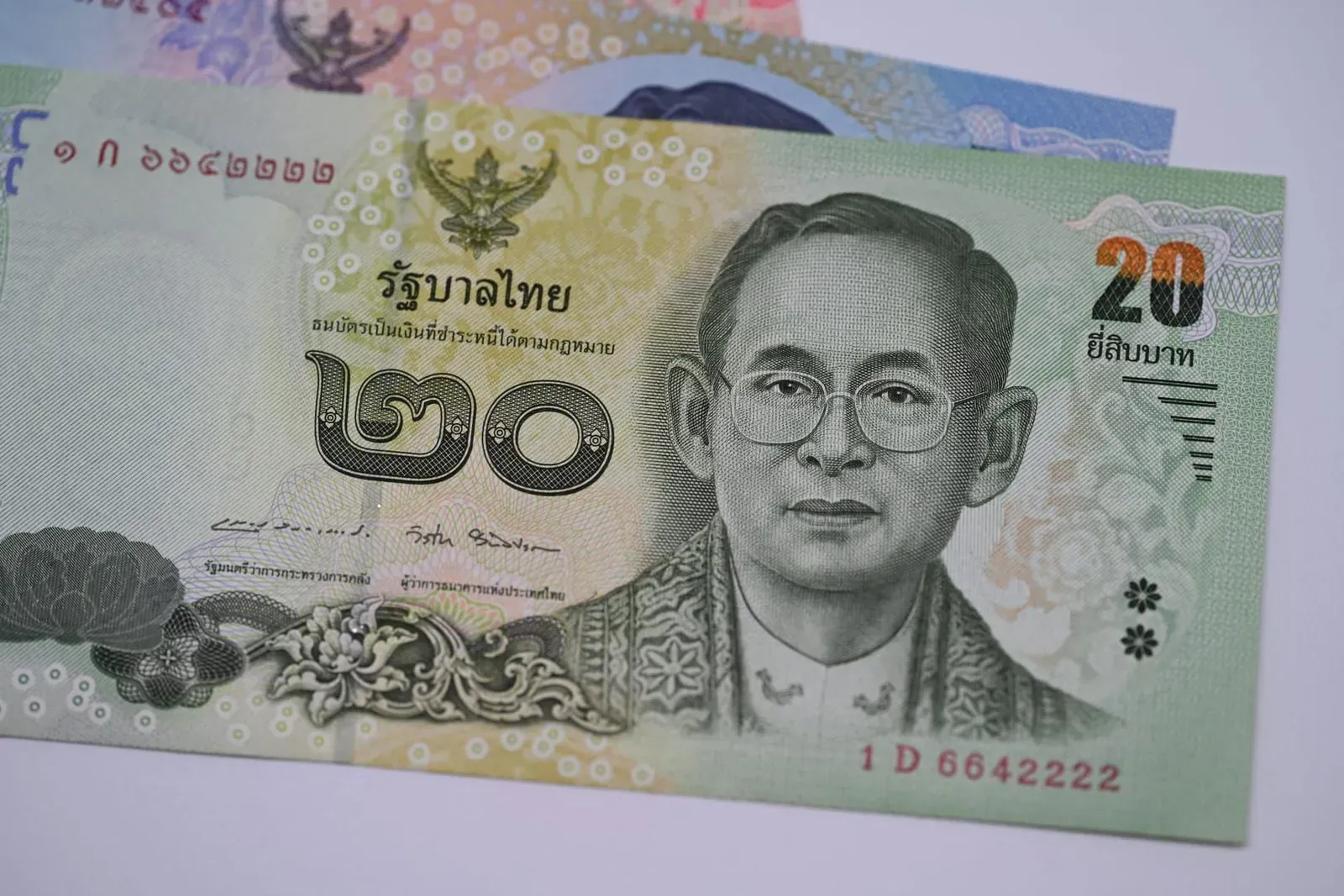
How Much Cash Do You Need Per Day on Koh Samui?
Most travelers need 800-4,000 THB (~23-114 USD) in cash per day on Koh Samui, depending on travel style. Budget backpackers eating street food and taking songthaews get by on roughly 800-1,500 THB/day (~23-43 USD). Mid-range travelers mixing restaurant meals, a scooter or Grab rides, and the odd activity should plan 2,000-4,000 THB/day (~57-114 USD). Travelers staying in resorts with pre-paid tours can carry less cash day-to-day since hotel bills and bigger activities go on card, but still want 1,000-2,000 THB (~29-57 USD) on hand for tips, markets, and small vendors who don’t take cards. See our Koh Samui trip cost guide for a full budget breakdown by travel style.
Round up your estimate and withdraw in fewer trips rather than pulling small amounts daily — every extra ATM visit costs another 220 THB fee regardless of the amount withdrawn.
What Is Thailand’s ATM Fee and How Do You Minimise It?
Nearly every Thai bank ATM — Bangkok Bank, Kasikornbank, SCB, Krungsri, and others — charges a flat 220 THB (~6.50 USD) foreign transaction fee on top of the withdrawal itself, a rate that has held steady since Thai banks raised it from 180-200 THB around 2019. Your home bank typically adds its own foreign transaction fee, often 1-3% of the withdrawal, so a small withdrawal can lose a disproportionate share to fees.
The fix is simple: withdraw the maximum your card and the machine allow in one go, rather than several smaller amounts. Most Samui ATMs cap a single foreign-card withdrawal at 20,000-30,000 THB (~571-857 USD), though your home bank’s own daily limit may be lower. A few practical ways to cut the damage further:
- Withdraw the max, not the minimum. One 20,000 THB withdrawal costs the same 220 THB fee as a 2,000 THB one.
- Use a fee-free travel card. Cards from providers like Wise or Revolut still pay the Thai bank’s 220 THB ATM fee (it’s charged by the machine’s operator, not your card issuer) but skip your home bank’s extra foreign transaction markup, and convert at a rate close to the interbank rate.
- Always decline Dynamic Currency Conversion (DCC). When the ATM asks “Would you like to be charged in USD/EUR/GBP instead of THB?”, choose THB — DCC bakes in a hidden markup, typically several percent worse than your card network’s own exchange rate.
- Use bank-branch ATMs over standalone units in markets or side streets — they’re better maintained and lower skimming risk (see Scams below).
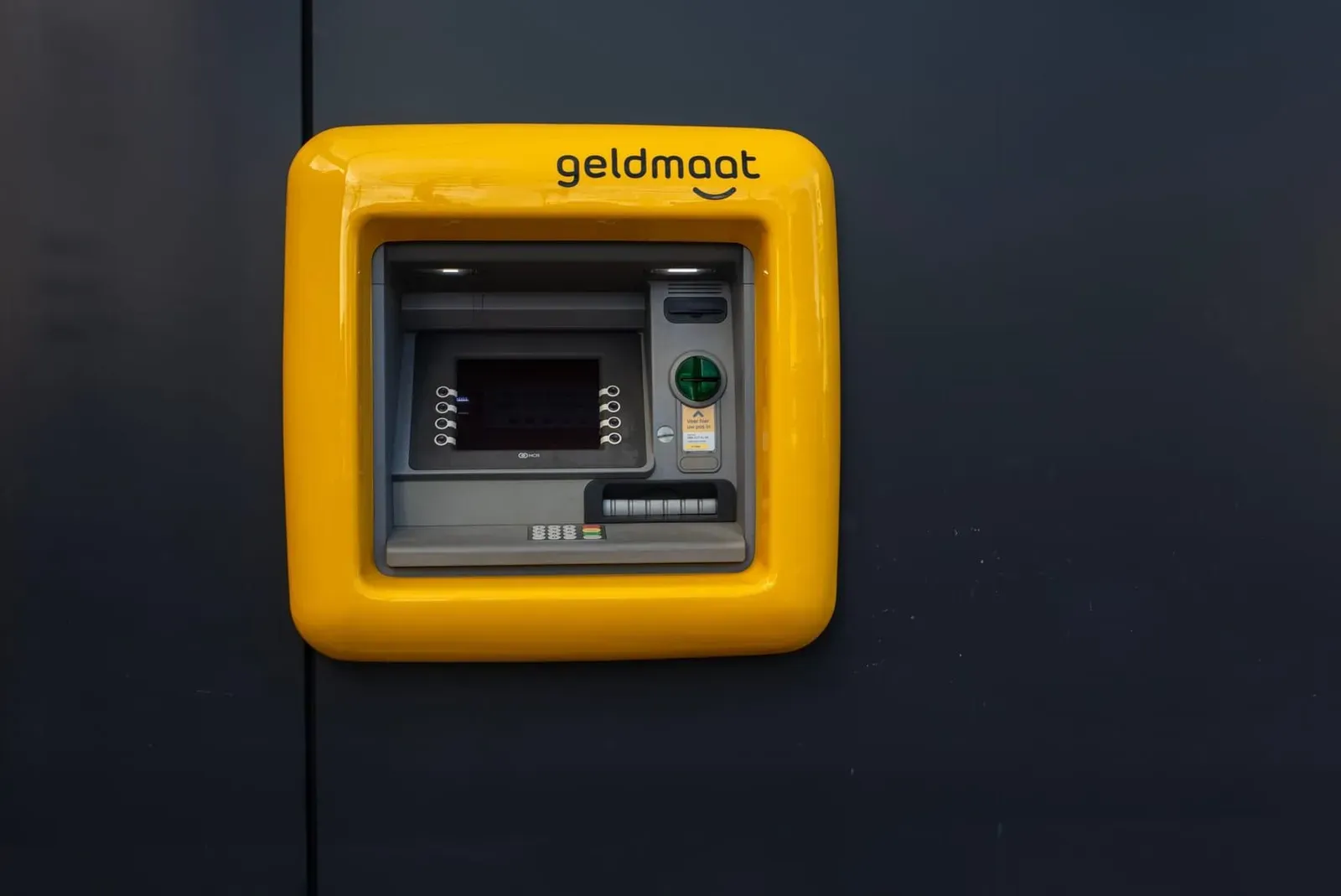
Where Should You Exchange Currency on Koh Samui?
Licensed currency exchange booths in Chaweng and Lamai generally offer better rates than banks, hotel front desks, or the airport. SuperRich-style exchange counters — a chain famous in Bangkok for near-interbank rates — have smaller-scale equivalents and independent licensed booths clustered along Chaweng Beach Road and Lamai’s main strip; compare two or three booths’ posted buy rates before committing, since they can differ by a percent or more even a few doors apart.
Samui Airport (USM) counters and hotel front desks post the worst rates on the island — convenient for a small emergency amount on arrival, but avoid changing a large sum there. Banks offer solid, regulated rates but shorter hours and sometimes a small transaction fee. As a rule of thumb: change a small amount on arrival for your first taxi and meal, then use a Chaweng or Lamai exchange booth — or a fee-minimising ATM withdrawal — for the bulk of your trip cash.
Are Cards Accepted on Koh Samui?
Yes, but unevenly — Visa and Mastercard are widely accepted at hotels, resorts, malls like Central Samui, and larger restaurants, while small local kitchens, market stalls, songthaews, and many beach bars are cash-only. Contactless tap-to-pay works at most 7-Eleven and Family Mart convenience stores, supermarkets, and chain restaurants, making small daily purchases easy without touching cash. American Express is accepted far less often than Visa or Mastercard, so carry a Visa or Mastercard as your primary card.
Some smaller guesthouses and independent tour operators add a 3% surcharge for card payments to cover their own processing fees — ask before you tap. For anything off the main tourist strip, assume cash until you see a card machine.
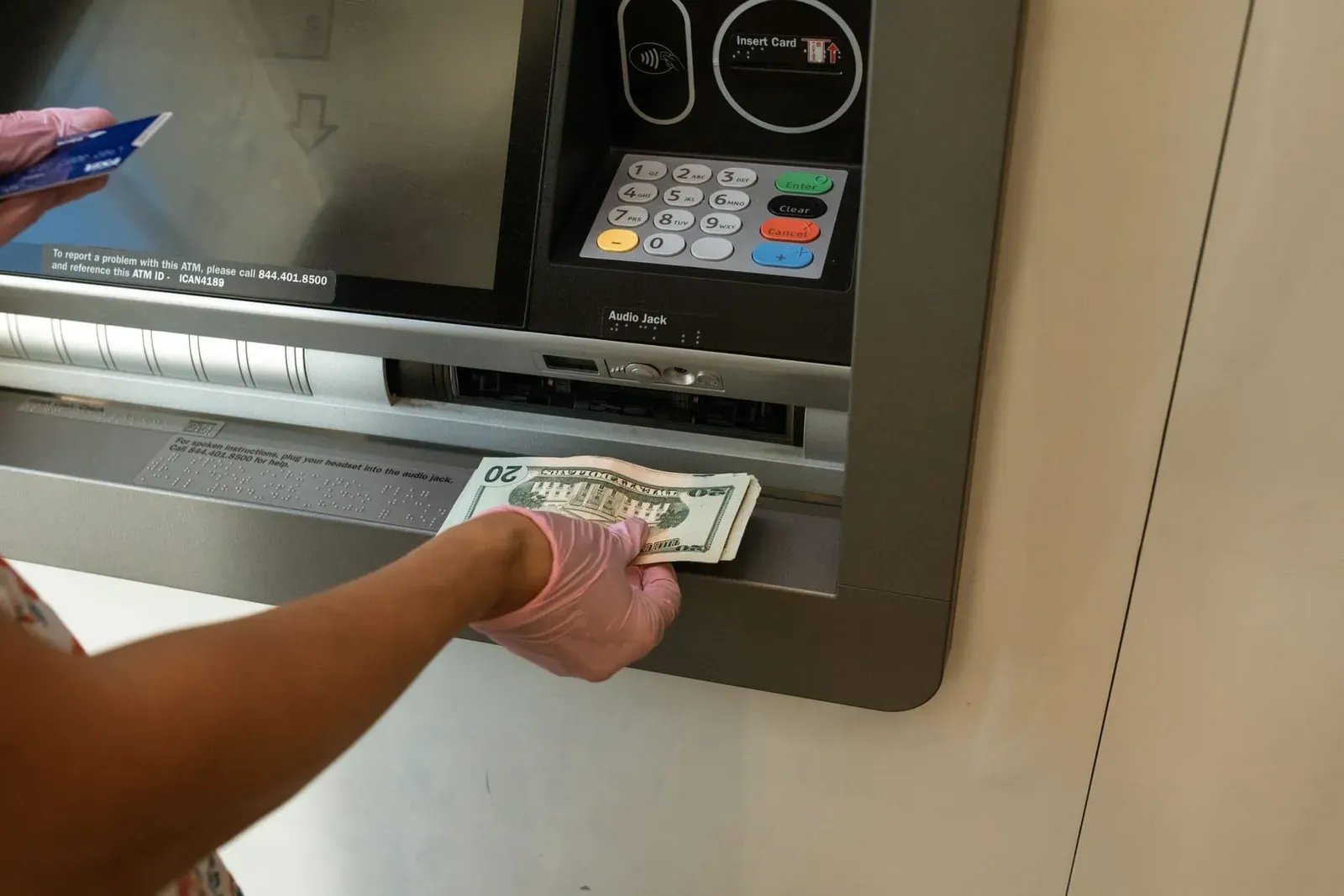
How Much Should You Tip in Thailand?
Tipping in Thailand is appreciated but not obligatory, and the right amount depends on the setting. At restaurants that already add a 10% service charge to the bill, no extra tip is expected — check the printed check first. At places without a service charge, rounding up the bill or leaving 10% is generous and welcomed. For taxis and Grab rides, round up the fare to the nearest 20-50 THB (~0.50-1.50 USD) rather than calculating a percentage. Thai massage is typically tipped 100-200 THB (~3-5.50 USD) per hour-long session, paid directly to the therapist. Tour guides and drivers on day trips are usually tipped 100-200 THB (~3-5.50 USD) per person per day, and boat crews on island-hopping trips appreciate a similar amount pooled from the group at the end.
None of these amounts are enforced — Thai service culture doesn’t rely on tips the way some Western countries do — but a small tip for good service is standard practice among both locals and long-term expats on Koh Samui.
What Money Scams Should You Watch For on Koh Samui?
The two most common money scams targeting tourists on Koh Samui are card skimming at standalone ATMs and Dynamic Currency Conversion (DCC) at card terminals — both avoidable with a little caution. Skimming devices are occasionally fitted to standalone ATMs in quieter areas or outside small shops; stick to ATMs inside banks, 7-Elevens, or well-lit hotel lobbies, cover the keypad with your hand while entering your PIN, and check for a loose or oddly-fitted card slot before inserting your card.
DCC shows up both at ATMs and at card payment terminals in shops and restaurants, where the machine offers to charge you in your home currency “for your convenience.” Always decline and choose to be charged in THB — the DCC exchange rate is set by the merchant or ATM operator and is reliably worse than your card network’s own rate, often by several percent. Other common scams — inflated “closed today, I’ll take you somewhere better” taxi detours and gem/tailor shop overcharging — are not currency-specific but worth the same rule: pay in THB, question round numbers, and keep receipts for anything over a few thousand baht. See our full Koh Samui safety guide for more scam and safety tips.
Official Sources
- Bank of Thailand — regulatory oversight of Thai banks and ATM fee structures
- Tourism Authority of Thailand — general visitor money and safety guidance
- Wise — real exchange rate comparisons and multi-currency card details
Money sorted, plan the rest of the trip: see Koh Samui travel tips for the full pre-trip checklist, getting around for songthaew and taxi fares, and where to eat for typical meal prices. Exchange booths cluster along Chaweng Beach Road and near Nathon pier, the island’s main ferry town — see our ferry piers guide for schedules.
FAQ
Do I need cash on Koh Samui or can I use cards everywhere?
You need both. Hotels, malls, and larger restaurants accept Visa and Mastercard, often with contactless. Songthaews, market stalls, small local restaurants, and many beach bars are cash-only. Carry 1,000-2,000 THB (~29-57 USD) in cash for daily small purchases even if your main spending goes on card.
How much is the ATM fee in Thailand in 2026?
Thai bank ATMs charge foreign cards a flat 220 THB (~6.50 USD) fee per withdrawal, a rate most major banks have held since around 2019. Your home bank may add its own foreign transaction fee on top, often 1-3%. Withdrawing the maximum amount per transaction — usually 20,000-30,000 THB — minimises how often you pay the fee.
Where can I get the best exchange rate on Koh Samui?
Independent licensed exchange booths along Chaweng Beach Road and Lamai’s main strip typically beat banks, hotel front desks, and Samui Airport counters. Compare two or three booths’ posted rates before exchanging a large amount — rates can differ noticeably even between nearby booths. Airport and hotel rates are usually the worst on the island.
Should I decline Dynamic Currency Conversion (DCC) in Thailand?
Yes, always. When an ATM or card terminal offers to charge you in your home currency instead of Thai baht, choose THB. DCC rates are set by the merchant or ATM operator and typically run several percent worse than your card network’s own exchange rate, quietly costing you more on every transaction.
How much should I tip in Thailand?
Tipping is appreciated but not mandatory. Skip it where a 10% service charge is already on the bill. Otherwise, round up restaurant bills or taxi fares, tip masseuses 100-200 THB per session, and tip tour guides or drivers 100-200 THB per person per day. Thai service culture does not depend on tips like in the US.
Published on
About the author

Mike Brochlowski
Travel photographer & writer
Travel photographer and island explorer. Mike has spent years documenting Southeast Asia's hidden gems, from secluded beaches to jungle waterfalls.
Articles by Mike →More in Travel Guides

Also in Travel Tips
Koh Samui Digital Nomad Guide 2026 — Areas, Coworking, Internet, Visa
Koh Samui digital nomad guide 2026: best areas, coworking spaces from ~600 THB/day, fibre and SIM speeds, DTV visa rules, and monthly cos…

Also in Travel Tips
Hospitals & Clinics in Koh Samui — Costs & Insurance (2026)
Koh Samui hospital guide: Bangkok Hospital Samui vs government care, ER and scooter-injury costs, insurance direct billing, pharmacies an…
Also in Travel Tips
Is Koh Samui Safe? Scooters, Scams, Sea & Health (2026)
Is Koh Samui safe?