Contents
Overview
Getting married in Koh Samui means completing two separate tracks: a legal paperwork trail that runs through your embassy, Thailand’s Ministry of Foreign Affairs (MFA) in Bangkok, and the local district office (amphoe), plus the wedding itself — a beach, resort, or villa ceremony that has no legal standing on its own. Most foreign couples do the legal registration quietly (sometimes before arrival, sometimes on the island) and hold the actual ceremony as a Buddhist blessing or a Western-style symbolic event. As of September 2026, allow 1–3 weeks for the legal side and budget from roughly 30,000 THB (~857 USD) for a simple beach ceremony to several hundred thousand THB for a full resort or villa wedding.
Key facts (as of Sep 2026): legal registration at the amphoe is free · embassy affirmation typically 1,800–5,500 THB (~51–157 USD) · MFA legalisation ~200–400 THB (~5.50–11 USD) per document · dry season (Dec–Apr) is the safest booking window · Oct–Nov is the wettest stretch, avoid outdoor ceremonies then
Legal Marriage or Buddhist Blessing — What Is the Difference?
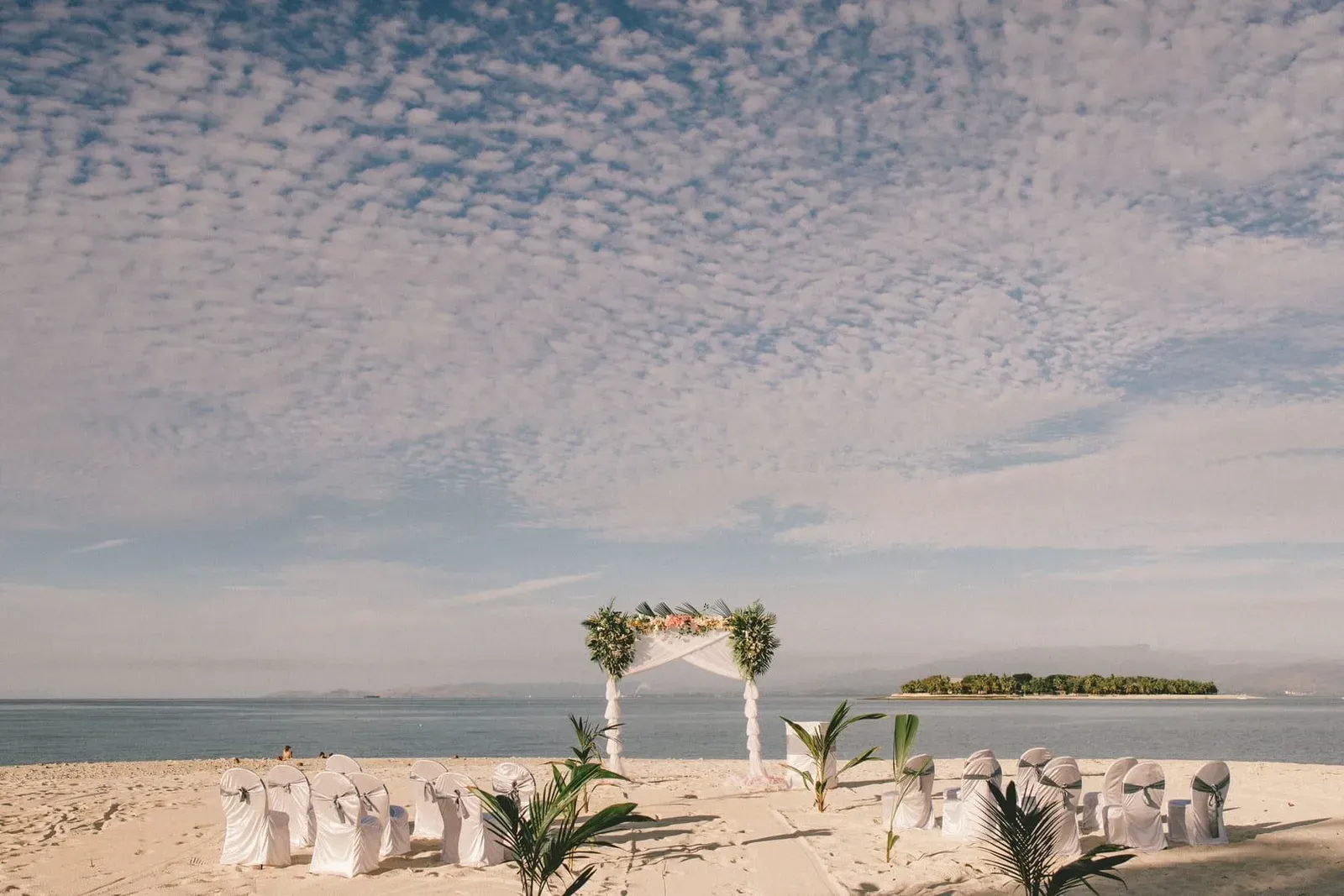
A legal marriage in Thailand is a paperwork event completed at a district office (amphoe), not a ceremony — it produces the Kor Ror 2 and Kor Ror 3 marriage certificates that are recognized internationally once your home country registers them. A Buddhist blessing ceremony, by contrast, is a cultural or religious ritual with monks, offerings, and a sacred thread (sai sin) tying the couple together — it carries no legal weight in Thailand. Most foreign couples who marry on Koh Samui do the amphoe paperwork on a quiet weekday morning, then hold a separate, photogenic beach or resort ceremony (with or without monks) for family and guests. Confusing the two is the single most common mistake: standing on a beach exchanging vows in front of an officiant does not register a marriage in Thailand.
Can Foreigners Legally Marry on Koh Samui?
Yes — foreigners can legally marry on Koh Samui at the island’s district office in Nathon, the same Nathon town that serves as the island’s administrative and ferry hub. Thailand does not issue foreigners a marriage license before the ceremony the way some countries do; instead, each partner who is not a Thai national must first prove they are legally free to marry, via an affirmation or affidavit from their own embassy or consulate, before the district office will register anything. Same-sex couples cannot yet register a civil marriage at a Thai amphoe as of September 2026, though Thailand’s 2024 Marriage Equality Act allows registration for couples where at least one partner holds Thai nationality or residency — foreign same-sex couples with no Thai party should confirm current eligibility with the district office and their embassy before planning a legal ceremony here.
Step 1 — Get an Affirmation of Freedom to Marry from Your Embassy
The first step for most nationalities is an “Affirmation of Freedom to Marry” (also called a statutory declaration or affidavit, depending on the country) issued or notarized by your embassy or consulate. US citizens typically get this as a notarial affidavit at the US Embassy in Bangkok or a US consulate; British, Australian, and most European nationals now get an equivalent sworn declaration prepared with a solicitor or notary and then authenticated at their embassy’s consular section, since several governments (the UK among them) stopped issuing a dedicated “Certificate of No Impediment” for use abroad some years ago. Fees are set by each embassy in its own currency and typically run in the range of 1,800–5,500 THB (~51–157 USD) per person as of 2026 — confirm the exact figure and required supporting documents (passport, sometimes a decree absolute or death certificate if previously married) directly with your embassy before booking an appointment, since Koh Samui itself has no foreign embassies and most consular appointments happen in Bangkok or by mail.
Step 2 — Translate the Affirmation into Thai
Once you hold the affirmation, it must be translated into Thai by a translator whose work the Ministry of Foreign Affairs will accept — in practice this means a licensed translation company or a translator on the Legalisation Division’s approved list, since MFA staff will not certify a translation they consider unreliable. Expect to pay roughly 500–1,500 THB (~14–43 USD) per document, with turnaround of 1–2 business days for a standard order. Many couples handle this step and the next one together through a Bangkok-based legal or translation agency rather than travelling to the capital twice — several Koh Samui wedding planners and hotel concierge desks can arrange courier pickup of documents for this purpose, though you should confirm any such service’s current fee and turnaround before committing.
Step 3 — Legalise the Documents at Thailand’s Ministry of Foreign Affairs
Both the original affirmation and its Thai translation must be legalised by the Legalisation and Naturalisation Division of Thailand’s Ministry of Foreign Affairs before a district office will accept them. This division has historically operated out of Bangkok (an in-person visit or an agent/courier submission on your behalf), with standard processing quoted at around 2–3 business days and an express same-day service available for an extra fee — commonly cited figures are roughly 200 THB (~5.50 USD) per document for standard service and 400 THB (~11 USD) for express, though you should verify the current fee schedule and office location on the Ministry of Foreign Affairs website before travelling, since consular fee schedules are revised periodically. This is the step most Koh Samui-based couples outsource to a Bangkok legal agent or courier service, since flying to the capital and back purely for a stamp adds an extra day or two to the trip.
Step 4 — Register the Marriage at the Koh Samui District Office (Amphoe)
With the legalised affirmation and its certified Thai translation in hand, both partners bring their passports (and, for the Thai partner, a Thai ID card and house registration) to the Koh Samui District Office in Nathon to register the marriage. Registration itself is free of charge and, once the paperwork is complete and in order, is usually finished within the same visit — you leave with the Kor Ror 2 (marriage certificate) and Kor Ror 3 (marriage register extract). Some district offices ask that at least one witness accompany the couple; check this detail with the Nathon office in advance if you plan to marry with only your partner present. After registration, foreign nationals typically also register the marriage with their home country’s embassy or consulate, or with the relevant registry back home, so it is fully recognized there too.
How Long Does the Legal Process Take?
Realistically, allow 1 to 3 weeks from booking your embassy appointment to walking out of the Nathon amphoe with a certificate, assuming no delays at any stage. A fast path — embassy appointment already booked before arrival, same-day courier to a Bangkok translation and legalisation agent, and a same-week amphoe visit — can compress this to under a week for well-organized couples. The slow path is booking an embassy appointment cold (some consulates have multi-week waiting lists), which is why most legal-and-wedding guides for Thailand recommend starting the embassy step at least a month before your intended wedding date, well before you even think about where to stay or booking a venue.
What Does the Legal Paperwork Cost in 2026?
The legal paperwork itself is inexpensive relative to the wedding: registration at the amphoe is free, and the embassy affirmation, translation, and MFA legalisation together typically total somewhere between 3,000 and 8,000 THB (~86–229 USD) per person once translation and legalisation fees for one or two documents are added to the embassy’s own charge. Couples who pay a Bangkok legal agent to handle translation, legalisation, and courier logistics on their behalf should expect an additional 3,000–8,000 THB (~86–229 USD) service fee — a reasonable trade against two personal trips to the capital. See the full cost table further down this page for how these figures compare to the ceremony and venue costs.
Choosing a Venue — Beach, Resort, or Private Villa?
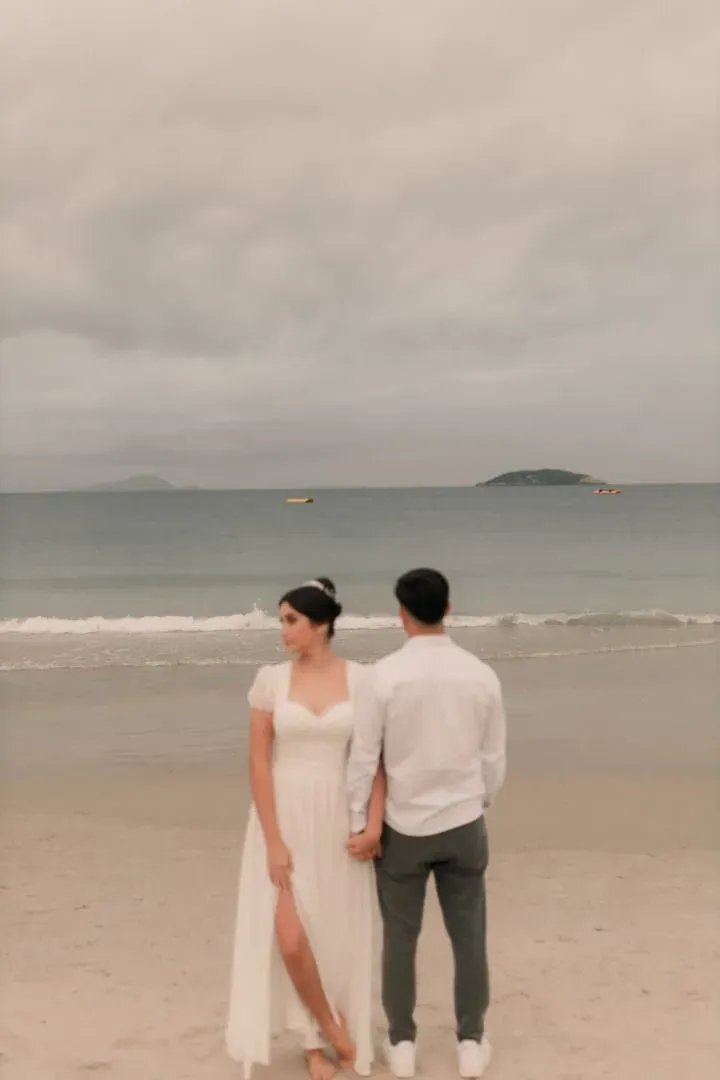
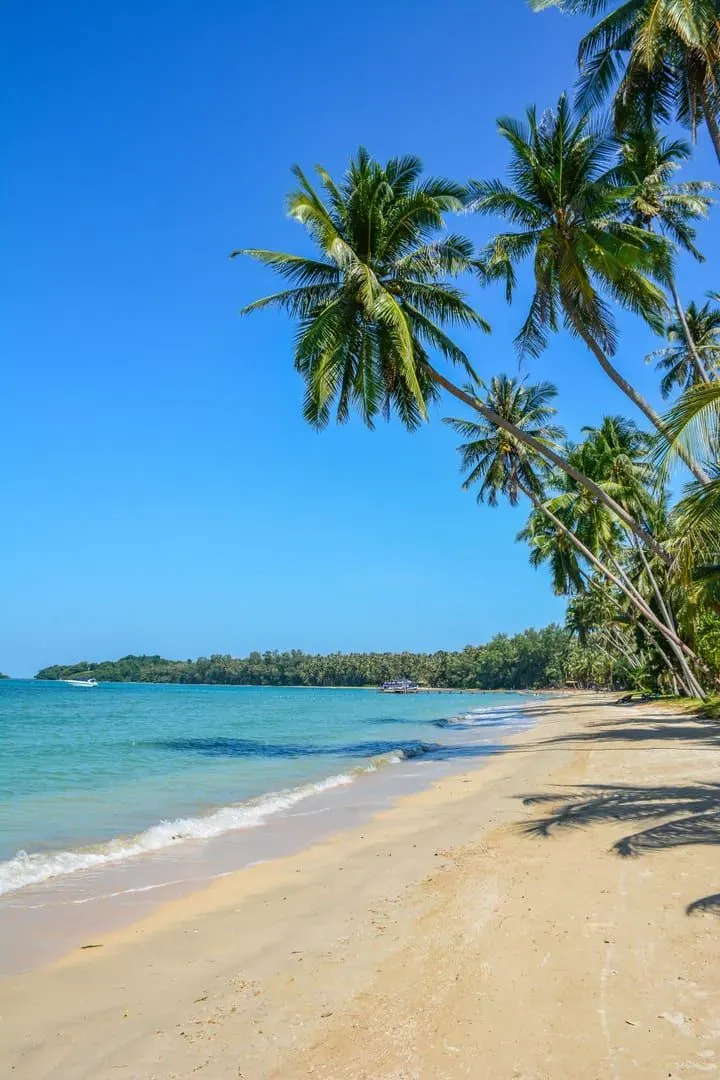
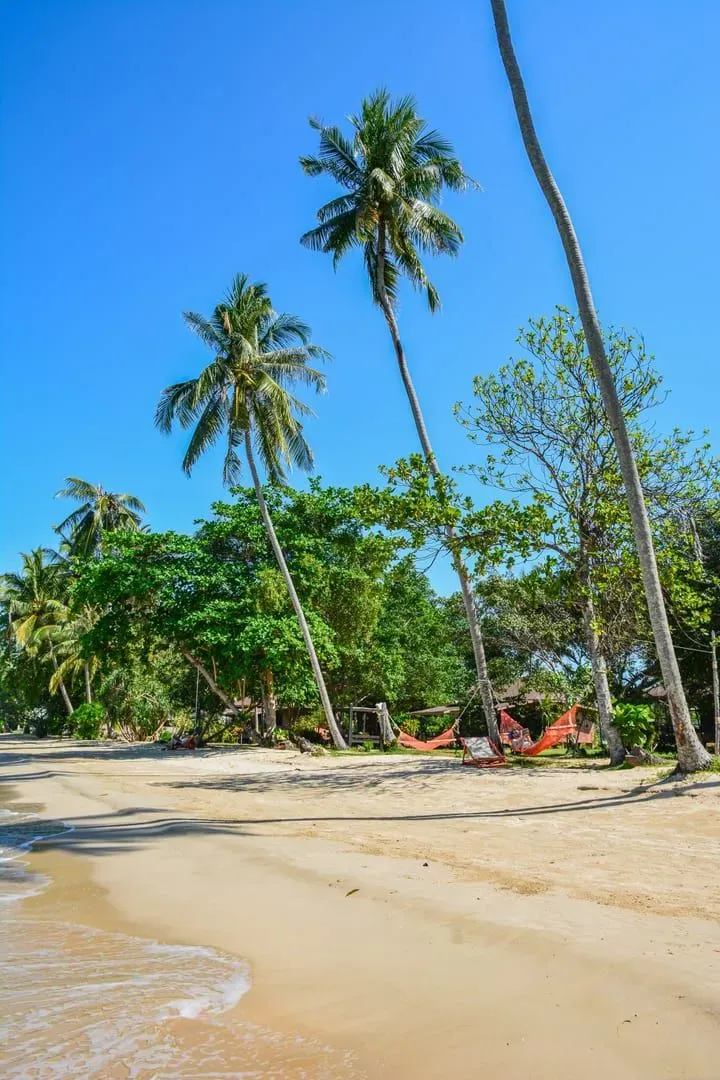
Koh Samui offers three broad venue types for the wedding itself, and each suits a different guest count and budget rather than one being objectively “better.” A public or semi-private beach ceremony works well for small groups and couples who want an open-air backdrop without paying for exclusive land — quieter west-coast stretches near Taling Ngam or the northeast coast around Choeng Mon are popular for their calmer water and fewer day-trippers than Chaweng or Lamai. A resort wedding trades some of that raw beach feel for a turnkey package — catering, chairs, a dance floor, and often an in-house coordinator bundled into one price — and suits guest counts from about 30 upward. A private villa buyout gives the most control (your own pool, garden, and full property for the whole group over a weekend) and suits smaller, more intimate weddings where guests also stay on-site; for a broader sense of what’s available at each price tier, see the site’s where to stay guide. None of these venue types requires a religious or civil officiant to be present for the space itself to be booked — that decision belongs to the ceremony, not the location.
What Is a Buddhist Blessing Ceremony?
A Buddhist blessing ceremony (a common add-on to a Koh Samui wedding) typically involves a small number of monks — often five to nine — chanting blessings, tying white cotton thread (sai sin) around the couple’s wrists or heads, and receiving food and everyday offerings from the couple and their families. It is a cultural and spiritual event, not a civil registration, and can be held at a temple, a resort, or a private villa. Couples usually make a monetary donation to the temple or the monks’ monastery in addition to covering the cost of offerings, robes, and any items requested by the officiating monk — a reasonable total budget is 15,000–40,000 THB (~429–1,143 USD), scaling with the number of monks and the elaborateness of the offerings. Because it is not the legal ceremony, a Buddhist blessing can be scheduled on almost any day, independent of the amphoe paperwork timeline.
Best Months for a Koh Samui Wedding
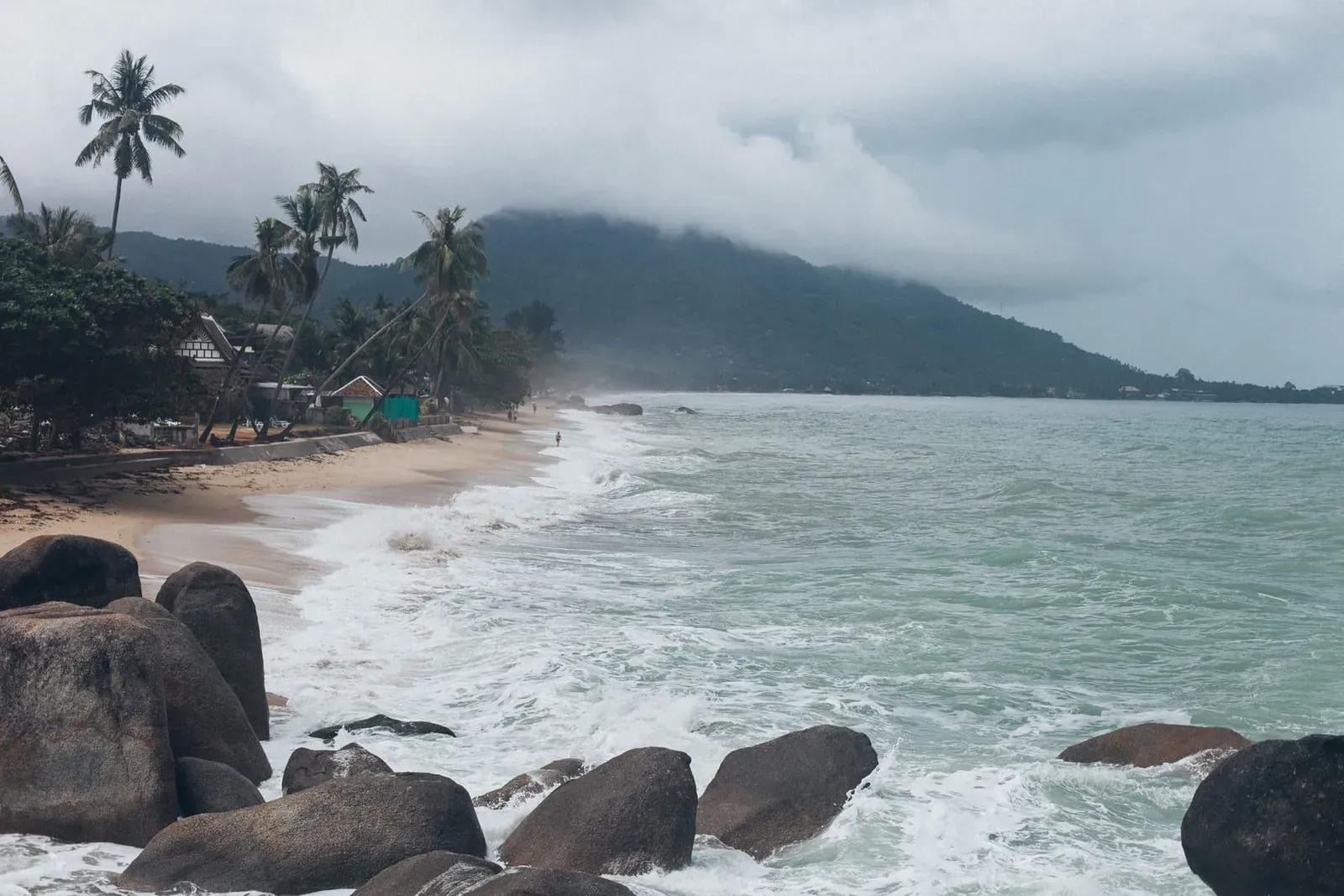
The best months for an outdoor Koh Samui wedding run roughly December through April, when the island sits in its driest, calmest stretch — February is the driest month on record at about 65 mm of rain, and the whole December–April window keeps rain risk low for a beach or garden ceremony (see the site’s best time to visit guide for the full month-by-month breakdown). May through September brings more frequent short afternoon downpours but rarely all-day washouts, so many couples still book resort weddings with a covered backup plan in this window. October and November are the ones to avoid for an outdoor ceremony — Koh Samui’s wettest month, November, averages around 445 mm of rain over roughly 16 rain days, more than double most other months, and October isn’t far behind at about 295 mm. If your date is fixed in that window, budget for a covered pavilion or an indoor resort ballroom rather than an open beach setup.
How Much Does a Koh Samui Wedding Cost in 2026?
| Element | Typical 2026 Cost | Notes |
|---|---|---|
| Marriage registration at the amphoe | Free | No government fee at the Nathon district office |
| Embassy affirmation of freedom to marry | 1,800–5,500 THB (~51–157 USD) | Per person; varies by nationality, paid to your embassy |
| Certified Thai translation (per document) | 500–1,500 THB (~14–43 USD) | Required before MFA legalisation |
| MFA legalisation, standard (per document) | ~200 THB (~5.50 USD) | 2–3 business days |
| MFA legalisation, express (per document) | ~400 THB (~11 USD) | Same-day service |
| Bangkok legal agent / courier service | 3,000–8,000 THB (~86–229 USD) | Optional; avoids a personal trip to the capital |
| Beach ceremony setup, up to 20 guests | 30,000–80,000 THB (~857–2,286 USD) | Arch, chairs, aisle decor, basic sound system |
| Resort wedding package, 30–50 guests | 150,000–400,000 THB (~4,286–11,429 USD) | Venue, catering, and standard decor bundled |
| Private villa buyout, 20–40 guests | 200,000–600,000 THB (~5,714–17,143 USD) | Villa rental plus event setup, often a multi-night stay |
| Buddhist blessing ceremony | 15,000–40,000 THB (~429–1,143 USD) | Monk donations, altar, ceremonial offerings |
| Photographer (half or full day) | 15,000–35,000 THB (~429–1,000 USD) | Full-day packages cost more than half-day |
| Wedding planner / coordinator | 20,000–60,000 THB (~571–1,714 USD) | Scales with guest count and paperwork assistance |
These are typical ranges reported across Koh Samui venues and planners as of September 2026, not quotes from a specific vendor — always request a written, itemized quote before paying a deposit, and confirm what is included (service charge, VAT, and overtime fees are common extras).
Photographers, Planners, and Coordinators
Most resorts and villa rental companies on Koh Samui offer an in-house or preferred wedding coordinator who can handle venue setup, vendor bookings, and often the legal-paperwork logistics described above for a fee scaling with guest count. Independent wedding planners and photographers also operate across the island and typically publish package pricing by guest count and hours of coverage rather than a flat rate — because specific businesses close, rebrand, or change pricing often, this page describes the service types rather than naming individual companies; ask your chosen resort or villa manager for their current recommended vendor list, and check reviews and a portfolio before booking anyone. A half-day photographer typically covers the ceremony and family portraits, while a full-day package adds the reception and evening light.


Official Sources for Marriage in Thailand
Before booking flights, venues, or a photographer, confirm the current legal requirements directly with official sources rather than relying solely on this page: Thailand’s Ministry of Foreign Affairs for document legalisation, the Department of Provincial Administration (DOPA) which oversees district office (amphoe) civil registration nationwide, and your own embassy or consulate in Bangkok for the affirmation of freedom to marry and its fee. Rules and fees are revised periodically and this page reflects the general process as understood in September 2026 — treat every figure here as a planning estimate to double-check, not a quoted price.
FAQ
Can a foreign couple legally marry on Koh Samui?
Yes. Foreign couples can legally marry at the Koh Samui District Office in Nathon after each foreign partner obtains an affirmation of freedom to marry from their embassy, has it translated into Thai, and gets both documents legalised by Thailand’s Ministry of Foreign Affairs. Registration at the district office itself is free and usually completed the same day the paperwork is submitted.
Do we need a marriage license before arriving in Thailand?
No — Thailand does not issue a pre-wedding marriage license the way some countries do. Instead, foreign nationals need an affirmation of freedom to marry from their embassy, translated and legalised, which the district office then uses to register the marriage directly. This paperwork can be started before you fly or after you land in Thailand.
How long does it take to legally marry in Koh Samui?
Realistically 1 to 3 weeks from booking an embassy appointment to registering at the Nathon district office, assuming no delays. Couples who pre-book their embassy appointment and use a Bangkok courier service for translation and legalisation can sometimes finish in under a week; cold-booking an embassy appointment is the most common source of delay.
Is a Buddhist blessing ceremony a legal marriage in Thailand?
No. A Buddhist blessing ceremony is a cultural and religious ritual involving monks, chanting, and offerings, but it has no legal standing under Thai law. Couples who want their marriage legally recognized must separately register at a district office (amphoe); many hold the blessing and the amphoe registration on different days entirely.
When is the best time of year for a Koh Samui wedding?
December through April is the safest window for an outdoor Koh Samui wedding, with February typically the driest month at around 65 mm of rain. October and November carry the highest rain risk on the island — November averages roughly 445 mm of rain — so an indoor or covered venue is the safer choice if your date falls in that stretch.
How much does an average Koh Samui wedding cost in 2026?
Costs vary widely by venue type and guest count: a simple beach ceremony for up to 20 guests typically runs 30,000–80,000 THB (~857–2,286 USD), while a full resort or villa wedding for 30–50 guests can range from 150,000 to over 600,000 THB (~4,286–17,143 USD). Legal paperwork adds a separate, much smaller cost of roughly 3,000–8,000 THB (~86–229 USD) per person.
Published on
About the author

Mike Brochlowski
Travel photographer & writer
Travel photographer and island explorer. Mike has spent years documenting Southeast Asia's hidden gems, from secluded beaches to jungle waterfalls.
Articles by Mike →More in Travel Guides

Also in Travel Tips
Hospitals & Clinics in Koh Samui — Costs & Insurance (2026)
Koh Samui hospital guide: Bangkok Hospital Samui vs government care, ER and scooter-injury costs, insurance direct billing, pharmacies an…
Also in Travel Tips
Is Koh Samui Safe? Scooters, Scams, Sea & Health (2026)
Is Koh Samui safe?
Also in Travel Tips
Box Jellyfish in Koh Samui — Season, Beaches with Nets & First Aid
Box jellyfish appear in Koh Samui's waters mainly June to October; stings are rare but can be serious.