Contents
Living in Koh Samui does not mean joining one community — it means picking a lane among several that rarely cross. Long-stay Europeans in Maenam, a Russian-speaking wave with its own shops and schools, digital nomads in Chaweng cafés, Thai families commuting from the mainland, and the Burmese and Isaan workers who staff the resorts all share a 228 km² island but mostly keep to their own streets, shops and Facebook groups.
Key takeaways
- Koh Samui’s registered local population is about 70,000 (2019–2023 figures), but an estimated 100,000–200,000+ additional people work or long-stay on the island in a given year — a gap that alone explains why no single “Samui community” exists.
- No official ethnicity or nationality breakdown of foreign residents is published; every group-size figure below is a resident estimate or a crowd-sourced number, flagged as such.
- Visa options now split long-stayers into clear tracks: the DTV (500,000 THB savings, remote work or “soft power” activities), the LTR (10-year, USD 80,000/year income), Thailand Elite (650,000 THB+ membership), and the O-A retirement route (50+, 800,000 THB deposit).
- The groups that never otherwise meet actually cross paths in four places: international-school pickup, the gym, the Sunday markets, and the hospital waiting room.
What Living in Koh Samui Actually Looks Like
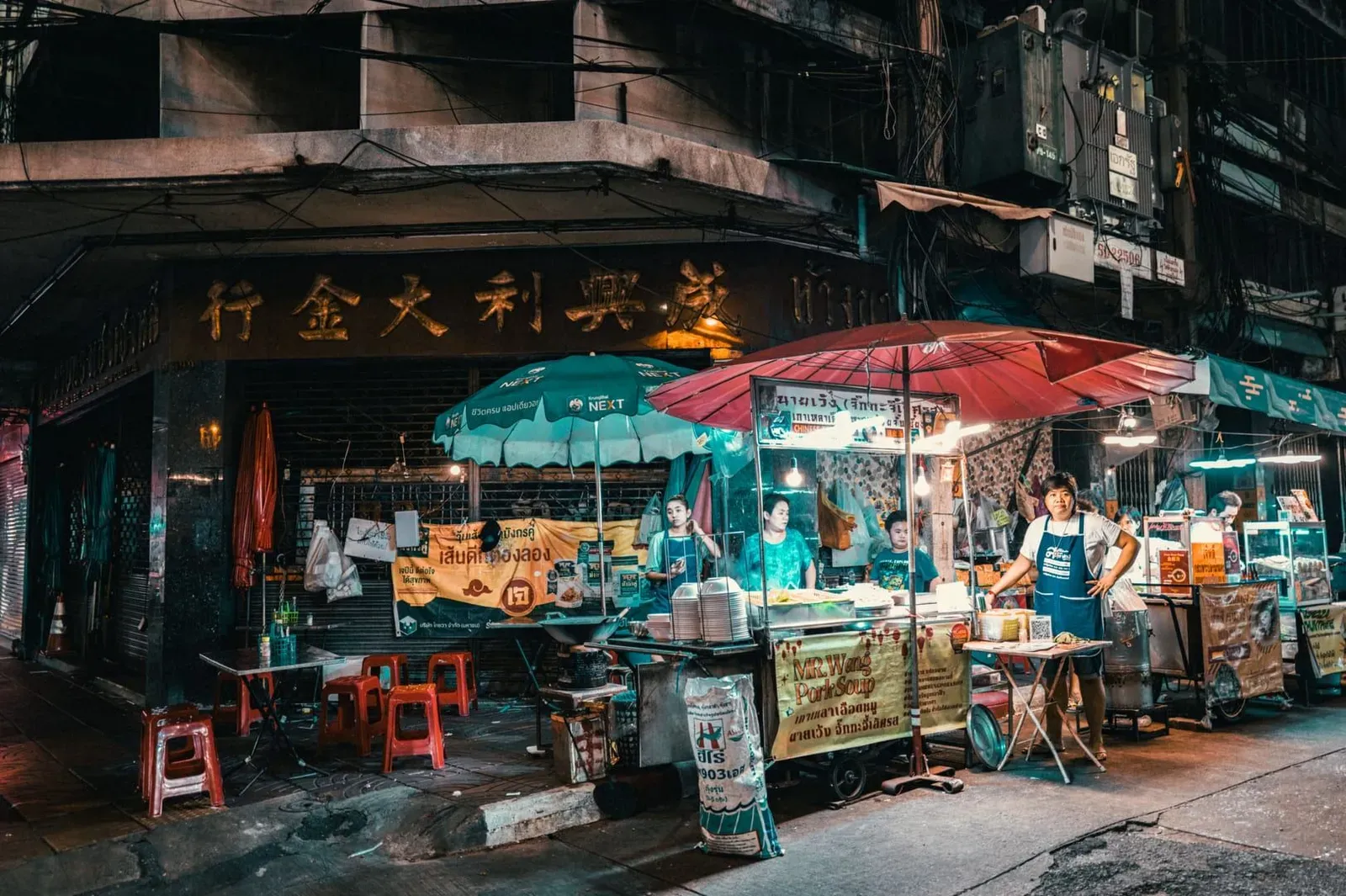
Living in Koh Samui means sharing a small island with far more transient and working residents than registered locals. The island’s registered local population was 70,059 in 2019 and is cited at roughly 70,000 as of 2023, while non-local numbers — tourists, migrant workers and long-stayers combined — were estimated at more than 200,000 people coming to the island for work in 2023 (source: Ko Samui island profile, Wikipedia, accessed Sep 2026; the original registrar figures behind these numbers are not independently published, so treat them as approximations). No government census breaks that non-local total down by nationality or visa type, which is exactly why every “how many Russians/Brits/nomads live here” number circulating on the island is a resident estimate, not a count.
What follows is a tribe-by-tribe report: where each group clusters, how people typically arrive, what visa or work status they are usually on, what they complain about, and — because none of this is useful without an honest source note — what is and is not actually documented.
The Long-Stay Europeans of Maenam and Bang Po
The long-stay European crowd clusters along the calm north coast in Maenam and Bang Po, where lower rents and a working fishing-village feel replaced Chaweng-style tourism decades ago. Most arrived as repeat tourists who converted a holiday into a long-term rental — a studio or house on an annual lease — often after several seasons of visiting. Legal status is a patchwork: some hold a Non-Immigrant O visa through marriage or a Thai company, a growing number use the DTV or LTR (below), and plenty simply do 30-day visa-exempt entries or 60-day tourist e-visas back to back, a habit immigration has been actively squeezing since the September 2026 rule change cut the standard exemption from 60 to 30 days. Common complaints: land-title uncertainty for anyone building rather than renting, the seasonal flood of Loy Krathong and New Year tourists driving up short-term rents, and a monsoon season (October–December) that empties out the cafés they built a routine around.
The Russian-Speaking Wave
A Russian-speaking population has grown on Koh Samui over the past decade, visible in Cyrillic shop signage, Russian-language real-estate agencies, and at least one Russian-curriculum school option alongside the island’s mainstream international schools. No official count of Russian or Russian-speaking (including Kazakh, Belarusian, Ukrainian) residents exists for Samui specifically — every figure that circulates locally is a resident’s guess, and this page will not repeat one as fact. Arrival paths split two ways: a tourism-to-property pipeline (buy or lease, then convert to long-stay) and a smaller cohort running Russian-facing tour operators, real-estate brokerages and restaurants. Visa status mirrors the wider long-stay European pattern — Elite membership is disproportionately popular in this group according to agents who sell it, because it removes the visa-run question entirely for a lump sum. The most-repeated complaint from other groups is mutual: limited cross-mixing, since Russian-speaking arrivals often build a self-contained service ecosystem (shops, agents, doctors) rather than using the same businesses as other foreign residents.
The British and Australian Bar and Business Owners
British and Australian operators own a visible share of the bars, guesthouses and small tour operations along Chaweng and Lamai, a presence going back to the 1990s backpacker era before Samui’s airport made it an easy direct-flight destination. Running a business as a foreigner legally requires a Thai majority shareholder structure or a BOI/treaty route, plus a work permit tied to the business — a compliance cost that pushes some owners toward informal nominee arrangements immigration has been cracking down on periodically. Typical complaints: rising rents on beachfront commercial leases, competition from newer digital-nomad-oriented cafés and co-working bars, and the same 30-day-exemption squeeze hitting anyone who was quietly running a business on tourist status. This tribe overlaps heavily with the retirees below — many bar owners are also drawing a pension and treat the bar as a retirement project rather than a primary income.
The Digital Nomads of Chaweng and Fisherman’s Village
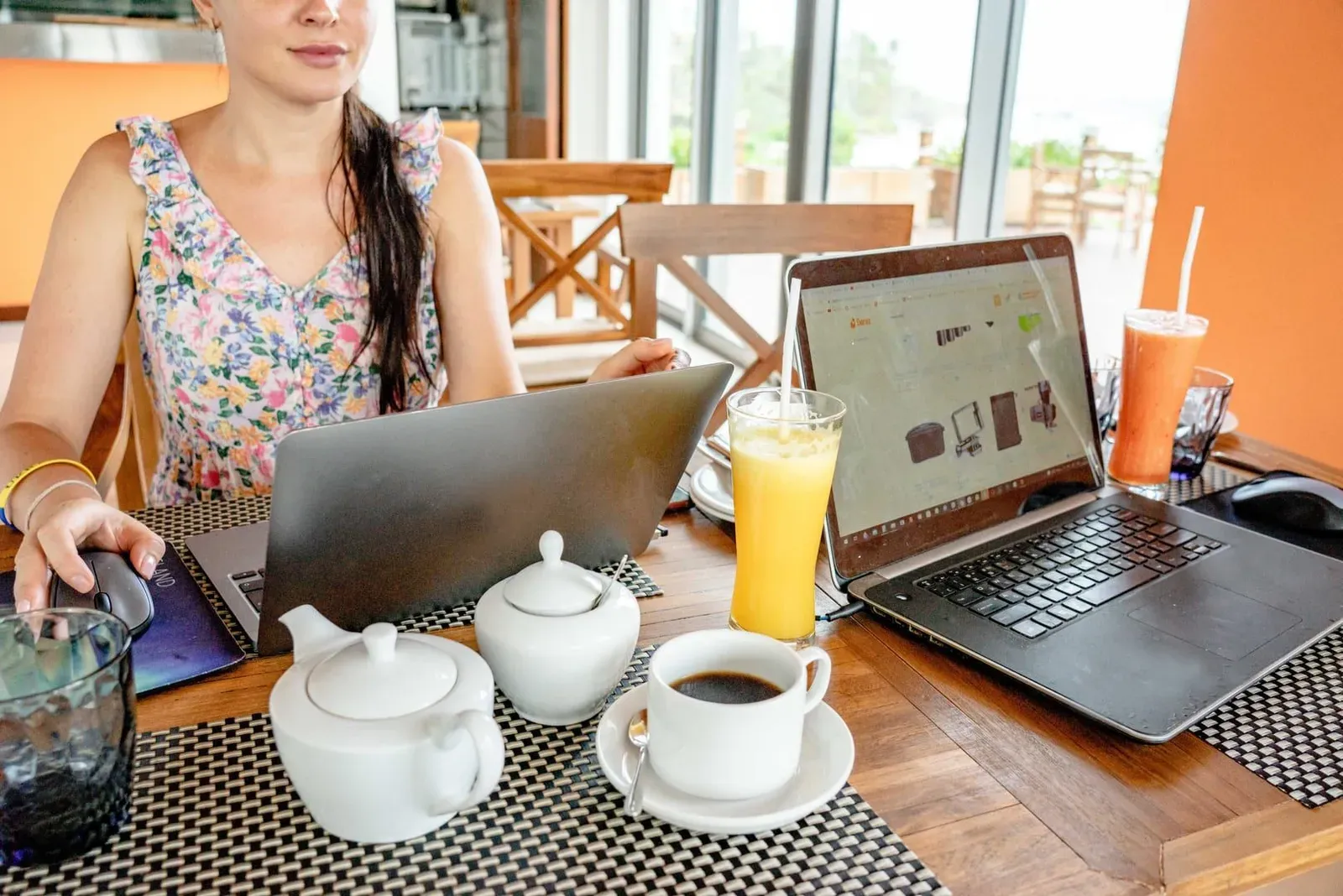
Digital nomads base themselves around Chaweng’s 24-hour coworking space and Bophut’s Fisherman’s Village, which supplies café culture, fibre internet and a walkable evening scene. Crowd-sourced estimates put roughly 1,800 remote workers on the island at any time — small next to Koh Phangan’s denser scene, and the community here skews toward longer-term expats and families rather than a transient backpacker-nomad crowd. Most arrive on a 30-day exemption or tourist e-visa and either leave before it expires or upgrade to the DTV, which explicitly covers remote employees of foreign companies and freelancers, requires 500,000 THB in savings and a 10,000 THB fee, and grants 180 days per entry. The recurring complaint is Samui’s cost relative to the payoff: digital nomad monthly spend runs around 51,000 THB (~1,457 USD), noticeably higher than Chiang Mai and without that city’s much larger coworking and nomad-meetup density.
The Wellness and Yoga Circuit
The wellness and yoga crowd runs on retreat cycles rather than annual leases — teacher trainings, detox programs and meditation retreats that bring people for anywhere from a week to a full season, with a smaller resident core of teachers and studio owners who stay year-round. Most retreat guests enter visa-exempt or on a tourist e-visa since a program rarely exceeds 60 days; resident teachers typically need a work permit tied to a studio or, increasingly, run their offering as a freelancer on a DTV. The complaint specific to this group is licensing ambiguity — teaching yoga or leading retreats for payment is technically work requiring a permit, and enforcement has been inconsistent, which studio owners describe as a standing legal grey area rather than a settled rule.
The Muay Thai Crowd
The Muay Thai crowd trains out of a handful of camps concentrated around Lamai, several of which double as accommodation so foreign fighters can live on-site during a training block. Most arrive on a standard tourist entry for a short camp stint, but the DTV’s “soft power” category was built partly with this group in mind, covering Muay Thai training stays without needing a work permit as long as no local employment is involved. Thai fighters at the camps, by contrast, are usually gym-employed and drawn from across the country, including Isaan provinces with the deepest Muay Thai tradition. The recurring complaint from foreign trainees is the same one every Samui gym community shares: the gap between a fighter’s purse at a tourist-facing stadium bout and what it actually costs to train full-time on the island.

The Sailing and Dive Community
Sailing and diving cluster on opposite sides of the island — dive shops mostly out of the west and southeast coast piers serving Sail Rock and Ang Thong, and sailors around the marinas and charter operators who run the Gulf’s regatta and cruising circuit. This is one of the more transient tribes: instructors and crew often rotate between Samui, Koh Tao and Phuket seasonally rather than settling, working on Non-B work permits tied to a dive shop or yacht-charter company where the paperwork is done properly, or informally where it is not. The community’s honest complaint is weather-driven income: the southwest monsoon (roughly May–October) and the November–December swell window both cut diving and sailing days sharply, so most of this tribe’s annual income is compressed into the dry season.
The Thai Families Who Run the Island
Thai families from mainland Surat Thani province and neighboring Nakhon Si Thammarat supply much of the hospitality, retail and service workforce that keeps Samui running, commuting or relocating for resort, restaurant and shop jobs that pay better than equivalent mainland work. Koh Samui is administratively part of Surat Thani province, so this is intra-provincial migration rather than a border crossing — no work permit is needed, only standard Thai ID and household registration paperwork, though many workers keep their official household registration on the mainland while living on the island for work. The standing complaint in this group is cost of living outpacing local wages: Samui’s rents run higher than Bangkok’s despite local service-sector pay tracking the same national minimum-wage bands as the mainland, a gap hospitality and retail staff describe as the island’s basic unfairness.
The Burmese and Isaan Workforce
Migrant labor from Myanmar and seasonal workers from Thailand’s Isaan (northeastern) provinces fill much of Samui’s construction, landscaping, fishing and lower-paid hospitality work — the workforce implied by that 200,000-plus non-local figure cited earlier, though again with no official breakdown by nationality or origin province. Myanmar workers are typically employed under Thailand’s bilateral MOU migrant labor system or hold pink-card (migrant worker) registration tied to a specific employer, a status that ties their legal right to stay directly to that job. Isaan workers, as Thai nationals, need no permit but often live in shared staff housing near resorts and send remittances home the way many international migrants do. This tribe gets covered with the same seriousness as any other on this page because it is not: documented practice on wage levels and housing conditions is thinner here than for any other group in this report, and where a claim cannot be sourced, it is left out rather than guessed at.

The Retirees
Retirees settle mainly in quieter areas — Bang Po, Lipa Noi, and the hillside developments above Choeng Mon and Bophut — trading nightlife proximity for space and lower noise. The standard route is the Non-Immigrant O-A retirement visa: age 50 or older, a 800,000 THB Thai bank deposit seasoned for at least two months (or roughly 65,000 THB in monthly income), renewed annually with 90-day address reporting. A smaller number use the newer LTR “Wealthy Pensioner” category instead, trading a higher income bar (USD 80,000/year passive income, or USD 40,000 with a Thai investment) for a 10-year visa and no annual renewal trip to immigration. The universal retiree complaint is healthcare cost: private care at Bangkok Hospital Samui is fast but expensive, and travel or expat health insurance gets markedly pricier — or refuses new enrollment outright — past age 70–75.
The Seasonal Crowd — November to March
The seasonal crowd shows up only for the dry, cooler high season roughly from November through March, then largely disappears — snowbirds from colder parts of Europe, seasonal villa renters, and repeat visitors who treat Samui as a winter home without ever becoming year-round residents. Most stay on visa-exempt entries or tourist e-visas timed exactly to the season, since a single 60-day e-visa plus one extension covers most of the window without needing a long-stay visa at all. This group’s presence is what makes November–March rents, restaurant waits and traffic on the ring road noticeably worse than the quieter June–September stretch, and it is the group every other tribe on this page complains about loudest — the seasonal price spike lands on renters and small-business owners who live here year-round, not on the seasonal visitors driving it.
Where the Tribes Actually Meet
Despite everything above, these groups are not sealed off from each other — they cross paths in four specific, recurring places. International-school pickup lines at the island’s UK-, IB- and bilingual-curriculum schools mix European, Russian-speaking, Thai and mixed-nationality parents who otherwise shop, worship and socialize separately. Gyms and Muay Thai camps put nomads, retirees, seasonal visitors and Thai trainers on the same mats regardless of visa status. Sunday and Thursday night markets — Lamai’s Sunday market, Maenam’s Thursday market, Fisherman’s Village’s Friday walking street — are genuinely mixed spaces where every tribe on this page buys the same grilled skewers from the same Thai vendors. And the hospital waiting room, especially the ER at Bangkok Hospital Samui, is the one place where nationality, visa status and income bracket briefly stop mattering, because everyone in it needs the same thing.
What It Costs and Who Is Here on What Visa
Living in Koh Samui costs differently depending on which tribe you fall into, but the visa system now sorts long-stayers into four fairly distinct tracks. A single person’s baseline budget runs 45,000–90,000 THB (~1,286–2,571 USD) a month, rising to 110,000–180,000 THB (~3,143–5,143 USD) for a family with a child in international school — figures from Numbeo and Nomads.com, both accessed September 2026.
| Visa route | Who it suits | Core requirement | Length |
|---|---|---|---|
| 30-day exemption / tourist e-visa | Seasonal visitors, short retreat guests | Return ticket, TDAC on arrival | 30–60 days, extendable once |
| DTV (Destination Thailand Visa) | Remote workers, Muay Thai/retreat stays, freelancers | 500,000 THB savings, 10,000 THB fee | 180 days per entry, 5-year multi-entry |
| Non-Immigrant O-A (retirement) | Retirees 50+ | 800,000 THB deposit or ~65,000 THB/month income | 1 year, renewable |
| LTR (Long Term Resident) | High earners, remote professionals, wealthy pensioners | USD 80,000/year income (most categories) | 5 years, renewable to 10 |
| Thailand Elite | Anyone who can pay for convenience | 650,000 THB+ membership fee | 5–20 years by tier |
Sources: Thailand Board of Investment LTR program and Thailand Privilege membership program, both checked September 2026; DTV and retirement-visa figures cross-checked against this site’s own visa guide. Visa rules changed sharply in Thailand in September 2026 — confirm current terms with a licensed agent or the Royal Thai Embassy before relying on any figure here.
FAQ
How many foreigners actually live on Koh Samui?
There is no official count. Wikipedia’s Ko Samui profile cites more than 200,000 non-local people coming to the island for work as of 2023, but that figure blends tourists, migrant workers and long-stay foreign residents together — nobody publishes a foreign-resident-only number for living in Koh Samui specifically.
Is Koh Samui a good place to retire?
Yes for people who want quiet beaches and a JCI-linked private hospital, via the Non-Immigrant O-A visa (age 50+, 800,000 THB deposit) or the LTR Wealthy Pensioner route. The tradeoff is healthcare cost past 70–75, when many insurers raise premiums sharply or stop new enrollment.
What visa do digital nomads use on Koh Samui?
Most use the DTV (Destination Thailand Visa): 500,000 THB in savings, a 10,000 THB fee, and 180 days per entry on a 5-year multi-entry visa, open to remote employees of foreign companies and freelancers. Shorter stays still run on the standard 30-day exemption or a 60-day tourist e-visa.
Do Koh Samui’s expat communities actually mix?
Rarely by default — Europeans, Russian-speaking residents and nomads tend to use separate shops, schools and social circles. They do cross paths at international-school pickup, gyms and Muay Thai camps, the island’s Sunday and Thursday night markets, and hospital waiting rooms.
Where do Thai workers on Koh Samui come from?
Mostly from mainland Surat Thani province, which administratively includes Koh Samui, and neighboring Nakhon Si Thammarat, plus Isaan provinces further north. Migrant labor from Myanmar fills much of the island’s construction and lower-paid hospitality work under Thailand’s bilateral MOU system.
Turning Up
There is no single meeting point for “Samui’s expat community” because it does not exist as one thing — but the Thursday night market on Maenam’s main road and the Friday walking street in Bophut’s Fisherman’s Village are the closest the island gets, running weekly year-round with Thai vendors and every tribe on this page shopping the same stalls. Turn up on either evening, buy dinner from a grill stall, and you will see more of Koh Samui’s actual social mix in an hour than a month of separate expat Facebook groups will show you.




Published on
About the author

Mike Brochlowski
Travel photographer & writer
Travel photographer and island explorer. Mike has spent years documenting Southeast Asia's hidden gems, from secluded beaches to jungle waterfalls.
Articles by Mike →More in Island Life
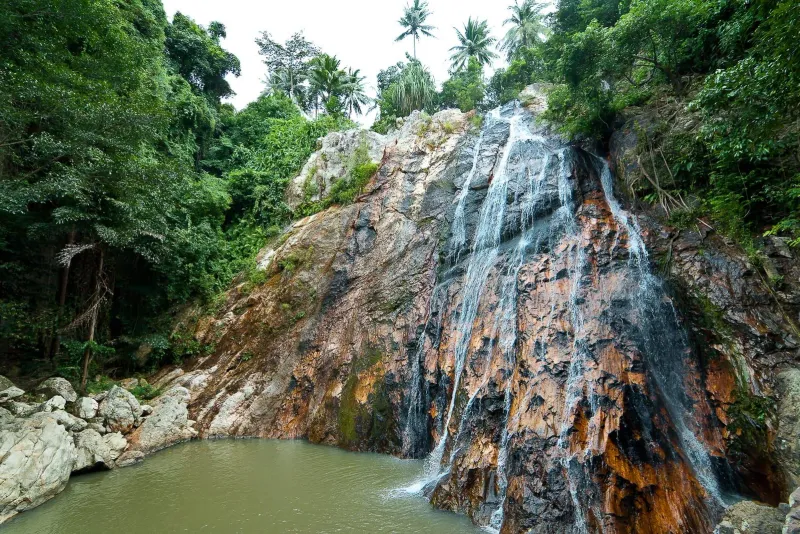
Na Muang Waterfalls — Samui's Purple Cascades and Jungle Pools
Explore Na Muang Waterfalls on Koh Samui — the accessible 18m Purple Waterfall with its swimming pool and the 80m jungle trek to the isla…
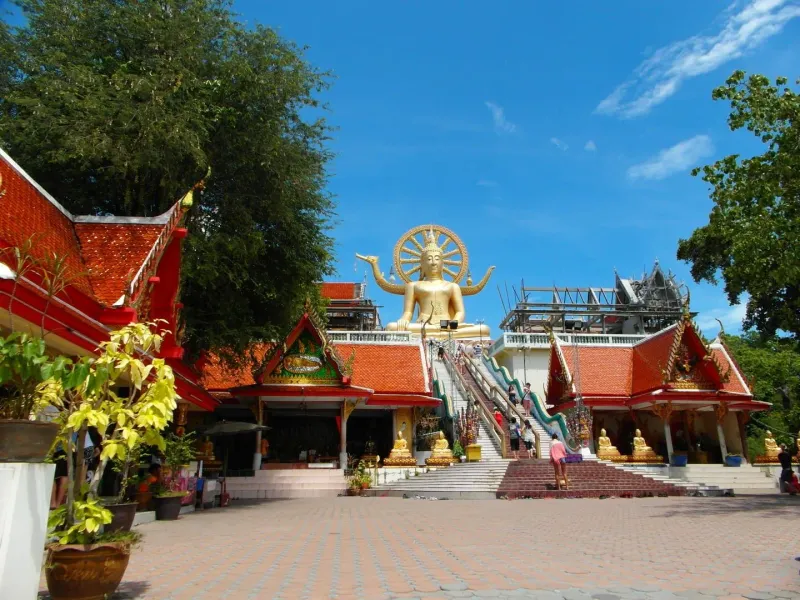
Wat Phra Yai — Big Buddha Temple on Koh Samui
Visit Wat Phra Yai (Big Buddha) on Koh Samui: a 12-meter golden Buddha, naga staircase, panoramic views, and market stalls.
Apirom Viewpoint — Koh Samui's Closed Hillside Lookout Above Ban Tai
Apirom Viewpoint: a ~304m hilltop lookout inland of Ban Tai, Koh Samui, its restaurant closed since the pandemic but the hillside track s…