Contents
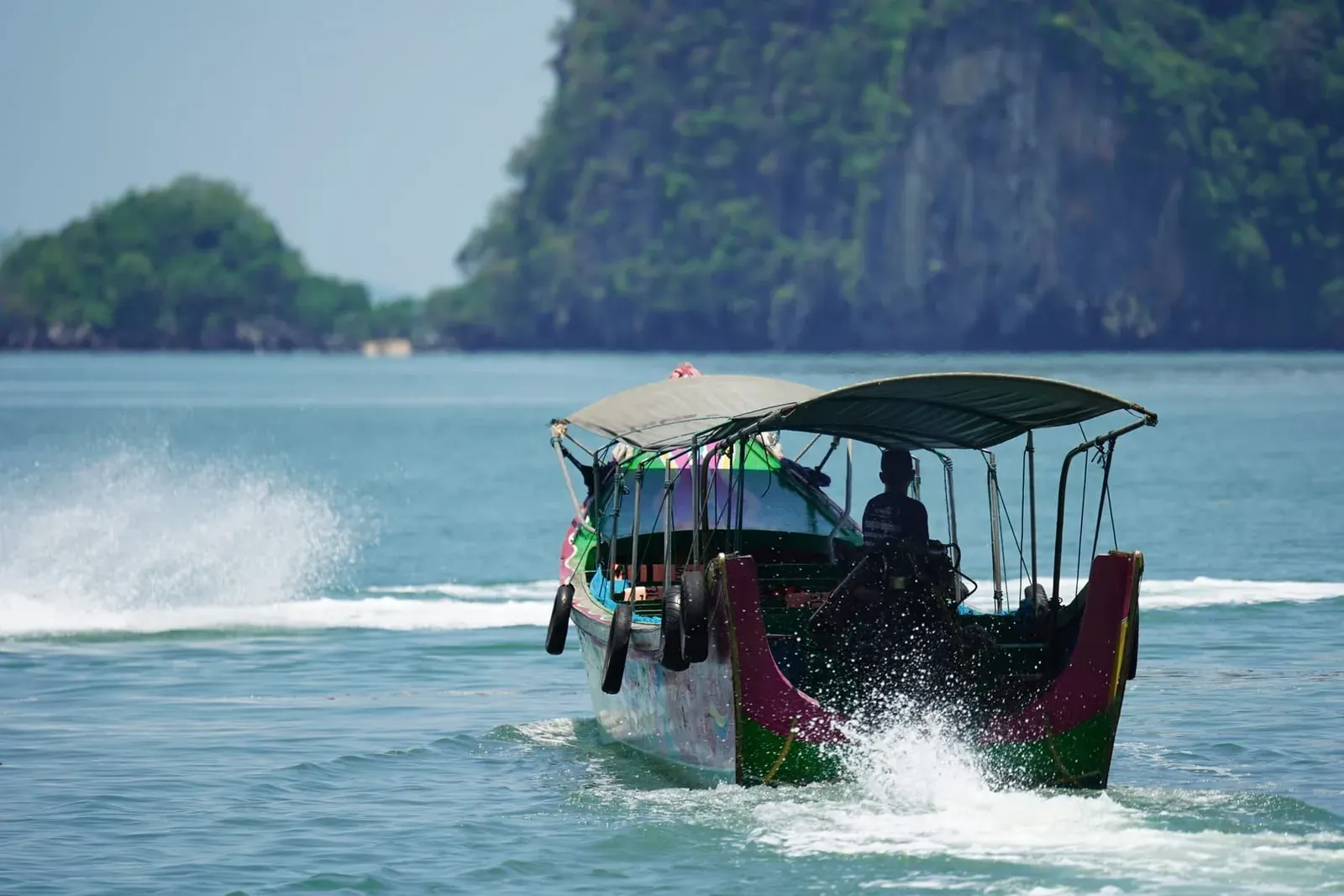
A longtail boat — rua hang yao — is Koh Samui’s cheapest way onto open water: a narrow wooden hull driven by a car or truck engine on a long exposed shaft, run by an independent beach skipper rather than a tour company. A half-day hop typically runs 1,500-3,000 THB (~43-86 USD) per boat, arranged on the sand, not online.
Key takeaways
- No cabin, no shade, no marine radio on most longtails — this is small, open, informal transport, not a cruise.
- A responsible skipper checks the sky and the swell before leaving the beach, and turns down the trip if conditions are bad — even if you want to go anyway.
- Lifejackets should be aboard and actually fit; check both before you step on, not after.
- The Gulf side of Samui gets genuinely rough in the worst of the Oct-Dec monsoon, November especially — this isn’t a year-round boat.
- Prices below are typical asking ranges, not fixed rates — nothing here is government-set, and this page could not independently verify exact current per-route prices; agree the figure out loud before you leave the sand.
What a Longtail Actually Is
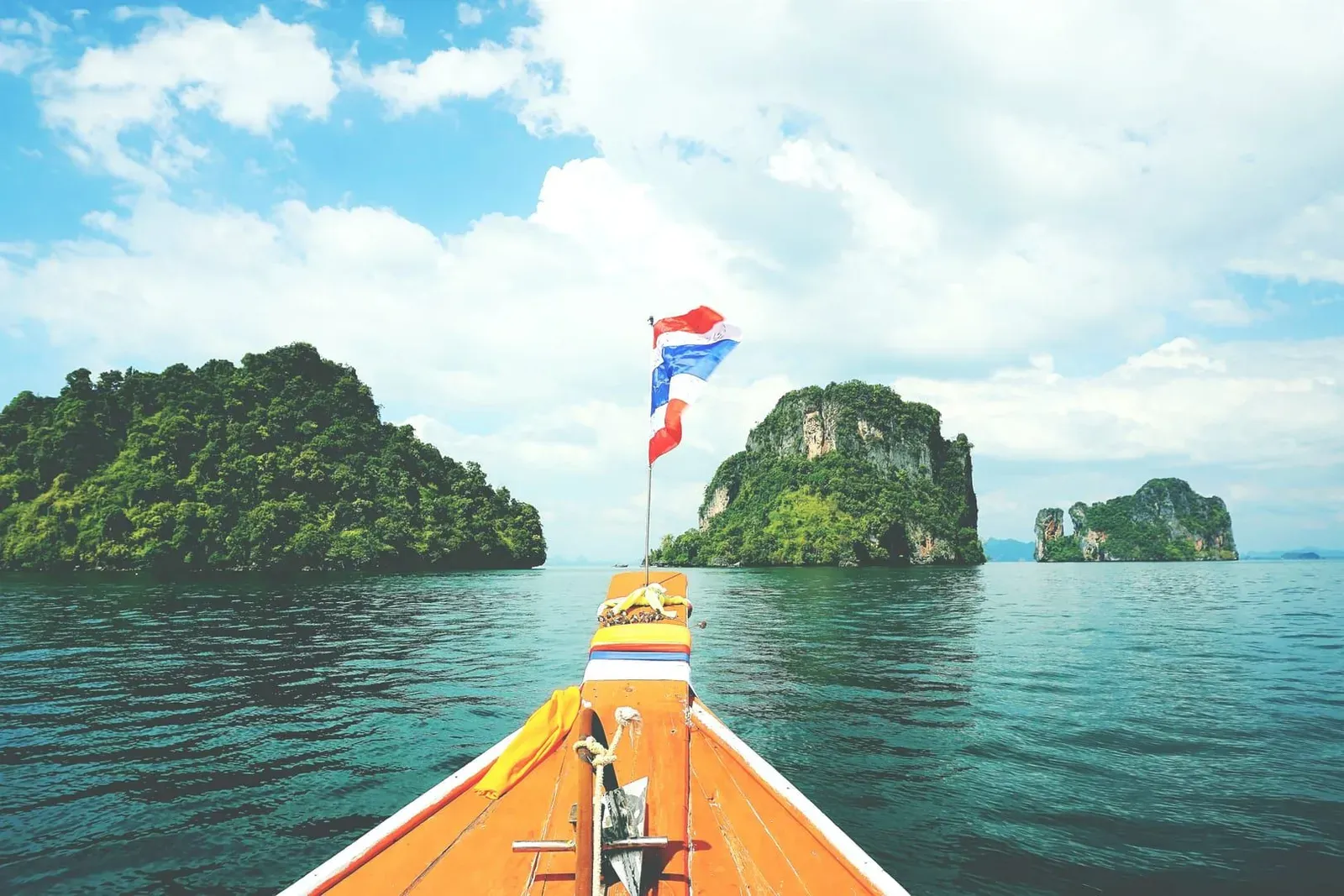
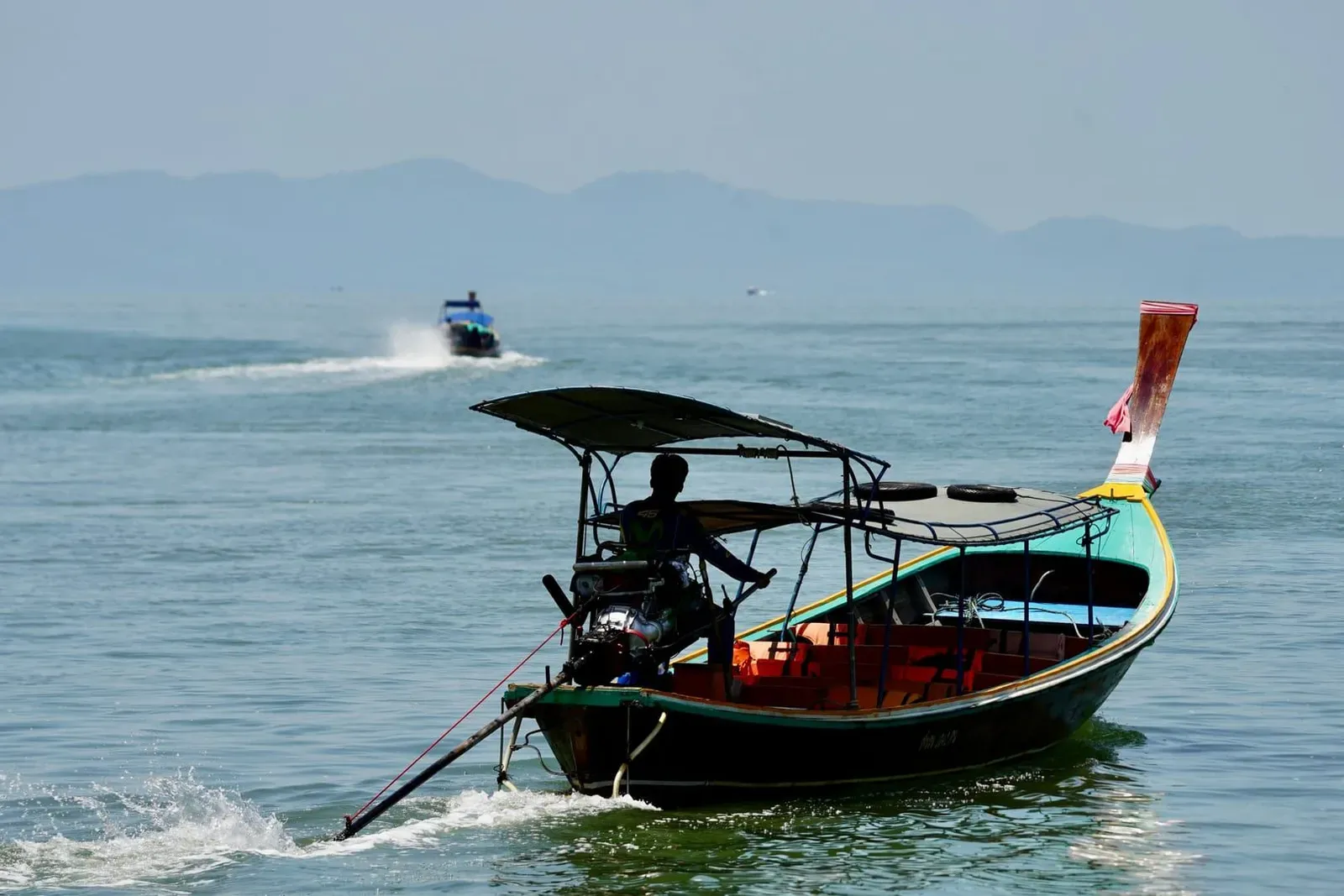
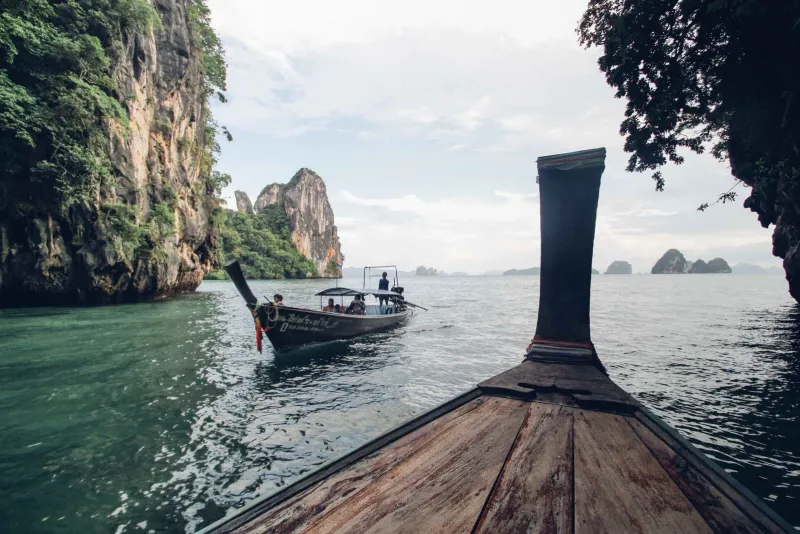
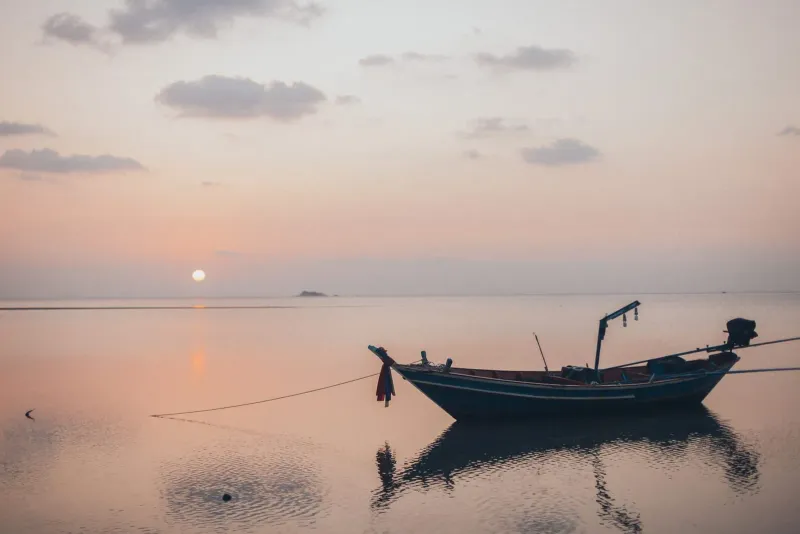
A longtail is a narrow wooden or fiberglass hull, usually 6-10 meters, with a car or agricultural diesel engine mounted on a pivoting frame at the stern that swings a long steel propeller shaft in and out of the water — the “long tail” it’s named for. There’s no cabin, usually a canopy for shade at best, bench seating, and a shallow draft that lets the skipper nose straight onto a beach. Most carry 6-10 passengers; ask before assuming a boat fits your whole group.
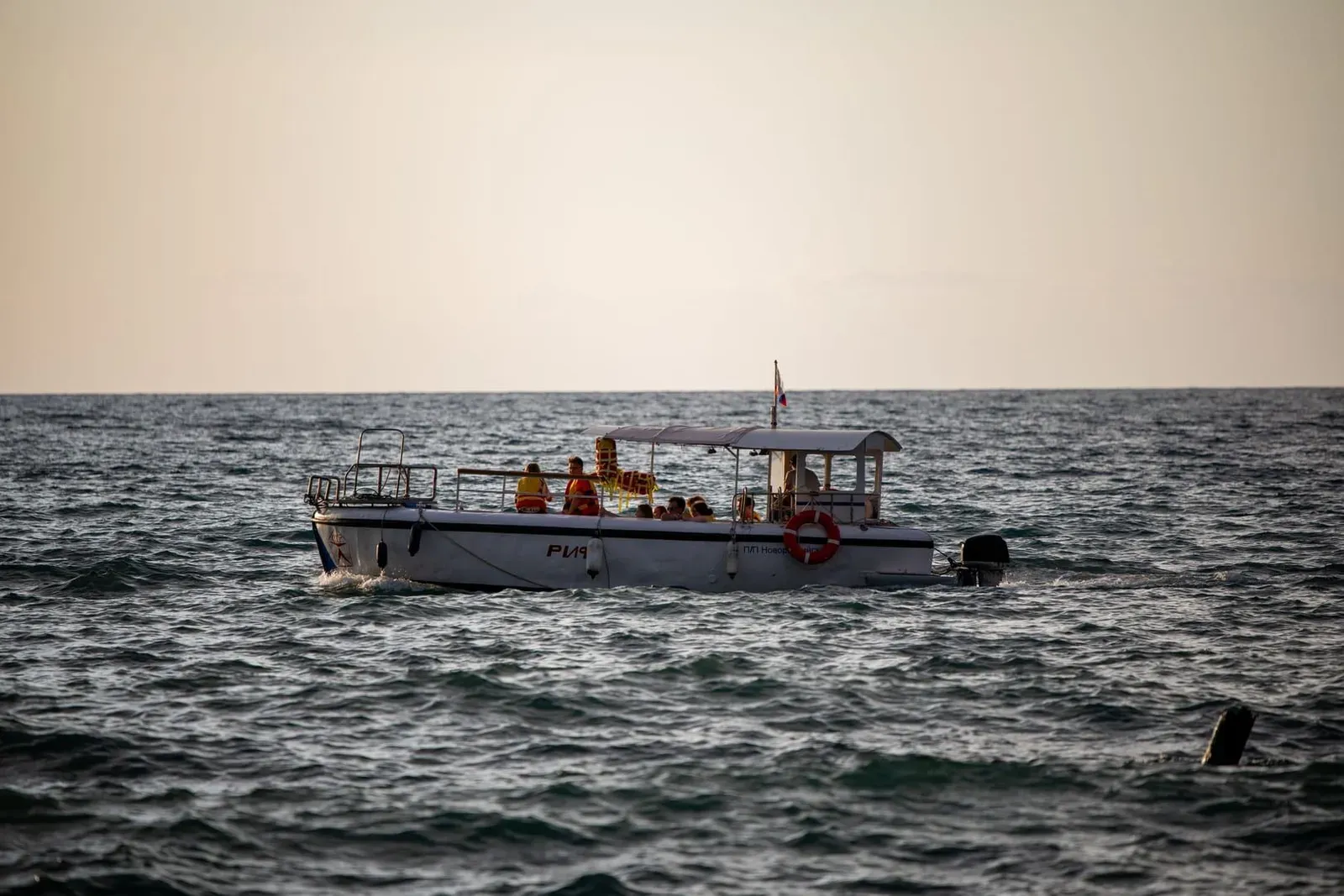
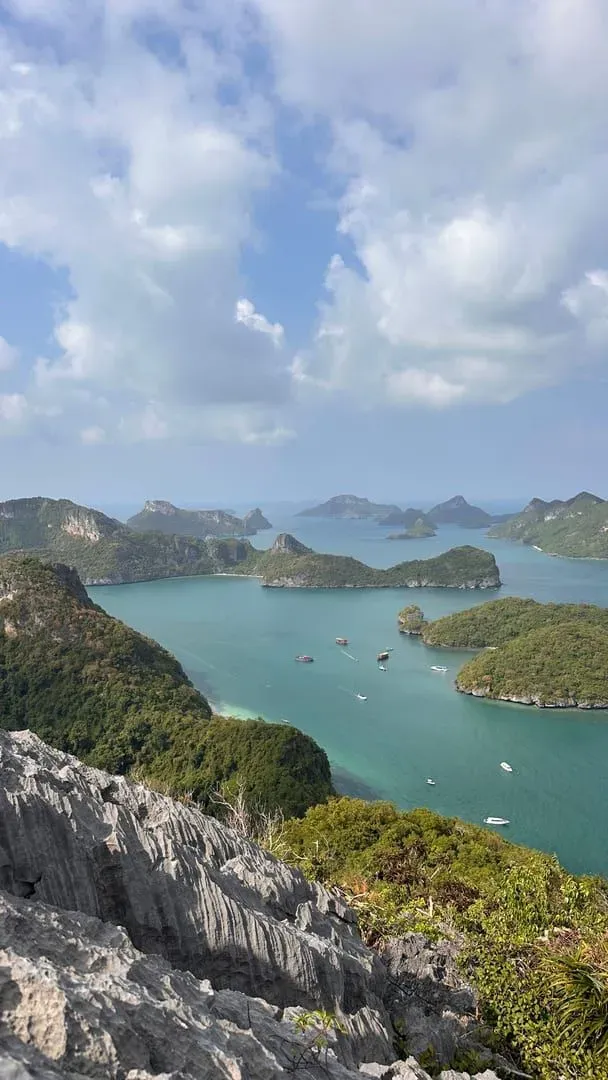
This is a different product from the speedboats and big boats sold through hotel desks for Ang Thong National Marine Park or organized island-hopping days — those are licensed operators with fixed departures and insurance. A longtail skipper is usually a single boat owner working independently off a beach, priced by direct negotiation rather than a printed rate card, and most carry no marine radio — if weather turns while you’re out, you’re relying on a phone signal and whoever else is on the water, not a coast-guard channel.
Where They Run From
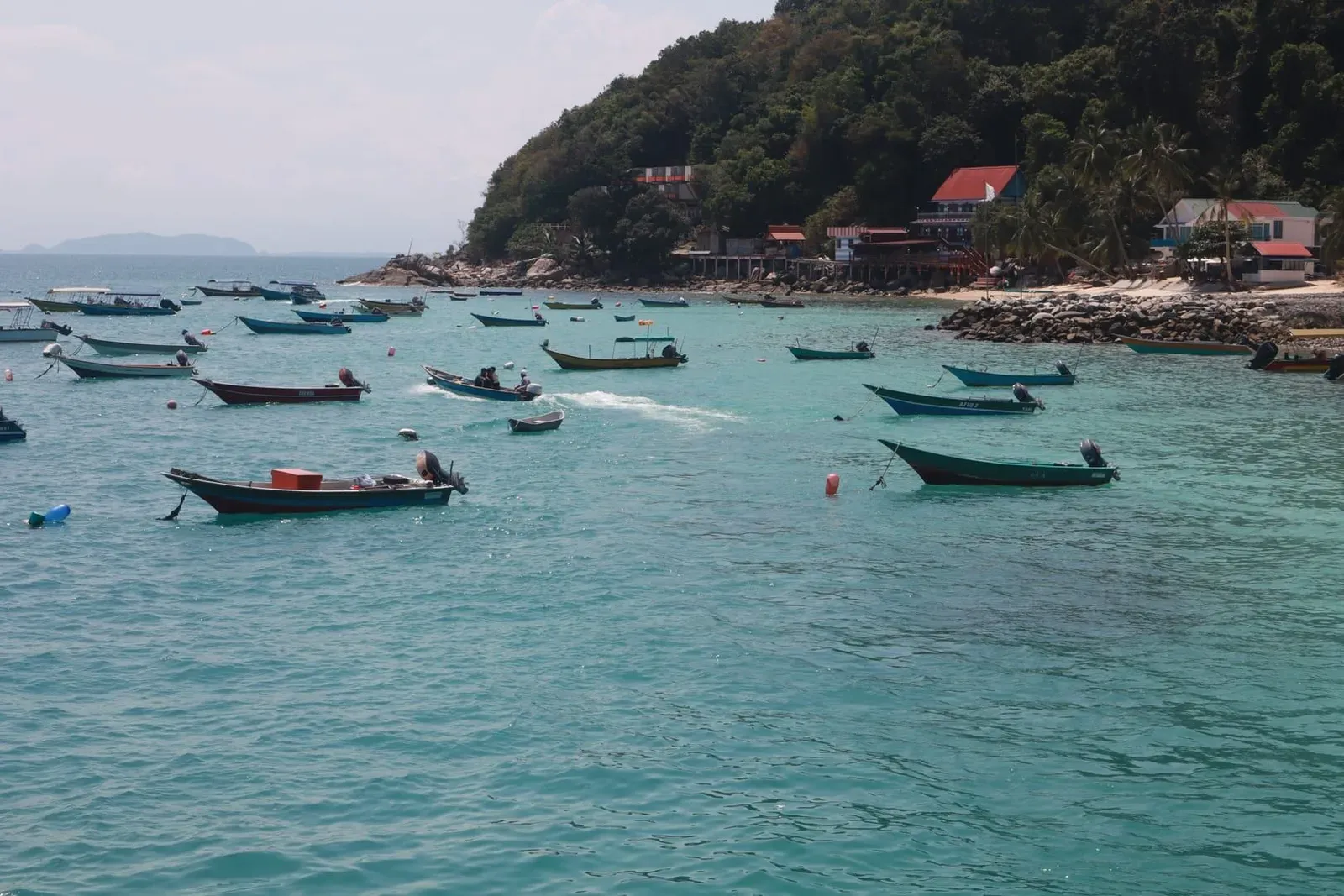
Three stretches of coast account for most of Samui’s independent longtail traffic, each running a different kind of trip. From Thong Krut on the south coast, longtails run the short hop out to Koh Tan and Koh Madsum — small islands known for calm snorkeling bays and, on Madsum, the “Pig Island” beach. This is the island’s best-established longtail route: short crossing, sheltered water most of the year, and enough boats lined up each morning to compare a couple of asking prices before committing.
From Bophut and neighboring Bang Rak on the north coast, a shorter hop runs out to Koh Fan — the islet just offshore, connected to the mainland by a sandbar at low tide and sometimes wadeable without a boat at all. It’s a five-minute crossing at most, priced accordingly.
Maenam’s pier is mainly a ferry point for Koh Phangan, not a longtail hub — the crossing is longer and more exposed than the other two routes, and this page could not confirm a standing longtail service running it. Treat a Maenam-to-Phangan longtail as something to specially negotiate with a willing skipper in calm conditions, not a routine option like Thong Krut or Bophut.
What a Day Actually Costs
Expect a per-seat rate on a shared boat and a flat rate to charter the whole thing privately, with fuel beyond the standard route costing extra. The figures below are typical asking ranges reported by travelers and operators as of 2026 — this page could not verify an exact, current per-route price against a primary source, so treat every number as a starting point for negotiation, not a quote.
| Route | Shared, per person | Private, whole boat | Typical duration |
|---|---|---|---|
| Thong Krut → Koh Tan / Koh Madsum | ~400-700 THB (~11-20 USD) | ~1,500-2,500 THB half day, ~2,500-4,000 THB full day (~43-114 USD) | 3-4 hrs half day, 6-7 hrs full day |
| Bophut / Bang Rak → Koh Fan | ~200-400 THB (~5.50-11 USD) round trip | ~600-1,000 THB (~17-29 USD) round trip | 30-60 min including beach time |
| Maenam → Koh Phangan (exception, arrange-only) | Not a standing service | Negotiated on the day, weather-dependent | Longer, more exposed crossing |
None of these include Ang Thong National Marine Park’s own entry fee — that park is reached by dedicated tour boats from Nathon, not a Thong Krut longtail, and the Department of National Parks charges foreign adults 300 THB (~8.50 USD) and foreign children under 12 150 THB (~4.50 USD) there. A simple Koh Tan/Madsum snorkel trip carries no park fee.
Safety — the Part That Actually Matters
This is the one section worth reading slowly, because a longtail is genuinely different from a licensed tour boat and the gaps are real, not paperwork. Lifejackets need to actually be aboard and actually fit — a jacket sized for a child crammed onto an adult, or one perished from sun and salt, does nothing. Check both before you step on, and ask directly if you don’t see enough for everyone aboard.
Most longtails carry no marine radio. If weather changes, the engine fails, or someone is hurt past the shallows, the skipper’s options are a mobile phone (if there’s signal) and whatever boats happen to be nearby — no coast-guard channel to call. This is a real limitation of the boat type, not a rare edge case, and it’s the main reason the next point matters so much.
A responsible skipper checks the sky and the swell before leaving the sand and says no when conditions are bad — even to a paying customer who wants to go anyway. If a skipper takes you out into weather that’s kept every other boat on the beach that morning, that’s not confidence, it’s the wrong skipper. Walking away because “the sea doesn’t look right today” is the correct call, from you or from them, and a good operator says so without being pushed.
The Gulf side of Samui is not a reliable longtail sea during the worst of the Oct-Dec monsoon. Per this site’s own November weather breakdown, sourced from Climates to Travel’s climate normals and cross-checked against the Thai Meteorological Department, November averages 445 mm of rain over 16 days — the wettest month of the year — and Gulf tropical depressions in this window bring 24-48 hours of near-continuous rain that routinely cancel day-trip boats outright. Expect more cancellations and rougher water roughly October through December, worst in November; no source pins an exact start/end date more precisely than that, so treat it as a real seasonal risk, not a fixed calendar window.
Open longtails have no shade beyond a thin canopy at best, so sun exposure and dehydration on a multi-hour trip are ordinary risks — bring water and cover up early. The spinning propeller and long shaft at the stern are a genuine physical hazard: keep hands, feet and mooring lines clear of it, and never let a swimmer near the stern while the engine runs, even at idle.
Questions and What to Agree Before You Board
Thirty seconds of talking before anyone gets in the boat covers most of the risk above.
- Are there enough lifejackets aboard for everyone, and can I see them fit before we leave?
- What’s the actual destination and how long will we be out?
- What time do we return, and where exactly?
- If the sea turns rough mid-trip, do we turn back — and who decides that?
- Is the price per person or for the whole boat, and does it include fuel for the full route?
- Do you have a phone with signal out where we’re going?
Red Flags
A short list covers most of what goes wrong on an informal beach charter.
- No lifejackets visible on the boat, or a vague answer when you ask to see them.
- A skipper willing to go out when every other boat on the beach is staying in.
- A hull with visible rot, patched cracks, or standing water that isn’t being bailed.
- No clear answer on return time or destination before you board.
- Pressure to leave immediately without letting you check the boat or the jackets first.
- A price that’s a fraction of every other boat’s asking rate on the same beach — usually means something is being skipped.
FAQ
Is it safe to take a longtail boat on Koh Samui?
It can be, but the margin for error is thinner than on a licensed tour boat — no cabin, usually no marine radio, and safety depends heavily on the individual skipper’s judgment. Checking lifejackets fit, confirming the skipper is willing to turn back in bad weather, and avoiding trips in rough or monsoon-season conditions covers most of the real risk.
How much does a longtail boat cost on Koh Samui?
Typical asking rates run roughly 400-700 THB (~11-20 USD) per person shared for a Thong Krut to Koh Tan/Koh Madsum half-day, or 1,500-4,000 THB (~43-114 USD) to charter the whole boat. A short Bophut-to-Koh Fan hop runs closer to 200-1,000 THB (~5.50-29 USD) round trip. These are typical ranges, not fixed prices — agree the figure before boarding.
Do longtail boats have lifejackets?
Most do, but “aboard” and “sized to actually fit” are two different things, and only checking the first one is a common mistake. Ask to see the lifejackets and check that they fit before you agree to board — a skipper running a legitimate operation will have no problem with this.
What’s the difference between a longtail boat and a booked speedboat tour?
A longtail is an independent skipper’s own small boat, priced by direct negotiation on the beach, usually without a cabin, radio or company backing. A booked speedboat or day-trip tour runs through a registered operator with a fixed itinerary, insurance and a hotel pickup — a different, more structured product at a higher price.
Can I take a longtail boat from Maenam to Koh Phangan?
Not as a standing, easily arranged service — Maenam’s pier mainly serves the passenger ferry to Koh Phangan, and this page could not confirm a routine longtail crossing on that route. It’s a longer, more exposed hop than Thong Krut or Bophut’s short island runs, so treat it as something to specially negotiate rather than expect.
What happens if the weather turns bad during a longtail trip?
A responsible skipper checks conditions before leaving and turns the trip down if they look bad — including telling a paying customer no. If weather turns after you’re already out, the plan should be to head back immediately; this is exactly what to agree on verbally before you leave the sand, since most longtails have no radio to call for help mid-crossing.
Turning Up
There’s no booking page for this — you walk down to the beach where the boats sit and talk to a skipper directly. At Thong Krut, longtails are usually lined up on the sand from mid-morning, and mornings generally bring calmer water than afternoons once the sea breeze picks up, so an earlier start is the safer bet. At Bophut and Bang Rak, ask at a beachfront restaurant or your guesthouse who’s currently running the Koh Fan hop — it’s short enough that a skipper is often nearby rather than waiting at a fixed spot. Check the lifejackets, agree the return time out loud, and if the skipper hesitates on either, that’s your answer. For the bigger, licensed alternative, see Ang Thong National Marine Park and island-hopping day trips; for vetting paid local help beyond boats, Going With a Private Guide covers the same licensing and red-flag logic.
Published on
About the author

Mike Brochlowski
Travel photographer & writer
Travel photographer and island explorer. Mike has spent years documenting Southeast Asia's hidden gems, from secluded beaches to jungle waterfalls.
Articles by Mike →More in Island Life
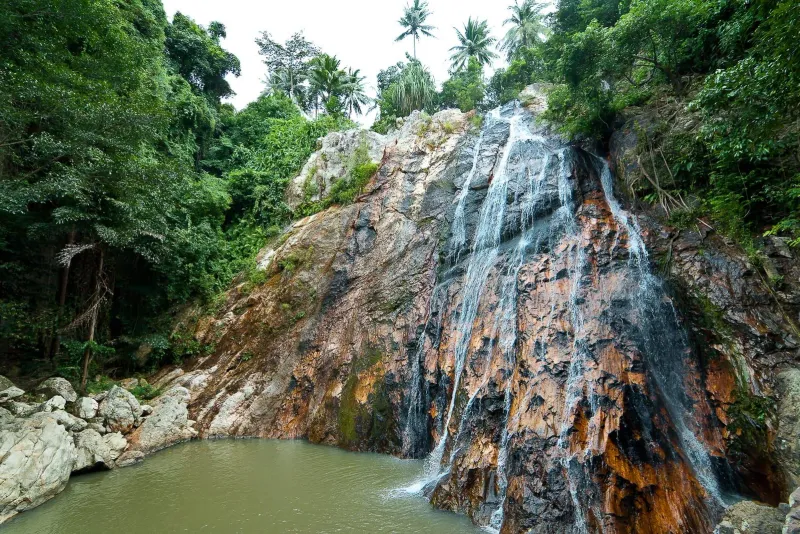
Na Muang Waterfalls — Samui's Purple Cascades and Jungle Pools
Explore Na Muang Waterfalls on Koh Samui — the accessible 18m Purple Waterfall with its swimming pool and the 80m jungle trek to the isla…
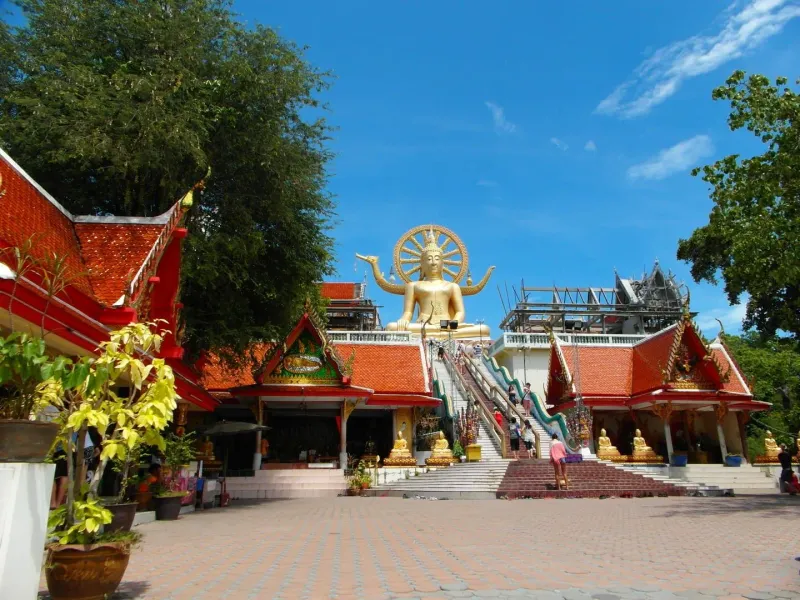
Wat Phra Yai — Big Buddha Temple on Koh Samui
Visit Wat Phra Yai (Big Buddha) on Koh Samui: a 12-meter golden Buddha, naga staircase, panoramic views, and market stalls.
Apirom Viewpoint — Koh Samui's Closed Hillside Lookout Above Ban Tai
Apirom Viewpoint: a ~304m hilltop lookout inland of Ban Tai, Koh Samui, its restaurant closed since the pandemic but the hillside track s…