Contents
A private muay thai session on Koh Samui is one trainer holding pads for one student for a full hour, and it is a different product from a group class — closer coaching, faster correction, and a price that reflects it. Two privates a week, at 1,000 THB (~29 USD) an hour, teach most beginners more in a month than five crowded group classes, because the trainer is watching only you.
Key takeaways
- A private session is one hour, one trainer, pads the whole time — not a slice of a group class with your name on it.
- A good pad holder moves, resets your stance and makes you miss; a bad one plants their feet and counts reps.
- There is no universal certification for muay thai trainers — a fight record and a teaching ability are two different skills, and a gym’s head trainer is not automatically the right pick for a beginner.
- Confirmed 2026 private rates on Samui run about 900-1,000 THB (~26-29 USD) an hour; monthly training-only camps run from roughly 8,900 THB (~254 USD) without accommodation.
- Head trauma, not muscle soreness, is the real risk — sparring is not a week-one activity, and “light sparring” run by an impatient trainer often is not light.
- For gym comparisons and drop-in prices, see Muay Thai Training in Koh Samui — Gyms Compared; for the gym-as-family culture and the fighters, see Living Muay Thai on Koh Samui.
What This Actually Is
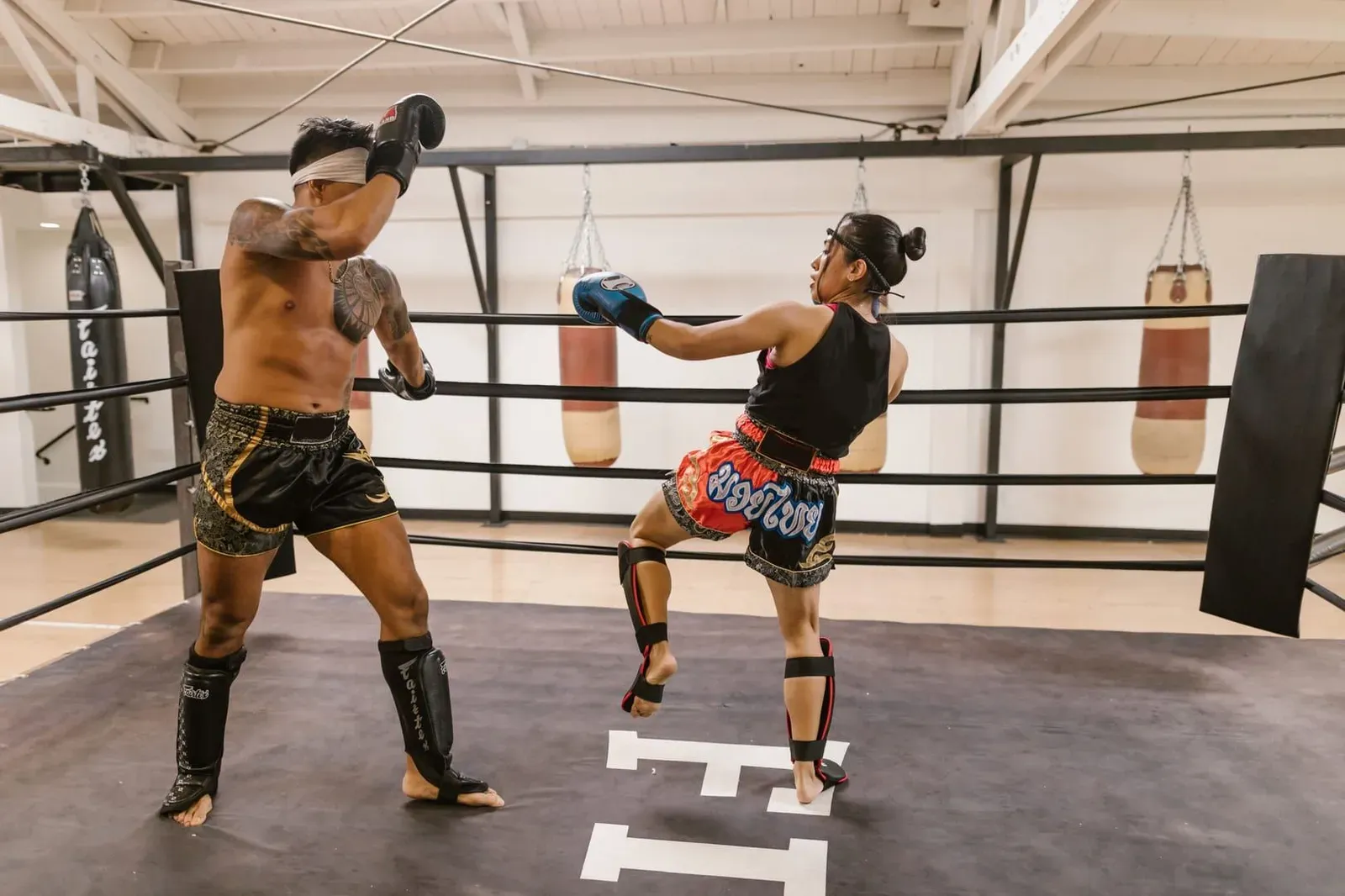
A private session is a different structure from a group class, not an upgraded slice of one: one trainer, one student, roughly an hour, full attention rather than a rotation. The gym-comparison guide already prices drop-in group classes and weekly packages; this page covers the relationship inside a private booking — finding a trainer worth paying for, what a good one does, and what it costs beyond the group session.
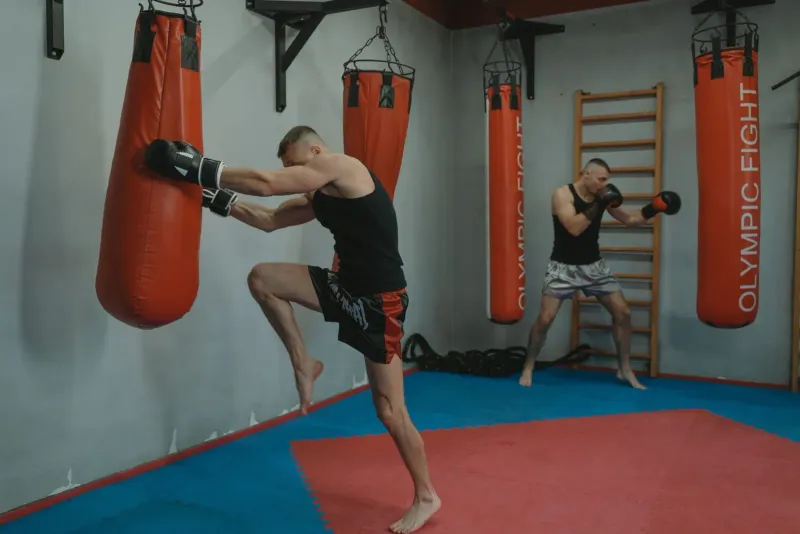
The case for privates over volume is simple. In a group class of eight to fifteen students, a trainer might hold pads for you for four or five minutes across two hours. In a private hour, you get closer to fifty minutes of direct correction. Most people training seriously for a week or more find two private sessions a week correct more bad habits than five group classes alone — the group builds conditioning; the private is where a specific stance or weakness actually gets fixed, because someone is watching only you.
Who Is In It
Muay thai has no universal certification body — no black-belt-style grading every Samui gym recognizes. What you’re hiring is a person, and the title on the wall tells you less than you’d think. Kru is the general Thai word for teacher, used loosely for anyone who instructs; Ajarn is a more formal, senior title implying more years and standing within a gym’s own hierarchy, not an externally awarded qualification. Neither is regulated, and either gets used generously in an English-language brochure.
A fight record is a similar trap. A trainer with 100+ bouts at a provincial stadium can hold pads beautifully or badly — being hit for a living and teaching someone else to avoid it are different skills, and plenty of ex-stadium fighters make patient teachers while others don’t. Some of the island’s best pad holders never had long fight careers at all. A gym’s head trainer — who corners its fighters on fight night — is also not automatically the right private booking for a first-timer; head trainers are often calibrated to fighters in camp, running fast, hard pads with little patience for someone who’s never thrown a kick. Ask specifically for a trainer known for teaching beginners, not “the best one” — expect a different name back.
How It Works
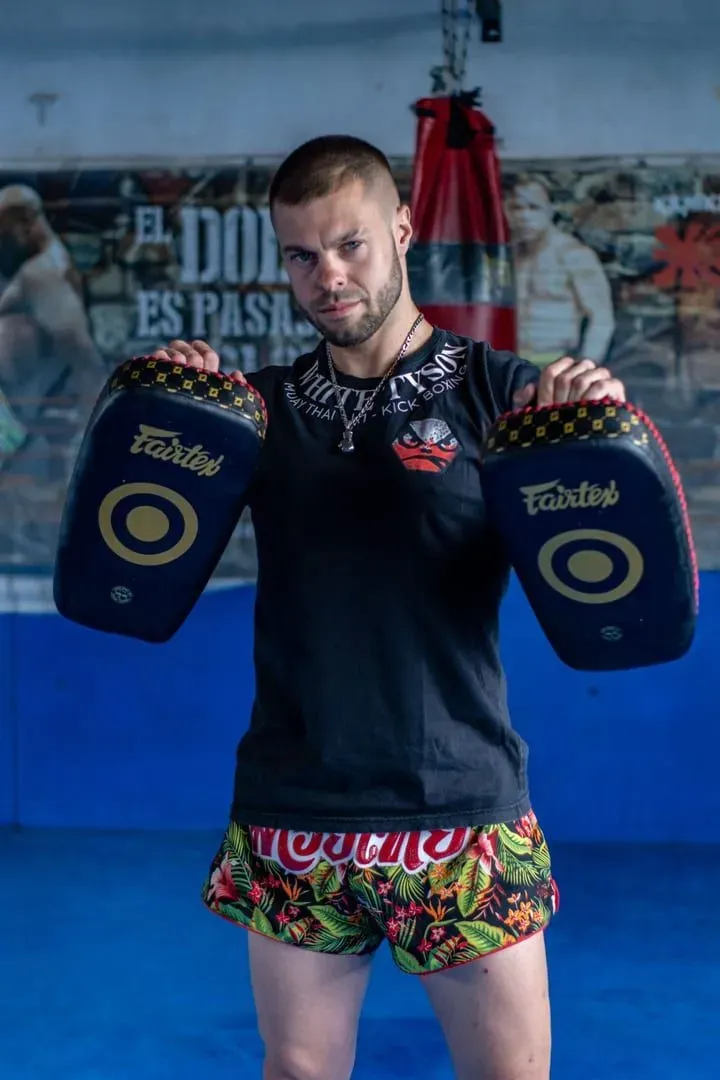
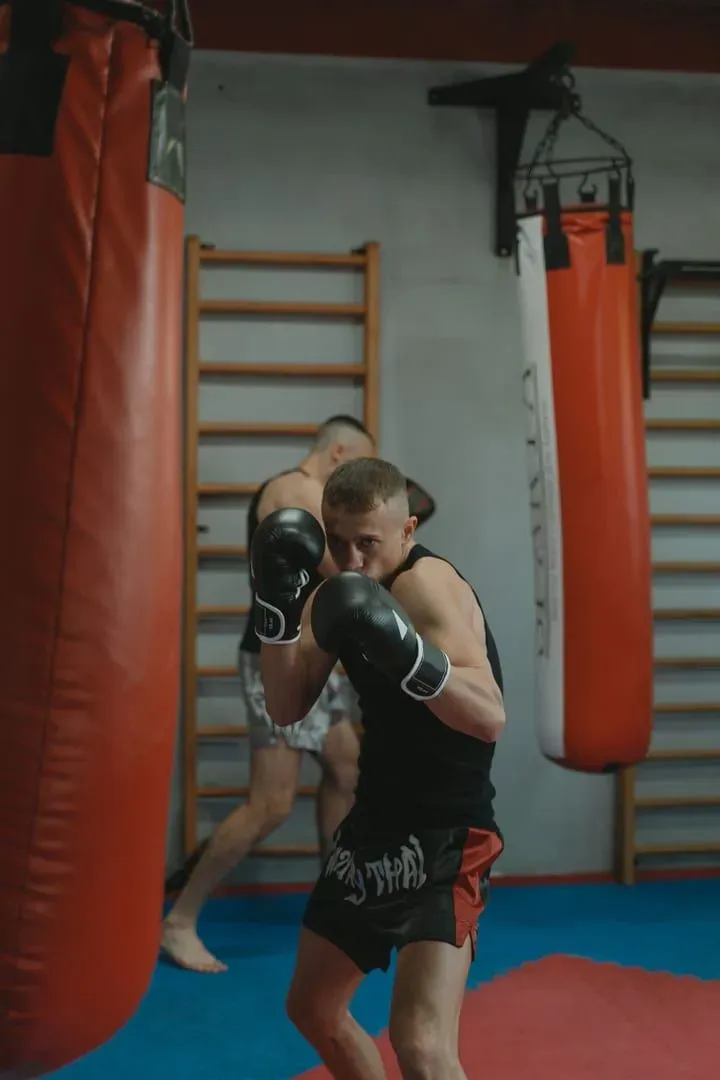
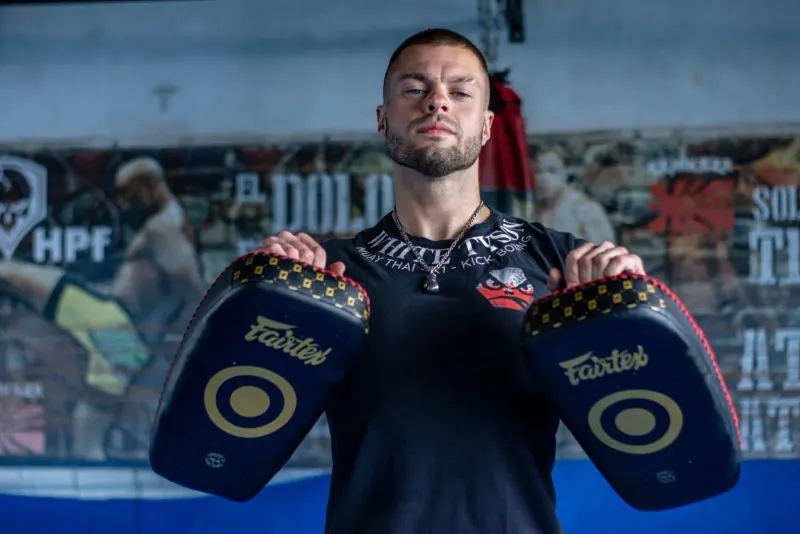
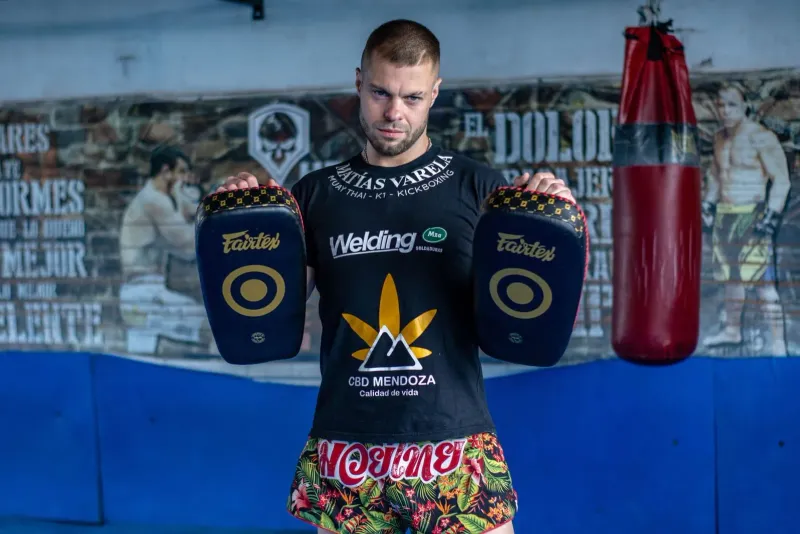
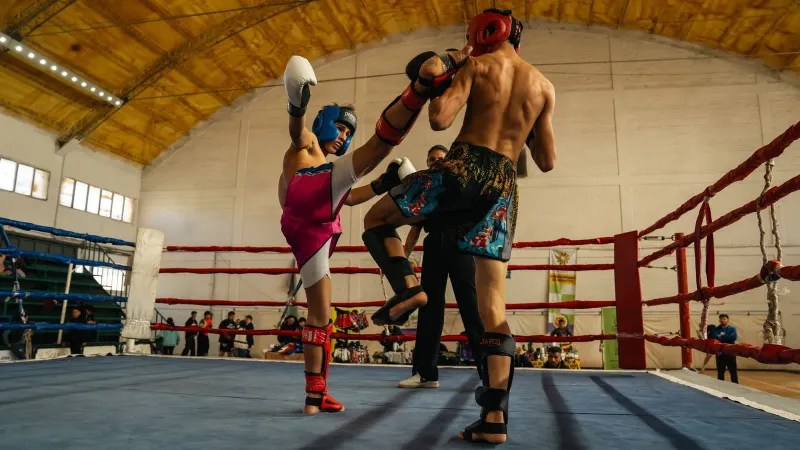
Judge a private session the moment it ends, against the same checklist a gym owner would use on their own staff. A good pad holder moves — circling, angling, making you chase and adjust footwork rather than kicking a stationary target. A good pad holder makes you miss on purpose sometimes, so you learn to recover balance, not just land clean strikes. A good pad holder corrects one thing at a time — guard hand, chin, rear-foot pivot — rather than a stream of unconnected calls. And a good trainer asks what you actually want before starting — fitness, technique, or fight prep — and trains you visibly differently for each.
The tells of a bad session are just as concrete: pads held flat and static, combinations called without ever repositioning, counting out loud instead of coaching, a phone checked between rounds, never once saying what you did wrong. If that was your hour, ask for someone else next time — this is a paid service, not a favor.
What It Costs
Confirmed rates from gym websites in September 2026 put a single private session at 900-1,000 THB (~26-29 USD) an hour, with a semi-private (two students, one trainer) closer to 1,500 THB (~43 USD) total. Yodyut Muaythai lists a single private hour at 1,000 THB and a ten-session block at 9,000 THB (roughly 900 THB/hour); Punch It Gym lists the same 1,000 THB single-hour rate, the same 9,000 THB ten-hour block, and a trainer-comes-to-your-hotel option from 2,100 THB an hour. Treat this as the honest range, not a fixed island rate — confirm at reception, since prices move a few times a year.
Monthly training-and-accommodation camps are harder to quote precisely. BXB Fight Lab publishes training-only pricing — 8,940 THB (~255 USD) for one week up to 27,510 THB (~786 USD) for four weeks, meals-included roughly 60% higher — but that gym has no lodging, so accommodation is separate. Superpro Samui, Lamai Muay Thai Camp and Punch It Gym all bundle training with on-site rooms into “camp” packages, but none publish an exact accommodation-inclusive monthly rate; this page could not confirm those figures, so ask directly before committing to a multi-week stay.
What nobody publishes is what the trainer holding your pads actually takes home from that fee. Living Muay Thai on Koh Samui documents how a fight purse splits between fighter, gym and trainer, the gym’s cut covering the fighter’s food and lodging; a private-session fee likely works the same way, the trainer’s individual cut smaller than the headline number suggests. That’s the honest reason to tip. There’s no published or standard rate for it — treat any figure you hear as one gym’s custom, not a national rule — but a student training with the same trainer for a week or more commonly hands them cash directly, in person, at the end of the stay, rather than adding it to the desk bill. It’s a personal thank-you for the individual, not a service charge for the gym.
How To Join
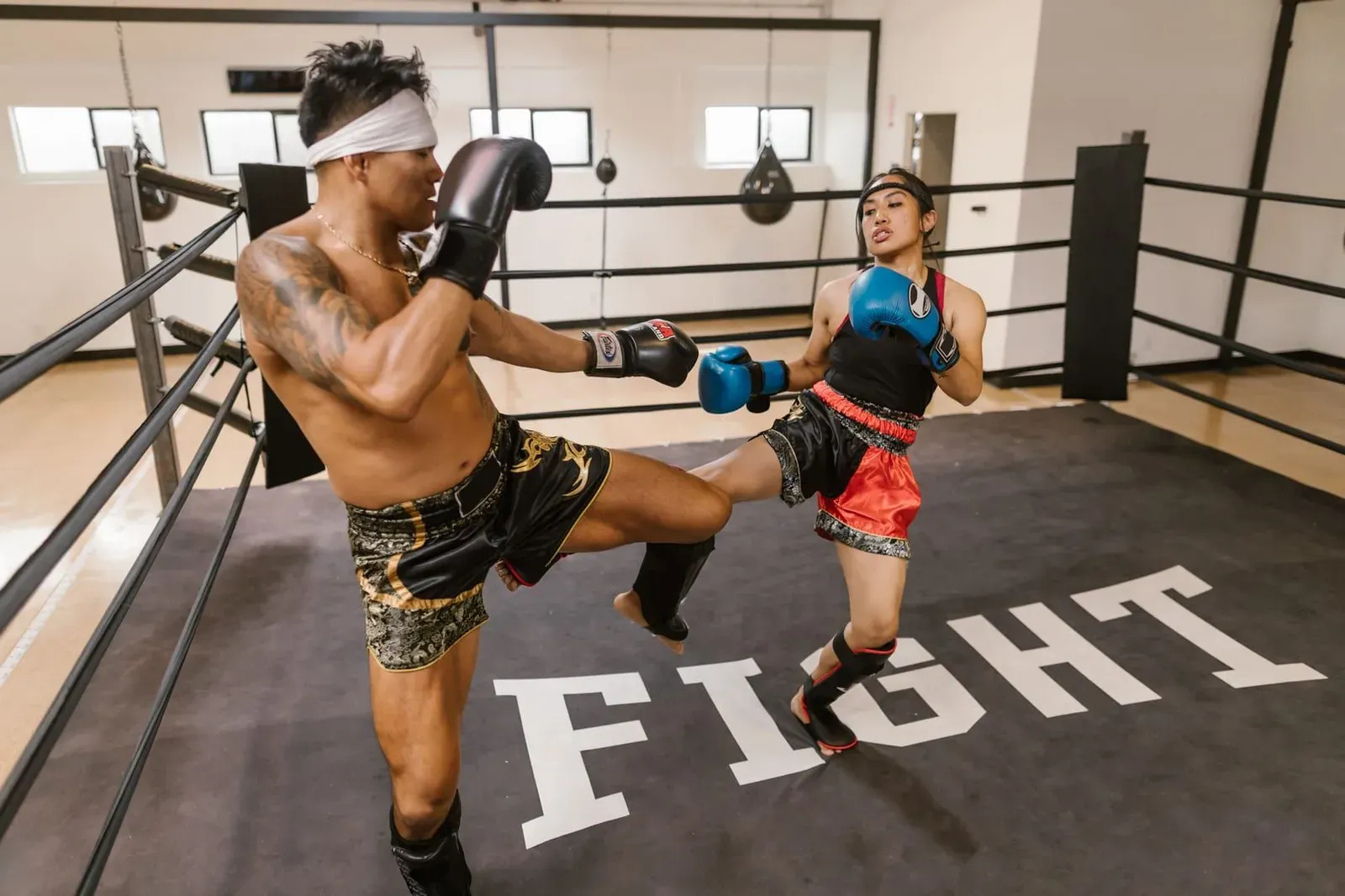
There’s no booking system worth describing — turn up, watch a group class if you can, and ask at the desk for a private with a trainer suited to a beginner, not the gym’s most famous name. Most camps arrange a private the same day or next; a trainer with a full schedule may need a day’s notice. If the first session doesn’t match the checklist above, asking for someone else next time is normal, not an insult.
Respect Is Transactional
Paying for a trainer’s time doesn’t put the relationship on a Western customer footing — the etiquette on a Thai gym floor isn’t decoration, it’s how respect moves in both directions. Wai your trainer, palms together, on arrival and on leaving; it costs nothing and is noticed when it’s missing. Shoes come off before the mats or the ring, no exceptions. The mongkol — the sacred headband a trainer places on a fighter before a bout, blessed by monks and tied to the gym’s own lineage — is not something a student touches or tries on; treating it as a costume prop is one of the fastest ways to lose a trainer’s goodwill. Around gloves, wraps and gear laid out on the floor, step around, not over — in Thai custom the feet are the body’s lowest, least respectful part, and stepping over someone’s belongings carries that meaning whether or not you intended it. None of this is a test; it’s a small, consistent signal that you’re a guest in someone else’s discipline, and trainers notice who has bothered to learn it.
What Actually Injures People
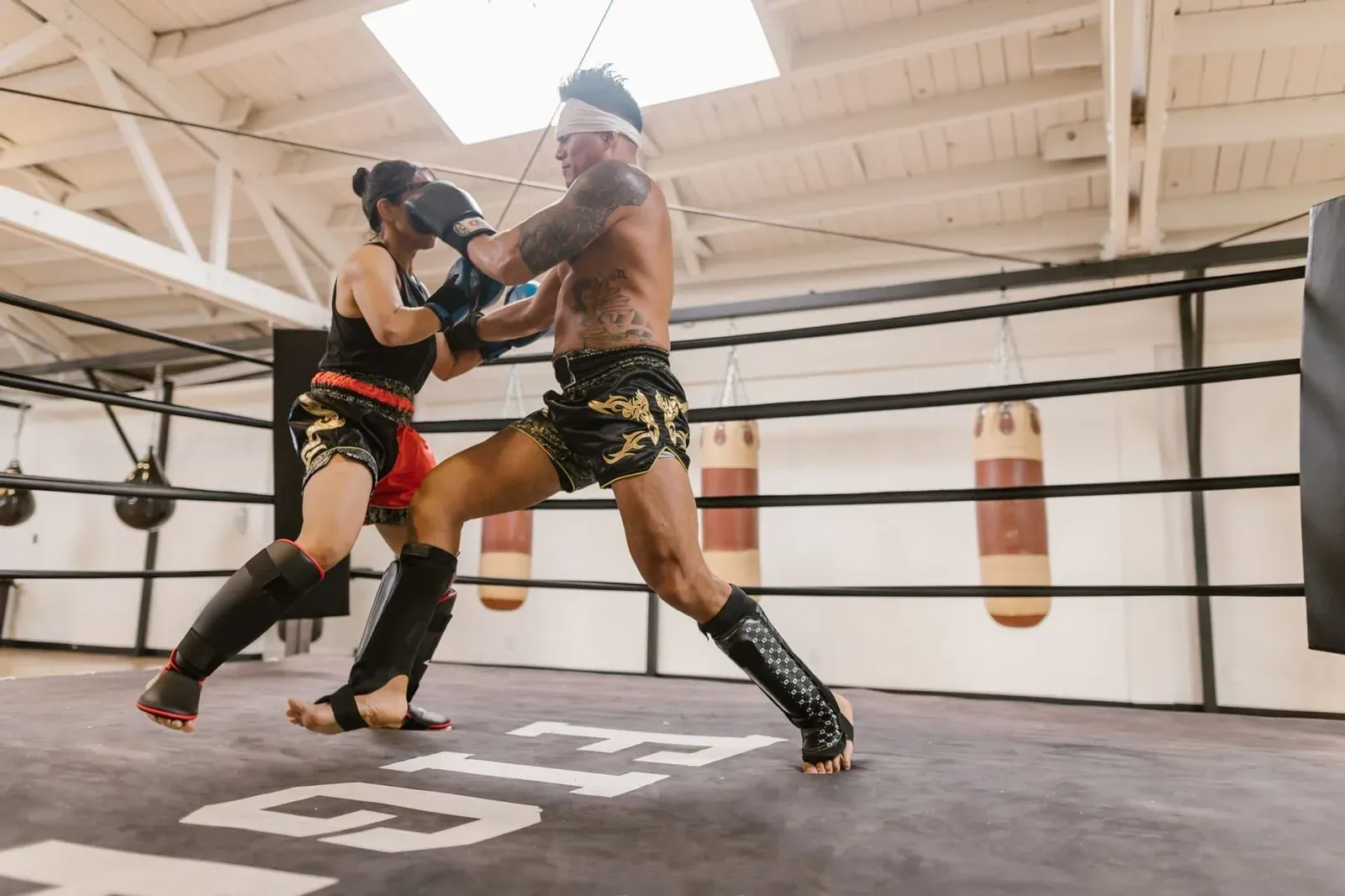
The real risk in muay thai isn’t a bruised shin — it’s repeated head contact. Sparring is not a week-one activity. A trainer who puts a total beginner into hard sparring on day one or two is a bad trainer, full stop, regardless of how fit or confident that beginner feels. Be equally wary of “light sparring” that isn’t controlled in practice — if you or your partner keep getting caught cleanly, it has stopped being light, and either of you can call a stop without losing face.
Know concussion signs — headache, dizziness, confusion, nausea, sensitivity to light or sound, memory gaps — and don’t spar again the same day or next if any show up, even mildly. Sub-concussive head contact accumulates regardless of age; the brain-injury markers documented in young Thai fighters, covered on Living Muay Thai on Koh Samui, sit at the extreme end of a spectrum that applies, in smaller degree, to any adult who spars regularly without recovery.
Beyond the head: shared mats and gloves are a real route for staph infections and ringworm — shower straight after training, never share gloves or wraps, get skin infections looked at rather than trained through. Cuts and shin abrasions turn septic fast in this climate if left uncleaned; carry antiseptic. Dehydration is a genuine risk in an open-air gym at 34°C — arrive already hydrated, don’t wait until mid-session. Most travel policies exclude contact sports or require an add-on, so check the wording before training, not after an injury. A private-hospital visit for a moderate injury can run into the tens of thousands of THB, surgery or an overnight stay past 100,000 THB (~2,857 USD) without cover — see Hospitals & Clinics in Koh Samui for the full picture.
Training As A Woman
Women train privately at essentially every gym on Samui without it being treated as a special arrangement, and the honest filter is simple: in a trial group class, watch whether a trainer corrects women’s technique with the same attention and intensity as men’s, or visibly holds back — either as unwanted caution or as a joke. A trainer who treats a woman’s private session as a real training session, not a novelty booking, is the one worth paying for again. If a first session feels patronizing rather than rigorous, that is a reason to ask for a different trainer, exactly as it would be for anyone else.
FAQ
How much does a private muay thai lesson cost on Koh Samui?
Confirmed 2026 rates from gym websites put a single private hour at 900-1,000 THB (~26-29 USD), with 10-hour blocks discounting to around 900 THB an hour. A semi-private session for two students together runs about 1,500 THB (~43 USD) total. Confirm the current rate directly, since camps adjust pricing through the year.
Is a private session actually better than group classes?
For correcting technique, yes — a private hour gives a trainer’s full attention for around fifty active minutes, versus a few minutes of pad time inside a crowded group class. Most serious trainees combine both: group classes for volume and conditioning, two privates a week for corrections a group setting can’t give.
How do I know if a muay thai trainer is any good?
Watch whether they move while holding pads, deliberately let you miss so you learn to recover, and correct one thing at a time rather than calling combinations on repeat. A trainer who asks what you want — fitness, technique or fight prep — and adjusts accordingly is a good sign; one who holds pads flat and counts reps is not.
Is sparring safe for a beginner in the first week?
No trainer should put a complete beginner into sparring in the first week, and “light sparring” that isn’t actually controlled is a warning sign, not a badge of toughness. Know concussion symptoms — headache, dizziness, confusion, nausea — and stop entirely if any appear, since repeated head contact without recovery is the sport’s real long-term risk.
Does travel insurance cover muay thai training injuries on Koh Samui?
Often not automatically — most standard policies exclude contact and combat sports or require an add-on, so check the wording before training, not after an injury. A moderate private-hospital injury can run into the tens of thousands of THB without cover; see Hospitals & Clinics in Koh Samui for real cost ranges.
Turning Up
Pick a gym from the gym-comparison guide — most cluster around Lamai, with others near Bophut and Choeng Mon — sit in on a group class (mornings roughly 7-9am, afternoons roughly 4-6:30pm) and watch how the trainers move before booking anyone privately. Ask reception for a trainer suited to a beginner, not the most decorated name on the wall, and judge the first hour against the checklist above rather than a website. To see what months of that training build toward, a fight card at one of the Chaweng stadiums is the honest preview; for the household behind the ring, Living Muay Thai on Koh Samui covers what this page leaves out.
Published on
About the author

Mike Brochlowski
Travel photographer & writer
Travel photographer and island explorer. Mike has spent years documenting Southeast Asia's hidden gems, from secluded beaches to jungle waterfalls.
Articles by Mike →More in Island Life

Na Muang Waterfalls — Samui's Purple Cascades and Jungle Pools
Explore Na Muang Waterfalls on Koh Samui — the accessible 18m Purple Waterfall with its swimming pool and the 80m jungle trek to the isla…

Wat Phra Yai — Big Buddha Temple on Koh Samui
Visit Wat Phra Yai (Big Buddha) on Koh Samui: a 12-meter golden Buddha, naga staircase, panoramic views, and market stalls.
Apirom Viewpoint — Koh Samui's Closed Hillside Lookout Above Ban Tai
Apirom Viewpoint: a ~304m hilltop lookout inland of Ban Tai, Koh Samui, its restaurant closed since the pandemic but the hillside track s…