Contents
Most of what’s sold as “Samui handicraft” was made somewhere else — Chiang Mai workshops, Bangkok wholesalers, import containers — and relabeled at the point of sale. A smaller, real layer of makers still exists: people pressing coconut oil, throwing pots and dyeing batik on the island itself. This page teaches you to tell the two apart.
Key takeaways
- Coconut oil, soap and shell-craft are Samui’s one genuinely indigenous industry — everything else here is a smaller, imported-tradition craft practiced here, not born here.
- The test that works everywhere: can you watch it being made, on this island, right now? No visible workbench, wheel or press means assume it was trucked in.
- Much of the batik on Samui is printed cotton, not wax-resist cloth — the two look similar on a market table and cost very differently to make.
- A “925” stamp on silver is a seller’s claim, not an independently certified guarantee. See the scams guide for the jewellery-shop scam pattern.
- Most makers here sell to tourists at a margin that only survives high season, and several run the workshop behind a resort day job — said plainly, not as a complaint.
What This Actually Is
Koh Samui has one craft it can genuinely claim as its own: coconut. Oil, soap, shell bowls and husk charcoal are made here because the raw material grows here, a history covered in more depth on the coconut island page. Almost everything else sold as “Thai handicraft” on Samui — batik, silver, most pottery, most woodwork — belongs to traditions from elsewhere in Thailand or the region, and on this island it’s more often resold than made. That doesn’t make it worthless; a paint-your-own batik class run by someone trained in the technique is a real activity. It does mean a stall selling finished batik sarongs by the dozen almost certainly restocks from a wholesaler, not a workshop out back.
Who Is In It
Three groups sell craft on Samui and only one makes anything. Producers hold a workspace you can see — a press, a kiln, a wax pot — and show it to a curious customer without being asked twice. Resellers run the walking-street stalls and shops stocking identical inventory from a mainland wholesaler; nothing wrong with buying from them, but nothing local about the goods. Hybrid operators are the most common type on Samui: a resort, spa or restaurant runs a small workshop alongside its main business, often staffed by someone who also works the front desk in low season. None of these are named here as individuals — only a registered business with a public website is named on this site, and no contact details or booking language appear on this page.
How It Works
A working craft on Samui is small by definition — a single press, a two-person studio, a soap kitchen behind a guesthouse — because the island has no industrial base and never did. That scale is what makes watching possible: no factory floor to keep visitors off, just a bench a few metres from where the finished product is sold. The trade-off is unreliability — a one-person operation can close for a season or a job change without notice. Nothing below is a bookable schedule; it’s a description of the kind of operation that exists, not a directory of ones trading this week.
What It Costs
| Item | Typical price (checked Sep 2026) | Made-here likelihood |
|---|---|---|
| Virgin coconut oil, small bottle | 100–250 THB (~3–7 USD) | High, if sold near a visible press |
| Coconut-shell bowl or spoon set | 80–200 THB (~2.50–5.50 USD) | High |
| Pottery-wheel taster session | 300–800 THB (~8.50–23 USD) | Varies by studio |
| Paint-your-own batik class | 400–1,000 THB (~11–29 USD) | High for the class; low for retail sarongs |
| Silver ring or pendant, small | 300–1,500 THB (~8.50–43 USD) | Low to moderate; verify the stamp |
| Soap bar, handmade | 60–150 THB (~1.50–4.50 USD) | Moderate to high |
| Small wood-carved item | 100–500 THB (~3–14 USD) | Low; mass import is common |
These are typical retail ranges seen across markets and shopfronts, not quotes from one named business. A figure far below the range is a sign of mass import, not a bargain.
How to Tell Real From Resold
A few tells work across every craft here. Ask to see where it’s made — a real producer answers with a direction or a doorway; a reseller changes the subject. Look for tool marks, not uniformity — hand-thrown pottery has slight asymmetry, hand-dyed batik has soft, irregular dye bleed at wax edges; a shelf of twenty identical pieces is printed or moulded. Compare price to labour — a genuinely small-batch, cold-pressed product costs more than a mass one, not less, so suspiciously cheap “artisan” goods usually aren’t. Ask a specific question — “where exactly is this pressed” or “which wheel did you throw this on” gets a real answer from a real maker and a vague one from a reseller repeating a script.
Coconut — The One Genuinely Indigenous Craft
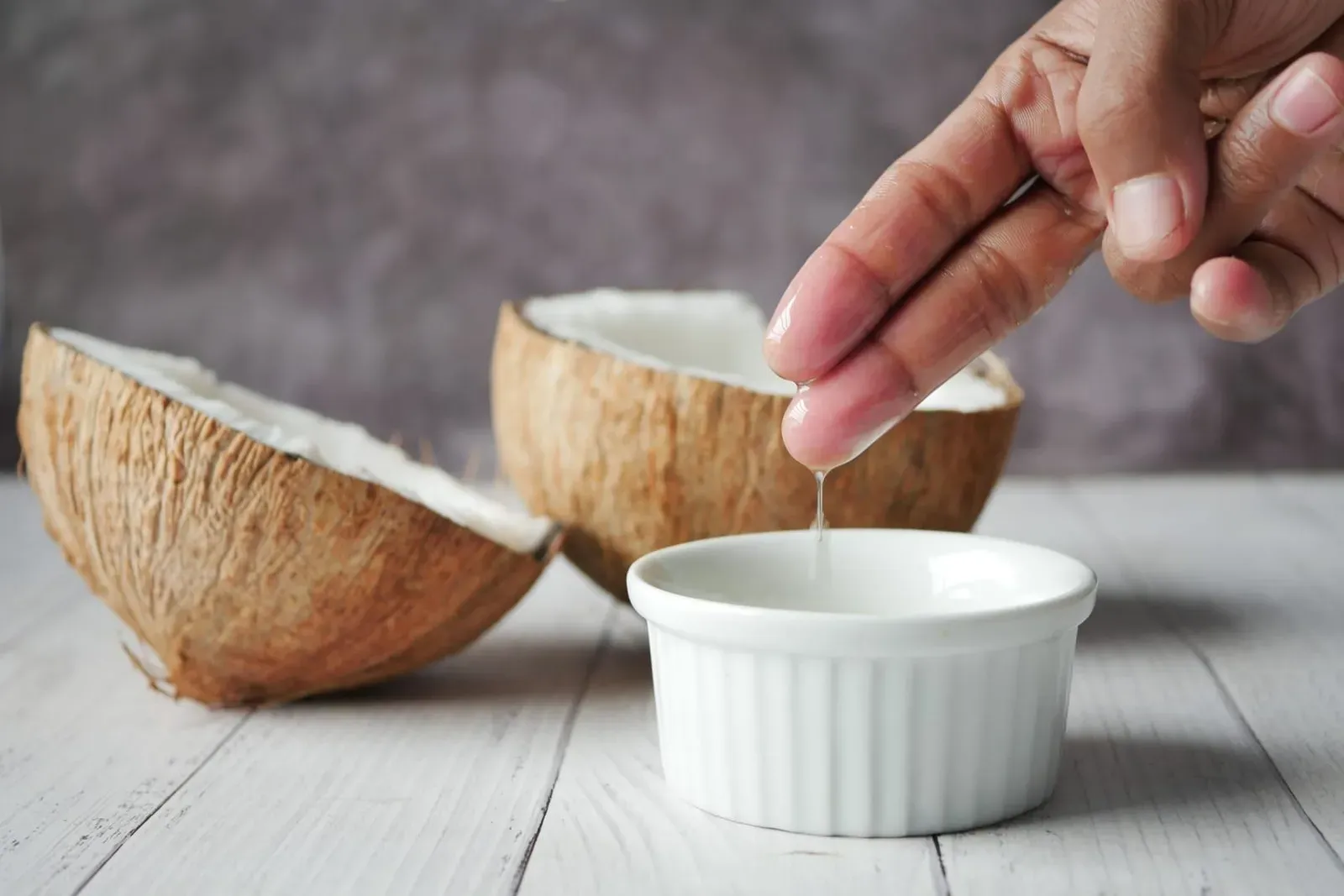
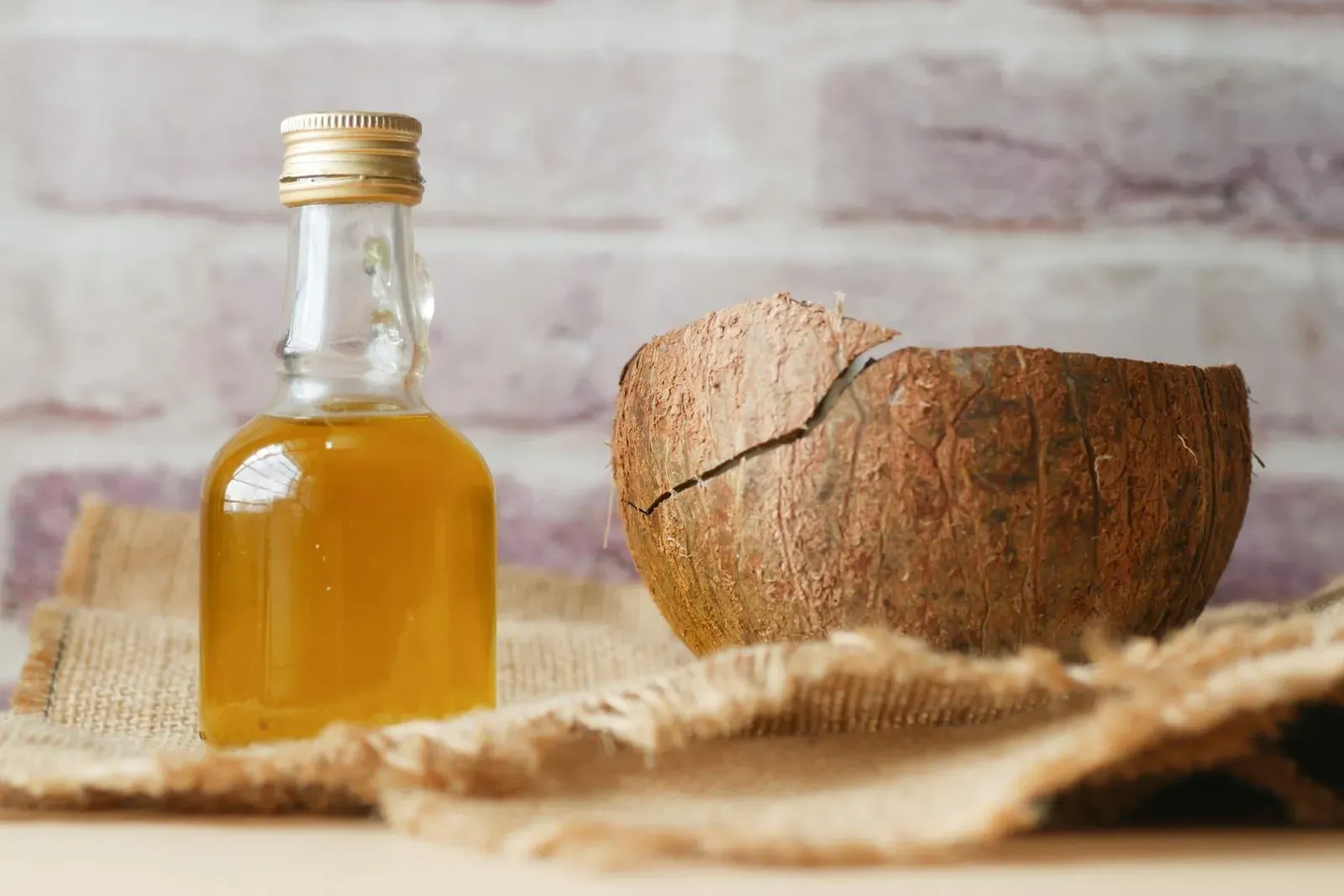
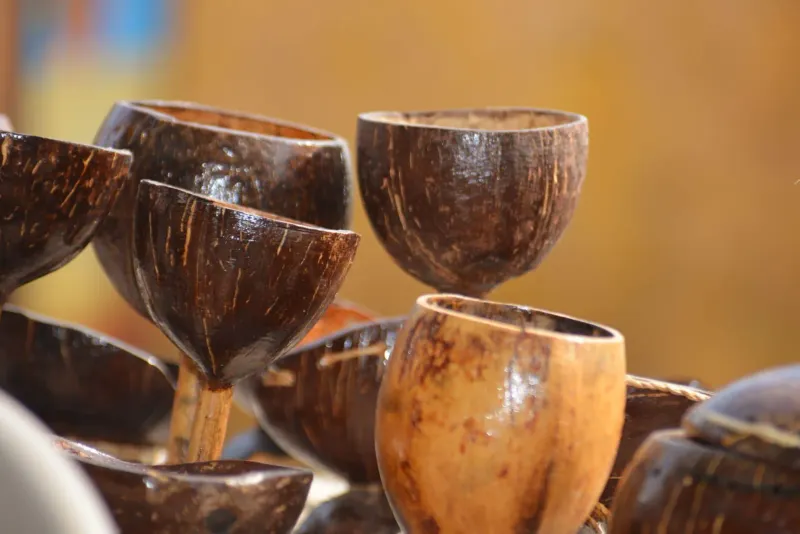
Coconut is the craft Samui doesn’t have to borrow. Cold-pressed virgin oil comes from fresh, undried coconut meat, pressed without the drying step — slower and lower-yield than industrial extraction, which is why it costs more. Expeller-pressed oil starts from dried copra pushed through a heated hydraulic press, yields far more oil per kilo, and sells for a fraction of the price. Both are legitimate — the price gap reflects real differences in yield and labour, not a scam — but “virgin” at expeller prices is worth questioning. The same raw material also becomes soap, bowls and utensils carved from the hard shell, and husk charcoal, burned from the fibrous outer husk for fuel or sold as an odour-absorbing product. Small roadside presses still operate around the island’s plantation belt on the south coast and inland, covered on the coconut island page — this page can’t confirm which specific stalls are trading this season, so look for a visible press, not just a shelf of bottles. Some Thai coconut harvesting uses trained macaques, an ethical question covered on the site’s monkey welfare page rather than repeated here.
Ceramics and Pottery
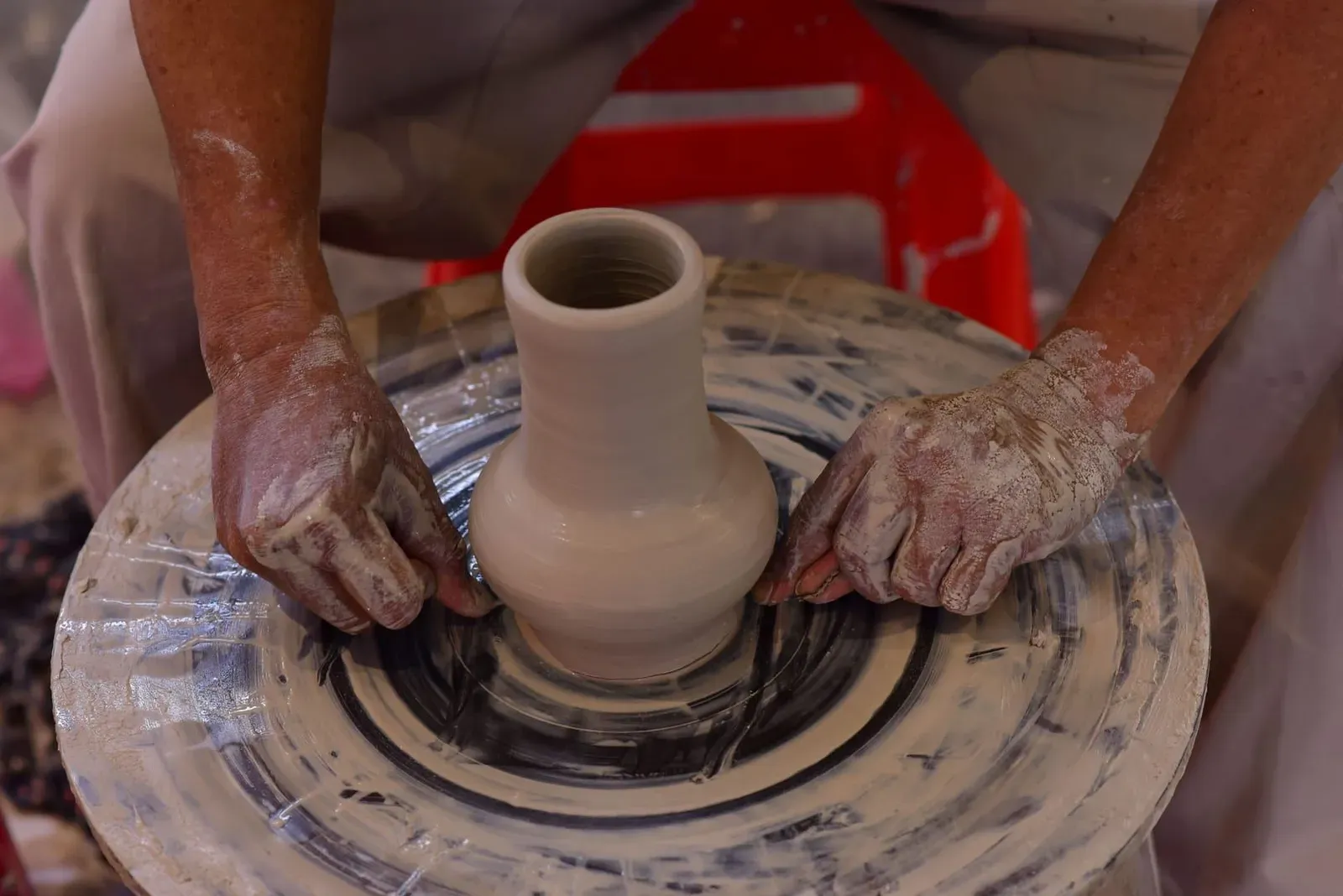
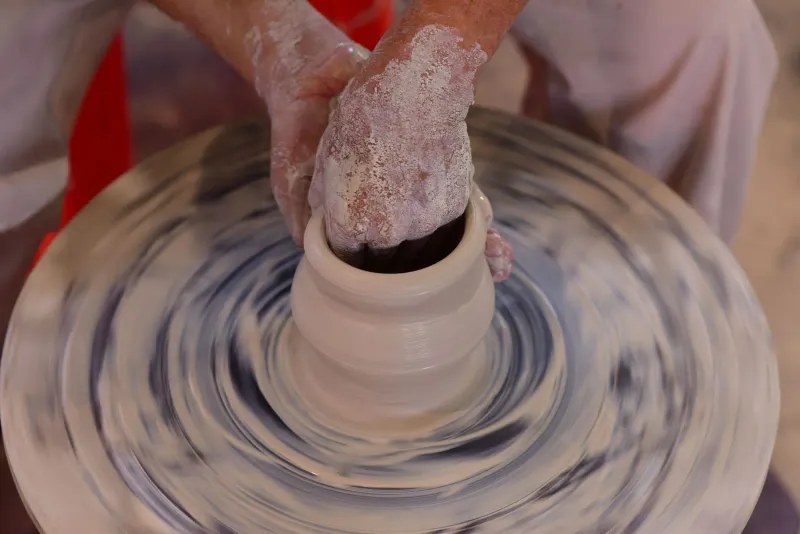
Samui has a small resident-potter scene, not a historic ceramics tradition — the clay and kilns are both a modern import, unlike the mainland’s old kiln towns. A handful of small studios run open workshops where a visitor can sit at a wheel for a single taster session, with the fired piece ready for pickup days later rather than same-day. This page could not confirm which studios are currently open to drop-in visitors this season — ask at your accommodation before planning a day around one. Retail ceramics in shops and markets are far more often imported from mainland Thailand’s pottery regions than thrown locally; a genuinely Samui-made piece is the exception on a shelf, not the rule.
Batik and Textiles
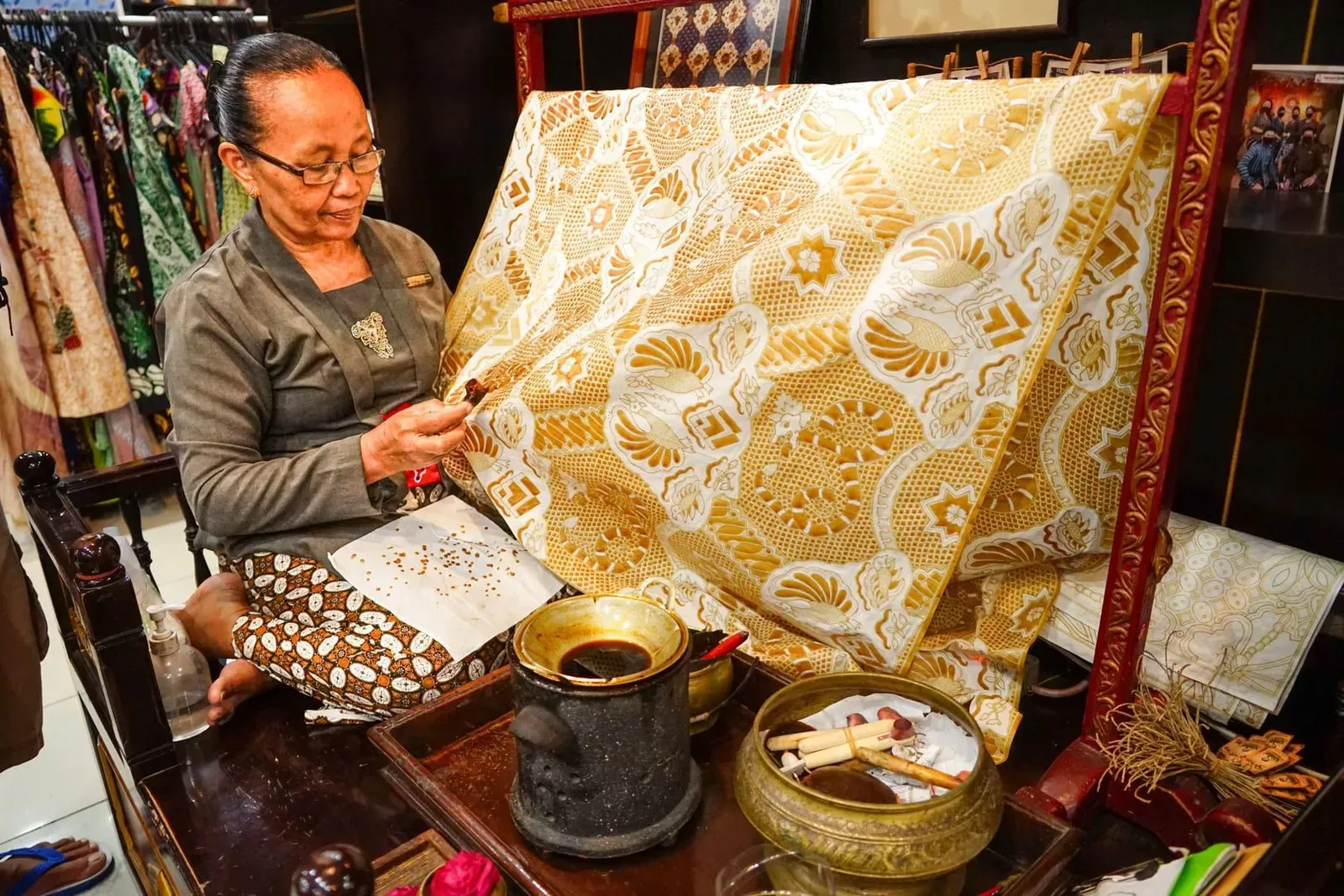
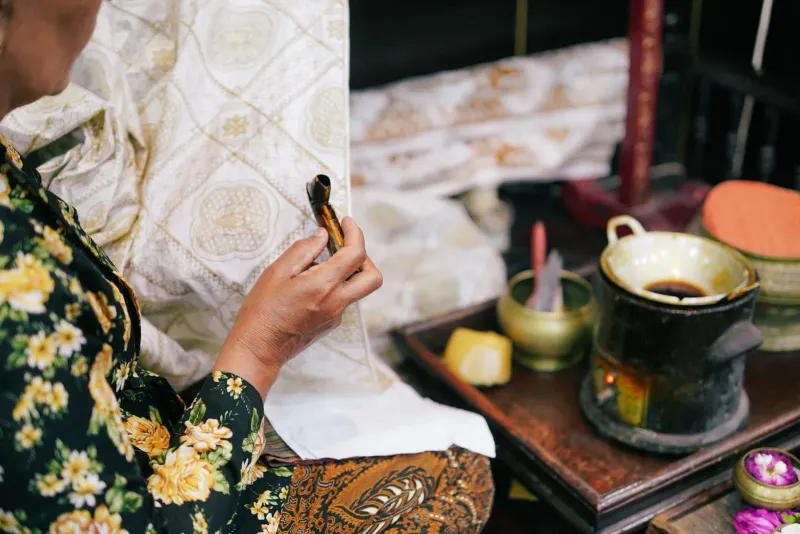
Batik is a wax-resist dyeing technique practiced across Southeast Asia and by artisans elsewhere in Thailand, not something invented on Samui. The useful distinction is between hand-drawn or hand-stamped wax batik — wax applied with a pen-like tool or copper stamp before dyeing — and printed cotton sold as batik, which reproduces the pattern in one pass with no wax step at all. Printed fabric is cheaper, perfectly uniform, and makes up much of what’s folded on market tables as “batik sarongs.” A paint-your-own workshop, where a visitor applies wax or dye to a pre-drawn design under guidance, is a genuine hands-on activity and the most reliable way to see real wax-resist technique on the island.
Silver and Jewellery
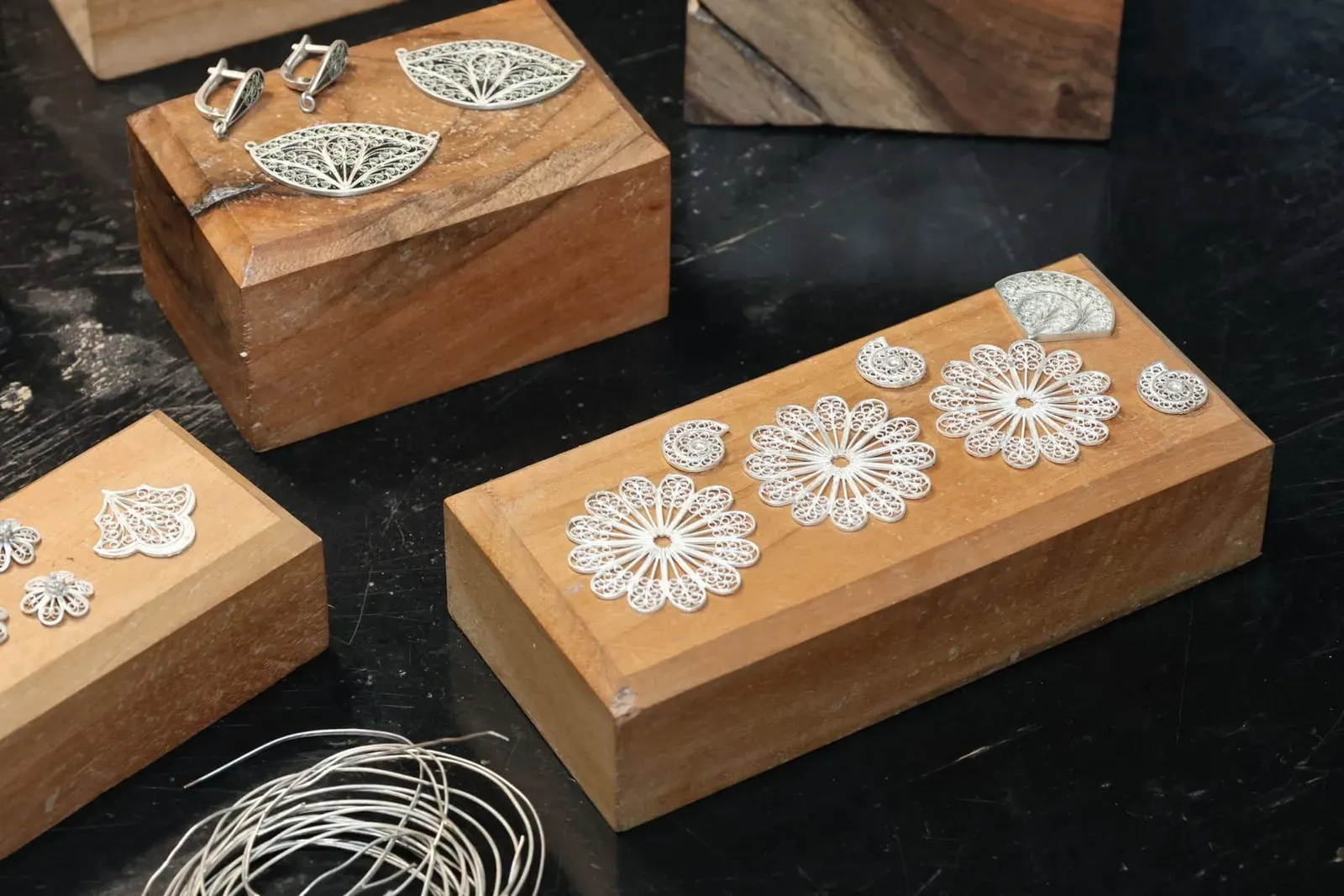
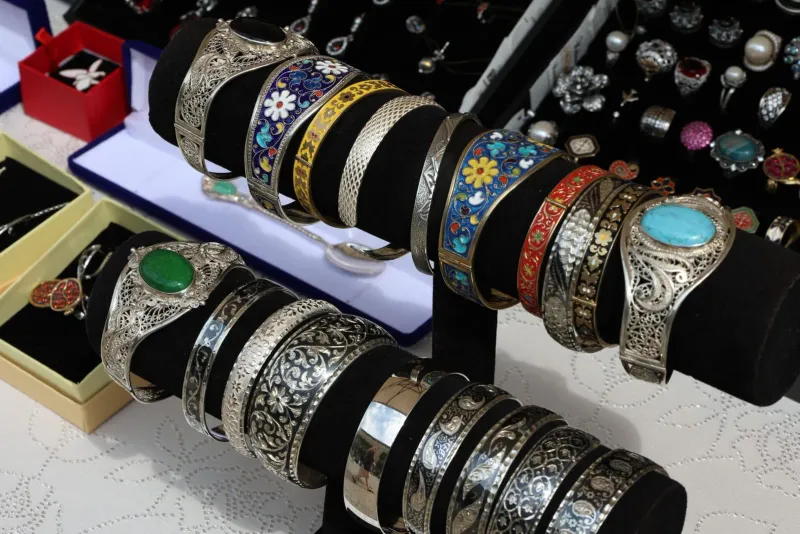
Thailand has a long silver trade, historically tied more to hill-tribe silversmithing from the north than to Samui, and silver sold on the island is overwhelmingly brought in from that wider trade rather than worked locally. A “925” stamp claims sterling-silver purity, but Thailand has no mandatory, independently enforced hallmarking system a tourist can check on the spot — it’s the seller’s claim, not a certificate, and pieces sometimes contain less silver than claimed. This matters more once a shop pushes toward gemstones: the jewellery and gem-shop scam pattern, including fake “government sale” pitches, is covered in full on the scams guide rather than repeated here. A plain-silver purchase from an established shop is low-risk; a “one-day-only” gem deal is the pattern to walk away from.
Woodwork, Rattan and the Teak Question
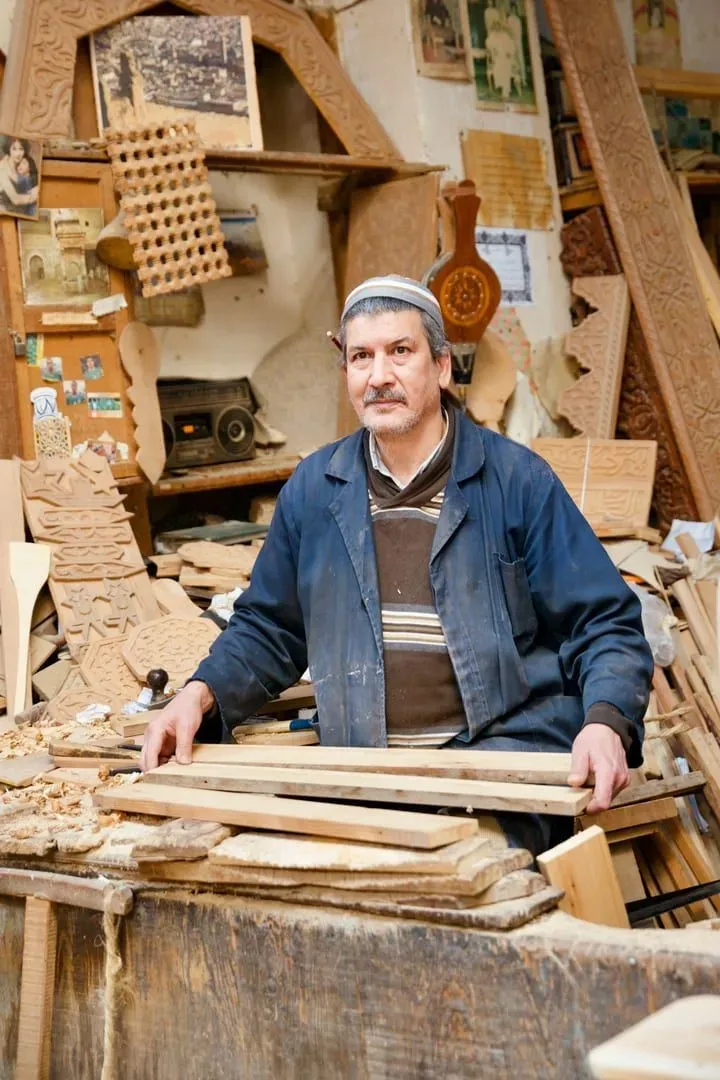
Carved wood and woven rattan are sold everywhere on Samui and made almost nowhere on it — the island isn’t a timber or rattan production region, so retail pieces are near-universally brought in from mainland workshops. Teak carries an extra question: after severe flooding in 1988, Thailand banned commercial logging of natural forest nationwide in 1989, so legal teak sold today comes from registered plantations, salvaged old-house or railway timber, or imports — not freshly cut natural forest (background on the ban). A shop that can’t say which of those a large piece came from is worth being skeptical of; for small carved souvenirs the question rarely matters in practice. A visible workshop with tools and offcuts in view is a better sign of real local work than a shelf of uniform carvings.
Soap, Candles and Small-Batch Cosmetics
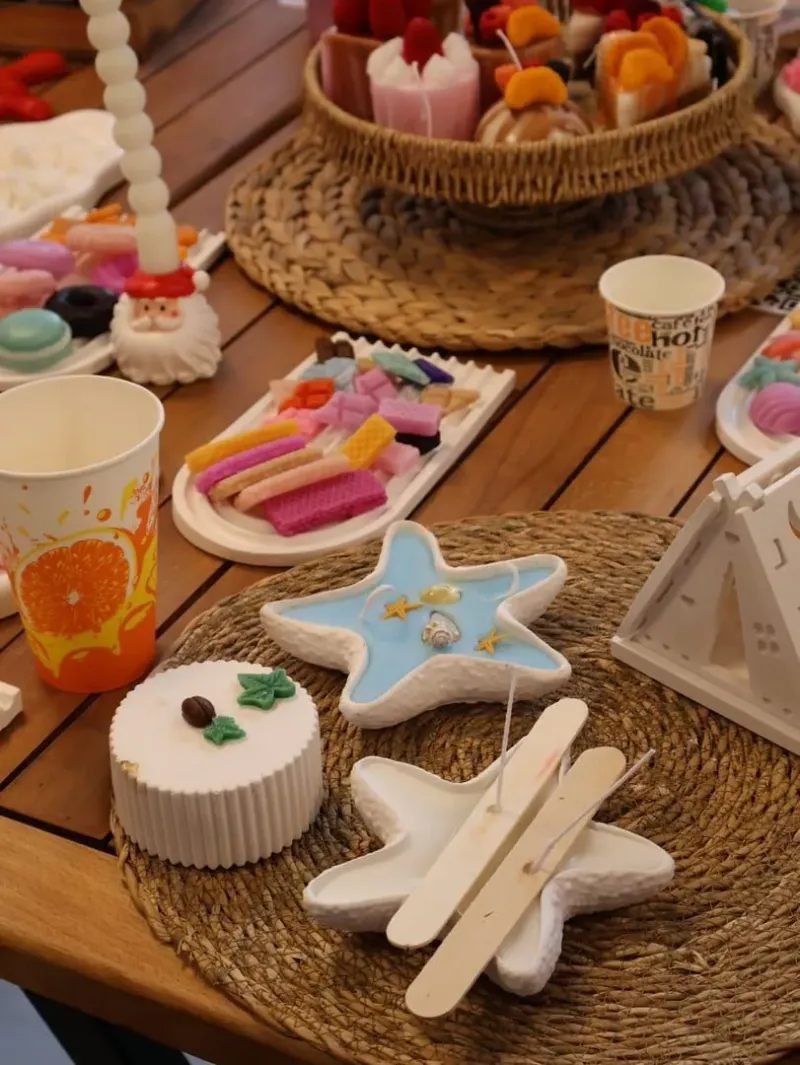
Handmade soap, candles and balms sit closest in spirit to coconut oil — small-batch, low equipment cost, genuinely producible by a one- or two-person operation. Many use coconut oil or milk as a base, scented with lemongrass or pandan, sold through the same markets that carry oil and shell-craft. Because the barrier to a passable soap bar is low, this is also easy to fake convincingly with a bought-in base and a hand-tied label — a seller who can describe their own ingredient list without hesitation is a better sign than nice packaging.
Food Makers — Sugar, Salt, Sauce and a Little Chocolate
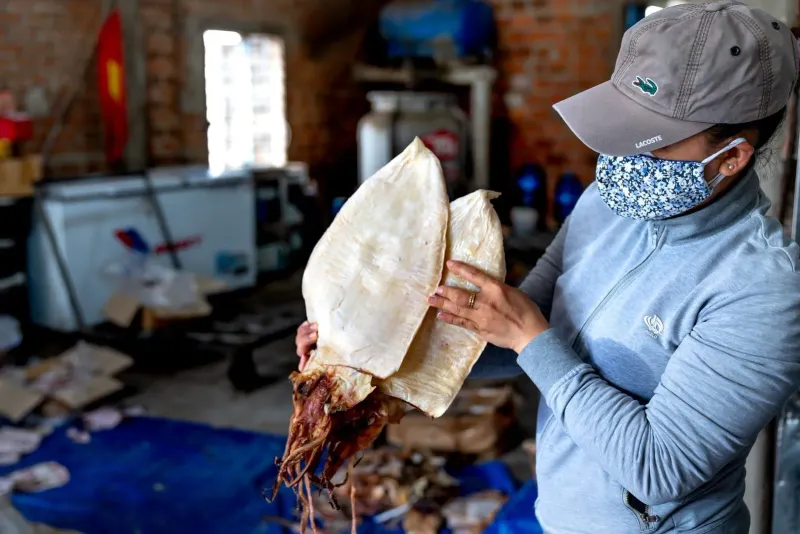
Food is where Samui’s maker economy is least about tourists. Coconut sugar, boiled down from palm sap, and dried fish and squid, sun-dried at fishing communities like those around Hua Thanon, exist because people eat the results, not because a visitor is watching. Salted eggs and nam prik-style chili sauces are household and small-vendor products sold through markets rather than branded retail. This page could not confirm small-batch chocolate or coffee tied to Samui-grown beans exists in any documented, ongoing way — neither is an established Samui crop — so treat a “local chocolate” or “local coffee” claim on a market stall with more scrutiny than sugar, fish or sauce, and check the local dishes guide for what’s actually native to the island’s food economy. A hands-on cooking class is the closest most visitors get to watching any of this made rather than just bought.
The Economics, Honestly
Most Samui makers price for tourists, and the arithmetic is straightforward rather than shady: a hand-thrown pot or a wax-resist batik piece takes real time to make, high season is short, and a maker pricing for year-round local wages would struggle through the quiet months. Several small workshops run as a sideline behind a resort, spa or restaurant job rather than as a standalone business — not a red flag, just how a small island supports a craft that couldn’t otherwise carry a full-time wage. The pattern to watch is the walking-street stall: a large share of what’s sold there as “local handicraft” is bought wholesale and resold at a markup — an entirely normal retail business, just not the same thing as buying from the maker. The honesty problem starts only when a stall is staged or labelled to imply a workshop that doesn’t exist behind it.
FAQ
What’s actually made on Koh Samui, versus trucked in?
Coconut oil, soap, shell bowls and husk charcoal are the craft category genuinely rooted in the island’s own raw material and history. Small amounts of pottery, batik, soap and food are also made locally by resident producers, but most retail batik, silver, ceramics and woodwork on the island is brought in from mainland Thailand and resold here.
Is Koh Samui batik handmade or printed?
Both exist. Hand-drawn or hand-stamped wax-resist batik shows slight irregularity in the dye edges; printed cotton sold as “batik” reproduces the pattern in one uniform pass with no wax step. A paint-your-own workshop is the most reliable way to see the real technique.
How do I know if silver jewellery on Samui is real?
A “925” stamp claims sterling-silver purity but isn’t independently certified or checkable on the spot in Thailand — it’s a seller’s claim. Buying plain silver from an established shop is low-risk; the bigger risk is a gem or “government sale” pitch, covered in the scams guide.
Is coconut oil sold on Samui actually cold-pressed?
Some is, some isn’t. Cold-pressed virgin oil comes from fresh, undried meat and costs more because it yields less per kilo; expeller-pressed oil starts from dried copra and is cheaper. A bottle priced like the cheap version but labelled “virgin” is worth questioning.
Can I actually watch anything being made, not just buy it?
Yes, in a few categories — a coconut-oil press, pottery wheel, batik wax station or soap kitchen are small enough to be visible from where the product is sold. This page can’t guarantee which operations run this season; ask to see the workspace, and treat hesitation as an answer.
Is teak furniture from Samui legal to buy and ship home?
Thailand’s 1989 nationwide ban on logging natural forest means legal teak today comes from registered plantations, salvaged old timber, or imports — not freshly cut wild forest. For furniture-scale purchases, ask the shop where the wood came from; for small souvenirs it rarely matters in practice.
Turning Up
There’s no single address for this page — the point is to carry the test with you, not follow a route. On any market table, whether at Bophut’s Fisherman’s Village on a Friday evening or Maenam’s Thursday walking street, ask the seller one direct question about how the item in front of you was made. A real maker answers without a script; a reseller changes the subject. The site’s own shopping guide and night markets guide cover prices and schedules — this page’s job was narrower: teaching you which of those stalls to believe.
Published on
About the author

Mike Brochlowski
Travel photographer & writer
Travel photographer and island explorer. Mike has spent years documenting Southeast Asia's hidden gems, from secluded beaches to jungle waterfalls.
Articles by Mike →More in Island Life
Na Muang Waterfalls — Samui's Purple Cascades and Jungle Pools
Explore Na Muang Waterfalls on Koh Samui — the accessible 18m Purple Waterfall with its swimming pool and the 80m jungle trek to the isla…
Wat Phra Yai — Big Buddha Temple on Koh Samui
Visit Wat Phra Yai (Big Buddha) on Koh Samui: a 12-meter golden Buddha, naga staircase, panoramic views, and market stalls.
Apirom Viewpoint — Koh Samui's Closed Hillside Lookout Above Ban Tai
Apirom Viewpoint: a ~304m hilltop lookout inland of Ban Tai, Koh Samui, its restaurant closed since the pandemic but the hillside track s…