Contents
Reggae is the one imported sound that put down real roots on the Gulf islands and never left. It arrived with the backpacker trail in the 1980s, rooted itself in a handful of beach bars and one Chaweng institution, and is still playing — thinner than it was, partly costume, but not gone. This page is the history; for tonight’s actual venues and hours, Samui’s live-music page does that job.
Key takeaways
- Reggae reached Samui and Koh Phangan via the 1980s–90s backpacker trail, not a Jamaican migration — it was one strand in a beach-bar soundtrack that also carried trance, house and drum and bass.
- It stuck here because it is cheap to run (a sound system and a few posters, not a five-piece band) and because its colours and dreadlocks read as an instant beach-bar identity — mostly an aesthetic borrowed for the room, not a religious one.
- Thailand has its own reggae and protest-folk lineage worth naming on its own terms, separate from the beach-bar version tourists hear.
- Thai house bands carry most of what’s left of live reggae on Samui today, playing six-night residencies to a professional standard.
- Every date and residency below is sourced from this site’s own venue research and checked September 2026 — residencies are the most perishable fact on this page.
What This Actually Is
This is the story of how one genre from outside Thailand became the longest-running live sound on Koh Samui, and what’s changed about it. It is not a venue guide — Samui’s live-music page maps the current rooms, nights and bands. What follows is where the sound came from, why it stuck when so much else on the backpacker trail didn’t, and how honest the island’s Rasta imagery actually is next to Thailand’s own, separate reggae tradition.
Who Is In It
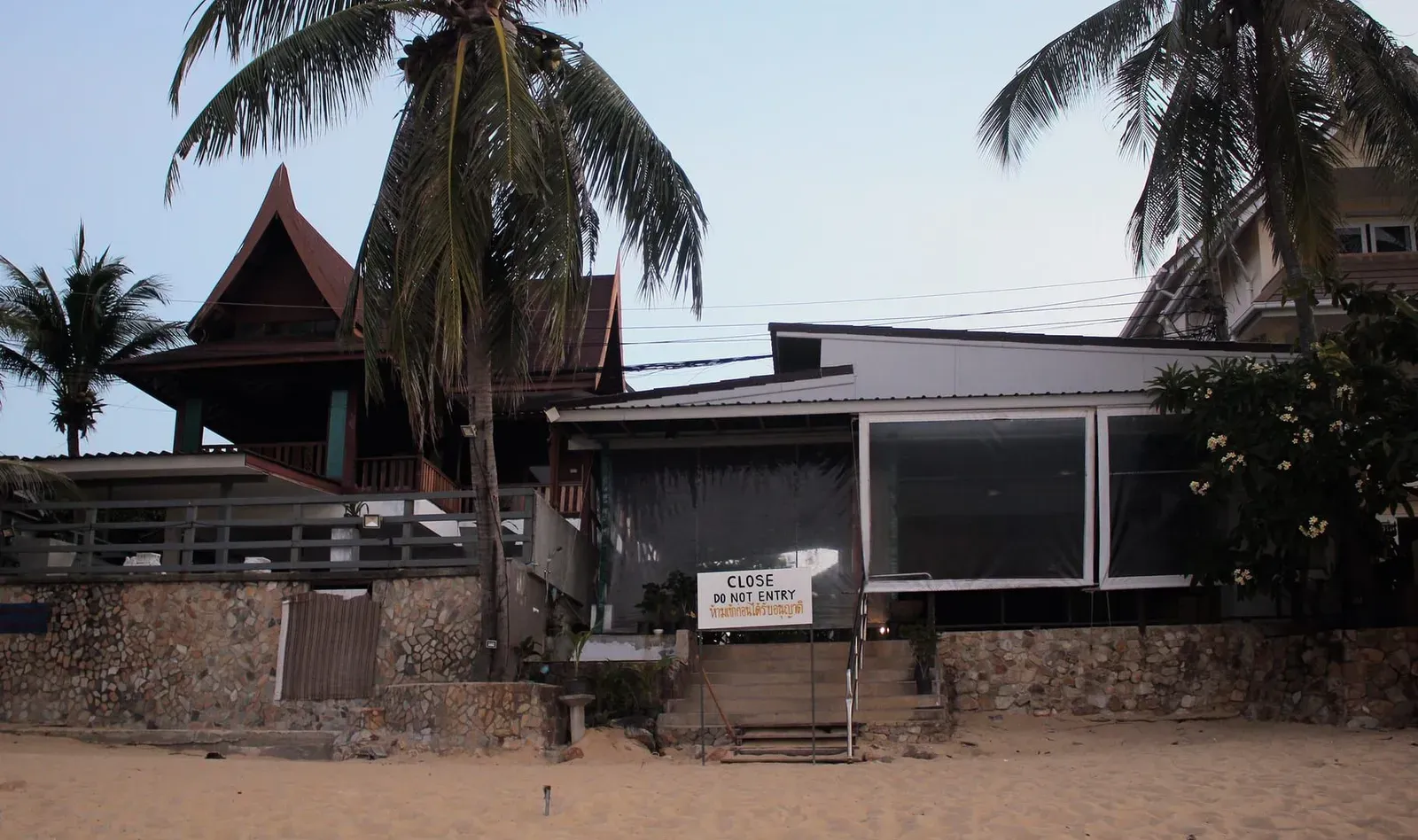
Three groups keep this lineage visible today. Long-running bar owners, mostly Thai, who kept a reggae identity going because it worked commercially and because they liked the music — Reggae Pub in Chaweng has run under Bob Marley murals since 1988, per this site’s own nightlife research. Thai house bands and cover musicians, trained through the same hotel-circuit and conservatory pipeline this site’s live-music page documents, who can play a reggae set as competently as a rock one. Visitors, overwhelmingly, as the audience rather than participants — this is a scene you watch and drink in, not one with a resident Rasta community behind it.
How It Works
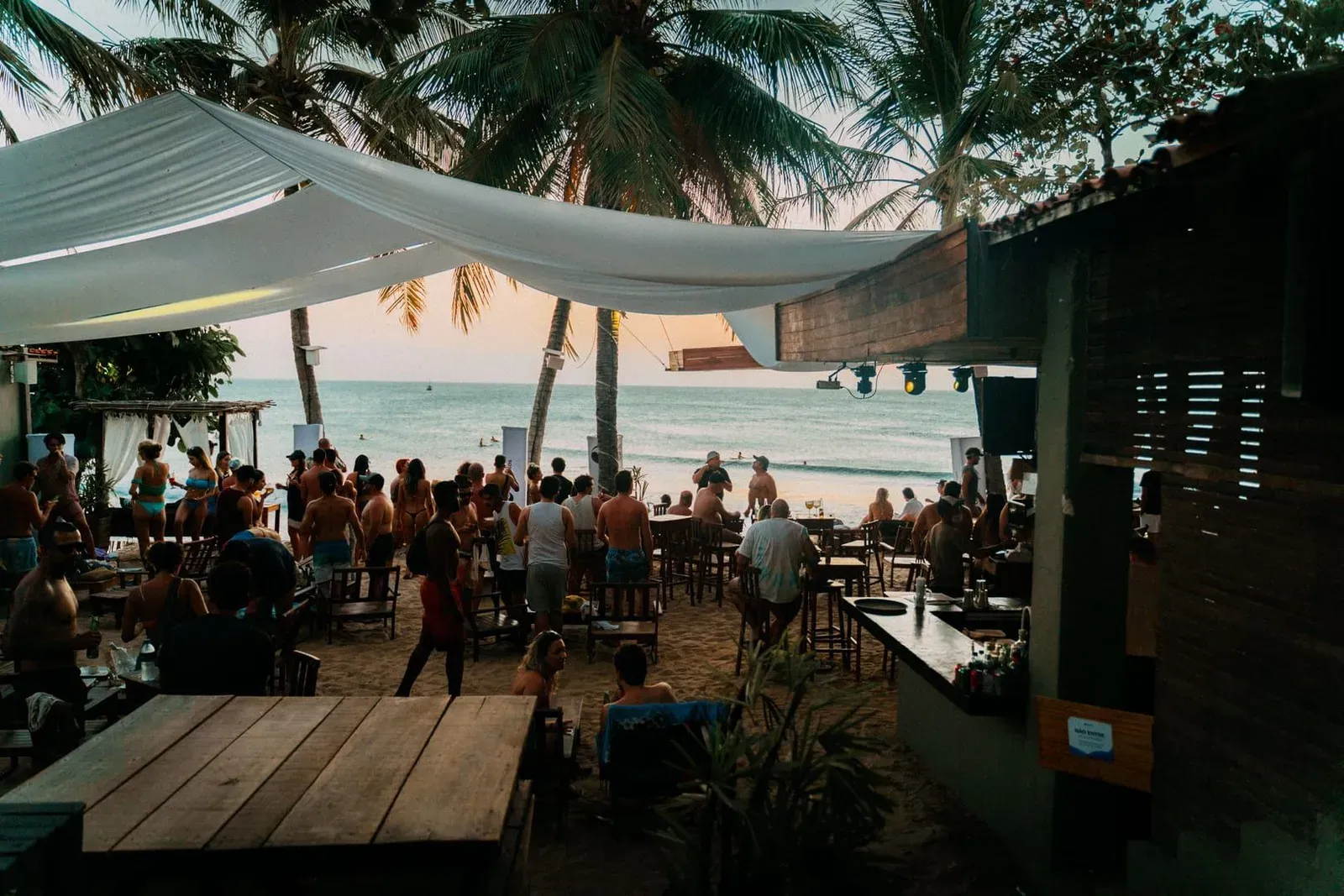
A reggae night on Samui is a bar’s house identity, not a touring circuit — one venue commits to the sound long-term (paint, posters, playlist, a resident or rotating band) rather than booking reggae acts on a calendar. Chaweng and Lamai each hold one or two rooms that lean this way; Maenam’s Black Rose Bar runs a reggae-themed sunset soundtrack rather than a stage band, per this site’s own Maenam research. There is no island-wide reggae festival, sound-system crew or promoter — it survives at the level of individual bars, which is also why it can vanish from one without warning.
What It Costs
Walking in and listening costs nothing beyond a drink — no venue in this lineage publishes a cover charge for a normal night. Beer runs roughly 80–120 THB (~2.50–3.50 USD) on the bar strips where reggae rooms sit, per this site’s own nightlife research, the same range as any other beach bar. The only real cost is time: this is a slow-drink, sit-and-listen scene, not a cover-charge night out.
How Reggae Landed and Why It Stuck
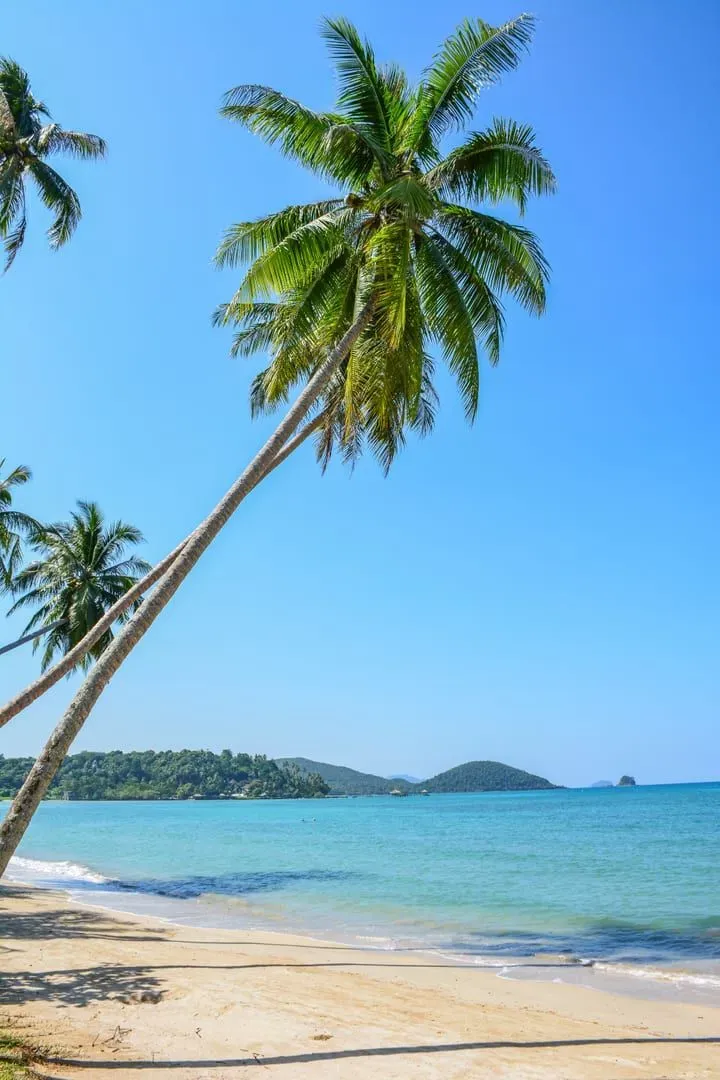
Reggae reached the Gulf islands the same way almost everything else on the backpacker trail did: overland travellers carrying cassettes and tastes formed on other beaches, arriving through the 1980s and into the 1990s as Southeast Asia opened up to long-stay budget tourism. Koh Phangan’s Full Moon Party — improvised on Haad Rin beach as early as 1983 and running regularly by 1985 — became the region’s clearest beacon for that circuit, and its Sunrise Beach bars still mix reggae into a soundtrack that also runs trance, house and drum and bass, rather than playing it as a headline genre. Samui, one ferry away and already the more developed island, absorbed the same crowd and kept a purer strand of it: a bar built around reggae full-time, not just one track in a DJ set.
It stuck for reasons that have little to do with Jamaica. Economically, reggae is cheap to run — a sound system, a lighting rig in red, gold and green, a wall of Bob Marley prints, and one band or a laptop cost a fraction of what a rotating live circuit needs, which matters on an island where beach-bar margins are thin. Visually, it is instant and legible: the colours and dreadlocks read as “reggae bar” from fifty metres in a way no other genre signals itself so cheaply. And that is the honest caveat worth stating plainly — almost none of that imagery on Samui is Rastafari as a lived faith. Rastafari is a religion with real theology (Haile Selassie, repatriation to Africa, the Ethiopian flag colours it borrows), practised by a small global community; what decorates a Chaweng bar wall is aesthetic borrowed from album covers, not a congregation. That is not unique to Thailand — it is true of reggae bars from Bali to the Caribbean coast of Central America — but it is worth naming rather than pretending the posters mean what they’d mean in Kingston.
Thailand’s Own Reggae Tradition
Separate from the beach-bar version, Thailand has produced its own reggae artists and a homegrown protest-folk lineage worth naming on its own terms. A genuine reggae subculture has taken root in Thai cities over the past two decades, with artists like Job 2 Do among those keeping a Thai-language reggae sound going outside the tourist strip — a scene built on its own audience, not a beach-bar soundtrack for foreigners. Running alongside it, and older, is phleng phuea chiwit (“songs for life”), the folk-rock genre born out of Bangkok’s 1973 student uprising, pioneered by the band Caravan and carried through the 1980s and 1990s by acts like Carabao and Pongsit Kamphee. It started as protest music for working people against military rule and, in its later decades, absorbed reggae, ska and Latin elements the way Bob Marley’s own generation absorbed ska and rocksteady — a genuinely Thai political lineage that shares reggae’s DNA of the outsider’s protest song, even where the two traditions never formally met.
From Backpackers to Flashpackers
What changed is the crowd, not really the songs. The backpackers who first carried reggae onto these beaches in the 1980s and 90s have been followed by a very different visitor: shorter stays, higher budgets, resort bookings instead of guesthouses — the “flashpacker” era that reshaped Samui’s whole tourism economy from the 2000s on. Reggae survived that transition better than most backpacker-era leftovers because it converted into ambience rather than disappearing: a bar can keep the murals and the playlist for a flashpacker crowd taking photos of the wall art, whether or not anyone in the room could name a second Bob Marley album. That is the honest version of “thinned” — the sound is still there in a handful of rooms, but as branding as much as scene. Meanwhile the money in Samui nightlife has moved decisively toward beach clubs running resident DJs on published weekly themes, exactly the shift this site’s live-music page documents in detail — reggae rooms are cheaper to run than a beach club’s whole operation, which is part of why the old rooms persist at all, just not why anyone would call this a growing scene.
How To Join
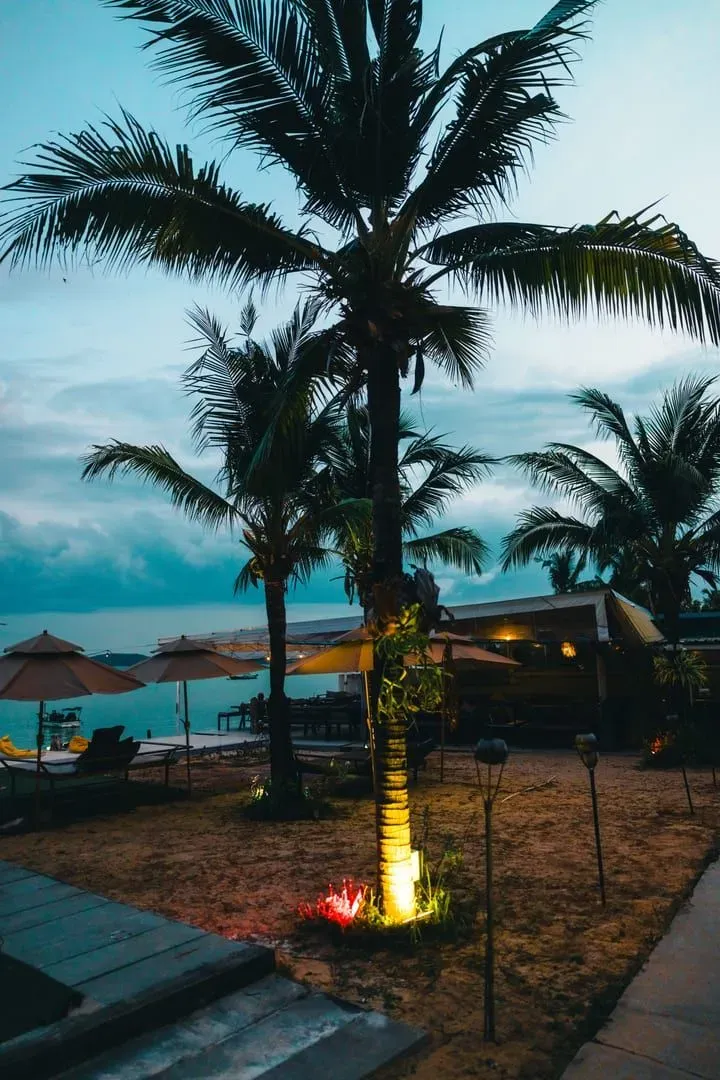
There is no reggae subculture here to join in any deeper sense than walking in and ordering a drink — this is a listening scene, not a jam scene, and no venue documented in this research runs an open mic or sit-in night specific to reggae. The honest way in is to treat it as living history rather than a party: sit through a set at Reggae Pub, notice the Thai musicians carrying a genre that came from thousands of kilometres away, and hold both things that are true at once — that it’s a real, three-decade continuity, and that most of the visual language around it is costume rather than creed.
FAQ
How long has reggae been played on Koh Samui?
Since at least 1988, when Chaweng’s Reggae Pub opened under its now-famous Bob Marley murals, per this site’s own nightlife research — making it the island’s longest continuously documented live-music room of any genre, not only reggae.
Is Samui’s reggae scene Rastafari or just decoration?
Almost entirely decoration. The red-gold-green colour scheme and dreadlock imagery are borrowed visual shorthand from reggae’s Jamaican origins, not evidence of a practising Rastafari community on the island — a distinction worth knowing before reading too much into the wall art.
Does Thailand have its own reggae artists?
Yes — a Thai-language reggae subculture has grown in Thai cities over the past two decades, including artists such as Job 2 Do, entirely separate from the tourist beach-bar version. Thailand’s older phleng phuea chiwit (“songs for life”) protest-folk tradition later absorbed reggae and ska influences too.
Did reggae come to Samui through Koh Phangan’s Full Moon Party?
Partly. The backpacker trail that built Koh Phangan’s Full Moon Party from the 1980s onward carried reggae as one strand of a wider beach-bar soundtrack alongside trance and house; Samui, sharing the same overland travellers, kept a more dedicated reggae presence in a small number of bars rather than folding it into one big party.
Is the reggae scene on Samui shrinking?
Yes, in the sense that matters — the number of dedicated reggae rooms has narrowed to a handful of long-running bars, and the beach-club DJ economy has taken most of the nightlife spend. What’s left persists mainly because it’s cheap to run, not because the scene is growing.
Turning Up
The reliable way to hear this lineage rather than read about it is Chaweng’s Reggae Pub, running nightly from around 3 PM into the early hours under the same Bob Marley murals it’s had since 1988 — checked September 2026, and still the clearest through-line from the backpacker era to now. For the reggae-tinged alternative, Maenam’s sunset-hour Black Rose Bar keeps the sound going without a stage band, best caught at golden hour rather than late. Either way, go for the history, not expecting a revival — this is a well-preserved thirty-year-old room, not a scene on the way back up.
Published on
About the author

Mike Brochlowski
Travel photographer & writer
Travel photographer and island explorer. Mike has spent years documenting Southeast Asia's hidden gems, from secluded beaches to jungle waterfalls.
Articles by Mike →More in Island Life
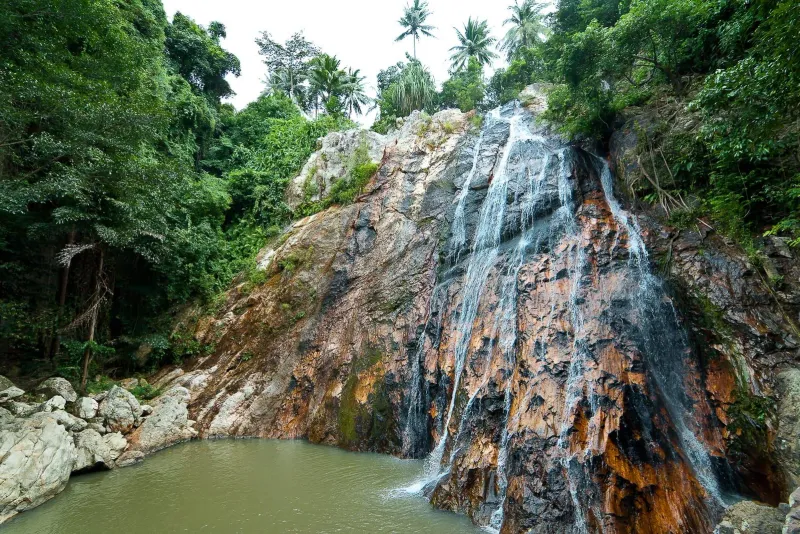
Na Muang Waterfalls — Samui's Purple Cascades and Jungle Pools
Explore Na Muang Waterfalls on Koh Samui — the accessible 18m Purple Waterfall with its swimming pool and the 80m jungle trek to the isla…
Wat Phra Yai — Big Buddha Temple on Koh Samui
Visit Wat Phra Yai (Big Buddha) on Koh Samui: a 12-meter golden Buddha, naga staircase, panoramic views, and market stalls.
Apirom Viewpoint — Koh Samui's Closed Hillside Lookout Above Ban Tai
Apirom Viewpoint: a ~304m hilltop lookout inland of Ban Tai, Koh Samui, its restaurant closed since the pandemic but the hillside track s…