Overview
Tong Yang Beach (หาดทองหยาง) is a quiet stretch of sand on the west coast of Koh Samui, Thailand, forming the northern part of the wider Lipa Noi bay south of Nathon. Locals and mapmakers do not always agree on where Lipa Noi ends and Tong Yang begins: the two names are often used for the same shoreline, but the section most commonly called Tong Yang runs for roughly 4 km north of a small headland that carries a Thai Navy outpost.
What sets Tong Yang apart from the smoother sand at Lipa Noi Beach just south of the cape is an offshore reef that appears in patches along the shore. It limits swimming at low tide in places but rewards anyone with a mask and snorkel, and it is one reason this stretch stays far less developed than Samui’s east-coast beaches. Add uninterrupted sunset views over the Gulf of Thailand toward the Five Islands and the hills of Ang Thong National Marine Park, and Tong Yang earns its reputation as one of Samui’s better-kept quiet corners.
The beach sits about 5 km south of Nathon, Samui’s port town, and roughly 25-28 km from Samui International Airport on the island’s east side. The Raja Ferry pier (also called Lipa Noi Pier), the island’s second vehicle-ferry terminal to the mainland, sits at the southern tip of the bay: a genuinely useful landmark for orienting yourself along this coast.
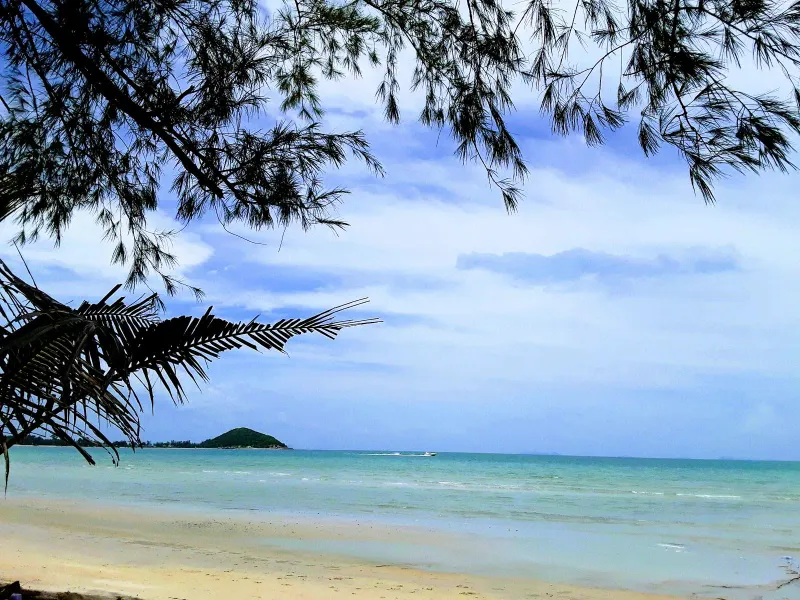
History: A Naval Cape and a Fishing Bay
Like most of Samui’s west coast, the land around Tong Yang was coconut country long before it was a tourist destination. Plantations covered the gentle slopes behind the beach for generations, and small fishing communities worked the calmer waters of the bay, sheltered from the open Gulf of Thailand by the headland that splits Tong Yang from Lipa Noi proper.
That headland still carries a small Thai Navy base today, which is part of why this stretch of coast never saw the dense resort development of Chaweng or Lamai on the opposite side of the island. Public access and construction near a military installation are naturally more restricted, and the result (whether by design or accident) is a beach that has kept its village character. Ban Lipa Noi, the settlement that spans both bays, remains a working community of fishing families, small farms, and a scattering of guesthouses rather than a resort strip.
The other defining piece of modern history here is transport. When Raja Ferry opened its Lipa Noi terminal at the southern edge of Tong Yang Bay as a second vehicle-ferry link to the mainland at Don Sak, the area gained a practical role in island life it hadn’t had before: moving cars, construction materials, and goods on and off Samui without the congestion of the older pier at Nathon.
The Beach: Reef, Sand and Two Bays
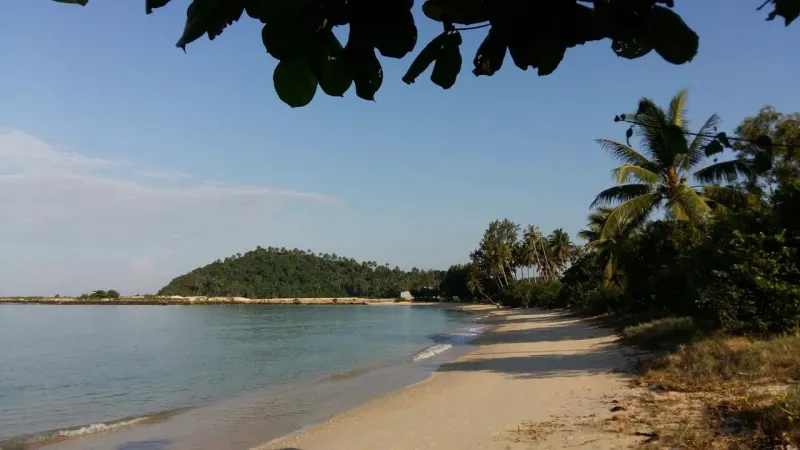
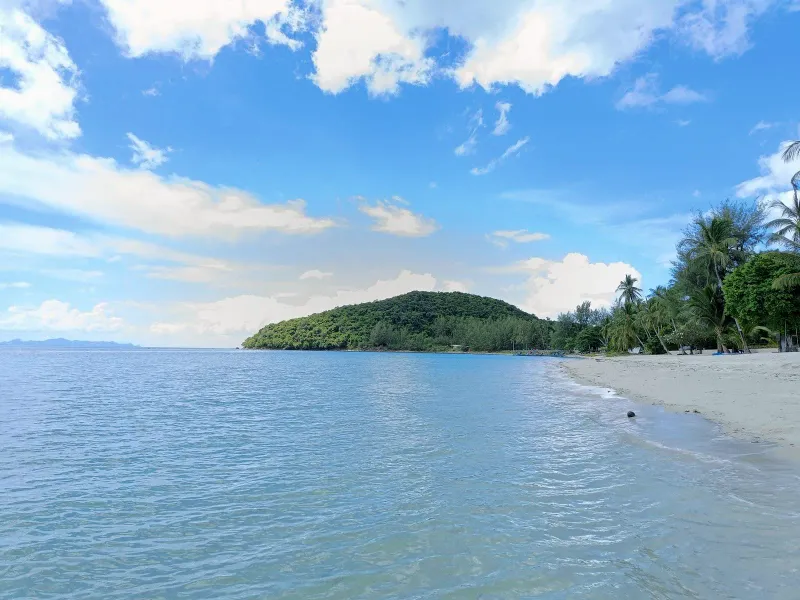
Geographically, this coastline is really two adjoining beaches separated by the small naval headland. North of the cape is the longer stretch most often labeled Tong Yang, running approximately 4 km. South of the cape, wrapping around to the Raja Ferry pier, is a shorter bay of just over 1 km that overlaps with what most visitors call Lipa Noi. In practice the sand is continuous in character across both (soft, pale, and backed by coconut palms and casuarina trees) and locals frequently use “Tong Yang” and “Lipa Noi” interchangeably for the whole west-coast run south of Nathon.
The clearest, cleanest sand tends to sit in the middle of the bay, with some debris collecting near the northern and southern edges where currents deposit driftwood and the odd piece of plastic: a minor, honest caveat worth knowing before you plan a picture-perfect walk. The seabed slopes gradually, similar to Lipa Noi, and in the mid-section the water reaches comfortable swimming depth without a sudden drop-off, though the offshore reef patches mean depth and swimmability vary more from point to point here than at Lipa Noi’s smoother southern cove.
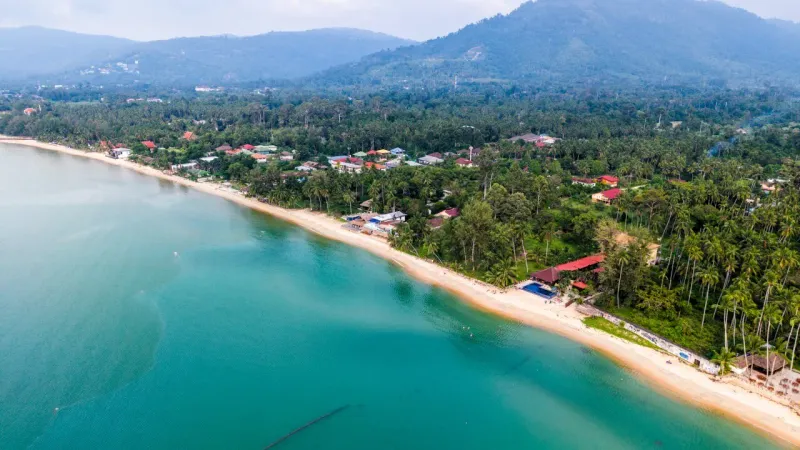
Tides and access
Tong Yang, like most of Samui’s west coast, is more tide-dependent than the calmer north-coast beaches. At low tide the water can retreat significantly and expose sandbars and the shallower reef sections; swimming is best from roughly mid to high tide. The beach itself sits about 2 km from the island’s Route 4170 ring road, so most visitors arrive by taxi or scooter rather than on foot from the main road: there is no direct public songthaew service down every access lane.
Snorkeling the Offshore Reef
The offshore reef is Tong Yang’s signature feature, and the reason this beach is worth a special trip rather than just a drive-by stop on the way to the ferry. Unlike the sand-bottomed, obstruction-free shoreline at Lipa Noi to the south, patches of coral and rock break the surface at various points along Tong Yang, particularly toward the northern half of the bay.
- Best conditions: Calmer, clearer water typically arrives with the dry season (December-April); expect more sediment and swell during the monsoon months.
- What you’ll see: Small reef fish, occasional rays, and rocky outcrops rather than the vibrant hard-coral gardens of Koh Tao or Ang Thong, treat it as a casual, convenient snorkel rather than a dedicated dive destination.
- Gear: Bring your own mask and fins; there are no dedicated snorkeling shops directly on this stretch, unlike the busier east-coast beaches.
- Caution: The same reef that makes snorkeling interesting also makes swimming less straightforward at low tide, reef shoes are a sensible precaution, and it’s worth asking locally about current conditions before wading out.
For a bigger snorkeling day, Ang Thong National Marine Park is visible on the horizon from Tong Yang and reachable by organized boat tour from Nathon or Bangrak, typically 1,200-2,000 THB (~34-57 USD) for a full-day trip including gear and lunch.
Sunsets and the Five Islands
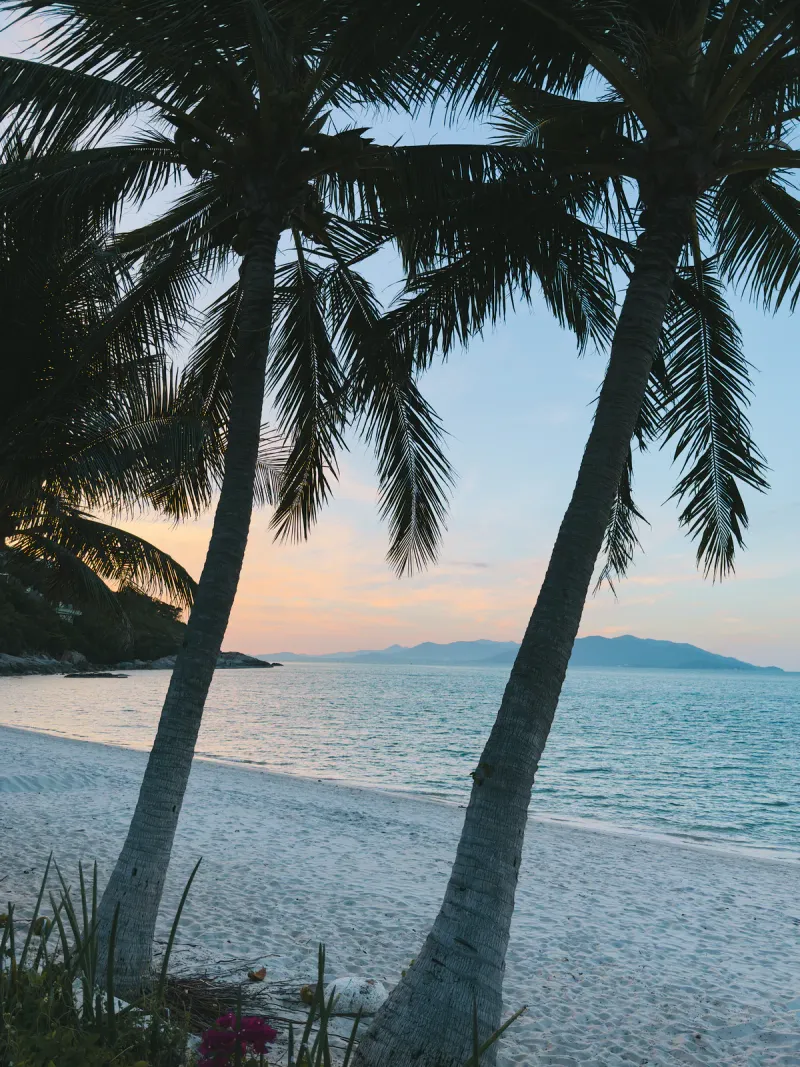
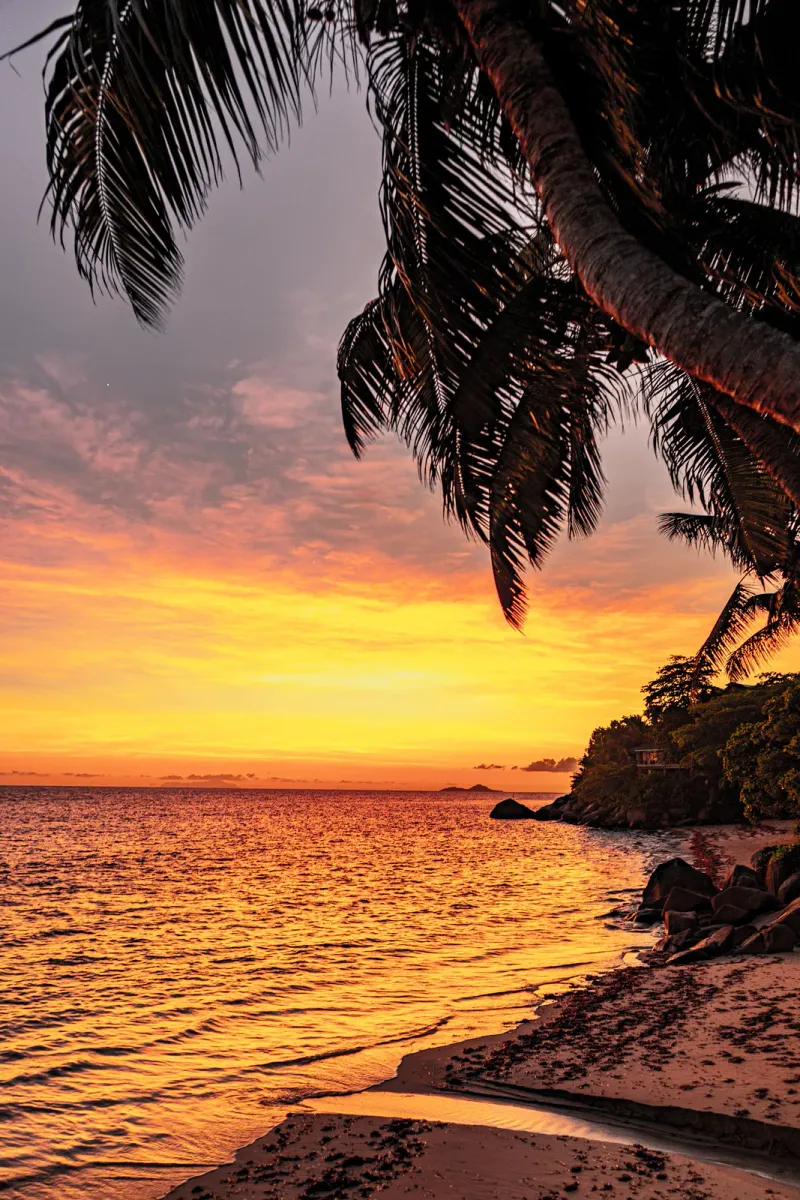
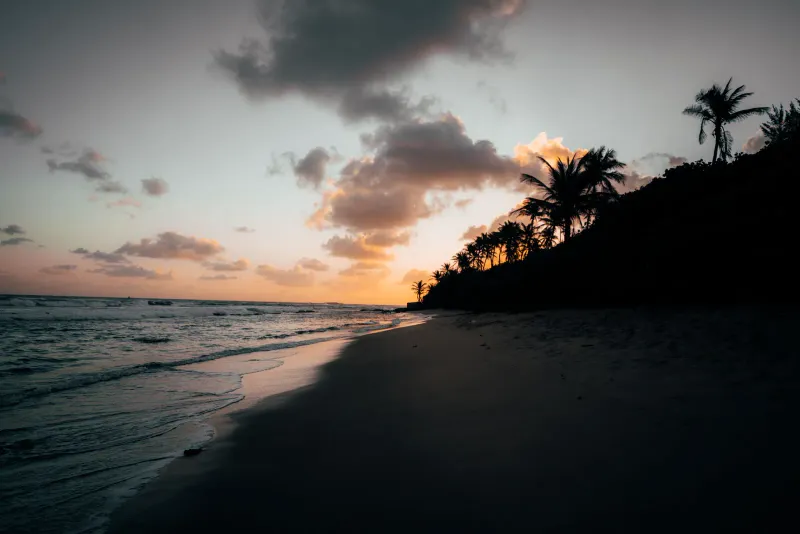
Facing almost due west, Tong Yang shares the same uninterrupted sunset exposure that makes the wider Lipa Noi coastline one of Samui’s most photographed sunset spots. On clear evenings, the sun drops behind the silhouettes of a small offshore islet cluster known locally as the Five Islands, with the peaks of Ang Thong National Marine Park forming a hazier backdrop further out in the Gulf of Thailand.
Because this stretch is far less built up than Chaweng or Bophut, there are long, unobstructed sections of beach to watch from without a resort sunbed layout blocking the view. A handful of beachfront cafes and small restaurants along the bay put out tables specifically angled toward the water in the late afternoon.
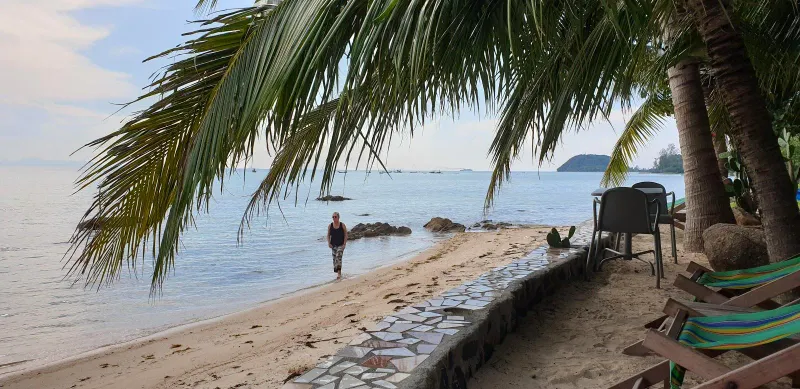
Activities
Tong Yang is not an activity hub, and that’s largely the point, but there is enough to fill a relaxed day or two.
- Swimming: Best from mid to high tide in the sandier mid-section of the bay; check locally for reef exposure before swimming at low tide.
- Snorkeling: The main draw. Bring your own gear and explore the reef patches, especially toward the northern end of the bay.
- Beach walking: The combined Tong Yang-Lipa Noi shoreline runs several kilometers with few interruptions, good for long, quiet walks at sunrise or sunset.
- Cycling and scooter touring: The relatively flat coastal lanes connecting Nathon, Tong Yang, and Taling Ngam are popular for scooter loops away from the island’s busier east-coast traffic.
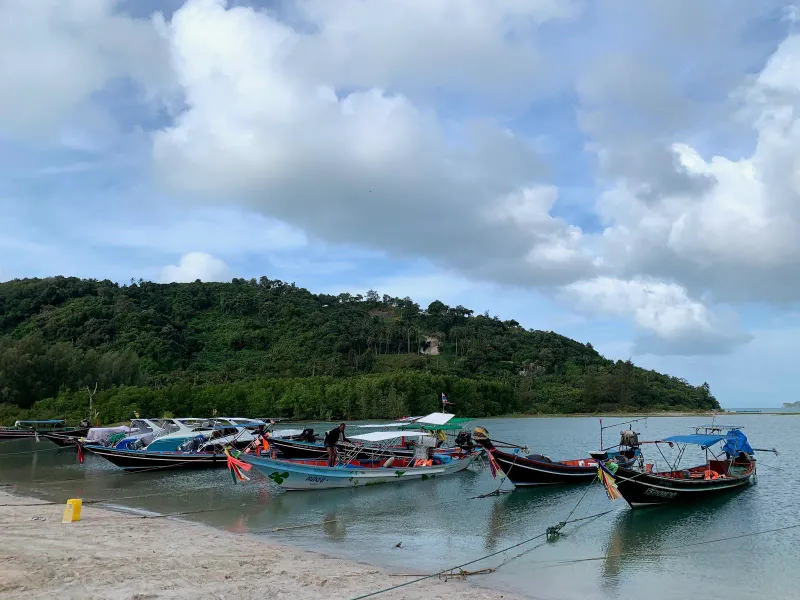
- Fishing village life: Small longtail boats still work out of parts of this bay; watching the morning catch come in is a low-key but genuine local experience unavailable on Samui’s more touristed beaches.
- Day trips: Ang Thong National Marine Park and Koh Phangan are both visible offshore and reachable by boat tour or ferry connection from the Nathon/Lipa Noi area.
Where to Eat
Dining along Tong Yang and the wider Lipa Noi bay is low-key and local rather than a restaurant strip: expect a handful of options rather than dozens.
| Type | What to Expect | Price Range |
|---|---|---|
| Beachfront cafes | Simple Thai dishes, drinks, sunset seating | $ (60-150 THB / ~1.50-4.50 USD per dish) |
| Village noodle and rice shops | Pad thai, fried rice, curries, local crowd | $ (50-100 THB / ~1.50-3 USD) |
| Seafood restaurants | Fresh catch grilled or fried to order | $-$$ (150-400 THB / ~4.50-11 USD) |
| Resort dining | Upscale Thai and international menus at nearby villas/hotels | $$-$$$ (400-1,200+ THB / ~11-34+ USD) |
For a wider choice of restaurants and a livelier evening scene, most visitors staying near Tong Yang drive the short distance north to Nathon town or south to Taling Ngam Beach, both of which have more established dining strips than this quieter middle stretch of coast.
Getting There: The Raja Ferry Pier
From Samui Airport (USM)
Tong Yang is on the opposite side of the island from the airport (roughly 25-28 km, or about 40-50 minutes by car depending on traffic through Nathon and the interior road).
- Airport taxi: Approximately 500-700 THB (~14-20 USD), prepaid at the airport counter.
- Grab (ride-hailing): Available once you’re off airport grounds; not permitted for pickups inside the terminal.
From other beaches
- From Nathon: 10-15 minutes by car (~100-150 THB by taxi).
- From Lipa Noi Beach: 5-10 minutes, as the two beaches share the same bay system.
- From Taling Ngam: 10-15 minutes further south along the coastal road.
- From Chaweng: 45-60 minutes across the island (~600-800 THB by taxi).
The Raja Ferry pier
The Raja Ferry terminal at the southern tip of the bay operates vehicle and passenger ferries to Don Sak on the mainland, running roughly hourly between about 5:00 AM and 7:00 PM. It functions as Samui’s second international vehicle pier alongside Nathon, and is typically less congested: useful to know if you’re bringing a rental car to or from the mainland, or simply prefer a quieter departure point.
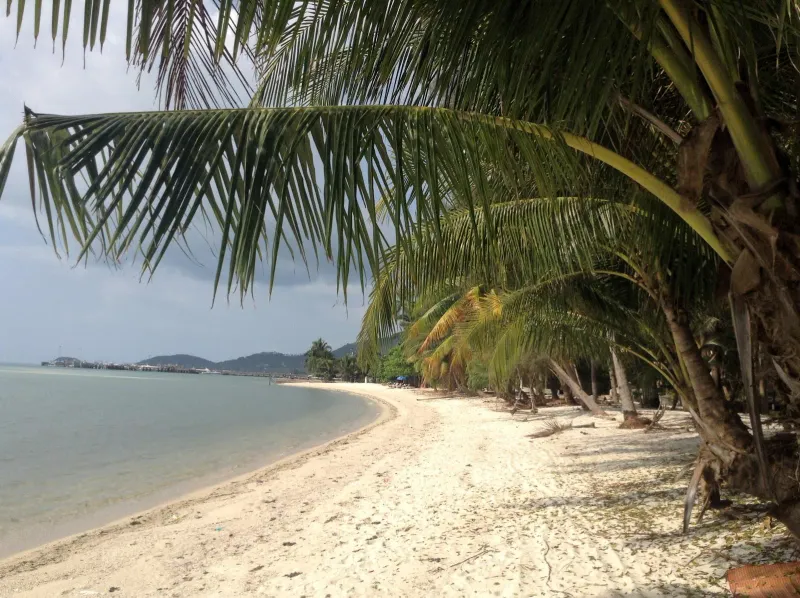
Getting around
There is no dedicated songthaew route running the full length of the beach access lanes, so a rented scooter (200-300 THB/day, ~6-9 USD) or car (1,000-1,800 THB/day, ~30-54 USD) is the most practical way to explore this stretch of coast and reach restaurants outside walking distance.
Nearby Attractions
Under 15 minutes
- Lipa Noi Beach: The shallow, family-friendly cove immediately south of the naval cape, sharing the same sunset exposure with calmer, reef-free swimming.
- Nathon town: Samui’s administrative and commercial center, with the island’s original ferry pier, markets, banks, and a wider choice of restaurants.
- Raja Ferry pier: The vehicle-ferry terminal to Don Sak, at the bay’s southern tip.
Under 30 minutes
- Taling Ngam Beach: Another quiet west-coast sunset beach further south, also facing the Five Islands and Ang Thong.
- Ban Tai Beach: A reef-fringed beach north of Nathon on the way toward Maenam, with a similar low-key character.
- Ang Thong National Marine Park boat tours: Depart from Nathon or Bangrak piers for a full day of kayaking, snorkeling, and viewpoint hikes among the park’s limestone islands.
Where to Stay
Accommodation directly on Tong Yang is limited compared to the busier east coast: think villas and small guesthouses rather than resort chains, which suits travelers who specifically want distance from crowds.
| Category | Average Price | What to Expect |
|---|---|---|
| Budget | 700-1,400 THB (~20-40 USD)/night | Simple guesthouses and family-run bungalows in Ban Lipa Noi |
| Mid-range | 2,100-4,200 THB (~60-120 USD)/night | Small boutique hotels and serviced villas along the bay |
| Upscale/Villas | 5,250-14,000+ THB (~150-400+ USD)/night | Private pool villas, several marketed specifically on their Five Islands sunset views |
Because the area is quiet and spread out, most stays here are private villas booked directly or through vacation-rental platforms rather than branded hotels: plan ahead if you want a specific property, since availability is more limited than in Chaweng or Bophut.
Best Time to Visit
| Season | Months | Conditions | Rating |
|---|---|---|---|
| Peak / Dry | Dec - Feb | Calmer seas, best snorkeling visibility, clearest sunsets | ★★★★★ |
| Hot | Mar - May | Hotter (~34-36°C), generally still calm on the west coast | ★★★★ |
| Inter-monsoon | Jun - Aug | Mixed weather, still reliably calm most days | ★★★★ |
| Monsoon | Sep - mid-Nov | More rain and swell possible; west coast fares better than the east | ★★★ |
The west coast of Koh Samui, including Tong Yang, tends to be sheltered from the worst of the southwest monsoon that batters Chaweng and Lamai between September and November, though visibility for snorkeling drops with any increase in swell or rainfall runoff. Water temperature stays warm year-round at roughly 28-30°C. For the clearest reef visibility and the sharpest sunset silhouettes over the Five Islands, aim for December through April.
Practical Tips
- Bring your own snorkel gear: there are no rental shops directly on this beach, unlike the main tourist strips.
- Check the tide before swimming near the reef sections; low tide can expose rock and coral close to shore.
- Rent a scooter or arrange a taxi in advance: public transport along the beach access lanes is limited, and distances between restaurants and viewpoints are longer than on compact east-coast beaches.
- Respect the naval area on the headland between Tong Yang and Lipa Noi: it is not open for public access or photography of the installation itself.
- Bring cash for village restaurants and small shops; card acceptance is inconsistent this far from the main tourist areas.
- Time your visit for the ferry if combining a beach stop with a Don Sak crossing: the Raja Ferry runs roughly hourly, so a quick check of the schedule saves waiting around.
Who Is Tong Yang Beach Best For?
| Traveler Type | Fit | Why |
|---|---|---|
| Snorkelers on a budget | ★★★★★ | Reachable reef patches without booking a boat tour |
| Couples seeking quiet sunsets | ★★★★★ | Uncrowded, unobstructed Five Islands sunset views |
| Long-stay/villa travelers | ★★★★ | Private villas, low-key village life, lower costs than east coast |
| Families with young children | ★★★ | Reef and tide variability make Lipa Noi next door the safer swim choice |
| Nightlife seekers | ★ | No bars or evening scene: Chaweng is the opposite side of the island |
| Photographers | ★★★★★ | Naval cape, fishing boats, reef pools and sunset light all in one bay |
FAQ
Is Tong Yang Beach the same as Lipa Noi Beach?
They are part of the same bay system on Koh Samui’s west coast, separated by a small headland with a naval outpost. Tong Yang usually refers to the ~4 km stretch north of the cape, while Lipa Noi refers to the shorter cove south of it near the Raja Ferry pier, but locals often use both names for the whole coastline.
Can you snorkel at Tong Yang Beach?
Yes. Tong Yang has an offshore reef in patches, mostly toward the northern half of the bay, which offers casual snorkeling right from the beach. Visibility is best from December to April. Bring your own mask and fins, since there are no rental shops directly on this stretch of Koh Samui.
How do you get to Tong Yang Beach from the airport?
Tong Yang is on the opposite side of the island from Samui International Airport, roughly 25-28 km or 40-50 minutes by car. A prepaid airport taxi costs approximately 500-700 THB (~14-20 USD). Grab ride-hailing works once you’re off airport grounds but cannot pick up inside the terminal.
Where does the Raja Ferry to Don Sak leave from?
The Raja Ferry vehicle terminal sits at the southern tip of Tong Yang Bay, also called Lipa Noi Pier. Ferries to Don Sak on the mainland run roughly hourly from about 5:00 AM to 7:00 PM, offering a quieter alternative to the older pier at Nathon for both foot passengers and vehicles.
Is Tong Yang Beach good for swimming?
Swimming is workable at mid to high tide in the sandier middle section, but the offshore reef patches make conditions more variable than at neighboring Lipa Noi. Families wanting the calmest, most predictable shallow water for young children are usually better served at Lipa Noi Beach immediately south of the naval cape.
What is special about the sunsets at Tong Yang?
Tong Yang faces almost due west across the Gulf of Thailand, giving unobstructed views of the sun setting behind the Five Islands islet cluster, with the hills of Ang Thong National Marine Park visible further out. Because the beach is lightly developed, there are long, quiet stretches to watch from without crowds or resort sunbeds in the way.
About the author

Mike Brochlowski
Travel photographer & writer
Travel photographer and island explorer. Mike has spent years documenting Southeast Asia's hidden gems, from secluded beaches to jungle waterfalls.
Articles by Mike →