Overview
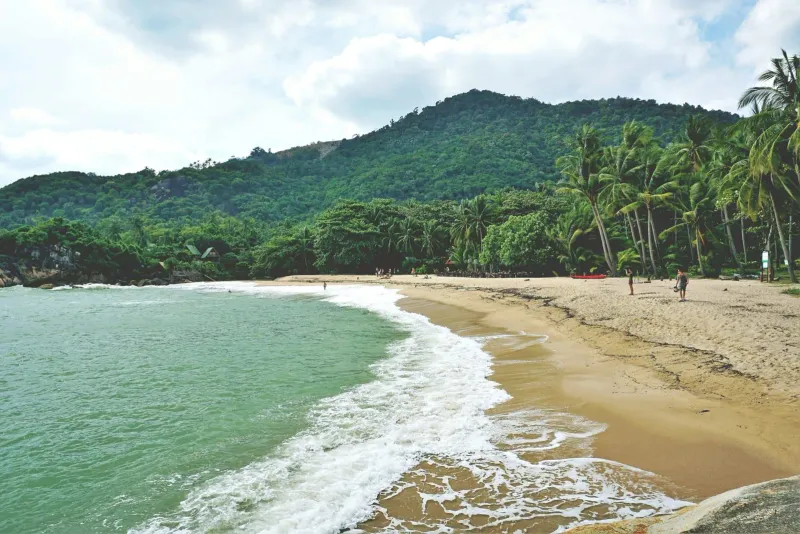
Ban Tai Beach (หาดบ้านใต้) is a quiet stretch of sand on Koh Samui’s north coast, between Bang Po to the west and Maenam to the east, roughly 20-25 minutes by car from Samui Airport. Sources put its length at 1-2 km. It is not the Ban Tai on Koh Phangan, a different beach on the neighboring island. Ban Tai on Samui has fine, pale sand, shallow water that stays swimmable at almost any tide, no big hotel chains on the shoreline, and a rocky headland at its eastern end where a shallow reef gives genuinely good snorkeling for a beach this close to the main road.
Ban Tai faces north across the strait toward Koh Phangan, and the village behind it (also called Ban Tai) is a working residential area rather than a tourist strip, so restaurants and shops thin out compared to Maenam or Bophut. That trade-off is the whole appeal: a beach visitors reach almost by accident, on a coastline where every other bay is named on a tour brochure.
![500px provided description: Belmond Napasai Resort, Koh Samui, Thailand [#sea ,#beach ,#sand]](/_astro/bang-koh-samui-beach-nearby-1-commons-83561778.CaN4lN7X_15OM0F.webp)
Where Is Ban Tai: Koh Samui or Koh Phangan?
The name is shared by two places in the Gulf of Thailand. Ban Tai on Koh Samui (this page) is a residential village and beach on the north coast, facing Koh Phangan across the strait. Access is one short lane off Route 4169, the ring road. Ban Tai on Koh Phangan is a long beach on that island’s southwest coast near Thong Sala, reached from Samui by ferry. If you searched “Ban Tai” and want the Samui beach, you are in the right place.
The Beach: Sand, Tides and Swimming
Ban Tai’s sand is fine and pale, sometimes described locally as flour-like underfoot. The beach is narrow compared to Maenam next door, and its width changes noticeably with the tide: at low tide, a strip of sandbar and scattered seaweed can appear a few dozen meters offshore, a common feature of Koh Samui’s north coast where the tidal range runs roughly 1-2 meters.
Western section (toward Bang Po)
The western stretch has the smoothest sandy bottom and the fewest rocks underfoot, making it the easiest spot for a straightforward swim. It also tends to be the emptiest part of the beach. Most visitors who do find Ban Tai gravitate toward the eastern end near the reef.
Eastern section (toward the headland)
The eastern end narrows toward a rocky point that separates Ban Tai from Maenam. This is where the beach gets interesting: sharper stones near the shoreline give way to a clearer, sandier bed a meter or two out, and the rocky cape itself is the launch point for the reef snorkeling described below.
Swimming conditions
Water is shallow enough for a long walk before it reaches waist depth in many spots, which makes Ban Tai reliably safe for children and weak swimmers, though it also means the swim itself is more of a wade at low tide. There are no strong currents on this side of the island: the north coast is sheltered from the monsoon swells that hit Chaweng and Lamai on the east and southeast.
![500px provided description: Belmond Napasai Resort, Koh Samui, Thailand [#sea ,#beach ,#sand], view 2](/_astro/ban-tai-koh-samui-beach-nearby-10-commons-87729522.Djmf095J_ZPiLmU.webp)
Snorkeling the Reef Off Ban Tai
The rocky headland at the eastern end of Ban Tai is the beach’s signature feature. A shallow reef extends off the point, and (unlike most Koh Samui beaches, where decent snorkeling means booking a boat to Ang Thong or Koh Tao) here it’s a fin-kick from the sand.
What you’ll see
Reported sightings around the Ban Tai and Bang Po headland include clownfish, wrasses, parrotfish, flute mouths, Moorish idols, banner fish, and occasionally stingrays and green turtles. Small blacktip reef sharks have also been spotted here on occasion, though sightings are irregular and the sharks are shy, shallow-water juveniles rather than anything visitors need to worry about.
Practicalities
- Best access: the western edge of the headland, where the water clears faster after the first meter or two of shore rocks
- Gear: bring your own mask and fins if you have them; a few beachfront vendors rent basic sets, but selection is limited compared to Maenam or Bophut
- Footwear: reef shoes or old sandals are worth packing, since the entry point has loose stones
- Tide timing: snorkeling works at most tide levels, but a mid-to-high tide gives easier swimming room over the reef
- Visibility: generally clear in the dry season (December-April); expect murkier water for a day or two after heavy rain
For a wider comparison of reef conditions along this coast, see Wikipedia’s overview of Ko Samui, which covers the island’s marine geography.
![500px provided description: Belmond Napasai Resort, Koh Samui, Thailand [#sea ,#beach ,#sand], view 3](/_astro/bang-koh-samui-beach-nearby-2-commons-83561780.63tgl_t1_UFFOO.webp)
Activities Beyond the Water
Ban Tai isn’t a watersports hub, but the basics are covered, and the beach’s emptiness makes it a good pick for activities that need space.
- Kayaking and stand-up paddleboarding: Rentals are available from small operators along the beach road, though stock is thinner than at Maenam. Ask at your accommodation if nothing’s set up that day.
- Beach games: The wide, flat sand at low tide suits volleyball, frisbee, and casual beach soccer without dodging sunbed rows.
- Yoga and stretching: A handful of guesthouses and villas run informal sunrise sessions on the sand; nothing commercial or ticketed, just a quiet stretch of beach at the right hour.
- Sunset walking: The 2 km of shoreline connects on foot to Bang Po in one direction and Maenam in the other, making an easy 30-40 minute beach walk in either direction.
Ban Tai Beach Restaurants
Dining at Ban Tai is small-scale and local rather than a destination in itself. Most restaurants are family-run and cluster along the access road rather than directly on the sand.
| Type | What to Expect | Price Range |
|---|---|---|
| Beach-road Thai eateries | Family-run kitchens serving curries, stir-fries, and grilled fish | 80-200 THB (~2.50-5.50 USD) |
| Seafood restaurants | A handful of quality spots serving fresh catch, more common toward Bang Po | 150-400 THB (~4.50-11 USD) |
| 7-Eleven corner cluster | Small eateries, bars, and massage shops about 5 minutes’ walk from the beach | 40-150 THB (~1-4.50 USD) |
| Resort dining | Restaurants attached to Mimosa Resort and La Perle Boutique Hotel | 200-600 THB (~5.50-17 USD) |
For a wider choice of restaurants and a lively night market, most visitors head 10 minutes east to Maenam’s village center, or continue on to Bophut’s Fisherman’s Village for boutique dining and Friday-night street food.
Where to Stay
Ban Tai has a small footprint of accommodation (nothing on the scale of Maenam’s five-star resorts) which suits travelers who want beach access without a resort compound around them.
| Category | Average Price | Examples |
|---|---|---|
| Budget | 525-1,050 THB (~15-30 USD)/night | Jasmine & Tea House |
| Mid-range / family | 1,750-3,500 THB (~50-100 USD)/night | Mimosa Resort |
| Boutique / upscale | 3,500-7,000 THB (~100-200 USD)/night | La Perle Boutique Hotel |
| Villas (long stay) | 5,250-14,000+ THB (~150-400+ USD)/night | Ban Tai Estate villas (2-6 bedrooms, private pools) |
Villas here are popular with families and small groups wanting a private pool and kitchen rather than a hotel room, and several operate as monthly rentals for longer stays, a quieter, cheaper alternative to renting in Maenam or Bophut.
Nearby Attractions
Under 15 minutes
- Maenam Beach: ~10 minutes east. Koh Samui’s longest north-coast beach, with a Thursday night walking street, Santiburi Golf Course, and better swimming depth than Ban Tai at most tides.
- Bang Po Beach: A short walk or drive west, with its own stretch of reef and rocky lagoon known locally as one of the north coast’s quieter spots.
- Lomprayah catamaran pier: Near Maenam, the departure point for day trips to Ang Thong National Marine Park and Koh Tao, and ferries to Koh Phangan.
Under 25 minutes
- Fisherman’s Village, Bophut: ~15 minutes east. Restored teak shophouses, boutique restaurants, and the Friday Night Market.
- Wat Phra Yai (Big Buddha Temple): ~20 minutes. Samui’s most recognizable landmark, a 12-meter golden Buddha reachable by causeway.
- Chinese Temple, Maenam: A short detour through Maenam village, useful to combine with a beach walk.
- Koh Samui Elephant Sanctuary: An ethical, no-riding elephant park inland from the north coast, popular as a half-day add-on.
Getting There
From Samui Airport (USM)
Ban Tai sits roughly 20-25 minutes by car from Samui International Airport, slightly further than Maenam or Bophut since it’s a step off the main tourist strip.
- Airport taxi: ~350-450 THB (~10-13 USD), prepaid at the airport counter
- Grab: Works for pickups from elsewhere on the island but cannot collect passengers inside the airport terminal
- Songthaew: The north-coast Pink Route passes near Ban Tai on Route 4169, the island’s ring road; flag one down for 50-100 THB depending on distance
From other beaches
- From Maenam: ~10 minutes by taxi (~100 THB) or a 30-40 minute beach walk
- From Bophut: ~15 minutes by taxi (~150 THB)
- From Chaweng: ~30 minutes by taxi (~350-450 THB)
- From Nathon ferry pier: ~15-20 minutes via the ring road
On foot and by scooter
The beach itself is reached via a short access lane off Route 4169: look for the public beach signage near the Mimosa Resort turn-off. Once there, the shoreline is flat and easy to walk end-to-end in about 30 minutes. A rented scooter (~200-300 THB/day, ~6-9 USD) is the most practical way to combine Ban Tai with Bang Po and Maenam in a single day, since none of the three has much public transport running between them.
Best Time to Visit
| Season | Months | Conditions | Rating |
|---|---|---|---|
| Peak / Dry | Dec - Feb | Sunny, calm seas, best snorkeling visibility | ★★★★★ |
| Hot | Mar - Apr | Warmer, still generally dry and calm | ★★★★ |
| Inter-monsoon | May - Aug | Mixed weather, generally swimmable | ★★★ |
| Monsoon | Sep - Nov | Rain more likely, occasional rough patches | ★★★ |
Like the rest of the north coast, Ban Tai is sheltered from the worst of the southwest monsoon that batters the east and south coasts, so it often stays calm when Chaweng and Lamai don’t. Some visitors report increased algae on the sand around February, and a springtime plankton bloom is occasionally reported in April: neither is dangerous, just worth expecting if you visit in those windows. December to April remains the most reliable stretch for clear reef-snorkeling water.
Practical Tips
- Bring your own snorkel gear if you can: rental stock at Ban Tai is limited compared to the bigger beaches nearby.
- Wear reef shoes for the eastern headland; the entry point has loose, sometimes sharp stones.
- Cash is king: the small local eateries and shops around Ban Tai rarely take cards.
- No lifeguards: this is an unstaffed local beach, so supervise children in the water yourself.
- Combine with Bang Po or Maenam: Ban Tai alone is a short visit; pairing it with a scooter ride along the rest of the north coast makes for a fuller day.
- Quiet does not mean deserted: this is a residential beach. Be respectful of the village behind it, especially around private access points.
Who Is Ban Tai Best For?
| Traveler Type | Fit | Why |
|---|---|---|
| Snorkelers on a budget | ★★★★★ | Reef access from the beach, no boat trip required |
| Families with young kids | ★★★★ | Shallow, calm water; but bring your own shade and gear |
| Couples wanting quiet | ★★★★★ | Genuinely uncrowded, low-key sunset walks |
| Long-stay renters | ★★★★ | Villas and monthly rentals cheaper than Maenam or Bophut |
| Nightlife seekers | ★ | Nothing here: head to Chaweng or Bophut instead |
| Digital nomads | ★★★ | Workable but with thinner café and WiFi infrastructure than Maenam |
![500px provided description: Belmond Napasai Resort, Koh Samui, Thailand [#sea ,#beach ,#sand], view 4](/_astro/bang-koh-samui-beach-nearby-3-commons-83561782.DDewvQWz_22PaGI.webp)
![500px provided description: Belmond Napasai Resort, Koh Samui, Thailand [#sea ,#beach ,#sand], view 5](/_astro/bang-koh-samui-beach-nearby-4-commons-83561783.BTSJaGTD_ZV3s57.webp)
![500px provided description: Belmond Napasai Resort, Koh Samui, Thailand [#sea ,#beach ,#sand], view 6](/_astro/bang-koh-samui-beach-nearby-6-commons-87729513.BgUPoqZW_1lOtOi.webp)
![500px provided description: Belmond Napasai Resort, Koh Samui, Thailand [#sea ,#beach ,#sand], view 7](/_astro/bang-koh-samui-beach-nearby-9-commons-87729521.DAsKevF2_VB0Au.webp)
![500px provided description: Belmond Napasai Resort, Koh Samui, Thailand [#sea ,#beach ,#sand], view 8](/_astro/bang-koh-samui-beach-nearby-5-commons-83561786.Bsx0rU7A_23RKgo.webp)
![500px provided description: Belmond Napasai Resort, Koh Samui, Thailand [#sea ,#beach ,#sand], view 9](/_astro/bang-koh-samui-beach-nearby-7-commons-87729518.ByaL35br_Z1LROSc.webp)
![500px provided description: Belmond Napasai Resort, Koh Samui, Thailand [#sea ,#beach ,#sand], view 10](/_astro/bang-koh-samui-beach-nearby-8-commons-87729520.Ch2Ff7IG_Zk8HWi.webp)
FAQ
Is Ban Tai Beach on Koh Samui or Koh Phangan?
Both islands have a Ban Tai. This one is on Koh Samui. Ban Tai Beach sits on the north coast of Koh Samui, Thailand, between Bang Po and Maenam, facing Koh Phangan across the strait. It should not be confused with Ban Tai on Koh Phangan, a different beach with a similar name on the neighboring island.
Is Ban Tai Beach good for snorkeling?
Yes, relative to most Koh Samui beaches. A shallow reef off the rocky headland at the eastern end supports clownfish, wrasses, parrotfish, and occasional turtles and blacktip reef sharks. Visibility is best in the dry season from December to April. Bring your own mask and reef shoes since rental gear on-site is limited.
How far is Ban Tai Beach from Samui Airport?
About 20-25 minutes by car, roughly comparable to or slightly longer than Maenam. A prepaid airport taxi runs approximately 350-450 THB (~10-13 USD). Grab ride-hailing works for pickups elsewhere on the island but not from inside the airport terminal.
What is Ban Tai Beach known for?
Ban Tai Beach is known for pale sand, calm shallow water, few crowds, and reef snorkeling off its eastern rocky headland, all on Koh Samui’s north coast between Bang Po and Maenam. It suits quiet beach days rather than nightlife or watersports. See the Maenam Beach guide for a busier neighbor.
Is Ban Tai Beach crowded?
No: it’s one of the quietest named beaches on Koh Samui’s north coast. There are no large resorts directly on the sand, and most tourists head to neighboring Maenam or Bophut instead, leaving Ban Tai’s shoreline largely to locals and villa guests.
Can you swim at Ban Tai Beach at low tide?
Swimming is possible but shallow at low tide, when sandbars and patches of seaweed can appear well offshore. The water is calm and safe for wading and casual swimming at most tide levels, making it a reasonable choice for families, though serious swimmers will find deeper water at nearby Maenam.
Where should I stay near Ban Tai Beach?
Options are limited but varied: Jasmine & Tea House for budget stays, Mimosa Resort for families, La Perle Boutique Hotel for a small upscale stay, and Ban Tai Estate villas for groups wanting a private pool. Most visitors staying elsewhere on the north coast simply visit Ban Tai for the day.
About the author
Samui69 Editorial Team
Editorial team
Guides researched and fact-checked by the Samui69 editorial team: residents and frequent visitors who verify opening hours, prices and directions on the ground.
About the author →