Overview
Wat Na Phra Lan (วัดนาพระลาน) is a hidden gem of spiritual tranquility located in the Maenam area of Koh Samui. While the island’s more famous landmarks draw massive crowds, this temple remains a peaceful sanctuary where the essence of local Thai Buddhism is preserved. Its proximity to the Lomprayah Maenam Pier makes it an ideal stop for travelers arriving from or departing to the neighboring islands of Koh Phangan and Koh Tao.
The temple is renowned for its beautiful traditional architecture, its deep connection to the Thai monarchy, and its serene, lush surroundings. Whether you are looking for a place to meditate or simply wish to admire authentic Thai craftsmanship, Wat Na Phra Lan offers a quiet and meaningful experience away from the tourist path.
History: The Royal Connection
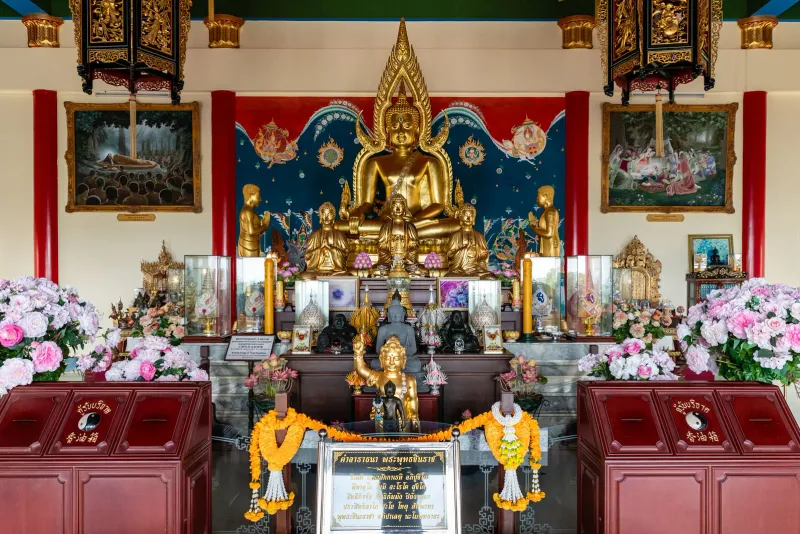
Wat Na Phra Lan has long been a center for local worship in the northwest of Koh Samui. One of its most significant historical and cultural aspects is its dedication to King Rama V (King Chulalongkorn), who reigned from 1868 to 1910.
King Rama V is one of Thailand’s most beloved monarchs, credited with modernizing the nation and abolishing slavery. His statue at Wat Na Phra Lan is a focal point for many Thai visitors who come to pay their respects and offer prayers for prosperity and protection. The temple’s name, “Na Phra Lan,” can be loosely translated to “in front of the royal plaza,” further emphasizing its regal connections.
Architecture: Classic Thai Elegance
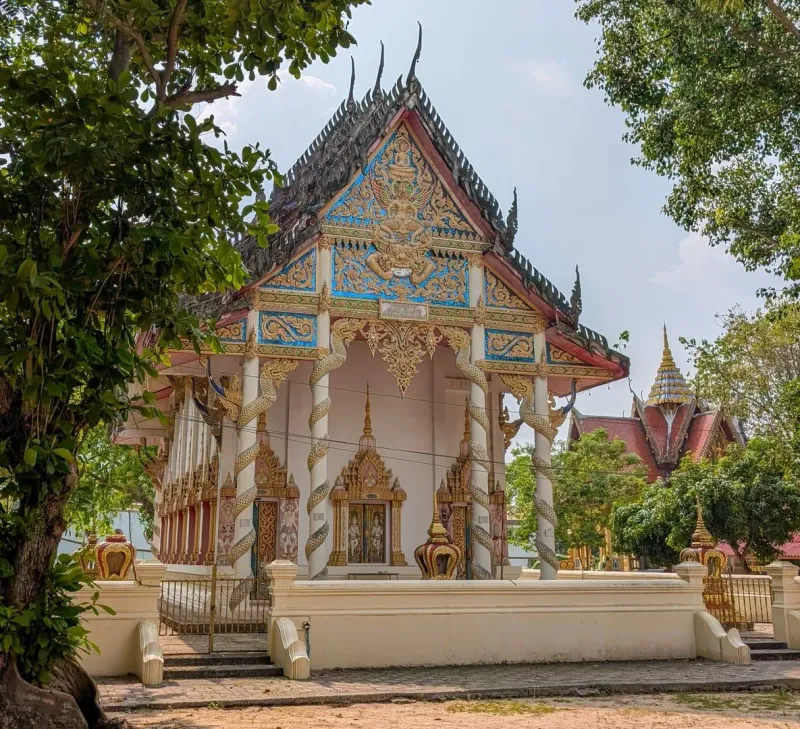
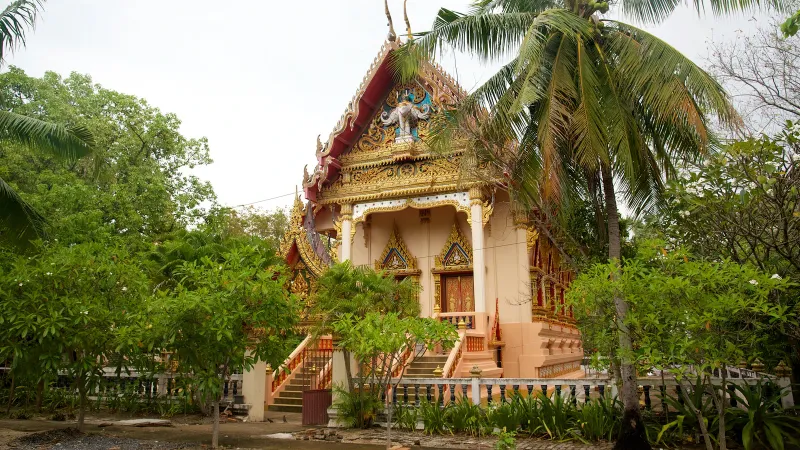
The temple buildings at Wat Na Phra Lan are excellent examples of classic Thai Buddhist architecture.
Ornate Viharns and Halls
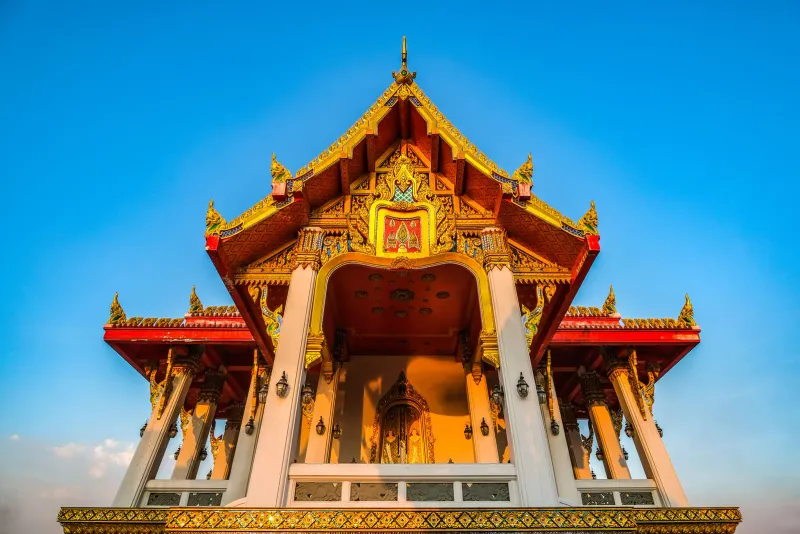
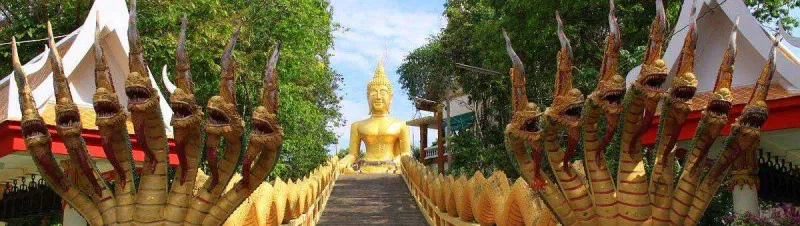
The main halls feature the signature multi-tiered roofs, steeply pitched to shed tropical rain, and decorated with elaborate chofah (roof finials). The vibrant red and gold color scheme is typical of royal-style temples, symbolizing both power and divinity.
Intricate Carvings
A closer look at the doors and windows reveals detailed wood carvings and gold-leaf patterns that depict scenes from Buddhist mythology. The craftsmanship here is a testament to the skill of local artisans who have maintained the temple over the years.
What to See: Sacred Well and Statues
Beyond the main halls, the grounds of Wat Na Phra Lan contain several unique features that make a visit worthwhile.
- The King Rama V Statue: This striking statue is often surrounded by flowers, candles, and incense. It is a place of deep reverence for locals.
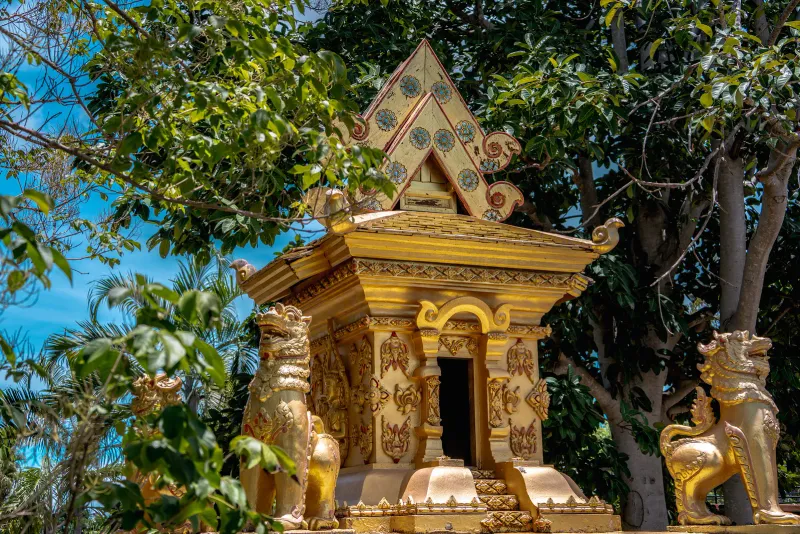
- The Sacred Water Well: Unlike many other temples on the island, Wat Na Phra Lan houses a sacred well. In Thai tradition, water from such wells is often used in religious ceremonies and is believed to have protective qualities.
- Golden Buddha Images: Several beautiful Buddha statues are located throughout the complex, each in different mudras (hand gestures) representing various aspects of the Buddha’s teachings.
Activities: Meditation and Prayer
The most rewarding thing to do at Wat Na Phra Lan is to simply “be.”
Silent Meditation
Because the temple receives fewer tourists than the Big Buddha, the atmosphere is incredibly quiet. The shaded benches and open-sided pavilions offer perfect spots for silent meditation or reading.
Observe Local Rituals
If you visit early in the morning, you might see local families bringing food offerings to the monks (alms). Observing these rituals from a respectful distance provides a genuine window into the daily life of a Samui community.
Where to Eat: Maenam Culinary Scene
Maenam is famous for its diverse food scene. After your temple visit, you are just minutes away from some of the best eats on the north coast.
| Restaurant | Cuisine | Price Range (THB) | Notes |
|---|---|---|---|
| Maenam Walking Street | Street Food | 40 - 200 | Every Thursday evening |
| John’s Garden | Thai / European | 250 - 600 | Set in a beautiful garden |
| Angela’s Diner | Bakery / Comfort | 150 - 400 | Famous for breakfasts and pies |
| Pee Soe | Local Thai Seafood | 200 - 500 | Authentic local favorite |
Nearby Attractions
Maenam and the northwest coast offer plenty of other sites to explore:
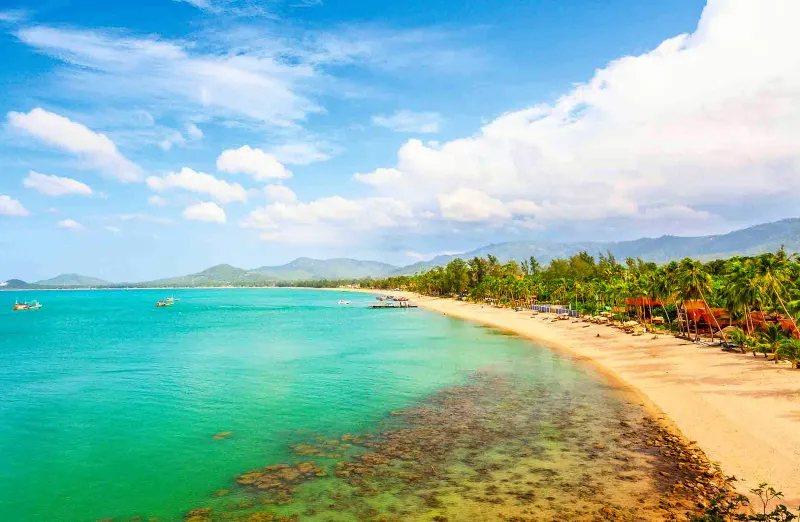
- Maenam Beach (5 min walk): One of Samui’s best-kept secrets, offering calm waters and a view of Koh Phangan.
- Lomprayah Pier (2 min drive / 10 min walk): The main hub for high-speed ferries to the outer islands.
- Chinese Temple of Maenam (5 min drive): A colorful Hainanese shrine reflecting the island’s diverse heritage.
- Santiburi Golf Course (10 min drive): A world-class championship golf course set in the lush hills of Maenam.
Getting There: Maenam Coast Access
Wat Na Phra Lan is located in the Maenam area, tucked slightly off the main Ring Road (Route 4169) toward the coast.
- By Motorbike/Car: Follow the ring road to Maenam. Look for the signs pointing toward the Lomprayah Pier; the temple is located along the access road to the pier area.
- By Songthaew: Take any songthaew heading along the north coast. Ask the driver to drop you at the Maenam pier junction. From there, it is a short 5-10 minute walk.
- Parking: There is ample free parking for motorbikes and cars directly on the temple grounds.
Best Time to Visit: Early Morning Peace
The temple is open daily from sunrise to sunset.
| Time | Experience | Rating |
|---|---|---|
| 7:00 AM - 9:00 AM | Monks’ rituals, coolest weather, absolute peace. | ★★★★★ |
| 10:00 AM - 3:00 PM | Can be very hot; buildings offer shade but the grounds are bright. | ★★★ |
| 4:00 PM - 6:00 PM | Beautiful soft lighting, local devotees arrive after work. | ★★★★ |
Pro Tip: If you are catching a morning ferry from Lomprayah Pier, arrive 30 minutes early and spend some time at the temple. It is a wonderful way to start your journey with a sense of calm.
Practical Tips for Visitors
- Modest Attire: This is an active temple. Ensure shoulders and knees are covered. Carry a light scarf or sarong if you are wearing beach clothes.
- Remove Shoes: Before entering any of the temple buildings, you must remove your shoes.
- Quiet Demeanor: Speak softly and avoid making loud noises, especially if monks or locals are praying.
- Ask Before Photos: While photography is generally allowed, always be respectful. Avoid taking photos of people praying without their permission.
- Donations: While entry is free, small donations help with the upkeep of this beautiful historic site.

Who Is Wat Na Phra Lan Best For?
| Traveler Type | Rating | Why? |
|---|---|---|
| Culture Seekers | ★★★★★ | Authentic architecture and deep connection to Thai history. |
| Slow Travelers | ★★★★★ | A perfect place to escape the “tourist traps” and experience peace. |
| Photographers | ★★★★ | The contrast of red and gold against the green trees is stunning. |
| Island Hoppers | ★★★★ | Conveniently located for a quick visit before or after a ferry trip. |
FAQ
Where is Wat Na Phra Lan located? The temple is in Maenam, on the north coast of Koh Samui. It is situated on the road leading to the Lomprayah High-Speed Ferry Pier, making it very easy to find if you are traveling between islands.
Is there an entrance fee? No, entry to the temple grounds and buildings is free for everyone. Donations are welcome and go toward the maintenance of the temple and supporting the monks.
What is the significance of the King Rama V statue? King Rama V is one of the most respected kings in Thai history. His presence at the temple reflects the deep connection between Thai Buddhism and the monarchy. Many people visit specifically to pray to his image for success and protection.
Is the temple accessible for those with limited mobility? The main grounds are relatively flat and easy to navigate. However, like most Thai temples, there are a few steps leading up into the main halls (viharns).
Can I visit if I am not Buddhist? Absolutely. All visitors are welcome at Wat Na Phra Lan regardless of their religious background, provided they follow the basic etiquette rules regarding dress and behavior.
About the author

Mike Brochlowski
Travel photographer & writer
Travel photographer and island explorer. Mike has spent years documenting Southeast Asia's hidden gems, from secluded beaches to jungle waterfalls.
Articles by Mike →