Contents
Is February a Good Time to Visit Koh Samui?
Yes — February is Koh Samui’s single most reliable weather month: just 65 mm of rain spread across 4 rain days, 7.5 hours of sunshine a day, and a comfortable 29.4°C average high with the sea sitting at 28.5°C. The trade-off is that this is no secret — hotels run fuller and Chaweng gets busier than at any point outside the December-January peak, and waterfalls that depend on the wet season have already started drying out.
Key takeaways
- Driest month of the year: 65 mm of rain over just 4 days, tied with March for the most sunshine (7.5 hours/day)
- Warm without the April-May furnace: 29.4°C high, 28.5°C sea — comfortable enough for full-day itineraries, not just lounging
- Calmest, most reliable boat-day weather of the year for Ang Thong Marine Park trips and snorkeling
- Trade-off: Na Muang and Hin Lad waterfalls run low after months without real rain
- Still inside Samui’s December-February high season — book ahead, especially around Chinese New Year
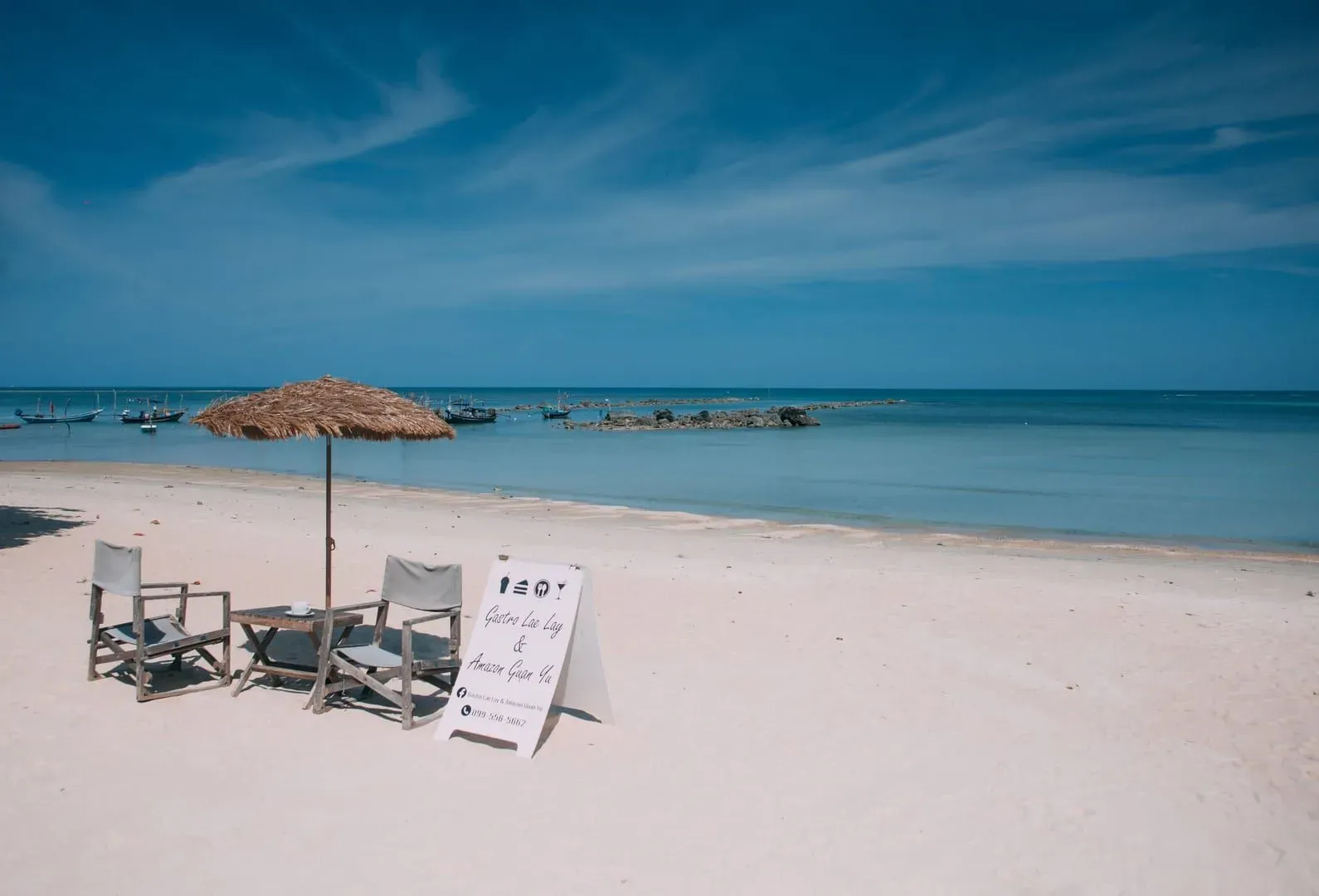
Koh Samui Weather in February — The Numbers
Koh Samui’s February climate is the driest point on the island’s annual curve, based on climatestotravel.com’s 1991-2020 climate normals, the same long-run station data used across this site’s best time to visit guide.
| Metric | January | February | March |
|---|---|---|---|
| Avg high | 29.0°C | 29.4°C | 30.4°C |
| Avg low | 24.2°C | 24.9°C | 25.4°C |
| Mean | 26.6°C | 27.2°C | 27.9°C |
| Rainfall | 125 mm | 65 mm | 115 mm |
| Rain days | 8 | 4 | 5 |
| Sunshine | 6.5 h/day | 7.5 h/day | 7.5 h/day |
| Sea temperature | 28.0°C | 28.5°C | 29.0°C |
February sits at the exact bottom of the rainfall curve: half of January’s total and barely more than half of March’s, despite March matching it on sunshine hours. It is the one month where rain is genuinely a minor factor in trip planning rather than something to build a buffer day around.
The Driest Month of the Year — What February’s Numbers Mean
February’s 65 mm of rain over 4 days means a typical week has, on average, less than one rain-affected day — for context, November averages 445 mm across 16 days, more than six times the rainfall on four times the number of wet days. That gap is the reason this page exists: no other month on Samui offers this combination of low rain, high sun and moderate heat all at once.
The practical result is a month where outdoor plans rarely need a backup. Full-day itineraries — a morning hike, an afternoon beach, an evening temple visit — go ahead as planned far more often than in the shoulder or monsoon months covered in this site’s rainy season guide. The only weather-driven caveat is UV, not rain: 7.5 sun hours a day under clear February skies means sunburn risk is at its highest, not its lowest.
Calm Seas and Comfortable Heat — Boat Trips and Beach Days
Koh Samui’s seas are at their calmest and most predictable in February, since the northeast monsoon that roughs up the east coast from October to January has fully eased by this point, per this site’s sea conditions by month breakdown. Ang Thong National Marine Park day trips and snorkeling outings run on schedule with little cancellation risk, and visibility around Koh Tao and Ang Thong is close to its yearly best.
Heat is the other half of the story: 29.4°C is warm but nowhere near the 32-33°C highs of April and May, so a full day outdoors — boat, beach and a walk back to the hotel — doesn’t carry the same midday shutdown that hot-season months do. The sea at 28.5°C is a fraction cooler than April-May’s 30°C peak, which most swimmers won’t notice but which makes a real difference on an exposed boat deck or a shadeless viewpoint trail.
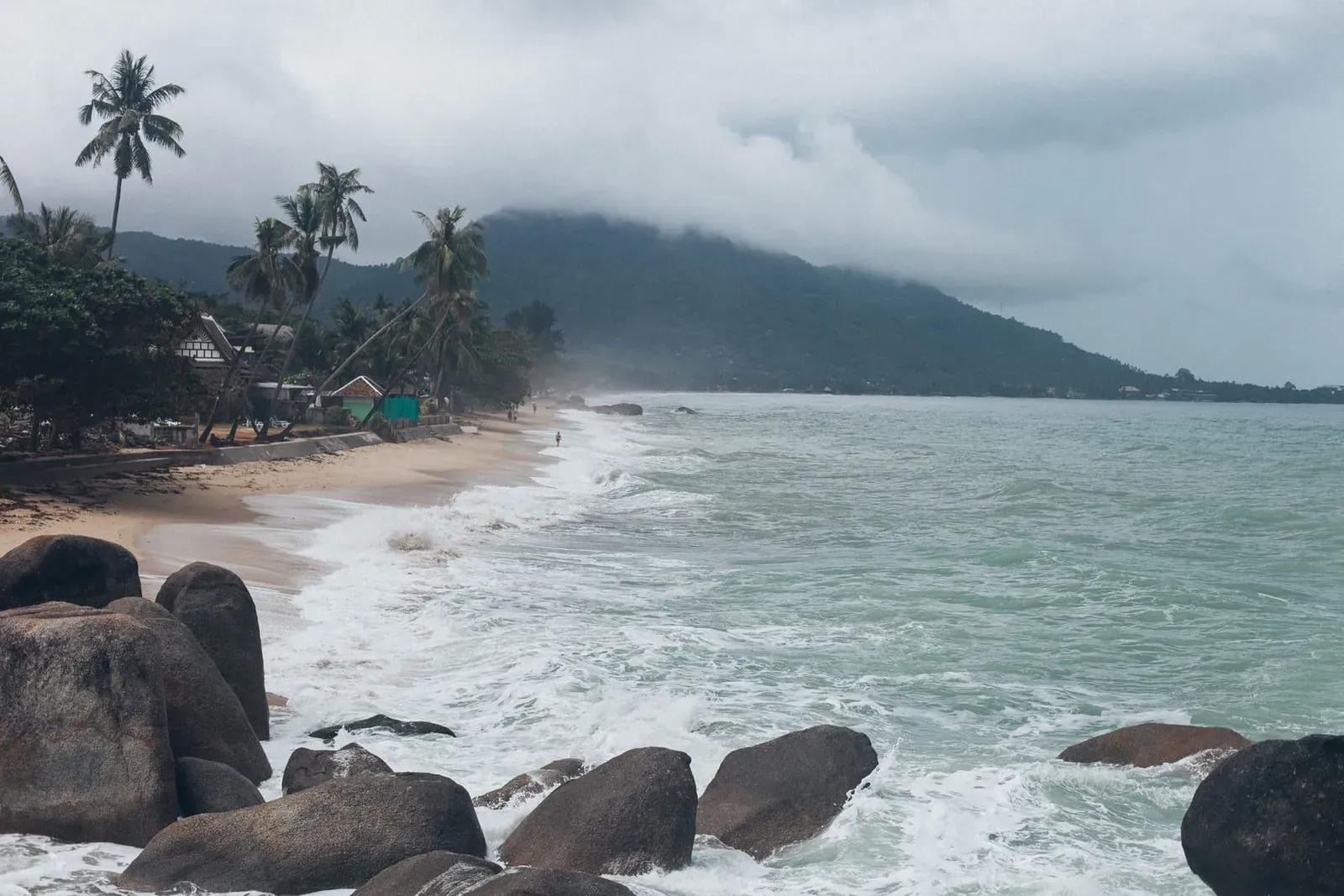
Waterfalls and Hiking in February — The Trade-Off
February’s dry stretch is the one real downside for waterfall chasers: Na Muang Waterfalls and Hin Lad Waterfall rely on monsoon rain to run at volume, and by February the October-January recharge flagged in the waterfalls and hikes guide has largely drained away. Both falls are still visible and worth the walk, but expect a thinner flow and smaller pools than photos taken in November or December — anyone visiting specifically for a waterfall swim should treat February as the quiet end of the season, not the highlight.
Hiking itself is unaffected, and arguably better: trails dry out and footing improves once the wettest months pass. The Na Muang Waterfalls Trail and shadeless viewpoint routes like the Monkey Trail both suit February’s drier paths and moderate heat, though the lack of recent rain means less greenery than a January or December hike offers.
Best Beaches in February
Every coast on Koh Samui is swimmable in February, since the sea-conditions rating this site tracks by month and coast has the whole island at “calm” or better once the northeast monsoon eases — see the full sea conditions by month table for the coast-by-coast detail. That makes February one of the few months where the choice of beach comes down to vibe rather than wave state: Chaweng and Lamai for nightlife and restaurants within walking distance, Maenam and Bophut for a quieter, more sheltered north-coast stay.
The honest caveat is crowding, not conditions: Chaweng specifically is at its busiest in February, so travelers who want calm water without the busiest strip should lean toward Maenam or Bophut rather than assuming the whole island feels equally quiet just because the sea is flat everywhere.
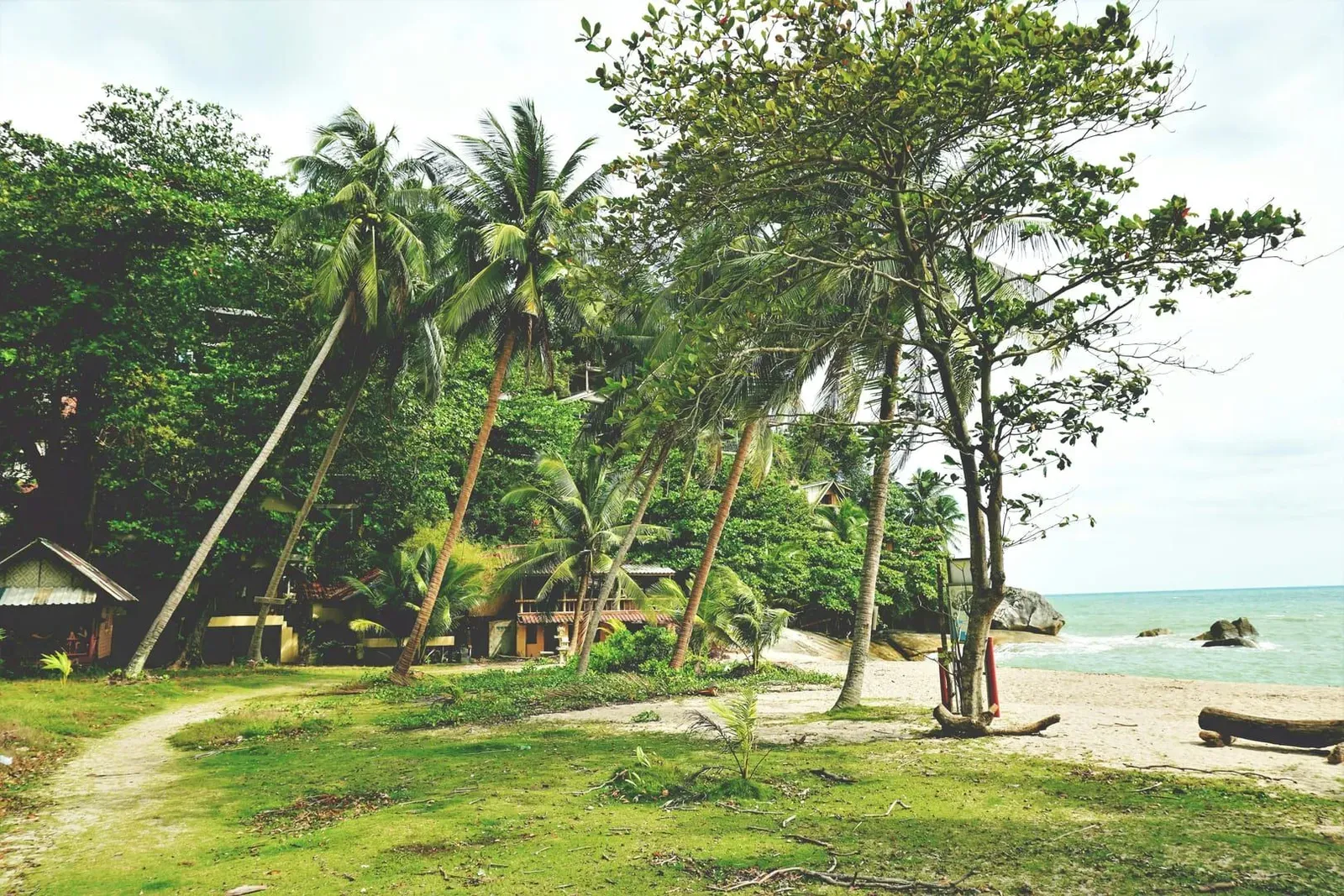
Chinese New Year and Events in February
Chinese New Year usually falls in late January or February and brings a genuine surge of visitors from China, Hong Kong and Singapore for about a week around the date, which shifts every year rather than sitting on a fixed day — check the current-year date before booking. This site’s shoulder season guide tracks the specific dates and the price bump around that week.
Outside that window, February carries no major nationwide festival — no Songkran, no Loy Krathong — so the rest of the month’s crowd and price pattern is ordinary high-season demand rather than a fixed event. As of Sep 2026, that holds for the year ahead.
Prices and Crowds in February — Peak Season, But Easing
February sits firmly inside Koh Samui’s December-February high season, and against the April-November stretch it is a busy, full-priced month — Chaweng’s restaurants, beach clubs and boat operators all work close to capacity. The nuance, covered in the best time to visit guide’s crowds and prices section, is that February is not the single most expensive month: rates ease back from the December-January peak once the New Year crowd disperses, and February often gets booked specifically for that combination of dry weather and softer prices than January.
The exception is the week around Chinese New Year, when demand and rates spike again on the already-elevated baseline — the shoulder season guide has the detail. Outside that week, February books up more slowly than December or early January, though “slower” still means weeks, not days, ahead for beachfront rooms.

What to Pack for Koh Samui in February
Pack for a dry, sunny month rather than a wet one: reef-safe sunscreen, a hat and sunglasses matter more in February than almost any other month, since 7.5 hours of daily sun under clear skies means the strongest and most consistent UV exposure of the year. A light rain jacket is still worth keeping in the bag, but the odds of needing it are the lowest they get. Swimwear, water shoes for rockier entries and a light layer for breezy boat trips round out the basics — the full packing list guide covers everything else for a Koh Samui trip.
January, February or March — Which Should You Pick?
All three sit inside or right at the edge of Koh Samui’s dry season, and the choice comes down to what matters more: price, comfort or guaranteed sun. January is cooler and cheaper once the New Year crowd clears, but carries more rain (125 mm over 8 days). February is the driest and sunniest of the three, with prices still elevated but easing from January’s peak. March matches February’s sunshine hours but runs noticeably hotter (30.4°C) and wetter (115 mm) as the hot season begins to build. Anyone prioritizing dry, sunny days above all else should book February; anyone prioritizing lower prices and cooler air should lean January. The full year-round breakdown, including the Gulf-vs-Andaman monsoon explainer, is in the best time to visit guide.

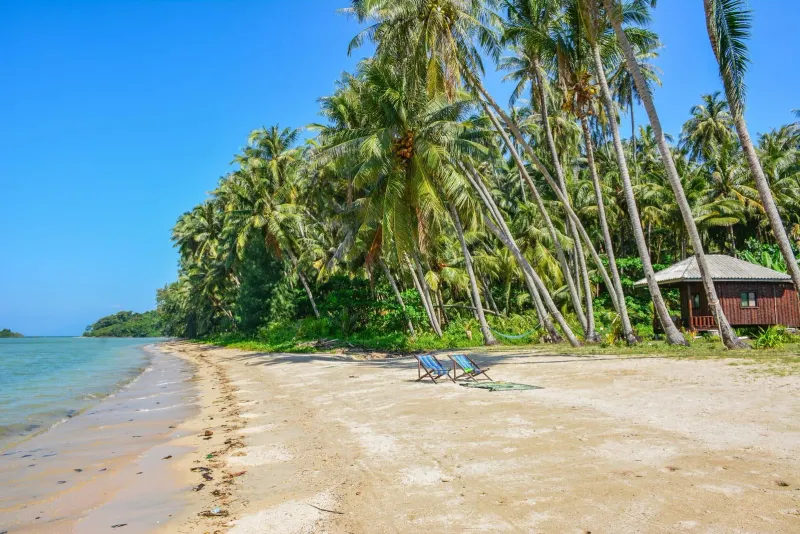


FAQ
Is February a good month to visit Koh Samui?
Yes. February is Koh Samui’s driest and sunniest month — 65 mm of rain over 4 days and 7.5 hours of sunshine daily — with warm, comfortable temperatures (29.4°C) and calm seas. The trade-off is peak-season crowds and prices, plus waterfalls running lower than in the wetter months.
Does it rain much in Koh Samui in February?
Barely. February averages just 65 mm of rain across 4 rain days, the lowest of any month and less than half of January’s 125 mm. Most trips see at most one or two brief showers across a full week, making it the least rain-disrupted month for outdoor plans.
Is the sea calm in Koh Samui in February?
Yes. The northeast monsoon that roughs up the east coast from October through January has eased by February, leaving every coast rated calm or better. It’s one of the most reliable months for Ang Thong day trips and snorkeling, with little cancellation risk from rough seas.
Are Koh Samui’s waterfalls worth visiting in February?
They’re visible but past their best. Na Muang and Hin Lad run on rain from the wet season, and by February that supply has largely drained. Expect a thinner flow than October-January photos show — still worth the hike, just not the highlight of a February trip.
Is Koh Samui expensive in February?
It’s inside the December-February high season, so yes relative to the rest of the year — Chaweng runs full and prices stay elevated. It’s usually a little cheaper than January’s peak, except during the week around Chinese New Year, when demand and rates spike again on top of the already busy baseline.
Published on
About the author

Mike Brochlowski
Travel photographer & writer
Travel photographer and island explorer. Mike has spent years documenting Southeast Asia's hidden gems, from secluded beaches to jungle waterfalls.
Articles by Mike →More in Weather
Also in Best Time to Visit Koh Samui
Koh Samui in July — Weather, Sea, Crowds & Is It Worth It?
Koh Samui in July: 32.3°C highs, 29.5°C sea, 115mm rain over 11 days, and peak European summer crowds.

Also in Best Time to Visit Koh Samui
Koh Samui in June — Weather, Sea, Crowds & Is It Worth It?
Koh Samui in June: 32.7°C highs, the year's warmest 30.0°C sea, 135mm rain over 10 days, and low-season prices while Phuket gets soaked.
Also in Best Time to Visit Koh Samui
Koh Samui in March — Weather, Sea, Crowds & Is It Worth It?
Koh Samui in March: 115mm of rain over just 5 days, 30.4°C highs, 7.5 sun hours and a 29°C sea — the last comfortable month before April'…