

Koh Samui floods after heavy rain, police urge visitors to postpone trips
Police asked visitors to postpone non-essential trips after rain flooded roads in Samui on 12 November; the Chaweng Canal gate closed and pumps ran.
Read more
We only collect anonymous data for site statistics and never share it with anyone else.
We collect anonymous site statistics and never share them with anyone else. You can turn them off on the privacy page.
Right now on Samui
Koh Samui weather in May is the hottest of the year and turning wet: a 32.9°C average high, 25.7°C lows, a 30.0°C sea and 130 mm of rain over 11 days. Yes, May is a good time to visit if you can handle heat and the odd afternoon downpour. Rain returns as the southwest monsoon arrives, but 130 mm is still under a third of November’s 445 mm, and May is where low season begins: hotel rates ease, beaches thin out and restaurant tables open up.
May sits at the hinge between the hot, dry season and the green season. The figures below are Climates to Travel’s 1991-2020 climate normals, cross-checked against the Thai Meteorological Department (Sep 2026), and match the data in this site’s best time to visit guide.
| Metric | April | May | June |
|---|---|---|---|
| Avg high | 31.8°C | 32.9°C | 32.7°C |
| Avg low | 26.0°C | 25.7°C | 25.3°C |
| Rainfall | 85 mm | 130 mm | 135 mm |
| Rain days | 6 | 11 | 10 |
| Sunshine | 6.5 h/day | 6.0 h/day | 5.0 h/day |
| Sea temperature | 30.0°C | 30.0°C | 30.0°C |
May edges past April on heat while nearly doubling its rain days, yet keeps more sunshine than June. The mean temperature for the month is 29.3°C. No other month pairs the year’s highest average high with the start of the wet pattern that runs through summer.
Highs average 32.9°C, lows 25.7°C and the month’s mean is 29.3°C, so May is the hottest month on the calendar, a degree above April and narrowly ahead of June’s 32.7°C. Heat builds through the month as humidity climbs ahead of the monsoon, and it shows first on exposed activities: a temple staircase at midday, a viewpoint hike, a long walk along Chaweng’s beach road without shade. This is the peak of the hot season that starts building in March.
Keep strenuous plans to early morning or late afternoon, drink more water than feels necessary, and treat midday as pool time. The sea is a warm 30.0°C, so it offers no relief from the heat, only from the sun.
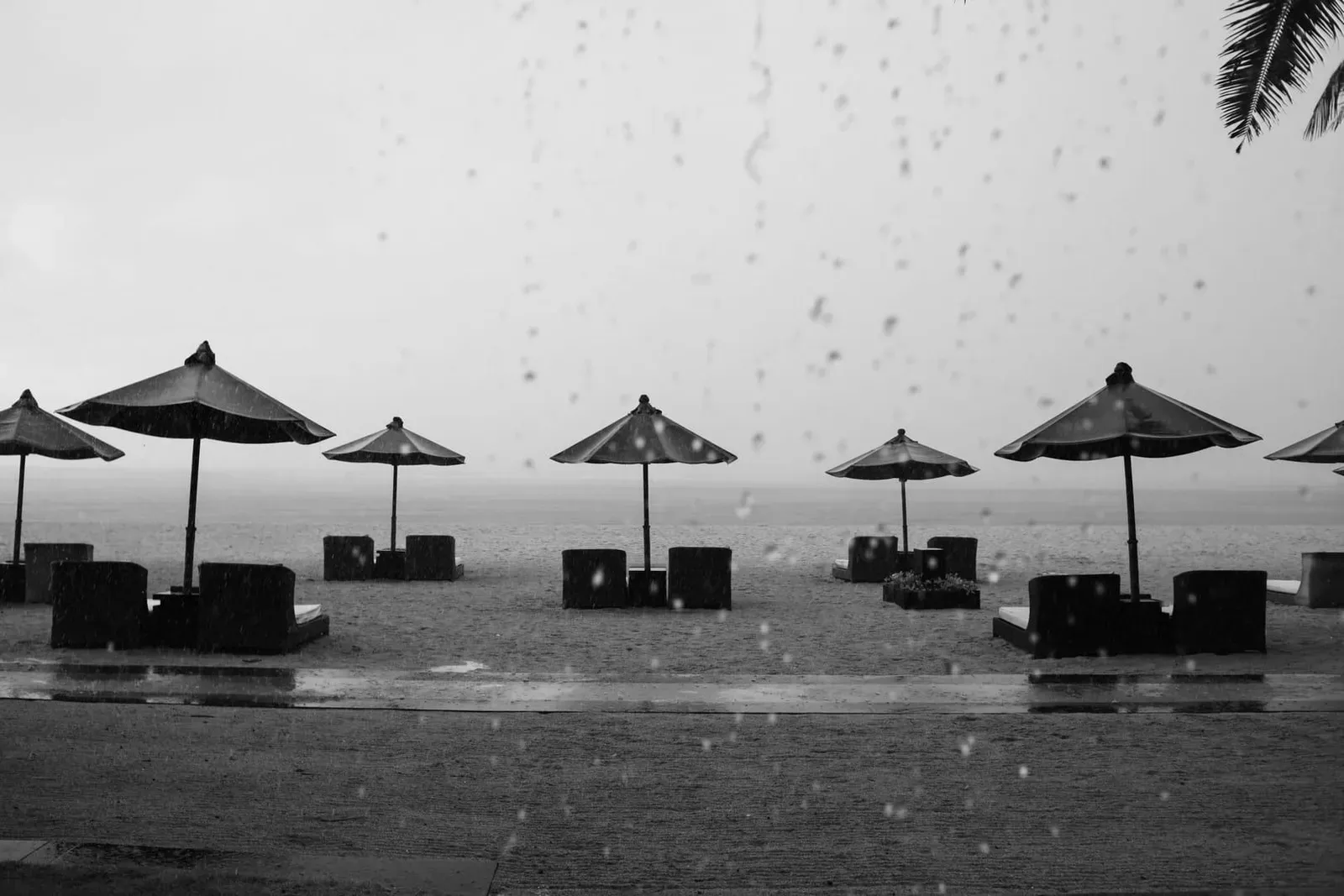
Moderately. May’s 130 mm across 11 rain days is the real return of regular showers after April’s 85 mm over 6 days, as the southwest monsoon starts reaching the Gulf side. Each rain day averages roughly 12 mm: a shorter afternoon shower most days rather than one big storm. Sunshine drops to 6.0 hours a day, cloudier than March’s 7.5, so pack for daily cloud and a real chance of rain, not the wall-to-wall sun of February or March.
The rainiest month on Koh Samui is November, at about 445 mm over 16 days, followed by October at 295 mm (see the rainy season guide). May is nowhere near that regime. It is also not the Thailand-wide monsoon picture: the southwest monsoon hits the Andaman coast (Phuket, Krabi) harder, while Samui, on the Gulf side, stays comparatively dry through the summer months per the summer guide. If you want to avoid rain, the months to skip are October and November, not May.
The sea holds at 30.0°C in May, tied with April and June for the warmest water of the year, but the calmest coast changes as the wind swings southwest. Per the sea conditions by month guide, the north and east coasts (Chaweng, Lamai and Bophut) stay “calm” through May, while the south and west coasts, including Lipa Noi, Taling Ngam and Nathon, pick up afternoon chop.
For swimming or a flat afternoon, the east coast is the safer bet; west-facing beaches are swimmable but wavier by midday. Snorkeling trips and day trips to Ang Thong still run reliably: real disruption to boat schedules doesn’t arrive until October-November.
Koh Samui’s waterfalls start a genuine recovery in May as returning rain recharges the interior. Na Muang Waterfalls and Hin Lad Waterfall won’t be at their fullest until the October-January peak flow, but May’s showers are the first real step up from March and April’s thin trickle.
Hiking the Na Muang Waterfalls Trail and Hin Lad Waterfall Trail is more demanding in May’s heat, so start early and expect a slipperier path than in April. Temples carry the same caveat: Wat Phra Yai and the hillside Secret Buddha Garden involve open stone and stairs that get uncomfortably hot by mid-morning.
May’s fixed date is the Samui Regatta, a multi-day sailing event based at Chaweng Beach running 23-30 May 2026 with racing, parties and a closing awards night, per the best time to visit guide. It pushes Chaweng-area rates up for that week: booking elsewhere, or outside those dates, avoids the bump.
Otherwise May is quiet, with Koh Phangan’s monthly Full Moon Party on its usual lunar schedule; confirm the exact date before booking a transfer.
May is where Koh Samui’s low season genuinely starts. Per the shoulder season guide, villa and hotel rates in the May-to-early-June window typically run 10-25% below baseline, a real drop from April’s near-baseline, Songkran-adjacent rates. The best time to visit guide rates May’s crowd and price level “medium,” a step down from “high” through March and April.
The visible sign is empty tables: restaurants and bars packed in February have room to walk in, and beaches feel noticeably less crowded. Anyone chasing the lowest prices should still look to September-October, but May is the first month where value is the honest reason to visit. The trip cost guide and when to book guide help with planning.
Pack for heat and humidity first, rain second: lightweight breathable clothing, reef-safe sunscreen and a hat for the year’s hottest sun, plus a packable rain jacket for one of May’s 11 rain days. Swimwear and water shoes cover beach days and the rockier stretches around Ang Thong, and a dry bag is worth carrying on any boat trip. Quick-dry fabrics beat anything heavy in May’s humidity. The packing list guide covers the rest of a standard Koh Samui kit.
All three sit inside Koh Samui’s hot-to-green-season stretch, but each trades differently. April is the driest of the three (85 mm) and just under May’s heat: the better pick for minimal rain risk. May is the hottest month and the first with regular rain, but it is also where low-season prices start and waterfalls begin to recover. June cools very slightly while adding a touch more rain (135 mm). For a mid-year trip see also July and August. Most travelers who want a cheaper trip and can live with an afternoon shower will like May; April suits the driest option. March and the rest of the year are in the best time to visit guide.

Koh Samui weather in June: 32.7°C highs, the year's warmest 30°C sea and 135 mm of rain over 10 days.
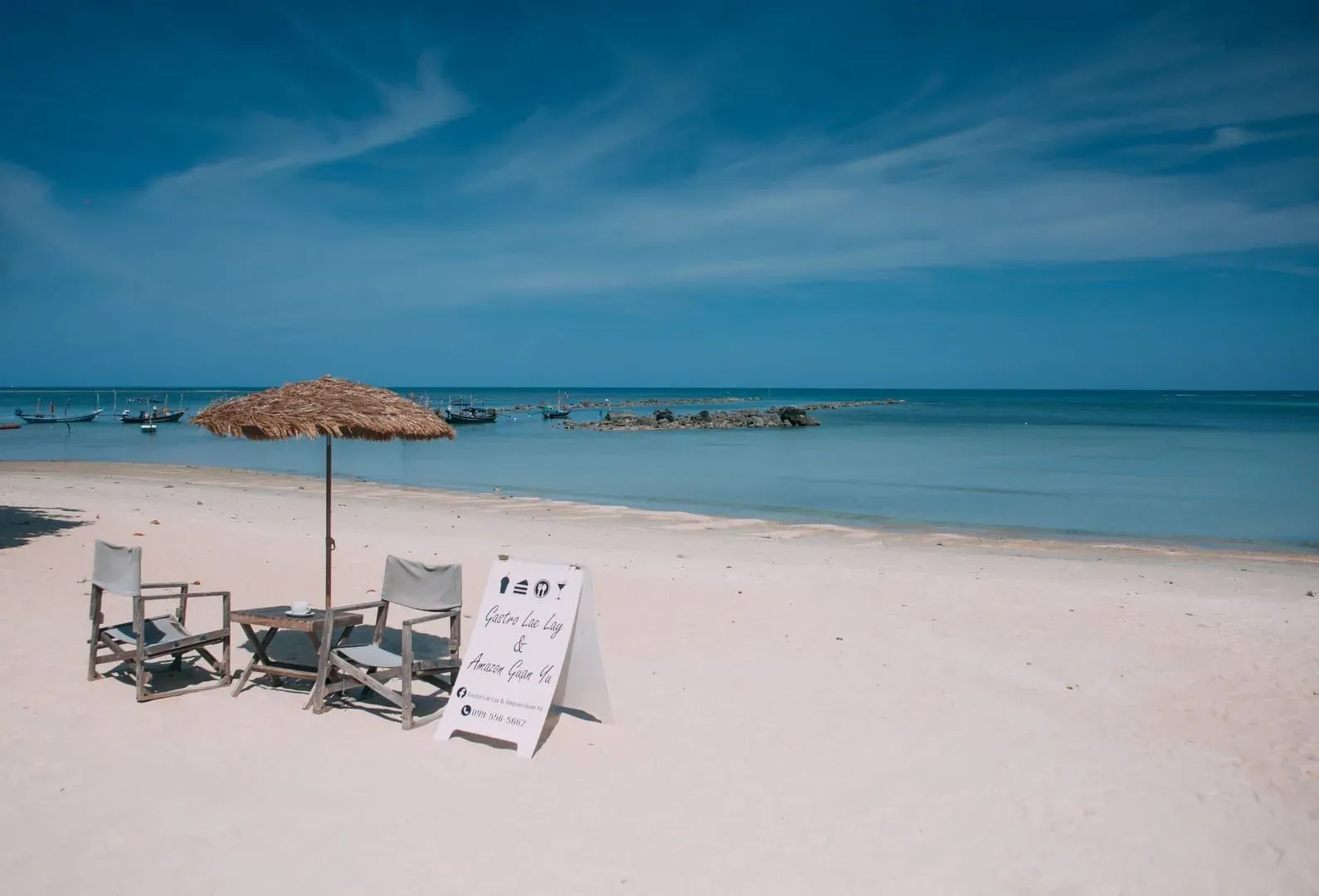
Koh Samui weather in July: 32.3°C highs, 29.5°C sea, 115 mm of rain over 11 days.
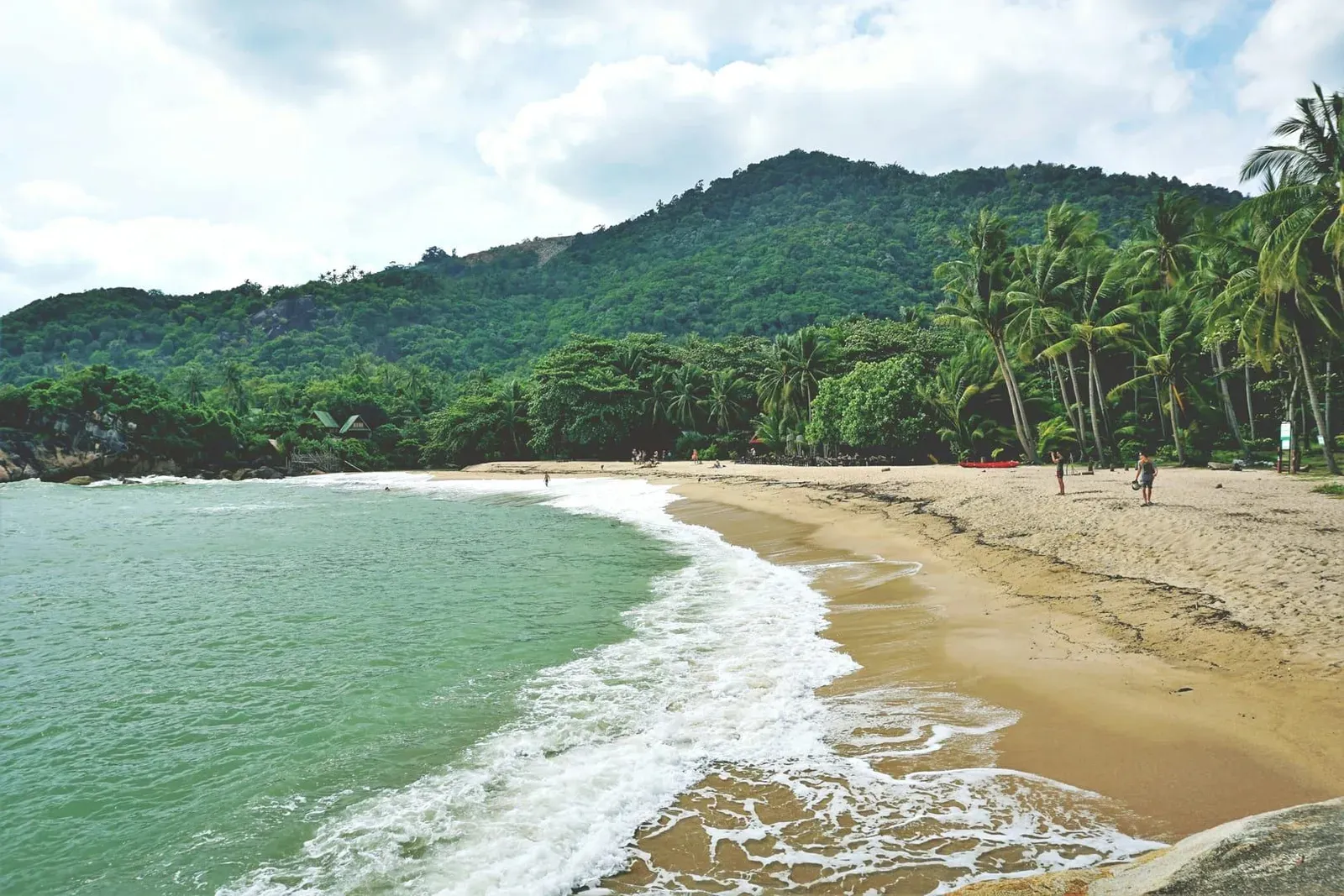
Koh Samui weather in August: 32.4°C highs, 29.5°C sea and 100 mm of rain over 10 days
Koh Samui weather in September: 31.9°C highs, 29°C sea, 120 mm of rain over 11 days.
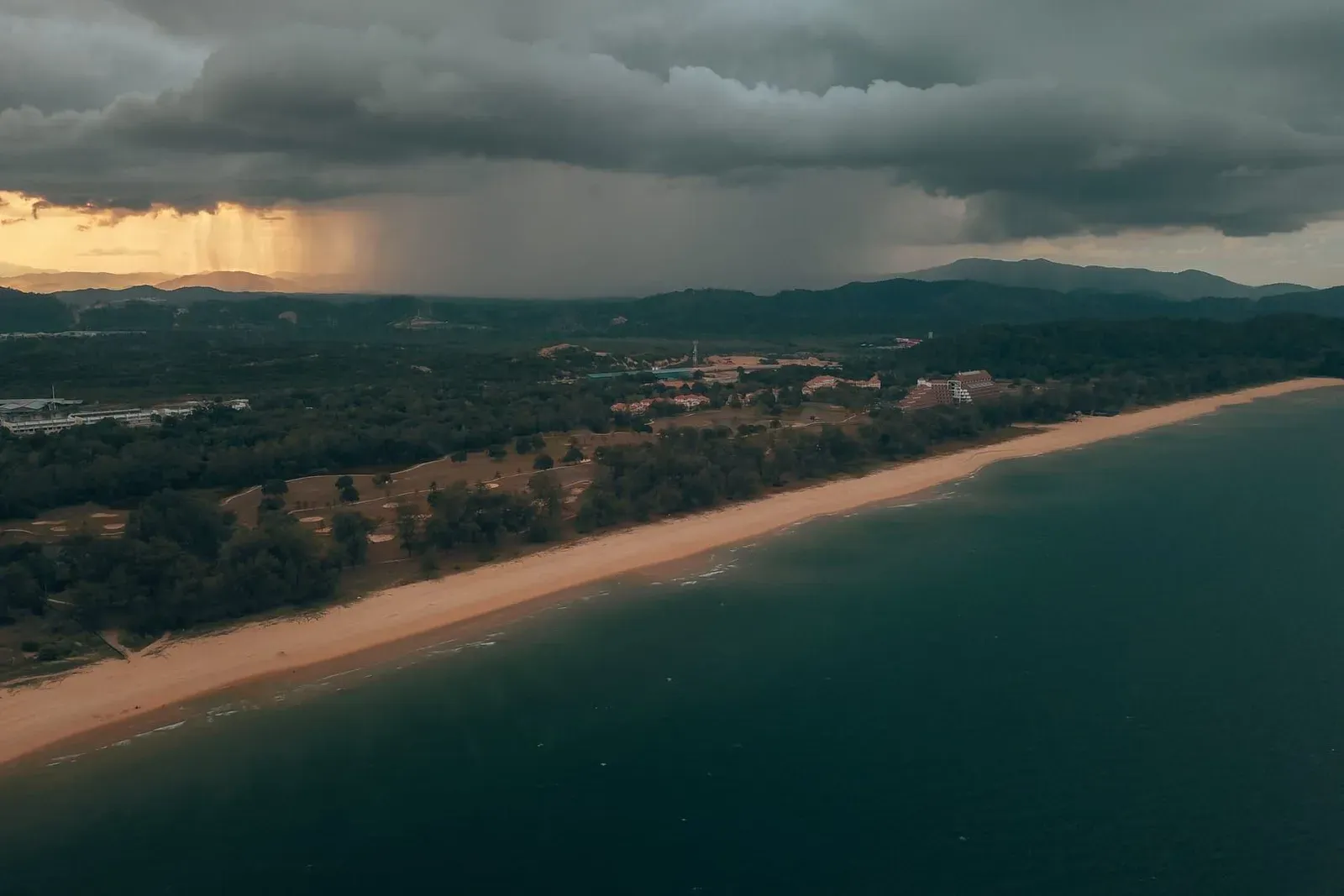
Koh Samui in October: 30.6°C highs, 295 mm of rain over 16 days and 4.5 sun hours a day.

November Koh Samui weather: 24-30°C, 29°C sea and 445 mm of rain over 16 days, the wettest month.

Karma Two Palms Beach, Koh Samui
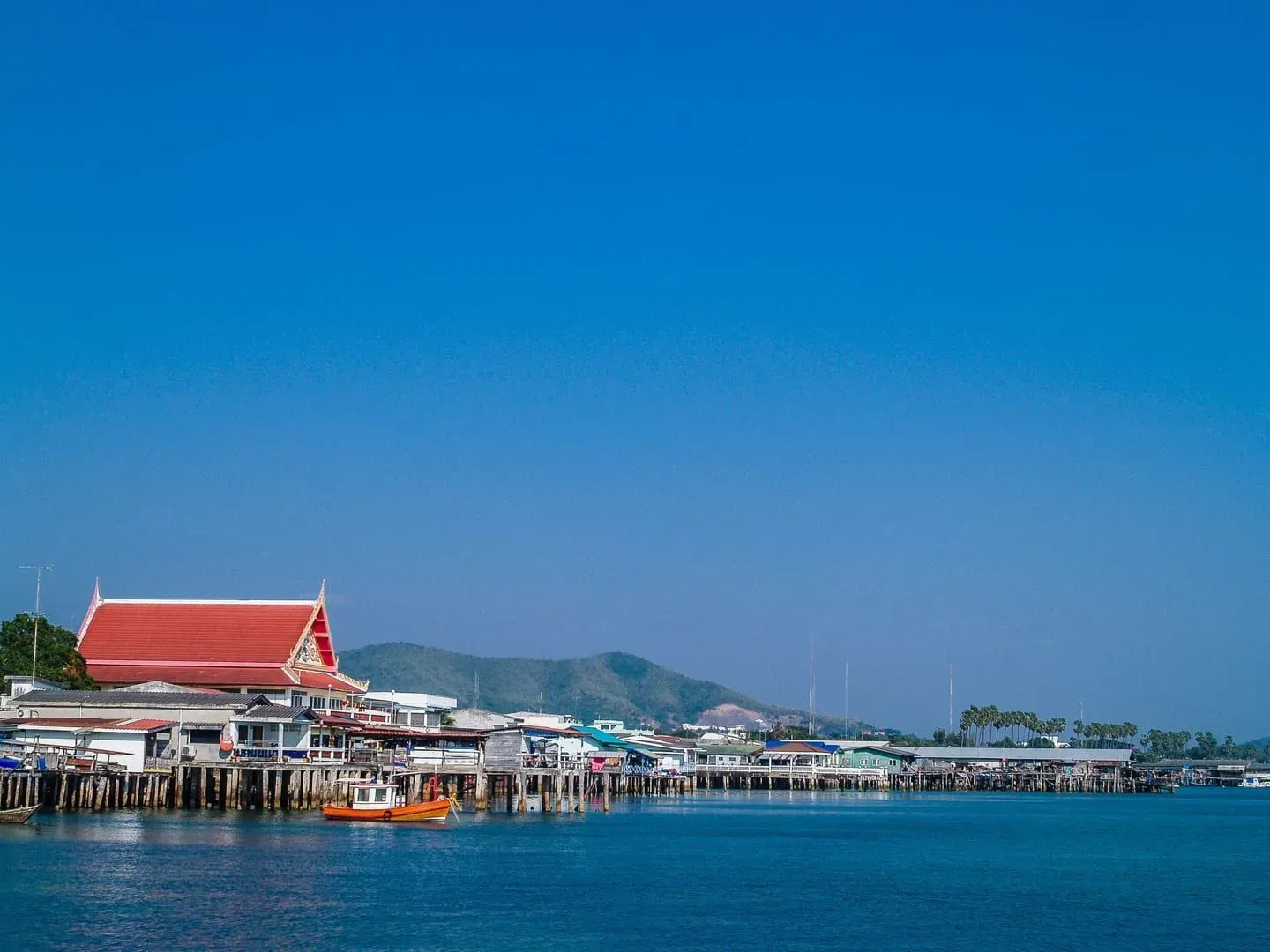
Fisherman's Village, Bophut Beach Road, Bophut, Koh Samui

Samui International Muay Thai Stadium, Chaweng, Koh Samui

Jump Shack, Koh Samui

Tembo Beach Club & Resort, Koh Samui

CLUB SEEN, Koh Samui

Woobar, Koh Samui

Elephant Beach Club, Chaweng, Koh Samui
BABOU, Chaweng, Koh Samui
Nothing listed for today yet.
All eventsWe're happy to see you here. We will be even more happy to see you reading our weekly digest.