Contents
Overview
Koh Samui runs on two calendars at once: the Gregorian one printed on your boarding pass, and a lunar Buddhist calendar that sets the island’s holy days, temple festivals, and — for five days a year — whether the 7-Eleven can sell you a beer. In 2026, that means dates like Makha Bucha (3 March), Khao Phansa (30 July), and Loy Krathong (25 November), each with its own temple ritual and its own effect on your holiday plans.
Key takeaways
- Five days in 2026 carry a nationwide alcohol-sale ban: Makha Bucha, Visakha Bucha, Asalha Bucha, Khao Phansa and Ok Phansa.
- Hotels, licensed tourist-area bars and international-airport outlets are exempt from the ban under 2025 rules — most of Chaweng and Lamai’s licensed nightlife keeps pouring.
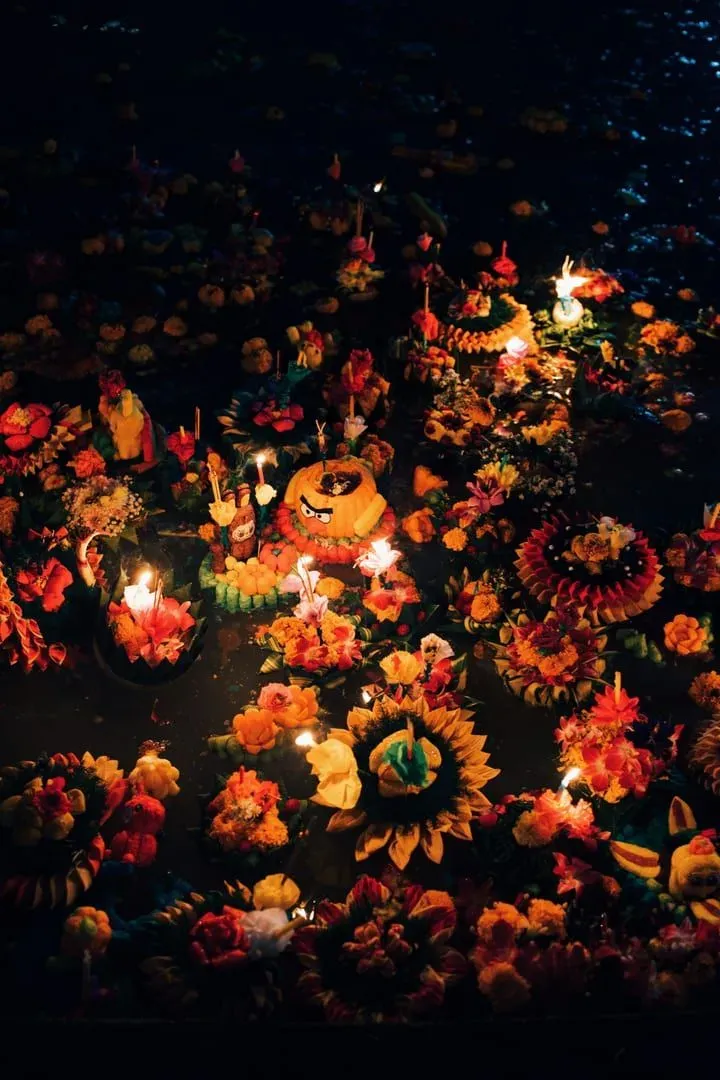
- Loy Krathong (25 Nov 2026) is the one festival worth building a trip around — floating a krathong at Wat Plai Laem’s lake or on Chaweng beach.
- Wan Phra, the weekly Buddhist holy day, isn’t fixed to a weekday — it follows the moon, roughly every seven to eight days.
- 2026 is year 2569 in the Buddhist Era (BE) — the number you’ll see on Thai visa stamps and temple plaques.
Koh Samui Buddhist Holiday Calendar for 2026 and 2027
Koh Samui’s temple calendar for 2026 runs from Chinese New Year in February through Loy Krathong in November, with the Theravada Buddhist dates set by the lunar calendar and the Chinese observances by a separate lunar cycle. 2027 dates are only published this far ahead for a handful of fixed-anchor holidays; the rest depend on the lunar calculation for that year and aren’t released until closer to the date.
| Holiday | 2026 Date | 2027 Date | Alcohol Ban |
|---|---|---|---|
| Chinese New Year | 17 Feb | 6 Feb | No |
| Makha Bucha | 3 Mar | 21 Feb | Yes |
| Songkran | 13-15 Apr | 13-15 Apr | No |
| Visakha Bucha | 31 May | 20 May | Yes |
| Asalha Bucha | 29 Jul | TBA | Yes |
| Khao Phansa (start of Vassa) | 30 Jul | TBA | Yes |
| Ghost Day (Chinese) | ~27 Aug | TBA | No |
| Vegetarian Festival (Chinese) | 10-18 Oct | TBA | No |
| Ok Phansa (end of Vassa) | 26 Oct | TBA | Yes |
| Chak Phra (Surat Thani) | 27 Oct | TBA | No |
| Kathina robe-offering season | 27 Oct - 25 Nov | TBA | No |
| Loy Krathong | 25 Nov | TBA | No |
Five of the twelve dates above carry a legal alcohol-sale ban; the rest are temple festivals or Chinese observances with no drinking restriction. Songkran, despite being Thailand’s biggest holiday, is not an alcohol-ban day — the water festival runs 13-15 April 2026 with bars and beach clubs open as normal. This table matches the sourced dataset behind the temples hub’s holiday widget; treat any 2027 “TBA” row as unconfirmed until closer to the date, since Thailand’s Buddhist holy days are calculated from the lunar calendar and published by the Sangha Supreme Council roughly a year out.
What Happens at Samui Temples on Each Holiday
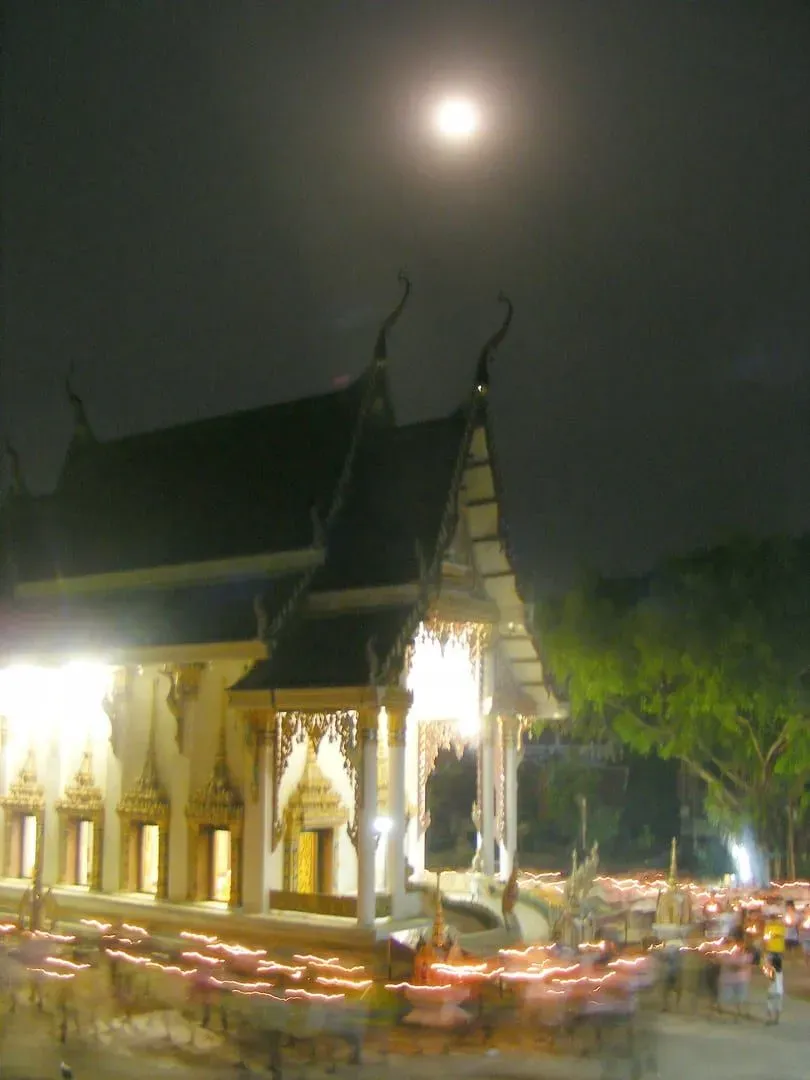
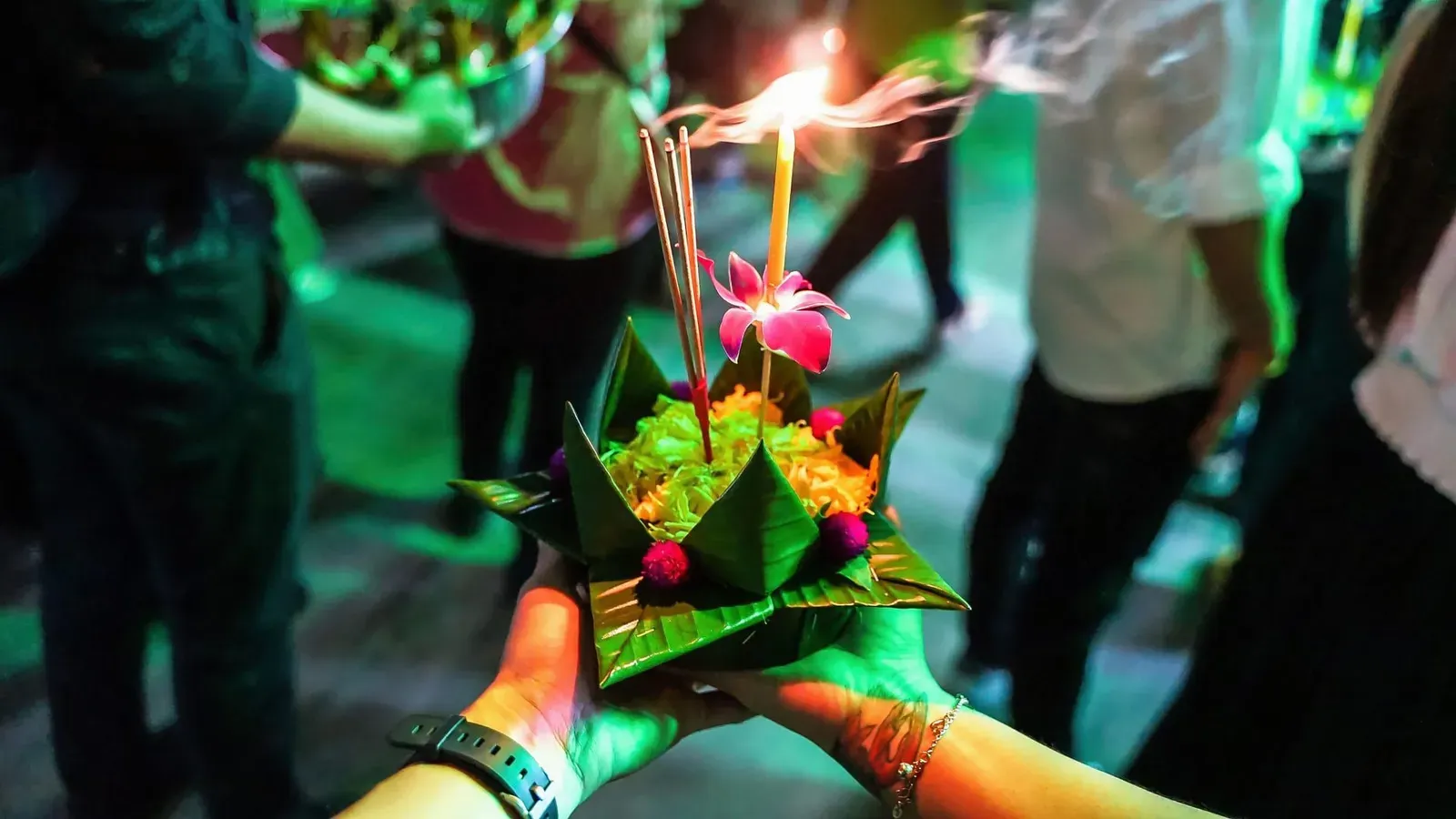
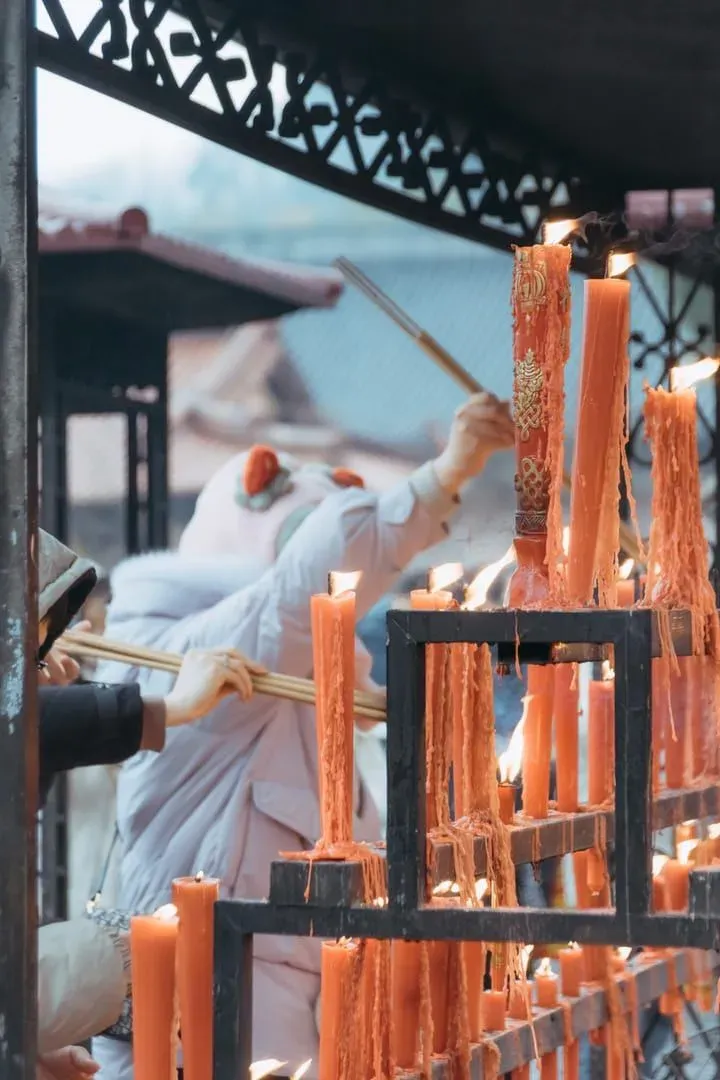
Most of Koh Samui’s Buddhist holy days share the same core ritual: a wian thian candlelit procession, where devotees walk clockwise three times around the main ordination hall holding a lit candle, three incense sticks and a lotus flower, before making merit with alms to resident monks. Makha Bucha, Visakha Bucha, Asalha Bucha and Ok Phansa all draw this evening procession at temples across the island, with Wat Plai Laem and the quieter, centuries-old Wat Pradoem both hosting it after dark.
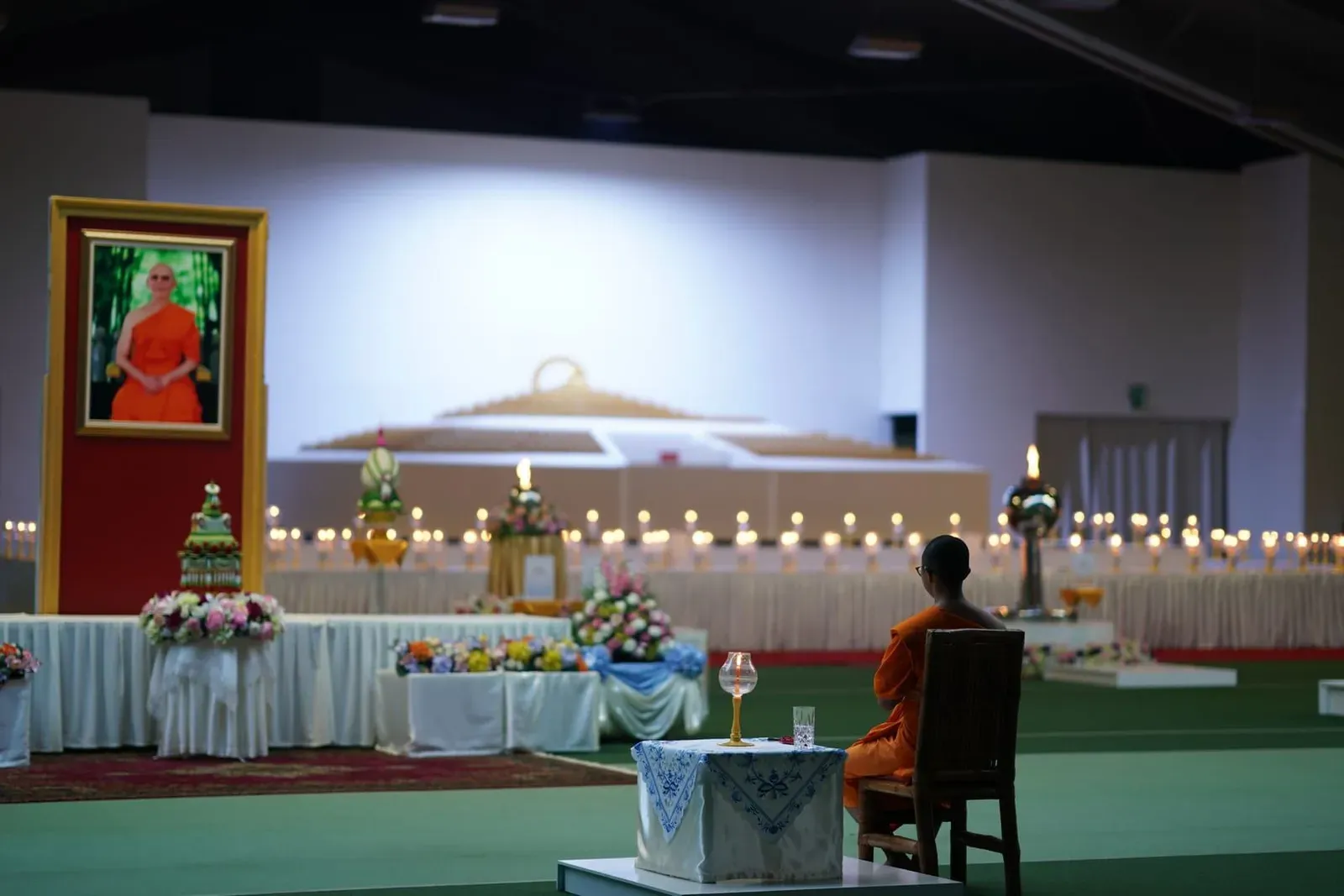
Khao Phansa marks the start of Vassa (“Buddhist Lent”), the three-month rains retreat when monks commit to staying at one temple rather than traveling. Lay devotees mark the day by donating large temple candles meant to burn through the retreat — a tradition that gave the mainland’s Ubon Ratchathani Candle Festival its name, though on Samui the custom is simpler: a candle offering at the morning alms round.
Ok Phansa closes Vassa three months later and opens Kathina season, running to roughly 25 November 2026. During this month, lay communities across the island sponsor formal robe-offering ceremonies (thot kathin), presenting new saffron robes and temple supplies to monks who completed the retreat — one of the few Buddhist merit-making rituals with a hard calendar deadline; a temple that doesn’t receive its Kathina robes within the window forfeits the ceremony for the year.
The day after Ok Phansa brings Chak Phra, best known on the mainland at Surat Thani, where Buddha images are paraded through the streets and down the Tapi River on decorated floats and boats — worth the ferry crossing if you’re on Samui that week and want the bigger province-wide version of a ritual Samui’s own temples mark on a smaller scale.
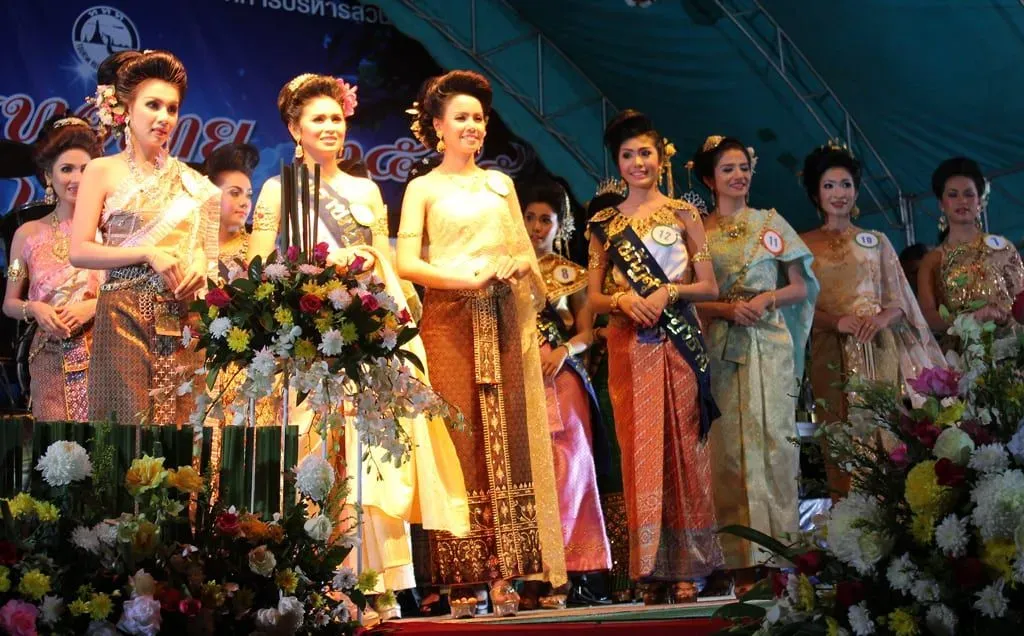
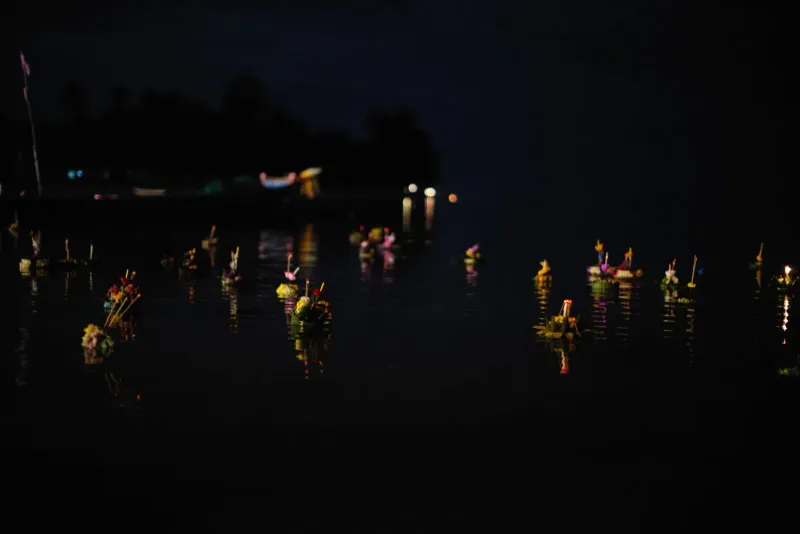
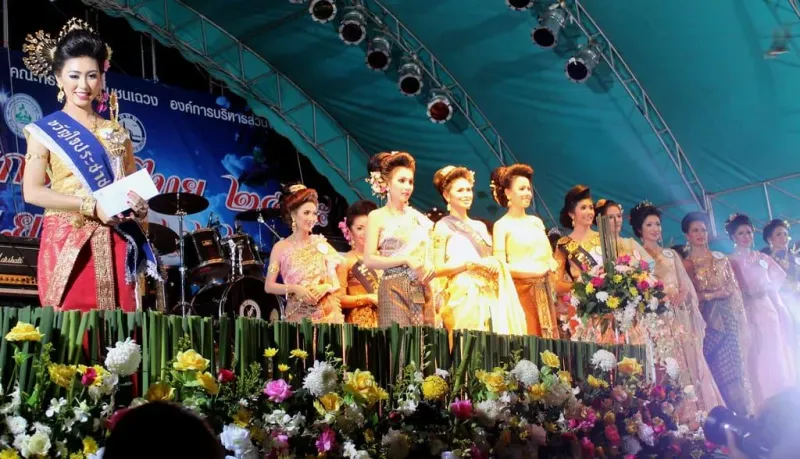
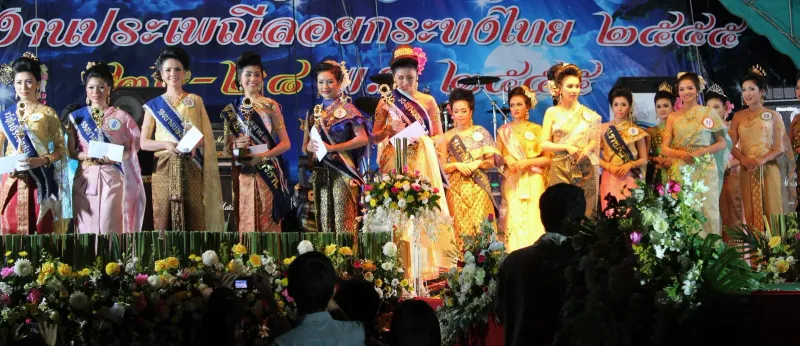
Loy Krathong itself, on the full moon of the twelfth lunar month (25 November 2026), is the most photogenic date on the calendar. With no river running through the island, Samui’s krathongs — small banana-leaf floats carrying a candle, incense and flowers — go out on the sea instead, most visibly along Chaweng beach, which has hosted its own Noppamas Queen contest and beach-side festivities in past years. Wat Plai Laem’s temple lake offers a calmer, less crowded alternative to floating a krathong on open water.
The Alcohol-Ban Days — Rules, Exemptions and Fines
Thailand bans the retail sale of alcohol nationwide on five Buddhist holy days: Makha Bucha, Visakha Bucha, Asalha Bucha, Khao Phansa and Ok Phansa. The ban runs a full calendar day, typically from 12:01 am to midnight, and applies by default to supermarkets, convenience stores, liquor shops and ordinary restaurants — a shop caught selling alcohol on a ban day risks a fine of up to 10,000 THB (~286 USD) and up to six months in prison under the Alcohol Beverage Control Act.
Since a 2025 relaxation tied to the “Amazing Thailand Grand Tourism and Sports Year” campaign, the ban carries real exemptions relevant to anyone staying on Koh Samui: legally licensed hotels, international airport outlets, and licensed entertainment venues — nightclubs, bars, pubs and karaoke rooms — operating in designated tourist areas can keep serving, provided they maintain public-order and age-verification measures. In practice, this means most hotel restaurants, resort bars, and the licensed strip of venues along Chaweng and Lamai stay open on ban days, while a standalone bottle shop, a beachfront convenience store, or a non-licensed local restaurant will not sell take-away beer or spirits until the ban lifts at midnight. If you’re unsure whether a specific bar qualifies, ask staff directly — enforcement and interpretation vary by venue, and Koh Samui’s nightlife scene has had mixed compliance in past years.
Chinese Observances on the Island
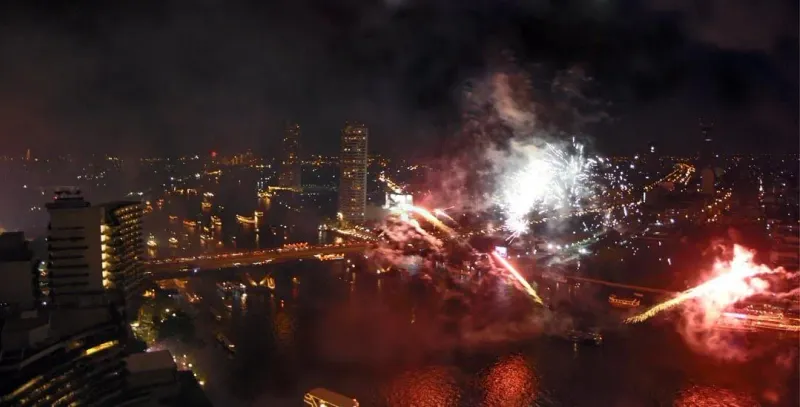
Koh Samui’s Chinese-Thai communities, concentrated around Nathon and Maenam, run a separate festival calendar rooted in Hainanese heritage rather than Theravada Buddhism. Chinese New Year (17 February 2026) is the biggest of these, centered on the Nathon Hainan Shrine with firecrackers, lion dances and family visits — no alcohol restriction applies. Ghost Day, roughly 27 August 2026, falls on the 15th day of the seventh lunar month and sees offerings of food and burnt paper money left out for wandering spirits, a Samui tradition also centered on the island’s Chinese shrines.
The Vegetarian Festival (10-18 October 2026) is the most visually intense: participants abstain from meat for nine days while some devotees perform ritual body-piercing and firewalking, a tradition imported from Phuket’s larger festival but observed at a smaller scale on Samui’s own Chinese shrines. None of the three Chinese observances triggers a national alcohol ban, though individual restaurants near the shrines sometimes go meat- and alcohol-free voluntarily during the Vegetarian Festival’s nine days.
Wan Phra — The Weekly Holy Day
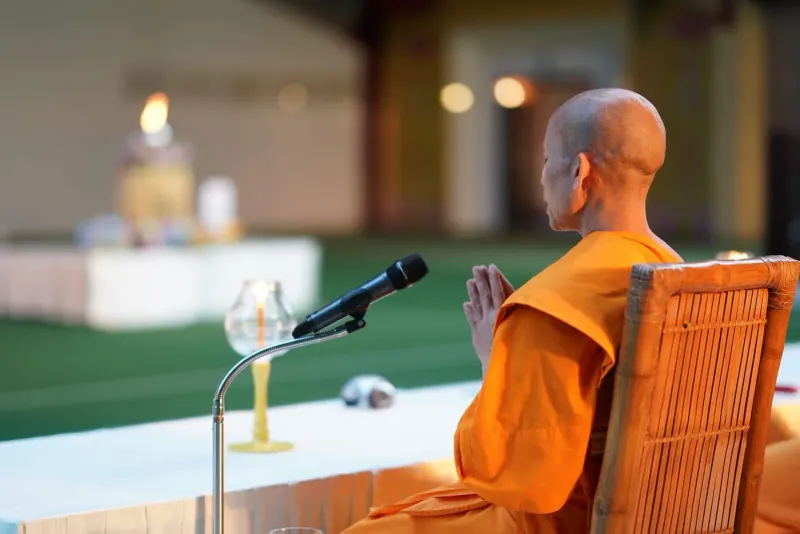
Wan Phra is Thailand’s weekly Buddhist holy day, falling on the new moon, the first-quarter moon, the full moon and the last-quarter moon — four times each lunar month, roughly every seven to eight days, and never on a fixed weekday. Unlike the five annual ban days, Wan Phra carries no legal alcohol restriction, but it’s the day devout Buddhists visit the temple to give alms, listen to a sermon and observe the Five (or Eight) Precepts more strictly than usual.
For visitors, Wan Phra mostly changes what you’ll see rather than what you can buy: more morning alms-giving on the roadside near temples like Wat Sawang Arom in central Chaweng, and slightly busier temple courtyards in the late afternoon. A handful of temple-adjacent restaurants close for the day or skip alcohol on their own initiative, but this is custom, not law — check with staff for temple etiquette before assuming a closed sign means a holy day.
The Buddhist Era — Reading Thai Dates
Thailand’s official calendar runs on the Buddhist Era (BE), counted from the Buddha’s death 543 years before the Gregorian Era begins — so 2026 CE is 2569 BE. You’ll see this number on visa extension stamps, driving licenses, temple foundation stones and some restaurant receipts; a date printed “09/09/2569” simply means 9 September 2026 in the Gregorian calendar most visitors use.
Add 543 to any Gregorian year to get the Thai equivalent, or subtract 543 from a BE year to convert back — useful shorthand if a temple plaque or an official document on Samui only shows the Thai date.
FAQ
What are the five alcohol-ban days on Koh Samui in 2026?
Makha Bucha (3 March), Visakha Bucha (31 May), Asalha Bucha (29 July), Khao Phansa (30 July) and Ok Phansa (26 October) each carry a nationwide ban on retail alcohol sales, running the full calendar day. Songkran and Loy Krathong, despite being major holidays, are not ban days. Fines for non-compliant sellers reach 10,000 THB (~286 USD) and up to six months in prison.
Can hotels and bars still serve alcohol on Buddhist holy days in Koh Samui?
Yes, in most cases. A 2025 rule change exempts legally licensed hotels, international-airport venues and licensed tourist-area entertainment venues — covering most of Chaweng and Lamai’s hotel bars, resort restaurants and licensed nightlife — from the ban. Standalone liquor stores, supermarkets and unlicensed restaurants still cannot sell alcohol on the five ban days.
When is Loy Krathong on Koh Samui in 2026?
Loy Krathong falls on 25 November 2026, the full moon of the twelfth lunar month. Without a river, Samui’s krathongs go out on the sea, most visibly on Chaweng beach, or on the calmer temple lake at Wat Plai Laem. Confirm the exact date locally close to the time, since lunar-calendar festivals can shift by a day depending on the source calculation.
What is Wan Phra and does it affect tourists?
Wan Phra is the weekly Buddhist holy day, falling four times per lunar month on the new, first-quarter, full and last-quarter moons — never a fixed weekday. It carries no legal alcohol restriction, but expect more alms-giving activity near temples and occasional voluntary restaurant closures nearby. It’s a good day to dress modestly and time a temple visit for the ritual, not to avoid.
Why is 2026 called 2569 in Thailand?
Thailand’s official Buddhist Era calendar counts years from the Buddha’s death, 543 years before the Gregorian Era. Add 543 to any Gregorian year to get the BE equivalent — 2026 becomes 2569 BE. You’ll see this number on visa stamps, Thai driving licenses and temple inscriptions across Koh Samui.
What happens at Wat Plai Laem during Buddhist holidays?
Wat Plai Laem hosts the standard wian thian candlelit procession on the major holy days — Makha Bucha, Visakha Bucha, Asalha Bucha and Ok Phansa — and its temple lake becomes a popular, calmer spot to float a krathong at Loy Krathong, an alternative to the open sea at Chaweng beach.
Published on
About the author
Samui69 Editorial Team
Editorial team
Guides researched and fact-checked by the Samui69 editorial team — residents and frequent visitors who verify opening hours, prices and directions on the ground.
About the author →More in Travel Guides
Next in Travel Guides
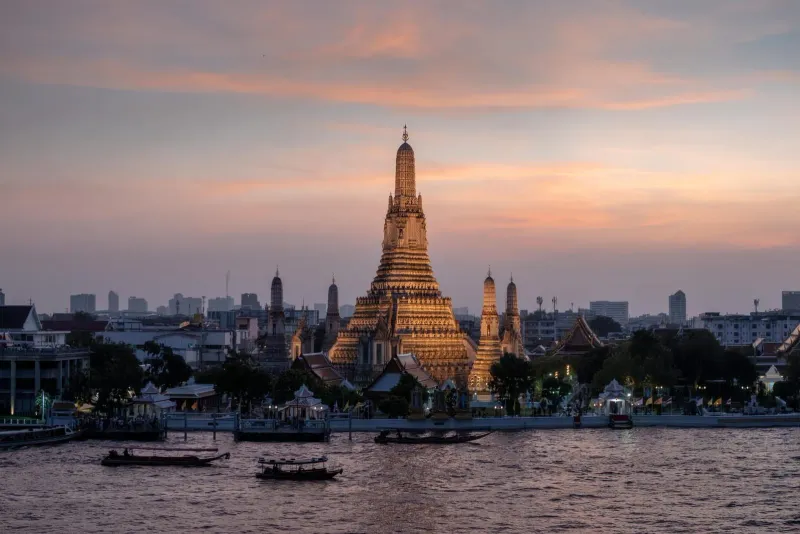
Thailand in 2 Weeks — Where Koh Samui Fits (Bangkok to Samui)
A 14-day Thailand itinerary linking Bangkok, Chiang Mai and Koh Samui, with 2026 flight and train prices, a day-by-day plan and monsoon t…
Next in Travel Guides
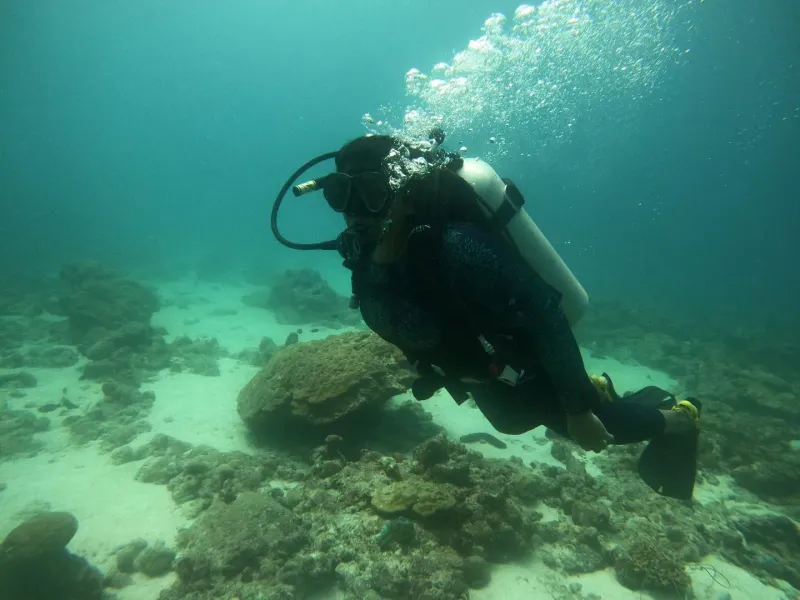
Diving from Koh Samui — Sail Rock, Dive Shops, Prices (2026)
Diving from Koh Samui means day boats to Sail Rock and Koh Tao, not the island's own modest reefs.
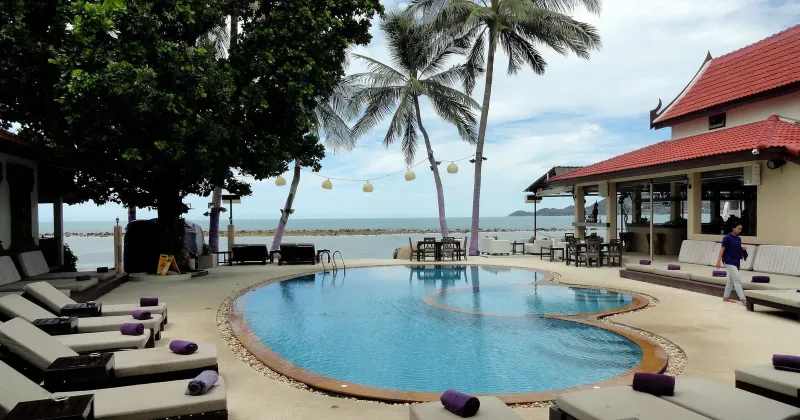
Chaweng Beach — Samui's 7km White Sand Strip and Nightlife Capital
Chaweng Beach on Koh Samui — 7 km of white sand, beach clubs, Soi Green Mango nightlife, Central Festival shopping, and year-round swimming.