Contents
Overview
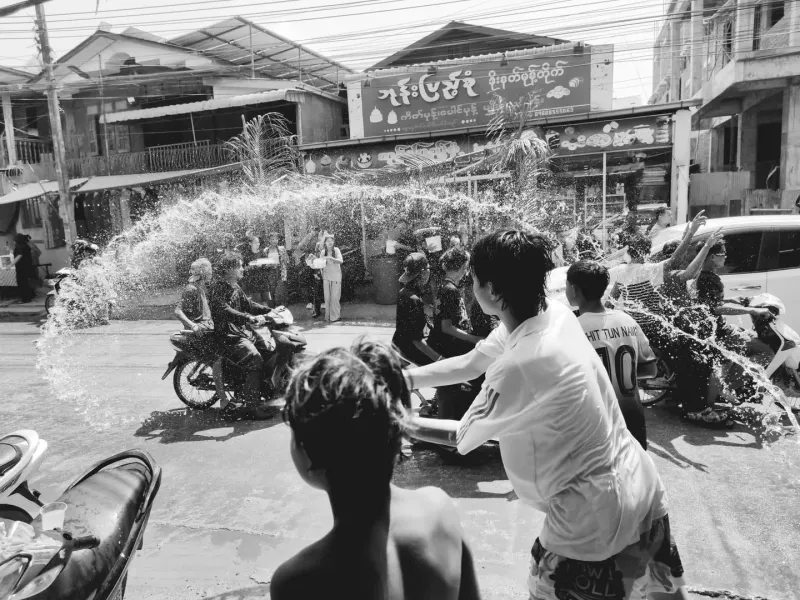
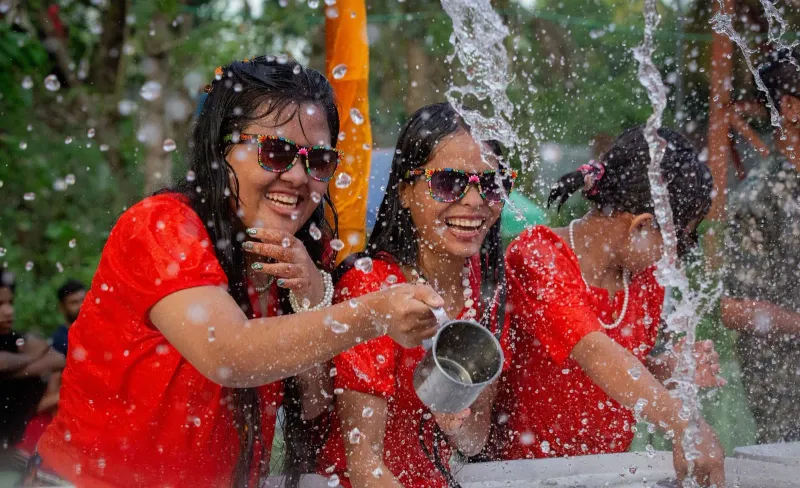
Songkran, Thailand’s traditional New Year, falls on a fixed 13-15 April every year and turns Koh Samui into an island-wide water fight, with the biggest scenes on Chaweng Beach Road, Lamai’s strip and Nathon’s town centre. It is also a genuine religious holiday — the water started as a gentle blessing poured over Buddha images and elders’ hands, and that side of the festival still runs quietly in every temple on the island while the streets outside fill with water guns, hoses and buckets of ice water thrown from passing pickup trucks.
Key takeaways
- Songkran is fixed at 13-15 April nationwide; Koh Samui’s own street celebrations often stretch a day or two either side, but the exact local schedule is set by the municipality each year — confirm dates close to your trip.
- Chaweng Beach Road is the island’s epicentre, with Lamai and Nathon’s town centre close behind; Maenam and Bophut stay noticeably calmer.
- No alcohol-sale ban applies during Songkran, unlike several other Buddhist holy days — see the Buddhist holidays guide.
- Road accidents spike nationally during Songkran’s “seven dangerous days” monitoring period — a helmet and sober riding matter more this week than any other.
- April is already Koh Samui’s hottest month, so heat, sunburn and dehydration are real risks on top of the water fights themselves.
What Songkran Actually Is — A Blessing, Not Just a Water Fight
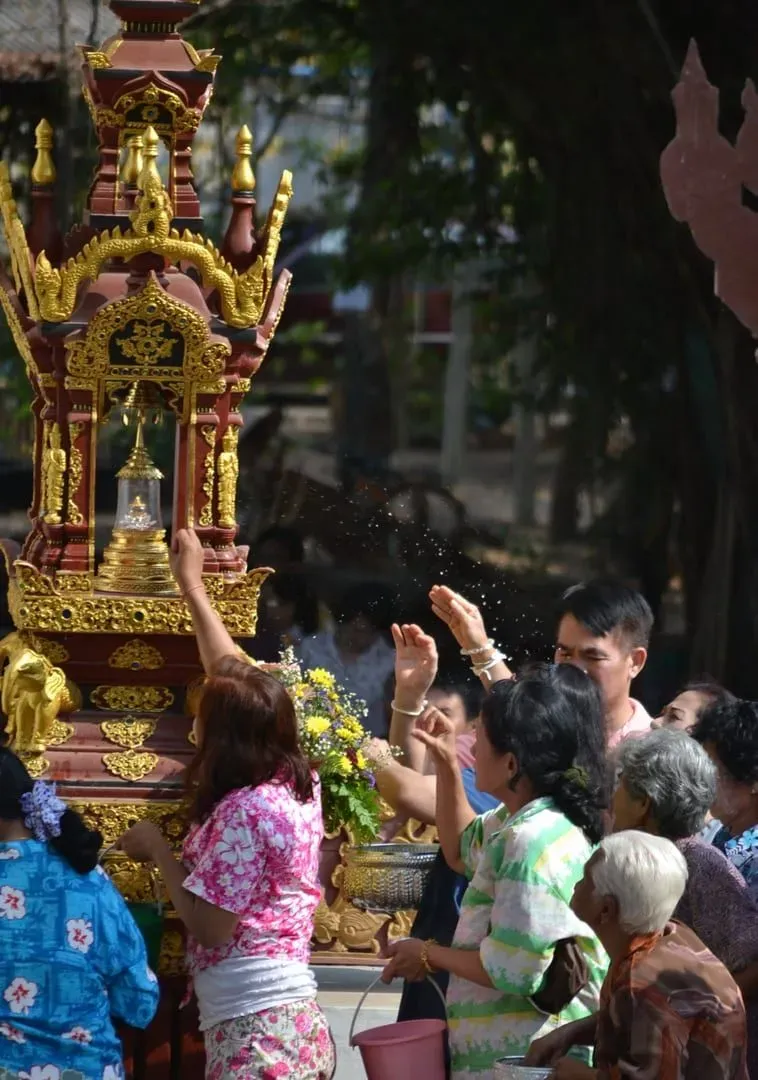
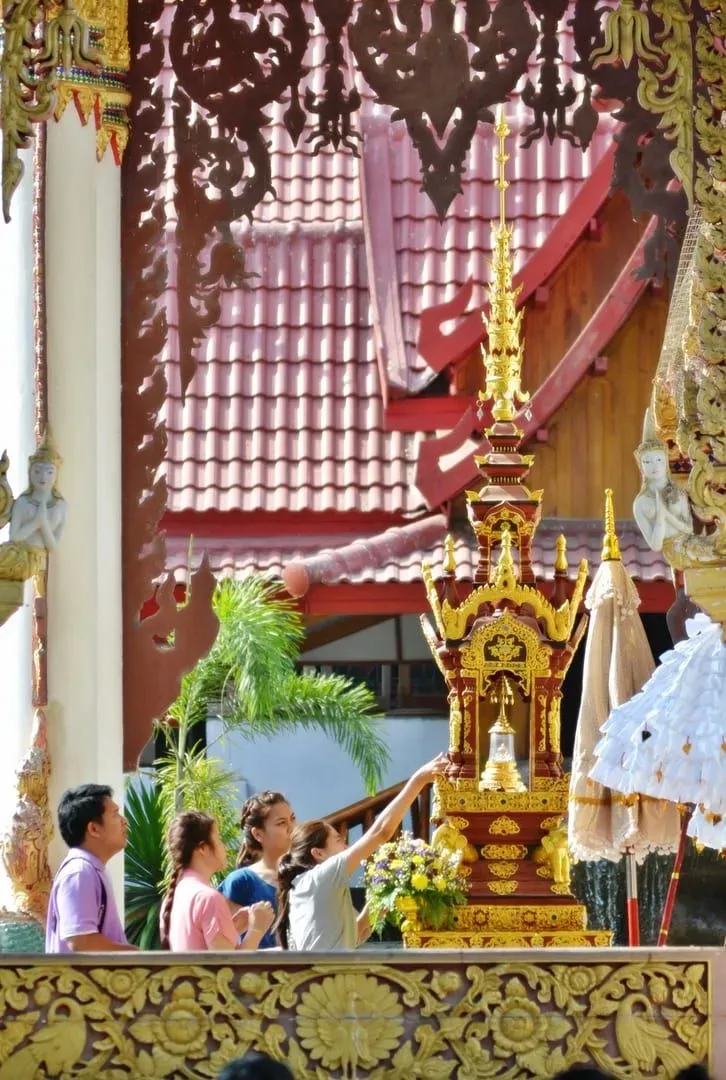
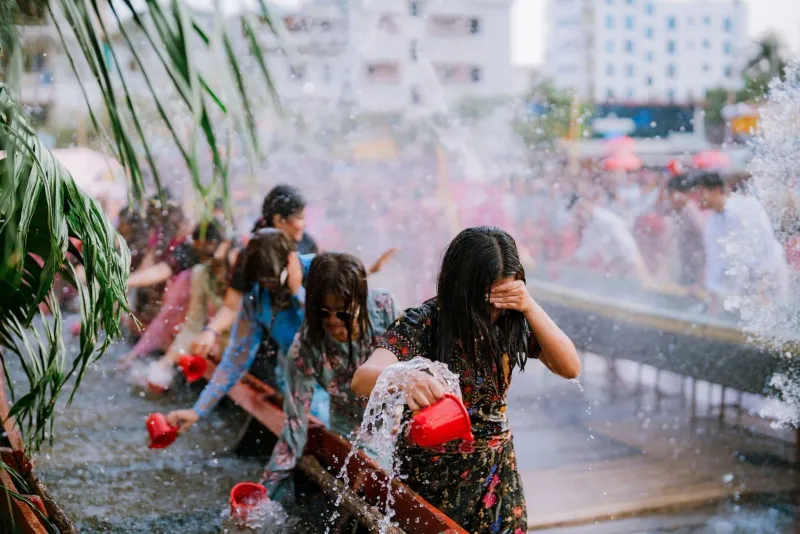
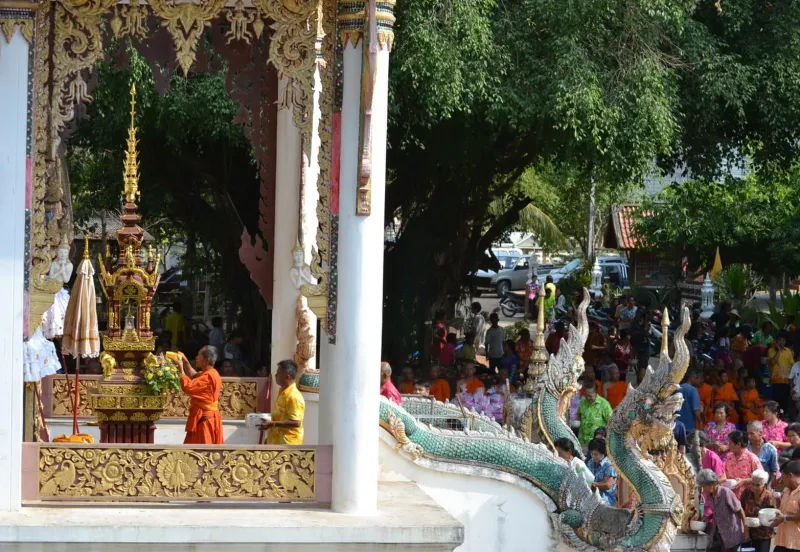
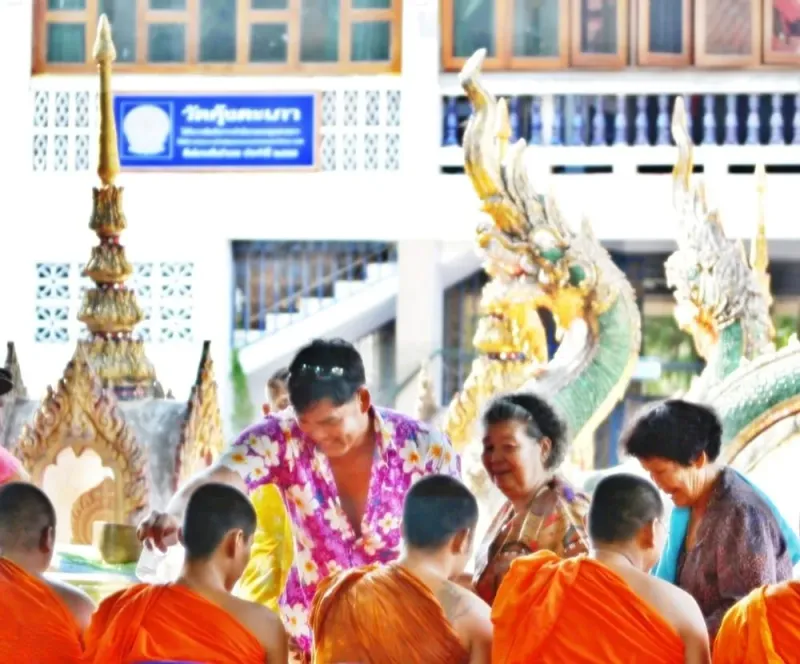
Songkran is Thailand’s traditional New Year, and its water-throwing is rooted in a Buddhist blessing ritual, not random horseplay, according to Wikipedia’s overview of the festival. The original custom — still practised at temples every morning of the festival — has visitors gently pour scented water over Buddha images and over the hands of parents and monks, asking for forgiveness and good fortune for the year ahead. That respectful splash grew, over decades, into the street-wide water fight most visitors picture today, and the two sides now run side by side: a quiet temple ceremony each morning, a soaked, joyful street party by afternoon.
The island’s temples — including Wat Phra Yai, the Big Buddha — hold their own bathing ceremonies during Songkran, open to respectful visitors and offering a calmer side of the holiday for anyone who wants a break from the beach-road chaos.
Where the Water Fights Happen on Koh Samui
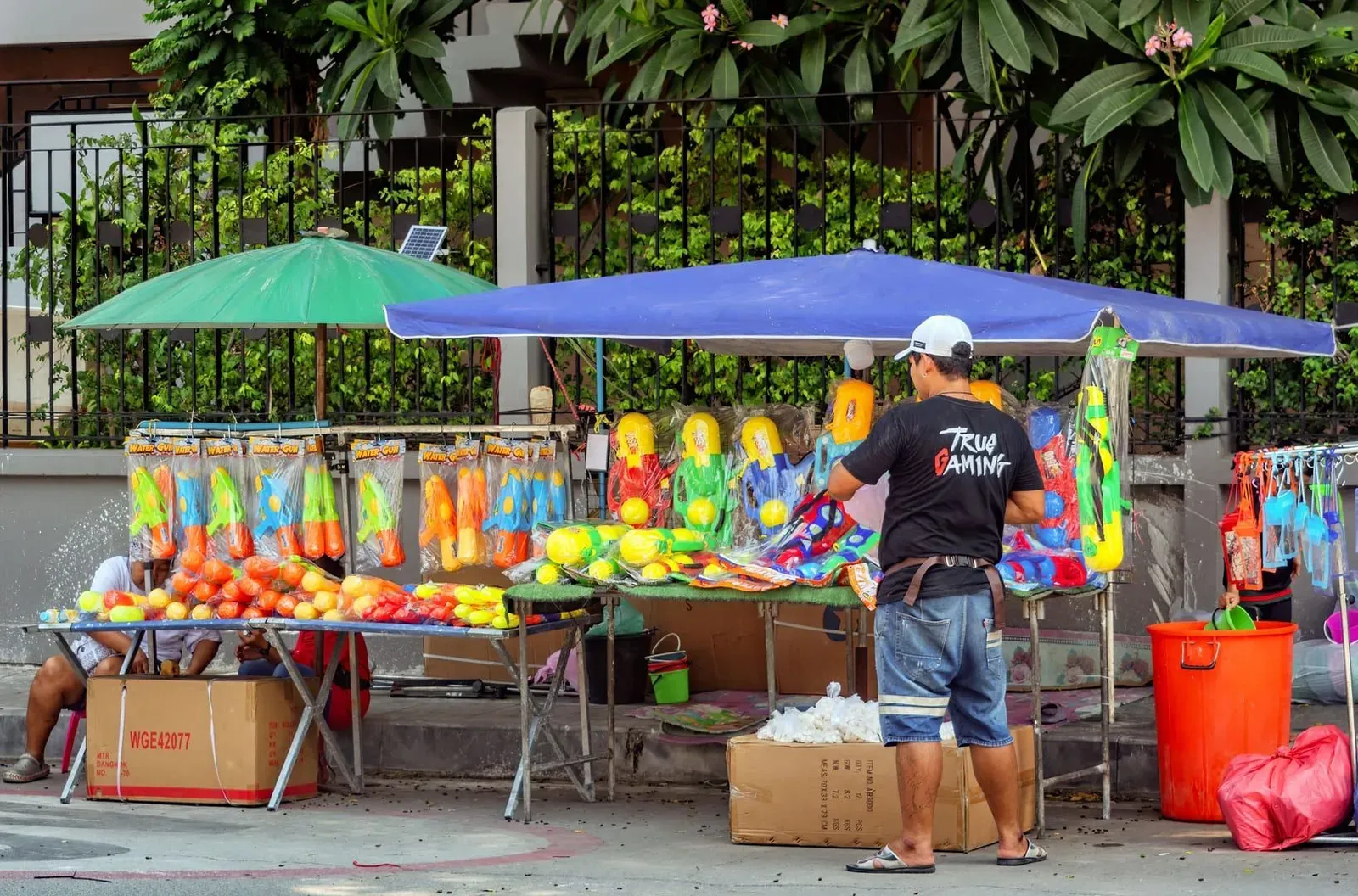
Chaweng Beach Road is Koh Samui’s Songkran epicentre, with bars, hotels and street vendors all joining in and pickup trucks doubling as mobile water cannons the length of the strip. Lamai’s beach road runs a smaller, slightly less chaotic version of the same scene, and Nathon’s town centre — normally a quiet ferry port — fills with locals dousing each other and passing traffic around the market and pier road. Maenam and Bophut stay markedly calmer; both see pockets of water-throwing near their village centres, but neither turns into a soaked free-for-all the way Chaweng does.
To watch rather than get drenched, stick to interior sois and restaurant terraces set back from the main road. To be in the middle of it, Chaweng Beach Road between roughly midday and early evening is where the water is thickest.
Hour by Hour — What a Songkran Day on Samui Looks Like
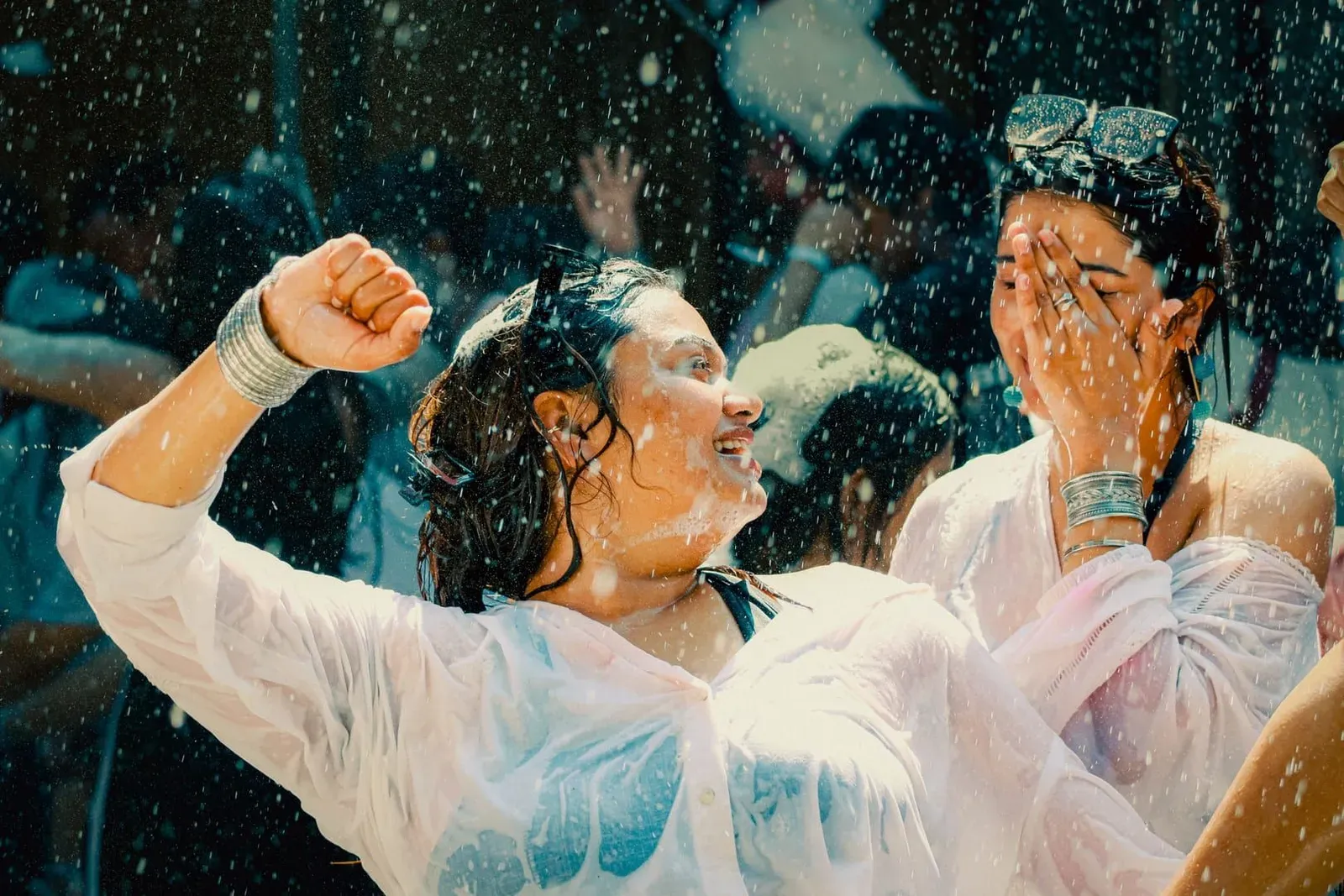
Songkran mornings on Koh Samui start quietly, with locals visiting temples to make merit and bathe Buddha images before the streets wake up. By late morning, vendors and hotel staff along Chaweng and Lamai’s beach roads are testing water guns and filling buckets, and the pace builds through early afternoon as trucks loaded with water barrels start cruising the strip. The peak window runs roughly midday to early evening — the hottest, busiest hours, when almost nobody walking Chaweng Beach Road stays dry — before it tapers into a more normal, if still damp, evening of bars and live music.
This pattern repeats across all three days, though energy usually peaks on the first one or two before easing by the third. Water fighting winds down after dark each night, even where the local schedule extends the wider festival mood a little longer.
Protecting Your Phone, Wallet and Scooter
A waterproof phone pouch is the single most useful Songkran purchase — pick one up at any 7-Eleven for roughly 100-200 THB (~3-5.50 USD) before you leave your hotel, since a phone caught by a bucket of water rarely survives. Keep cash, cards and your passport copy in a sealed dry bag or a hotel safe rather than a pocket, and consider a cheap plastic poncho if you’re walking Chaweng or Lamai’s beach roads for any length of time.
Scooters need their own precautions: cover the ignition and exhaust with a plastic bag if parking on a soaked street, avoid riding through the thickest crowds where a sudden bucket of water can startle you mid-turn, and never ride with a dripping visor and compromised visibility. See the scooter rental guide for licence and insurance basics that matter every week of the year, but especially this one.
Temple Visits and Merit-Making During Songkran
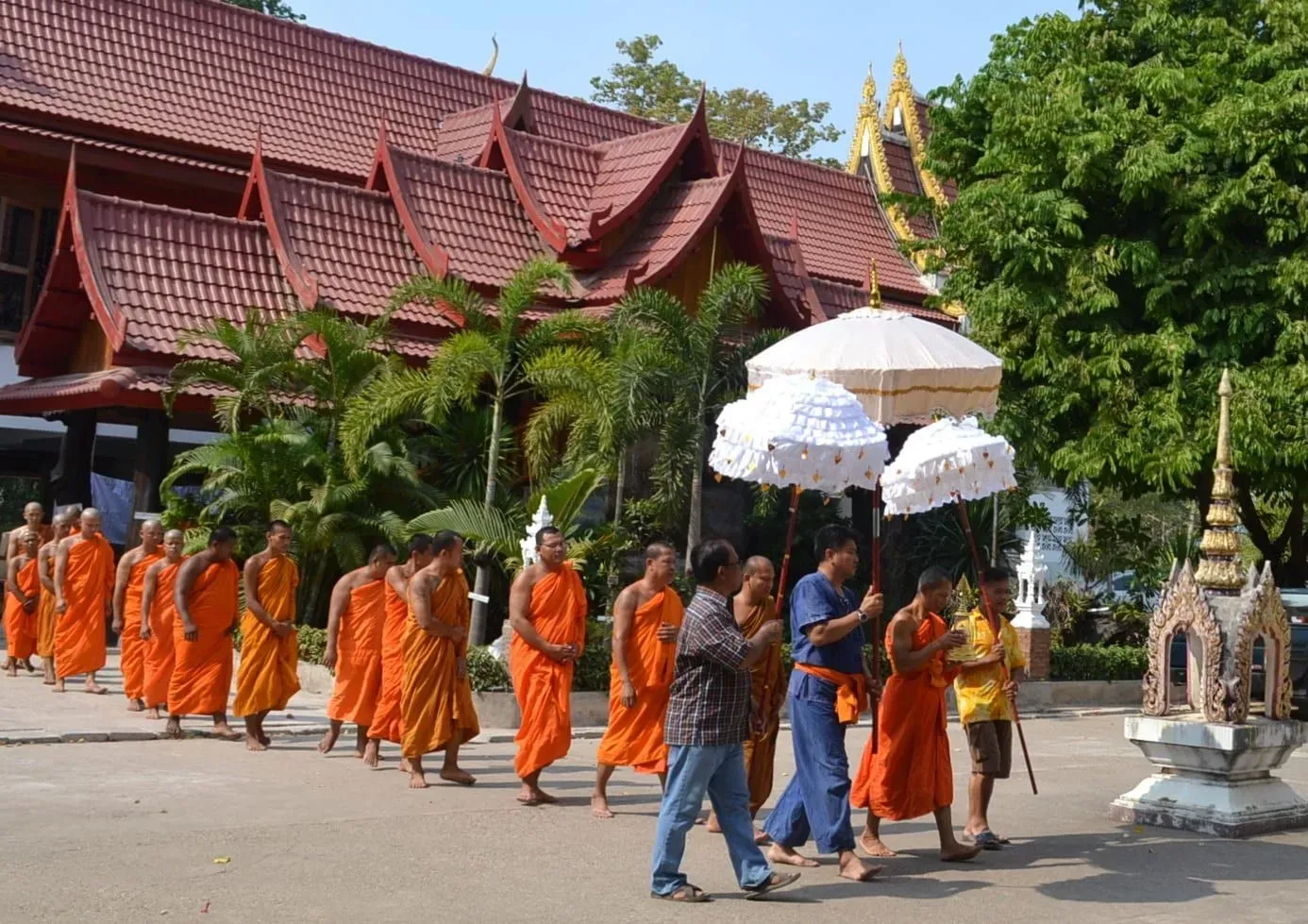
Visiting a temple during Songkran shows a side of the festival most water-fight tourists miss: locals queue to pour scented water over Buddha images, build small sand pagodas in the courtyard as an act of merit, and offer food to monks in the early morning. Wat Phra Yai and other active temples welcome respectful visitors during these ceremonies, provided the usual temple etiquette applies — shoulders and knees covered, shoes off before entering any hall, quiet behaviour around the ritual itself.
Arriving in the morning, before the water fights start, is the best time to see this side of Songkran without a soaking on the way there — a good option for older relatives or anyone wanting one calm hour inside three days of organised chaos.
Is Songkran Safe? Road Accidents, Drink-Driving and the “Seven Dangerous Days”
Songkran is Thailand’s riskiest week on the roads nationwide, monitored every year under an official “seven dangerous days” campaign; recent years have recorded roughly 2,000-2,500 accidents and 250-300+ deaths nationally over the seven days, with speeding, drink-driving and motorcycles named as the leading factors — figures worth checking against the latest official release rather than treating as fixed. Koh Samui isn’t exempt: the island already logs an estimated 3,000 road accidents and roughly 50 deaths a year outside festival weeks, per the is Koh Samui safe guide, and Songkran’s wet roads, reduced visibility and looser drinking culture push that risk higher for the holiday itself.
The response is simple: wear a helmet every time you ride, never ride after drinking, slow down on wet or crowded roads, and consider a taxi or Grab over self-driving through the busiest hours on Chaweng and Lamai’s beach roads. Unlike several other Buddhist holy days, Songkran carries no nationwide alcohol-sale ban, so bars and shops keep pouring as normal — see the Buddhist holidays and alcohol ban guide for the dates that do restrict sales.
What Closes, Prices and Crowds in April
Some smaller shops, family-run restaurants and local businesses close for a few days around Songkran so staff can travel home or join the festivities — don’t assume every noodle stall or laundry shop will be open on the 13th-15th. Flights and ferries into Samui book out well ahead of the holiday and taxis get harder to flag down mid-festival, so arrange transport for the 12-16 April window early.
Crowds and prices on Koh Samui sit “high” through most of April, with a short extra spike around the 13-15 April window itself, per the April weather and crowds guide. Early April, before Songkran fever sets in, is still good value; the best time to visit guide has the full pricing pattern, and the shoulder season guide confirms rates ease again once the festival passes.
Songkran with Kids — Family Tips
Songkran can work well for families, but timing and location matter more than usual. Mornings are calmer than the afternoon peak, so a temple visit or a walk along a quieter stretch like Maenam suits small children better than a stroller on Chaweng Beach Road at 2pm. Keep young kids out of the thickest crowds — a sudden bucket of iced water at close range upsets toddlers fast, and the crush of trucks and pedestrians on the busiest roads is hard to navigate with a stroller.
Sun protection matters as much as the water: April is Koh Samui’s hottest month, and a soaking-wet, sunburned child makes for a miserable afternoon. Base yourself set back from the main road for the option to dip in and out of the festival, and see the family activities guide and best beaches for kids for calmer alternatives either side of the festival.
FAQ
When is Songkran on Koh Samui?
Songkran is fixed nationwide at 13-15 April every year. Koh Samui’s own street celebrations, especially on Chaweng Beach Road, often run a little longer than the official three days, but the exact extra dates are set by the local municipality each year and aren’t announced far in advance — check local event listings closer to your trip.
Where are the biggest water fights on Koh Samui?
Chaweng Beach Road is the epicentre, with bars, hotels and passing trucks all joining in. Lamai’s beach strip runs a smaller version of the same scene, and Nathon’s town centre gets thoroughly soaked around its market and pier road. Maenam and Bophut see pockets of water-throwing but stay noticeably calmer than the east coast.
Is it safe to visit Koh Samui during Songkran?
Mostly yes, with one real caution: road safety. Songkran falls inside Thailand’s official “seven dangerous days” monitoring period, when accidents and drink-driving incidents spike nationwide. Wear a helmet, avoid riding after drinking, and consider taxis over a self-driven scooter during the busiest festival hours on Chaweng and Lamai’s roads.
Is alcohol banned during Songkran in Koh Samui?
No. Unlike Makha Bucha, Visakha Bucha, Asalha Bucha, Khao Phansa and Ok Phansa, Songkran carries no nationwide alcohol-sale ban. Bars, restaurants and shops sell alcohol as normal throughout the festival — see the Buddhist holidays and alcohol ban guide for the dates that do restrict sales.
How do I protect my phone during Songkran?
Buy a waterproof phone pouch from any 7-Eleven or convenience store for roughly 100-200 THB (~3-5.50 USD) before heading out, and keep cash, cards and documents in a sealed dry bag or your hotel safe rather than a pocket. Assume any device carried openly near Chaweng or Lamai’s beach roads during festival hours will get soaked.
Is Songkran good for a family trip to Koh Samui?
It can be, with planning. Visit a temple’s morning bathing ceremony for a calmer, meaningful side of the festival, avoid pushing small children through the thickest afternoon crowds on Chaweng Beach Road, and base yourself somewhere quieter like Maenam if you’d rather dip in and out of the celebrations than be caught in the middle of them.
Published on
About the author

Mike Brochlowski
Travel photographer & writer
Travel photographer and island explorer. Mike has spent years documenting Southeast Asia's hidden gems, from secluded beaches to jungle waterfalls.
Articles by Mike →More in Travel Guides
Also in 25 Best Things to Do in Koh Samui (2026)
Koh Samui Events Calendar 2026-2027 — Dates, Prices & Crowds
Koh Samui events calendar 2026-2027: Songkran, Loy Krathong, Full Moon Party dates, the Samui Regatta and Chaweng's NYE countdown, with p…
Also in 25 Best Things to Do in Koh Samui (2026)
18 Free Things to Do in Koh Samui (2026)
18 free things to do in Koh Samui — temples, beaches, waterfalls and viewpoints — plus the real costs some 'free' spots hide.

Also in 25 Best Things to Do in Koh Samui (2026)
Golf in Koh Samui — Santiburi Green Fees, Football Golf & Mini Golf
Golf in Koh Samui: Santiburi's hillside 18-hole course (3,550-5,800 THB green fee), Football Golf near Big Buddha, and what's confirmed f…