Contents
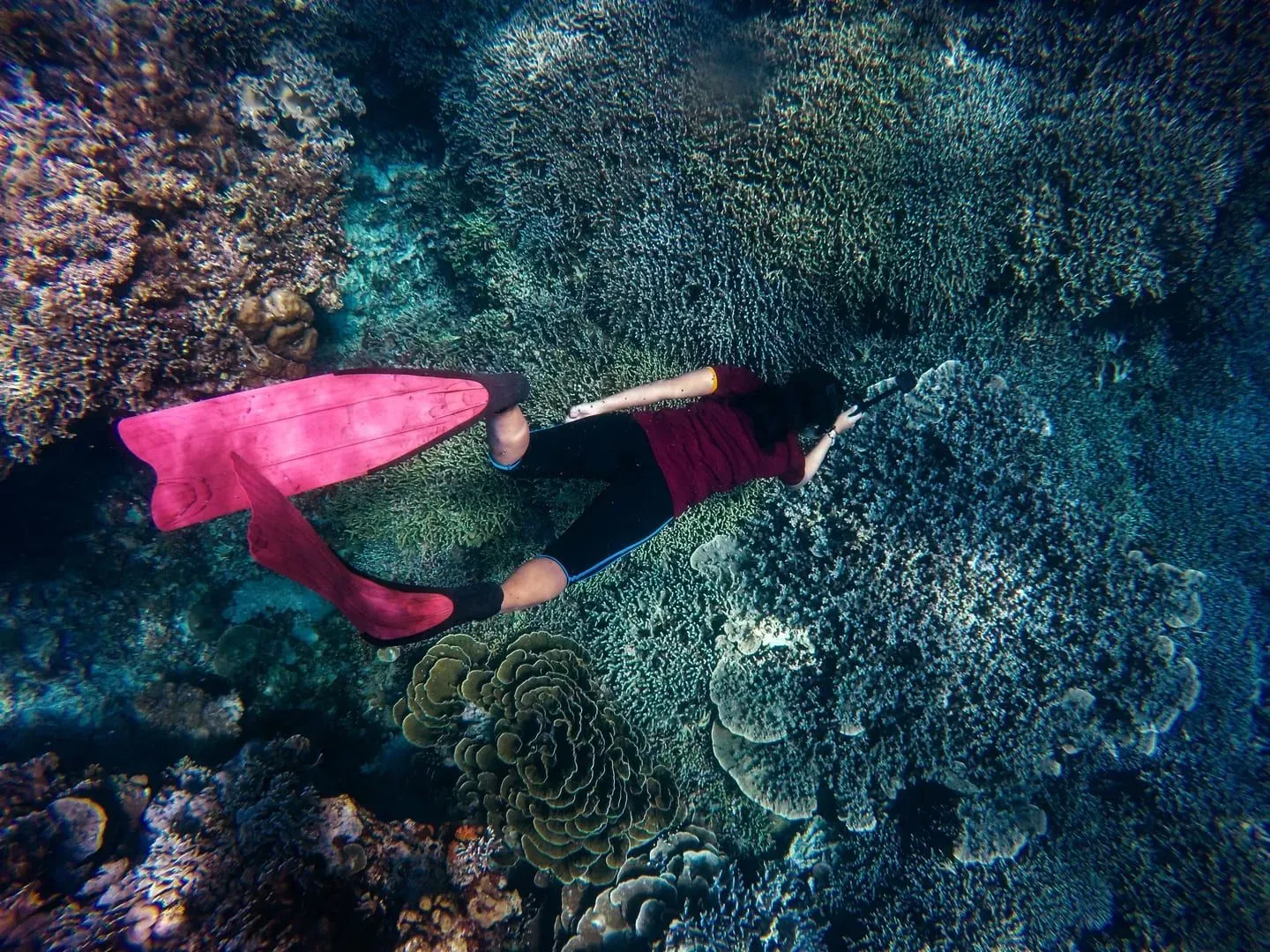
Freediving on Koh Samui means training in the warm, often hazy water of the Gulf of Thailand, then usually finishing certification on Koh Tao, the region’s real freediving hub. Courses follow AIDA or Molchanovs/SSI ladders from a 2-day beginner class to advanced depth work, but every level rests on one rule: never freedive alone.
Key takeaways
- AIDA’s four levels run from 8m / 1’15” static / 25m dynamic (1★) up to 32m / 3’30” / 70m (4★); Molchanovs, taught alongside SSI, uses a similar four-stage Wave ladder.
- A typical 2-day beginner course mixes pool or confined-water skills with open-water dives to roughly 16–20m, no prior experience required.
- Dedicated freediving schools cluster on Koh Tao, a ferry ride away; Samui’s own scene is smaller, informal, and leans on that crossover.
- Shallow water blackout — not exhaustion — is what kills trained freedivers. Never freedive alone, never hyperventilate, and use one-up-one-down with a trained buddy every time.
- Standard travel insurance commonly excludes freediving beyond your certified depth, solo diving, and apnea training itself — read the policy wording before you fly.
What This Actually Is
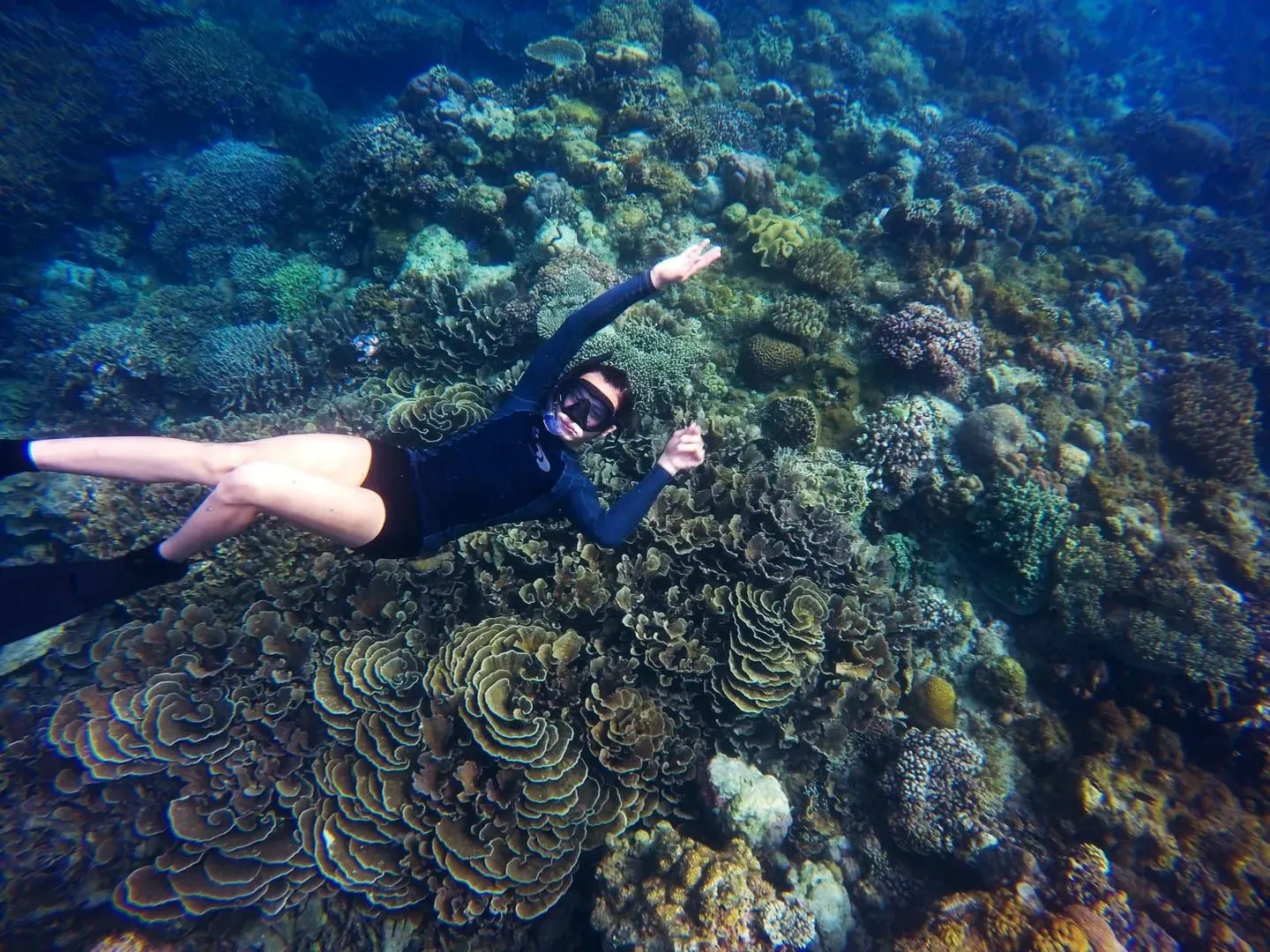
Freediving is diving on a single breath, with no tank — a different discipline from the scuba diving covered in Diving from Koh Samui, with a different risk profile. Scuba lets you sit at depth and breathe; freediving is built entirely around how long and how deep you can go on one lungful of air, which is why its safety culture is so strict. The core disciplines are constant weight (down and back on a weighted line, no weight drops), static apnea (a timed breath-hold, floating still), and dynamic apnea (a horizontal underwater swim). Nearly everyone on Samui trains constant weight and static, since that’s what the recreational course ladders certify and what Gulf conditions support. Freediving shares gear with snorkeling — mask, long fins, sometimes a wetsuit — covered in Snorkeling on Koh Samui; the discipline and training do not overlap.
Who’s In It
The freediving community on Samui is small, a handful of regulars rather than a fixed club, and most didn’t start here. Dedicated schools and the deepest, clearest training water sit on Koh Tao, so most Samui-based freedivers took their first course there, commute over for line-training days and advanced levels, then keep up static and pool work locally between trips. What holds the group together is the buddy system itself: freediving cannot be practiced solo, so pairs and small trios who trust each other’s rescue skills dive together every session, not just when convenient. New arrivals usually get folded in through a pool session or a pointer from someone already certified, not an advertised class.
The Course Ladders
Two certification families cover almost every freediver you’ll meet in the Gulf: AIDA International, and Molchanovs, which is commonly taught alongside SSI’s own freediving levels. Both run a four-level ladder from a beginner course to advanced depth, and both require you to complete the level below before moving up.
| Level | AIDA (depth / static / dynamic) | Molchanovs Wave equivalent |
|---|---|---|
| 1 | 8m CWT / 1’15” / 25m | Wave 1 — pool skills, first open-water dives |
| 2 | 12m CWT / 2’00” / 40m | Wave 2 — roughly 16–20m constant weight |
| 3 | 24m CWT / 2’45” / 55m | Wave 3 — roughly 30–32m constant weight |
| 4 | 32m CWT / 3’30” / 70m | Wave 4 — roughly 40m constant weight |
Exact depth and time minimums shift slightly between agencies and get revised occasionally, so treat the table as the shape of the ladder rather than a guarantee — confirm current standards with whichever school you book. A beginner course (AIDA 1, or Molchanovs/SSI Level 1) is genuinely two days: day one is theory — physiology, equalization, blackout and rescue — plus pool or confined-water breath-hold and finning drills; day two moves to open water, usually a boat or a jetty with a weighted line, working down in stages toward roughly 16–20m under an instructor’s direct supervision. Nobody is certified to dive alone at the end of it — the certification is a starting depth limit with a buddy, not a solo licence.
What It Costs
A 2-day beginner freediving course in Thailand typically runs about 7,000–9,000 THB (~200–257 USD), roughly in line with what Diving from Koh Samui quotes for a comparable scuba certification. Advanced levels (AIDA 2/3, Wave 2/3) cost more per day, since group sizes shrink and depth work takes longer, and private line-training days cost more again. Gear is a smaller one-time cost: a decent mask and long fins are worth owning past the beginner course, since fit affects both comfort and equalization.
How To Join
There’s no storefront to walk into on Samui the way there is for a dive shop — joining means finding the pool sessions and buddy pairs first. Ask at any Samui gym or hotel with a lap pool whether a freediving group uses it; these sessions are informal, often just two or three people working breath-holds and CO2 tables, and word of mouth is how newcomers find them. From there, the route into certification is the same for almost everyone: take the beginner course on Koh Tao, where new AIDA and Molchanovs/SSI groups start most days, then bring the certification back and keep training locally with whichever pair will take you on as a regular buddy.
Where People Train — the Gulf’s Conditions
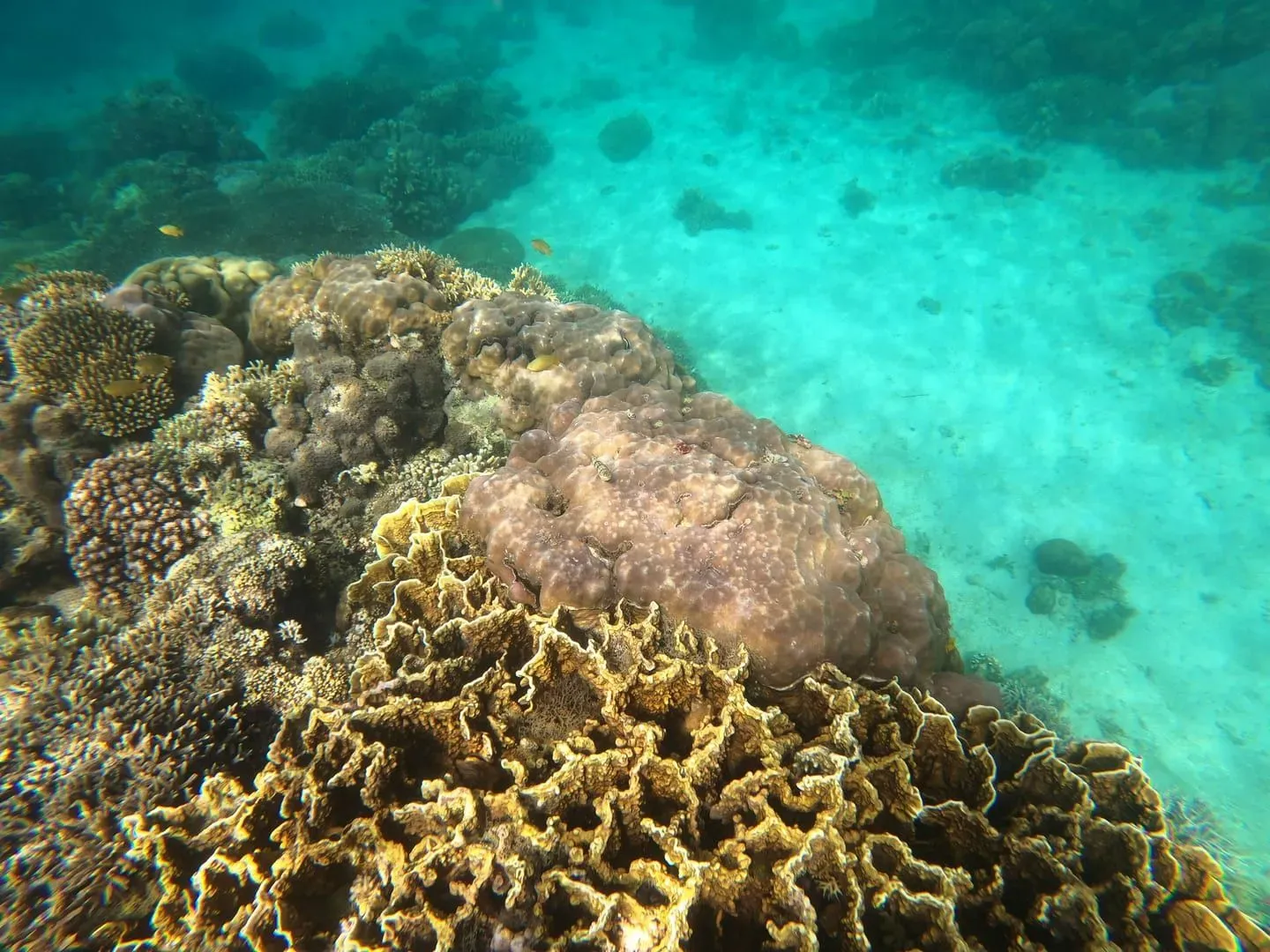
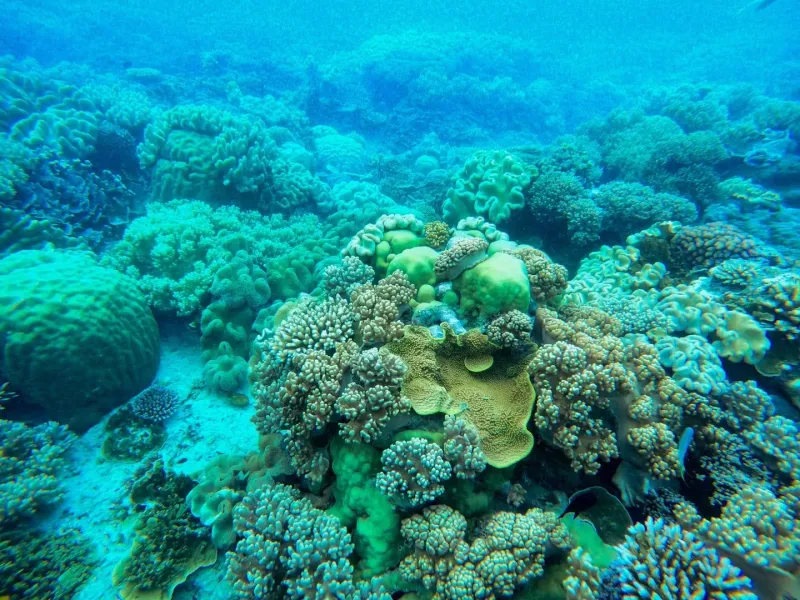
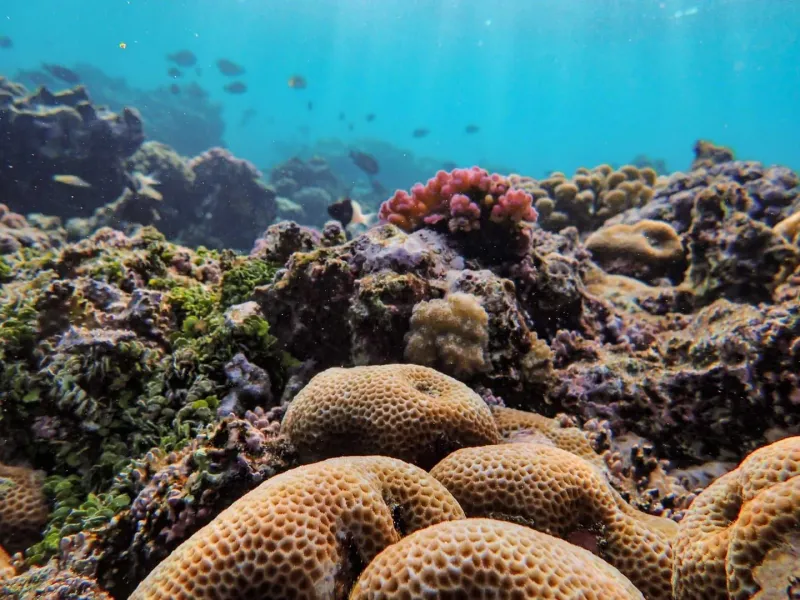
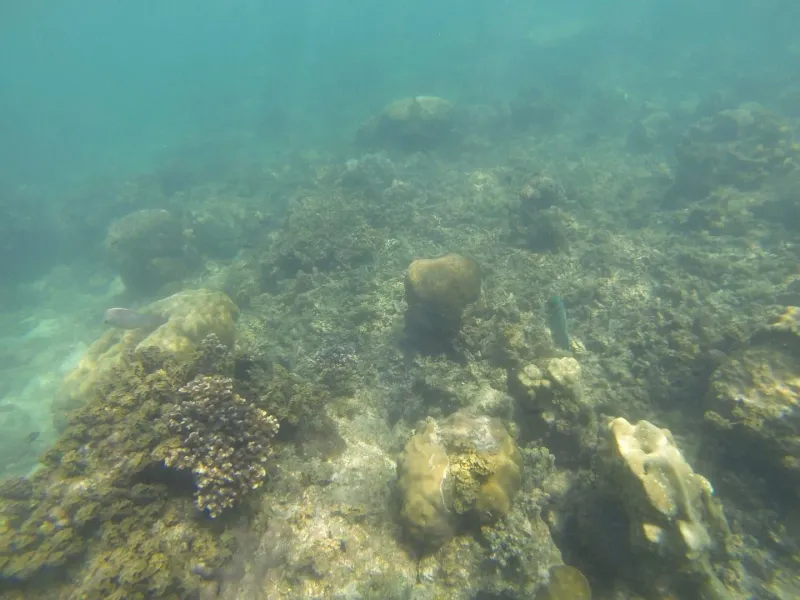
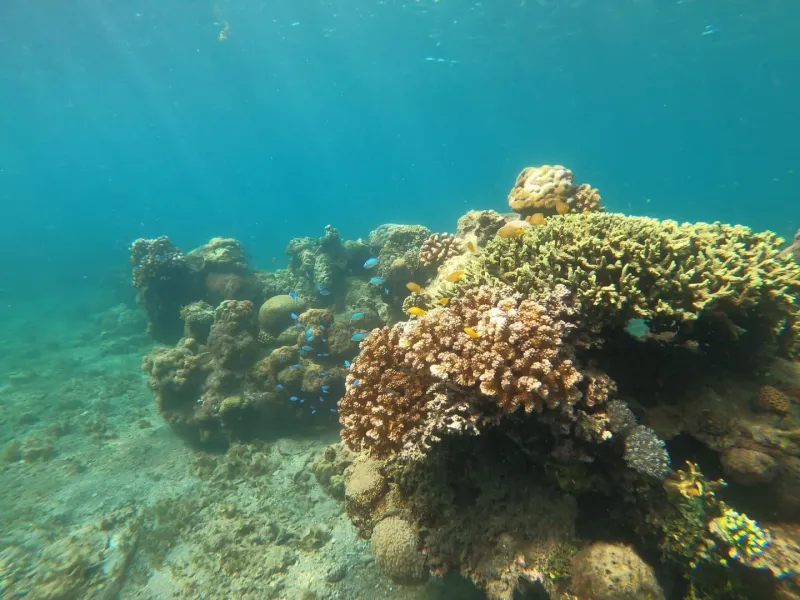
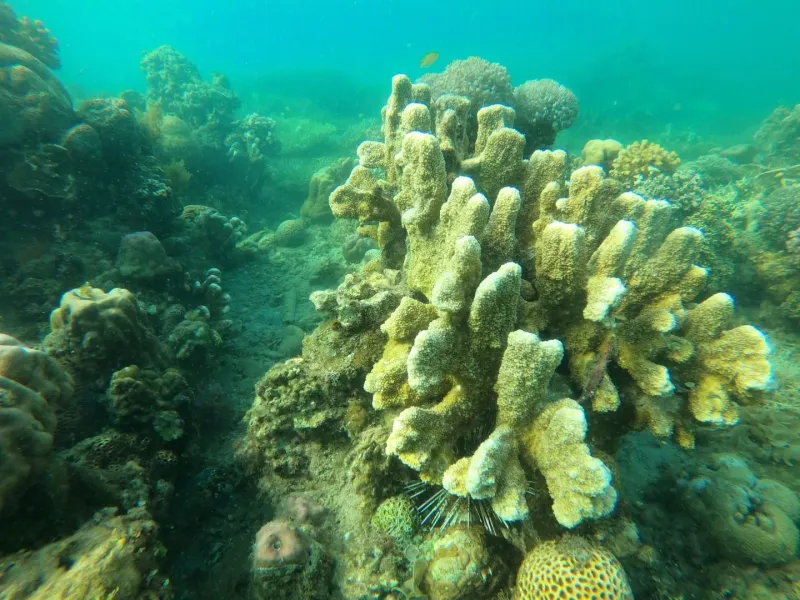
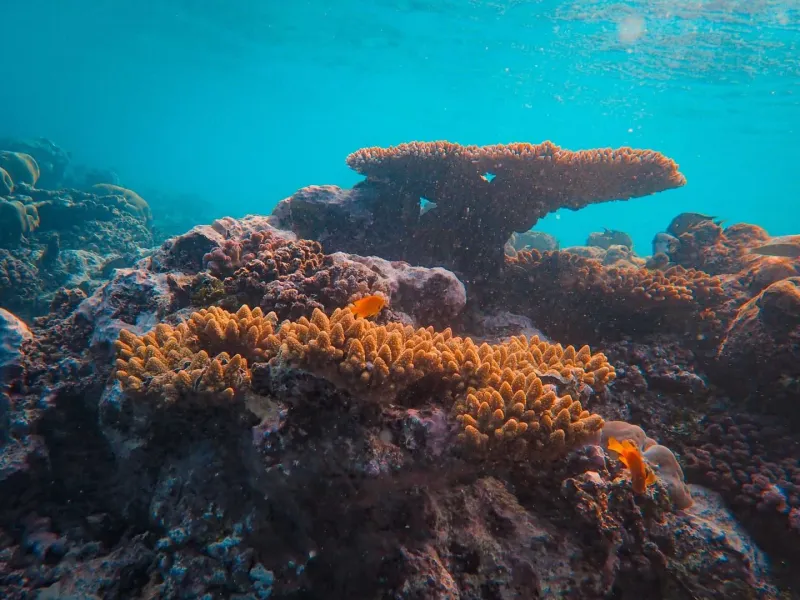
The Gulf of Thailand is warm and shallow-sloping almost everywhere around Samui, good for beginners and limiting for depth training. Water sits around 28–30°C year-round, so sessions rarely need more than a thin wetsuit, but the seabed shelves gradually rather than dropping into a wall close to shore, so serious constant-weight work usually means a short boat ride out rather than a shore entry. The most-used deep water sits off the north-east corner, in the channel past Choeng Mon and Plai Laem toward Koh Phangan, where boats anchor a weighted line over water local groups report at roughly 15–25m — depths that aren’t officially charted and shift with tide and season, so treat any figure as an estimate, not a promise. Some Samui-based freedivers also arrange to ride scuba day boats to Sail Rock and free-dive the shallower structure near the surface while the tank divers go deep, set up directly with the boat rather than as a packaged trip. Visibility follows the same pattern as diving and snorkeling here: clearest roughly March–September, murkier October–December when the north-east monsoon churns the water — also when line-training days get cancelled most.
Never Freedive Alone — the Rules That Aren’t Optional
Shallow water blackout is the reason freediving’s safety rules read as absolute rather than advisory, and it is not a beginner’s mistake — it kills experienced, fit freedivers on easy dives they’ve done a hundred times, usually in the last few metres of the ascent or just after surfacing, with no warning the diver can feel. The rules exist because blackout gives you no symptoms to react to:
- Never freedive alone. Not a shallow dip, not a “quick static” in the pool. Blackout can happen in 1.5m of water as easily as at 20m, and an unsupervised freediver who blacks out drowns.
- Never hyperventilate before a dive. Rapid pre-breathing lowers CO2 without raising usable oxygen, which strips out the warning urge to breathe and makes blackout more likely, not less — this is standard on every course syllabus, not a matter of personal technique.
- Dive one-up-one-down with a trained buddy, meaning one person dives while the other watches from the surface, ready to swim down and recover them — never two people diving at once with nobody watching.
- Supervise the whole surface interval, not just the dive itself. Most blackouts show up in the 10–15 seconds after surfacing, which is exactly when an untrained buddy relaxes and looks away.
- Never freedive after scuba diving on the same day. Residual nitrogen from a scuba dive raises decompression sickness risk on a subsequent breath-hold dive; agencies and dive doctors both treat this as a hard no-fly-style rule, not a guideline to weigh against convenience.
A certification course is where you actually learn rescue — how to recognize the loss of motor control that precedes blackout, how to bring an unconscious diver to the surface and clear their airway, and how to manage a recovering diver who often doesn’t remember losing consciousness. None of that is intuitive, and none of it is something to skip to save two days and a course fee — an uncertified freediver going deeper “because it looks easy on video” is the exact profile blackout statistics describe.
What Travel Insurance Won’t Cover
Most standard travel insurance treats freediving as a listed hazardous activity with conditions attached, not a blanket exclusion — but the conditions catch people constantly. Commonly excluded: diving or breath-holding beyond your certified depth, freediving without a buddy, and apnea training itself unless the policy explicitly names freediving or “breath-hold diving” (a scuba-only policy does not automatically cover it). Some policies also cap covered depth at a flat number, often 30m, regardless of certification. None of this shows up until a claim is filed, so read the activities list and depth limits before booking a course, not after.
FAQ
Is freediving dangerous on Koh Samui?
Freediving carries real risk anywhere, mainly from shallow water blackout, but that risk concentrates in solo diving, hyperventilation and diving beyond your certified depth. Certified freedivers following one-up-one-down with a supervised surface interval face a much lower risk profile — the sport’s safety record depends entirely on those rules being followed, not optional.
How deep can a beginner go after a two-day course?
A beginner course (AIDA 1 or Molchanovs/SSI Level 1) typically certifies constant-weight depths of roughly 8–20m depending on the agency, always with a trained buddy present. That is a starting depth limit tied to supervised diving, not a licence to freedive alone at that depth afterward.
Should I learn freediving or scuba diving first?
They’re separate skills with separate certifications; neither is a prerequisite for the other. The one firm rule connecting them: never freedive the same day you’ve scuba dived, since residual nitrogen from the tank dive raises decompression sickness risk on a later breath-hold dive.
Where can I actually take a freediving course near Koh Samui?
Samui itself has no fixed freediving school storefront; the region’s dedicated schools, including Koh Tao operators like Apnea Total, run AIDA and Molchanovs/SSI courses most days of the week. Most Samui-based freedivers took their beginner certification there and now train locally between trips.
What does travel insurance actually exclude for freediving?
Commonly: diving beyond your certified depth, solo freediving, and apnea training that isn’t explicitly named on the policy — a scuba-only policy usually doesn’t cover freediving. Some policies also cap the covered depth at a flat limit around 30m regardless of certification. Always check the activities list before booking a course.
What is shallow water blackout?
Shallow water blackout is a loss of consciousness from oxygen deprivation, usually striking in the last few metres of ascent or just after surfacing, with no warning symptoms the diver can feel. It is the reason freediving’s core rules — never alone, no hyperventilation, one-up-one-down, watch the whole surface interval — are treated as absolute rather than optional.
Turning Up
There’s no weekly meetup to point you at the way there is for a run club or a paddle crew — Samui’s freediving scene organizes itself around whoever is training that week, arranged over messaging groups and word of mouth from the pool sessions. The reliable way in is still a two-day AIDA or Molchanovs/SSI beginner course on Koh Tao, where new groups start most days year-round; come back certified, ask around any Samui gym or hotel pool for the current static and dynamic sessions, and you’ll usually be pointed to whoever needs a buddy that week. Whatever else changes, the buddy and the supervision are not optional — that’s true on day one of a beginner course and true for every dive after it.
Published on
About the author
Mike Brochlowski
Travel photographer & writer
Travel photographer and island explorer. Mike has spent years documenting Southeast Asia's hidden gems, from secluded beaches to jungle waterfalls.
Articles by Mike →More in Island Life
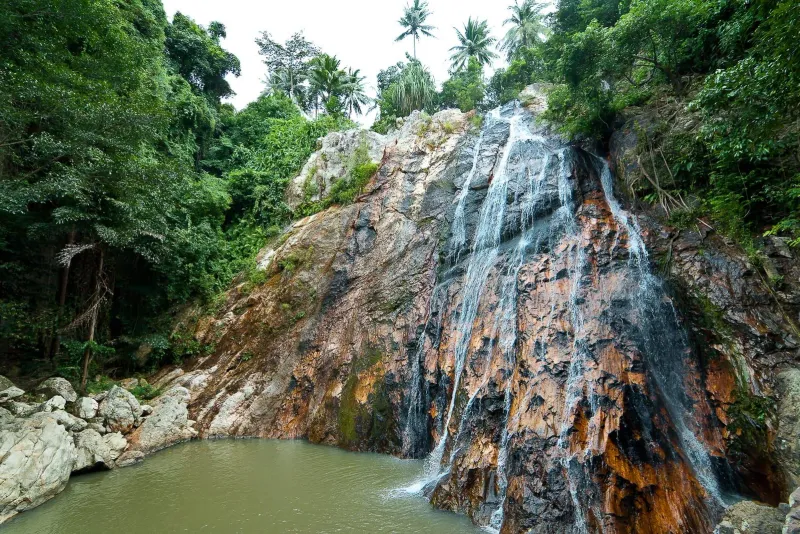
Na Muang Waterfalls — Samui's Purple Cascades and Jungle Pools
Explore Na Muang Waterfalls on Koh Samui — the accessible 18m Purple Waterfall with its swimming pool and the 80m jungle trek to the isla…
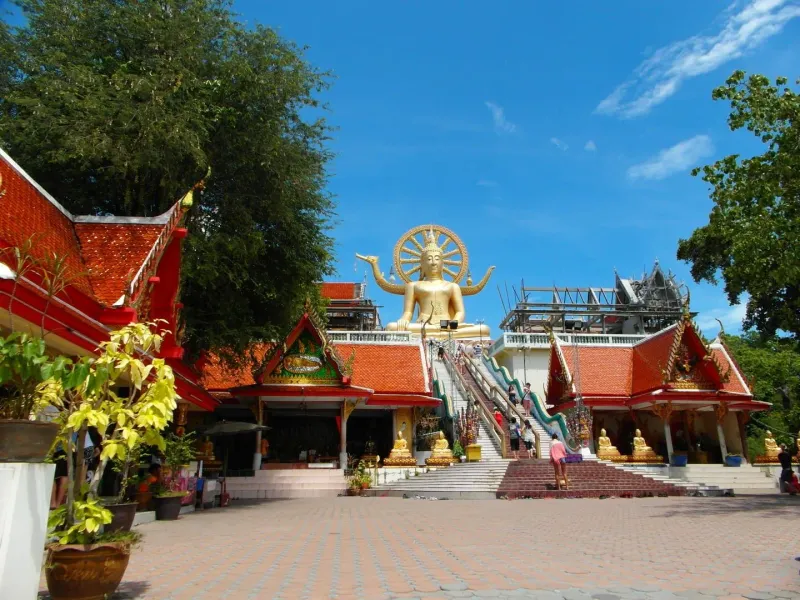
Wat Phra Yai — Big Buddha Temple on Koh Samui
Visit Wat Phra Yai (Big Buddha) on Koh Samui: a 12-meter golden Buddha, naga staircase, panoramic views, and market stalls.
Apirom Viewpoint — Koh Samui's Closed Hillside Lookout Above Ban Tai
Apirom Viewpoint: a ~304m hilltop lookout inland of Ban Tai, Koh Samui, its restaurant closed since the pandemic but the hillside track s…