Contents
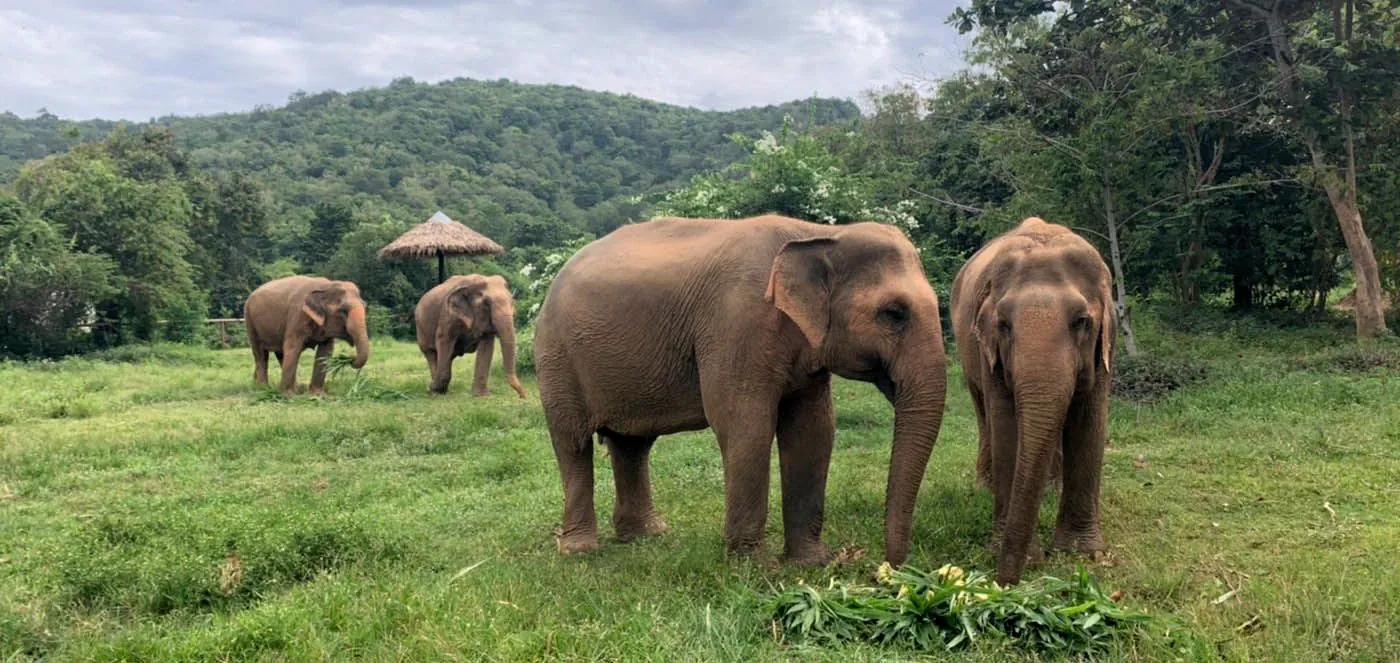
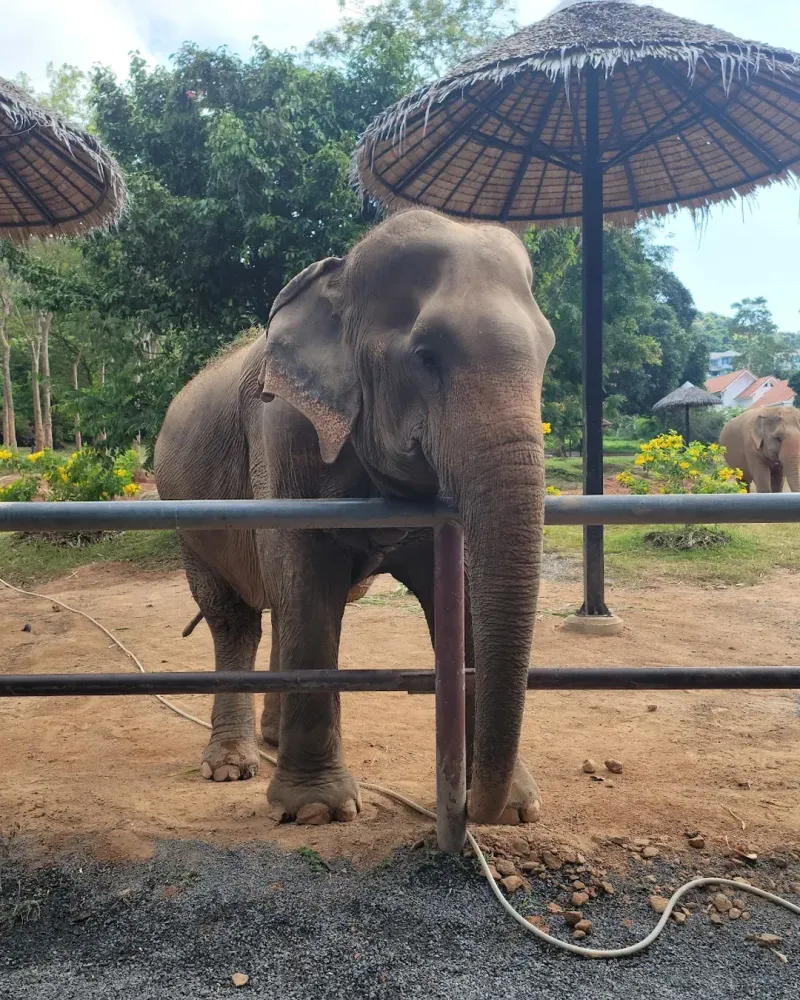
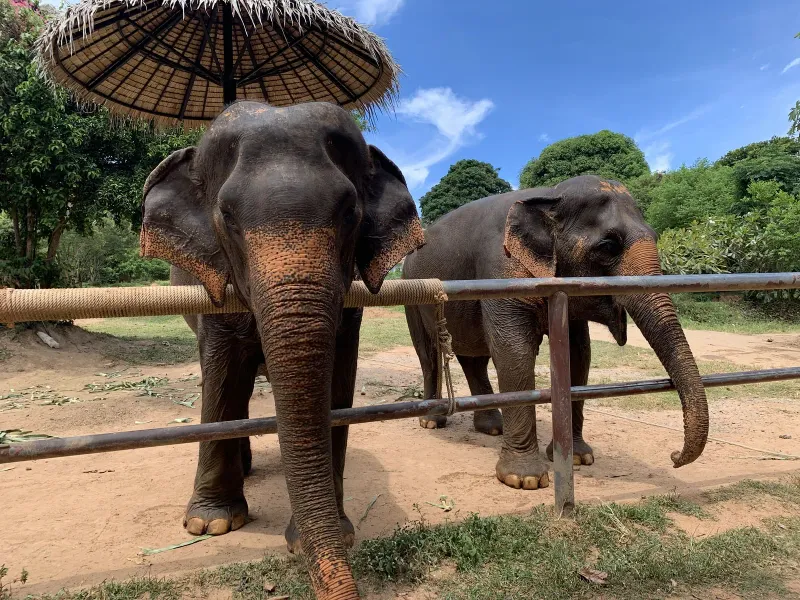
Samui Elephant Sanctuary is an ethical, no-riding elephant venue on Koh Samui, opening at Bophut in 2018 and adding a second, larger site at Chaweng Noi in January 2020. Both sites run half-day and short programs built around feeding and walking with the herd rather than riding or bathing them, and both are currently operating as of September 2026.
Key takeaways
- Two active locations: Bophut (15 rai, 7 elephants, opened 2018) and Chaweng Noi (40 rai, 8 elephants, opened January 2020) — 15 rescued elephants across both.
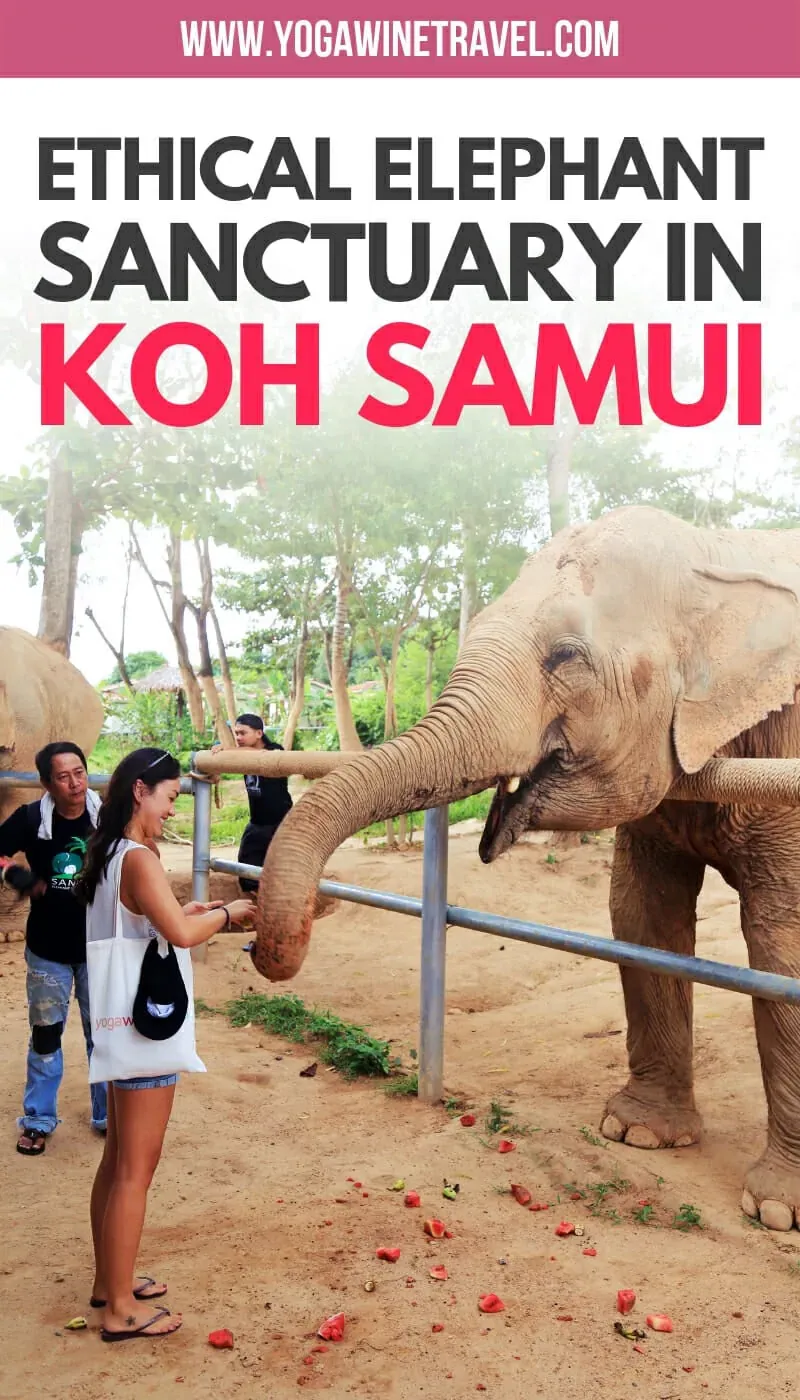
- No riding, no bathing, no shows, no sitting on the elephants — visitors feed, walk alongside and observe the herd instead.
- Half-day 3-hour tours cost 2,900 THB (~83 USD) adult / 1,400 THB (~40 USD) child (5–11), including hotel transfer, a vegetarian meal and insurance.
- Winner of Best Animal Welfare from the Tourism Authority of Thailand (2019 and 2020) and named a Best Practice Elephant Venue by World Animal Protection.
- Another operator, Samui Elephant Haven, runs a separate rescue site on the island’s west coast — the two are not affiliated.
Key Facts
| Field | Detail |
|---|---|
| Locations | Bophut (original, 2018) and Chaweng Noi (2020) |
| Address | 108/52 Thawi Ratchaphakdi Rd, Bo Put, Ko Samui District, Surat Thani 84320 (Bophut site) |
| Hours | Morning tour 9:00–12:00, afternoon tour 14:00–17:00, daily at both sites |
| Price | 2,900 THB (~83 USD) adult, 1,400 THB (~40 USD) child 5–11, half-day tour |
| Phone | +66 95 269 8343 |
| Website | samuielephantsanctuary.org |
| License | TAT License No. 34/01873 |
Two Locations — Bophut and Chaweng Noi
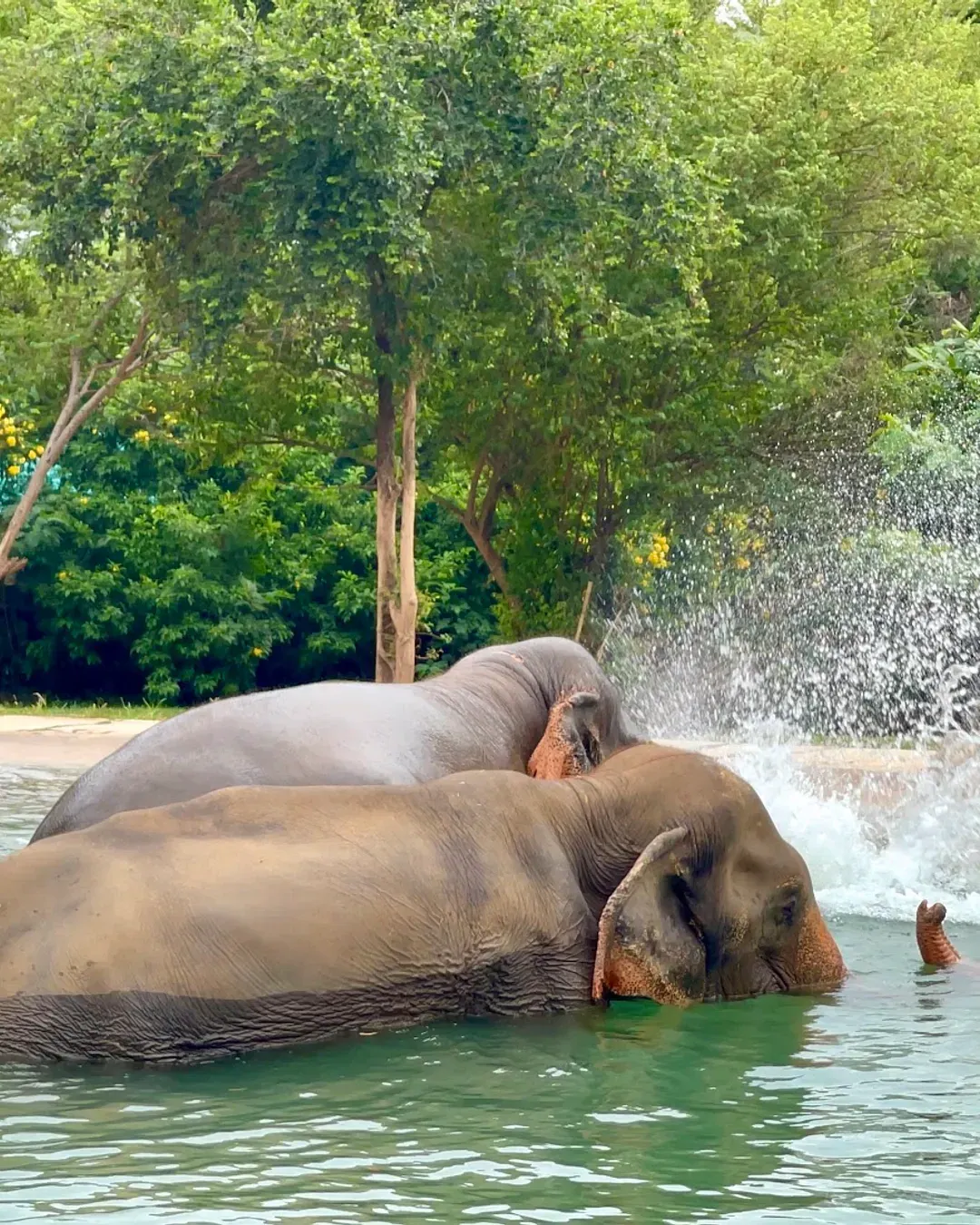
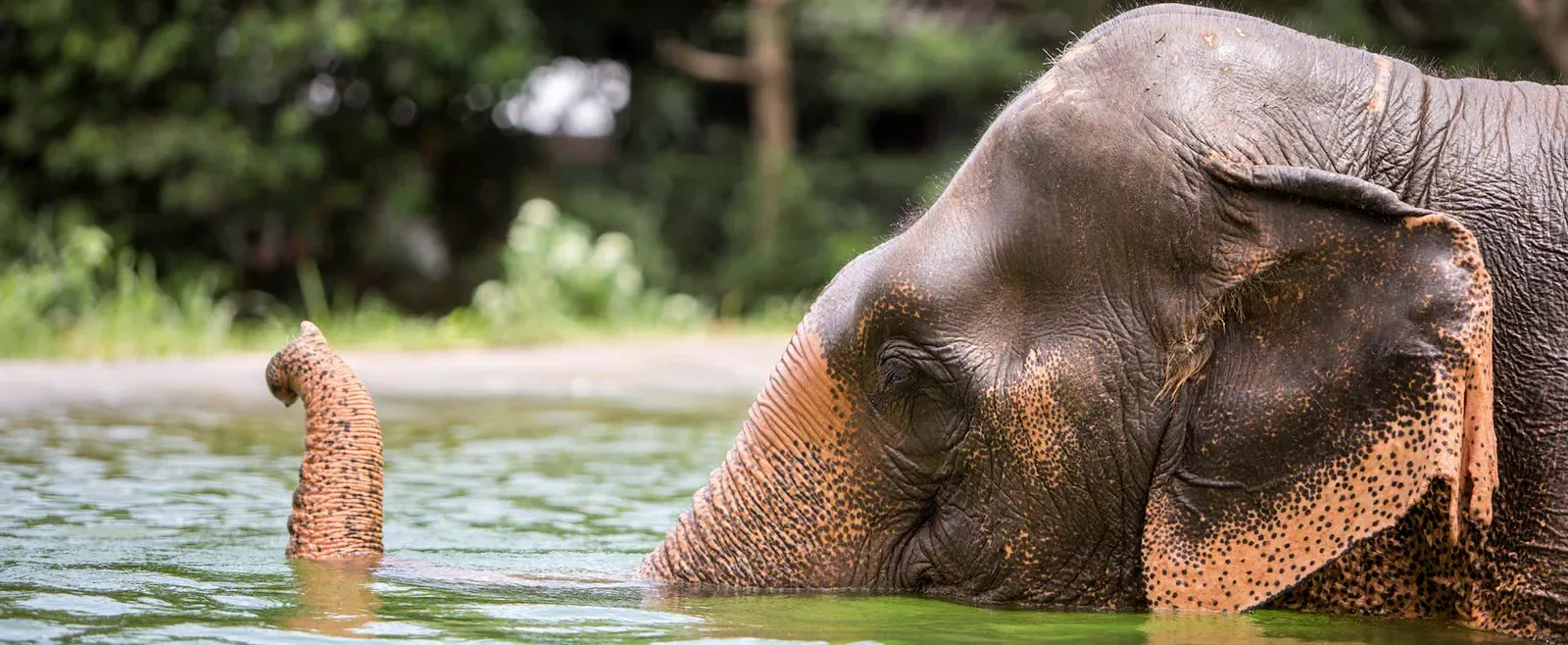
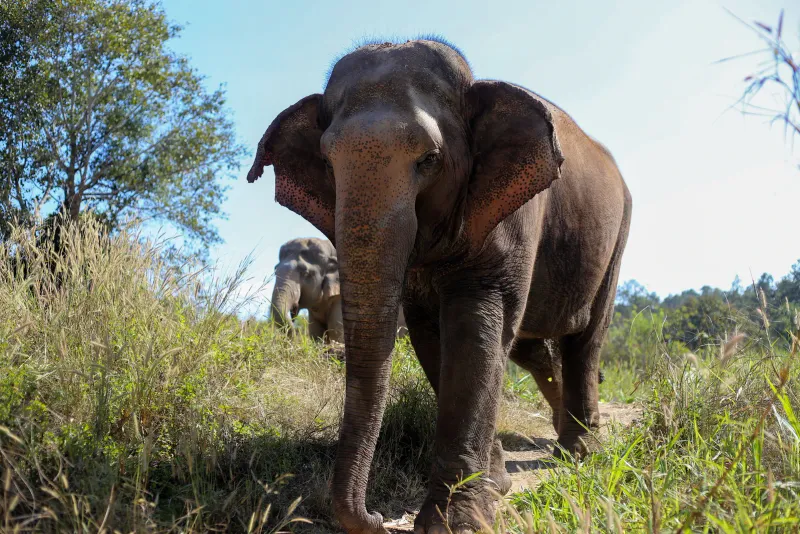
Samui Elephant Sanctuary operates two separate properties rather than one, and both are currently open and taking bookings. The original Bophut site sits on 15 rai of forested land and is home to 7 female elephants rescued from riding and show work; its central location makes it an easy pickup for guests staying anywhere from Maenam to Chaweng. The Chaweng Noi site opened in January 2020 on 40 rai — more than double the Bophut footprint — and houses 8 elephants, giving the herd more room to roam, forage and use a natural pond alongside a custom-built pool. The sanctuary’s own site frames the second site as an expansion funded by guest visits to the first, not a replacement, so travellers researching “which location” should know it’s a choice between two working sites, not a question of one having closed.
What a Visit Includes
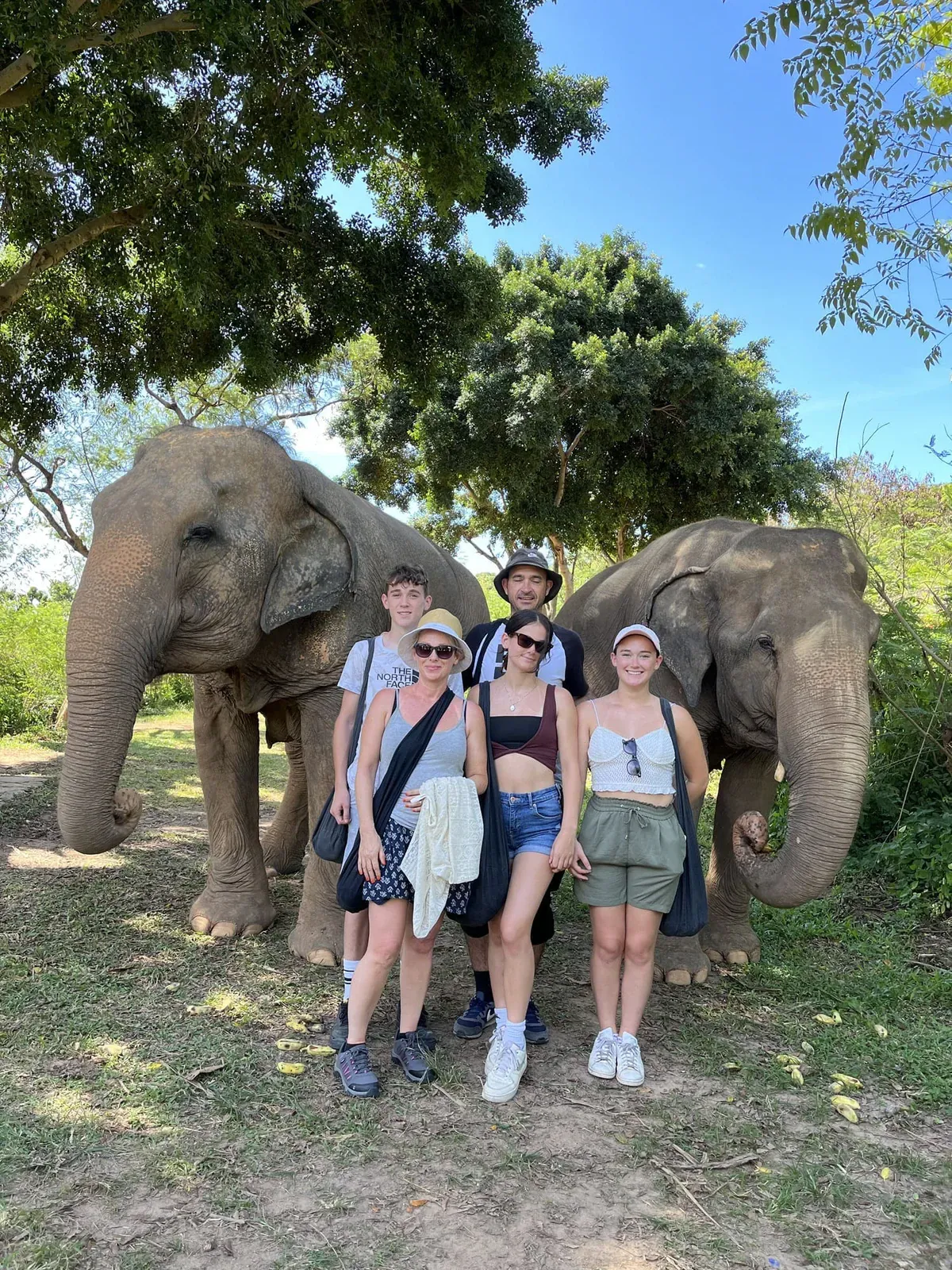
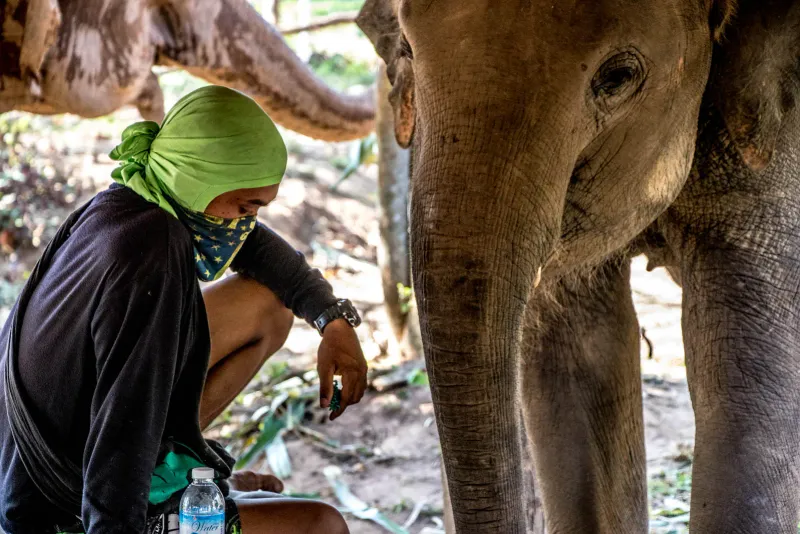
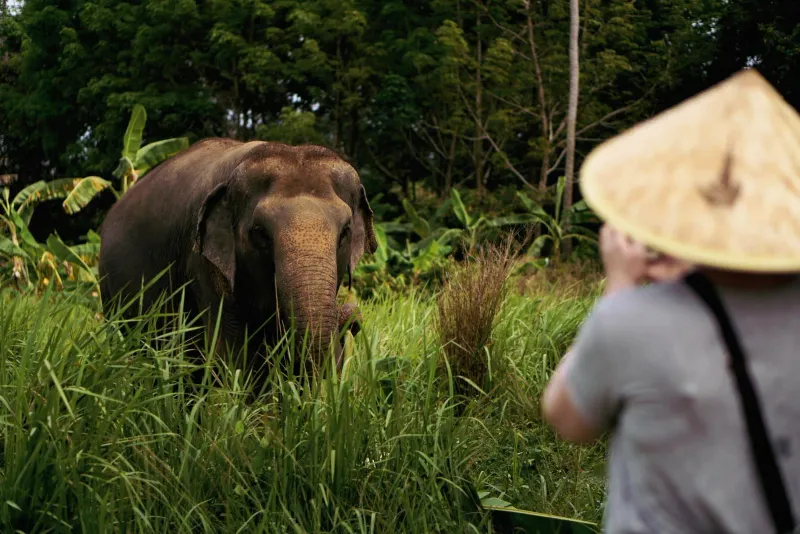
Every 3-hour program follows the same shape at either site: hotel pickup, a short welcome talk on why the elephants needed rescuing, preparing food baskets, feeding the herd by hand, then a guided walk through the grounds to watch the elephants forage, play in mud and swim on their own terms. A vegetarian meal, plus filtered water, coffee and tea, is included before the transfer back to your hotel. Bophut also runs a shorter 1.5-hour Short Elephant Encounter (10:00–11:30 and 13:00–14:30) for guests with less time, covering a safety briefing, food prep and a short walk, but with less overall time near the herd. The sanctuary states plainly that it does not allow riding, bathing, mud-bathing, trunk-hugging or sitting on the elephants at either site — interaction is limited to feeding and walking alongside them.
Prices and Programs
Prices below are from the sanctuary’s own site, dated September 2026; a low-season promotional rate on the 3-hour tour is stated as valid until 30 November 2026.
| Program | Duration | Adult | Child (5–11) | Under 4 |
|---|---|---|---|---|
| Half-Day Tour (Bophut or Chaweng Noi) | 3 hours | 2,900 THB (~83 USD), regular rate 3,000 THB | 1,400 THB (~40 USD), regular rate 1,500 THB | Free |
| Short Elephant Encounter (Bophut only) | 1.5 hours | 2,000 THB (~57 USD) | 1,000 THB (~29 USD) | Free |
All programs include round-trip hotel transfer, food and drink, and insurance. No deposit is taken — payment is cash, in Thai Baht, on arrival. The sanctuary does not accept walk-in guests without a prior booking confirmation.
Awards and Welfare Standards
Samui Elephant Sanctuary follows the Saddle Off model championed by Elephant Nature Park founder Saengduean “Lek” Chailert, who inspired the sanctuary’s founding. It won Best Animal Welfare at the Tourism Authority of Thailand’s Responsible Thailand awards in both 2019 and 2020, holds Good Agricultural Practices (GAP) certification for elephant camps from Thailand’s Department of Livestock Development, and the sanctuary says it is listed by World Animal Protection as a Best Practice Elephant Venue. New guest reviews were still posting on TripAdvisor as of September 2026, a sign the sanctuary is actively trading.
Getting There
Bophut’s central location is typically a shorter pickup than Chaweng Noi’s for guests staying on the north or west coast, while Chaweng Noi sits closer to east-coast hotels; both sanctuaries include hotel transfer in every program, so most visitors never drive themselves.
| From | To Bophut site | To Chaweng Noi site |
|---|---|---|
| Chaweng | ~15–20 min by road | ~10–15 min by road |
| Samui International Airport | ~10–15 min by road | ~15–20 min by road |
| Maenam / Bophut hotels | On arrival — Bophut is the pickup zone itself | ~20–25 min by road |
Self-driving guests should confirm the exact pickup or drop-off point with the sanctuary directly, since neither site publishes a walk-up street entrance for guests arriving without a booking.
Nearby
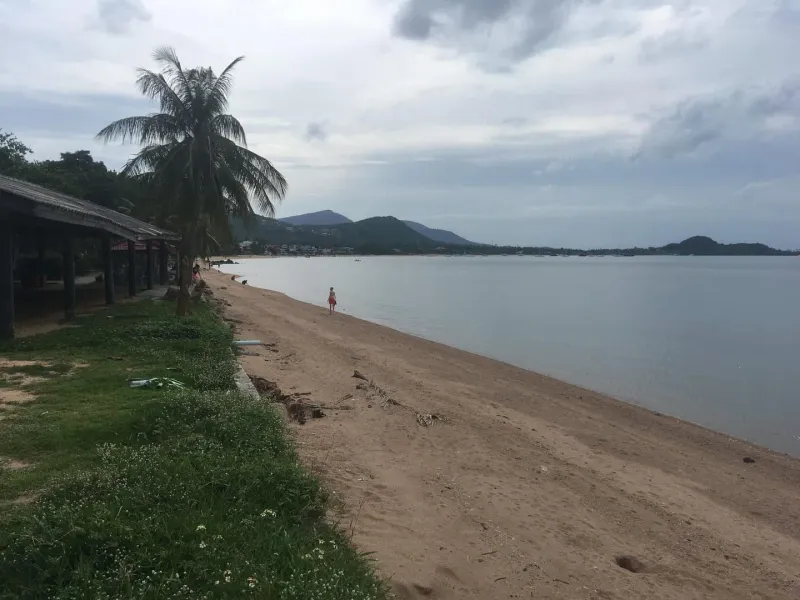
- Bophut Beach — the fishing-village beach the original sanctuary sits inland from.
- Chaweng Noi Beach — the quieter southern arc of Chaweng, closest to the second sanctuary site.
- Wat Plai Laem — the 18-armed Guanyin temple on the island’s northeast coast, a common add-on stop for guests staying near either sanctuary.
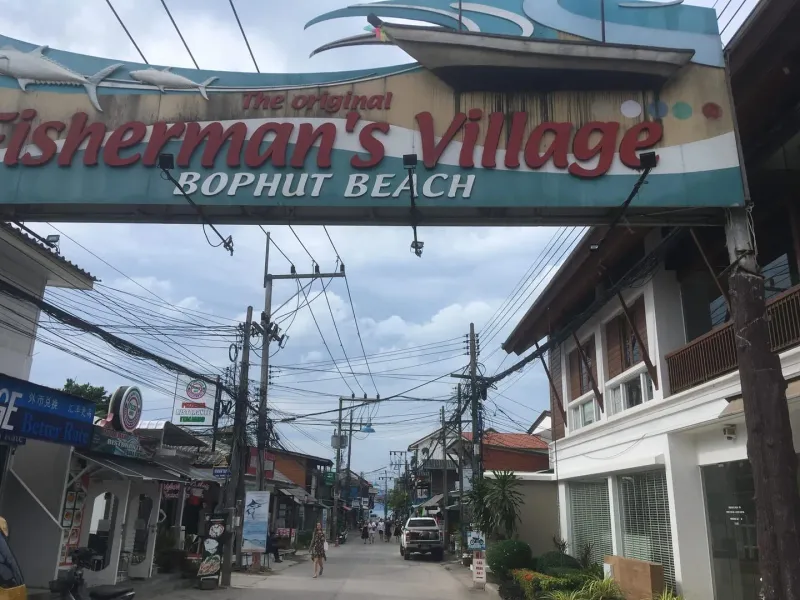
- samui69’s Bophut Fisherman’s Village guide — shops, restaurants and the Friday Walking Street near the Bophut site.
- samui69’s ethical elephant sanctuaries comparison — how this sanctuary compares on price and format to Samui Elephant Haven, Elephant Kingdom Samui and Elephant Jungle Sanctuary Samui.
Pros and Cons
Pros
- Strict no-riding, no-bathing policy, verified by two Tourism Authority of Thailand welfare awards and a World Animal Protection listing rather than self-declared claims alone.
- Two locations to match different hotel areas, both currently operating.
- Hotel transfer, a meal and insurance are bundled into every price, with no deposit required.
- Active on Google, TripAdvisor and Facebook with new posts and reviews as of September 2026, rather than a stale, unmaintained listing.
Cons
- Observation-only format means no bathing or close contact — some visitors expecting a hands-on experience may find it less interactive than other Samui operators.
- At 2,900 THB per adult, it sits above budget alternatives like Samui Elephant Haven’s shorter feeding visits.
- Popular with tour groups in high season; booking only a day or two ahead risks a sold-out slot.
- Cash-only payment on arrival, with no card option stated on the sanctuary’s own site.
FAQ
Where is Samui Elephant Sanctuary located?
It operates two sites: the original in Bophut, on 15 rai of forested land near the island’s north coast, and a second, larger site in Chaweng Noi on 40 rai, opened in January 2020. Both are currently open; the sanctuary’s own booking system lets guests choose either.
Does Samui Elephant Sanctuary allow riding or bathing elephants?
No. The sanctuary states it does not allow riding, bathing, mud-bathing, trunk-hugging or sitting on the elephants at either site. Visitors feed the herd and walk alongside them while the elephants forage, swim and play in mud on their own terms.
How much does a visit cost?
A 3-hour half-day tour costs 2,900 THB (~83 USD) for adults and 1,400 THB (~40 USD) for children aged 5–11, including transfer, a meal and insurance, as of September 2026. Bophut also offers a shorter 1.5-hour visit at 2,000 THB (~57 USD) adult / 1,000 THB (~29 USD) child.
Should I book the Bophut or Chaweng Noi site?
Bophut is smaller (7 elephants) and more central for pickups from Maenam through Chaweng; Chaweng Noi is larger (8 elephants, 40 rai) and sits closer to east-coast hotels. Both run the same 3-hour program format and price, so the choice mostly comes down to which pickup location is closer to your hotel.
Is Samui Elephant Sanctuary the same as Samui Elephant Haven?
No. Samui Elephant Haven is a separate, unaffiliated rescue site on Koh Samui’s west coast with its own pricing and pickup arrangements. Both follow no-riding, no-bathing policies, but they are different organisations running different properties.
Do I need to book in advance?
Yes. The sanctuary does not accept guests outside its published tour schedule or walk-ins without a prior booking confirmation, and no deposit is required — payment is cash on arrival.
Published on
About the author

Mike Brochlowski
Travel photographer & writer
Travel photographer and island explorer. Mike has spent years documenting Southeast Asia's hidden gems, from secluded beaches to jungle waterfalls.
Articles by Mike →More in Attractions
1.8 km away
Samui Boat Charter, Bophut — Speedboats, Yachts & Sailing Boats
Samui Boat Charter, Bophut: private speedboat, yacht and sailing charters to Ang Thong, Koh Tao and Koh Phangan.
1.8 km away
Bophut Beach — Fisherman's Village Guide for Koh Samui
Explore Bophut Beach on Koh Samui — historic Fisherman's Village, the Friday Night Market, beachfront dining, and fire shows on the north…
Next in Attractions
Jun Muay Thai, Lamai — Small Open-Air Camp on Koh Samui (2026)
Jun Muay Thai trains out of an open-air camp in Lamai's Maret area.