Overview
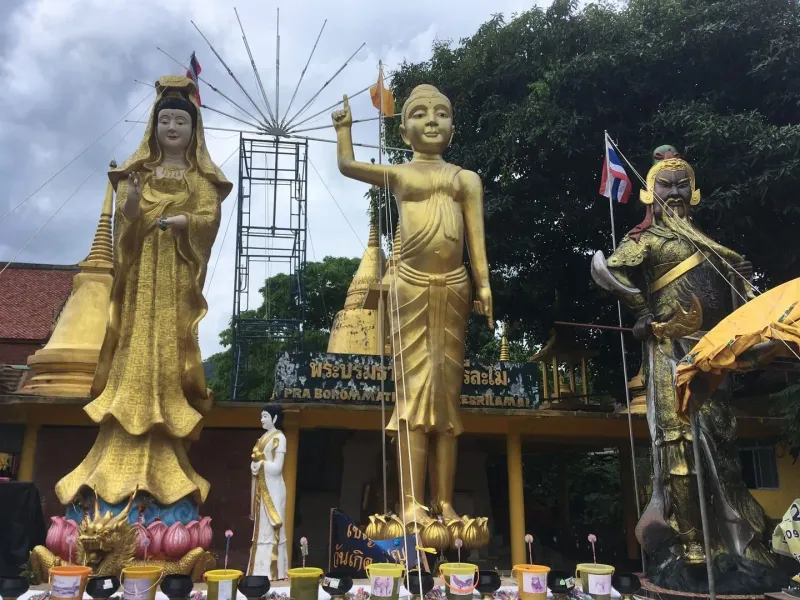
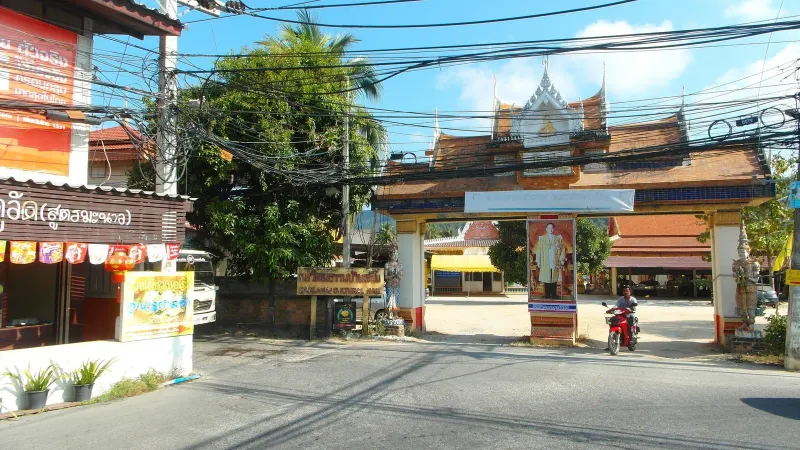
Wat Lamai (วัดละไม) is far more than just a place of worship; it is the historical, social, and spiritual soul of Lamai. While the nearby beach resorts offer modern luxury, Wat Lamai offers a deep, unvarnished look at the island’s heritage. It is one of Samui’s most significant “living temples,” where the rhythms of local life (births, weddings, funerals, and festivals) have played out for generations.
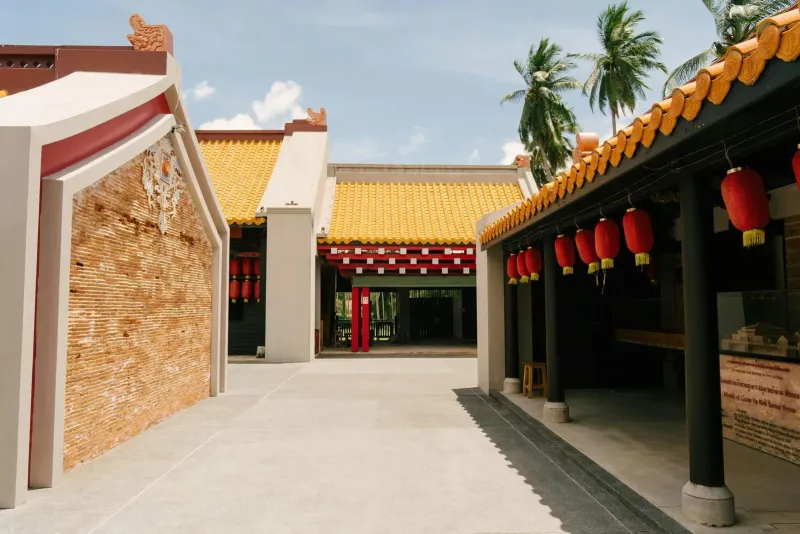
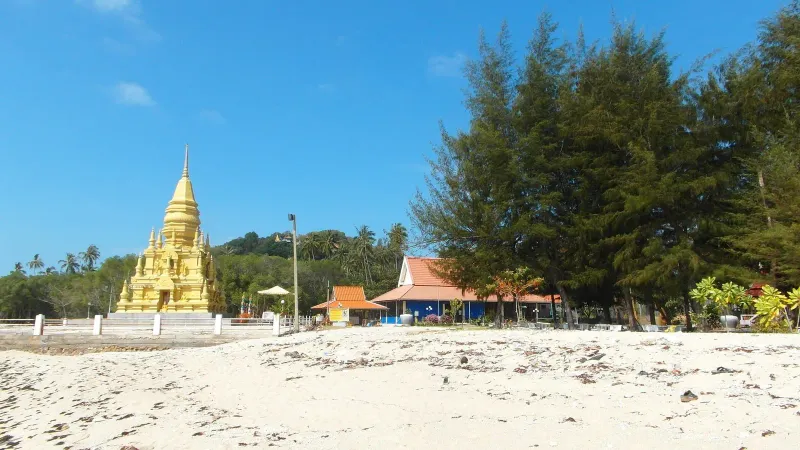
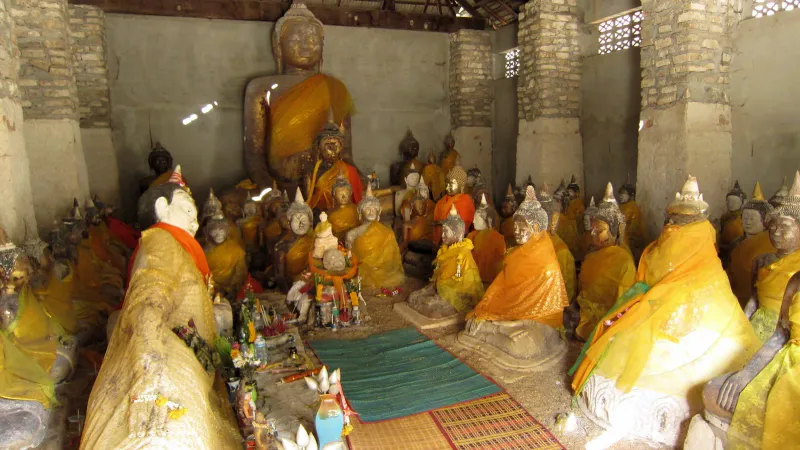
Located on a prominent bend of the island’s main road, the temple complex is a sprawling sanctuary filled with ancient relics, ornate terracotta artwork, and a fascinating folklore museum. Whether you are coming to admire the towering guardian statues or to see a bronze drum that predates the modern era, Wat Lamai provides a meaningful connection to the “Old Samui” that existed long before the first tourist arrived.
History: The Community Anchor
For over a century, Wat Lamai has served as the primary village temple for the fishing and farming families of the southeast coast. Before Koh Samui had a hospital or a government center, the monks at Wat Lamai were the teachers, doctors, and mediators for the community.
Today, that community spirit remains palpable. The grounds house the local Lamai Temple School, and the temple remains the primary venue for the district’s largest festivals. Unlike the more “Instagram-ready” temples in the north, Wat Lamai feels lived-in and deeply respected by the people who call this part of the island home.
Architecture: Yak Guardians and Terracotta
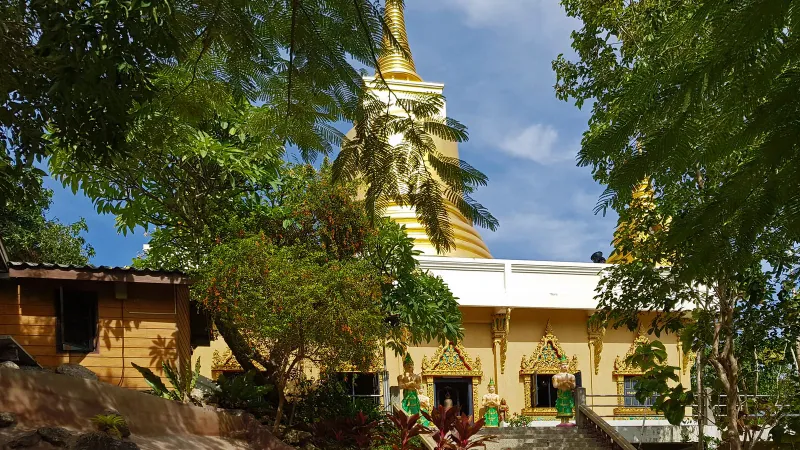
The architecture of Wat Lamai is a testament to traditional Thai craftsmanship, with several unique features that distinguish it from other Samui wats.
The Guardian Yaks
Guarding the entrance to the main prayer halls are two massive, brightly colored Yak (Giant) statues. These mythical warriors are common in Thai temples, believed to ward off evil spirits and protect the sacred Buddha images within.
Terracotta and Bas-Reliefs
Many of the buildings feature beautiful terracotta carvings and stone bas-reliefs. Look specifically for the image of Rahu (the demon who eats the sun) above the doorways, as well as intricate scenes depicting the Ramakien (the Thai national epic). The earthy tones of the terracotta provide a beautiful contrast to the typical gold leaf found in most Thai temples.
The Folklore Museum: Samui’s Memory Bank
Tucked away in a charming, slightly weathered building behind the main temple is the Lamai Folklore Museum (also known as the Lamai Cultural Hall). This is arguably the best place on the island to learn about Samui’s history.
- Agricultural Tools: See the traditional wooden plows and coconut-harvesting tools used by Samui’s ancestors.
- Domestic Life: The collection includes ancient earthenware pots, brass cooking vessels, and traditional musical instruments.
- Island Photography: A series of old black-and-white photos provides a rare look at what Lamai Beach and the village looked like in the 1940s and 50s.
The 2,000-Year-Old Bronze Drum
The most famous single object at Wat Lamai is a ceremonial bronze drum. Discovered by a local farmer in a nearby field, this drum is believed to be over 2,000 years old. It is an extraordinary example of the Dong Son culture, which originated in Vietnam and spread throughout Southeast Asia.
The drum was traditionally used in rain-making ceremonies and to signal important communal events. Its presence at the temple is a point of immense pride for the Lamai community and makes the site a must-visit for serious history buffs.
Activities: Merit-Making and Festivals
- Visit the Museum: Spend at least 30 minutes browsing the artifacts. It is a self-guided experience that offers deep insight into the island’s roots.
- Make Merit: Visitors are welcome to purchase lotus flowers, incense, and candles to offer at the main shrine.
- Feed the Fish: The temple grounds feature a small “Lotus Lake” where you can buy bags of fish food. In Buddhist tradition, feeding animals is a way to make merit (Tam Bun).
- Attend a Temple Fair: If you are lucky enough to be on Samui during a major festival, Wat Lamai hosts some of the island’s best fairs, featuring outdoor cinemas, traditional music, and incredible street food.
Where to Eat: Lamai Village Flavors
Wat Lamai is perfectly positioned near some of the best-value food on the island.
| Restaurant | Style | Recommendation | Distance |
|---|---|---|---|
| Lamai Night Market | Street Food | Pad Thai / Crepes | 5 min walk |
| Sabienglae | Seafood | Spicy Prawns | 10 min walk |
| The Thai Bakery | Comfort Food | Fresh Pastries | 3 min walk |
| Local Stalls | Thai BBQ | Grilled Chicken | Outside gates |
Nearby Attractions
Combine your cultural exploration with these other southeast sites:
- Lamai Beach (5 min walk): A beautiful bay with white sand and large granite boulders.
- Grandmother and Grandfather Rocks (Hin Ta Hin Yai) (5 min drive): Famous coastal rock formations.
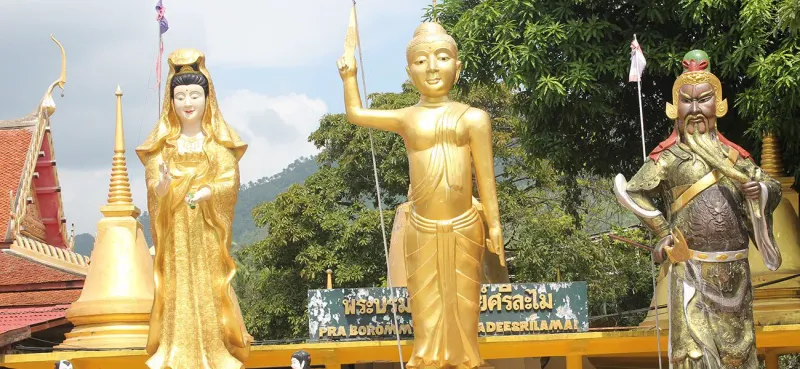
- Guan Yu Shrine (8 min drive): A massive bronze-faced Chinese warrior statue.
- Overlap Stone (10 min drive): A dramatic viewpoint high in the Lamai hills.
Getting There: Lamai Ring Road Bend
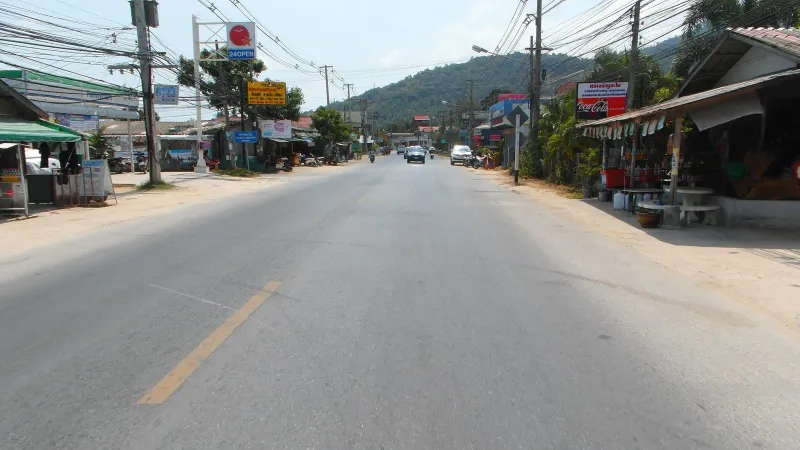
Wat Lamai is located on the Main Ring Road (Route 4169) at the northern end of Lamai Village.
- By Motorbike/Car: The temple is situated on a very sharp 90-degree bend in the road. It is impossible to miss if you are traveling between Chaweng and Lamai.
- By Songthaew: Any songthaew traveling clockwise or counter-clockwise will pass the temple.
- Parking: There is a large free parking area directly inside the temple gates.
Best Time to Visit: Culture and Climate
| Time | Experience | Rating |
|---|---|---|
| 8:00 AM - 10:00 AM | Coolest weather; observe the school day starting. | ★★★★★ |
| 11:00 AM - 3:00 PM | Best for visiting the museum (shaded/indoor). | ★★★★ |
| 4:00 PM - 6:00 PM | Soft lighting; peaceful atmosphere after school ends. | ★★★★ |
Pro Tip: If there is a major Buddhist holiday during your trip, visit Wat Lamai in the evening. The atmosphere during a temple fair is electric and provides the best possible cultural experience.
Practical Tips for Visitors
- Respect the Museum: The folklore museum is run by volunteers and donations. Please handle artifacts with care and leave a small donation in the box.
- Modest Attire: This is an active monastery. Ensure your shoulders and knees are covered.
- Remove Shoes: Always remove your shoes before entering any temple building or the museum hall.
- Quiet Demeanor: Be mindful of the resident monks and the children at the temple school. Keep your voice low.
- Hydration: The temple grounds are open and can get very hot. Bring a bottle of water or buy one from the vendors outside the gates.

Who Is Wat Lamai Best For?
| Traveler Type | Rating | Why? |
|---|---|---|
| History Buffs | ★★★★★ | The museum and bronze drum are unique historical assets. |
| Culture Seekers | ★★★★★ | A truly authentic “living” temple experience. |
| Families | ★★★★ | Kids enjoy the school environment and feeding the fish. |
| Budget Travelers | ★★★★★ | Free entry and high educational value. |
FAQ
Is there a cost for the museum? There is no fixed entry fee for the museum, but a donation of around 20-50 THB is highly encouraged to help with the preservation of the artifacts.
Is Wat Lamai crowded? Rarely. While it is a popular spot for locals, it is much quieter than the Big Buddha or Wat Plai Laem. You will likely have the museum to yourself.
How old is the temple? The temple has been a community center for over a century, serving as the heart of Lamai since the early days of Samui’s settlement.
Can I see the bronze drum at any time? The drum is typically housed within the museum area. If the museum building is open (usually during daylight hours), you can see the drum.
Is it safe to feed the fish? Yes! It is a safe and popular activity for families. You can buy fish food from the small stalls or machines near the pond.
About the author
Samui69 Editorial Team
Editorial team
Guides researched and fact-checked by the Samui69 editorial team: residents and frequent visitors who verify opening hours, prices and directions on the ground.
About the author →