Overview
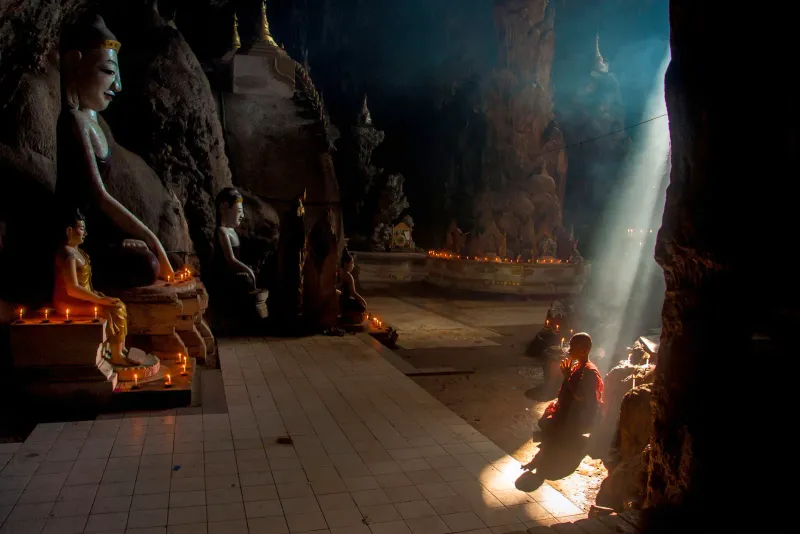
The Kamalaya Monk Cave (ถ้ำพระกมลยา), historically known as Tham Phra, is a site of profound spiritual depth hidden on the southern coast of Koh Samui. While the island is famous for its grand, ornate temples, this ancient cave offers a completely different experience: one of raw, unadorned simplicity and natural power. For over three centuries, this granite sanctuary has served as a place of retreat and solitary meditation for Buddhist monks seeking enlightenment far from the distractions of the world.
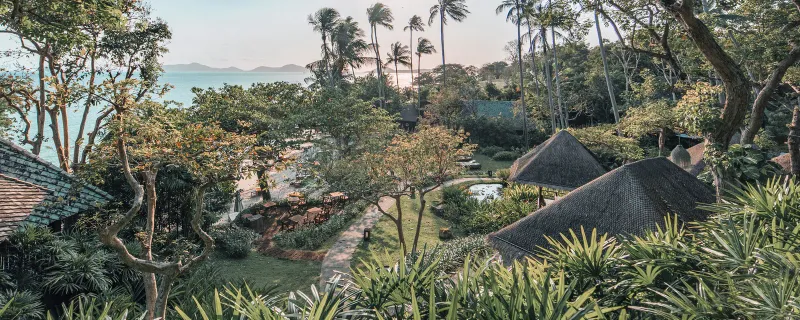
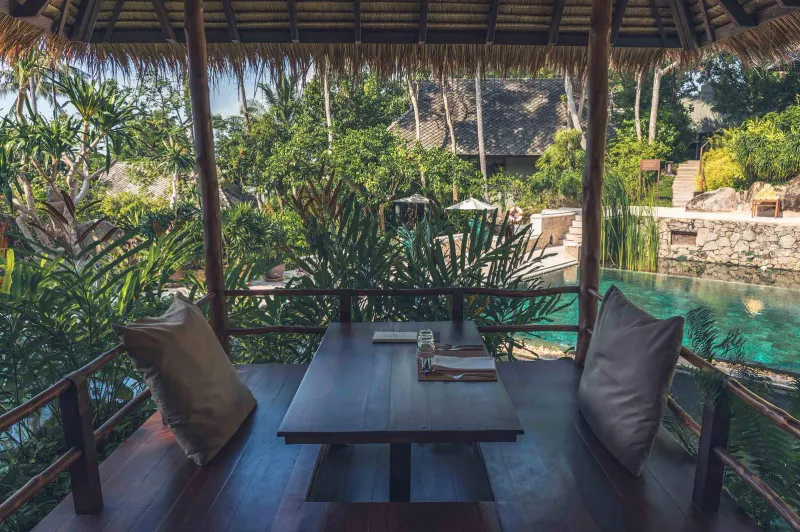
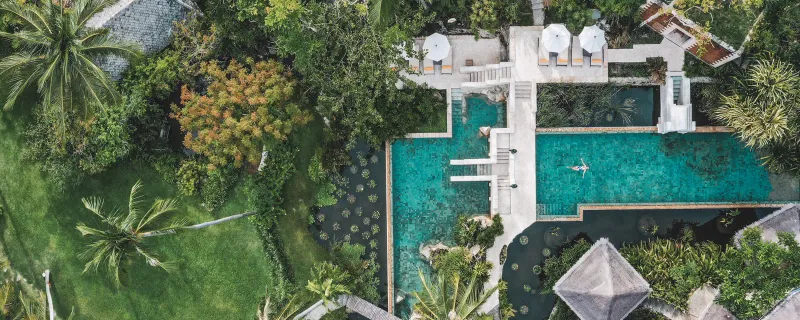
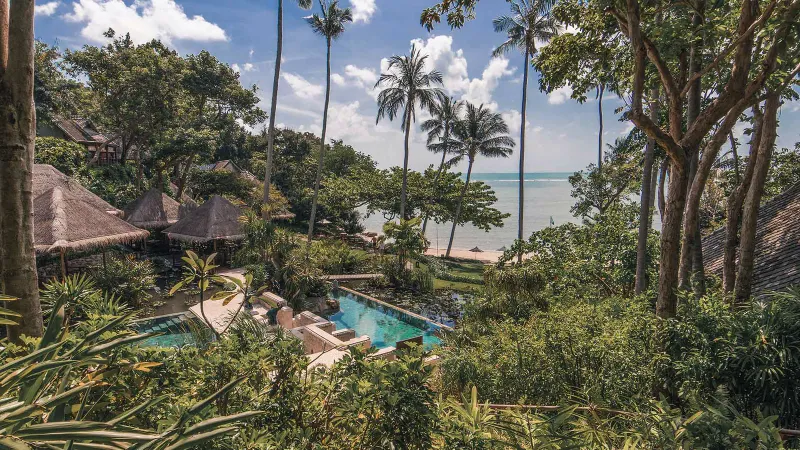
Today, the cave sits at the heart of the world-renowned Kamalaya Wellness Sanctuary. It remains a sacred space where the ancient energy of Samui’s monastic past intersects with modern holistic healing. Whether you are a guest at the resort or a spiritual traveler interested in the island’s hidden history, the Kamalaya Monk Cave represents the ultimate destination for those seeking deep silence and inner reflection.
History: Centuries of Silent Meditation
The history of the cave begins long before Koh Samui appeared on any travel map. For hundreds of years, the southern hills of the island were a primary destination for Aranyavasi (forest-dwelling) monks. These monks sought out remote natural sites like Tham Phra to practice Vipassana (insight meditation).
The cave’s natural structure (massive granite boulders forming a cool, sheltered interior) provided the perfect environment for extended periods of silence. Generations of monks lived simply within these walls, subsisting on alms from the local fishing villages and dedicating their lives to the mastery of the mind.
The Founding of Kamalaya: A Sacred Anchor
The cave entered its modern chapter in 2000, when it was discovered by John and Karina Stewart. John, who had lived for 16 years as a monk in a Himalayan community, immediately recognized the spiritual significance of the site.
Rather than developing the land for a standard resort, the founders chose to build Kamalaya around the cave. The resort’s architecture was carefully designed to flow with the natural contours of the hillside and the existing boulders, ensuring that the cave remained the physical and spiritual anchor of the entire sanctuary. When Kamalaya opened in 2005, the name itself reflected this vision: “Kamal” (Lotus) and “Alaya” (Realm), the realm of the unfolding spirit.
The Granite Sanctuary: A Natural Haven
The cave is a remarkable example of how Samui’s geological features have shaped its spiritual culture.
- Natural Air-Conditioning: The thick granite walls keep the interior of the cave significantly cooler than the surrounding jungle, even during the peak of the Samui summer.
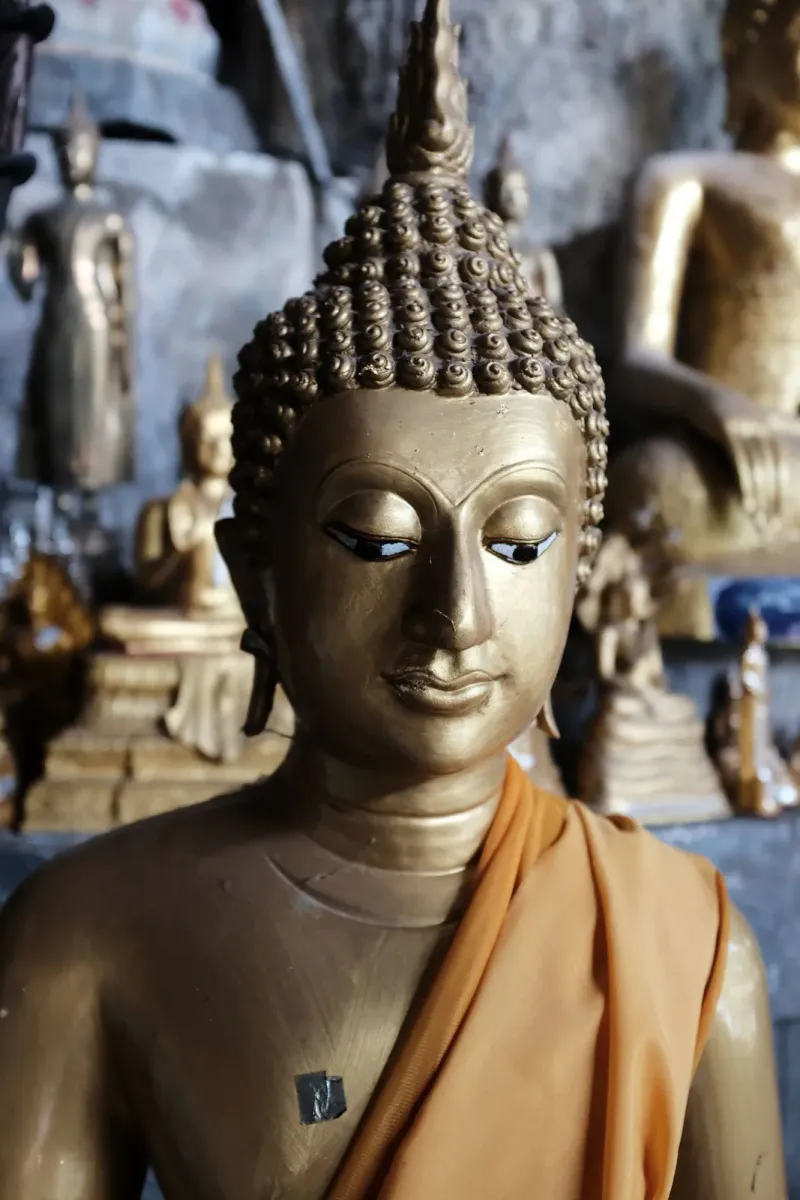
- Minimalism: Inside, the cave is almost entirely unadorned. There are no golden statues or elaborate murals; just a simple altar, a few cushions for sitting, and the raw texture of the stone.
- Acoustics: The design of the cave naturally dampens outside noise, creating a “sonic void” that makes it exceptionally easy to focus during meditation.
Meditation and Mindfulness: The Cave’s Legacy
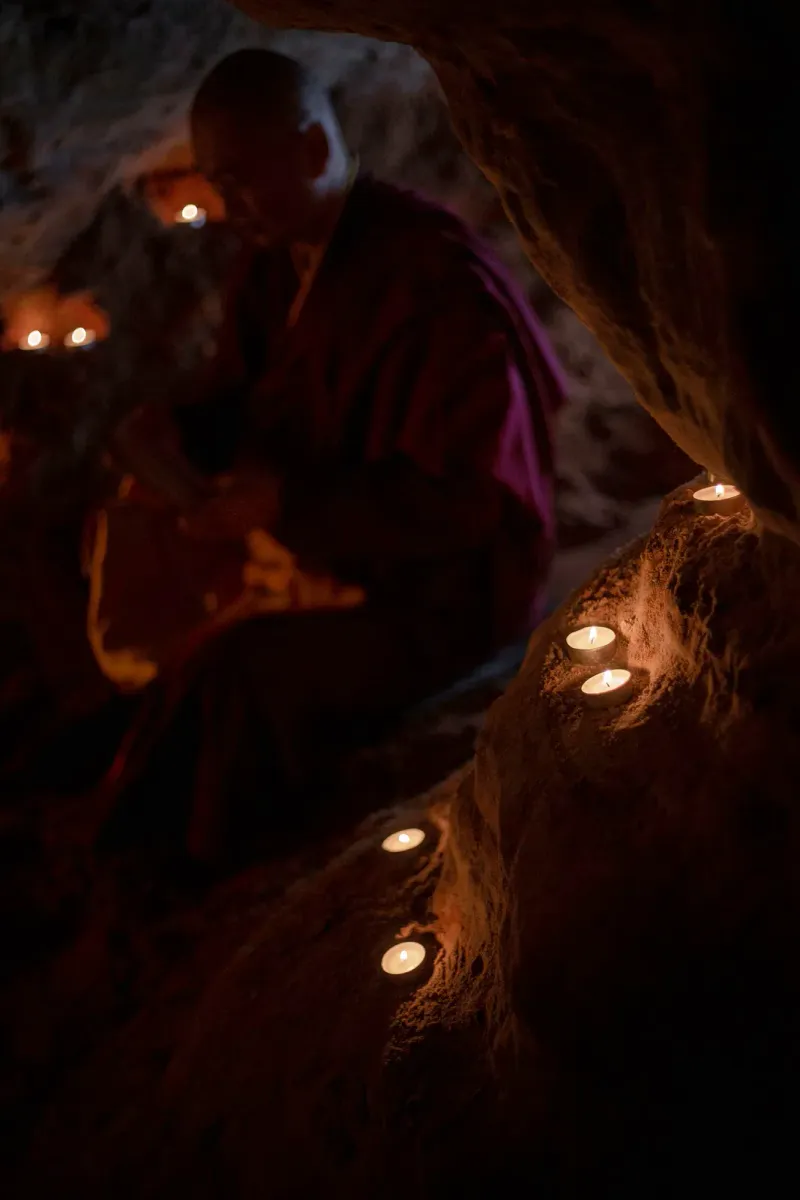
A visit to the Monk Cave is an invitation to step out of “linear time” and into a state of presence.
- Digital-Free Zone: To preserve the sanctity of the space, all electronic devices (including phones and cameras) are strictly prohibited inside and in the immediate vicinity of the cave.
- The Power of Silence: Guests are encouraged to maintain absolute silence. Many find that just 10 minutes of sitting in the cave provides a level of mental clarity that is difficult to achieve elsewhere.
- Connecting with the Past: Meditating in the cave allows visitors to symbolically join the lineage of monks who have practiced here for centuries, tapping into a long-established “field” of spiritual devotion.
Holistic Healing: Beyond the Cave
While the cave is the spiritual heart, the surrounding Kamalaya sanctuary offers a comprehensive range of holistic practices that complement the cave’s energy.
| Practice | Description | Focus |
|---|---|---|
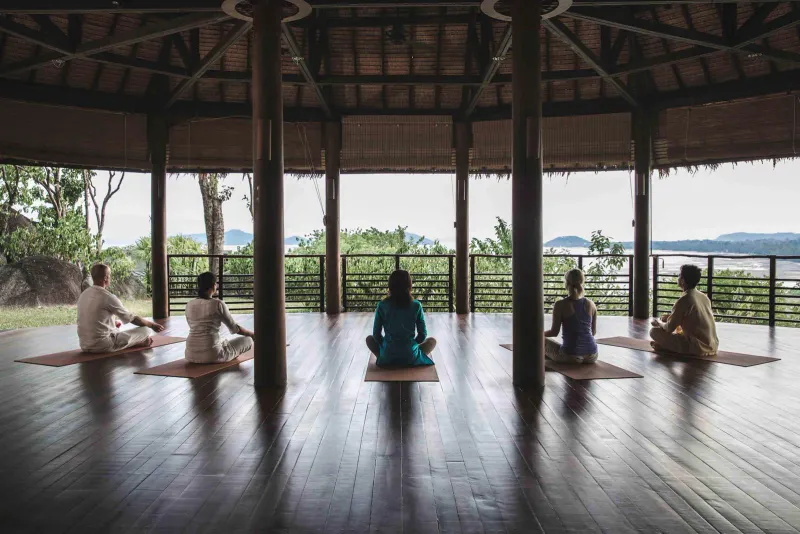
| Yoga & Qi Gong | Classes held in open-air pavilions | Physical flow and energy balance |
| Life Mentoring | Sessions with former monks | Emotional and spiritual growth |
| Traditional Thai | Authentic massage and herbal heat | Physical restoration |
| Ayurveda | Ancient Indian healing protocols | Systemic detoxification |
Where to Eat: Laem Set and Beyond
If you are staying at the resort, the dining is world-class and focused on health. If you are visiting the area, there are several charming local spots nearby.
| Restaurant | Style | Recommendation | Distance |
|---|---|---|---|
| Soma Restaurant | Health-Focused / Resort | Steam-cooked Fish | Inside Kamalaya |
| The Mother | Local / Fusion | Green Curry | 5 min drive |
| Cool Bar | Beachfront / Relaxed | Fresh Coconuts | 8 min drive |
| ShaSa Dining | Upscale / Views | Sunset Seafood | 10 min drive |
Nearby Attractions
The Laem Set area is one of Samui’s quietest corners:
- Laem Set Beach: A wild, rocky beach perfect for beachcombing and quiet walks.
- Samui Aquarium & Tiger Zoo: A short drive away, popular for families.
- Wat Khunaram (15 min drive): Visit the mummified monk for a different spiritual perspective.
- Na Muang Waterfalls (20 min drive): The island’s most spectacular natural waterfalls.
Getting There: The Hillside of Laem Set
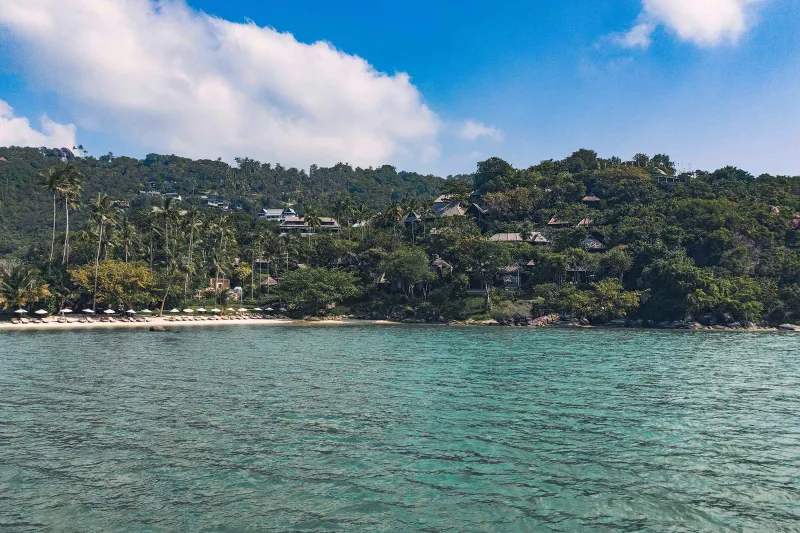
The Monk Cave is located within the Kamalaya Wellness Sanctuary in the Laem Set region of southern Koh Samui.
- Location: Off Route 4170, about 45 minutes south of Koh Samui Airport and 20 minutes from Lamai.
- Access Policy: Important: The cave is primarily a private facility for resort guests. Non-guests who wish to visit the sanctuary or use the spa facilities should contact the resort in advance to inquire about day passes or spa bookings. Casual walk-in sightseeing is generally not permitted to protect the privacy and tranquility of the guests.
- By Taxi: A taxi from Chaweng will cost approximately 600-800 THB (~17-23 USD).
Best Time to Visit
| Time | Experience | Rating |
|---|---|---|
| Sunrise - 9:00 AM | Most potent energy; cool mountain air. | ★★★★★ |
| 10:00 AM - 3:00 PM | Ideal for escaping the tropical heat (cave is cool). | ★★★★ |
| 4:30 PM - Sunset | Soft lighting; peaceful transition to evening. | ★★★★★ |
Practical Tips for Visitors
- Dress Modestly: Even though it’s inside a resort, the cave is a sacred site. Cover shoulders and knees.
- Remove Shoes: Always take your shoes off before stepping onto the wooden platform at the cave entrance.
- Total Silence: Maintain a whisper or complete silence from the moment you approach the “Sanctuary” sign.
- Respect Privacy: Kamalaya is a place of deep emotional healing for many. Avoid taking photos of other guests or in any common areas.
- Book Ahead: If you are not a staying guest, always call ahead to ensure the facility is open to visitors on that day.
Who Is the Monk Cave Best For?
| Traveler Type | Rating | Why? |
|---|---|---|
| Meditators | ★★★★★ | An authentic, high-energy site for deep practice. |
| Wellness Seekers | ★★★★★ | Part of one of the world’s best healing environments. |
| History Lovers | ★★★★ | A rare look at Samui’s pre-modern spiritual life. |
| Introverts | ★★★★★ | The ultimate escape from the noise of the modern world. |
FAQ
Can anyone visit the Kamalaya Monk Cave? Access is primarily for staying guests of the Kamalaya resort. Visitors who book a spa treatment or a day pass may be allowed to visit the cave, but casual sightseeing without a prior booking is generally not permitted.
How old is the cave? The granite formation is millions of years old, but it has been used as a site for Buddhist meditation for at least 300 years.
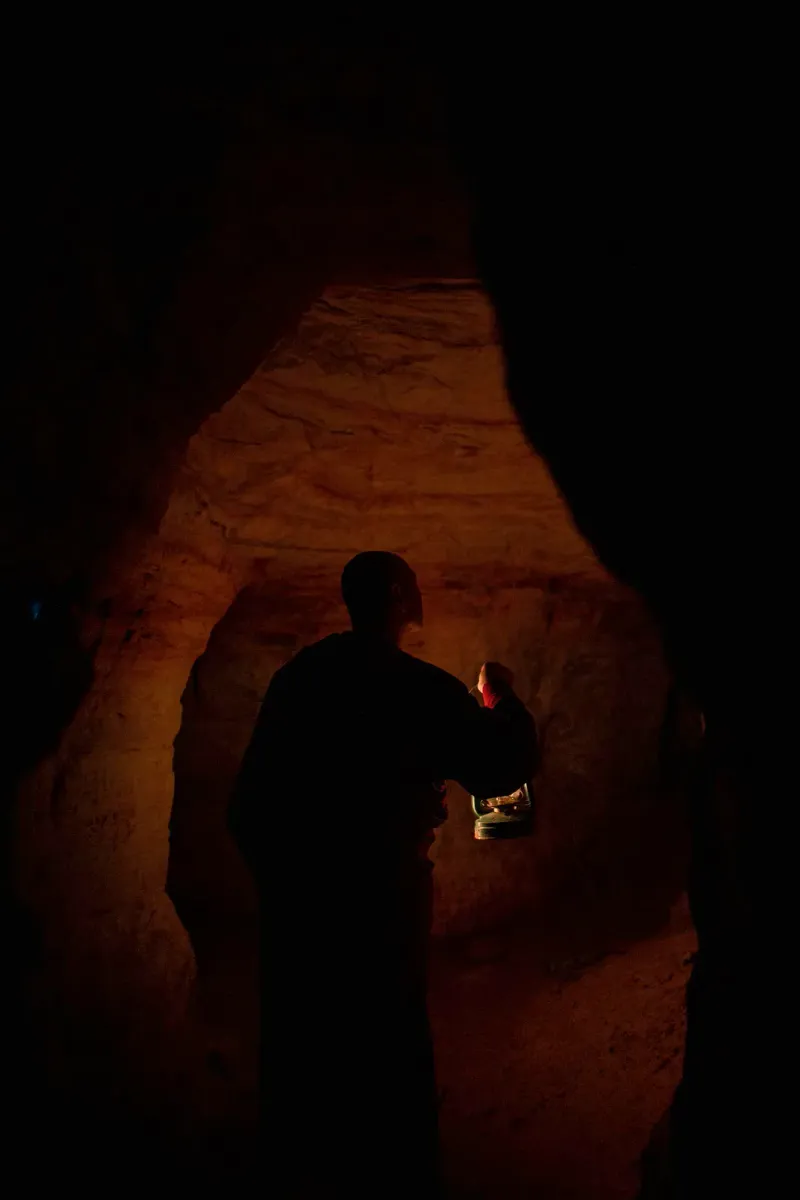
Is it dark inside? The cave is naturally lit by the entrance and small fissures in the rock. It is dim and atmospheric, but not pitch black. Candles are often lit at the altar to provide a soft glow.
Can I meditate there if I am not Buddhist? Yes. The cave is a place for universal silence and reflection. People of all faiths (or none) are welcome to use the space for quiet contemplation.
Is there a dress code for the resort? While casual resort wear is fine, a more modest “temple dress” (covering shoulders and knees) is required specifically when entering the cave area.
About the author
Samui69 Editorial Team
Editorial team
Guides researched and fact-checked by the Samui69 editorial team: residents and frequent visitors who verify opening hours, prices and directions on the ground.
About the author →