Overview
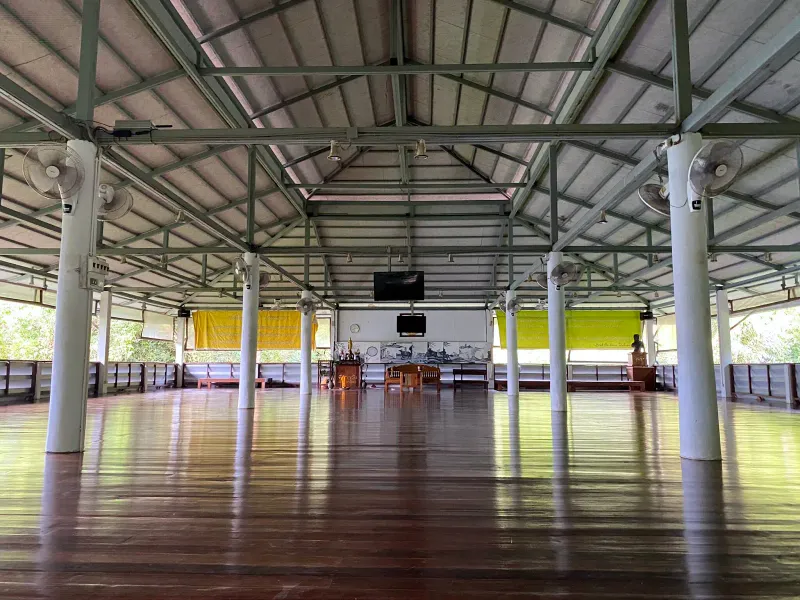
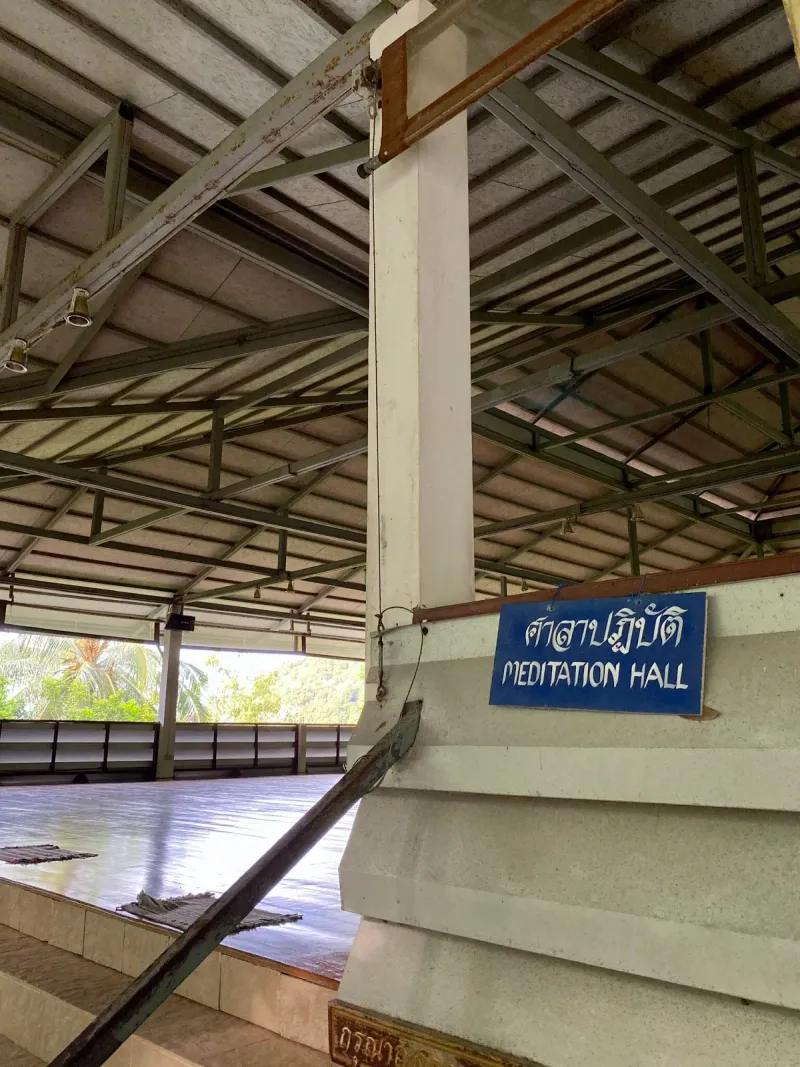
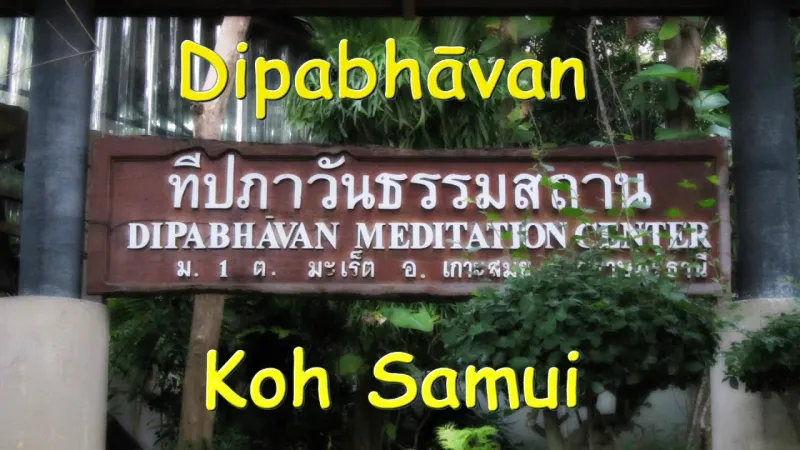
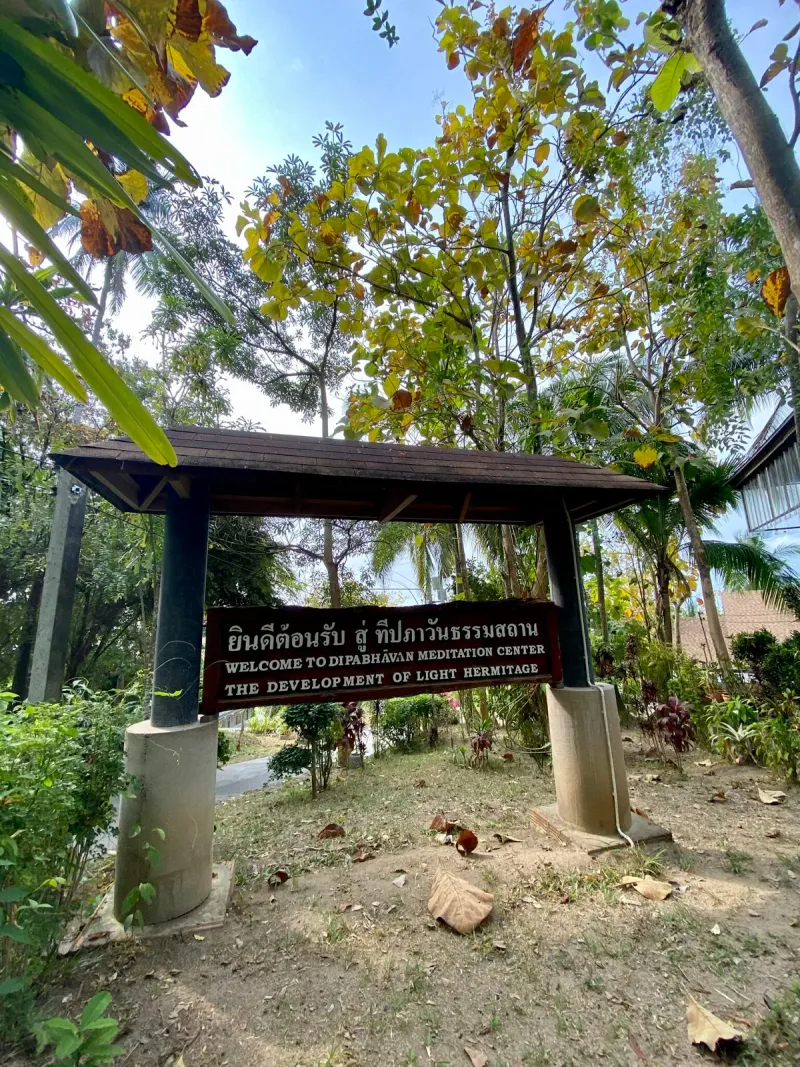
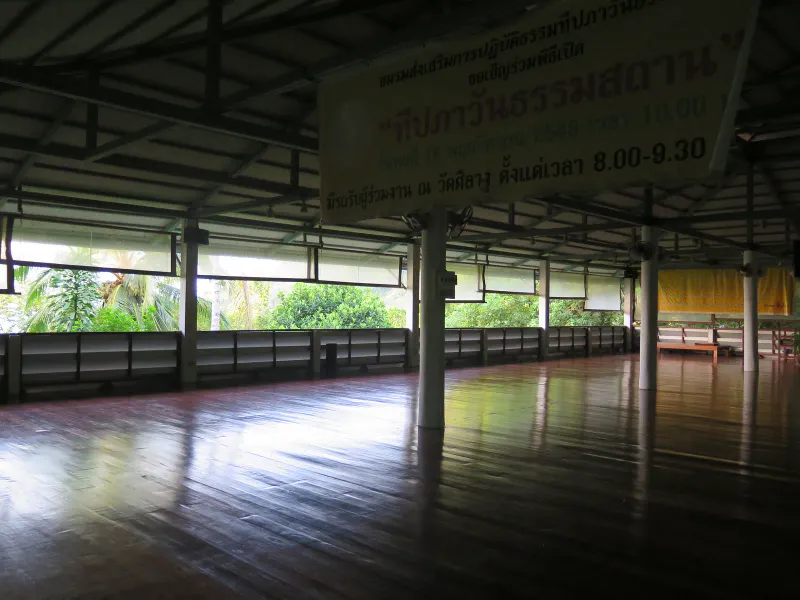
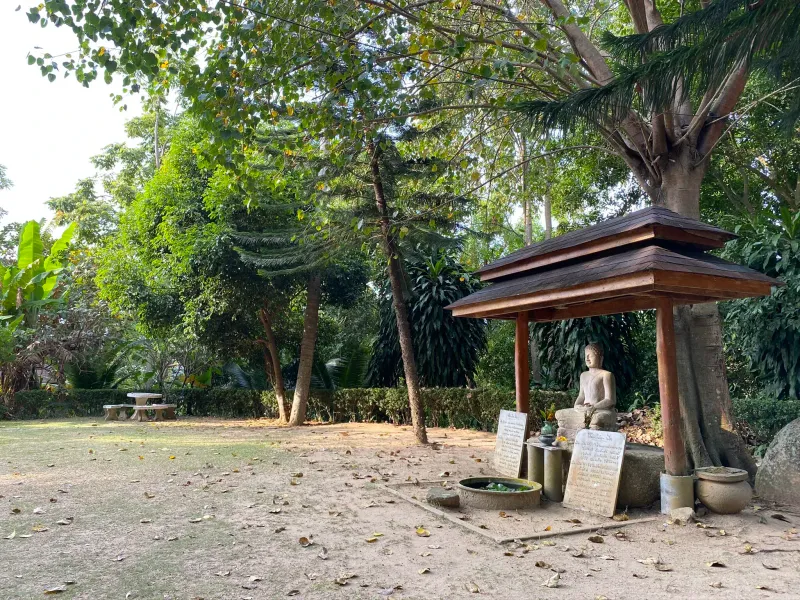
Dipabhavan Meditation Center (ธรรมสถานทีปภาวัน) is Koh Samui’s premier destination for those seeking a deep, authentic encounter with Buddhist meditation. Perched high on a secluded mountain slope in the island’s southeast, this sanctuary offers a profound escape from the modern world. Its name, which means “Development of Light Hermitage,” reflects its mission: to help individuals cultivate the “light of wisdom” within their own minds.
Unlike the many luxury wellness resorts on Samui, Dipabhavan is a traditional, donation-based hermitage following the ascetic forest tradition. It is famous for its 7-day silent Vipassana retreats, where participants from all over the world come to trade their digital devices and physical comforts for a week of rigorous mental training. With its panoramic views of the Gulf of Thailand and its atmosphere of absolute “Noble Silence,” Dipabhavan provides the perfect environment for true spiritual transformation.
History: The Development of Light
Dipabhavan was established in 2005 by Ajahn Poh, the highly respected abbot of Suan Mokkh (the famous mainland monastery founded by Ajahn Buddhadasa). Ajahn Poh realized that many travelers on Koh Samui were looking for more than just a beach holiday: they were looking for meaning.
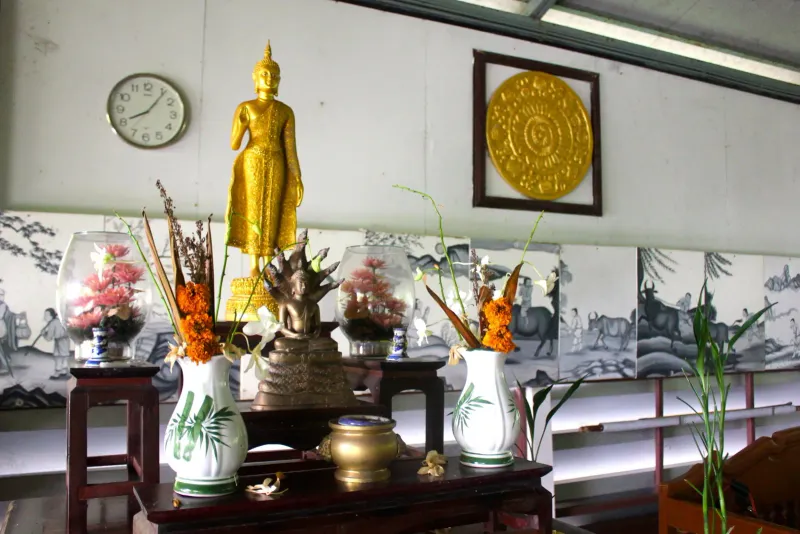
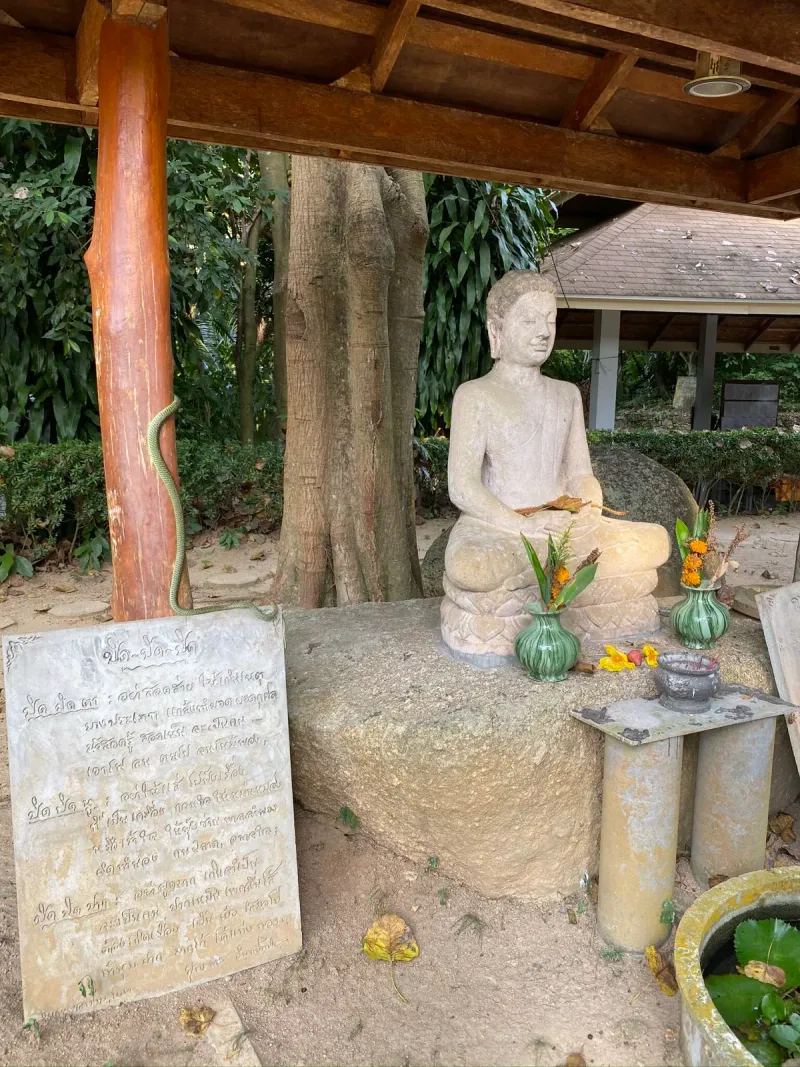
The center follows the lineage of Ajahn Buddhadasa Bhikkhu, one of Thailand’s most influential 20th-century monks, who emphasized a “back-to-basics” approach to the Buddha’s original teachings. Dipabhavan was designed to be an international bridge, providing a space where both Thais and foreigners could study the Dhamma (natural truth) in a supportive, non-commercial environment.
The Hermitage: Back-to-Basics Simplicity
A retreat at Dipabhavan is an exercise in detachment. The center provides everything needed for spiritual practice, but nothing that caters to physical luxury.
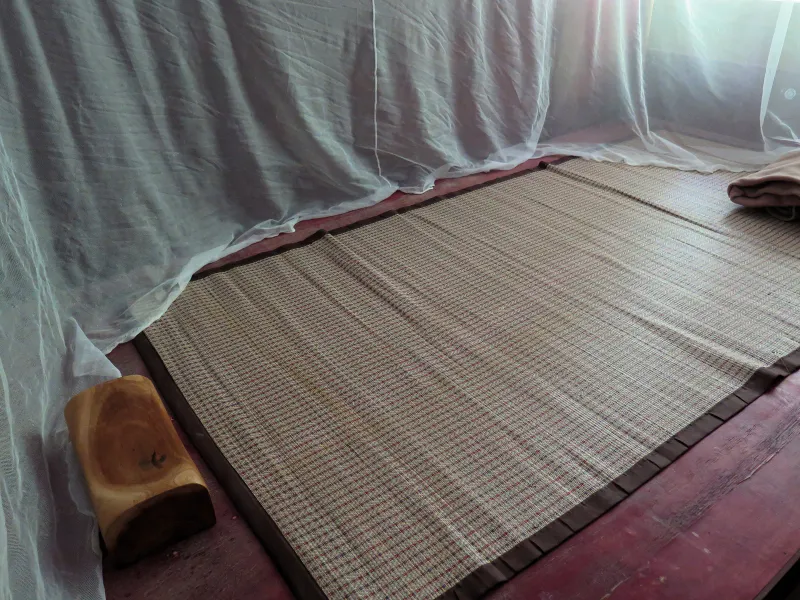
- Accommodation: Dormitories feature simple wooden beds with mats and mosquito nets. There is no air conditioning; the mountain breeze provides natural cooling.
- Showers: Traditional Thai-style “bucket showers” with cool mountain water are the norm, encouraging a bracing start to the day.
- The Food: Two nutritious vegetarian meals are served daily (breakfast and lunch), with a light tea in the evening. This follows the monastic tradition of not eating after noon.
- Digital Detox: Upon arrival, all participants deposit their phones, laptops, and books in a secure locker. This “digital fast” is vital for quieting the mind.
The Retreat Experience: Noble Silence
The core of the Dipabhavan experience is Noble Silence. This means no talking, no gesturing, and no eye contact with other participants for the duration of the retreat.
While this may seem daunting to beginners, most students find that after the first two days, the silence becomes a profound relief. It removes the social pressure of interaction and allows the mind to turn inward. The only exceptions are scheduled interviews with the meditation teachers, where students can ask questions about their practice.
The Practice: A Day in the Life
A day at Dipabhavan is highly structured, designed to keep the mind focused and the body disciplined.
| Time | Activity |
|---|---|
| 4:30 AM | Wake-up bell |
| 5:00 AM | Morning reading and sitting meditation |
| 6:30 AM | Yoga or mindful exercise |
| 7:30 AM | Breakfast and mindful chores |
| 9:30 AM | Dhamma talk (Teaching) |
| 10:30 AM | Walking and sitting meditation |
| 11:30 AM | Lunch (The final meal of the day) |
| 2:30 PM | Sitting and walking meditation |
| 5:00 PM | Chanting and loving-kindness meditation |
| 6:30 PM | Tea time and hot springs (optional) |
| 9:00 PM | Rest |
Meditation Techniques: Breath and Insight
The center primarily teaches two interconnected techniques:
- Anapanasati (Mindfulness of Breathing): The foundation of the practice. By focusing solely on the breath, students learn to calm the nervous system and stabilize the “monkey mind.”
- Vipassana (Insight Meditation): Once the mind is calm, students are taught to observe the nature of their thoughts, feelings, and sensations without judgment. This leads to deep insights into the nature of suffering and the path to liberation.
Visitor Guide: How to Join
Joining a retreat at Dipabhavan requires preparation and commitment.
- Booking: You must register in advance through the official Dipabhavan website. Retreats fill up quickly, especially during the high season (December-March).
- Meeting Point: You cannot drive directly to the center for registration. Participants meet at the Dipabhavan Foundation office near the Red Temple (Wat Sila Ngu) in Hua Thanon.
- Transport: The center provides a free truck service to transport students up the steep, winding mountain road to the hermitage.
- What to Bring: Modest clothing (white is preferred but not required), toiletries, a towel, mosquito repellent, and a flashlight.
Where to Eat: Before and After
Since you will be eating very simply during the retreat, you may want to enjoy a good meal before you start or after you finish.
| Restaurant | Style | Location |
|---|---|---|
| Sweet Sisters | Organic / Healthy | Hua Thanon (near meeting point) |
| Sabienglae | Fresh Seafood | Lamai (5 min drive from meeting point) |
| Mum-Aroi | Local Thai | Hua Thanon |
| Cool Bar | Beachfront | Taling Ngam (South) |
Nearby Attractions
The meeting point in Hua Thanon is near several other southern Samui highlights:
- Wat Sila Ngu (Red Temple): Directly adjacent to the meeting point.
- Guan Yu Shrine: A massive Chinese warrior statue just 2 minutes away.
- Hua Thanon Fishing Village: Explore the traditional teak houses and local market.
- Hin Ta Hin Yai: The famous rock formations are just a 5-minute drive north.
Best Time to Visit
Dipabhavan hosts retreats year-round, but the mountain climate varies.
| Season | Experience | Notes |
|---|---|---|
| Dry Season (Jan-Apr) | Best views; cooler nights; clear skies. | Peak season; book 2-3 months in advance. |
| Hot Season (May-Aug) | Can be very humid; jungle is lush and green. | Mid-level attendance; good for those who like heat. |
| Rainy Season (Oct-Dec) | Atmospheric mist; sound of rain is meditative. | Can be very wet; some paths may be slippery. |
Who Is Dipabhavan Best For?
| Traveler Type | Rating | Why? |
|---|---|---|
| Spirit Seekers | ★★★★★ | The most authentic and intensive retreat on the island. |
| Budget Travelers | ★★★★★ | Completely free/donation-based; accessible to all. |
| Digital Nomads | ★★★★★ | The ultimate “unplug” from screens and social media. |
| Luxury Seekers | ★ | This is an ascetic experience; not for those wanting comfort. |
FAQ
Is it really free? Yes. In the Buddhist tradition of Dana (generosity), the teachings and basic needs are provided free of charge. However, the center relies entirely on donations to continue its work. Most participants leave a donation at the end of their stay based on what they can afford.
I’ve never meditated before. Can I join? Yes! Dipabhavan welcomes beginners. The 3-day introductory retreats are ideal for those new to the practice, while the 7-day retreats include comprehensive instructions.
Can I leave the retreat early? The center asks for a firm commitment to stay for the full duration. Leaving early disrupts the energy of the group and prevents you from experiencing the full benefits of the process.
Do I have to be Buddhist? Not at all. People of all faiths (or none) are welcome. The techniques taught are universal tools for understanding the mind and reducing stress.
Is there an age limit? Participants must be at least 18 years old. There is no upper age limit, provided you are in reasonably good health and able to sit for extended periods.
About the author

Mike Brochlowski
Travel photographer & writer
Travel photographer and island explorer. Mike has spent years documenting Southeast Asia's hidden gems, from secluded beaches to jungle waterfalls.
Articles by Mike →